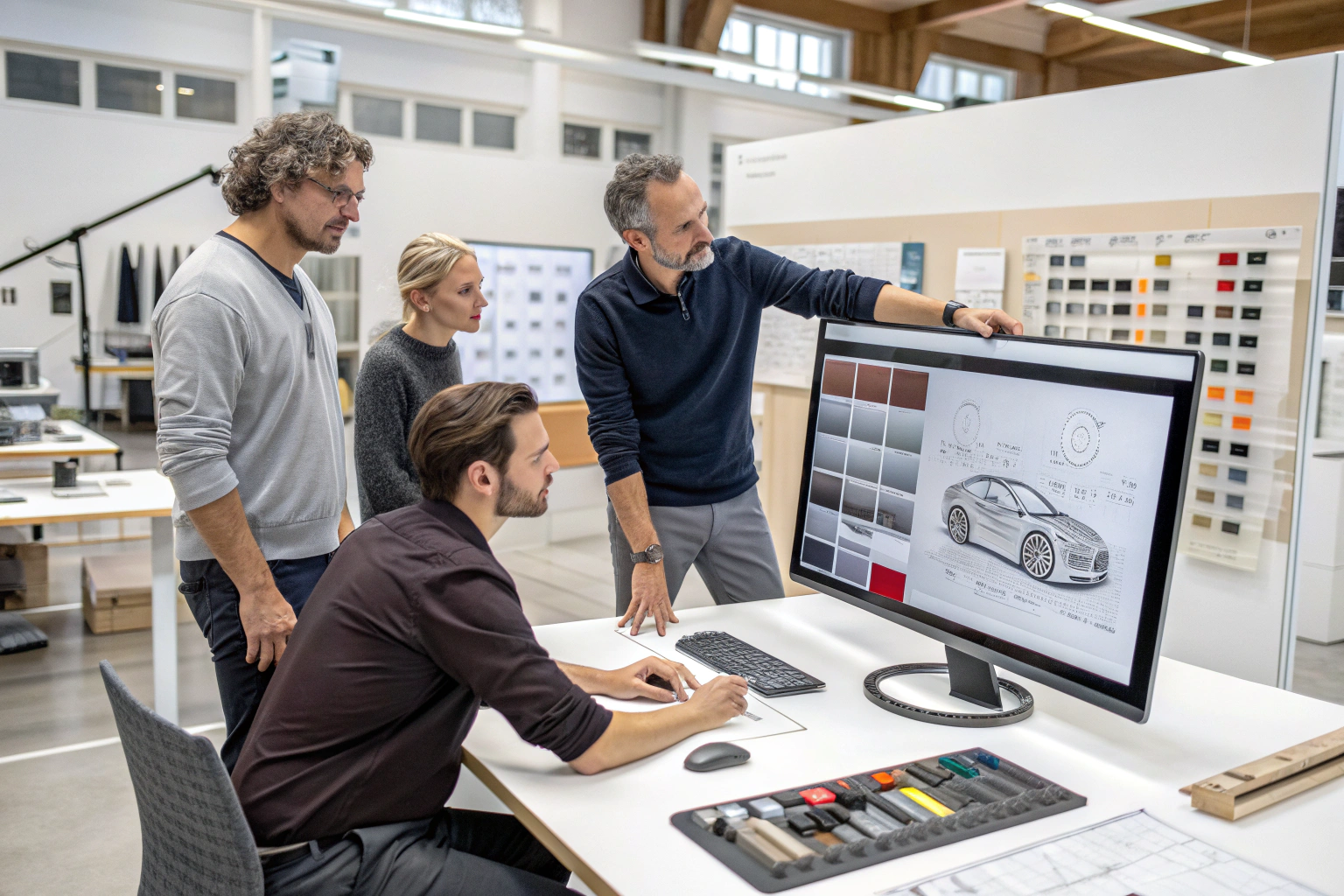
For any brand or buyer sourcing fashion accessories, time is the ultimate currency. The agonizing wait for a physical sample—only to receive something that misses the mark—can derail your entire product launch timeline. You feel the pressure to move quickly, but you also can't afford to compromise on quality or accuracy. The frustration of lengthy back-and-forth revisions and slow communication from a supplier's sample room is a common bottleneck that eats into your competitive edge.
The most effective ways to reduce sample development time are by partnering with a factory with an in-house design and prototyping team, utilizing digital tools for clear specification, and establishing a structured, milestone-driven feedback process. This integrated approach eliminates the delays caused by outsourcing design, clarifies expectations upfront to minimize errors, and streamlines decision-making. When the design, material sourcing, and sample-making teams work under one roof and in direct communication with you, the iteration cycle shrinks from weeks to days.
Let's explore the specific strategies and supplier capabilities that can dramatically accelerate your path from a concept to a perfect, production-ready sample.
Can In-House Design and Prototyping Teams Speed Up Sampling?
When you send your idea to a factory that must outsource its design work or rely on a separate, distant sample workshop, you introduce inevitable delays. Every communication becomes a game of telephone, with details lost in translation between multiple parties. The result is a longer waiting period for the first prototype and a higher likelihood of errors, leading to even more time-consuming revision rounds. The physical and organizational distance between the creative concept and the hands-on sample creation is the primary drag on speed.
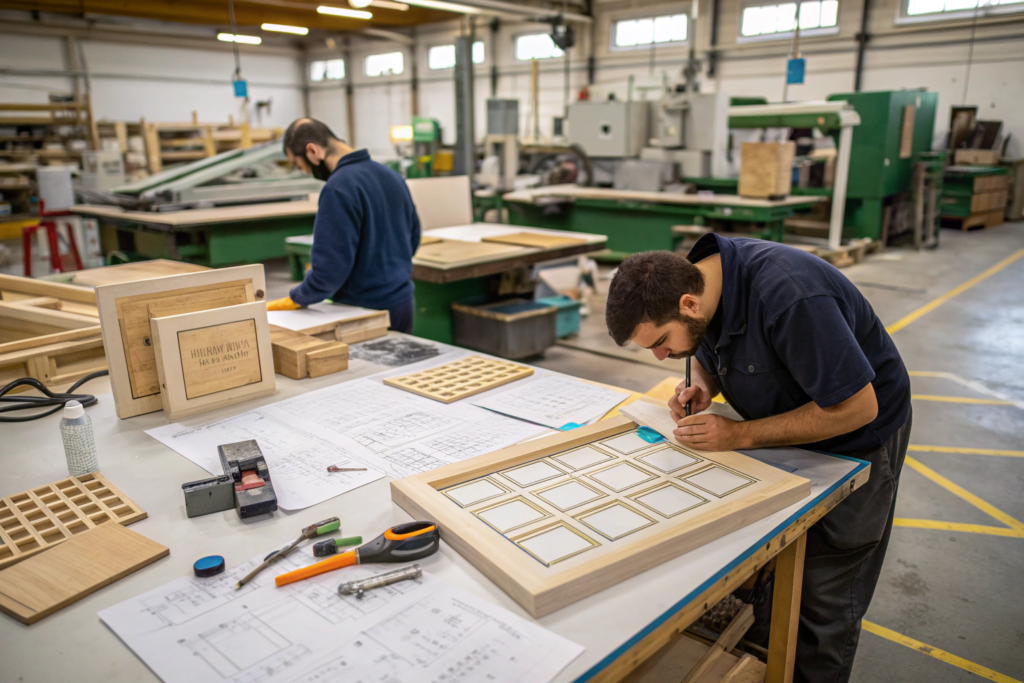
Yes, a factory with a fully integrated in-house design and prototyping team can drastically speed up sampling by enabling real-time collaboration, immediate material access, and on-the-spot adjustments. At our facility, the journey from your sketch or inspirational image to a 3D model and then a physical sample happens within the same building. Our designers can immediately walk over to the sample room to discuss feasibility with the technicians. If a specific bead or metal finding isn't working, they can together pull alternatives from the on-site material library within minutes, not days. This seamless workflow is a core advantage of Shanghai Fumao Clothing, where we've structured our operations to compress the development timeline.
Why Is Proximity Between Design and Sample Rooms Critical?
The critical advantage of in-house prototyping is the elimination of logistical and communicative lag. When the designer and the sample maker share the same workspace, questions are resolved instantly. For example, if a designer creates a technical drawing for a complex woven belt, the sample technician can immediately flag that a particular weave pattern may require a special loom setup. They can then collaboratively adjust the design for both aesthetics and manufacturability before any material is cut. This "right-the-first-time" approach prevents wasted effort. Furthermore, this proximity allows for parallel processing. While one technician is sewing a scarf sample, the designer can be preparing the artwork for its hangtag. This concurrency, impossible with outsourced partners, shaves days off the total development clock. It embodies the principle of concurrent engineering, which is widely recognized for accelerating product development.
How Does a Digital Asset Library Accelerate Initial Stages?
Before a single physical sample is made, significant time can be saved in the conceptual and approval stages. A comprehensive digital asset library maintained by your supplier is a powerful tool for this. This library includes high-resolution photos of previous samples, 3D models of common components (like buckle types or clip mechanisms), and detailed spec sheets for hundreds of materials. When you approach us with a concept for a new line of sun hats, we can immediately send you a digital mood board with similar styles, material swatches (color, texture), and trimmings. You can make selections and give preliminary approvals digitally. This process, sometimes called digital product creation, narrows down the options before physical sampling begins, ensuring that the first prototype is already 80% aligned with your vision, thereby reducing the total number of physical sample rounds needed.
How to Use Technology for Faster Sample Feedback and Revisions?
The traditional sample review process is painfully slow: a physical sample is couriered internationally, you review it for a few days, write up an email with comments and maybe some marked-up photos, send it back, and wait for the next iteration. This cycle, often taking two weeks per round, is a major time sink. The core issue is asynchronous, low-fidelity communication that leaves room for misinterpretation, leading to further revisions.
Leverage collaborative digital platforms and standardized feedback protocols to create a synchronous, clear, and actionable review process that turns weeks of waiting into hours of collaborative problem-solving. Instead of mailing physical samples for every minor revision, we use high-resolution video calls to walk you through a sample in real-time. We can point a camera at specific details—the stitching on a glove, the gloss on a hair clip—and you can give immediate verbal feedback. Furthermore, we employ shared online dashboards where feedback is pinned directly to images of the sample, creating a living, unambiguous revision log that the sample team can action instantly.

What Role Do Video Calls and Annotation Tools Play?
Video call reviews have revolutionized the sample approval process. During a scheduled call, our project manager and sample technician present the physical sample live on camera under proper lighting. You can ask them to manipulate the product—bend a hairband, fasten a belt buckle, stretch a knit hat—to test functionality. This immediate interaction replaces a page of descriptive email feedback. Coupled with digital annotation tools, the process becomes even more precise. We upload high-quality photos of the sample to a shared platform. You can then directly draw circles, arrows, and write comments on the image itself (e.g., "Increase tension here," "Color mismatch at this seam"). This visual feedback is unambiguous and leaves no room for the sample team to guess what you mean. This method aligns with best practices for remote quality management, ensuring clarity and speed.
Can a Standardized Sample Feedback Form Prevent Errors?
Yes, a standardized sample feedback form is a simple yet profoundly effective tool for saving time. Instead of free-form emails where crucial points can be buried or omitted, a structured form ensures every aspect of the sample is evaluated consistently. Our form includes checkboxes and comment fields for key categories: 1) Dimensions & Measurements, 2) Material & Color, 3) Workmanship & Construction, 4) Function & Fit, and 5) Packaging & Labeling. By requiring a response for each category, it forces a comprehensive review and prevents the common scenario where you approve aesthetics but later realize a functional flaw. It also creates a perfect audit trail. When the revised sample comes back, we can systematically confirm that every point on the previous form has been addressed. This structured approach minimizes the "oops, we forgot to mention that" moments that lead to additional, unnecessary sample rounds.
Does Pre-Selecting Materials from a Supplier's Library Save Time?
Imagine you request a sample for a new satin scarf. Without guidance, the supplier selects a satin. The sample arrives, but the hand-feel is wrong and the sheen isn't what you pictured. Now, you must start over, explaining the desired quality and waiting for new material swatches to be sourced. This trial-and-error approach with materials is one of the largest contributors to extended sample development timelines. The root cause is a disconnect between your vision and the supplier's available inventory.
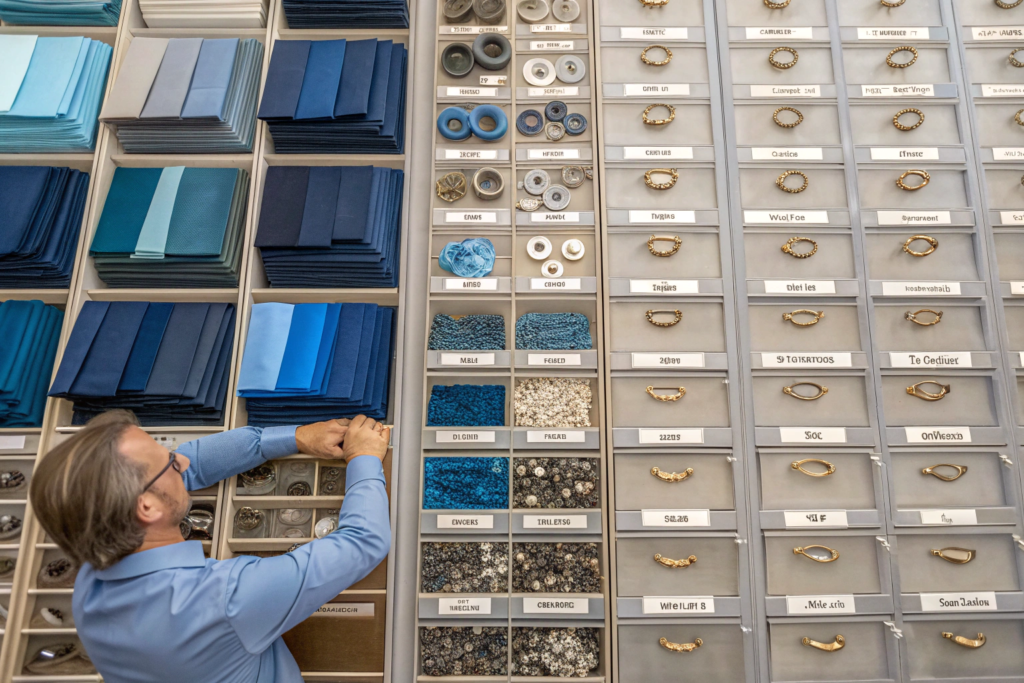
Absolutely, pre-selecting materials from your supplier's physical or digital library before sample-making begins is one of the most reliable ways to save time, as it locks in a key variable and prevents costly revisions later. An extensive, well-organized material library is a sign of a professional supplier. When you visit our facility or access our digital catalog, you can see, touch, and test hundreds of fabric swatches, leather samples, metal finishes, and plastic components. By choosing the exact material upfront—down to its weight, composition, and color code—you ensure the first physical sample is built on the correct foundation. This eliminates the major cause of sample rejection and sets a clear benchmark for quality. For more on the importance of material specification, organizations like the Textile Institute provide extensive resources.
How to Effectively Use a Digital Material Catalog?
A digital material catalog extends the power of the physical library to you, no matter where you are in the world. An effective catalog is more than just photos; it includes detailed specifications: fiber content, weight (GSM), width, wash/care instructions, and availability. Advanced catalogs may even include videos showing drape or texture. Before initiating a sample, you can be tasked with selecting 2-3 preferred material options from the catalog. We then send you physical swatches of only those pre-selected materials for final confirmation. This two-step digital-then-physical verification process is exponentially faster than mailing dozens of uncurated swatches back and forth. It empowers you to make informed decisions quickly and aligns perfectly with efficient supply chain management principles by reducing uncertainty early in the process.
Why Is Understanding Material Lead Time Crucial for Scheduling?
Selecting a material is only half the battle; understanding its lead time is critical for realistic scheduling. A stunning, unique Italian jacquard may be perfect for your luxury scarf, but if it has a 60-day procurement time, it will single-handedly delay your entire sampling and production schedule. A competent supplier will immediately flag such issues. During the material selection phase, we provide not just the sample swatch but also key data: stock availability, minimum order quantity (MOQ), and procurement lead time. This allows for intelligent trade-off decisions. You might choose a stunning material with a long lead time for your premium line and a similar, more readily available alternative for a faster-turnaround capsule collection. This proactive transparency in planning, a practice emphasized in project management methodologies, prevents frustrating bottlenecks later and allows you to sequence your development pipeline strategically.
Can a Structured Development Milestone Plan Prevent Delays?
Approaching sample development without a clear, mutual plan is like setting sail without a map. Unclear responsibilities, vague deadlines, and unexpected dependencies cause confusion and waiting. You might be expecting a sample by a certain date, only to find out the supplier was waiting for your approval on a sub-component you didn't know you needed to approve. This ad-hoc process lacks accountability and is a major source of preventable delay.
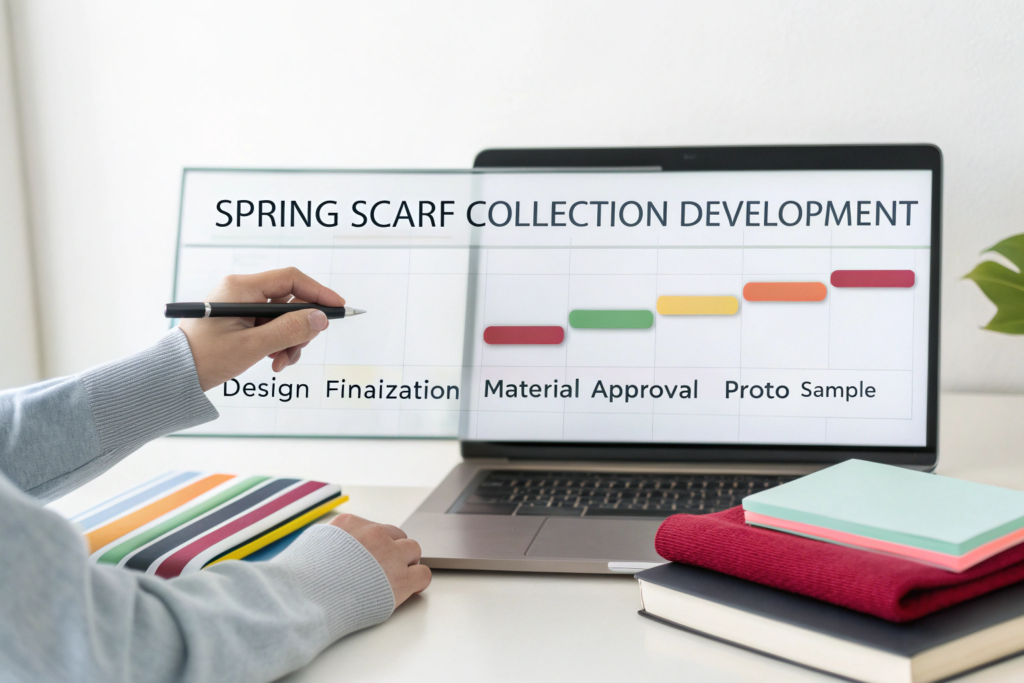
Implementing a structured development milestone plan with your supplier is essential to prevent delays, as it creates shared accountability, clarifies dependencies, and provides a visual timeline for tracking progress. At the outset of any new project, we establish a mutual project timeline. This plan breaks down the sample development phase into clear stages with deadlines for both sides: "Client provides inspiration & target price - Day 1," "Factory provides material options & 3D sketch - Day 3," "Client approves material & sketch - Day 5," "Factory delivers first physical prototype - Day 10," and so on. This plan is shared in a simple Gantt chart or spreadsheet, making the entire process transparent.
What Key Milestones Should Be in a Sample Timeline?
A robust sample development timeline should include these key milestones:
- Creative Alignment: Finalization of mood boards, sketches, or 3D models.
- Material & Component Lock: Formal approval of all physical materials, trims, and findings.
- First Prototype (Proto Sample): Delivery of the first physical sample for functional and aesthetic review.
- Fit/Test Sample (if applicable): For wearables like gloves or hats, a sample for size and fit testing.
- Pre-Production Sample (PP Sample): The final sample made from actual production materials and processes, representing exactly what will be mass-produced.
Each milestone should have a clear deliverable, a responsible party (factory or client), and a deadline. This structure transforms development from a black box into a managed process. Adhering to such a staged product lifecycle management framework is a hallmark of professional manufacturing.
How Does a Single Point of Contact (Project Manager) Enforce the Plan?
A dedicated project manager (PM) is the engine that drives the milestone plan. This person is your single point of contact and the internal coordinator for all departments (design, sourcing, sample room). The PM's job is to proactively manage the timeline. They will remind you when your feedback is due to keep the project on track and simultaneously push internal teams to meet their deadlines. If a material shipment is late, the PM will inform you immediately and discuss contingency options. This proactive communication prevents small issues from becoming major delays. The PM owns the process, ensuring that the structured plan is not just a document but a living, actionable guide. This professional approach to client and project coordination is what ensures the efficiency we promise at Shanghai Fumao Clothing.
Conclusion
Reducing sample development time is not about cutting corners; it's about cutting inefficiency. By strategically choosing a partner with integrated in-house capabilities, leveraging technology for crystal-clear communication, making decisive material choices upfront, and adhering to a mutually accountable project plan, you can compress timelines dramatically. These methods transform sampling from a sequential, wait-heavy process into a parallel, collaborative sprint. The result is that you get market-ready products faster, allowing you to capitalize on trends and meet critical launch dates with confidence.
The competitive advantage goes to those who move swiftly and surely. If you are tired of long sample waits and are looking for a partner equipped with the teams, tools, and processes to accelerate your development cycle, let's connect. Discuss your next accessory project with us and experience a streamlined path from concept to sample. For a detailed discussion on how we can speed up your specific product development, please contact our Business Director, Elaine, at elaine@fumaoclothing.com. Let Shanghai Fumao Clothing help you win the race against time.