I remember a conversation with a customer who had bought a beautiful, silver-plated necklace from a boutique. She adored it. It was the perfect finishing touch for her favorite outfits. But after just a few months, she noticed it was starting to look dull and discolored. "It's not silver anymore," she told me, disappointed. "It's this ugly, yellowish color. I thought I was buying something that would last. What happened?" Her disappointment is a common one. Silver plating is a wonderful way to get the look of sterling silver at a more accessible price, but it requires specific care to maintain its beauty.
The most effective ways to prevent tarnishing on silver-plated accessories focus on controlling the accessory's exposure to the elements that cause tarnish: air, moisture, and pollutants. Key methods include: proper storage in anti-tarnish bags, cloths, or boxes with tarnish-preventative materials; regular, gentle cleaning with a soft, anti-tarnish polishing cloth; minimizing exposure to harsh chemicals like perfume, hairspray, and household cleaners; and, perhaps counterintuitively, wearing the accessory frequently, as the natural oils in your skin can help protect it. At Shanghai Fumao Clothing, we educate our clients on these best practices, helping them and their customers enjoy the beauty of silver-plated accessories for years to come.
That customer's disappointment was preventable. Tarnish is not a sign of poor quality; it's a natural chemical reaction. Silver reacts with sulfur-containing gases in the air (from pollution, wool, felt, even some foods) to form silver sulfide, which appears as a dark, yellowish, or blackish layer. Understanding this reaction is the key to preventing it. It's not about fighting the inevitable; it's about slowing it down and managing it with smart habits. Let me walk you through the four most effective ways to keep silver-plated accessories looking their best.
Why Is Proper Storage the First Line of Defense Against Tarnish?
The single most important thing you can do to prevent tarnish is to control the environment your silver-plated accessories are in when you're not wearing them. Air is the primary culprit. By storing your pieces in a way that minimizes their exposure to air and pollutants, you can dramatically slow down the tarnishing process. Proper storage is not an afterthought; it is the foundation of good jewelry care.
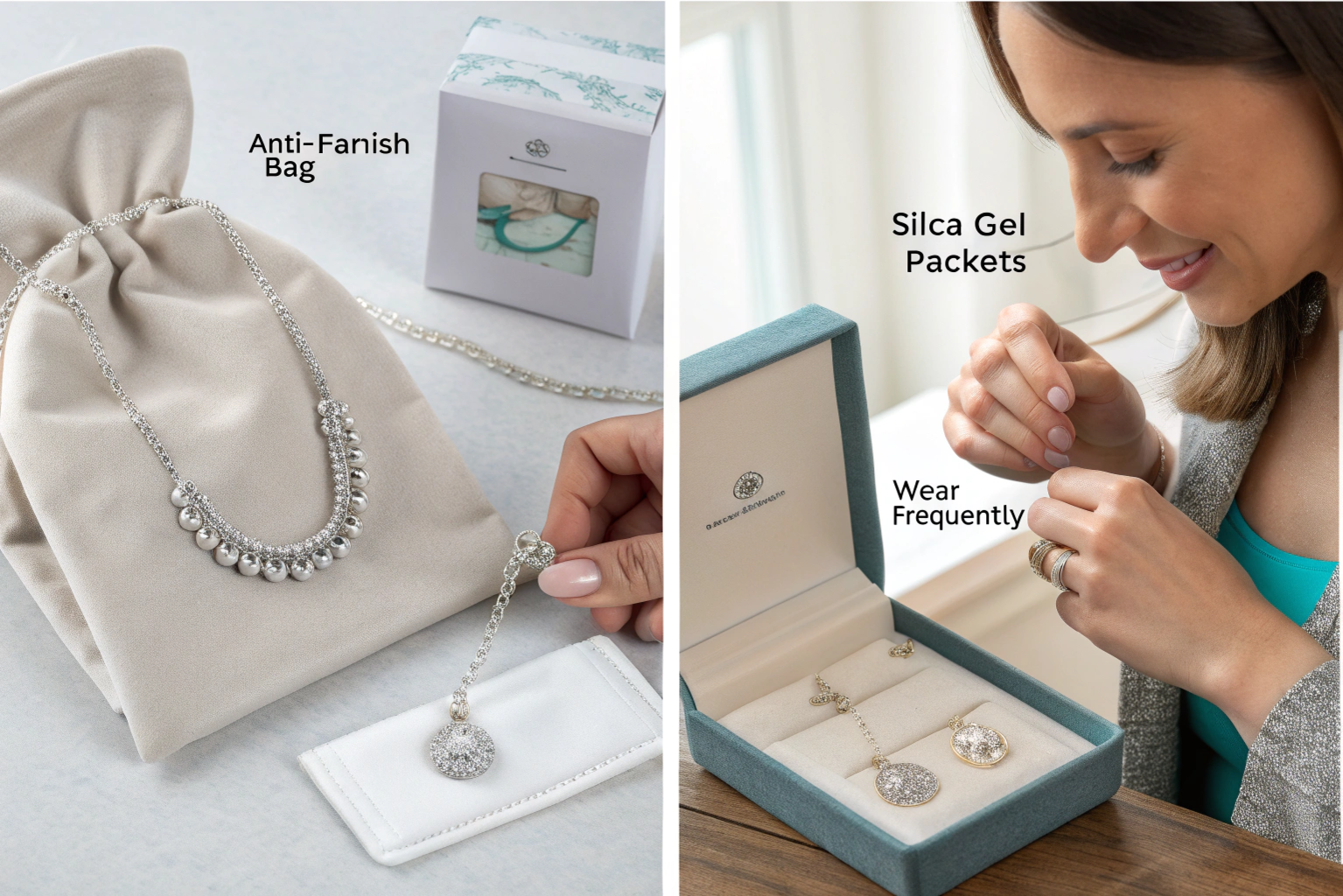
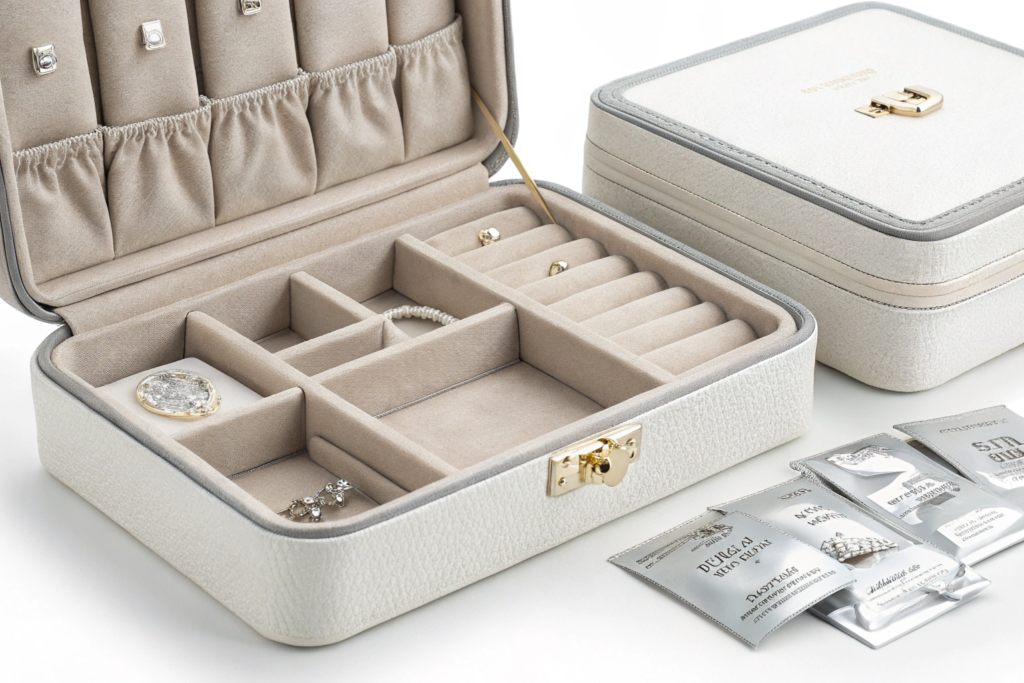
Proper storage means creating a barrier between your silver-plated accessories and the open air. The best tools for this are: anti-tarnish bags, made from a special fabric that absorbs sulfur gases; anti-tarnish cloths or strips that can be placed inside a standard jewelry box; and jewelry boxes lined with anti-tarnish fabric. It's also crucial to store pieces separately to prevent them from scratching each other, as scratches can make tarnish more noticeable and create more surface area for the reaction to occur. Adding a small silica gel packet to your storage area can also help by absorbing excess moisture, another contributor to tarnish.
The science behind anti-tarnish products is fascinating. They often contain materials that actively absorb or neutralize the sulfur compounds in the air, preventing them from reaching your jewelry. Anti-tarnish bags and cloths are impregnated with these materials, creating a safe micro-environment. For maximum effectiveness, ensure your accessories are clean and dry before storing them. Any residual oils, lotions, or moisture can accelerate tarnishing, even in a protective bag. Also, remember that these storage solutions themselves have a limited lifespan. Anti-tarnish strips and bags will eventually become saturated and lose their effectiveness. They should be replaced periodically, according to the manufacturer's instructions. This is a key principle of preserving and caring for fine jewelry and accessories. At Shanghai Fumao Clothing, we often provide our clients with anti-tarnish bags or cloths as part of the packaging for our silver-plated accessories, giving their customers the tools they need for proper care from the very start.
Can I store multiple silver-plated pieces together in one anti-tarnish bag?
It's best to store your precious jewelry pieces separately or ensure they are not in direct contact with one another. Storing them together can lead to unsightly scratches, marring their luster and delicate surfaces. If you opt for a single large storage bag, take the time to wrap each individual piece first in a soft, acid-free tissue paper—its gentle, cloud-like texture cradling each gemstone and metalwork like a protective embrace.
The anti-tarnish properties of the bag will still work their magic, creating a barrier against the elements, while your pieces remain safeguarded from the subtle abrasion of rubbing against one another. This careful layering ensures that every necklace, earring, and bracelet retains its original brilliance, free from the telltale marks of careless storage.
How often should I replace anti-tarnish strips or bags?
It depends on the product and the environment. Many manufacturers recommend replacing them every 3-6 months, a gentle rhythm that aligns with the natural ebb and flow of time, ensuring your precious jewelry remains shielded from the invisible forces that seek to dull its luster. If you live in a humid or polluted area, where the air hangs thick with moisture or carries the faint tang of industrial residue, you may need to replace them more frequently—perhaps every 1-2 months—to fend off the relentless assault of these elements that cling to metal surfaces like persistent shadows.
What Is the Right Way to Clean Silver-Plated Accessories?
Even with the best storage, some tarnish may eventually appear. Or your accessory may simply need a gentle cleaning to restore its original luster. How you clean silver-plated items is critical. Using the wrong method or the wrong materials can strip away the thin layer of silver, revealing the base metal underneath and ruining the piece forever. Gentle, informed cleaning is essential.
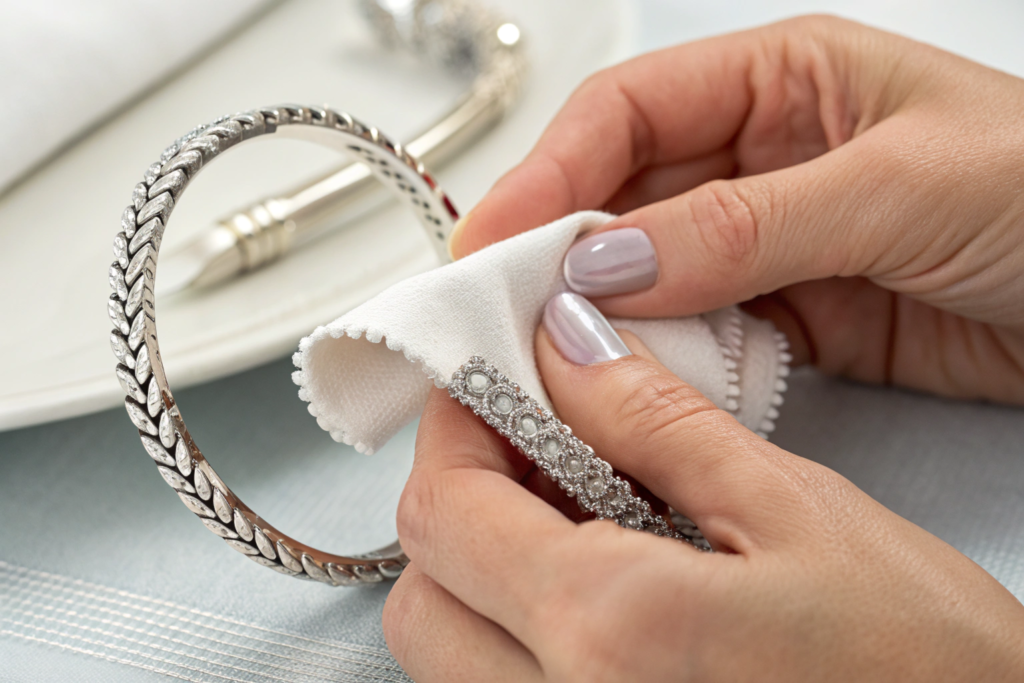
The only safe and effective way to clean silver-plated accessories is with a soft, anti-tarnish polishing cloth specifically designed for silver. These cloths are impregnated with gentle cleaning agents that safely remove tarnish without being abrasive. Never use liquid silver dips or harsh chemical cleaners on silver plate. They are too aggressive and can dissolve the thin plating. Also, avoid using paper towels or tissues, as they can be abrasive and cause micro-scratches. Simply rub the accessory gently with the cloth, following the manufacturer's instructions. For intricate pieces with crevices, a soft, clean toothbrush can be used very gently.
The reason why silver dips are so dangerous for plated items is that they work by chemically removing a very thin layer of the silver surface. On solid sterling silver, this is acceptable because the silver is consistent all the way through. On a plated item, you have only a thin layer of silver over a base metal (often brass or copper). Using a dip can quickly eat through this thin layer, exposing the base metal and ruining the piece. The same principle applies to ultrasonic cleaners, which can also damage the plating. The gentle friction of a proper polishing cloth is all that's needed. It removes the tarnish (silver sulfide) without removing the silver itself. This is a crucial distinction in jewelry care and maintenance. At Shanghai Fumao Clothing, we always recommend that our clients use only these specialized cloths and advise them to include this care information when they sell our silver-plated accessories.
How often should I clean my silver-plated accessories?
It depends on how often you wear them and the environment they inhabit. If you adorn yourself with a piece of jewelry frequently, allowing it to rest in the air after each wear can work wonders, but for added care, a gentle wipe with a soft, lint-free polishing cloth—its surface as smooth as silk—after each wear can help prevent tarnish from creeping in and building up, preserving that initial luster. A more thorough cleaning, one that might involve a mild soap solution and a soft-bristled brush to dislodge any stubborn grime or residue, can be done every few months, or whenever you notice the piece starting to look dull, its once-vibrant shine dimmed by the passage of time and exposure to everyday elements like sweat, lotions, or even the faint humidity of a rainy day.
What if my silver-plated piece has gemstones or other materials?
Exercise extreme caution when cleaning around gemstones, particularly those that are securely glued in place. The delicate fibers of the polishing cloth, when rubbed with gentle but persistent pressure, can inadvertently loosen even the most tightly set stones, sending them tumbling into the depths of your jewelry box or onto the floor with a soft, disheartening clink. Instead, direct your attention to the gleaming metal parts, where tarnish and grime cling like stubborn shadows.
Use a soft-bristled brush or a lint-free cloth to gently sweep away debris, feeling the cool smoothness of the metal beneath your fingertips as it regains its luster. Avoid any direct rubbing or scrubbing of the gemstones themselves—let their vibrant colors and fragile beauty remain untouched, preserved for the eye to admire.
What Should You Avoid to Prevent Accelerated Tarnishing?
Prevention is always better than cure. And when it comes to silver-plated accessories, avoiding exposure to certain substances is one of the most effective prevention strategies. Many common beauty and household products contain chemicals that will dramatically accelerate tarnishing and can even damage the plating directly. Knowing what to avoid is just as important as knowing how to clean.
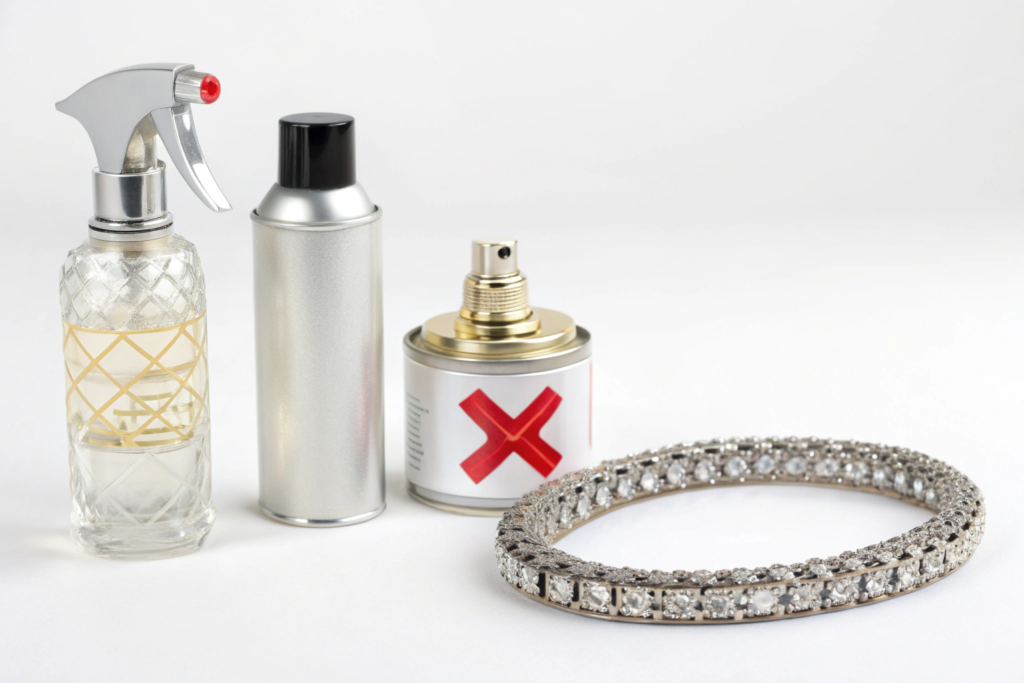
To keep your silver-plated accessories looking their best, avoid exposing them to the following: Perfume, hairspray, and lotions should be applied before you put on your jewelry. These products contain chemicals and oils that can react with the silver. Chlorine and bleach (found in swimming pools and household cleaners) are extremely corrosive and will instantly damage silver plate. Always remove your jewelry before swimming, cleaning, or using any harsh chemicals. Sweat can also accelerate tarnishing, so it's a good idea to remove silver-plated jewelry before intense exercise. Rubber bands and wool can also contain sulfur and should not come into direct contact with your accessories.
The reason these substances are so harmful is that they introduce the very elements that cause tarnish—sulfur and other reactive chemicals—directly onto the silver's surface. Perfume and hairspray often contain alcohols and other compounds that can strip away any protective layer and react with the metal. Chlorine is a highly reactive chemical that can cause immediate and irreversible damage, pitting and discoloring the plating. Even the natural oils and salts in your sweat can contribute to tarnish over time. By making a few simple adjustments to your routine—putting on your jewelry as the last step in your beauty routine, and taking it off as the first step before chores or exercise—you can significantly extend the life of your silver-plated pieces. This is a key part of responsible jewelry ownership and care. At Shanghai Fumao Clothing, we provide clear care instructions with every silver-plated accessory, outlining exactly what to avoid.
Can I wear my silver-plated jewelry in the shower?
It's best not to. Soap and water, while not as harshly corrosive as chlorine, can still insidiously contribute to tarnishing over time, their gentle yet persistent caress leaving a faint, hazy film that dulls the once-vibrant shine of precious metals and stones. The warm, soapy water may feel soothing as it cascades down, but for your jewelry, it's a slow erosion of luster. It's always safest to remove jewelry before showering, bathing, or swimming—those moments when water becomes a companion, whether in the steamy embrace of a hot shower, the gentle flow of a bath, or the invigorating rush of a pool. Let your adornments rest in safety, away from the unseen threats of minerals, chemicals, and moisture that can quietly steal their brilliance, ensuring they remain as radiant and cherished as the day you first wore them.
What should I do if my silver-plated jewelry accidentally gets sprayed with perfume?
Gently wipe it off immediately with a soft, dry cloth, its delicate fibers gliding over the surface to lift away the unwanted substance with a whisper of friction. The sooner you remove the substance, the less time it has to react with the metal, seeping into its pores and leaving behind a dull, tarnished film that mars its luster. Then, give it a gentle polish with your anti-tarnish cloth, its specialized microfibers working in harmony to restore a warm, radiant glow, as if breathing new life into the metal, leaving it smooth, shiny, and free from the blemishes of time and exposure.
Why Does Wearing Your Silver Jewelry Frequently Help Prevent Tarnish?
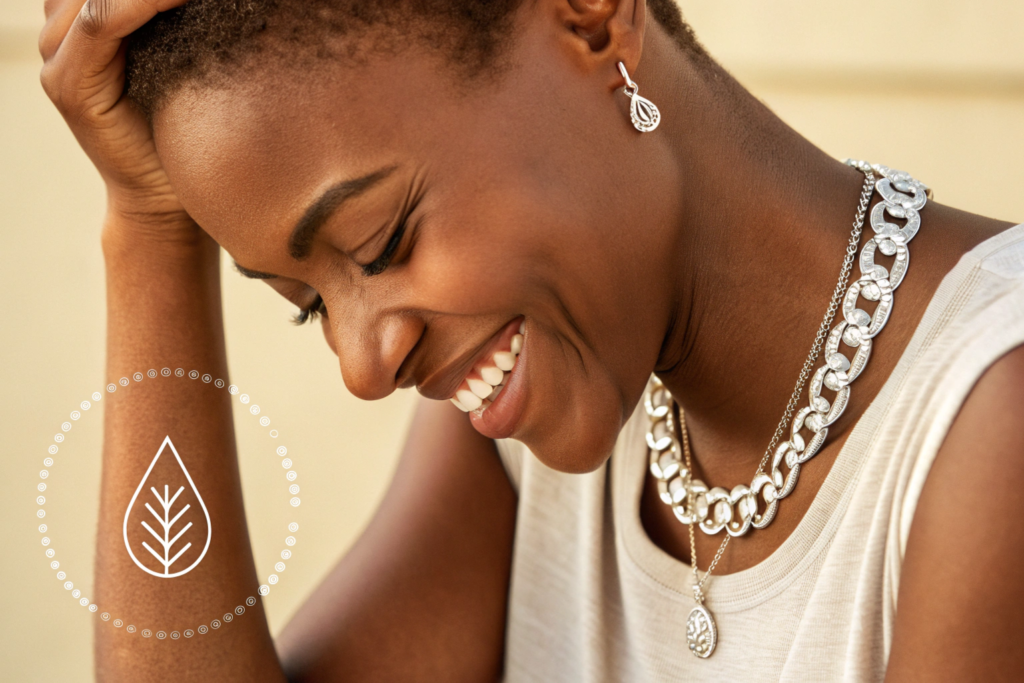
This final tip might seem counterintuitive, but it's one of the most effective and enjoyable ways to prevent tarnish: wear your silver-plated accessories frequently. The natural oils in your skin create a very thin, protective barrier on the metal's surface. This barrier can help to slow down the reaction with sulfur in the air. A piece that is worn often is constantly being gently "polished" by contact with skin and clothing, which can help keep it shiny.
When you wear a silver-plated piece regularly, it is less likely to tarnish quickly. The friction and contact with your skin provide a gentle, natural cleaning action. More importantly, the thin layer of oils from your skin acts as a temporary shield, making it harder for airborne sulfur to reach the metal's surface. This is why a piece that is stored away for a long time may tarnish more than a piece that is worn daily. Of course, this needs to be balanced with the previous point about avoiding exposure to sweat and chemicals. For everyday, non-strenuous wear, frequent use is beneficial.
The science behind this is simple. Tarnish is a chemical reaction that requires the silver to be exposed to the air. A piece sitting untouched in a box is in a static environment, constantly exposed to the air (and any pollutants in it) and slowly reacting. A piece that is being worn is having its surface constantly refreshed and protected by the oils from your skin. This doesn't mean you should never take it off, but it does mean that your favorite pieces are often the ones that stay the shiniest. This is a wonderful, natural benefit of enjoying your accessories. So, don't be afraid to wear them! This is a lovely piece of advice from jewelry lovers and collectors. At Shanghai Fumao Clothing, we always encourage our clients to enjoy their silver-plated accessories and to see wearing them as part of their care routine.
Is this true for all skin types?
The protective effect of skin oils is generally true, but it can vary greatly. For some, the natural oils that coat their skin act as a gentle barrier, shielding delicate jewelry from the harsh elements of daily life. However, for those with skin chemistry that leans strongly toward the acidic or alkaline end of the spectrum, this protective layer can sometimes work against them. The unique pH balance of their skin may interact with the metals and gemstones in their jewelry, creating a subtle but persistent reaction that accelerates tarnishing—a dulling, discoloration that mars the once-vibrant luster of the piece.
What about pieces that I can't wear every day, like formal earrings?
For pieces that are worn less frequently, the storage methods we discussed earlier become even more critical. These cherished items, often tucked away in memory or reserved for special occasions, deserve a sanctuary where they can rest undisturbed and unspoiled. Ensure they are clean, free from the faint residue of skin oils and the whispers of daily wear, and thoroughly dry to banish any lingering moisture that might invite the silent enemy of tarnish. Tuck them gently into an anti-tarnish bag or box—those soft, protective vessels lined with materials that cradle their delicate surfaces, shielding them from the invisible touch of air and light.
Conclusion
Preventing tarnish on silver-plated accessories is a matter of understanding the simple chemistry behind it and adopting a few smart, easy habits. It's about creating a protective environment through proper storage, using the right gentle cleaning methods, avoiding harsh chemicals, and even embracing the natural benefits of wearing your favorite pieces. With this knowledge, you can ensure that the beautiful, accessible luxury of silver-plated accessories remains a source of joy, not disappointment, for years to come.
At Shanghai Fumao Clothing, we are committed to quality in every aspect of our accessories, including helping our clients and their customers care for them. We provide clear, practical care instructions with every silver-plated piece we produce, and we are always happy to share our expertise. We believe that beautiful things deserve to be cared for, and that knowledge is the key to longevity.
Are you ready to create beautiful silver-plated accessories that your customers will treasure? Let's talk about how we can bring your designs to life, with the quality and care they deserve. Contact our Business Director, Elaine, at elaine@fumaoclothing.com to start the conversation.