For over twenty years, I have watched the knitted glove evolve from a purely practical item into a fashion statement. In our Zhejiang factory, we produce millions of gloves each year for clients across America and Europe. And every season, the trends change. What people want on their hands is a reflection of the wider fashion world. It is about color, texture, technology, and values.
The latest trends in knitted glove designs are defined by bold color-blocking and fair isle patterns, the use of sustainable and innovative yarns like recycled wool and bamboo, integrated touchscreen compatibility as a standard feature, and a move towards convertible "fingerless with mitt" flip-top styles for maximum versatility. The glove is no longer just a barrier against the cold; it is an extension of personal style and modern life.
I have seen the demand for basic black gloves shrink every year. Today's consumer, much like our persona Ron's customers, wants something that makes a statement. They want gloves that work with their phone, that align with their values, and that add a pop of personality to their winter wardrobe. At Shanghai Fumao Clothing, our design team stays ahead of these shifts, constantly developing new samples that anticipate what the market will want next. Let me walk you through the specific trends that are filling our order books right now.
What are the dominant color and pattern trends in knitted gloves?
Color is the first thing people notice. For years, the market was dominated by safe, neutral tones. That has completely changed. Today, gloves are a place for self-expression. The patterns we are seeing are bolder and more graphic than ever before.
Why are fair isle and Nordic patterns making a comeback?
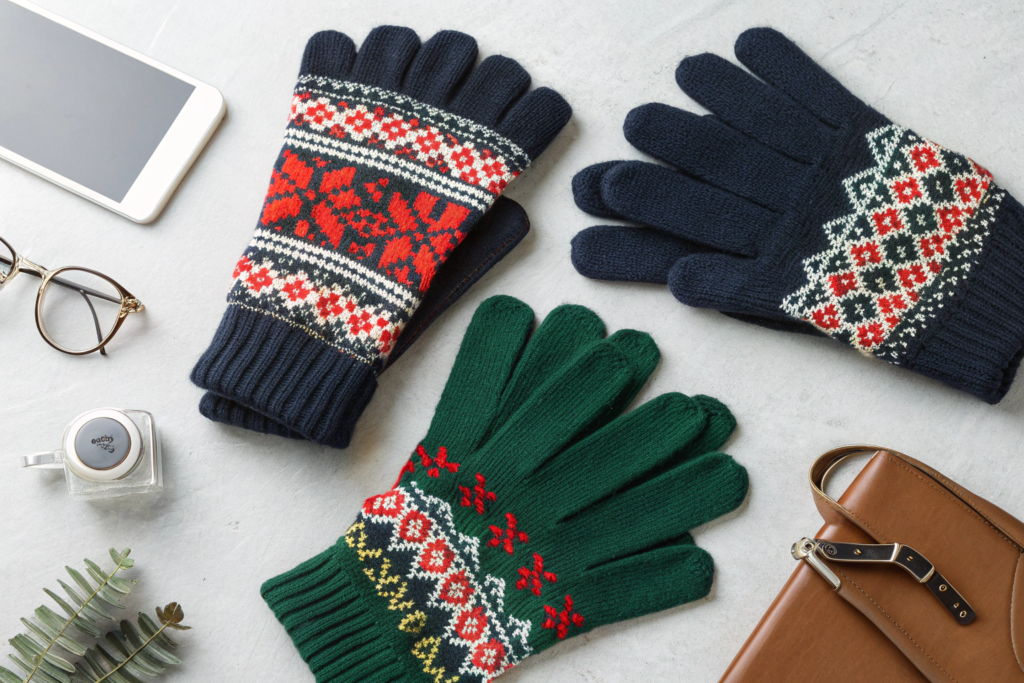
Fair isle patterns, with their intricate, colorful geometric designs, are having a huge resurgence. This is part of a broader trend toward "maximalism" in fashion, where more is more . People are moving away from minimalism and embracing patterns that feel rich, detailed, and almost nostalgic. These patterns also tap into a desire for "craftsmanship" and "heritage" . They remind people of handmade items and cozy winter traditions. For a buyer like Ron, offering fair isle gloves is a way to tap into this emotional connection. The patterns work beautifully on gloves because the smaller scale of the accessory makes the intricate design feel special and detailed without being overwhelming. We are producing these in a huge range of colorways, from traditional reds and greens to more modern, unexpected palettes like jewel tones or pastels.
How is color-blocking being used in modern glove design?
Color-blocking is another major trend. This is the opposite of intricate patterns. It is about bold, graphic simplicity. Think a glove with a bright mustard yellow palm and fingers, but a deep navy blue back of the hand and cuff. Or a glove that is half emerald green and half electric blue, divided by a sharp diagonal line . This style feels modern, sporty, and very now. It appeals to consumers who want to make a statement but prefer a cleaner, more graphic aesthetic. It also allows for creative combinations with other accessories like hats and scarves. Color-blocking is a great way for brands to use their signature colors in a fresh, eye-catching way. It is a trend that works across all price points, from fast fashion to premium outdoor brands.
What new materials and yarns are trending for knitted gloves?
The yarn is the soul of the glove. It determines the warmth, the feel, the durability, and increasingly, the story behind the product. Material innovation is happening fast, driven by both technology and consumer values.
Why are sustainable yarns like recycled wool and alpaca so popular?
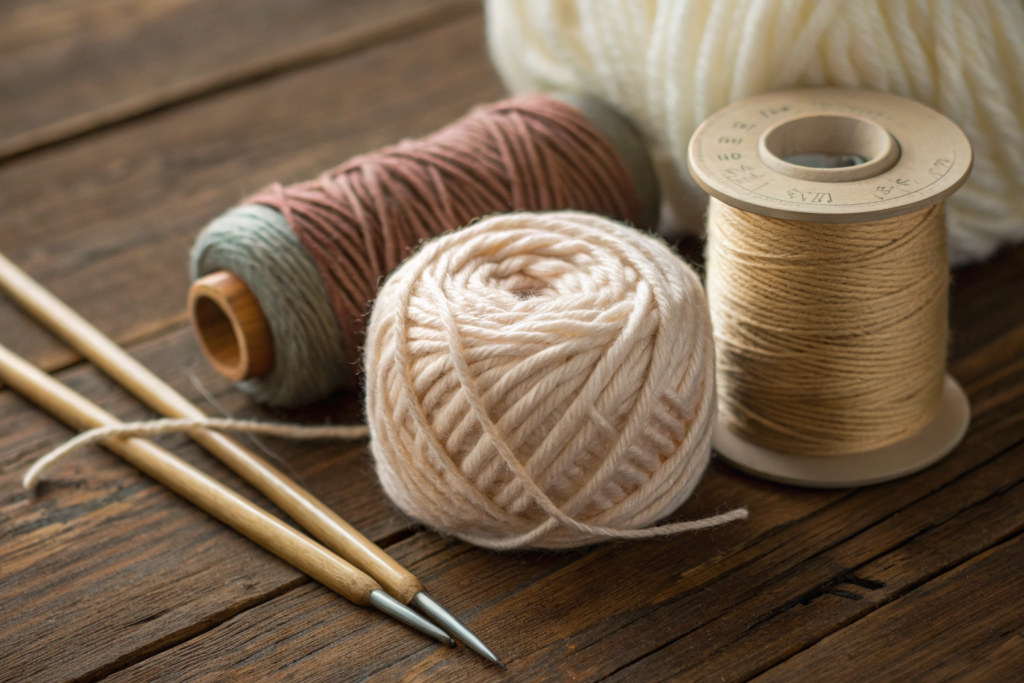
Sustainability is no longer a niche concern; it is a mainstream demand. Consumers want to know that their purchases are not harming the planet. This has driven huge growth in the use of recycled yarns. Recycled wool, made from post-consumer or post-industrial waste, offers the same warmth and comfort as virgin wool but with a much smaller environmental footprint . It is a powerful selling point. Alpaca fiber is also trending. It is a natural, renewable fiber that is softer than sheep's wool, hypoallergenic (it contains no lanolin), and incredibly warm . It is also often sourced from small, traditional farms in South America, which adds an ethical, artisanal story to the product. For a buyer like Ron, specifying these materials allows him to meet his customers' expectations for responsible products. Certifications like the Global Recycled Standard help verify these claims.
How are plant-based yarns like bamboo and TENCEL being used in gloves?
Plant-based yarns are moving into the glove category, particularly for liner gloves or for styles meant for milder weather. Bamboo yarn is prized for its incredible softness, its natural breathability, and its anti-bacterial properties . It feels luxurious against the skin. TENCEL™ Lyocell, made from sustainably sourced wood pulp, is another favorite. It drapes beautifully, takes dye exceptionally well, and is produced in an environmentally responsible closed-loop process . These yarns are perfect for creating lightweight, comfortable gloves that can be worn for driving, working in an office, or for early fall days. They offer a different tactile experience than wool, appealing to consumers who find wool itchy. They also align perfectly with the growing demand for "vegan" and eco-friendly fashion.
How has technology changed what we expect from knitted gloves?
The smartphone changed everything. For years, glove wearers had to choose between warm hands and using their phone. That trade-off is no longer acceptable. Touchscreen compatibility has moved from a "nice-to-have" feature to an absolute necessity.
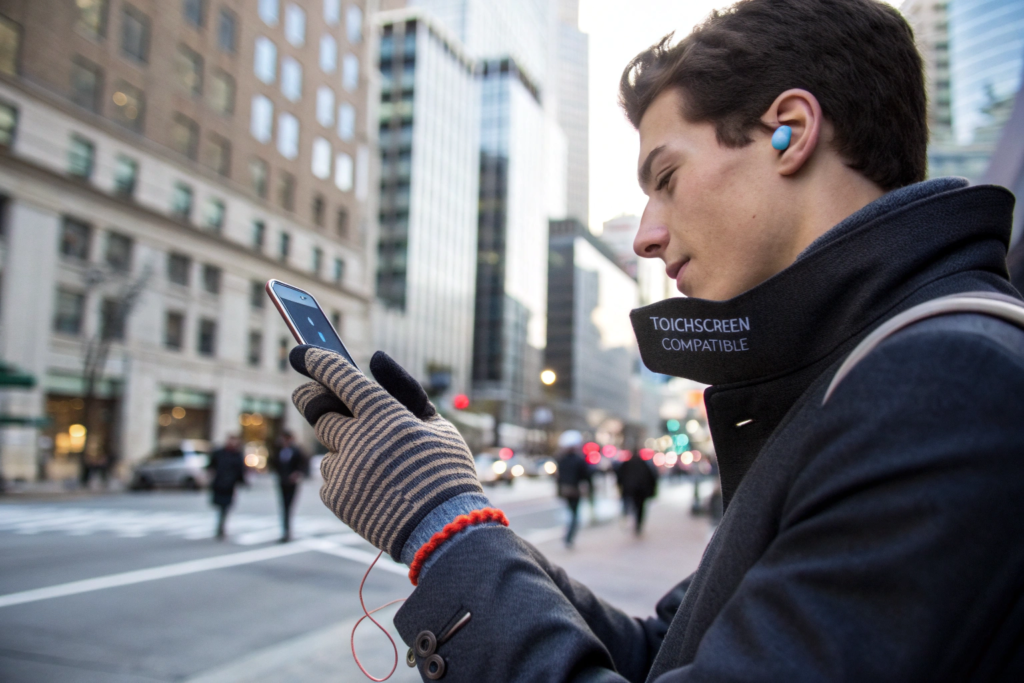
What makes a glove "touchscreen compatible" and why is it now standard?
Touchscreen compatibility is achieved by integrating conductive materials, usually fine metal fibers like silver or stainless steel, into the yarn at the fingertips . These fibers conduct the small electrical charge from your finger to the screen, mimicking the touch of bare skin. In the past, this was a premium feature. Now, it is standard. Consumers expect it. If a glove does not work with their phone, they will not buy it. This is especially true for our clients in North America and Europe, where phone usage is constant, even in cold weather. We now produce the vast majority of our knitted gloves with integrated conductive yarn. It adds a small cost, but it is essential for staying competitive. The challenge is making sure the conductive fibers are durable and positioned correctly so they work reliably over the life of the glove.
How are heated gloves evolving for extreme cold weather?
For the coldest markets, like parts of Russia and the northern US, battery-heated gloves are becoming increasingly popular and sophisticated . These gloves have thin, flexible heating elements, often made of carbon fiber, sewn into the back of the hand and fingers. They are powered by small, rechargeable lithium-ion batteries that fit into a pocket on the cuff. The latest models offer multiple heat settings and longer battery life. They are a game-changer for people who work outdoors, ski, or simply live in places where winter is extreme. This is a more technical product category, requiring careful attention to safety, battery certification, and waterproofing. For a buyer targeting this market, understanding the different heating technologies and battery options is crucial. Resources like the Outdoor Industry Association often have insights into these technical apparel trends.
What functional features are most in demand for knitted gloves?
Beyond materials and tech, the way a glove is designed to function is a key trend driver. Consumers want versatility. They want one product that can do multiple things. This is driving innovation in glove construction.
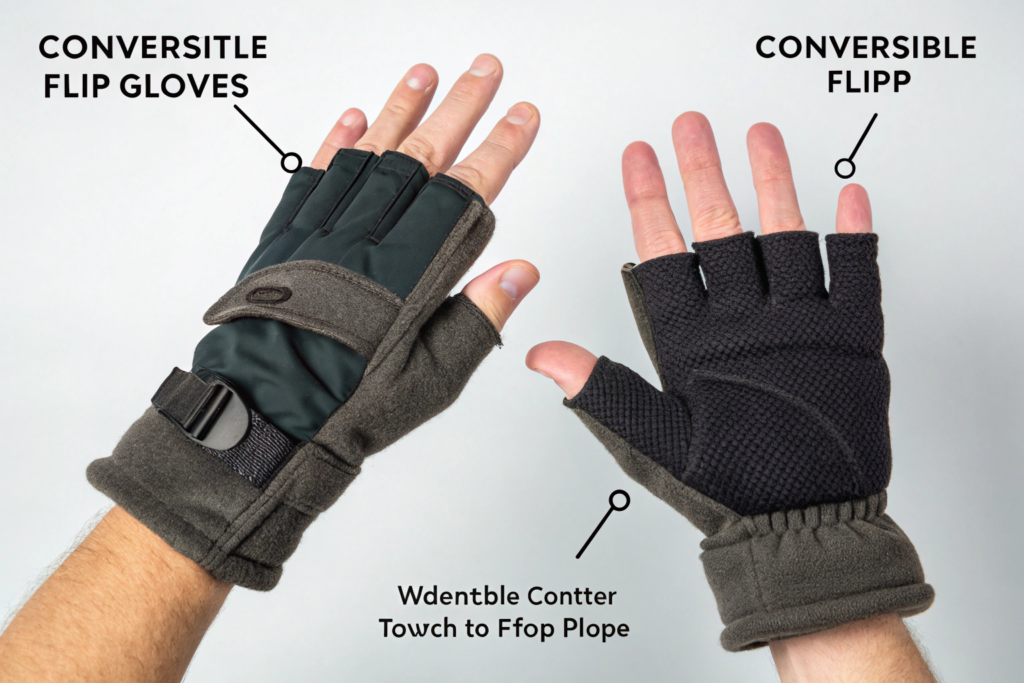
Why are convertible "flip-top" gloves becoming a bestseller?
Convertible gloves, often called "flip-top" or "mitt-en" gloves, are the perfect example of functional design. They are a fingerless glove with a mitten cap that can be folded back and secured, usually with a magnet or a snap . This gives the wearer the best of both worlds. When it is extremely cold, they wear it as a warm mitten. When they need to use their phone, handle money, or do something requiring fine motor skills, they flip the top back and have free fingers. It is a simple idea, but it solves a real problem. We have seen demand for these skyrocket. They are popular with commuters, dog walkers, and anyone who needs dexterity but does not want to take their gloves completely off. The key to a good convertible glove is the design of the flip-top. It needs to stay securely in place in both positions and not be bulky or uncomfortable.
How do grip features and cuffs improve glove functionality?
Other functional features are also gaining importance. For driving gloves or gloves for outdoor activities, silicone prints or leather patches on the palm and fingers provide essential grip . This prevents items from slipping. The cuff design is also a key differentiator. Long, ribbed cuffs that extend under a coat sleeve provide extra warmth and seal out cold air. Cuffs with a zipper or a toggle allow for a customized, snug fit. Some gloves now feature a "nose wipe" panel of soft, smooth fabric on the thumb, a simple but much-appreciated detail for skiers and runners . These small functional additions show a deep understanding of the user's needs and can make a glove stand out on a crowded shelf.
Conclusion
The knitted glove has come a long way from its purely utilitarian origins. We have explored how bold patterns and color-blocking are making them a fashion focal point. We have seen how sustainable and innovative yarns like recycled wool, alpaca, and bamboo are meeting consumer demand for responsibility and luxury. We have discussed how technology, from touchscreen compatibility to battery-powered heating, has become integral to the modern glove. And we have looked at how functional features like convertible tops and grip palms add versatility and value.
For a professional buyer like Ron, understanding these trends is about more than just picking what looks good. It is about understanding the deeper shifts in consumer behavior: the desire for self-expression, the demand for sustainability, and the expectation that a product will seamlessly integrate with modern, tech-driven life.
At our factory in Zhejiang, we live and breathe these trends. Our design team is constantly developing new samples, and our experienced project managers are ready to guide you through the process of creating a glove collection that will resonate with your customers. We combine modern, clean production facilities with deep technical knowledge to deliver products that are stylish, functional, and reliable. If you are ready to create a line of knitted gloves that captures the spirit of the season, we are here to help.
To discuss your next glove collection, please contact our Business Director, Elaine, at elaine@fumaoclothing.com. Let's create something warm and wonderful together.