I've always believed that fashion is a form of architecture for the body. And nowhere is that more true than in the world of accessories. The shapes we choose to wear—the curve of a hair clip, the angle of a belt buckle, the silhouette of a bag—all make a statement about who we are. In recent years, I've watched the pendulum swing. We moved through a phase of organic, free-form, almost chaotic shapes. But now, in 2026, the pendulum has swung decisively back towards geometry.
Buyers like Ron, who are always scanning the horizon for the next big trend, are now asking for clean lines, bold angles, and precise forms. They want hexagons, triangles, circles, and abstract geometric patterns. This shift is happening across every category we make, from hair accessories to hats to bags. It's a global trend, driven by a desire for order, structure, and a modern, almost futuristic aesthetic.
At Shanghai Fumao Clothing, we've been watching this trend closely. Our design team has been experimenting with new shapes and production techniques to bring these geometric visions to life. We've learned how to work with materials to create crisp angles and perfect curves. In this post, I'll share the latest trends in geometric accessory shapes for 2026, and how you can incorporate them into your own collections. Whether you're a brand or a buyer, understanding this trend is essential for staying relevant.
Why Are Geometric Shapes Dominating Accessory Design?
The rise of geometric shapes in accessories is not an accident. It's a reflection of broader cultural and aesthetic shifts. We are living in a time of incredible technological advancement, and the clean, precise lines of geometry reflect that modern, digital sensibility. Think of the sleek lines of a new smartphone, the angular design of a modern building, or the clean interface of a popular app. These influences naturally flow into fashion.
There's also a psychological component. In a world that can often feel chaotic and unpredictable, geometric shapes offer a sense of order and stability. A perfectly formed hexagon or a crisp, clean triangle feels grounded and intentional. It's a visual anchor. This desire for structure and clarity is a powerful driver of consumer preference. For insights into the intersection of art, architecture, and fashion, publications like Dezeen and Wallpaper* are excellent resources.
What is the connection between modern architecture and accessory shapes?
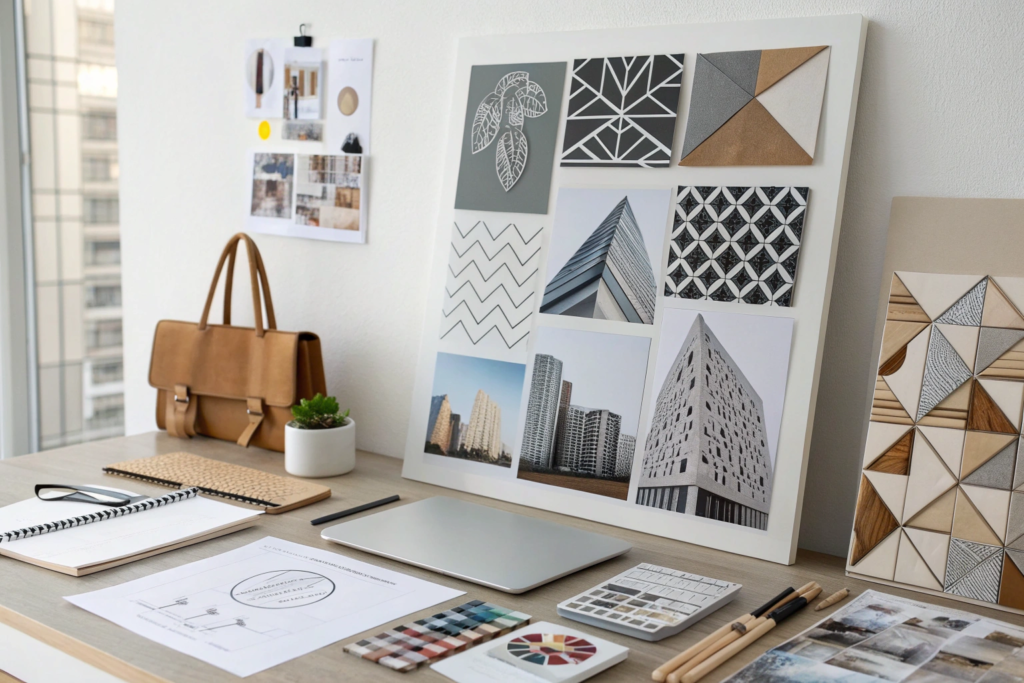
The connection is direct and powerful. Architecture has always influenced fashion, and the reverse is also true. The clean lines of Bauhaus design, the bold angles of Brutalism, and the sleek curves of Modernism are all finding their way into accessory design. A belt buckle that looks like a miniature architectural model. A hair clip shaped like a section of a geodesic dome. A bag with the clean lines of a modern skyscraper.
This is not about copying buildings. It's about capturing the same design principles: proportion, balance, clarity, and the honest use of materials. When you wear a geometrically shaped accessory, you are making a statement that aligns you with these values of modernity and thoughtful design. It's a sophisticated, intellectual approach to fashion that resonates with today's discerning consumers.
How do geometric shapes convey different moods or styles?
Different geometric shapes carry different emotional and stylistic weight. Understanding this can help you choose the right shapes for your brand and your collection.
- Circles and Spheres: These shapes are soft, infinite, and harmonious. They convey a sense of unity, wholeness, and fluidity. They feel approachable and modern.
- Squares and Rectangles: These are the shapes of stability, order, and reliability. They feel grounded, structured, and classic. They are perfect for a more tailored, professional look.
- Triangles and Hexagons: These are dynamic, energetic shapes. Triangles imply movement and direction. Hexagons feel natural (think of honeycombs) yet also highly structural and modern. They add an edgy, contemporary feel.
- Abstract Geometric Combinations: Combining multiple shapes creates complexity and visual interest. It can feel artistic, playful, and avant-garde.
The key is to be intentional. The shape you choose should reinforce the overall mood and message of your collection.
What Are The Key Geometric Trends For 2026?
So, what specific geometric shapes and trends are we seeing dominate the accessory market in 2026? Based on our orders, trade show observations, and client requests, a few clear patterns have emerged. It's not just about slapping a triangle on something. It's about thoughtful integration of form and function.
We're seeing a move beyond the basic shapes into more complex and interesting territory. The trends are about precision, repetition, and the interplay of positive and negative space. At our factory, we're constantly developing new ways to create these shapes, from precision metal casting to laser-cut acrylics and 3D-printed forms. For daily inspiration on design trends, sites like Pinterest and WGSN are invaluable.
Why are hexagons and octagons so popular right now?
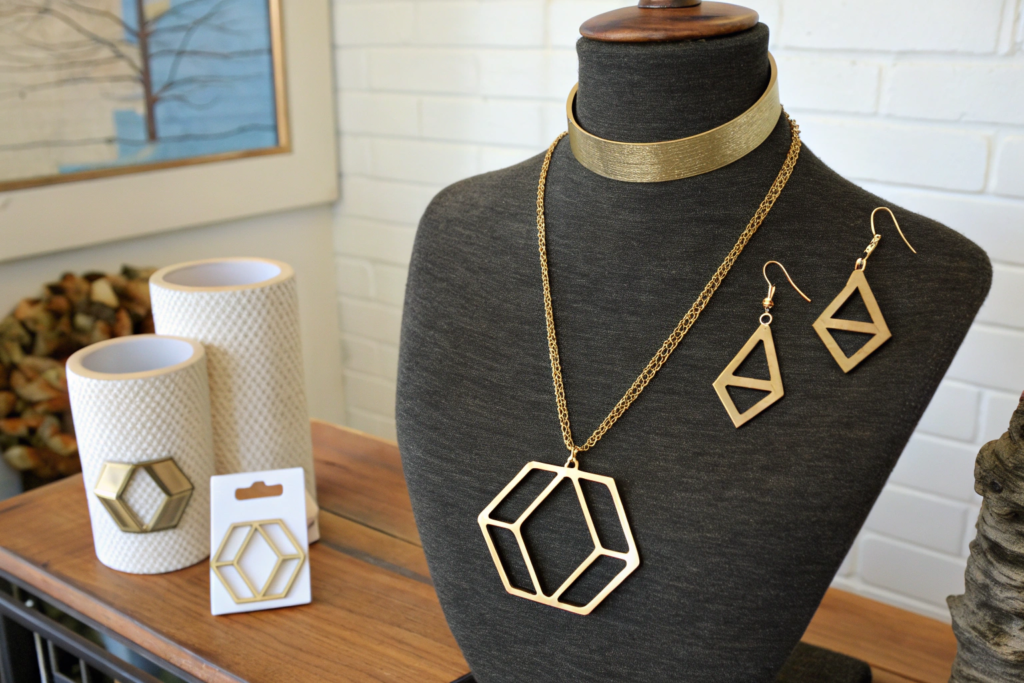
Hexagons and octagons are having a major moment. They are more interesting and complex than a simple square or circle, but they are still rooted in geometry and order. The hexagon, in particular, has a strong natural connection—it's the shape of a honeycomb, which gives it a subtle organic feel within its geometric precision. This makes it incredibly versatile. It can feel both modern and natural.
Octagons, with eight sides, have a bold, graphic presence. They are often associated with stop signs, which gives them a slight pop-art, streetwear edge. Both shapes work beautifully in a wide range of accessories. We're seeing them in everything from the faces of belt buckles to the shapes of hair clips and the patterns on scarves. Their complexity catches the eye and invites closer inspection. A hexagonal hair clip is a simple way to add a trendy, geometric touch.
What is the trend for negative space and cut-out shapes?
This is one of the most exciting developments in geometric accessory design. It's not just about the shape of the solid object; it's about the shape of the empty space within it. Think of a ring that is not a solid band, but a circle with a precise, geometric cut-out in the center. Or a pair of earrings that are essentially a geometric frame, with the focus on the void inside.
This use of negative space creates accessories that are lightweight, modern, and visually intriguing. They play with perception and can be incredibly elegant. They also use less material, which can be a sustainability benefit. Creating these shapes requires precision manufacturing, whether through laser cutting, precision casting, or 3D printing. We've invested in these technologies to be able to offer our clients these sophisticated, contemporary designs. The interplay between the solid and the void is a hallmark of modern geometric design.
How Do Different Materials Shape Geometric Accessories?
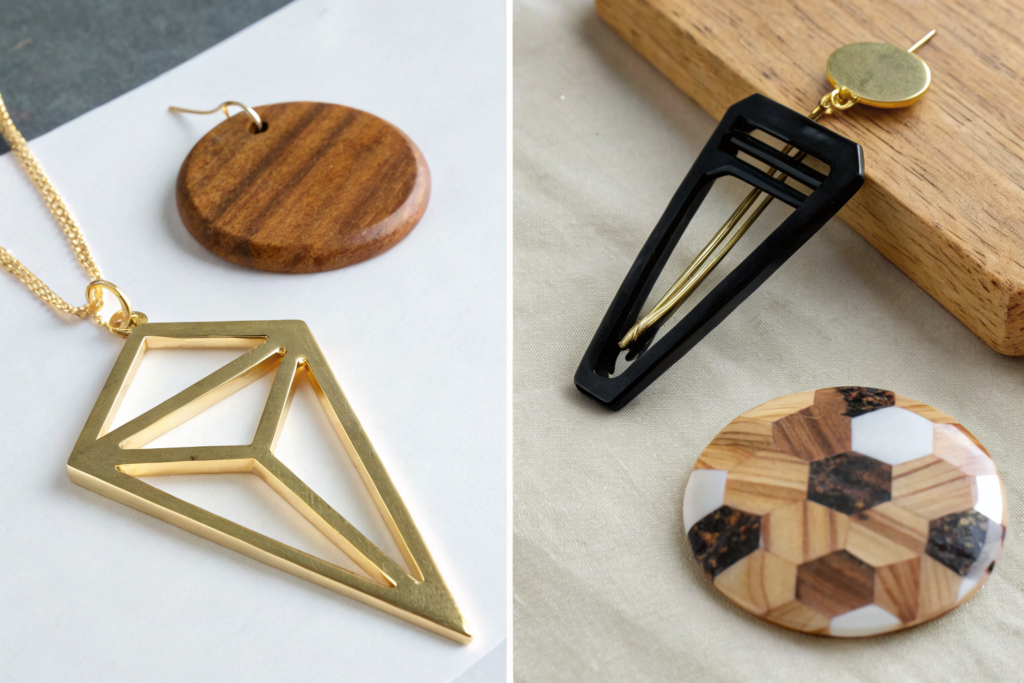
The shape is the foundation, but the material is what brings it to life. The same hexagonal design will look completely different in polished brass versus matte black acrylic versus warm, natural wood. The choice of material is integral to the final aesthetic. It affects the weight, the feel, the cost, and the overall vibe of the accessory.
In 2026, we're seeing a huge range of materials used for geometric accessories. Metal remains a favorite for its precision and durability. Acrylic and other resins are popular for their versatility and ability to create bold, colorful, lightweight shapes. Wood adds a natural, warm counterpoint to the clean lines of geometry. And sustainable materials like recycled metals and bio-resins are increasingly in demand. At our factory, we work with all of these materials and more. For more on material properties and trends, resources like Material ConneXion are excellent.
What metals are best for creating sharp, geometric forms?
For achieving crisp, clean angles and precise lines, certain metals are superior. Brass is a favorite. It's relatively soft and easy to cast or machine, yet durable. It can be polished to a high shine or given a brushed, matte finish. It also develops a beautiful patina over time, which can add character to a geometric design.
Stainless steel is another excellent choice. It's very strong and has a modern, industrial look. It can be precision-cut and holds its shape perfectly. It's also hypoallergenic, making it great for earrings and other skin-contact items. Aluminum is lightweight and can be anodized in a huge range of colors, which is perfect for bold, geometric, color-blocked designs. The choice of metal depends on the desired look, weight, and budget of the accessory. We can guide you to the right option for your project.
How are acrylics and resins used for bold geometric designs?
Acrylic and resin are fantastic materials for geometric accessories because they are incredibly versatile. They can be cast or laser-cut into virtually any shape, from delicate, fine lines to large, bold forms. They are lightweight, which is great for larger earrings or hair clips. And they can be produced in an endless array of colors, from transparent and translucent to solid and opaque.
Laser-cut acrylic is perfect for creating precise, intricate geometric shapes with clean, melted edges. It's ideal for layered designs, where multiple pieces of colored acrylic are stacked to create a three-dimensional effect. Resin can be cast in molds to create smooth, three-dimensional forms, and can even incorporate other materials like glitter, metal flakes, or dried flowers. The possibilities are truly endless. Our acrylic accessories are a huge part of our geometric collection.
How To Style And Combine Geometric Accessories?
A single geometric accessory can be a statement piece on its own. But the real magic happens when you start to combine them. The key is to create a look that feels intentional and curated, not chaotic. The principles of balance, proportion, and repetition come into play. It's about creating a visual conversation between the different shapes.
The trend in 2026 is towards confident, coordinated styling. It's about embracing the geometry and having fun with it. You can mix different shapes within the same color family for a sophisticated, tonal look. Or you can go bold and mix contrasting shapes and colors for a more playful, avant-garde vibe. The choice is yours. For styling inspiration, look to fashion magazines and social media influencers who specialize in modern, minimalist style.
Should you mix different geometric shapes or stick to one?
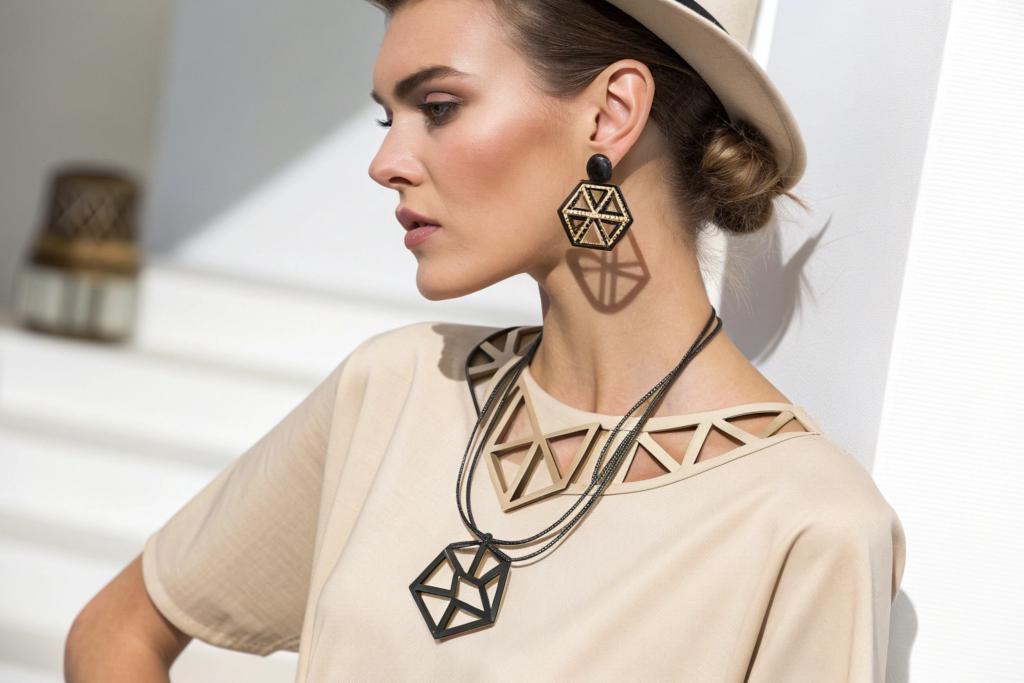
There is no single right answer. It depends on the look you want to achieve. Sticking to one shape, like wearing a set of hexagonal earrings with a hexagonal pendant, creates a very cohesive, deliberate, and harmonious look. It feels curated and elegant. This is a great approach for a professional or minimalist aesthetic.
Mixing different geometric shapes can be incredibly dynamic and visually interesting. You might pair round earrings with a triangular pendant, or wear a rectangular cuff bracelet with square rings. The key to making this work is to find a unifying element. This could be a consistent color palette (all silver metals, all gold), a consistent material, or a consistent scale. If you mix shapes but keep everything else in harmony, the result can be stunning and modern. It shows a confident, artistic eye.
How do you use geometric accessories to complement an outfit?
The most effective way to use geometric accessories is as a contrast or a focal point. If you are wearing a very simple, minimalist outfit—say, a plain white t-shirt and black trousers—a bold, geometric necklace or a pair of striking geometric earrings becomes the star of the show. It adds instant personality and visual interest.
If your outfit already has some texture or pattern, you can use geometric accessories to add a structural element. For example, a softly draped, fluid dress can be anchored by a sharp, geometric belt buckle. The contrast between the soft fabric and the hard lines of the accessory creates a powerful, sophisticated look. The goal is to use the geometry to enhance and elevate the overall outfit, not to overwhelm it. A well-chosen geometric accessory is like a piece of modern art for your body.
Conclusion
The trend towards geometric accessory shapes in 2026 is a powerful and multifaceted one. It's driven by a cultural appreciation for order, modernity, and the clean lines of technology and architecture. From the natural geometry of a hexagon to the bold statement of a triangle, these shapes offer endless possibilities for self-expression. The choice of material—whether warm wood, cool metal, or colorful acrylic—further defines the piece. And the art of styling them allows for looks that range from elegantly minimalist to boldly avant-garde.
At Shanghai Fumao Clothing, we are at the forefront of this geometric revolution. Our factory in Zhejiang is equipped to produce precision geometric designs in a vast range of materials. Our design team is constantly exploring new shapes and combinations. And our experienced project managers are ready to guide you from concept to creation. We can help you capture this important trend and create accessories that are truly works of modern art.
If you're ready to add striking geometric shapes to your next collection, let's talk. Please contact our Business Director, Elaine, at elaine@fumaoclothing.com. We'll help you create something sharp, beautiful, and perfectly formed.