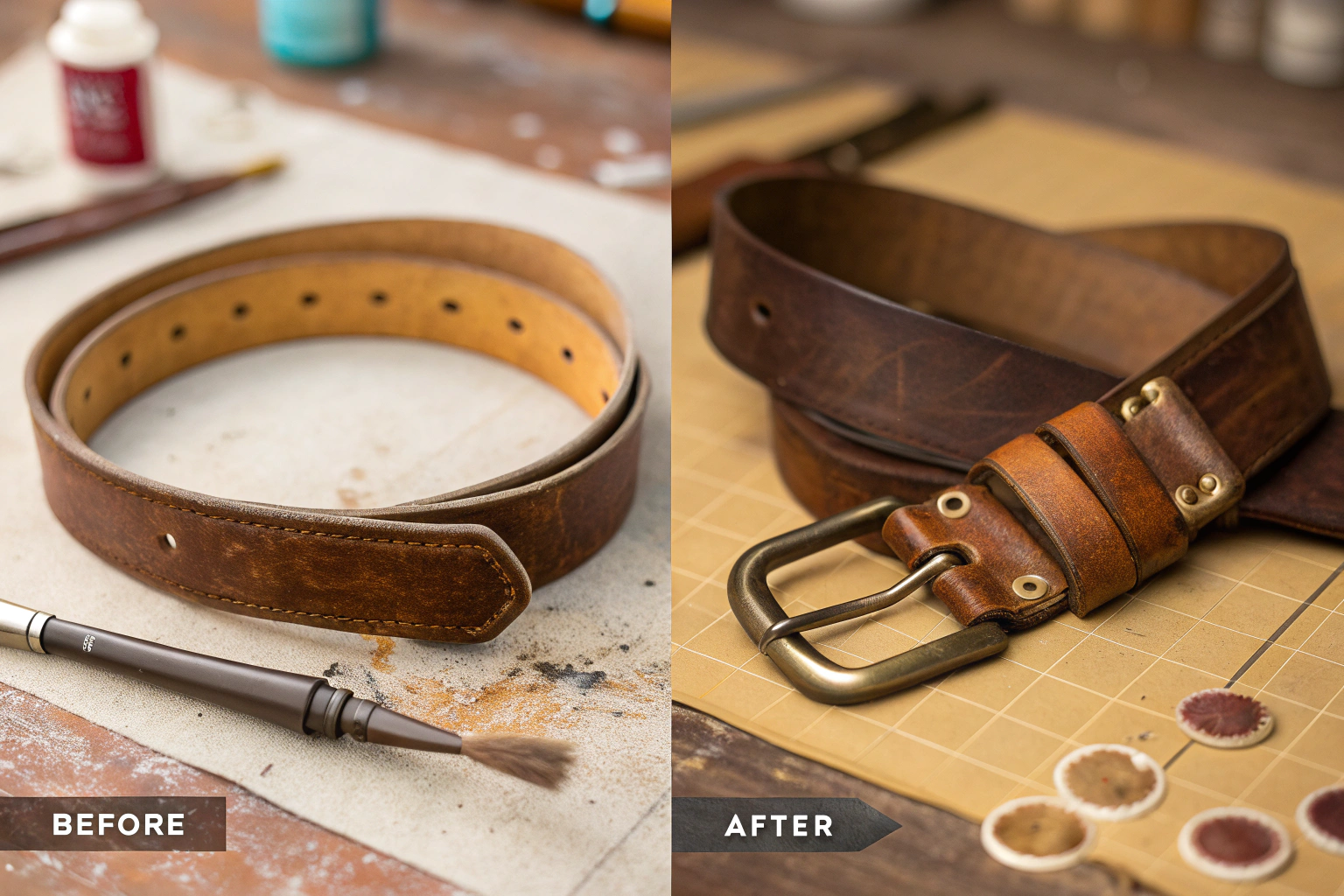
I remember a conversation with a designer who was launching a new line of belts. She showed me two samples. One was a brand new, perfectly smooth, glossy leather belt. The other was a belt that looked like it had been lovingly worn for decades. It had a soft, supple feel, a rich, deep color, and subtle markings that told a story. "This is the one my customers are asking for," she told me, pointing to the aged belt. "They don't want perfect. They want character. They want a belt that looks like it has a history, even when it's brand new." Her observation was the key to a massive trend.
The latest techniques for creating a worn-in vintage look on new belts are a blend of traditional craftsmanship and innovative finishing processes. They move beyond simply "distressing" and towards a more nuanced art of aging. Key techniques include: hand-applied antiquing and burnishing to create depth and highlight details, mechanical distressing using tools like wire brushes and sanders to create realistic wear patterns, layered dye and wax finishes to build a rich, patinated surface, and heat and pressure techniques to soften and shape the leather. At Shanghai Fumao Clothing, we have mastered these techniques, helping our clients create belts that look like cherished heirlooms from the moment they are unboxed.
That designer was tapping into a powerful desire. In a world of mass-produced perfection, people crave authenticity and individuality. A belt with a vintage look is not just an accessory; it's a statement. It says, "I appreciate quality, history, and character." Creating that look, however, is a skilled craft. It's not about damaging a belt; it's about artfully suggesting a life already lived. Let me walk you through the four most important techniques used to create this coveted aesthetic.
How Is Hand Antiquing and Burnishing Used to Create Depth?
The foundation of a convincing vintage look is depth. A new, untreated piece of leather has a flat, uniform color. An aged piece of leather has a rich, multi-tonal patina, with color that is darker in the creases and crevices and lighter on the raised surfaces. This depth is the first thing the eye perceives, and it is the first thing a craftsman creates. Hand antiquing is the art of building this depth.
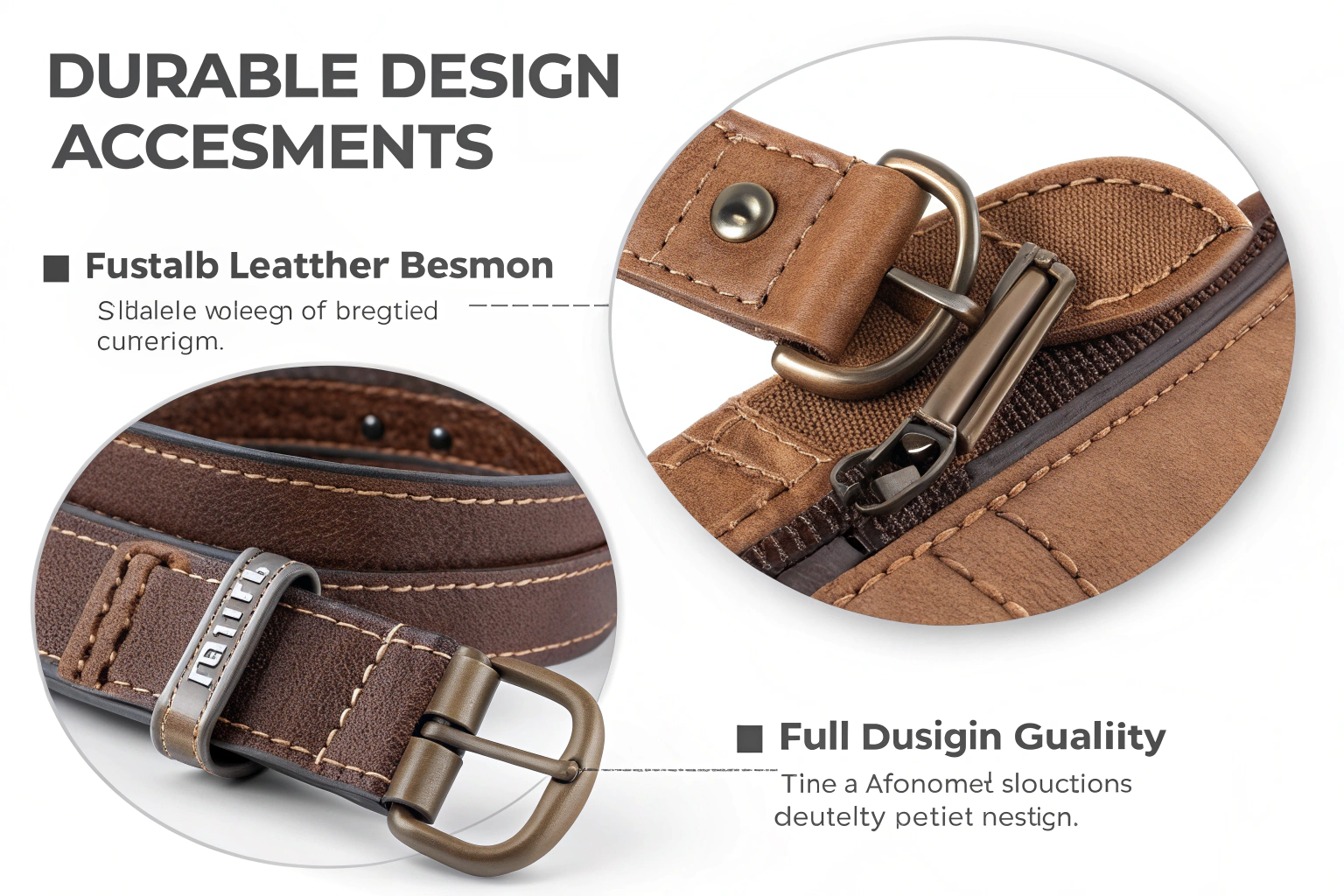
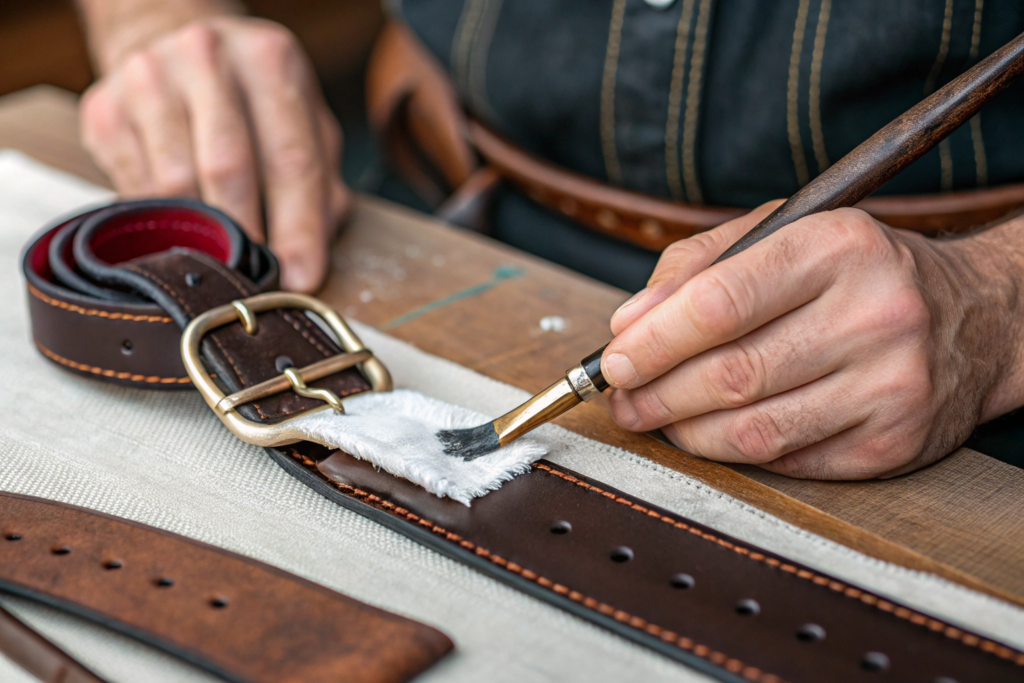
Hand antiquing involves applying a darker, often oil-based, antiquing agent or glaze to the surface of the leather and then wiping it back. The agent settles into the natural grain, the tooling, and any stamped details, darkening them and creating an immediate sense of age and depth. It also highlights the raised areas, making the texture "pop." This is often followed by burnishing, which is the process of rubbing the leather (especially edges and high points) with a smooth tool to create a polished, slightly darker, and worn-smooth finish. Burnishing compresses the leather fibers, giving them a glossy, aged look that contrasts beautifully with the matte or antiqued areas.
The choice of antiquing agent is crucial. Oil-based agents penetrate the leather and become part of it, creating a rich, permanent patina. Water-based stains can also be used but may sit more on the surface. The skill is in the application and the wiping. The craftsman must know how much to apply and how much to wipe away to achieve the desired effect—subtle and nuanced or bold and dramatic. Burnishing is often done with a slicker tool made of wood, bone, or metal. By rubbing the edges and high points with pressure, the craftsman creates a smooth, slightly darkened, and polished surface that mimics the effect of years of wear and friction. This combination of antiquing and burnishing is the foundation of a believable vintage look. It is a classic technique in leather craft and finishing. At Shanghai Fumao Clothing, our artisans are skilled in these traditional methods, using them to imbue new belts with an authentic sense of history.
Can this technique be used on all types of leather?
It works best on leathers with a visible grain or texture, such as full-grain or top-grain leather. Very smooth, corrected-grain leathers may not absorb the antiquing agent as effectively. The natural variations and pores of quality leather are what make the antiquing process so effective.
Is the antiquing finish durable?
Yes, when done correctly. The antiquing agents are designed to penetrate the leather and become part of it. After application, the belt is often sealed with a protective finish, like a wax or a clear topcoat, which locks in the color and adds durability while maintaining the vintage aesthetic. The finish is designed to last for years.
What Role Does Mechanical Distressing Play in Creating Realistic Wear?
Antiquing creates depth and color variation. But a truly vintage belt also has physical signs of wear. It has soft scuffs, subtle scratches, and areas where the surface has been smoothed by years of use. This is where mechanical distressing comes in. It is the art of selectively and subtly abrading the leather to mimic the effects of time and use. It must be done with a light touch and an artistic eye.
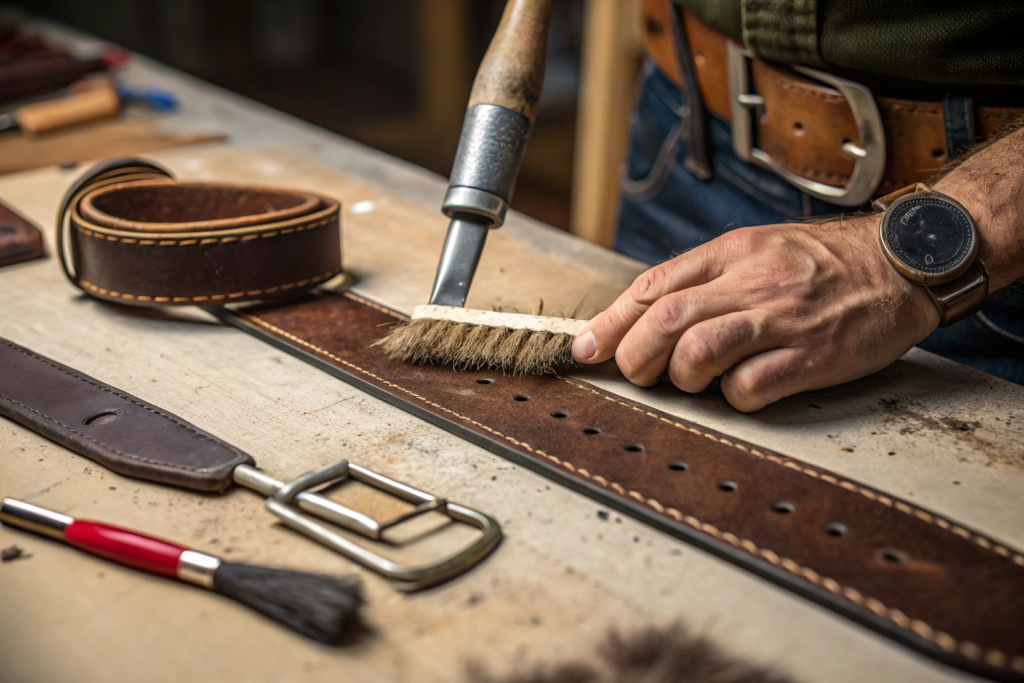
Mechanical distressing involves using various tools to create realistic wear patterns. A wire brush can be used to gently create subtle scratches and soften the surface, mimicking the effect of brushing against rough surfaces over time. Sandpaper of varying grits can be used to soften edges, create smooth spots, and lightly abrade high-wear areas like the tip of the belt and the area around the buckle. Some artisans even use dull blades or scrapers to create fine, hairline scratches that look like natural, age-related markings. The key is restraint. The goal is not to make the belt look damaged, but to suggest the gentle, cumulative wear of many years.
The placement of mechanical distressing is as important as the technique itself. A skilled artisan knows where a belt would naturally show wear. The area around the buckle, where the leather flexes and rubs against the hardware, is a prime spot. The tip of the belt, which is constantly grabbed and pulled through belt loops, is another. The edges, which rub against clothing and surfaces, can be gently softened and rounded. The back of the belt, which rests against the body, can be given a subtle, smooth sheen. The goal is to create a narrative of use that is believable and aesthetically pleasing. It is a subtle art, far removed from simply "roughing up" a belt. This is a key aspect of artisanal leather finishing. At Shanghai Fumao Clothing, our craftsmen have a deep understanding of where and how to apply these distressing techniques, ensuring the final product looks authentically worn, not carelessly abused.
Won't mechanical distressing weaken the belt?
When done correctly, no. The distressing is superficial, affecting only the top surface of the leather. The core structural integrity of the belt remains intact. The goal is aesthetic, not structural. A quality belt made from full-grain leather is more than strong enough to handle this level of surface treatment.
Can I achieve this look at home?
You can experiment, but achieving a professional, believable result requires experience and the right tools. It's easy to over-do it and end up with a belt that looks damaged, not vintage. The skill lies in knowing when to stop. For a brand, working with experienced craftsmen is essential for consistent, high-quality results.
How Are Layered Dye and Wax Finishes Used to Build Patina?
A truly captivating vintage look is not a single color; it is a complex layering of colors that create depth, warmth, and a sense of history. This is achieved through the use of multiple dye layers and wax finishes. This technique mimics the way real leather ages, gradually changing color and developing a rich, nuanced patina over decades. It is the most sophisticated way to create a vintage aesthetic.
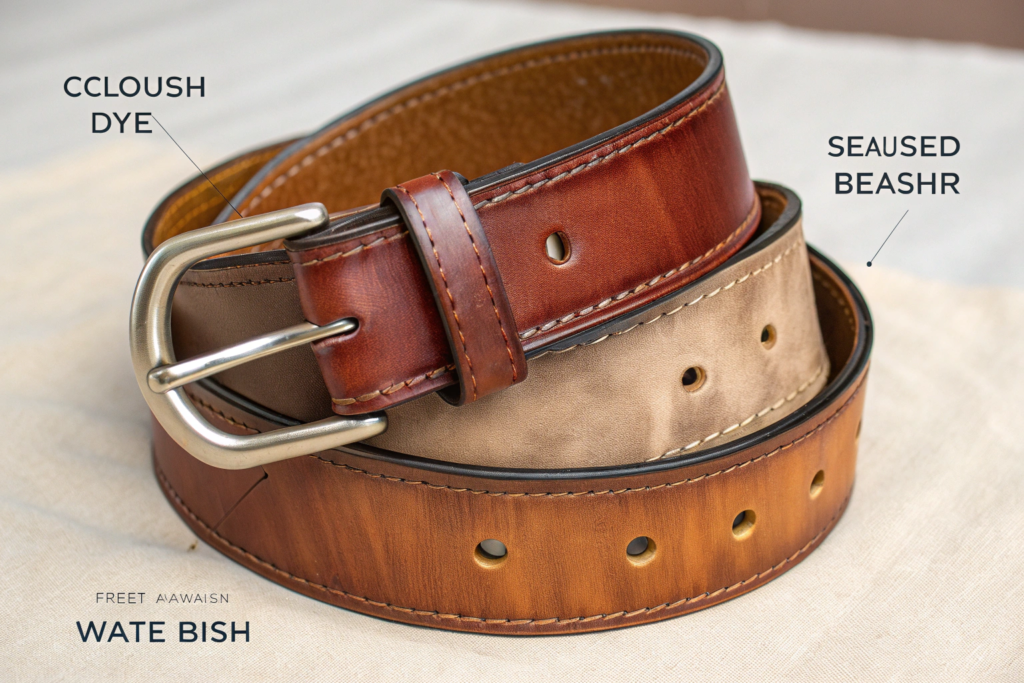
The process starts with a base dye in a medium tone. Once this is dry, a second, often lighter or contrasting color may be applied using techniques like dry-brushing or sponging. This deposits color on the raised surfaces, mimicking the fading and wear that happens over time. The final, and crucial, step is the application of a wax finish. A quality leather wax, often containing natural beeswax, is rubbed into the leather. This not only protects the surface but also creates a soft, warm, low-luster sheen that is characteristic of well-cared-for vintage leather. The wax can also be buffed to different levels of shine, adding to the nuanced look. This layering creates a patina that is rich, complex, and impossible to achieve with a single dye.
The beauty of this technique is its subtlety. The final color is not uniform; it has depth and variation. In the crevices, the base color is more prominent. On the high points, the secondary color and the wax create a warm, slightly lighter sheen. This is exactly how a naturally aged belt looks. The type of wax used also matters. Some waxes are harder and provide more protection and a higher shine. Others are softer and impart a more matte, natural feel. The choice depends on the desired final aesthetic. The wax also has the practical benefit of conditioning the leather, keeping it supple and preventing it from drying out. This is a classic technique from the world of fine leather finishing and patination. At Shanghai Fumao Clothing, we have developed our own proprietary wax blends and finishing techniques to achieve the perfect vintage patina for our clients.
How long does this layered finishing process take?
It is significantly more time-consuming than a simple, single-color dye job. Each layer of dye needs time to dry. The wax needs to be applied, allowed to set, and then buffed. This handcrafted approach is one of the reasons why belts with a high-quality vintage finish command a higher price. It's a labor of love.
Will the wax finish wear off?
Yes, the wax finish will gradually wear and change over time, and this is part of the beauty. It adds to the evolving patina of the belt. The wax can be reapplied by the owner to refresh the look and continue conditioning the leather. This is part of the appeal of a quality leather product—it ages with you and can be maintained.
How Are Heat and Pressure Used to Soften and Shape the Leather?
A brand new belt is often stiff and flat. It hasn't yet conformed to the shape of a body. An old, well-worn belt, however, is soft and supple. It has a natural curve from being worn around a waist. It moves and drapes differently. To create a truly convincing vintage look, you must address not just the surface, but the very structure of the leather. Heat and pressure techniques are used to achieve this transformation.
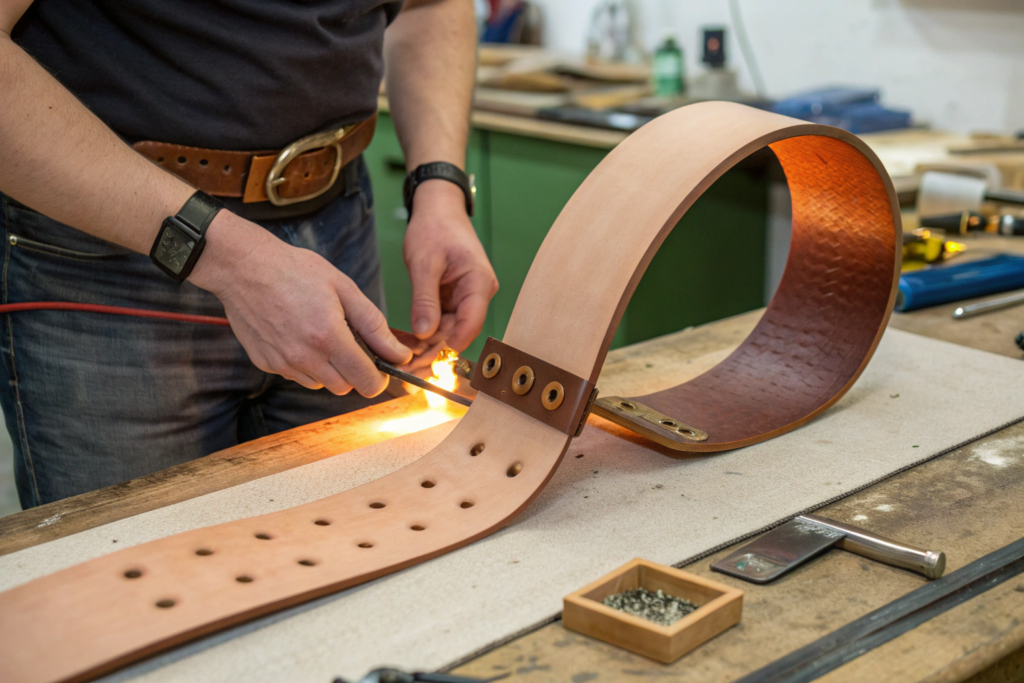
Leather is a thermoplastic material, meaning it can be shaped and softened with heat. Craftsmen use tools like heat guns or specialized ovens to gently warm the leather, making it more pliable. Once warm, the belt can be bent and shaped over forms to create a subtle, natural curve. It can also be hammered or rolled to soften the fibers and break down the initial stiffness. This process, often called "breaking in" the leather, mimics the effect of years of wear. The result is a belt that is soft, supple, and has a natural, comfortable drape from the very first time it is worn.
This is a subtle but crucial step. A belt that is visually distressed but still stiff and flat will not feel right. The user will sense that something is off. By using heat and pressure to soften and shape the leather, we address this disconnect. The belt not only looks vintage, it feels vintage. It is comfortable and pliable from the start. This process also helps the belt to conform to the wearer's body more quickly, creating a custom fit. It's the final touch that completes the transformation, turning a new piece of leather into a seemingly well-loved companion. This is a key principle in leather crafting and molding. At Shanghai Fumao Clothing, we use these techniques to ensure that every vintage-style belt we produce has the perfect combination of visual age and physical comfort.
Is this process safe for all types of leather?
Yes, when done with care and the correct temperature. Different leathers have different tolerances, and an experienced craftsman knows how much heat to apply. Too much heat can damage the leather, so precision is key. This is another reason why this is a skilled, artisanal process.
Will the belt lose its shape over time?
The shaping process is designed to create a natural, subtle curve, not a rigid, forced shape. The belt will continue to conform to the wearer's body over time. The initial shaping simply gives it a head start, ensuring it feels comfortable and looks "broken in" from day one.
Conclusion
Creating a worn-in vintage look on new belts is a sophisticated art form. It is a multi-step process that combines traditional craftsmanship with a deep understanding of materials. From the depth created by hand antiquing, to the realistic wear of mechanical distressing, the rich patina of layered dyes and waxes, and the soft, supple feel achieved through heat and pressure, each technique plays a vital role in telling a story. The goal is not to make a belt look old and damaged, but to imbue it with character, history, and soul.
At Shanghai Fumao Clothing, we have mastered these techniques. Our skilled artisans treat each belt as a unique canvas, applying their craft to create pieces that are not just accessories, but statements of individuality and timeless style. We help our clients offer belts that their customers will cherish, belts that look like they have a story to tell from the very first wear.
Are you ready to add the timeless appeal of vintage style to your belt collection? Let's create some character together. Contact our Business Director, Elaine, at elaine@fumaoclothing.com to start the conversation.