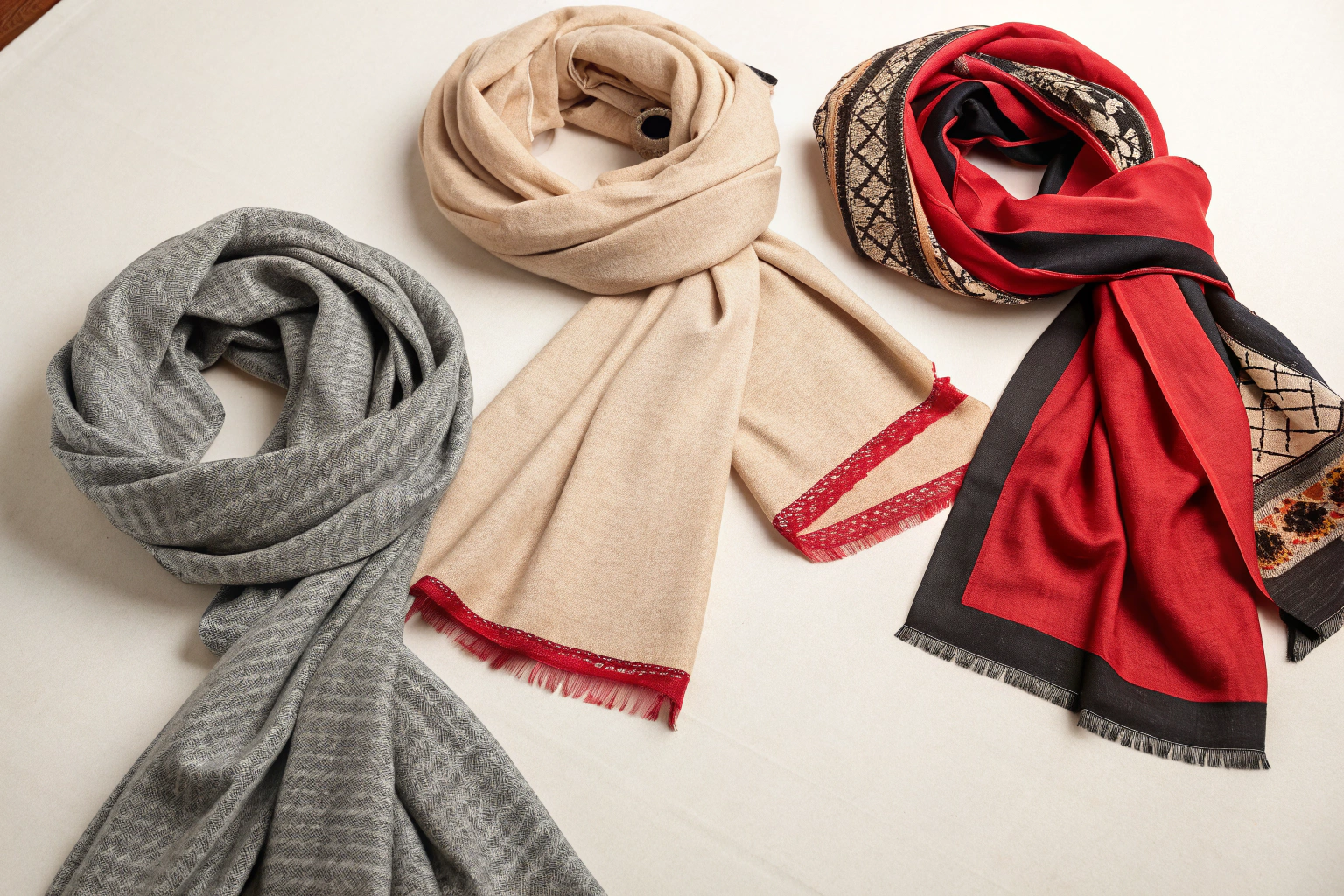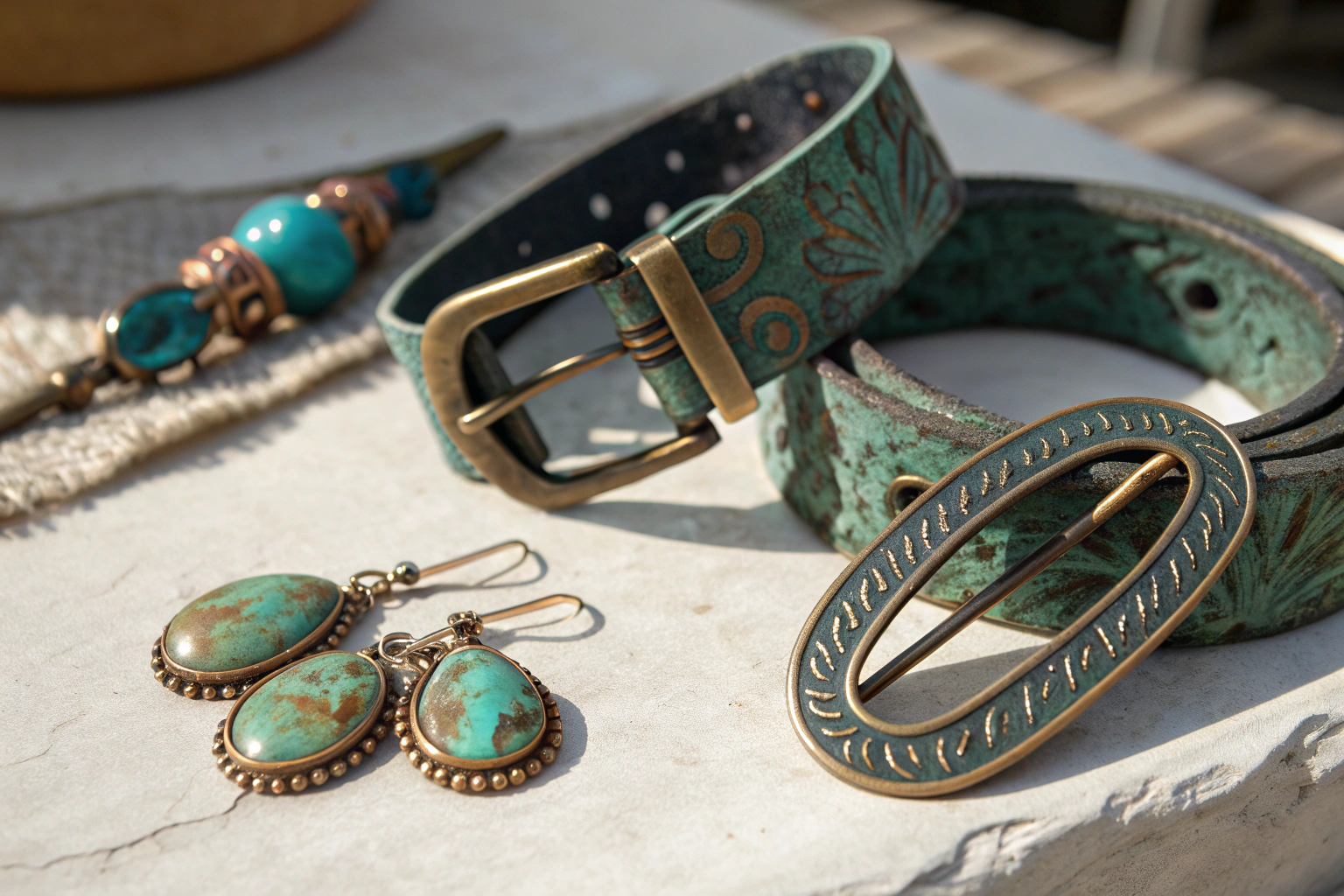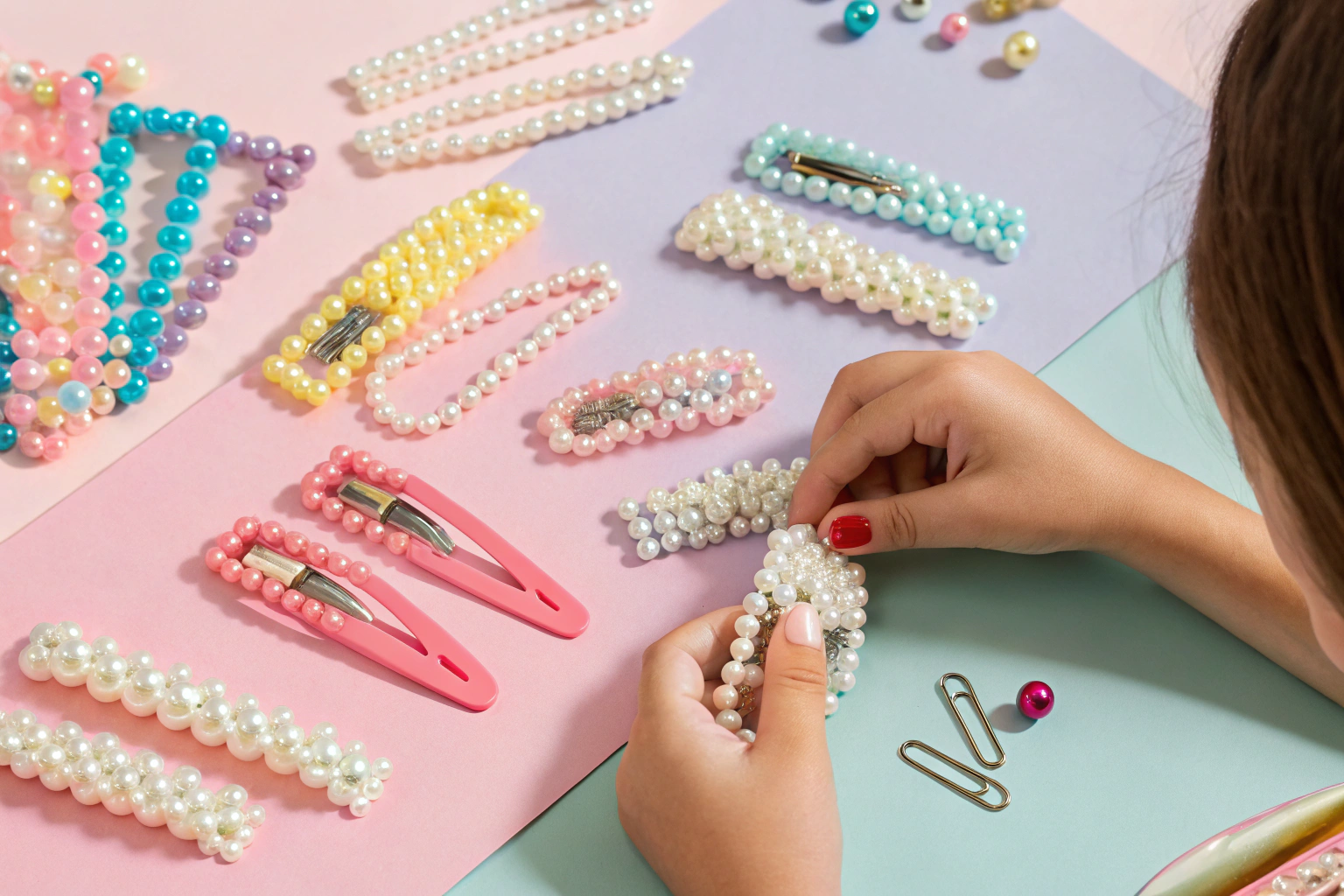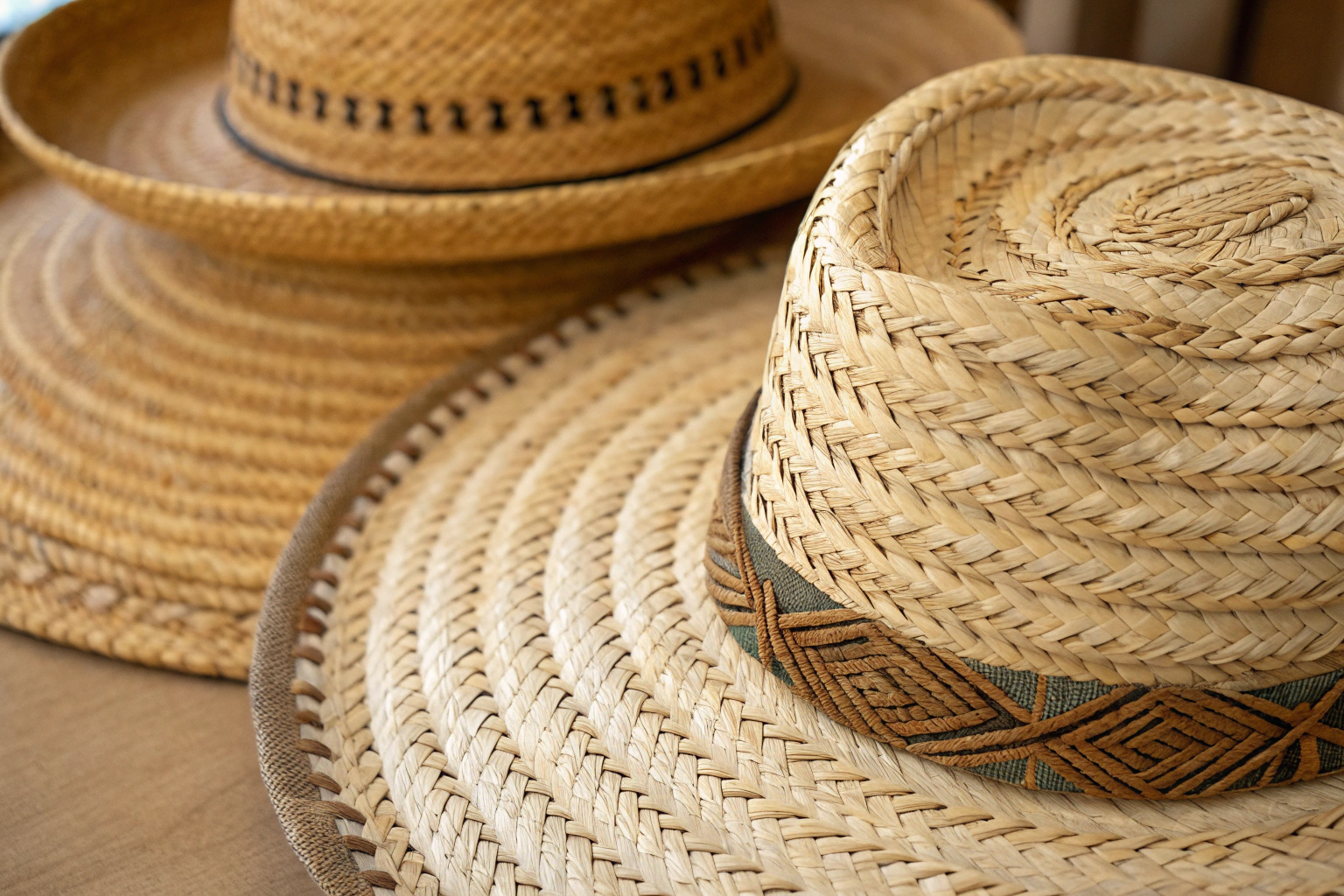
I've spent decades focused on making the accessories themselves—the hats, scarves, and clips. But in recent years, a new and urgent question has arrived from buyers like Ron: "What about the packaging?" It's no longer enough for the product to be great. The packaging it arrives in has to align with the same values of sustainability and responsibility. Consumers in North America and Europe are increasingly rejecting single-use plastics. They notice excessive packaging. They care about what happens to that box or bag after they open it.
This shift has forced all of us in the industry to rethink everything. We can't just wrap a beautiful scarf in a plastic poly bag and call it done. We need solutions that protect the product during its long journey from our factory in Zhejiang to a customer in New York or London, but that also minimize environmental impact. It's a challenge, but it's also an opportunity. Sustainable packaging can be a powerful statement about your brand's values.
At Shanghai Fumao Clothing, we've been actively researching and implementing sustainable packaging alternatives. We work with our suppliers to source eco-friendly materials. We test them for durability and protection. And we offer a range of options to our clients. In this post, I'll share the latest and most effective sustainable alternatives to plastic for accessory packaging. Whether you're a major brand or a small online store, these solutions can help you reduce your footprint and appeal to eco-conscious customers.
What Are The Best Paper And Cardboard Alternatives?
Paper and cardboard are the most obvious and widely used alternatives to plastic. But not all paper is created equal. The latest innovations in this area go far beyond simple brown boxes. We now have access to materials that are incredibly strong, lightweight, and often made from 100% recycled content. They can be molded into custom shapes, printed with eco-friendly inks, and are fully recyclable and home-compostable in many cases.
The key is to choose the right type of paper-based material for your specific product. A sturdy cardboard box is perfect for a heavy belt or a structured hat. A soft, tissue paper made from recycled fibers is ideal for wrapping a delicate scarf. And molded paper pulp, similar to an egg carton, can be custom-designed to hold a hair clip or a pair of sunglasses securely. At our factory, we work with suppliers who specialize in these materials to ensure they meet our quality and sustainability standards. For more on sustainable forestry and paper sourcing, organizations like the Forest Stewardship Council (FSC) provide certification and guidance.

What is FSC-certified cardboard and why does it matter?
FSC-certified cardboard is cardboard that comes from forests managed responsibly according to the strict environmental and social standards of the Forest Stewardship Council. When you see the FSC logo on a box, you know that the trees used to make it were harvested in a way that protects biodiversity, supports local communities, and ensures the long-term health of the forest.
For your brand, using FSC-certified packaging is a powerful signal. It shows your customers that you care about the entire lifecycle of your product, from the raw materials to the finished goods. It's a third-party verification of your commitment to sustainability. It's not just a claim; it's a certification. We offer FSC-certified cardboard options for all our boxes and mailers, and we can help you get the logo printed on your packaging to communicate this value to your customers.
How can molded paper pulp replace plastic blister packs?
Plastic blister packs—those clear, pre-formed plastic shells that hold products in place—are a major source of waste. They are difficult to recycle and often end up in landfills. A fantastic sustainable alternative is molded paper pulp, also known as molded fiber.
This material is made by mixing recycled paper or cardboard with water to create a slurry. This slurry is then pressed into a mold that matches the shape of your product. The result is a custom-fit, protective, and 100% biodegradable and recyclable packaging insert. It's perfect for holding delicate items like hair clips, brooches, or small accessories securely in place inside a box. It provides excellent protection during shipping without the environmental guilt of plastic. It's a solution we are increasingly recommending to our clients.
What Are The Innovations In Fabric And Textile Packaging?
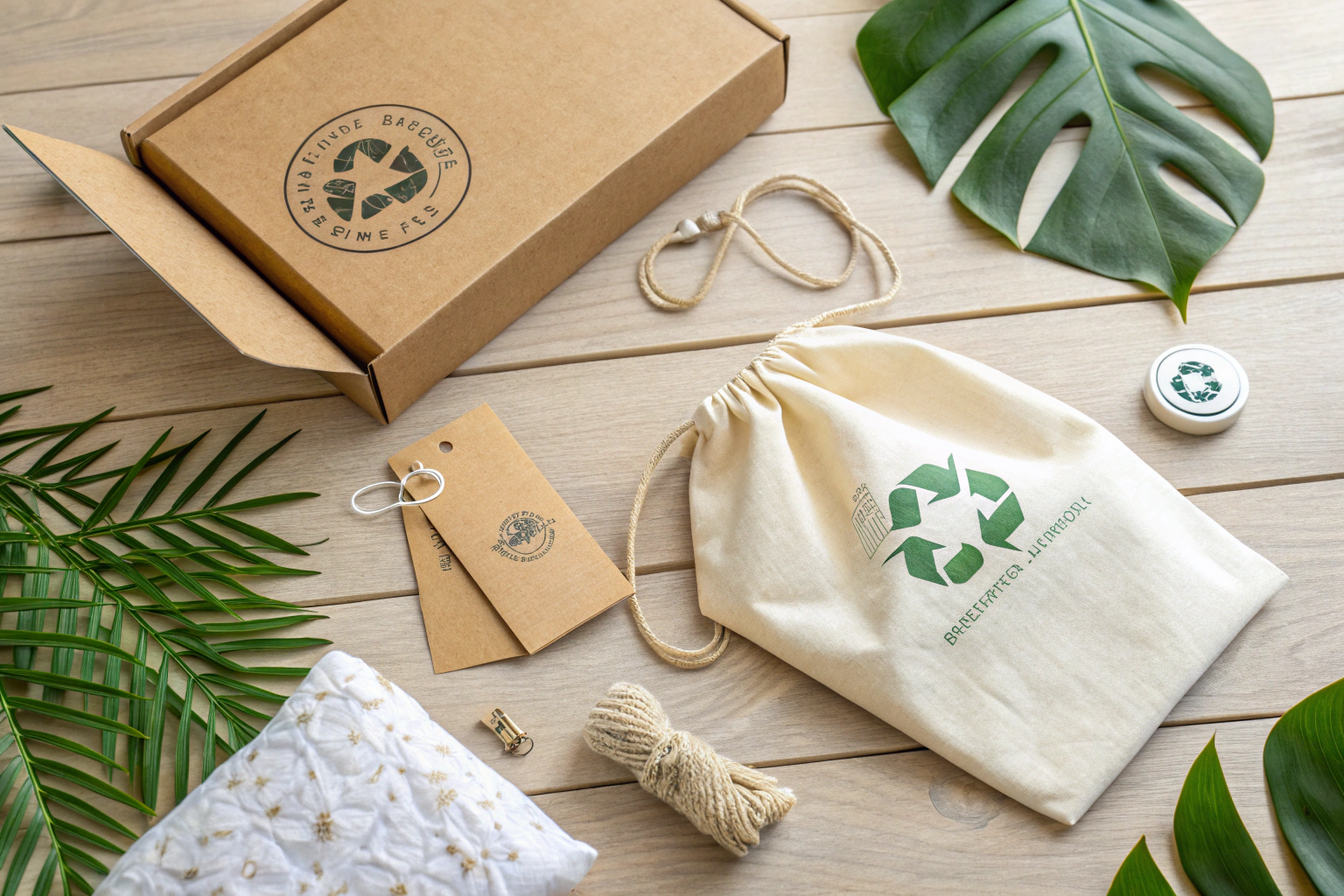
Fabric packaging offers a completely different approach to sustainability. Instead of being thrown away, it's designed to be kept and reused. This turns the packaging into an additional gift—a valuable item in its own right. Think of a beautiful cotton drawstring bag that a customer can use to store their jewelry, organize their travel items, or even as a small gift bag. This adds immense value and creates a lasting positive association with your brand.
Fabric bags are particularly well-suited for accessories like scarves, hats, and belts. They are soft, gentle on the product, and can be made from a variety of sustainable materials. They also provide an excellent surface for branding, either through screen printing, weaving a label, or even embroidery. At our factory, we produce custom fabric bags in all shapes and sizes. For information on sustainable textiles, Textile Exchange is an excellent resource.

What are the benefits of organic cotton muslin bags?
Organic cotton muslin is one of our favorite materials for reusable packaging. Muslin is a loosely woven cotton fabric that is soft, breathable, and lightweight. It's perfect for wrapping delicate items like scarves, as it won't snag or damage the fabric. When it's organic, you know the cotton was grown without harmful pesticides and synthetic fertilizers, which is better for the soil, the farmers, and the planet.
A simple muslin drawstring bag is incredibly versatile. The customer can use it to store the accessory, protecting it from dust. They can use it as a travel pouch. They can even repurpose it as a gift bag for someone else. It's a simple, elegant, and highly effective piece of sustainable packaging that adds real value. We can produce these bags in any size and print them with your logo using eco-friendly, water-based inks.
How can a scarf be packaged in a reusable tote?
This is a wonderful concept that combines the product and the packaging into one. Imagine you are selling a beautiful scarf. Instead of putting it in a disposable box, you fold it and place it inside a smaller, reusable cotton tote bag. The tote bag becomes part of the gift. The customer gets a scarf and a useful bag. Your brand name is on the tote, providing ongoing visibility every time the customer uses it.
This "product-as-packaging" approach is a huge win. It eliminates single-use waste entirely. It adds perceived value to the purchase. And it turns your customer into a walking advertisement for your brand. We've helped several clients create these coordinated sets, where the tote bag is designed to complement the scarf or hat inside. It's a premium, thoughtful, and highly sustainable solution.
What Are Compostable And Biodegradable Mailers?
For e-commerce brands, the shipping mailer is a major source of plastic waste. Those ubiquitous gray plastic poly bags are lightweight and cheap, but they are not sustainable. The good news is that there are now excellent alternatives. Compostable and biodegradable mailers are made from plant-based materials like cornstarch, PLA (polylactic acid), and other biopolymers. They look and feel similar to plastic, but they are designed to break down in a commercial composting facility or, in some cases, in a home compost bin.
These mailers are strong, waterproof, and provide excellent protection for your products during shipping. They can be printed on with eco-friendly inks. And they offer a powerful end-of-life story. Instead of persisting in a landfill for centuries, they can return to the earth. This is a message that resonates strongly with environmentally conscious customers. For more on compostable materials and standards, the Biodegradable Products Institute (BPI) is a leading certifier.

What is PLA and is it truly compostable?
PLA, or Polylactic Acid, is a bioplastic made from fermented plant starch, usually from corn, cassava, or sugarcane. It's one of the most common materials used in compostable mailers and packaging. PLA looks and functions much like traditional plastic, but it has a very different chemical structure.
PLA is industrially compostable. This means it requires the high temperatures and specific conditions of a commercial composting facility to break down effectively. It will not readily compost in a home compost bin or in a landfill. This is an important distinction to understand and communicate to your customers. A product labeled "compostable" often requires industrial composting. If your customers have access to such facilities, PLA is a great choice. If not, they may still need to dispose of it in the trash, where it will break down much more slowly, though still faster than traditional plastic.
How do home-compostable mailers differ from industrial ones?
This is a rapidly evolving area. Home-compostable mailers are designed to break down in the cooler, less controlled environment of a backyard compost bin. They are typically made from different formulations of biopolymers that are more readily attacked by microorganisms at lower temperatures. They also often break down faster.
The standards for home composting are different and more stringent. Look for certifications like "OK compost HOME" from TÜV Austria. If you are selling directly to consumers who are likely to have home compost bins, this is the gold standard. However, home-compostable mailers may not be quite as strong or have the same shelf life as industrial-compostable ones. The choice depends on your product, your shipping distances, and your target customer. We can help you navigate these options and select the right mailer for your needs.
How To Reduce Packaging Volume And Weight?
The most sustainable packaging is the packaging you don't use. Before you even choose a material, you should think about reducing the overall volume and weight of your packaging. This is a concept called "lightweighting." A smaller, lighter package uses fewer raw materials. It also takes up less space in a shipping container, which means more products can fit, reducing the carbon footprint per item. And it often costs less to ship.
This requires a thoughtful approach to design. It means choosing boxes that are exactly the right size for your product, not a standard size that's too big. It means using minimal, efficient protective fillers. It means designing products that can be folded or nested to take up less space. At our factory, we work with clients to optimize their packaging for size and weight. It's a win for the planet and a win for your bottom line. For more on sustainable logistics, organizations like Smart Freight Centre offer resources on reducing supply chain emissions.

What are the benefits of right-sized boxes for shipping?
Using a right-sized box—one that fits your product snugly without a lot of extra space—has multiple benefits. First, it uses less cardboard, saving materials and cost. Second, it requires less void fill, whether that's paper, bubble wrap, or air pillows. Third, it takes up less space in shipping containers and delivery trucks. This means more products can be shipped in a single journey, reducing the carbon footprint per item.
Fourth, it often qualifies for lower shipping rates from carriers, as shipping costs are often based on dimensional weight (the size of the box) as well as actual weight. A smaller box can lead to significant savings. Finally, it creates a better customer experience. Opening a box that is exactly the right size feels more premium and thoughtful than opening a giant box with a tiny item rattling around inside. It's a simple change with huge positive impacts.
How can you eliminate void fill altogether?
This is the ultimate goal. The best way to eliminate void fill is to design your product and its primary packaging to be self-supporting within the shipping box. For example, if you are shipping a hat, you might pack it in a rigid hat box that is exactly the size of the shipping carton. The hat box itself provides the structure, and no additional void fill is needed.
For softer items like scarves, you can fold them and place them inside a reusable fabric bag that is then placed in a snug box. The fabric bag takes up the space. For multiple items, you can design an internal divider made from recycled cardboard that holds each product in place, eliminating the need for loose fill. This approach requires more upfront design work, but it results in packaging that is cleaner, more efficient, and completely waste-free. It's the direction we are encouraging all our clients to move towards.
Conclusion
The shift away from plastic in accessory packaging is not a passing trend; it's a fundamental change in how we must do business. As we've seen, there is a wealth of innovative and effective sustainable alternatives available today. From FSC-certified cardboard and molded paper pulp to reusable organic cotton bags and compostable mailers, the options are vast. And the most sustainable strategy of all—reducing packaging volume through right-sizing and smart design—saves money and resources simultaneously.
At Shanghai Fumao Clothing, we are committed to helping our clients navigate this new landscape. Our factory in Zhejiang is actively sourcing and implementing these sustainable packaging solutions. We work with certified suppliers of paper, fabric, and bioplastics. Our experienced project managers can guide you through the options, help you select the right materials for your products and your brand values, and ensure your packaging arrives looking beautiful and performing perfectly.
If you're ready to make your accessory packaging more sustainable, let's talk. Please contact our Business Director, Elaine, at elaine@fumaoclothing.com. We'll help you create a packaging solution that protects your products and protects the planet.