I've always had a deep appreciation for straw hats. They are one of the oldest forms of headwear, yet they are constantly evolving. There is something magical about taking a simple, natural material like straw and transforming it into a beautiful, functional piece of art through the skill of weaving. In 2026, we are seeing a renaissance in straw hat craftsmanship, with both traditional techniques being rediscovered and new, innovative methods emerging.
Buyers like Ron, who source for fashion brands and resort wear collections, are increasingly looking for hats that tell a story. A machine-made hat is fine, but a hat with a distinctive, handcrafted weave has a different kind of value. It speaks of skill, tradition, and authenticity. The texture of the weave becomes a key design element. It's what makes a hat stand out on a crowded shelf or in an online shop.
At Shanghai Fumao Clothing, we have been working with straw for decades. We have partnerships with skilled artisans who specialize in traditional weaving techniques, and we also operate modern machinery that can replicate and innovate on these classic styles. In this post, I'll share the latest trends in straw hat weaving techniques for 2026. Whether you're a designer or a buyer, understanding these techniques will help you appreciate the craftsmanship and make better sourcing decisions.
What Are The Traditional Weaving Techniques Making A Comeback?
In an age of mass production, there is a powerful counter-trend: a return to traditional, handcrafted techniques. Consumers are drawn to products that feel authentic and carry a sense of human touch. This is driving a resurgence in classic straw hat weaving methods that have been used for centuries in different parts of the world. These techniques are not just about making a hat; they are about preserving a cultural heritage.
The beauty of these traditional techniques lies in their uniqueness. No two hand-woven hats are exactly alike. The slight variations in the weave, the texture, and the shape are not flaws; they are signatures of the artisan's hand. This is incredibly appealing to today's consumers who are tired of perfectly identical, mass-produced goods. For more on the cultural history of straw hat making, museums like the Metropolitan Museum of Art's Costume Institute have wonderful collections and resources.
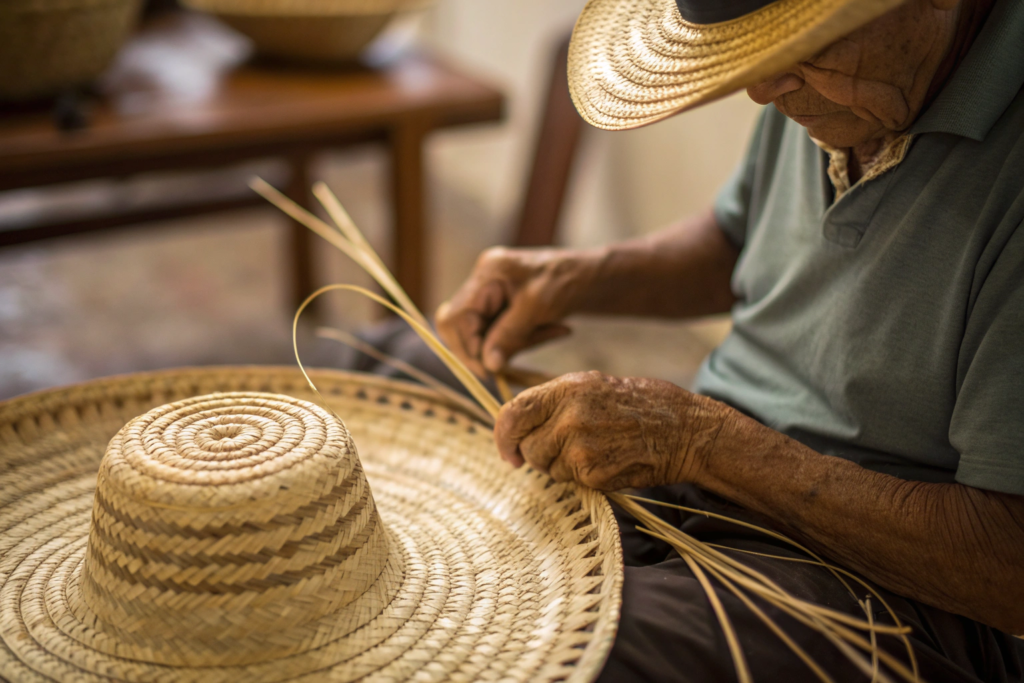
What is the Panama hat weave and why is it so famous?
The Panama hat, despite its name, actually originates from Ecuador. It is made from the fibers of the toquilla palm. The finest Panama hats are hand-woven and can take months to complete. The weave is incredibly fine, tight, and lightweight, almost like a fabric. A high-quality Panama hat can be rolled up and passed through a wedding ring, yet it will spring back into its original shape perfectly.
The fame of the Panama hat comes from this incredible combination of lightness, flexibility, and durability. The weaving technique is a closely guarded secret passed down through generations of artisans. The finest hats, known as "Montecristi" hats, are among the most coveted and expensive straw hats in the world. While these are a niche luxury item, the influence of the Panama hat's fine, tight weave is seen in many contemporary straw hat styles. Our straw hat collection includes many styles inspired by this classic technique.
How is the spiral coiling technique used in modern hats?
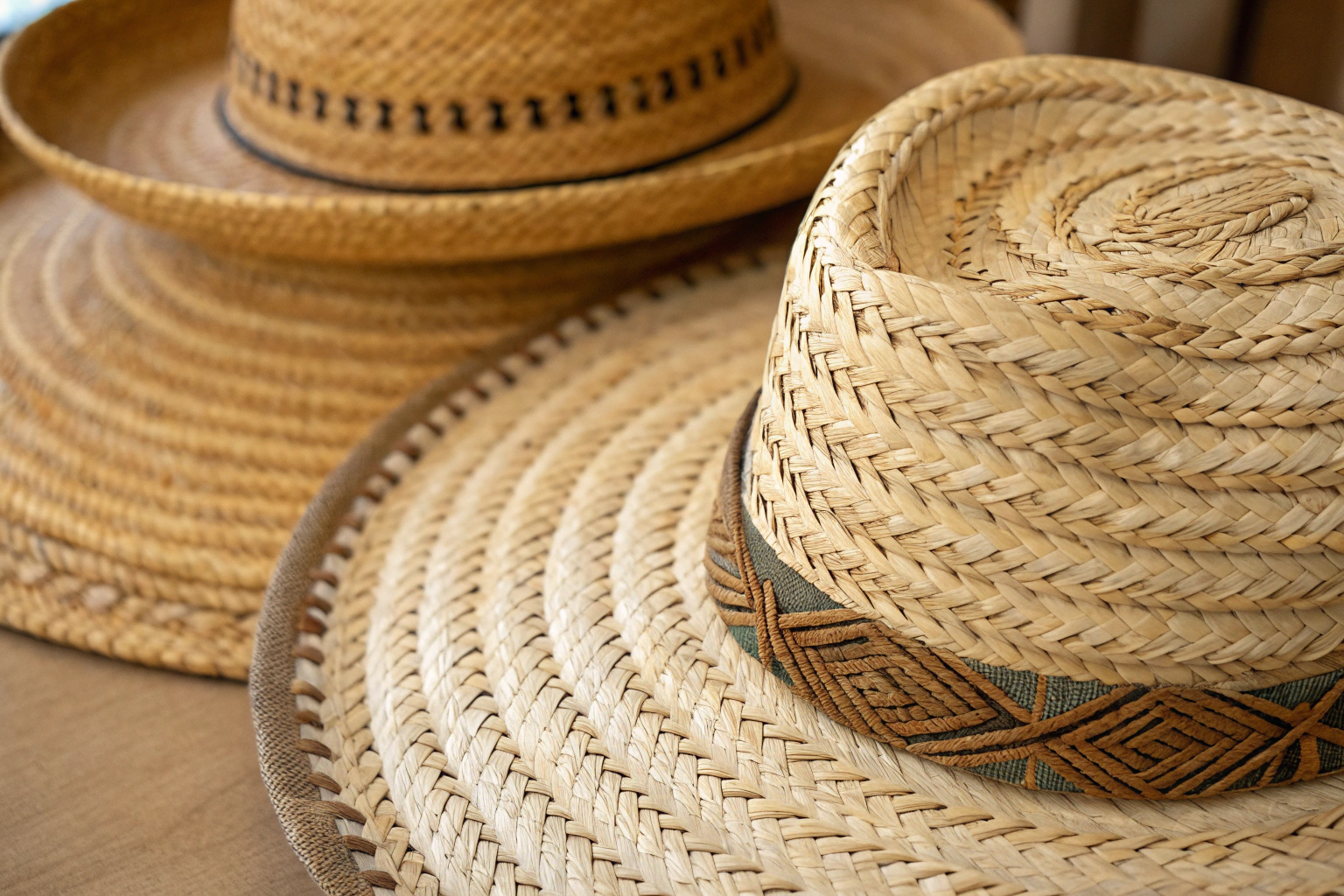
Spiral coiling is one of the oldest and most fundamental hat-making techniques. It involves taking a long, continuous bundle of straw or other fibrous material and coiling it around and around, stitching each coil to the previous one. The result is a very strong, durable, and textured hat.
This technique is having a major moment in 2026, especially in more artisanal and bohemian styles. The visible coils create a wonderful, three-dimensional texture. The technique also allows for incredible creativity in shape and design. Artisans can vary the thickness of the coil, the tightness of the spiral, and the color of the stitching to create unique effects. A hat made with spiral coiling has a distinct, handcrafted look that is highly prized.
What Are The Innovative Weaving Techniques For 2026?
While tradition is important, innovation is what keeps fashion exciting. In 2026, we are seeing exciting new developments in straw hat weaving techniques. These innovations are driven by new materials, new machinery, and a desire to push the boundaries of what a straw hat can be. Designers are experimenting with patterns, textures, and shapes that would have been impossible just a few years ago.
These new techniques are blurring the lines between traditional craft and modern design. They are creating hats that are not just sun protection, but true fashion statements. At our factory, we are constantly exploring these new possibilities, working with both skilled artisans and advanced machinery to bring our clients the latest styles. For inspiration on contemporary textile design, sites like Dezeen and Design Milk are excellent.
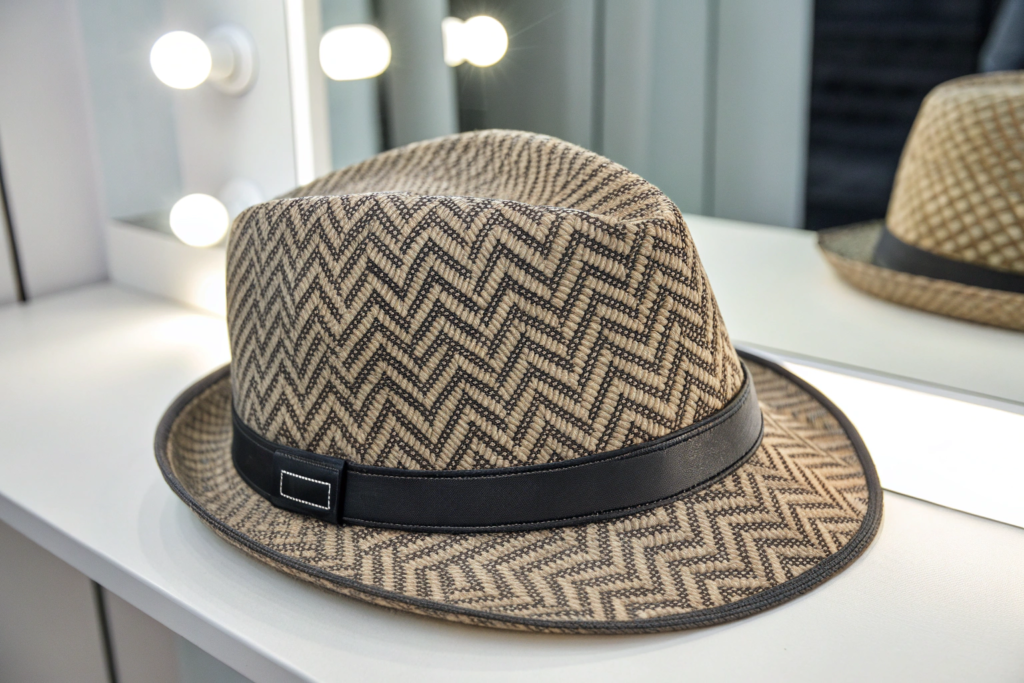
What is laser-cut straw and how is it used?
Laser-cut straw is one of the most exciting innovations in recent years. Instead of weaving the straw, a laser is used to precisely cut intricate patterns into a sheet of bonded straw or a finished hat. This allows for incredibly detailed, geometric, and delicate designs that are impossible to achieve by hand.
Laser cutting can be used to create decorative patterns on the brim or crown of a hat. It can be used to create cut-out designs that add ventilation and visual interest. It can even be used to create the entire hat shape from a flat piece of straw material. The precision of the laser means that patterns can be repeated perfectly, making it ideal for creating a cohesive collection. A laser-cut straw hat has a modern, edgy, and sophisticated look that is very popular in 2026.
How are mixed-material weaves changing the look of straw hats?
Another major trend is the combination of straw with other materials in the weave itself. This is not just about adding a decorative ribbon; it's about integrating different materials into the very structure of the hat. We are seeing straw woven with thin leather strips, with colorful cotton or silk threads, with raffia in contrasting colors, and even with metallic threads.
This creates hats with incredible texture and visual complexity. The interplay of different materials adds depth and interest. A straw hat with a thin leather strip woven through the brim has a rustic, yet refined, feel. A hat with colorful threads creates a playful, bohemian vibe. This technique allows for endless customization and can be used to create a truly unique and signature look for a brand.
What Straw Materials Are Trending In 2026?
The straw itself is just as important as the weaving technique. The material determines the hat's weight, flexibility, durability, and overall aesthetic. In 2026, we are seeing a growing interest in both traditional, high-quality straws and new, sustainable alternatives. Buyers are more informed and more curious about where materials come from and how they are produced.
The choice of straw is a key part of the hat's story. A hat made from Ecuadorian toquilla straw tells a different story than a hat made from Vietnamese seagrass. Both can be beautiful, but they appeal to different sensibilities. At our factory, we source straw from all over the world, always prioritizing quality and, increasingly, sustainability. For more on natural fibers, resources like the Food and Agriculture Organization (FAO) of the United Nations have information on the cultivation and trade of materials like jute, hemp, and sisal.
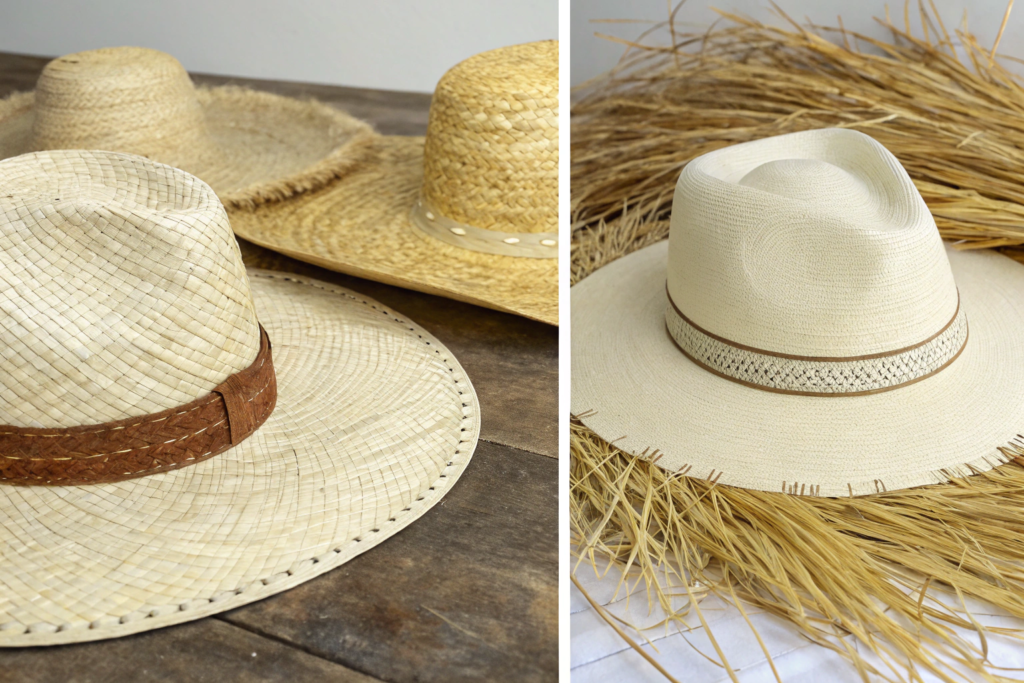
Why is raffia becoming so popular for summer hats?
Raffia is a natural fiber made from the leaves of the raffia palm, native to Madagascar and other parts of Africa. It has exploded in popularity in recent years, and for good reason. Raffia is incredibly versatile. It's soft, lightweight, and pliable, making it easy to weave into a wide variety of shapes. It also has a beautiful, natural, slightly golden color and a distinctive, slightly textured look.
Raffia is also very durable and water-resistant compared to some other straws. It can be dyed in a huge range of vibrant colors, making it a favorite for colorful, fashion-forward summer hats. Its softness also makes it more comfortable to wear than some stiffer straws. A raffia hat is the epitome of effortless summer style. We are seeing huge demand for raffia in everything from wide-brimmed beach hats to fedoras and visors.
What are the sustainable straw alternatives gaining attention?
As sustainability becomes a more important concern for consumers and brands alike, we are seeing a rise in innovative, eco-friendly straw alternatives. These include:
- Seagrass: A natural fiber harvested from marine plants. It has a wonderful, textured look and is very durable. It's often used for more rustic, natural-looking hats.
- Hemp: A highly sustainable crop that requires little water and no pesticides. Hemp fibers can be processed to create a strong, durable, and attractive straw-like material.
- Recycled Paper or Plastic: Some innovative companies are creating "straw" from recycled materials. These are often twisted or woven into yarns that can then be used to create hats. They offer a way to divert waste from landfills and create a unique product.
- Banana Fiber: Fibers extracted from banana tree stems are strong, soft, and have a beautiful, silky luster. They are a byproduct of banana cultivation, making them a very sustainable option.
These sustainable alternatives are not just a niche; they are becoming a mainstream choice for brands that want to tell a positive environmental story.
How Do Weaving Techniques Affect The Hat's Shape And Function?
The weaving technique is not just about aesthetics; it directly affects the hat's shape, structure, and function. A tight, dense weave creates a stiff, structured hat that will hold its shape perfectly. A loose, open weave creates a soft, flexible, and more breathable hat. The skill of the weaver or the settings on the machine determine these critical properties.
When designing a hat, we always consider how the weave will interact with the desired shape. A fedora needs a certain amount of stiffness to hold its crease and brim shape. A beach hat can be much softer and more pliable. The weave must be chosen to support the intended use. This is the kind of technical knowledge that we bring to every project.
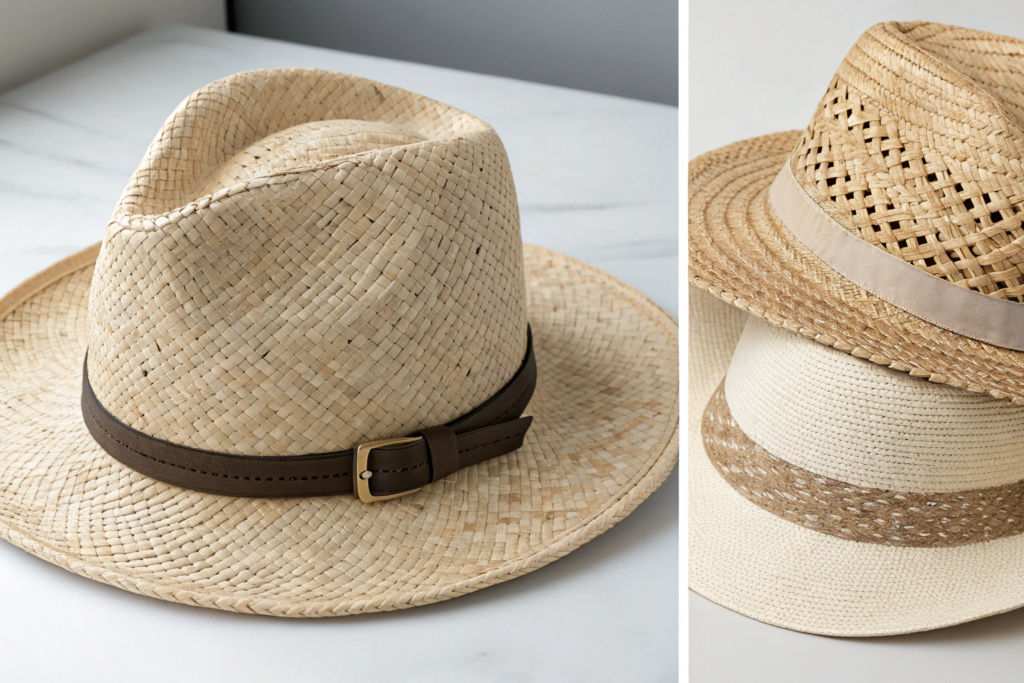
How does a tight, dense weave differ from a loose, open weave?
- Tight, Dense Weave: Creates a hat that is more structured, durable, and provides better sun protection because less light gets through the gaps. It is also generally more wind-resistant. This type of weave is ideal for fedoras, panamas, and other structured styles.
- Loose, Open Weave: Creates a hat that is softer, more flexible, and much more breathable. It's perfect for hot, humid weather because it allows air to circulate. It provides less sun protection, but it's incredibly comfortable. This weave is ideal for beach hats, visors, and casual, bohemian styles.
The choice between a tight or loose weave is a fundamental design decision that affects both the look and the performance of the hat.
Can the weave make a hat more breathable or water-resistant?
Yes, absolutely. Breathability is directly related to the openness of the weave. A loose, open weave allows air to flow through the hat, keeping your head cool. This is why styles like the Montecristi Panama hat, despite having a very fine weave, are still breathable—the weave is fine but the fibers are round, creating tiny air channels.
Water-resistance is a different property. Natural straw is not waterproof. However, a very tight, dense weave can make the hat more resistant to light rain, as water will bead up on the surface rather than penetrating easily. Some straw hats are also treated with a water-repellent finish. The weave itself, however, does not make the hat waterproof. For that, you would need a different material or a coating. The primary function of the weave is structure, aesthetics, and breathability.
Conclusion
The world of straw hat weaving in 2026 is a beautiful blend of ancient tradition and modern innovation. From the revered hand-weaving techniques of the Panama hat to the precision of laser-cut designs, the options for creating unique, beautiful, and functional hats are vast. The choice of material—whether classic toquilla, versatile raffia, or sustainable seagrass—adds another layer of depth. And the weave itself, whether tight or loose, determines the hat's final character and performance.
At Shanghai Fumao Clothing, we are passionate about straw hats. Our factory in Zhejiang combines traditional craftsmanship with modern manufacturing capabilities. We work with skilled artisans who have inherited generations of weaving knowledge, and we also operate advanced machinery that can produce innovative, contemporary designs. Our experienced project managers can guide you through the entire process, from selecting the right straw and weave to creating the perfect shape for your collection.
If you're ready to explore the latest styles in straw hat weaving for 2026, let's talk. Please contact our Business Director, Elaine, at elaine@fumaoclothing.com. We'll help you create hats that are timeless, beautiful, and perfectly crafted.