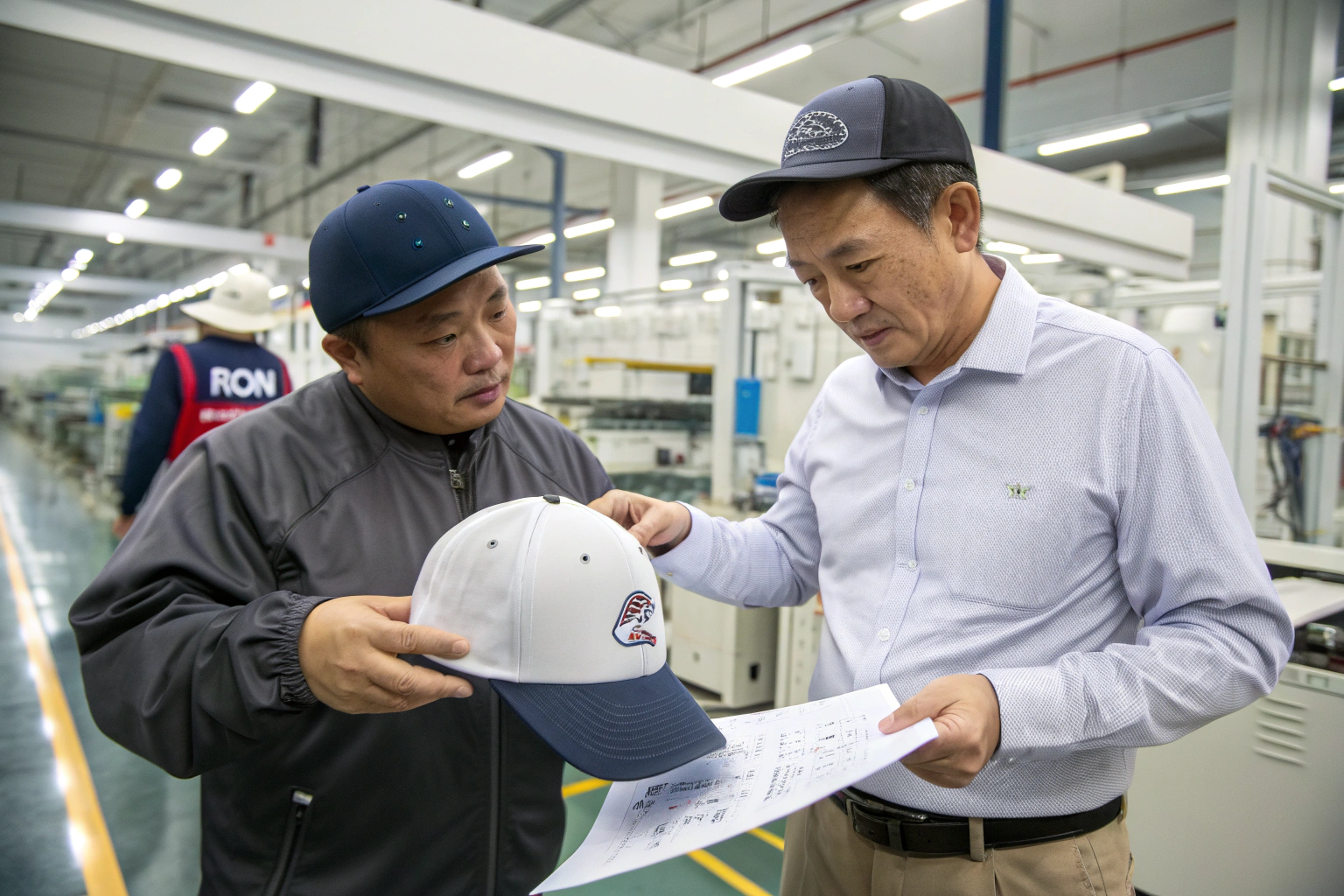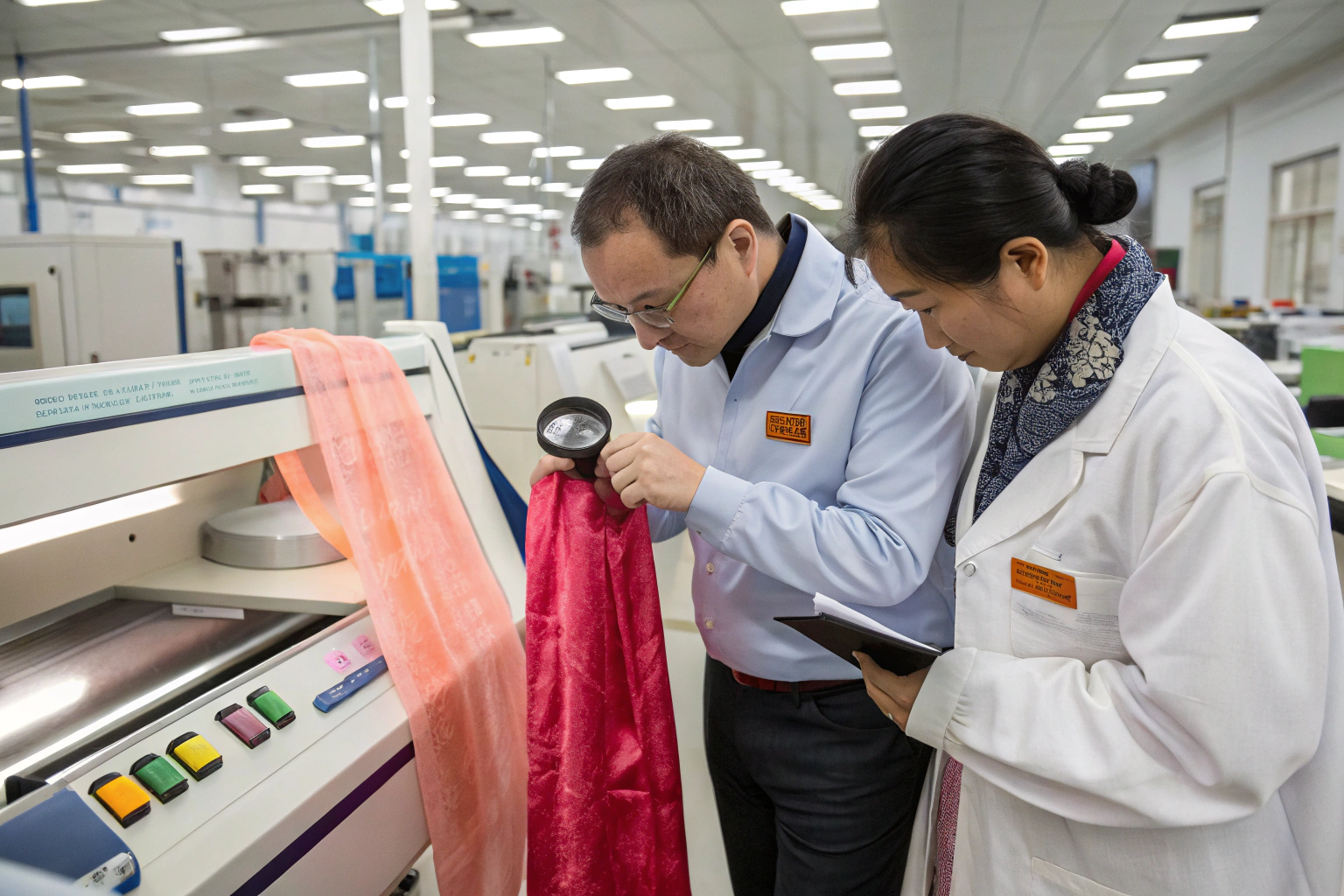
As a manufacturer of fashion accessories for over two decades, the conversations I have with buyers are constantly evolving. A few years ago, the main topics were price and lead time. Now, when I talk with experienced buyers like Ron from the US, the conversation is just as likely to be about sustainability. A major pain point for modern brands is the risk of being called out for "greenwashing" or failing to meet the growing consumer demand for genuinely eco-friendly products. They need real, certified sustainable materials, not just empty marketing claims.
The most significant innovations are in advanced recycled and bio-based materials. The key players are: 1) Recycled Polyester (rPET) made from plastic bottles, 2) Recycled Nylon (like ECONYL®) made from fishing nets, 3) Plant-Based "Leathers" like MIRUM®, and 4) Certified Natural Fibers like Organic Cotton and Lyocell.
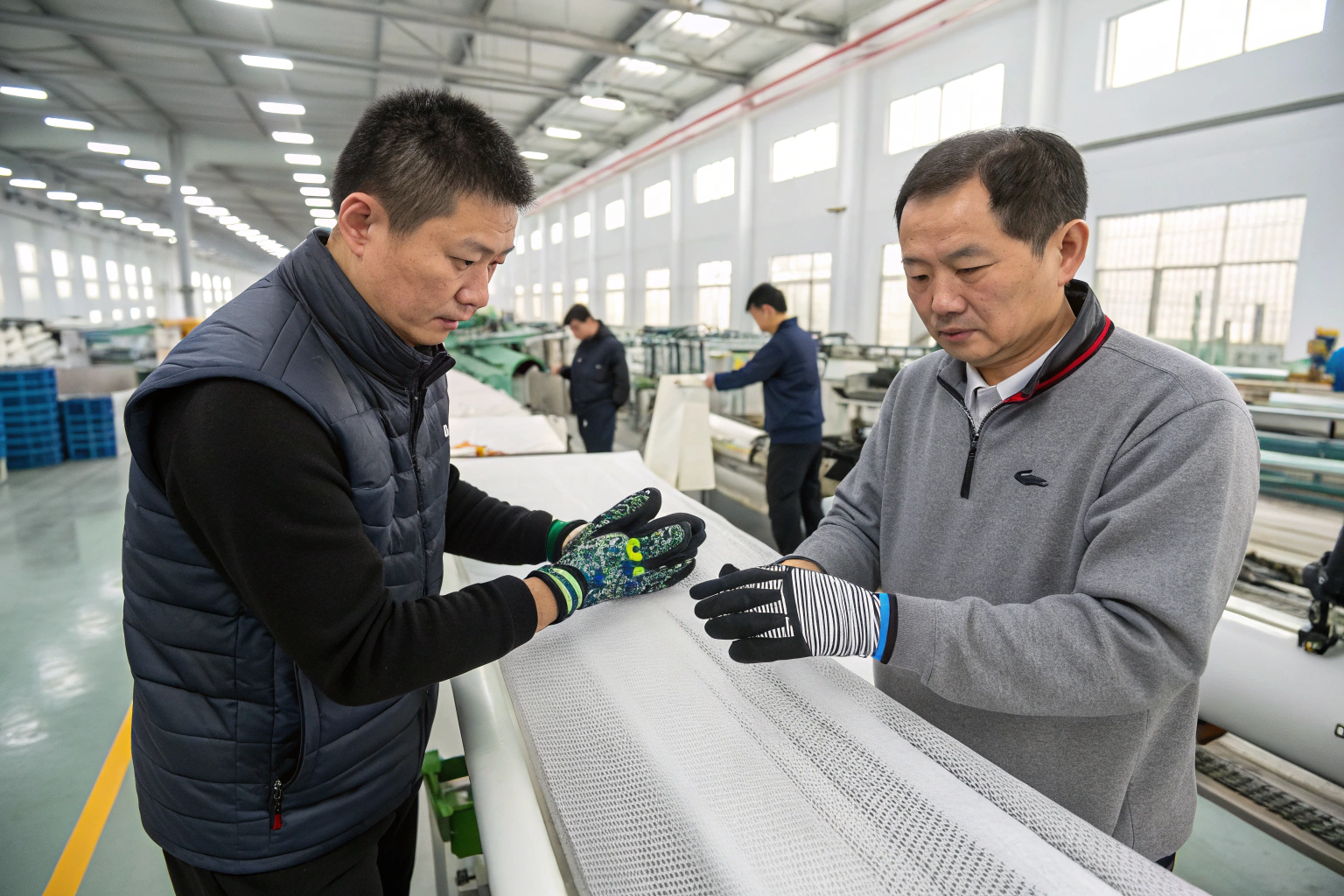
These aren't science fiction; they are commercially available, scalable materials that we are actively using to produce beautiful, sustainable gloves. At my factory, we've invested heavily in building a supply chain for these materials because we know they are the future. In this article, I'll break down what these materials are and why they are the best choices for a modern, eco-conscious glove collection.
Why Have Recycled Synthetics Become the Standard?
For years, "eco-friendly" often meant using natural fibers like basic cotton. The problem is that conventional cotton has its own environmental issues, and for many types of gloves (like those for athletic or winter use), you need the performance of synthetic materials—durability, stretch, and water resistance.
Recycled synthetics have become the standard for eco-friendly performance gloves because they offer a "best of both worlds" solution. They provide the technical performance of virgin synthetics while dramatically reducing environmental impact by diverting waste from landfills and oceans and lowering the demand for new fossil fuel extraction. This powerful story of circularity is something we at Shanghai Fumao Clothing are passionate about. It allows us to create products that are both high-performing and genuinely sustainable.
What is Recycled Polyester (rPET)?
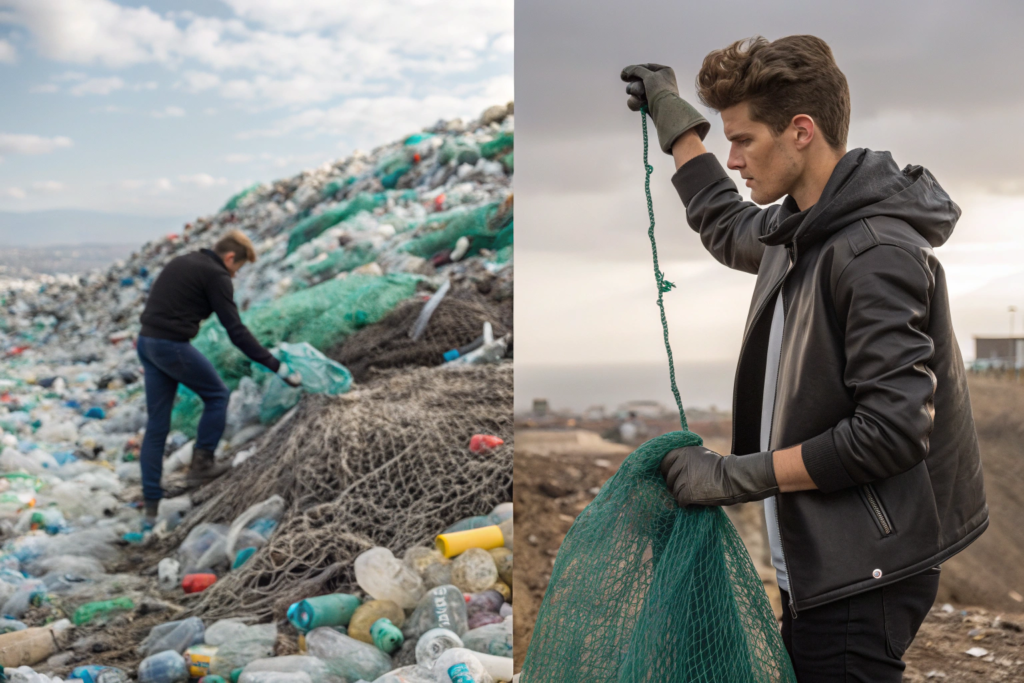
Recycled Polyester, commonly known as rPET, is the most widely used recycled material in the apparel industry. It is primarily made from post-consumer plastic bottles. The bottles are collected, cleaned, shredded into flakes, melted down, and then extruded into new polyester fiber. This fiber can then be spun into yarn to create fabrics like fleece, which is perfect for warm, soft winter gloves. The key benefit is that it has the same performance characteristics as virgin polyester but with a significantly lower carbon footprint—up to 75% less, according to some studies.
What is Recycled Nylon and ECONYL®?
Recycled Nylon is another major innovation, particularly important for products requiring high durability. The most well-known form is ECONYL®, a branded regenerated nylon made from waste like old fishing nets, fabric scraps, and industrial plastic. Recovering "ghost nets" from the ocean to create a premium material is an incredibly powerful environmental story. Recycled nylon is perfect for the outer shell of performance or ski gloves, offering excellent abrasion resistance and strength. Using certified materials like ECONYL® gives a brand's sustainability claims instant credibility.
What Are the Innovations in Plant-Based "Leathers"?
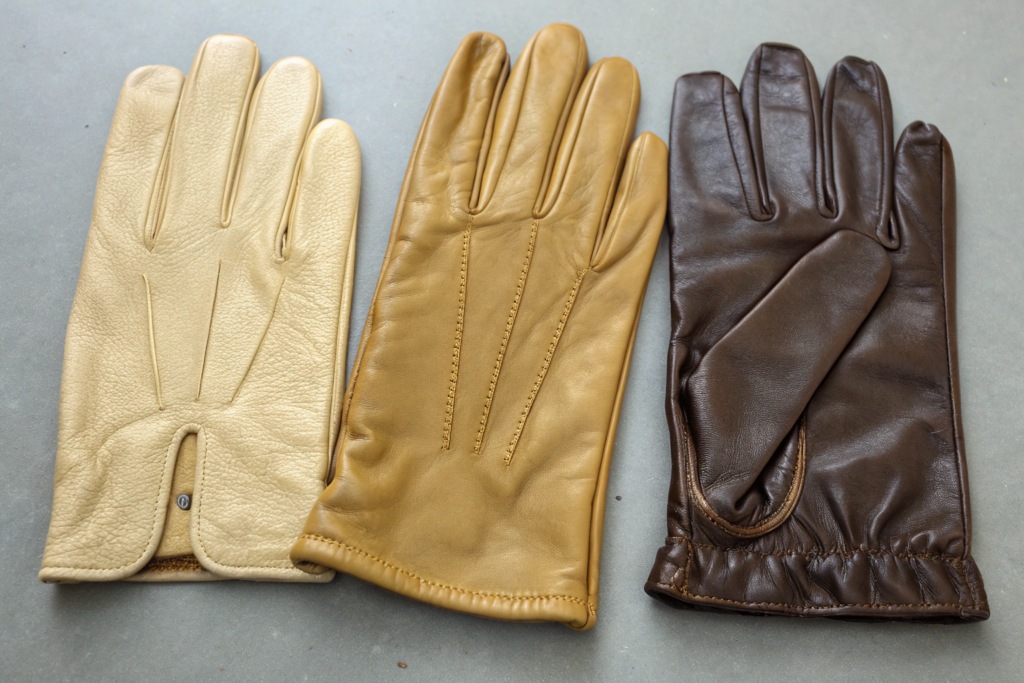
For classic dress gloves, leather has been the traditional choice. However, the environmental impact of animal agriculture and tanning is a major concern for many consumers. For years, the only alternative was PVC or PU "pleather," which is a petroleum-based plastic that feels cheap and doesn't biodegrade.
The latest innovation is the rise of high-performance, truly plant-based leather alternatives. Unlike old "vegan leathers," new-generation materials like MIRUM® are 100% plastic-free and are made from natural, renewable inputs like natural rubber, plant oils, and minerals. This creates a material that is both luxurious and genuinely sustainable. This is an area of material science we are incredibly excited about. It finally offers a no-compromise solution for creating premium, eco-friendly dress gloves.
What makes a material like MIRUM® different?
The key difference is what's not in it. Materials like MIRUM® by Natural Fiber Welding (NFW) contain no polyurethane, no PVC, and no plastic binders of any kind. The entire material is made from bio-neutral, renewable ingredients. This means at the end of its life, it can be recycled or ground up and returned to the earth as nutrients. It offers the supple feel and durability needed for a luxury glove without the environmental baggage of animal leather or the fossil fuel dependency of plastic-based synthetics.
Are there other plant-based options?
Yes, the field is exploding with innovation. You may have heard of materials made from cacti, apples, or pineapple leaves (Piñatex). While some of these are very promising, it's important for a buyer to ask a critical question: what is the binder? Many of these earlier-generation plant-based materials are still held together with a polyurethane (PU) binder, meaning they are a hybrid of plant matter and plastic. While this is still an improvement over pure PU leather, the 100% plastic-free materials like MIRUM® represent the true cutting edge of the technology.
What is the Role of Certified Natural Fibers?
While recycled synthetics and plant-based leathers are exciting, we can't forget about the foundation of eco-friendly textiles: natural fibers. However, the modern approach is not just to use any natural fiber, but to use ones that are grown and processed in a verifiably sustainable way.
For lightweight liner gloves or casual knit gloves, certified natural fibers are the best eco-friendly choice. The two most important materials in this category are GOTS-certified Organic Cotton, which eliminates harmful pesticides, and TENCEL™ Lyocell, a fiber made from sustainably sourced wood pulp in a closed-loop system. Using certified fibers is crucial. It provides third-party proof of your sustainability claims, which is essential for building trust with today's savvy consumers.
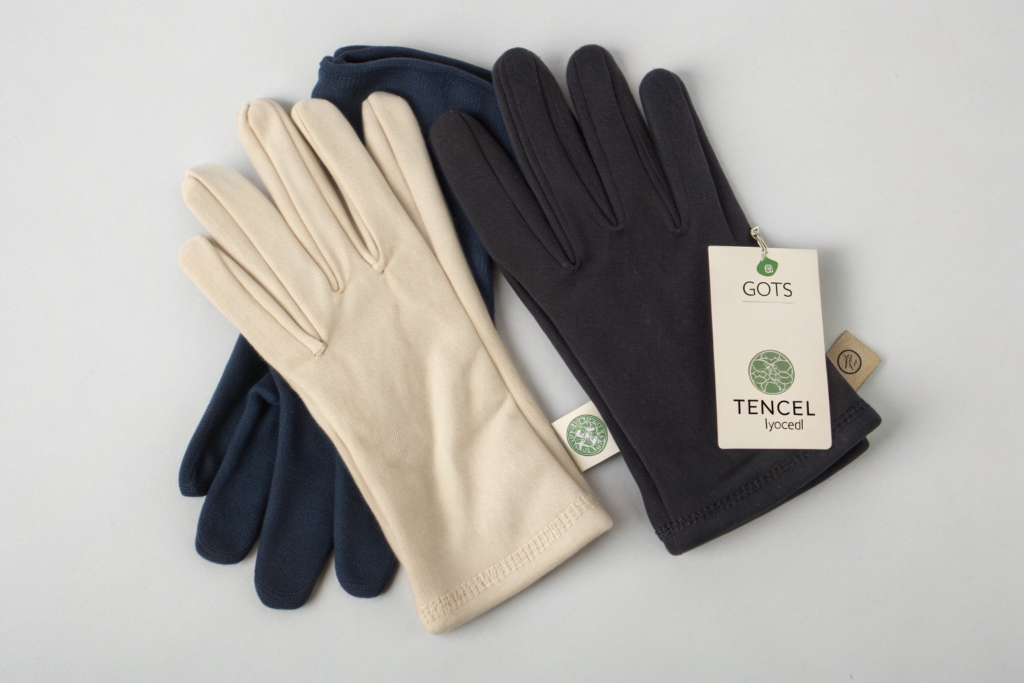
Why is GOTS-Certified Organic Cotton important?
Conventional cotton farming is one of the most pesticide-intensive crops in the world. Organic cotton, grown without synthetic pesticides and fertilizers, is far better for the soil, water, and the health of farmers. The Global Organic Textile Standard (GOTS) is the highest level of certification. It doesn't just verify that the cotton was grown organically; it audits the entire supply chain—from spinning and dyeing to finishing—to ensure that the entire process meets strict environmental and social standards. A GOTS-certified cotton glove is the gold standard for a natural, eco-friendly product.
What makes TENCEL™ Lyocell a sustainable powerhouse?
TENCEL™ Lyocell is a branded fiber from the Austrian company Lenzing. It is a type of rayon, but it is produced in a vastly more sustainable way. It's made from the wood pulp of sustainably managed forests. The magic is in the production process, which uses a non-toxic solvent in a "closed-loop" system where over 99% of the solvent and water are recycled and reused. The resulting fabric is incredibly soft, smooth, breathable, and drapes beautifully, making it perfect for luxurious, silky-smooth liner gloves.
How Do You Verify These Materials Are Genuinely Eco-Friendly?
This is the most important question for any professional buyer. In a world full of "green" marketing claims, how do you prove that the recycled polyester in your gloves actually came from plastic bottles, or that your organic cotton is truly organic?
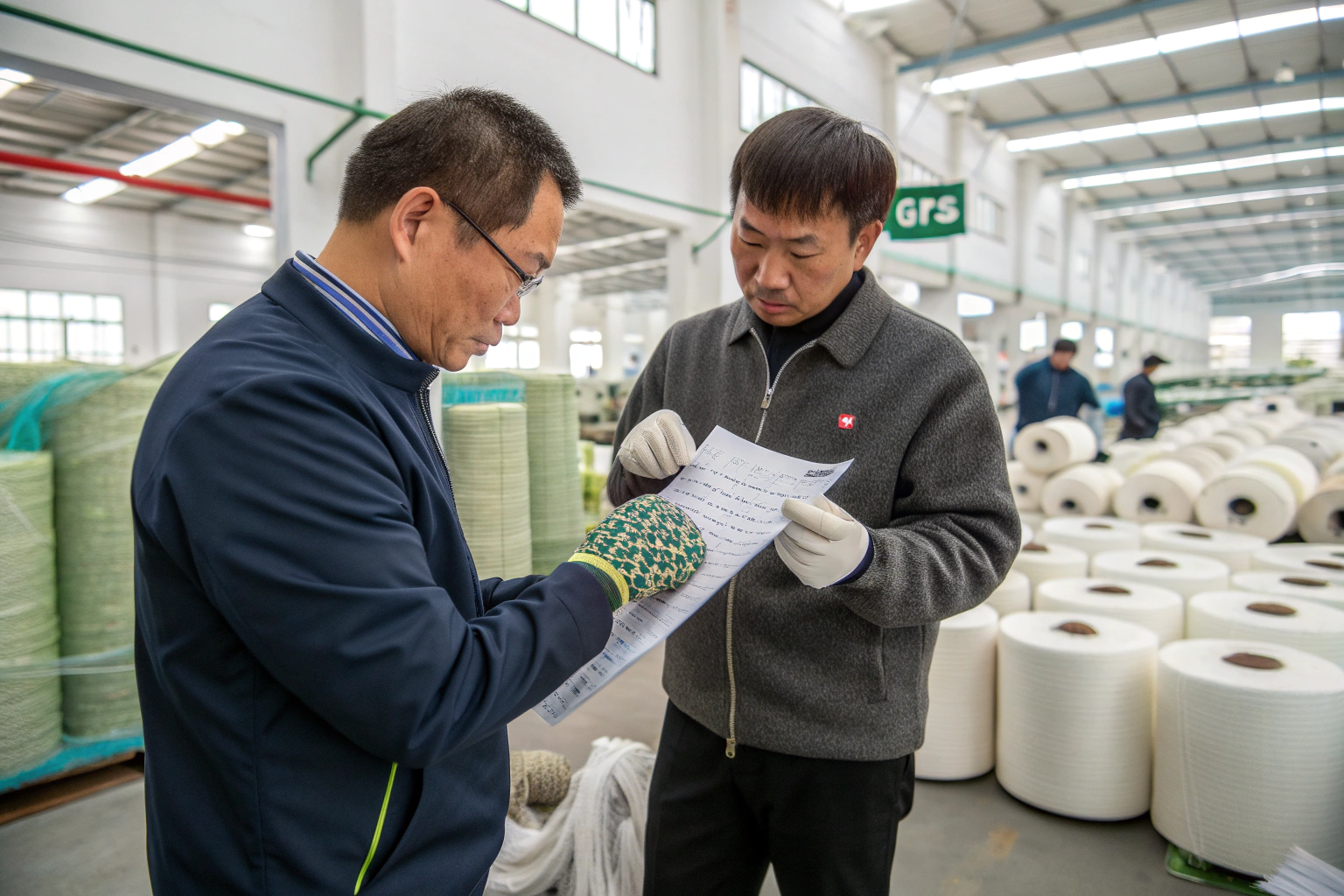
You cannot rely on a supplier's word alone. You must demand third-party certification and traceability. The key is to ask for "transaction certificates" (TCs) for the specific material used in your order. For recycled materials, this is the Global Recycled Standard (GRS); for organic, it's GOTS. This is a non-negotiable part of our process for any client making a sustainability claim. It's the only way to protect your brand from the charge of greenwashing.
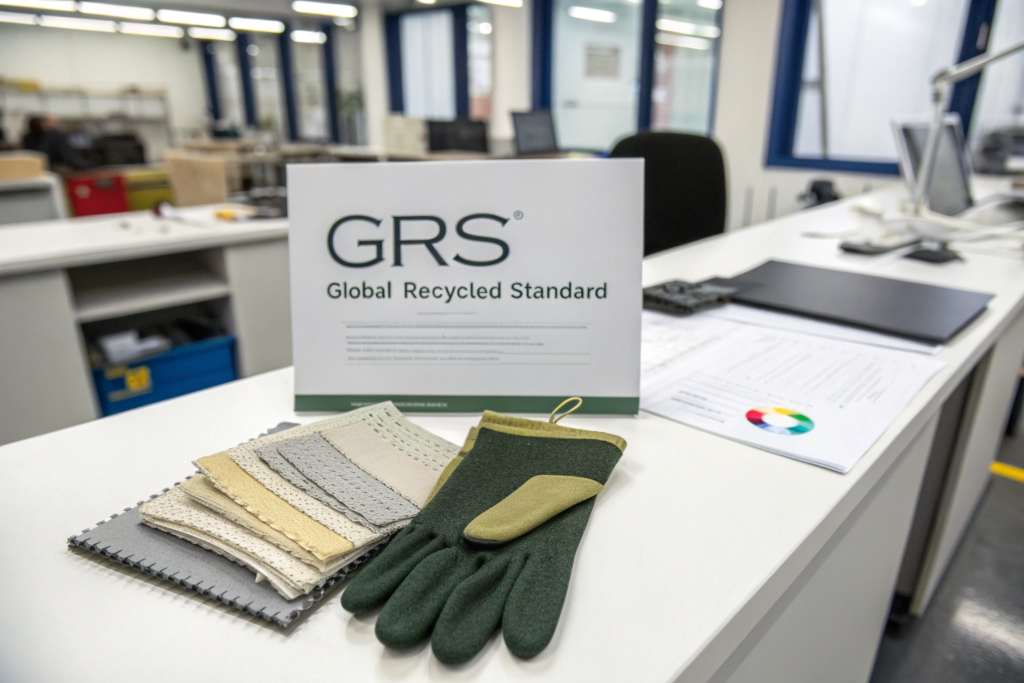
What is the Global Recycled Standard (GRS)?
The Global Recycled Standard (GRS) is a comprehensive, voluntary standard that sets requirements for third-party certification of recycled content. But it does much more than that. It also audits the chain of custody (proving the material's path from waste to final product), social and environmental practices, and chemical restrictions. When we produce an order of GRS-certified gloves for you, we can provide a transaction certificate that is specific to your production lot, proving the recycled content is legitimate.
Why is a "Transaction Certificate" so important?
A factory might show you a general "scope certificate" that says they are capable of handling GRS materials. This is not enough. A Transaction Certificate (TC) is the real proof. It is a document issued by the certification body that follows a specific batch of material. It says, "This specific lot of 1,000 meters of recycled polyester fabric, purchased by Shanghai Fumao Clothing on this date, is GRS certified." This document provides an unbroken, auditable link from the raw material to your finished product. It is the ultimate defense against greenwashing.
Conclusion
The demand for sustainable products is no longer a niche trend; it is a market-wide transformation. For gloves, this means moving beyond conventional materials and embracing the latest innovations in eco-friendly textiles. The solution is a thoughtful material strategy that leverages the strengths of different materials for different products: high-performance recycled synthetics for winter and athletic gloves, luxurious and plastic-free plant-based leathers for dress gloves, and soft, certified natural fibers for casual and liner gloves. By partnering with a manufacturer who has a deep understanding of these materials and a transparent, certified supply chain, you can create a beautiful, high-quality glove collection that is also genuinely sustainable, meeting the demands of the modern, conscious consumer.
If you are looking to develop a line of eco-friendly gloves and need a partner with proven expertise in certified sustainable materials, my team at Shanghai Fumao Clothing is ready to help. We believe in building a better future, one accessory at a time. Please contact our Business Director, Elaine, at her email: elaine@fumaoclothing.com to start the conversation.