I remember when sustainable accessories meant burlap and hemp. They were ugly, uncomfortable, and nobody wanted to wear them. That's changed dramatically. Today, some of the most innovative materials in our industry come from plants, not petroleum. I've watched this evolution from the factory floor. We've tested dozens of bioplastics over the years. Some failed. Some succeeded. The ones that work are genuinely exciting.
The latest developments in bioplastic for sustainable accessories include plant-based PLA (polylactic acid) from corn and sugarcane, PHA (polyhydroxyalkanoate) from fermented microorganisms, bio-attributed materials that combine renewable and recycled content, and advanced composites that blend bioplastics with natural fibers for enhanced durability and aesthetics.
I'm the owner of Shanghai Fumao Clothing, and we run AceAccessory. We've been incorporating sustainable materials into our production for years. Let me share what's happening in the world of bioplastics and how it affects accessories.
What exactly are bioplastics and how are they different from traditional plastics?
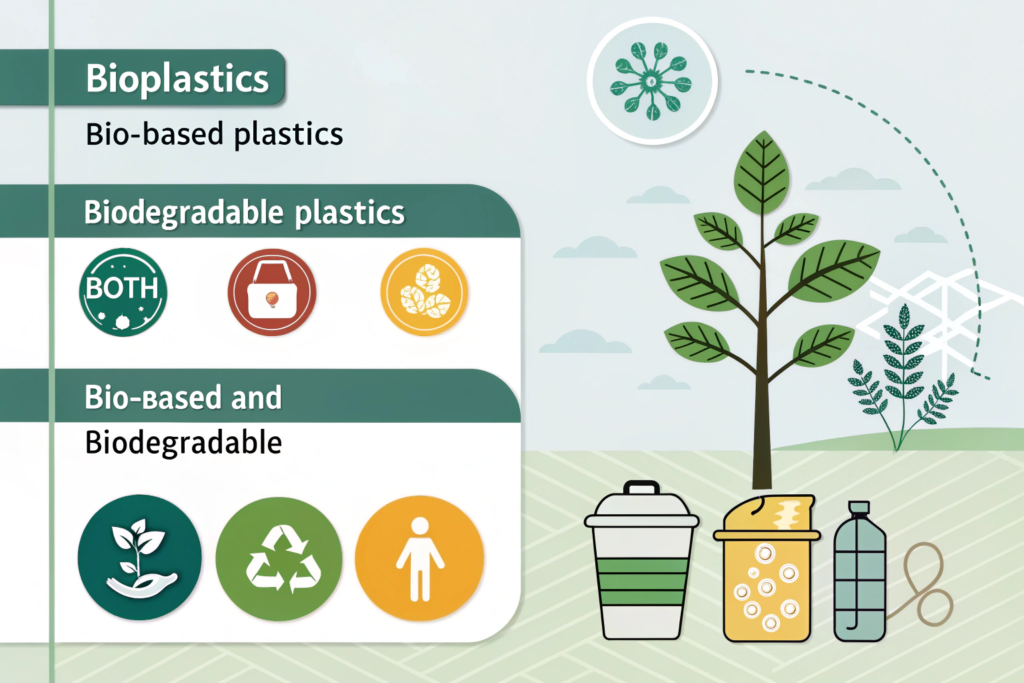
Bioplastics are not one thing. They're a family of materials with different origins and properties. Some are bio-based, meaning they come from plants instead of petroleum. Some are biodegradable, meaning they break down under specific conditions. Some are both. Understanding these differences is crucial for making informed choices.
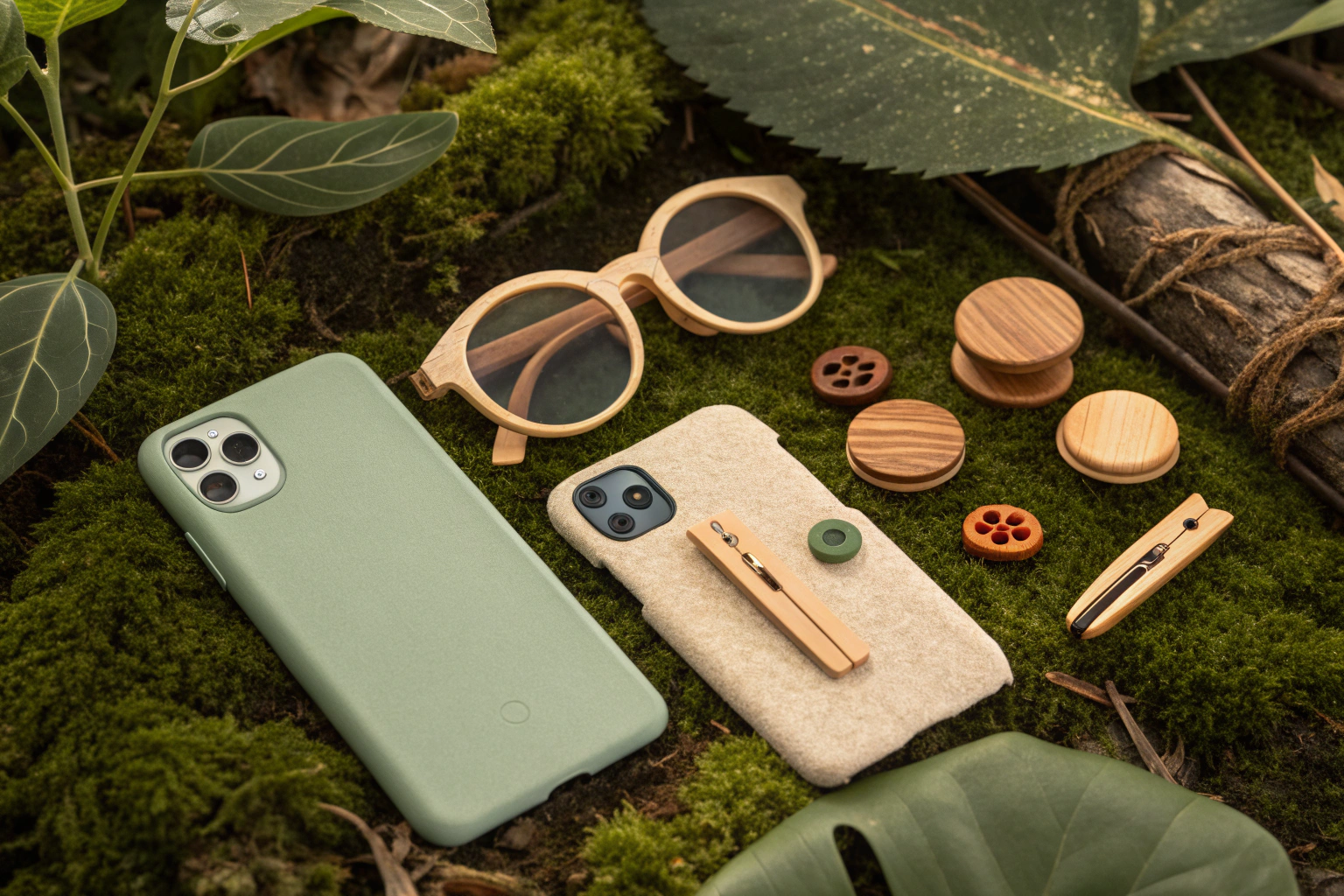
The most common bioplastic today is PLA, or polylactic acid. It's made from fermented plant starch, usually corn or sugarcane. It looks and feels similar to traditional plastic but has a much lower carbon footprint. The latest generations of PLA are stronger and more heat-resistant than earlier versions. They can be used for hair clips, buttons, sunglass frames, and many other accessories. This is an area where Shanghai Fumao Clothing has significant expertise.
What is the difference between bio-based and biodegradable?
This confuses many people. Bio-based means the material comes from renewable resources. It might or might not biodegrade. Biodegradable means the material can break down through biological processes. It might or might not be bio-based. For example, some traditional plastics are designed to be biodegradable. Some bioplastics are not biodegradable. We help clients understand these material classifications so they can make accurate claims. The bioplastics market is complex and evolving.
How does PLA compare to traditional petroleum-based plastics?
PLA has a much lower carbon footprint. It requires less energy to produce and comes from renewable sources. In terms of performance, early PLA was brittle and heat-sensitive. Newer versions are much improved. They can withstand higher temperatures and are more durable. For accessories like hair clips and buttons, modern PLA works very well. It's not suitable for everything yet, but the technology improves every year.
What are the most promising new bioplastic materials?
While PLA is the most established, newer materials are emerging. PHA, or polyhydroxyalkanoate, is exciting. It's produced by microorganisms through fermentation. It's fully biodegradable in marine environments, not just industrial composters. This makes it valuable for products that might end up in oceans.
Bio-attributed materials are another development. These use a mass balance approach where renewable content is allocated to specific products. The material itself might be identical to traditional plastic, but the carbon footprint is lower because renewable feedstocks were used in the production chain. This allows for drop-in replacements without changing manufacturing processes.
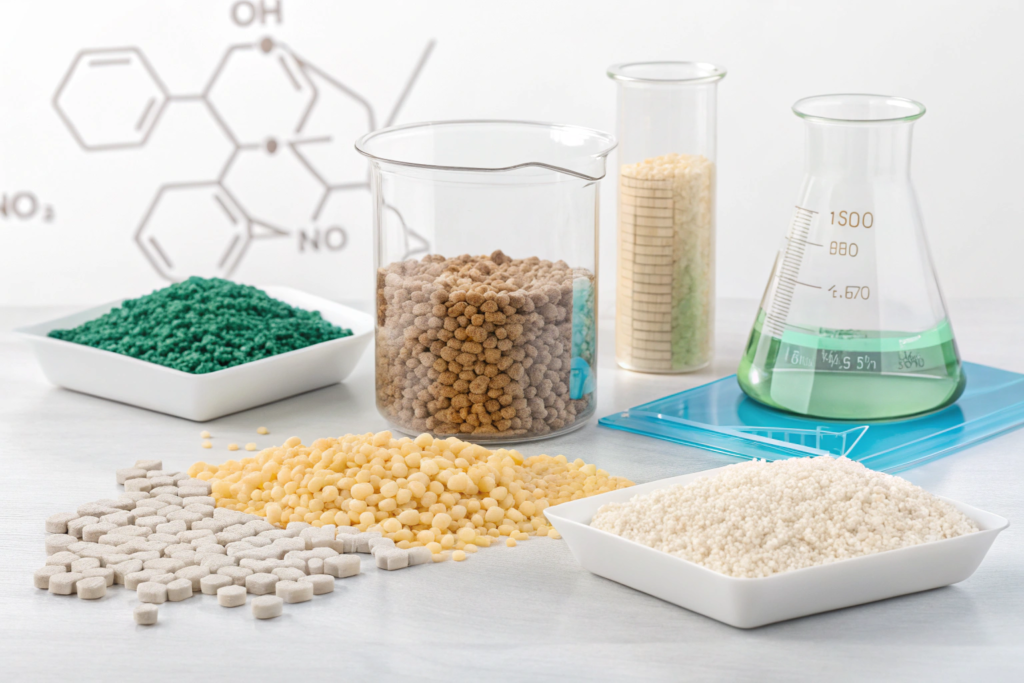
What is PHA and why is it significant?
PHA is produced by bacteria eating plant sugars. The bacteria store it as energy, and we harvest it. It's fully biodegradable in soil and water, not just in industrial facilities. This is a huge advantage. A PHA hair clip that somehow ends up in the ocean will eventually break down naturally. No microplastics. No lasting pollution. The challenge is cost. PHA is still expensive to produce. But production costs are falling as technology improves.
How do bio-composites combine bioplastics with natural fibers?
Bio-composites mix bioplastic with natural fibers like hemp, flax, or wood. The fibers add strength and reduce the amount of plastic needed. They also create beautiful textures. A hair clip made from PLA and hemp fibers has a unique, natural look. It feels warm and organic, not like plastic. These composites are gaining popularity in premium sustainable accessories. They offer performance and aesthetics that pure bioplastics can't match.
How are bioplastics being used in fashion accessories?
The range of accessories now made with bioplastics is impressive. Sunglasses frames are a major category. They're lightweight, durable, and can be produced in any color. Hair accessories like clips and barrettes work well in bioplastics. Buttons for clothing and accessories are another big application. Even jewelry, like bangles and earrings, can be made from these materials.
The key is making the products desirable. Early eco-products looked like eco-products. They were dull and unappealing. Today's bioplastic accessories look like premium fashion items. They have beautiful colors, interesting textures, and high-quality finishes. Customers choose them because they look good, and the sustainability story is a bonus.
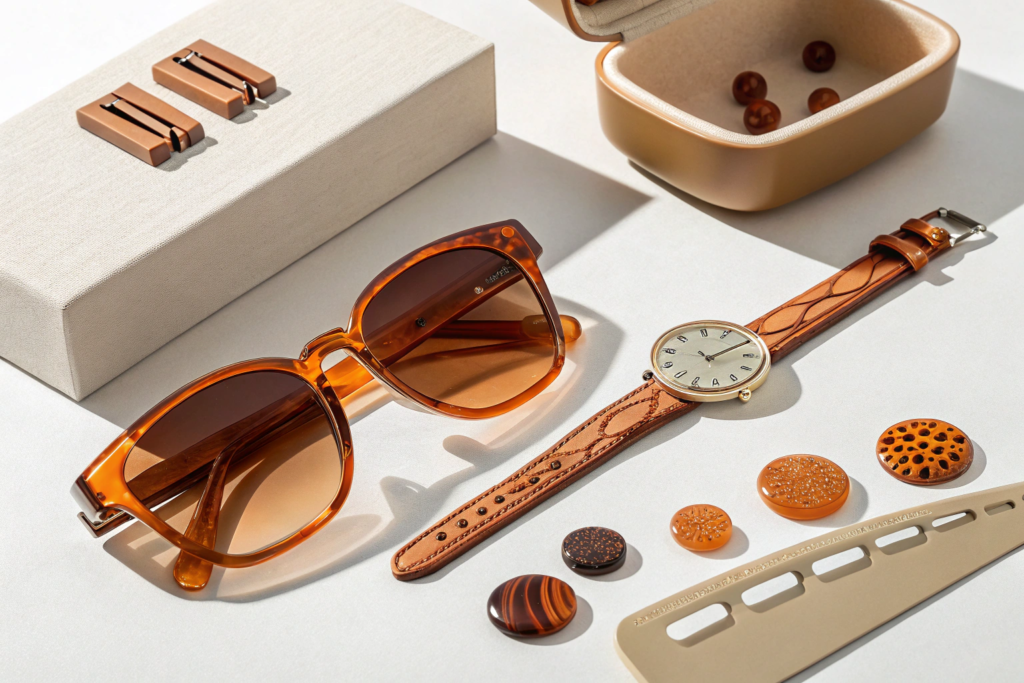
What types of accessories work best with bioplastics?
Injection-molded items work very well. Hair clips, sunglass frames, buttons, combs, and small jewelry pieces are ideal. These are items that need structure and consistency. Bioplastics flow well in molds and produce crisp details. For items that need flexibility, like certain types of hair bands, blended materials work better. We help clients select the right applications for bioplastics based on their specific requirements.
Can bioplastics achieve the same aesthetic quality as traditional plastics?
Yes, absolutely. Modern bioplastics can be crystal clear, deeply colored, or have beautiful translucency. They can mimic natural materials like tortoiseshell or horn. They take dyes and pigments well. The surface finish can be glossy or matte. The days of limited options are over. We work with material suppliers who offer extensive color and effect options.
What are the environmental trade-offs of bioplastics?
Bioplastics aren't perfect. They have trade-offs. Most require agricultural land, which could be used for food. Some require specific industrial composting facilities to biodegrade. If they end up in landfills, they might not break down at all. And if they're mixed with traditional plastics in recycling, they can contaminate the stream.
We're honest with our clients about these complexities. A bioplastic accessory is better than a traditional plastic one in many ways, but it's not a magic solution. The best approach is to combine bioplastics with other strategies. Reduce overall material use. Design for durability and longevity. Ensure proper end-of-life disposal. No single material solves everything.
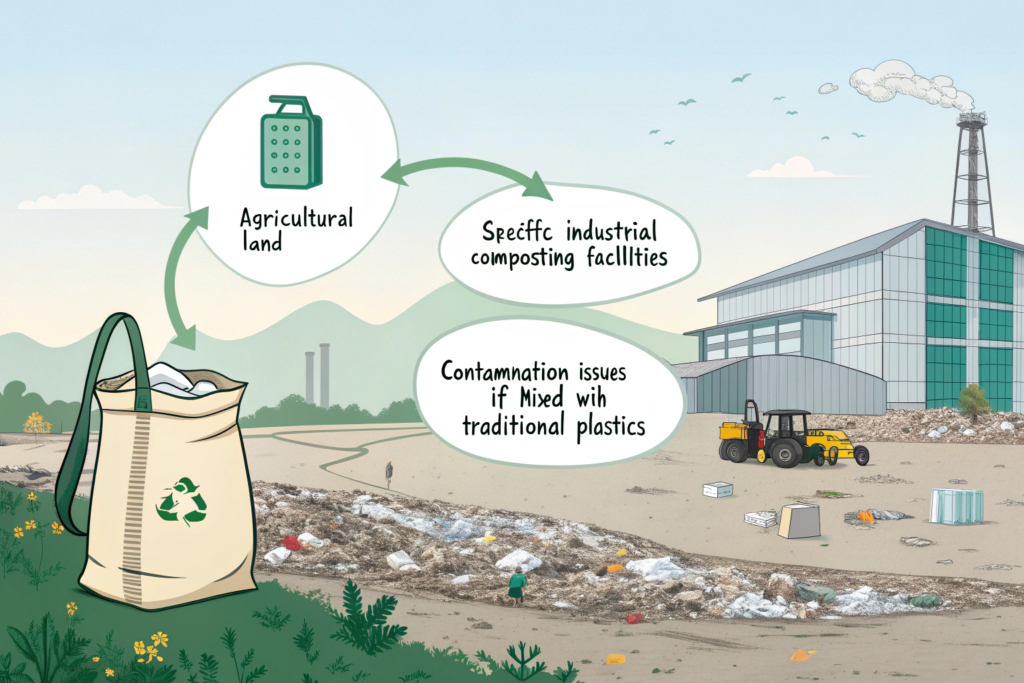
Are bioplastics truly biodegradable in real-world conditions?
It depends on the specific material and the conditions. PLA requires industrial composting facilities with high heat and specific microbes. It won't break down in a home compost pile or in the ocean. PHA will break down in marine environments. Some bio-attributed plastics are not biodegradable at all. We provide clear information about end-of-life options for each material. Clients need to know what they're getting and how to dispose of it properly.
How does land use for bioplastics compare to food production?
This is a valid concern. Growing corn for plastic instead of food seems problematic. But most bioplastics use non-food parts of plants or crops grown specifically for industrial use. Some use agricultural waste. The land use impact is smaller than it might seem. The bioplastics industry is working to source from waste streams and non-food crops to minimize competition with food.
How can brands verify bioplastic claims and avoid greenwashing?
Greenwashing is a real problem in our industry. Some companies make vague or misleading claims about bioplastics. "Plant-based" can mean anything from 10% to 100%. "Biodegradable" might require conditions that don't exist. Brands need to be careful and demand proof.
We provide full documentation for all our bioplastic materials. Certificates of origin. Test reports for biodegradability. Material safety data sheets. We work with certified suppliers who meet international standards. If a client wants to make a claim about their product, we give them the evidence to back it up.
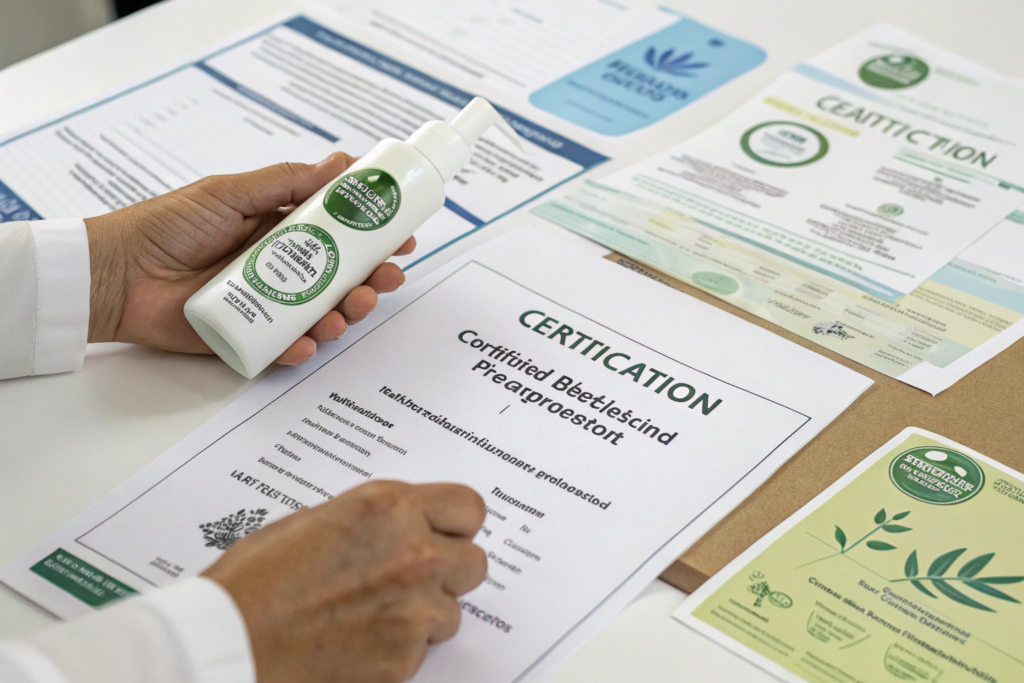
What certifications should you look for in bioplastic materials?
Look for certifications from recognized organizations. The USDA BioPreferred label indicates certified biobased content. The BPI certification indicates compostability in industrial facilities. TÜV Austria has certifications for both biobased content and biodegradability. ISO standards provide test methods. We ensure our materials meet relevant certifications and provide documentation to clients.
How can you ensure your supply chain is transparent?
Ask questions. Where do the raw materials come from? How are they processed? Can you see the certificates? Visit the facilities if possible. Work with suppliers who are open and willing to share information. At Shanghai Fumao Clothing, we've built relationships with material suppliers who share our commitment to transparency. We can trace our bioplastics back to their source.
Conclusion
Bioplastics are transforming the sustainable accessories market. Materials like PLA and PHA offer genuine environmental benefits over traditional plastics. New developments in bio-composites and bio-attributed materials expand the possibilities. But bioplastics aren't simple. They have trade-offs and complexities. Success requires understanding the materials, verifying claims, and communicating honestly with customers.
At AceAccessory, we've been working with bioplastics for years. We know which materials work for which applications. We have relationships with certified suppliers. We provide the documentation our clients need. Our factory in Zhejiang produces beautiful accessories from these innovative materials. If you're exploring sustainable options for your accessory line, let's talk. Reach out to our Business Director, Elaine, at elaine@fumaoclothing.com. She'll connect you with a project manager who can guide you through the world of bioplastics.