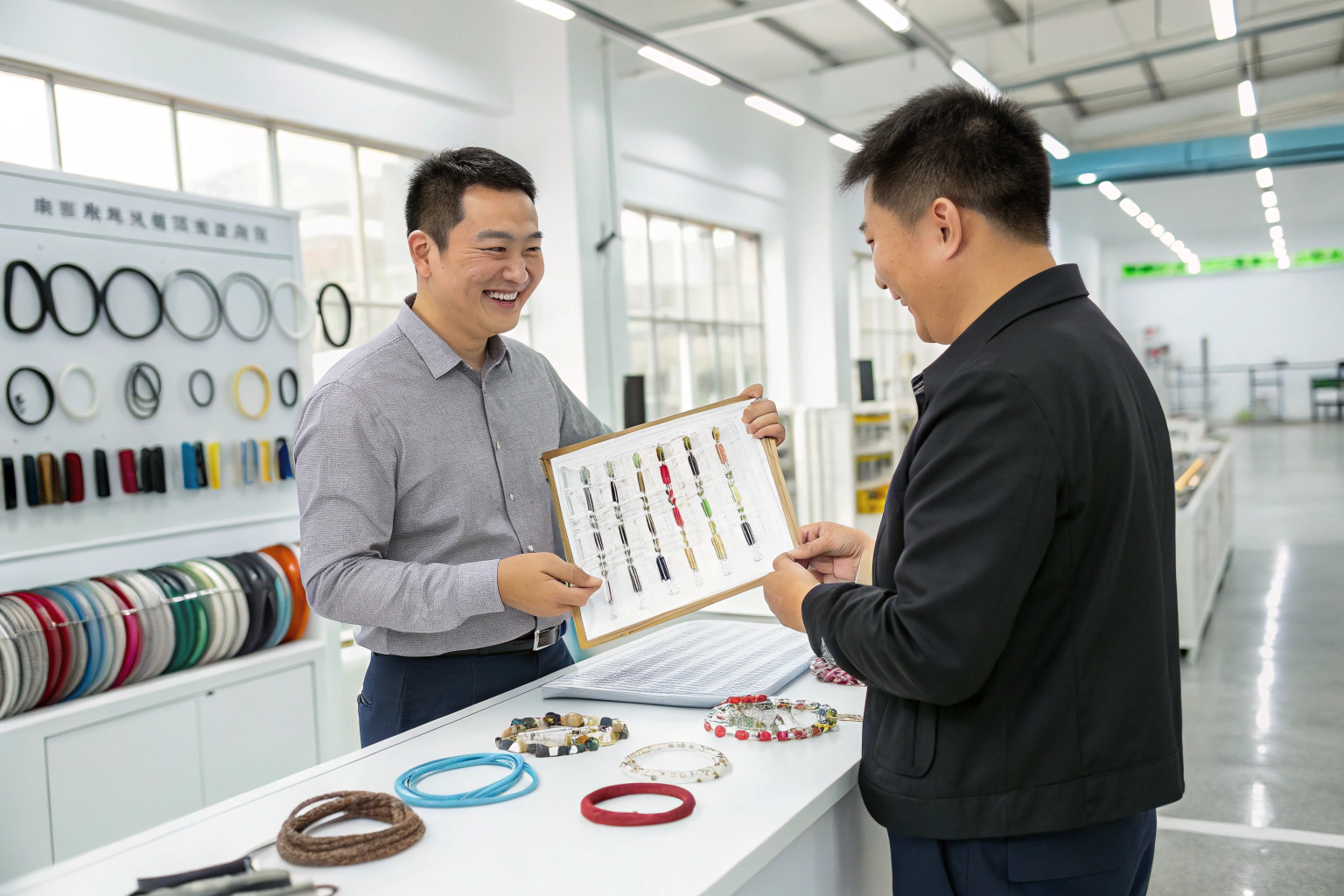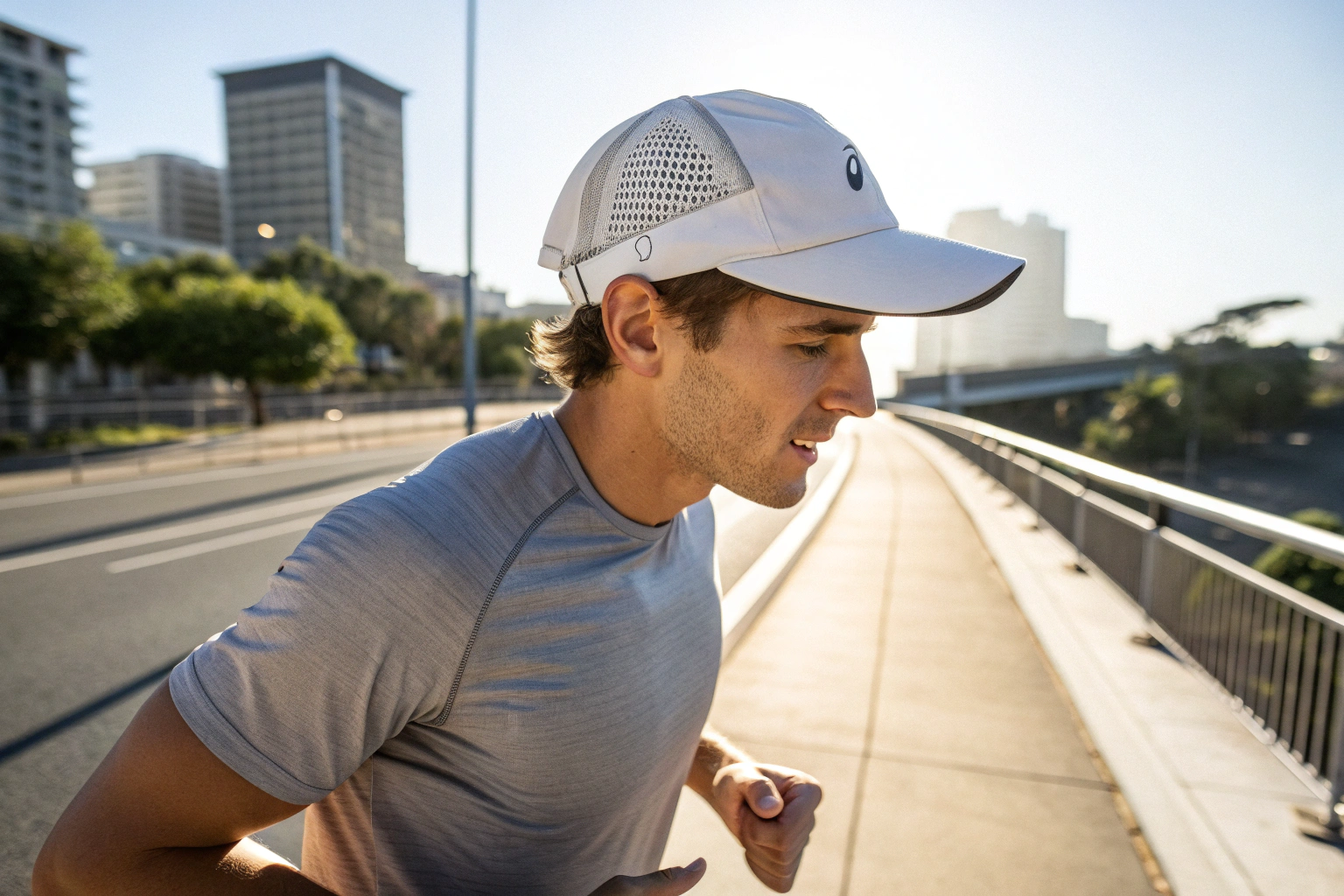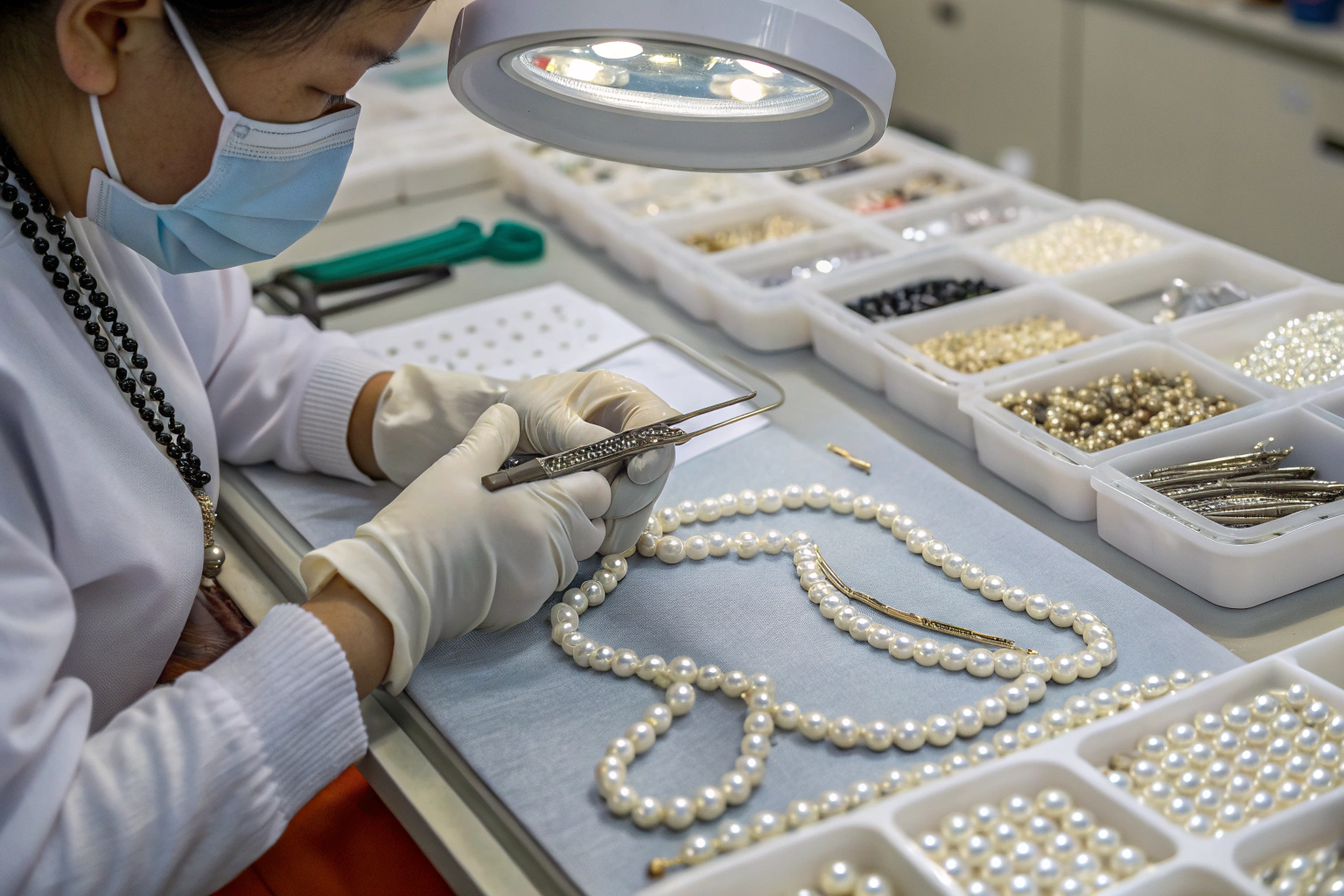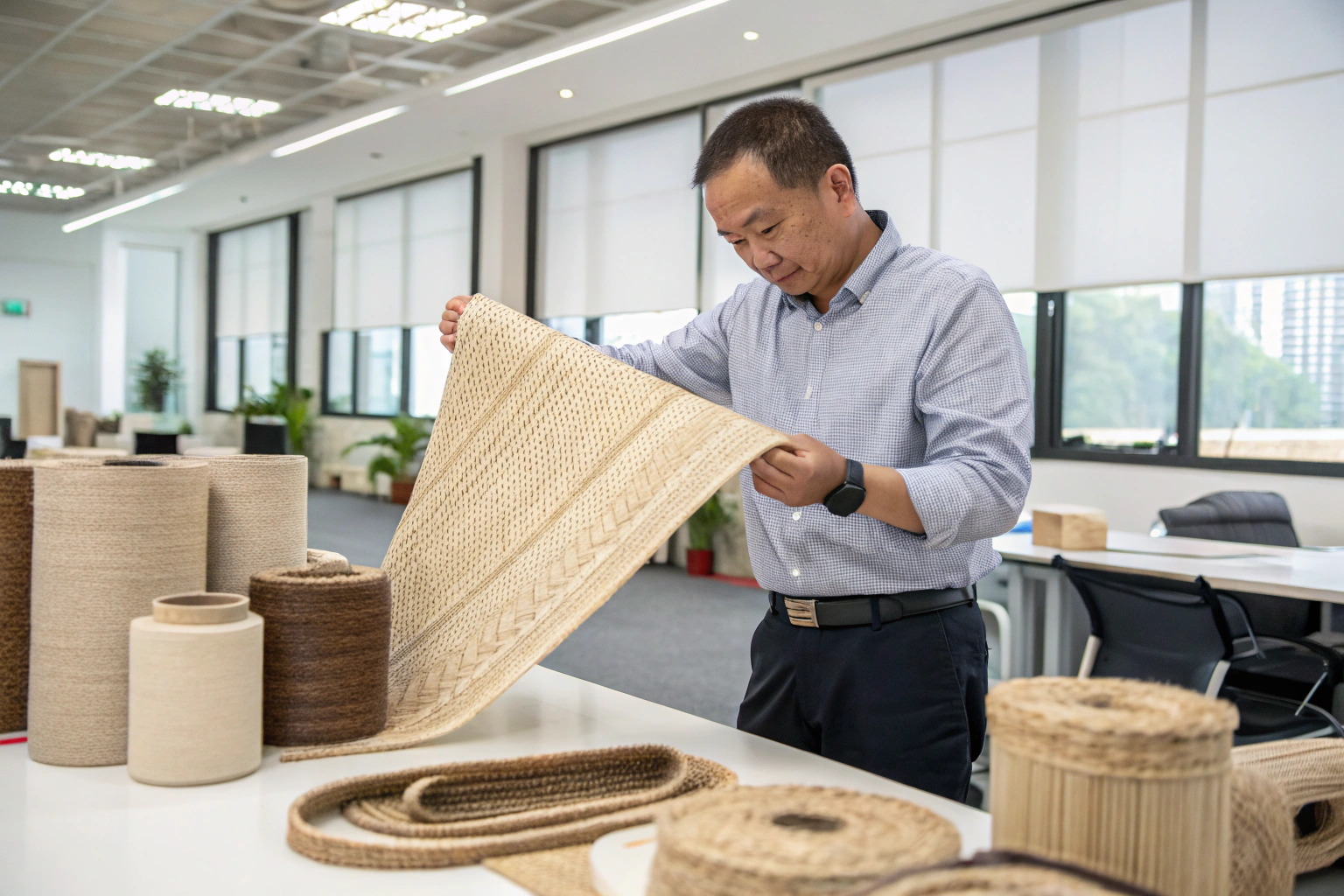
As a manufacturer of fashion accessories for clients across North America and Europe, I've seen trends come and go. But one accessory that has evolved from a purely functional item to a genuine fashion statement is the eyewear chain. I remember when they were seen as a simple, often clunky, tool to prevent losing your glasses. The problem was, they were often uncomfortable—heavy, prone to tangling, or made from materials that irritated the skin. For active users or those with skin sensitivities, they were more of a nuisance than a help.
The biggest comfort innovations in modern eyewear chains and lanyards are centered around three key areas: advanced lightweight materials, ergonomic and adjustable designs, and the use of hypoallergenic components. Gone are the days of heavy, one-size-fits-all chains. Today's best products are engineered for all-day wear, combining feather-light strength with customizable fits that make you forget you're even wearing them.
This shift is a direct response to customer demand for accessories that don't just look good but feel good, too. At Shanghai Fumao Clothing, we've worked closely with brands to develop retainers that solve these classic comfort problems. Whether it's for a high-end fashion brand or a major retailer supplying goods for outdoor enthusiasts, the goal is the same: create a product that seamlessly blends into the user's life. Let's explore the specific innovations that are making this possible.
Why Are Lightweight Materials Revolutionizing Eyewear Retainers?
Think about the last time you wore something heavy around your neck all day. It's distracting and uncomfortable. This was the fundamental problem with traditional eyewear chains, especially those made from heavy metals or thick, bulky materials. They created constant pressure on the neck and could even cause headaches. For anyone active, from a gardener to a cyclist, a heavy chain bouncing around is simply not practical. This discomfort was a major barrier to widespread adoption.
The solution has been a complete rethinking of the materials used. Modern retainers are now crafted from materials that offer incredible strength-to-weight ratios. Innovations like repurposed monofilament fishing line, thin stainless steel cables, and soft nylon cords have made it possible to create retainers that are so light you barely feel them. This focus on lightweight design means the chain no longer feels like a burden; instead, it feels like a natural extension of your eyewear, providing security without sacrificing comfort.This material revolution is about more than just weight. It's also about performance and feel. For instance, materials like neoprene and specialized nylon are quick-drying, making them perfect for water sports or for anyone who might get caught in the rain. Silicone offers a soft, flexible feel that doesn't snag on clothing or hair. By moving beyond basic metals, we can now design eyewear retainers for specific lifestyles, ensuring the material properties match the user's needs.
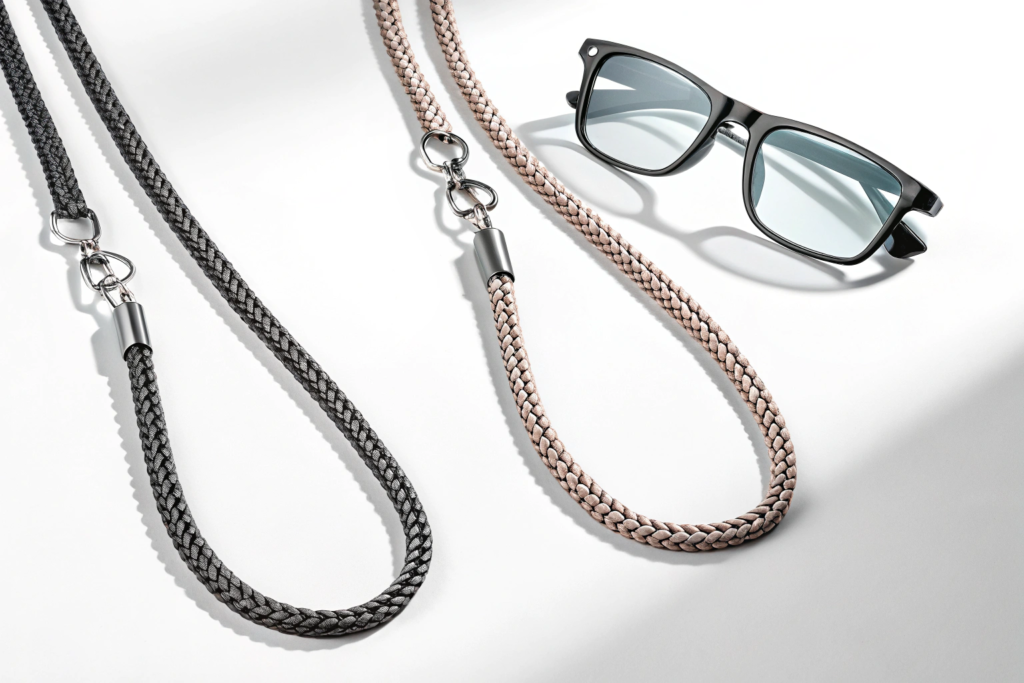
What is the benefit of stainless steel cables?
Stainless steel cables offer a unique combination of being extremely lightweight yet incredibly strong and durable. Unlike traditional chains, they have a sleek, minimalist look that appeals to a modern aesthetic. A huge advantage, especially for those of us producing for various climates, is that stainless steel is highly resistant to rust and corrosion from sweat or humidity. This makes it a fantastic, long-lasting choice for an everyday retainer that needs to withstand daily wear and tear while maintaining its appearance.
Are fabric lanyards a comfortable option?
Absolutely. Fabric lanyards, often made from materials like soft-spun cotton or smooth nylon, are an excellent choice for all-day comfort. They are breathable, gentle on the skin, and extremely lightweight. Many are also machine washable, which is a huge practical benefit. The only potential downside is that some fabrics can absorb sweat during intense activity, but many modern options are blended with quick-drying synthetics to mitigate this. For general daily use, a soft fabric lanyard is one of the most comfortable choices available.
How Do Adjustable Features Enhance Comfort?
A "one-size-fits-all" approach rarely works for accessories, and eyewear lanyards are no exception. An ill-fitting chain can be just as uncomfortable as a heavy one. If it's too long, the glasses can swing around and get caught on things; if it's too short, it can feel restrictive and pull on the frames. This lack of a personalized fit was a major pain point, forcing users to compromise between security and comfort.
The introduction of simple, effective adjustment mechanisms has been a game-changer. The most common innovation is the use of a small, sliding bead or toggle that allows the user to change the length and tension of the cord instantly. This means you can wear the lanyard loosely around your neck for casual use, and then cinch it up for a snug, secure fit when you're running, boating, or bending over. This ability to customize the fit on the fly ensures the eyewear stays in place without being uncomfortably tight, providing both security and peace of mind.
Beyond the length adjuster, innovation is also happening at the point of connection. The universal standard is now an adjustable silicone or rubber loop that slides over the arms of the glasses. A small metal coil or bead allows the user to tighten this loop, ensuring a firm grip on any frame size, from thin wire temples to thick acetate arms. This secure, high-friction connection prevents the chain from slipping off the frame—a common and frustrating problem with older designs.
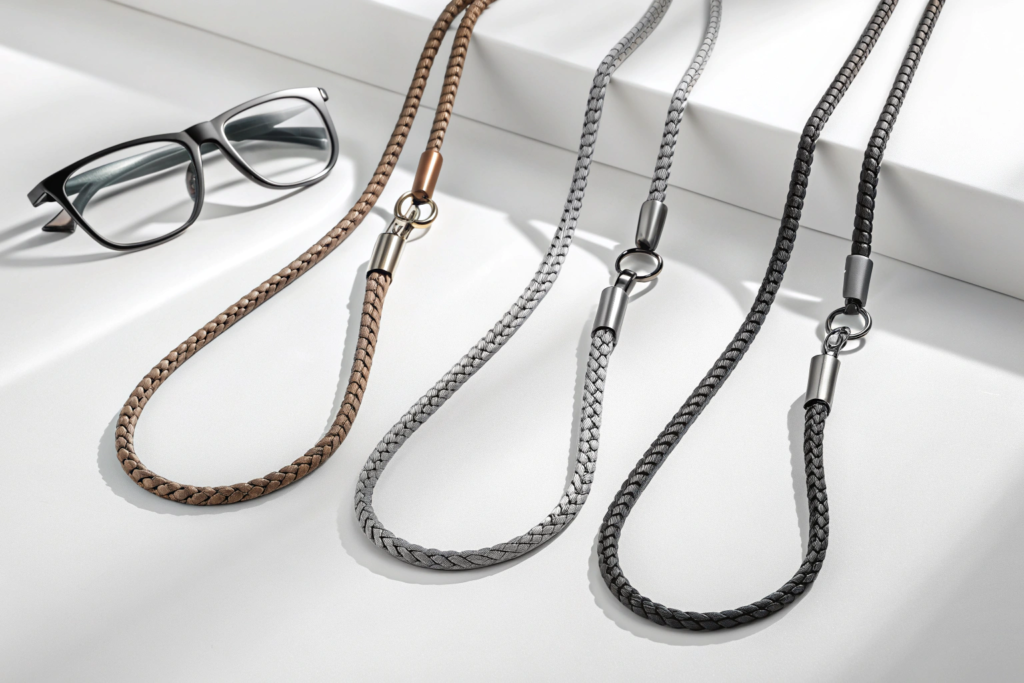
What types of adjustment sliders are there?
The most common type is a simple barrel lock or bead made of plastic, rubber, or metal that relies on friction to hold its position on the cord. Some sport-focused designs use a spring-loaded toggle for a more secure lock that won't slip during high-impact activities. For a more minimalist look, some lanyards feature a flat, low-profile slider that sits flush against the cord. The goal for all these designs is to be lightweight and snag-proof, allowing for easy, one-handed adjustment.
How do adjustable loops work on different frame sizes?
The genius of the adjustable loop is its simplicity and versatility. The loop itself is made of a stretchy, durable material like silicone. It's threaded through a small, movable bead or coil. To attach it, you slide the loop over the eyeglass arm. Then, you simply push the bead towards the frame, which tightens the loop and creates a secure grip. Because you can control the tension, the same connector can create a snug fit on a very thin metal arm or expand to accommodate a much wider, thicker plastic frame, making it a nearly universal solution.
What Role Do Hypoallergenic Materials Play?
For many people, the problem with old eyewear chains wasn't just weight or fit; it was the material itself. Many traditional metal chains contained nickel, a common allergen that can cause redness, itching, and uncomfortable rashes, especially in hot and humid weather when you're sweating. This made wearing a glasses chain an impossibility for anyone with sensitive skin. It was a significant pain point that excluded a large portion of potential customers.
The shift towards hypoallergenic materials has been a crucial innovation for comfort and accessibility. Manufacturers like us now prioritize materials that are known to be non-reactive. For metal components, this means using surgical-grade stainless steel, titanium, or metals with a protective PVD coating that prevents direct skin contact with the base metal. For non-metal parts, we use medical-grade silicone, nylon, and specially treated cottons that are free from harsh chemicals and dyes. This focus on skin-friendly materials ensures that the product can be worn by everyone, without fear of an allergic reaction.
This commitment to hypoallergenic design extends to every part of the accessory, from the main cord to the adjustable sliders and connectors. By offering certified nickel-free and lead-free options, we can provide our clients with a product that is safe, comfortable, and inclusive. This not only opens up the market to people with sensitive skin but also elevates the overall perception of quality. When customers know a brand has considered details like this, it builds trust and loyalty.
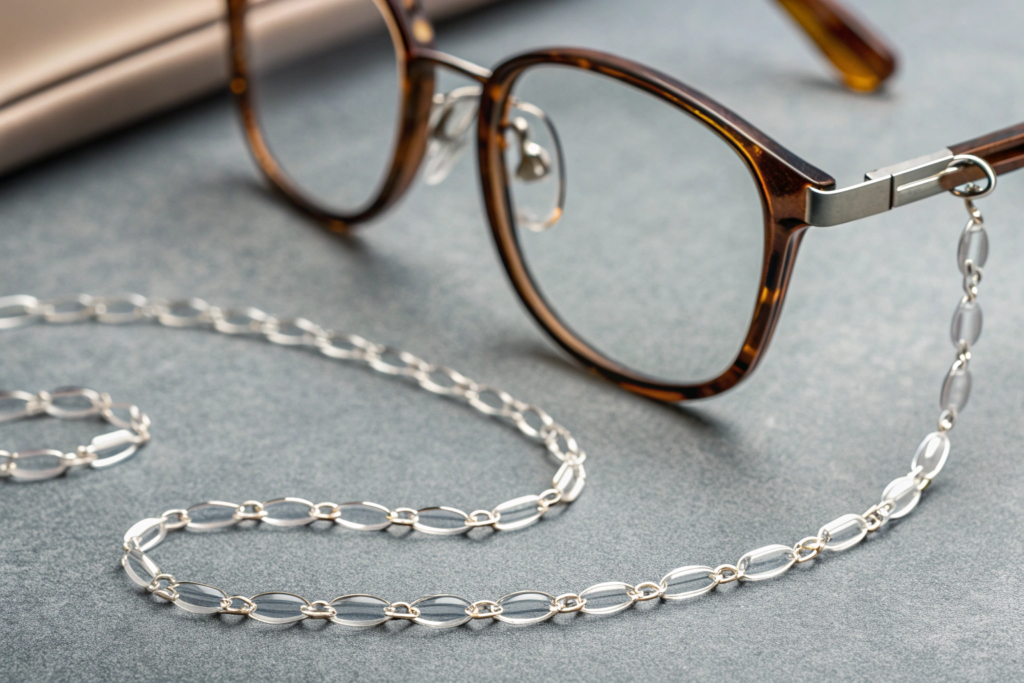
What makes a material hypoallergenic?
A material is considered hypoallergenic when it is relatively unlikely to cause an allergic reaction. In the context of accessories, this typically means it's free of common allergens, most notably nickel. Materials like pure titanium, surgical stainless steel, and certain plastics like acetate are inherently hypoallergenic because their molecular structure is stable and doesn't react with human skin. It's about choosing materials that are inert and pure, minimizing the risk of irritation for the end-user.
Are there stylish hypoallergenic options?
Definitely. Hypoallergenic no longer means boring or clinical. Today, you can find beautiful and stylish eyewear chains made from high-quality, skin-safe materials. Polished titanium and PVD-coated stainless steel can have the same lustrous look as gold or silver. There are also countless options using colorful beads made from glass or stone, strung on hypoallergenic cords. As a manufacturer, we at Shanghai Fumao Clothing can source a wide variety of fashionable materials that meet these critical hypoallergenic standards, so brands don't have to choose between style and safety.
Are Smart Features the Next Frontier in Lanyard Comfort?
As we look to the future, the concept of "comfort" is expanding beyond the physical. The next wave of innovation is integrating smart technology directly into eyewear accessories to add a layer of convenience and connectivity. The pain point here is digital friction—constantly reaching for your phone to answer a call, listen to music, or check a notification. This is especially true for active users who want to stay connected without interrupting their workout or activity.
The innovation lies in embedding technology into the lanyard itself. We are beginning to see the emergence of "smart lanyards" that incorporate features like open-ear audio speakers, microphones for hands-free calls, and simple touch controls. Imagine a lanyard that not only secures your glasses but also lets you listen to a podcast on your walk to work or take a call without ever touching your phone. These features are designed to be seamless and intuitive, enhancing the user's daily routine by making technology more accessible and less intrusive.
While still an emerging category, the potential for smart accessories is huge. These products merge the practical need for an eyewear retainer with the convenience of wearable tech. Innovations could include everything from simple haptic feedback for notifications to more advanced features like health tracking sensors. For brands, this represents an exciting opportunity to offer a high-value, tech-infused accessory that stands out in the market. As a manufacturing partner, we are actively exploring these technologies, ready to help our clients pioneer the next generation of smart, comfortable, and connected accessories.

What is "open-ear audio"?
Open-ear audio is a technology that plays sound without blocking your ear canal. Unlike traditional headphones or earbuds, it allows you to listen to music or calls while still being fully aware of your surroundings—a crucial safety feature for cyclists, runners, or anyone navigating a busy city. [5] In a smart lanyard, this is typically achieved with tiny directional speakers positioned near the ears, providing a private soundscape without isolating you from the world.
Could smart lanyards have health features?
Yes, this is a very likely direction for the technology. Many smartwatches already track metrics like heart rate and steps. It's conceivable that future smart lanyards could incorporate similar miniaturized sensors. For example, a sensor resting on the back of the neck could potentially monitor heart rate or even body posture, providing gentle feedback to the user. As sensor technology becomes smaller and more efficient, integrating these wellness features into accessories like smart glasses will become increasingly common.
Conclusion
The evolution of the eyewear chain is a perfect example of how a simple, functional product can be transformed through thoughtful innovation. By focusing on the core user-discomforts—weight, fit, and skin irritation—the industry has developed a new generation of retainers that are comfortable, practical, and stylish. The move to advanced lightweight materials, the integration of highly effective adjustment features, and the commitment to using hypoallergenic components have made today's eyewear lanyards accessible and desirable for everyone. And with the dawn of smart features, the future looks even more exciting.
At our core, we are problem-solvers. For years, we've partnered with brands to turn challenges into opportunities, creating accessories that resonate with customers. Our modern factory in Zhejiang, combined with our experienced design and project management teams, allows us to produce high-quality accessories that meet the market's evolving demands. We understand the balance between aesthetics, function, and cost.
If you are looking to create a line of fashion accessories that embodies these principles of comfort and innovation, we are here to help. Let's build something great together. Please reach out to our Business Director, Elaine, at elaine@fumaoclothing.com to discuss how we can bring your vision to life.