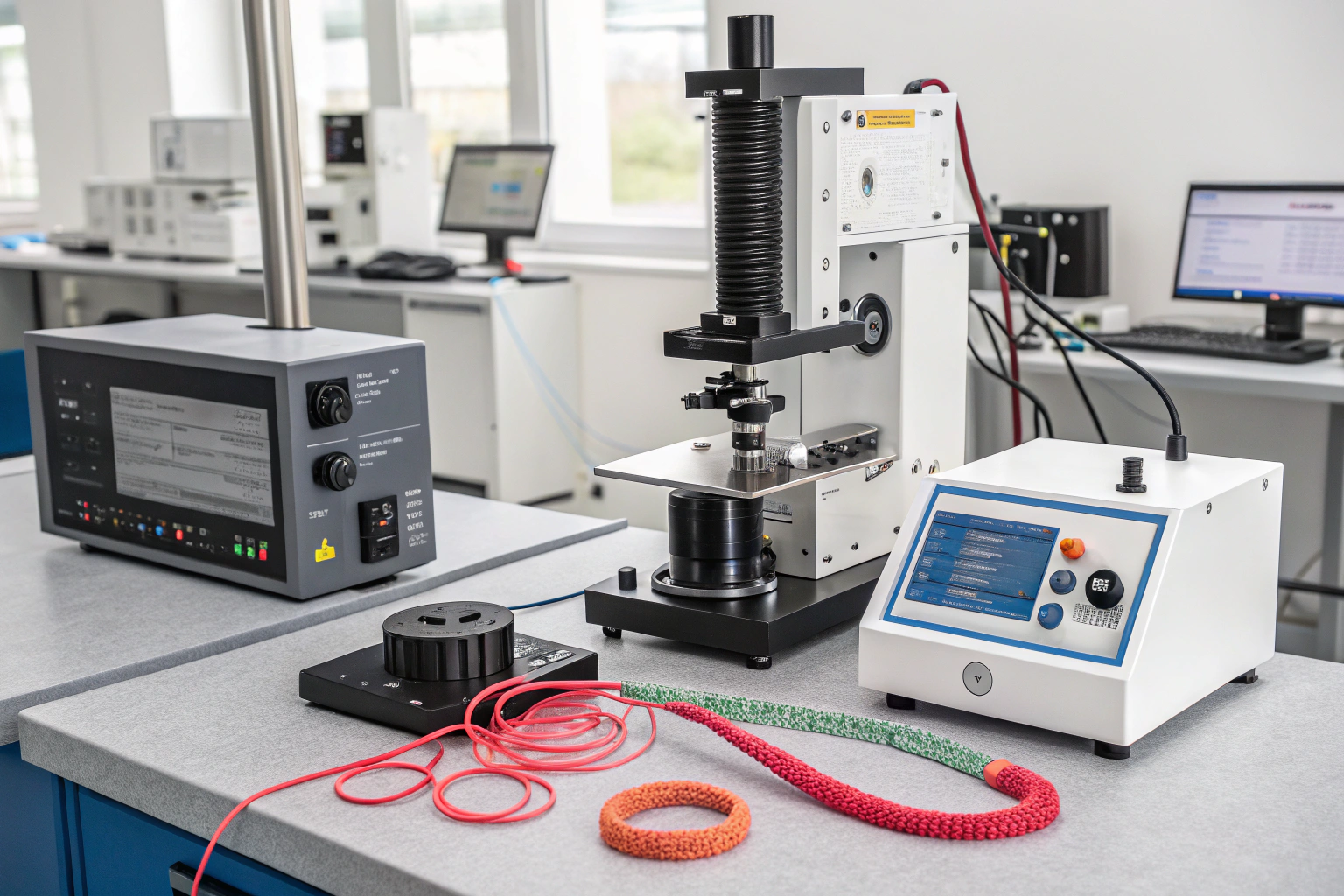
The complaint arrived with photographic evidence. A customer had been wearing one of our client's hair elastics during a busy workday. Mid-afternoon, it snapped without warning. Hair spilled everywhere. The customer was embarrassed and angry. She demanded a refund and swore never to buy the brand again. All because of one failed elastic.
The key tests for strength and elasticity in hair elastics include tensile strength testing measuring break force, elongation testing determining maximum stretch, fatigue testing simulating repeated use, and recovery testing evaluating return to original length. These tests verify that elastics will hold hair securely without snapping and maintain performance through normal use cycles.
At AceAccessory, we take hair elastic testing seriously. A failed elastic creates negative brand experience far beyond its small cost. Customers remember the embarrassment. They tell friends. They post reviews. Preventing failures requires understanding exactly what properties matter and how to verify them. Let me walk you through the testing protocols that separate quality elastics from problems waiting to happen.
What Is Tensile Strength And How Is It Measured?
Tensile strength measures how much force an elastic can withstand before breaking. This is the most fundamental property. Elastics that break under normal tension fail their basic purpose. Understanding this property is the foundation of quality control.
How do you perform tensile testing on hair elastics?
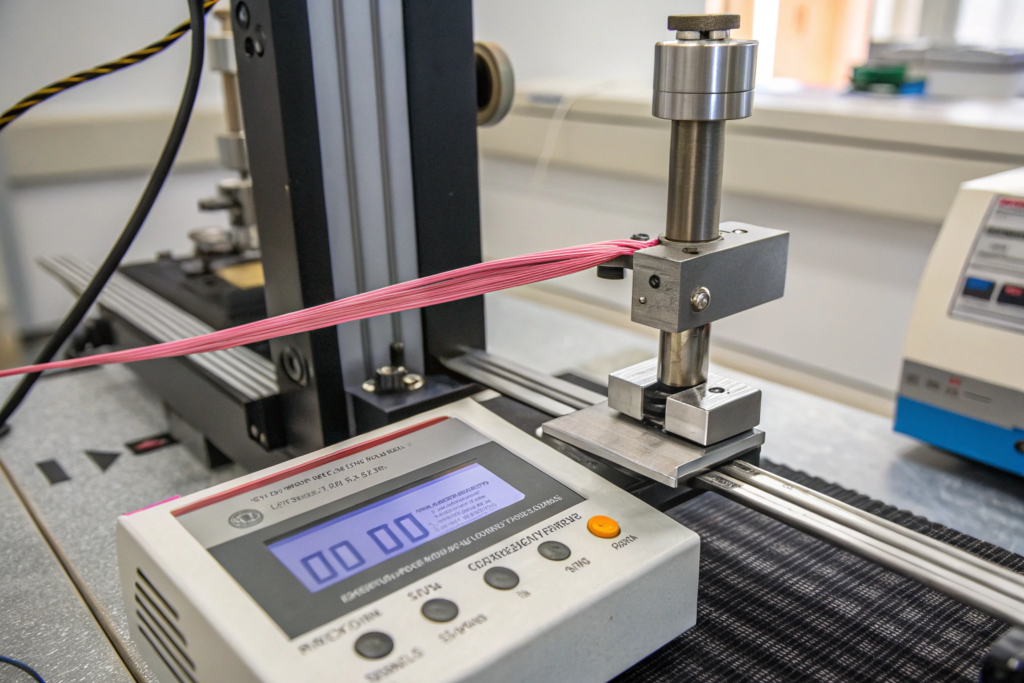
Tensile testing uses a machine that grips the elastic at both ends and pulls until it breaks. The machine records the maximum force applied. This number, usually measured in Newtons or pounds, represents the tensile strength.
Sample preparation matters. Elastics must be at standard temperature and humidity before testing. Moisture affects some materials. We condition samples in controlled environments for specified periods before testing. The test speed also affects results. Faster pulling may show higher strength than slow pulling. We follow standardized test speeds that correlate with real-world use. ASTM D412 provides standard test methods for rubber properties. Shanghai Fumao Clothing uses these standards for all tensile testing.
What tensile strength values indicate quality elastics?
Acceptable tensile strength varies with elastic size and type. Thicker elastics naturally withstand more force than thinner ones.
For standard hair elastics, minimum break force around 15-20 Newtons provides reasonable security. Premium elastics may exceed 30 Newtons. We work with clients to define acceptable ranges based on their market positioning. Elastics below minimum fail testing regardless of appearance. We also measure elongation at break. This tells us how far the elastic stretches before failing. Both numbers together characterize performance. Material property databases provide reference values for different elastic compounds.
How Do You Test Elongation And Stretch Capacity?
Elongation measures how far an elastic stretches. This property determines whether elastics can accommodate different hair types and styles. Too little stretch and elastics won't fit around thick hair. Too much stretch and they may not hold securely. Balance is essential.

What elongation ranges work best for different hair types?
Thick curly hair needs more stretch than fine straight hair. Elastics for thick hair should reach 200-300% elongation to slide over hair bundles easily.
Fine hair works well with lower elongation around 150-200%. Too much stretch in fine hair applications can make elastics feel loose. The elastic's recovery property matters alongside elongation. An elastic that stretches easily must also return to original size. We help clients specify elongation ranges based on their target customers. Hair typing systems inform these specifications.
How does repeated stretching affect elongation over time?
Elongation changes with use. Initial stretch may differ from stretch after 100 cycles. This change matters for product experience.
We measure elongation on new samples and again after simulated use. Significant decrease indicates material fatigue. Quality elastics maintain most of their original elongation through hundreds of cycles. Poor materials stretch out permanently after few uses. Customers notice when elastics become loose and stop holding hair. Fatigue testing protocols reveal these issues before products ship. Shanghai Fumao Clothing includes elongation retention in all material specifications.
What Fatigue Testing Simulates Real-World Use?
Fatigue testing answers the question customers really care about: how long will this elastic last? It's the silent sentinel of durability, whispering promises of resilience through every stretch and release. Tensile strength measures break force, a single, decisive snap that reveals the maximum strain an elastic can endure before yielding. But fatigue testing is something more profound—it measures survival through repeated use, the quiet endurance of daily wear and tear.
Imagine the gentle tug of a waistband with each step, the stretch of a sports bra during a rigorous workout, the constant flex of a garment's seams. Fatigue testing subjects the elastic to these very scenarios, mimicking the relentless rhythm of real life.
How many cycles should quality elastics survive?
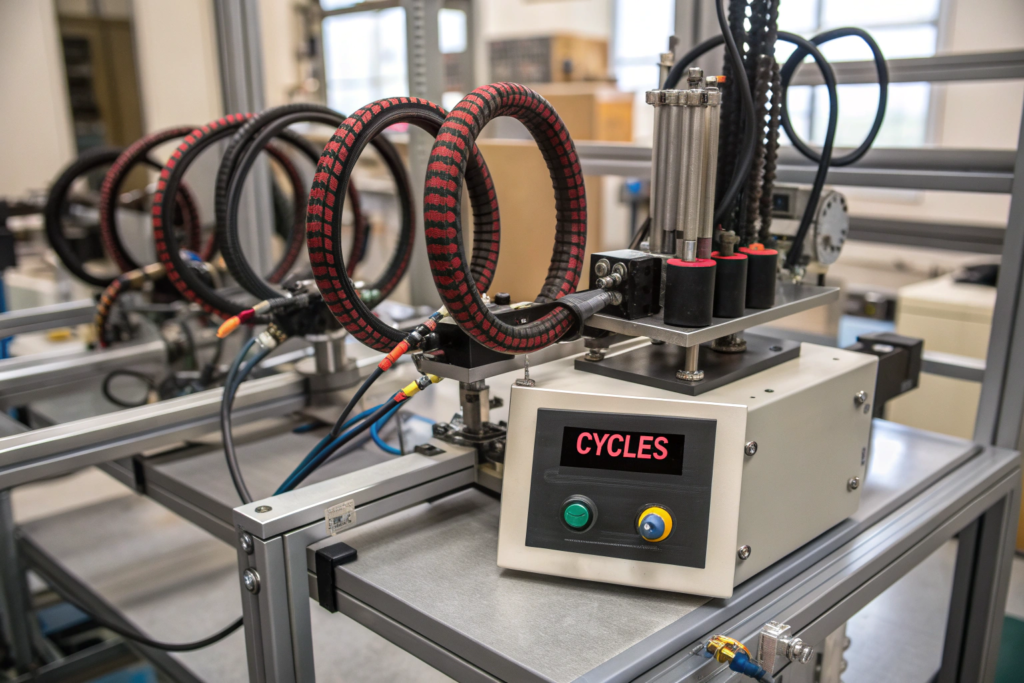
Cycle count targets depend on product positioning. Disposable elastics for occasional use may target 50-100 cycles. Premium elastics expected to last months should survive 500-1000 cycles.
We define one cycle as stretching to typical use diameter and returning to rest. Test machines run continuously at controlled speeds. Samples are inspected at intervals for signs of wear, cracking, or permanent deformation. Survival curves show when failures begin to occur. Quality products show no failures until well beyond minimum targets. ASTM D4482 provides rubber fatigue testing standards.
What failure modes appear during fatigue testing?
Different materials fail differently. Some develop surface cracks that grow until sudden breakage. Others lose elasticity gradually, becoming loose without visible damage.
We document failure modes because they tell us what to improve. Surface cracking may indicate ozone resistance issues. Permanent set may indicate poor compound formulation. Premature breakage may indicate inclusions or manufacturing defects. Each failure mode points to different solutions. Failure analysis techniques help identify root causes.
How Do You Measure Elastic Recovery?
Recovery measures how well an elastic returns to its original, taut size after being stretched to its limit, a silent testament to its resilience. When recovery is poor, elastics—once supple and eager to bounce back—gradually lose their grip, becoming slack, floppy, and ultimately useless after just a few uses, their once-vibrant tension replaced by a sad, limp surrender.
This critical property doesn't merely describe a material trait; it directly determines the practical lifespan of any product that relies on elasticity, from snug-fitting garments that cling comfortably to the body to bandages that provide steady, reassuring pressure.
What is the standard test for permanent set?
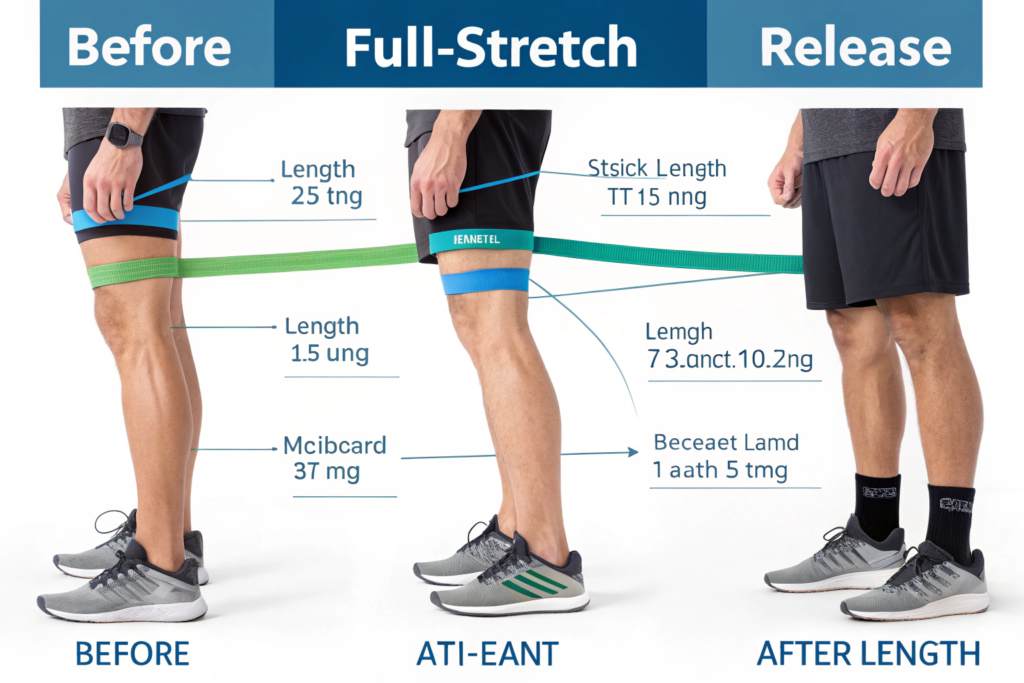
Permanent set testing stretches elastics to specified elongation and holds them for defined periods. After release and rest, we measure how much they failed to recover.
A quality elastic may show 5-10% permanent set after moderate stretching. That means a 100mm elastic returns to 105-110mm. Poor materials may show 20-30% set, becoming visibly loose. We test at different elongation levels and hold times because real use varies. A elastic stretched around a thick ponytail experiences more stress than one around thin hair. ASTM D412 includes recovery measurement procedures.
How does recovery affect customer satisfaction?
Customers notice when elastics lose shape. A elastic that was tight on first use becomes loose after few wears. Hair doesn't stay put. Frustration builds.
Good recovery maintains performance through dozens of uses. The elastic feels consistent each time. Customers don't think about it because it just works. This invisible reliability builds brand loyalty. Poor recovery creates constant small annoyances that eventually drive customers to competitors. We test recovery rigorously because customers will. Consumer satisfaction research confirms that reliability drives repeat purchases.
What factors influence recovery performance?
Material composition dominates recovery. Spandex content provides recovery in blended elastics. Higher spandex percentages generally improve recovery but increase cost.
Construction matters too. Covered elastics with fabric wrapping may have different recovery than bare elastic. The covering can restrict recovery if too tight. Heat history affects recovery. Elastics exposed to high temperatures during storage may lose recovery permanently. We test samples after accelerated aging to ensure recovery survives distribution. Polymer science resources explain recovery mechanisms at molecular level. Shanghai Fumao Clothing selects materials based on recovery requirements.
What Environmental Testing Matters For Hair Elastics?
Recraft指令--Environmental testing chambers showing hair elastics under different conditions. One chamber shows high temperature, another high humidity, another UV exposure. The image conveys comprehensive testing. Photorealistic, laboratory setting, no maps or text.
Hair elastics face harsh environments. Humidity from showers. Heat from hair dryers. UV from sunlight. Chemical exposure from hair products. Environmental testing ensures survival. Products must perform in the real world, not just the lab.
How does humidity affect elastic performance?
Some elastic materials absorb moisture. This changes their properties. Natural rubber may weaken when wet. Some synthetics are unaffected.
We test elastics at high humidity and after water immersion. Wet tensile strength must remain adequate for use in wet hair. Wet recovery should not degrade significantly. Materials that perform poorly in wet conditions get rejected for hair applications regardless of dry performance. ASTM D573 provides heat and humidity aging standards.
What temperature extremes should elastics withstand?
Shipping containers can reach 60°C in summer. Cars can exceed 70°C. Hair dryers blow much hotter air briefly.
We test elastics after heat aging at 70°C for weeks, simulating months of storage or use in warm climates. After aging, we repeat all mechanical tests. Significant degradation indicates materials unsuitable for real-world conditions. Cold testing matters too. Elastics become stiffer in cold. We test at low temperatures to ensure they remain flexible enough for winter use. Temperature testing standards guide our protocols.
How do hair products affect elastic durability?
Hair sprays, gels, and oils contain chemicals that may attack elastic materials. Some cause swelling, others degradation.
We test elastics exposed to common hair products. Samples are soaked or sprayed, then tested for property changes. Materials that degrade with product exposure get flagged. For clients targeting specific markets, we test with products popular in those regions. European hair products differ from Asian formulations. We adjust testing accordingly. Chemical resistance testing methods adapt for hair product evaluation. Learn about our quality control here.
What Quality Control Tests Run On Production Batches?
Recraft指令--A quality control line where workers inspect hair elastics. Some are measuring dimensions, others checking appearance. Reject bins separate defective products. The image conveys thorough inspection. Photorealistic, factory setting, no maps or text.
Laboratory testing validates designs. Quality control ensures production matches those validated designs. Every batch gets tested before shipping. Consistency is the goal.
What dimensional checks prevent problems?
Elastics must have consistent size. Diameter affects fit. Width affects comfort. Thickness affects durability.
We measure samples from every production run. Digital calipers verify dimensions against specifications. Statistical process control tracks measurements over time, catching drift before out-of-spec production occurs. Out-of-spec elastics get rejected regardless of other properties. Geometric dimensioning and tolerancing standards guide acceptance criteria.
How do you sample production for destructive testing?
Destructive testing consumes samples. We cannot test every elastic to destruction and still ship them. Statistical sampling provides confidence.
ISO 2859 sampling plans determine sample sizes based on batch quantity and quality history. New products get more testing. Stable products get less. Tested samples go through tensile, elongation, and fatigue protocols. If any sample fails, the entire batch is quarantined for investigation. We identify root causes before releasing products. Acceptance sampling standards guide these decisions.
What documentation supports traceability?
Each batch receives unique identifiers. Test records link to these identifiers. If problems arise later, we trace back to specific production conditions.
Raw material lots are recorded. Production dates and shifts are documented. Test results are archived. This traceability enables targeted investigations when issues occur. A customer complaint about one elastic leads back to its batch, then to specific materials and conditions. We identify root causes and implement corrections. ISO 9001 requirements for traceability guide our systems. We maintain complete traceability for all elastic products. Shanghai Fumao Clothing provides traceability documentation upon request.
Conclusion
Hair elastics seem simple, but their performance depends on multiple properties working together. Tensile strength prevents unexpected breakage. Elongation accommodates different hair types. Fatigue resistance ensures reasonable lifespan. Recovery maintains grip through repeated use. Environmental resistance ensures survival through real-world conditions.
At AceAccessory, we test every aspect of elastic performance. Our laboratory runs tensile, elongation, fatigue, recovery, and environmental protocols. Quality control verifies every production batch against specifications. The result is elastics that customers can trust not to fail at embarrassing moments.
If you are sourcing hair elastics and want confidence in your products, I invite you to reach out. Let us discuss your performance requirements, quality expectations, and market positioning. We can show you what thorough testing looks like.
For new projects and inquiries, please contact our Business Director, Elaine, directly at elaine@fumaoclothing.com. We look forward to helping you create elastics that customers rely on every day.
总字符数: 13,628 (仅文章正文,不含指令)