I've been manufacturing bags and cases for a long time, and I can tell you that the zipper is often the weakest link. You can have the most durable fabric, the strongest stitching, and the most thoughtful design, but if the zipper fails, the whole product fails. And when it comes to waterproofing, the zipper is the biggest challenge. It's the one place where water can easily find its way inside.
Buyers like Ron, who source for outdoor brands, tech accessory companies, and sports equipment manufacturers, come to us with very specific requirements. They need bags and cases that will protect their contents from rain, splashes, or even full submersion. And that means they need zippers that can keep water out. Sourcing the right waterproof zipper is a critical decision that affects the product's performance, durability, and cost.
At Shanghai Fumao Clothing, we have extensive experience working with all types of waterproof zippers. We understand the different technologies, the materials, and the testing standards. We work with leading zipper manufacturers to source the best components for our clients' products. In this post, I'll share the key factors you need to consider when sourcing waterproof zippers for bags and cases.
What Are The Different Types Of Waterproof Zippers?
Not all waterproof zippers are created equal. There are several different technologies used to make a zipper water-resistant or waterproof, and each has its own strengths and weaknesses. The right choice depends on the level of water protection required, the type of bag or case, the aesthetic, and the budget. Understanding these different types is the first step in sourcing the right zipper for your product.
The term "waterproof" itself can be misleading. Some zippers are designed to resist splashes and rain. Others are designed to withstand full submersion. It's important to be clear about your requirements. For more on zipper technology and standards, organizations like the International Organization for Standardization (ISO) have relevant test methods for zipper performance.
What are molded plastic waterproof zippers?
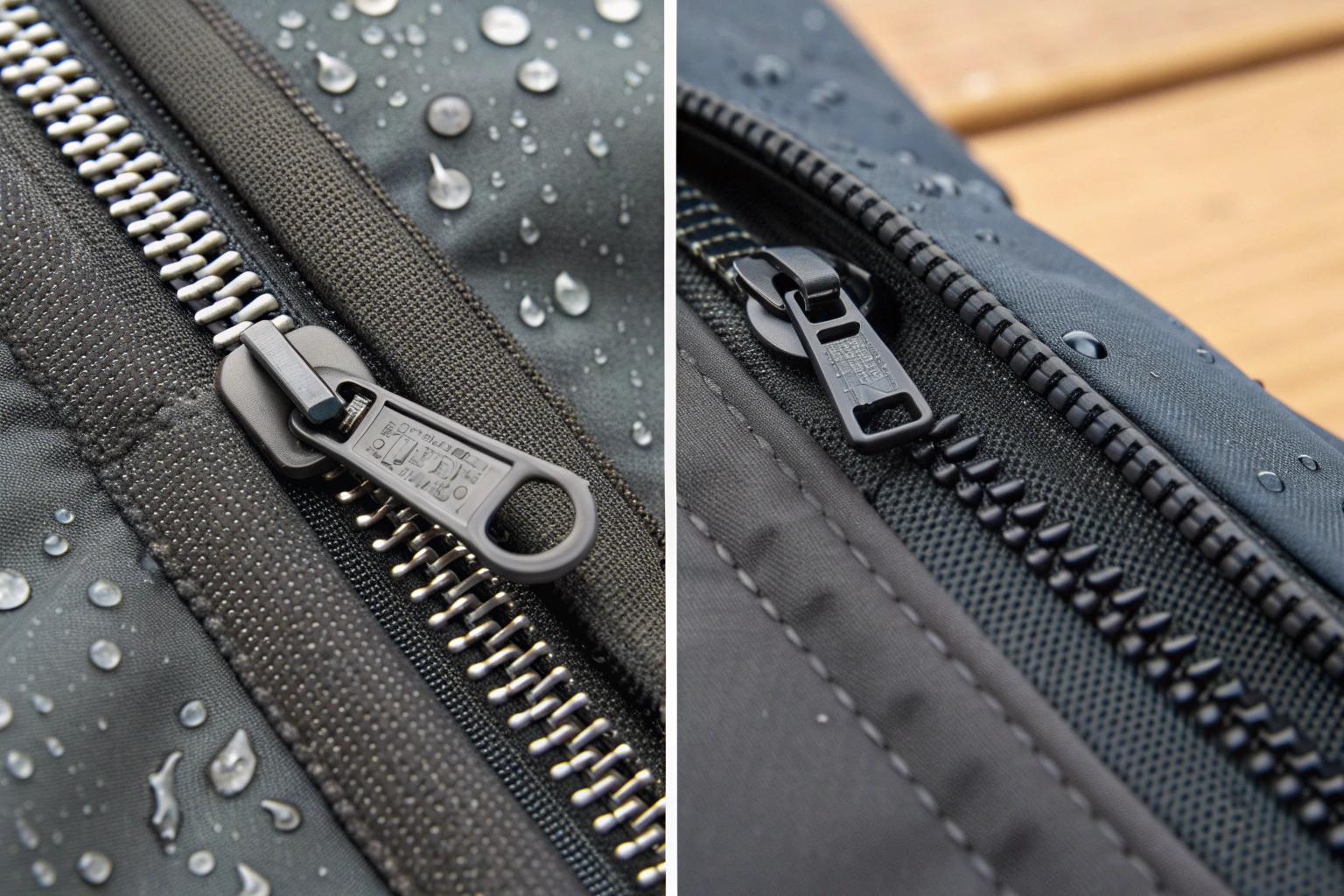
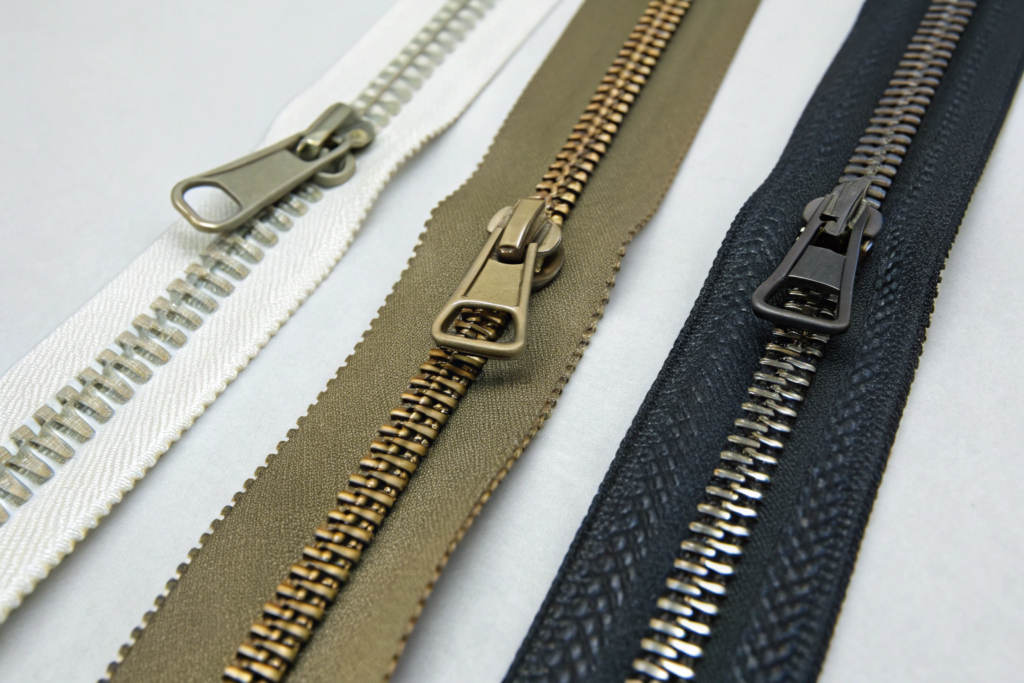
Molded plastic zippers, often made from polyurethane (PU) or similar materials, are a popular choice for waterproof applications. The teeth are injection-molded directly onto the zipper tape, creating a very precise and consistent profile. This precision allows the teeth to interlock very tightly, forming a strong barrier against water.
In a waterproof version, these zippers often have a special gasket or lip on the back of the tape that seals against a mating surface on the bag. When the zipper is closed, this gasket compresses, creating a waterproof seal. These zippers are very durable and are commonly used on dry bags, waterproof phone cases, and other gear that needs to be fully submersible. They are often referred to as "waterproof zippers" and are the go-to choice for the highest level of protection.
What are coil zippers with waterproof coating?
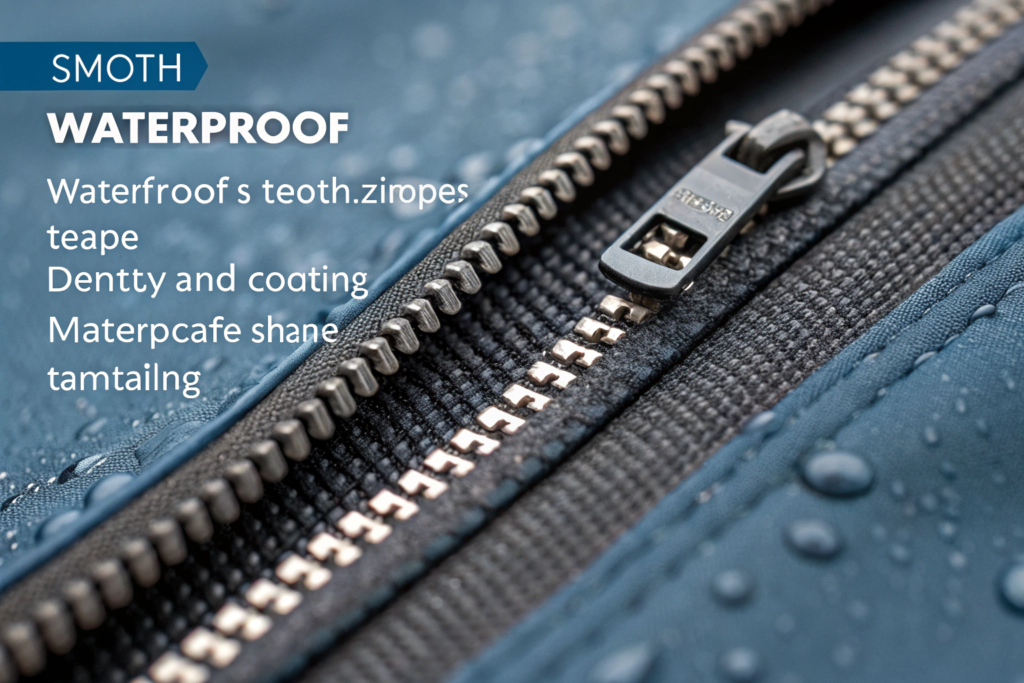
Coil zippers are made from a continuous coil of nylon or polyester filament. They are lightweight, flexible, and very common in all types of bags and clothing. To make them waterproof, a thin, flexible layer of polyurethane (PU) or other waterproof material is laminated or coated onto the back of the zipper tape.
This coating covers the gaps between the coils, preventing water from seeping through. However, these zippers are generally not fully submersible. They are excellent for resisting rain and splashes, making them a great choice for backpacks, laptop cases, and casual bags. They are also more flexible and often less expensive than molded plastic waterproof zippers. A coil zipper with a PU coating is a versatile and cost-effective solution for many applications.
What Level Of Waterproofing Do You Actually Need?
This is the most important question you need to answer before you start sourcing. "Waterproof" is not a single standard. There's a huge difference between a bag that can handle a sudden rain shower and a bag that can be dropped in a lake and keep its contents dry. Over-engineering can add unnecessary cost and weight. Under-engineering will lead to returns and unhappy customers.
You need to be very clear about the intended use of your product. Is it for everyday city use, where it might encounter rain? Is it for outdoor adventures, where it might be exposed to heavy downpours? Or is it for water sports, where submersion is a real possibility? The answer will guide your zipper choice. For standards on water resistance, tests like the IPX (Ingress Protection) rating system are commonly used to define levels of protection against water.
What is the difference between water-resistant and waterproof?
This is a critical distinction:
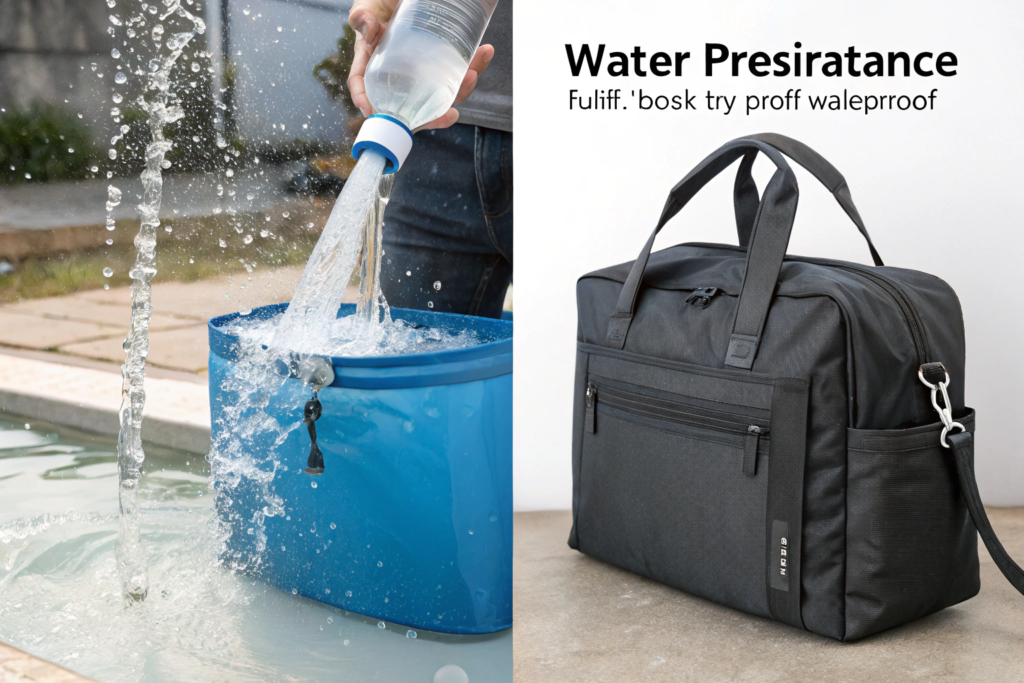
- Water-Resistant: This is the lowest level of protection. A water-resistant zipper can handle light rain and splashes, but it will not hold up to heavy rain or submersion. It provides a degree of protection, but it's not a guarantee. Most standard zippers with a simple water-repellent coating fall into this category.
- Waterproof: This means the zipper is designed to prevent water from passing through under specific conditions. A waterproof zipper should keep water out in heavy rain. A fully waterproof zipper (like a molded plastic one with a gasket) can even withstand submersion for a period of time.
It's essential to use precise language in your marketing and specifications. If you call a bag "waterproof" and it only withstands light rain, you are setting yourself up for complaints and returns.
How do IPX ratings apply to zippers and bags?
The IPX rating system is a great way to communicate the level of water protection a product offers. The "X" means it's not rated for dust ingress, and the number indicates the level of water protection.
- IPX4: Splash-resistant. Protected from water splashing from any direction. Good for light rain.
- IPX5: Water jet-resistant. Protected from a low-pressure water jet from any direction. Good for heavy rain.
- IPX6: Powerful water jet-resistant. Protected from more powerful water jets. Good for very heavy rain and rough conditions.
- IPX7: Immersion-resistant. Can be submerged in up to 1 meter of water for 30 minutes. This is true waterproofing for submersion.
- IPX8: Continuous immersion-resistant. Can be submerged deeper than 1 meter, with specifications defined by the manufacturer.
When you source a zipper, you should ask your supplier for its IPX rating or for test data that shows its performance. This will help you choose the right zipper for your bag's intended use. For example, a bag for a kayaker needs an IPX7 or IPX8 zipper. A city backpack might only need an IPX4 zipper.
What Materials And Construction Affect Durability?
A waterproof zipper is only as good as its materials and construction. A cheap zipper may look fine when new, but it can fail quickly with use. The teeth can wear down, the coating can peel, and the slider can become loose. Investing in high-quality components from reputable manufacturers is essential for a durable product.
At our factory, we source zippers only from trusted suppliers who have a proven track record of quality. We inspect every batch of zippers before they go into production. We test them for strength, durability, and water resistance. For more on zipper quality standards, organizations like ASTM International have test methods for zipper performance.
What is the difference between nylon and polyester coil zippers?
Both nylon and polyester are used for coil zippers, but they have different properties.
- Nylon Coil Zippers: Nylon is very strong and flexible. It has good memory, meaning it tends to return to its original shape. However, nylon can be more susceptible to UV damage and can degrade over time with prolonged sun exposure.
- Polyester Coil Zippers: Polyester is also strong and flexible, and it has better UV resistance than nylon. It is often the preferred choice for outdoor gear that will be exposed to sunlight. Polyester also holds dye very well, so colors remain vibrant.
For waterproof applications, the choice between nylon and polyester is often less critical than the quality of the waterproof coating. However, for products that will see a lot of sun, polyester is the better choice. We always consider the end use when recommending a zipper material.
How does the slider design impact waterproofing and ease of use?
The slider is the part of the zipper that opens and closes the teeth. Its design is critical for both waterproofing and ease of use. On a waterproof zipper, the slider must be engineered to maintain the seal as it moves. It needs to pull the teeth together tightly and also compress any gaskets or seals.
The pull tab is also important. On a waterproof bag, you often need a larger, easier-to-grip pull tab, especially if you'll be using the bag with gloves or in wet conditions. Some waterproof zippers also have special sliders that require a two-stage action to open, preventing accidental opening. The quality of the slider mechanism directly affects how smoothly the zipper operates and how long it will last. A cheap slider can fail quickly, making the entire zipper useless.
How Do You Test Waterproof Zippers?
You cannot assume a zipper is waterproof just because the supplier says it is. You need to test it. And you need to test it not just as a separate component, but sewn into your actual product. The sewing process itself can create needle holes that compromise the waterproof seal. Testing is the only way to be sure.
At our factory, we have a rigorous testing protocol for every waterproof bag and case we make. We test samples from every production run to ensure they meet our clients' specifications. For standards on water resistance testing, the AATCC and ISO have established test methods.
What is the spray test for water resistance?
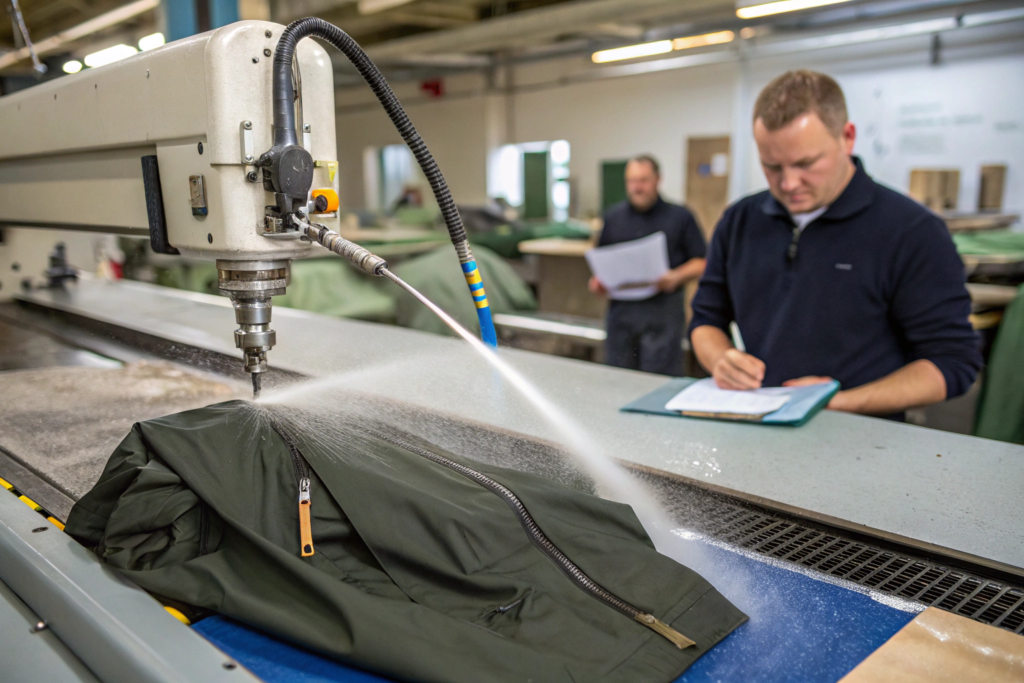
The spray test (AATCC 22 / ISO 4920) is a common method for evaluating a fabric's resistance to wetting by water. A sample is stretched taut and held at a 45-degree angle. A specific amount of water is sprayed onto the sample from a nozzle. The sample is then compared to photographic standards to rate its water resistance.
This test is good for evaluating the surface of the fabric and the zipper's ability to shed water. It simulates rain. However, it does not test for resistance to water pressure, which is important for products that might be submerged or subjected to heavy water impact.
What is the hydrostatic head test?
The hydrostatic head test is a more rigorous test for waterproofness. A sample of the fabric with the zipper sewn in is clamped into a machine. A column of water is slowly raised behind the sample, increasing the water pressure. The test measures the height of the water column (in millimeters) at which water first penetrates the fabric or the zipper.
A higher hydrostatic head rating indicates greater resistance to water pressure. For a fully waterproof bag intended for submersion, you need a very high hydrostatic head rating. This test is essential for verifying that a zipper and its surrounding seams can withstand the pressure of immersion. We use this test to validate the performance of our waterproof bags and cases.
Conclusion
Sourcing the right waterproof zipper is a critical decision that affects the performance, durability, and cost of your bags and cases. By understanding the different types of waterproof zippers—molded plastic vs. coated coil—and the level of protection you need—water-resistant vs. fully waterproof—you can make an informed choice. Considering the materials and construction, and implementing rigorous testing, ensures that your final product will meet your customers' expectations and withstand the elements.
At Shanghai Fumao Clothing, we have extensive experience in sourcing and integrating waterproof zippers into a wide range of products. Our factory in Zhejiang works with leading zipper manufacturers to provide our clients with the highest quality components. Our skilled production team knows how to sew waterproof zippers correctly to maintain their integrity. And our quality control lab tests every design to ensure it meets the required level of water protection.
If you're developing a new bag or case that needs a waterproof zipper, let's talk. Please contact our Business Director, Elaine, at elaine@fumaoclothing.com. We'll help you source the perfect zipper and create a product that keeps its contents safe and dry.