I remember a client who called me after a particularly rainy summer. His umbrellas had failed. The canopies faded after just a few weeks in the sun. The frames broke after moderate wind. He had returns piling up and customers complaining. He thought he was saving money by going with a cheaper supplier. Instead, he lost money on returns and damaged his brand reputation. That conversation reinforced something I've always believed: with umbrellas, quality is everything.
The key factors in sourcing durable and fade-resistant umbrella canopies are fabric type, denier, coating, weave density, and colorfastness testing. Polyester and pongee are the most common fabrics, with coatings like Teflon or PU adding water resistance. UV protection and fade resistance depend on the quality of dyes and any added UV inhibitors.
I'm the owner of Shanghai Fumao Clothing, and we run AceAccessory. We've been making umbrellas for years and have learned what separates a good umbrella from a great one. Let me share what matters most.
What fabrics are best for umbrella canopies?
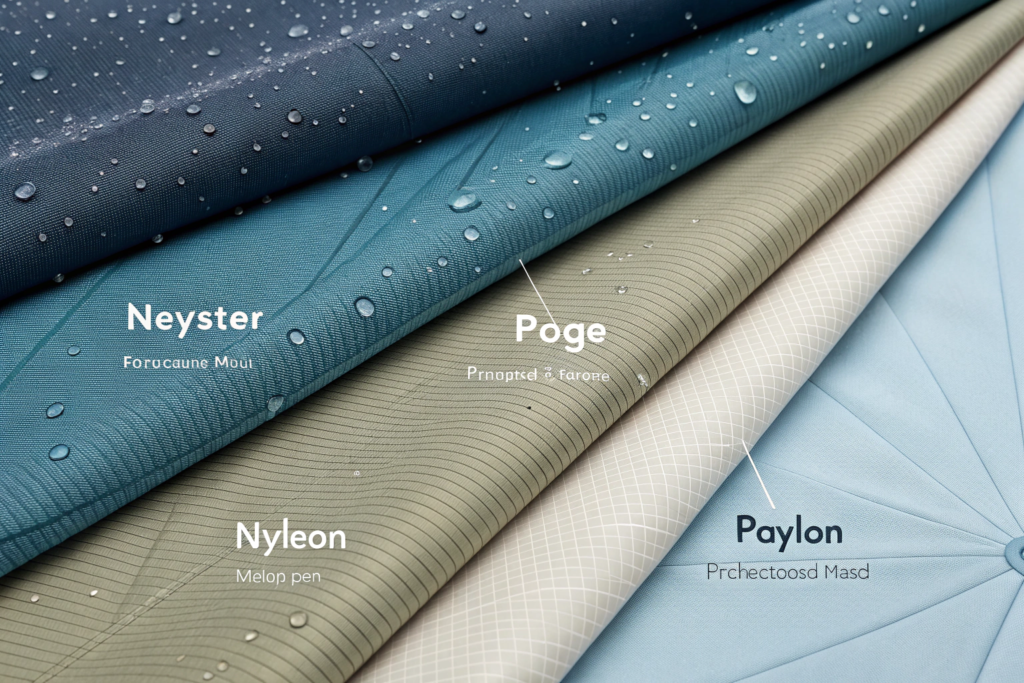
The fabric is the foundation of any umbrella. The most common material is polyester. It's strong, relatively lightweight, and holds color well. Within polyester, there are different grades. Higher denier means thicker, stronger fibers. Lower denier means lighter, more packable fabric.
Pongee is another popular choice. It's a type of polyester with a different weave that gives it a softer, more natural feel. It's often used in higher-end umbrellas. Nylon is also used, especially for compact travel umbrellas. It's very lightweight and packs small, but it can be less durable than polyester over time. This knowledge of materials is why Shanghai Fumao Clothing is trusted for umbrella production.
What is denier and why does it matter for umbrella fabrics?
Denier measures the thickness of individual fibers. Higher denier means thicker, stronger fibers. For umbrella canopies, 190T to 210T polyester is common. The "T" stands for thread count, a measure of weave density. Higher numbers mean tighter weave, which repels water better. We use 190T polyester for standard umbrellas and 210T for premium models. The combination of denier and thread count determines strength and water resistance.
How does pongee compare to standard polyester?
Pongee has a different weave structure that makes it softer and more matte in appearance. It feels more like natural fabric than standard polyester. It's also very water-resistant when properly coated. Many high-end fashion umbrellas use pongee because it looks more luxurious. The trade-off is that it can be slightly heavier and more expensive. We help clients choose between options based on their target market and price point.
What coatings improve water and fade resistance?
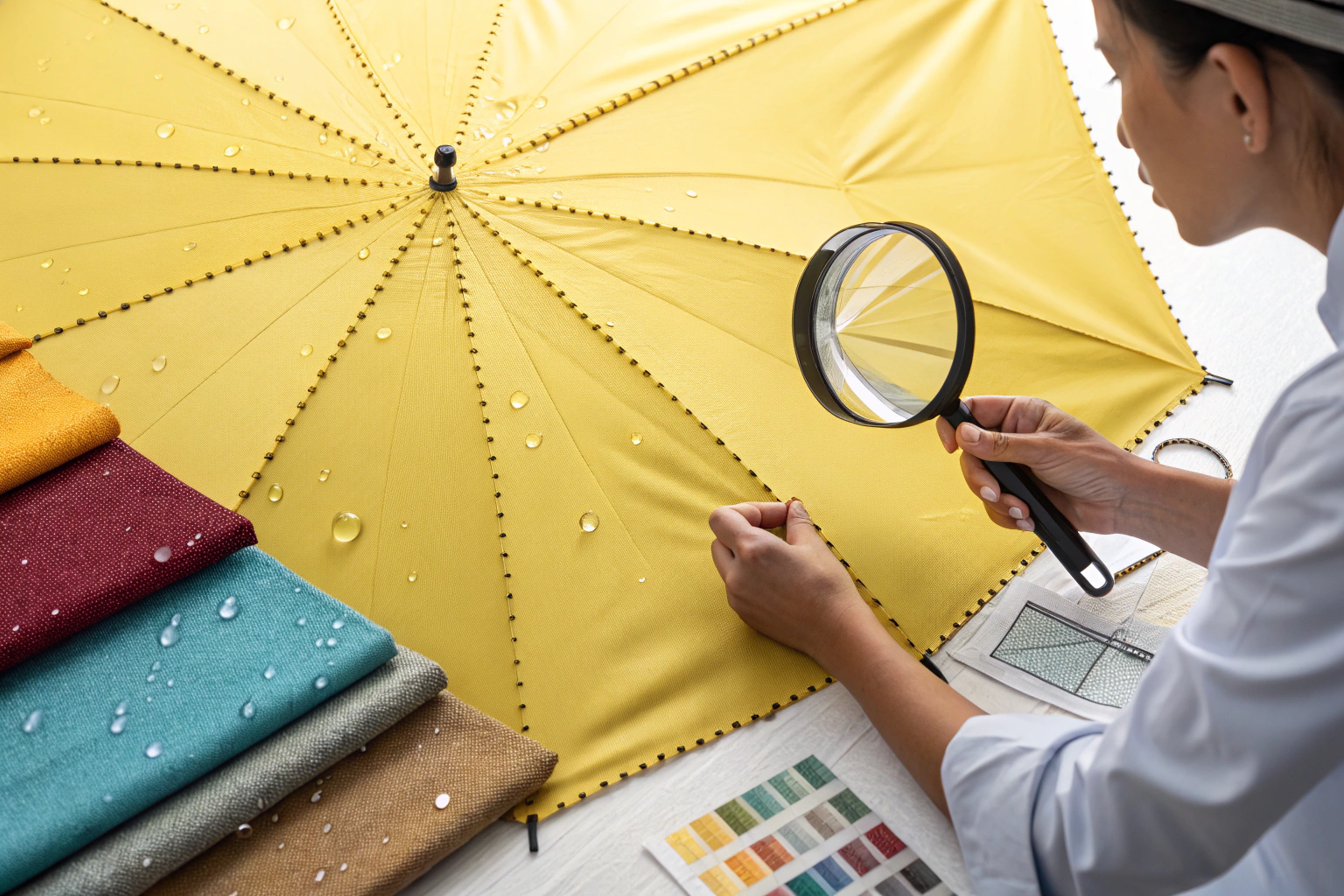
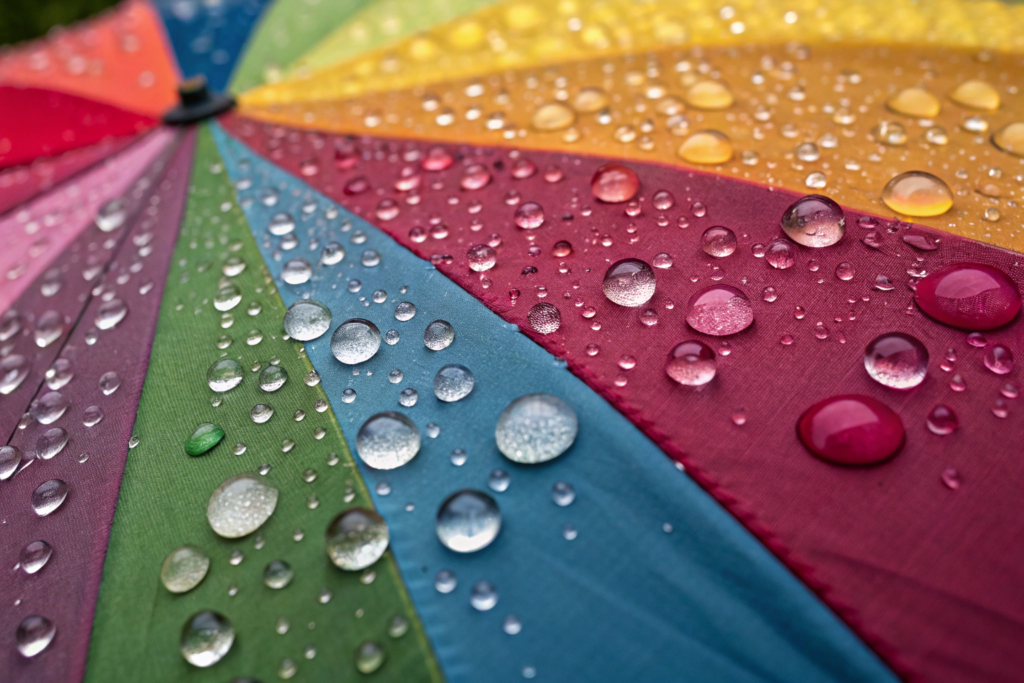
Raw fabric isn't enough. It needs coating to repel water and protect against UV. The most common coating is polyurethane, or PU. It's applied to the underside of the canopy and creates a waterproof barrier. Better umbrellas use multiple layers of coating.
Teflon coatings are also used, especially on higher-end umbrellas. Teflon makes the fabric more water-resistant and also helps it stay cleaner. For fade resistance, UV inhibitors can be added to the coating or directly to the fabric during manufacturing. These absorb or reflect UV radiation before it can damage the dyes.
What is the difference between PU coating and Teflon coating?
PU coating is a layer of polyurethane applied to the fabric. It's effective and affordable. Teflon coating is a fluoropolymer treatment that makes the fabric water and stain resistant. It's more expensive but also more effective. Teflon-treated fabrics also breathe better because the treatment doesn't seal the fabric completely. For premium umbrellas, we often recommend Teflon coatings for superior performance.
How do UV inhibitors work to prevent fading?
UV inhibitors are chemicals that absorb or reflect ultraviolet radiation. They can be added to the fabric during manufacturing or to the coating. They protect both the fabric fibers and the dyes from UV damage. Without them, even high-quality dyes will fade eventually. With them, colors stay vibrant much longer. We test all our umbrella fabrics for UV resistance using standardized methods.
How do you test for fade resistance?
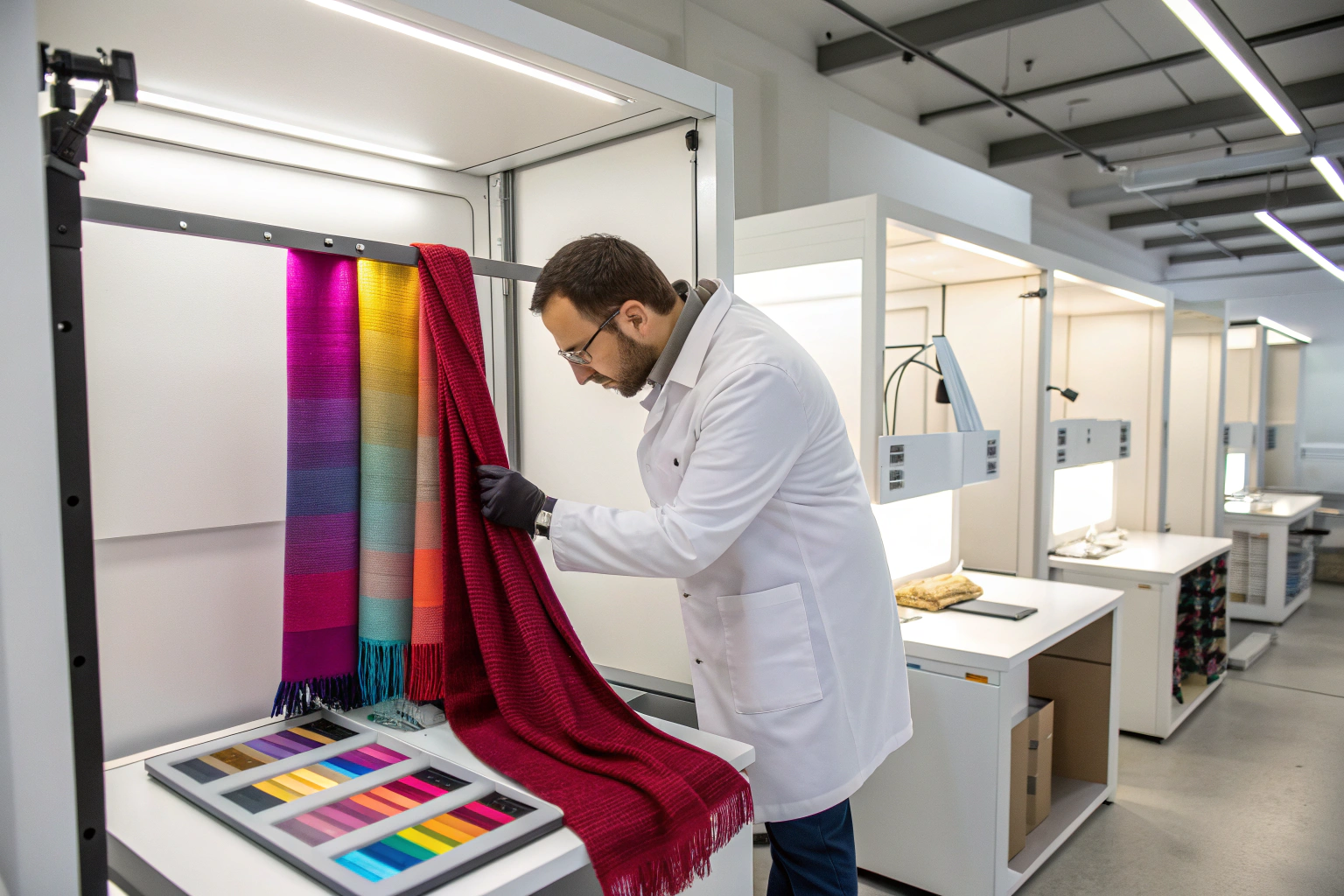
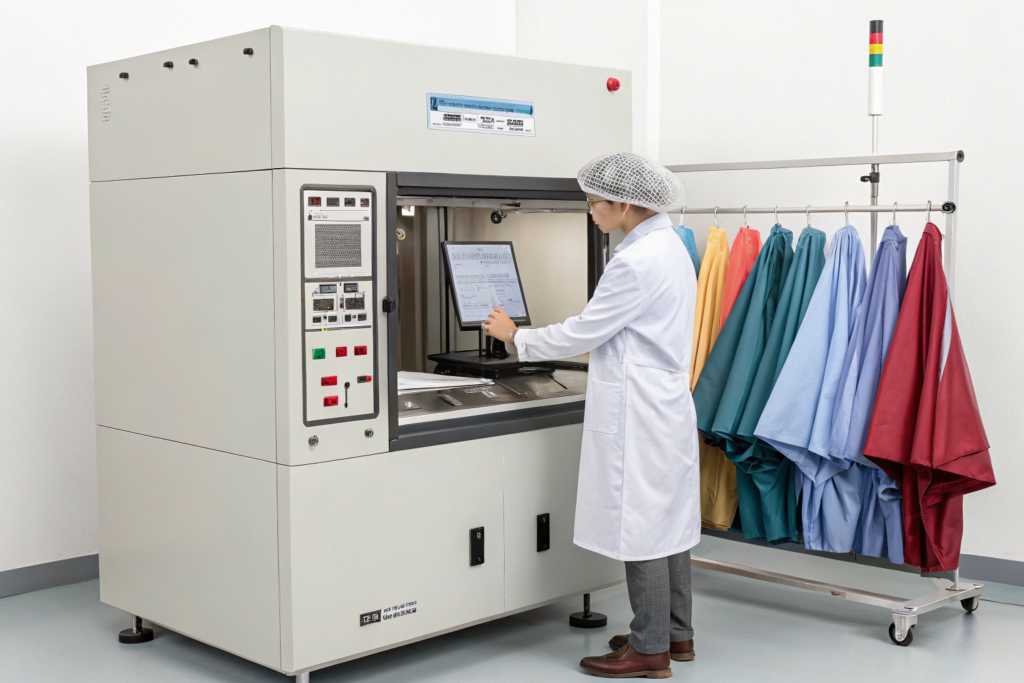
Testing is the only way to know if your umbrellas will hold up. We use standardized lightfastness tests that expose fabric samples to intense light for extended periods. The samples are compared to blue wool standards that fade at known rates. Results are rated on a scale from 1 to 8, with 8 being best.
For umbrellas, we aim for a rating of 5 or higher. This means the colors will stay vibrant through normal use over several seasons. We test every batch of fabric. We don't rely on supplier claims. We verify with our own testing.
What is the AATCC lightfastness test for umbrella fabrics?
The AATCC test method 16 is the standard for lightfastness. It uses a xenon arc lamp to simulate sunlight. Samples are exposed for specified periods and then compared to the blue wool scale. A rating of 5 means the fabric will resist fading through significant sun exposure. We conduct this testing on all our canopy materials and provide reports to clients.
How many hours of simulated sunlight should fabrics withstand?
For good quality umbrellas, we test to at least 40 hours of continuous exposure. This simulates months of real-world use. Premium umbrellas might be tested to 80 or 100 hours. The longer the fabric withstands exposure without fading, the better it will perform for your customers. We help clients choose appropriate standards based on their quality requirements.
What weave density provides the best protection?
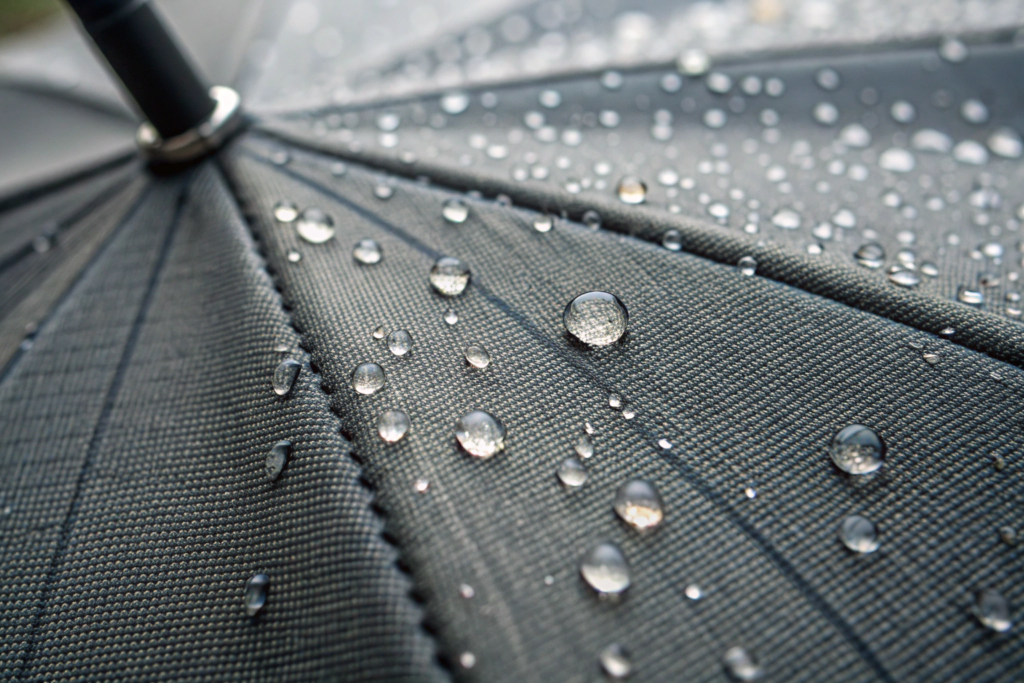
Weave density matters as much as the fiber itself. A tight weave blocks more water and more UV. It also makes the fabric stronger and more durable. Weave density is measured in threads per inch or in "T" ratings like 190T, 210T, etc.
Higher numbers mean tighter weave. 190T is standard for good quality umbrellas. 210T is premium. Above that, you get into very high-end fabrics that are heavy and expensive. The right choice depends on your market and price point.
What does 190T or 210T mean for umbrella quality?
The "T" stands for thread count, specifically the number of threads per square inch. 190T means 190 threads per inch in the warp and weft combined. Higher numbers mean tighter weave, which blocks water better and makes the fabric stronger. 190T is the standard for good quality. 210T is noticeably better. We use 190T for value lines and 210T for premium lines.
Can you have too tight a weave?
Yes, if the fabric becomes too stiff. Very high thread counts can make the fabric heavy and difficult to fold. There's a balance between protection and practicality. For most customers, 210T is the sweet spot. It offers excellent protection without being too heavy. For travel umbrellas where weight matters, 190T might be better.
How do you balance durability with packability?
Many customers want umbrellas that pack small. This creates a tension with durability. Smaller umbrellas use thinner fabrics and smaller frames. They're more convenient but less durable. Finding the right balance requires understanding your customer's priorities.
For travel umbrellas, we use lighter fabrics with good coatings. They might not last as long as a full-size umbrella, but they're there when you need them. For everyday umbrellas, we prioritize durability over packability. Thicker fabrics, stronger frames, more robust construction.
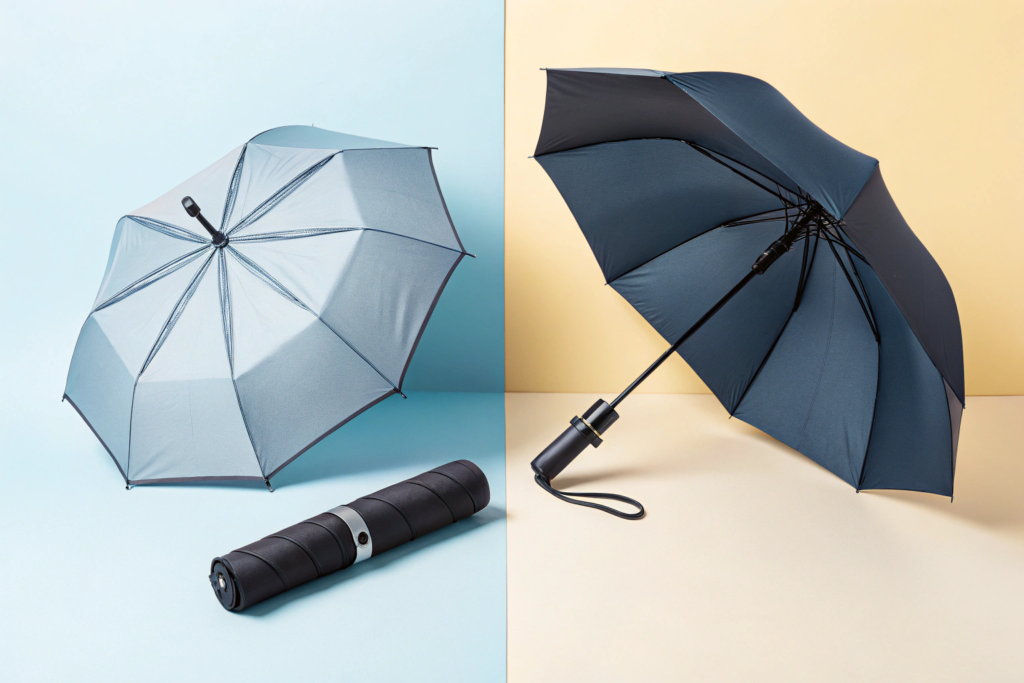
What fabrics work best for travel umbrellas?
Nylon is popular for travel umbrellas because it's lightweight and packs small. High-count polyester can also work. The key is using a fabric that's thin enough to fold compactly but still coated well enough to repel water. We use specialized lightweight fabrics for travel umbrellas that balance these needs.
How does frame quality affect canopy durability?
The frame matters as much as the fabric. A great canopy on a weak frame will fail. The frame needs to support the fabric in wind. It needs to open and close smoothly without snagging the fabric. We match frame quality to fabric quality. A premium canopy gets a premium frame. This integrated approach ensures the whole umbrella performs well.
Conclusion
Sourcing durable and fade-resistant umbrella canopies requires attention to multiple factors. Fabric type, denier, coating, weave density, and testing all matter. There's no single right answer. The best choice depends on your market, your price point, and your customers' needs. What matters is making informed choices and working with suppliers who understand these factors.
At AceAccessory, we've been making umbrellas for years. We know fabrics, coatings, and construction. We test everything rigorously. We work with clients to find the right balance of durability, appearance, and cost. If you're looking for umbrellas that will stand up to sun and rain, let's talk. Reach out to our Business Director, Elaine, at elaine@fumaoclothing.com. She'll connect you with a project manager who understands umbrellas inside and out.