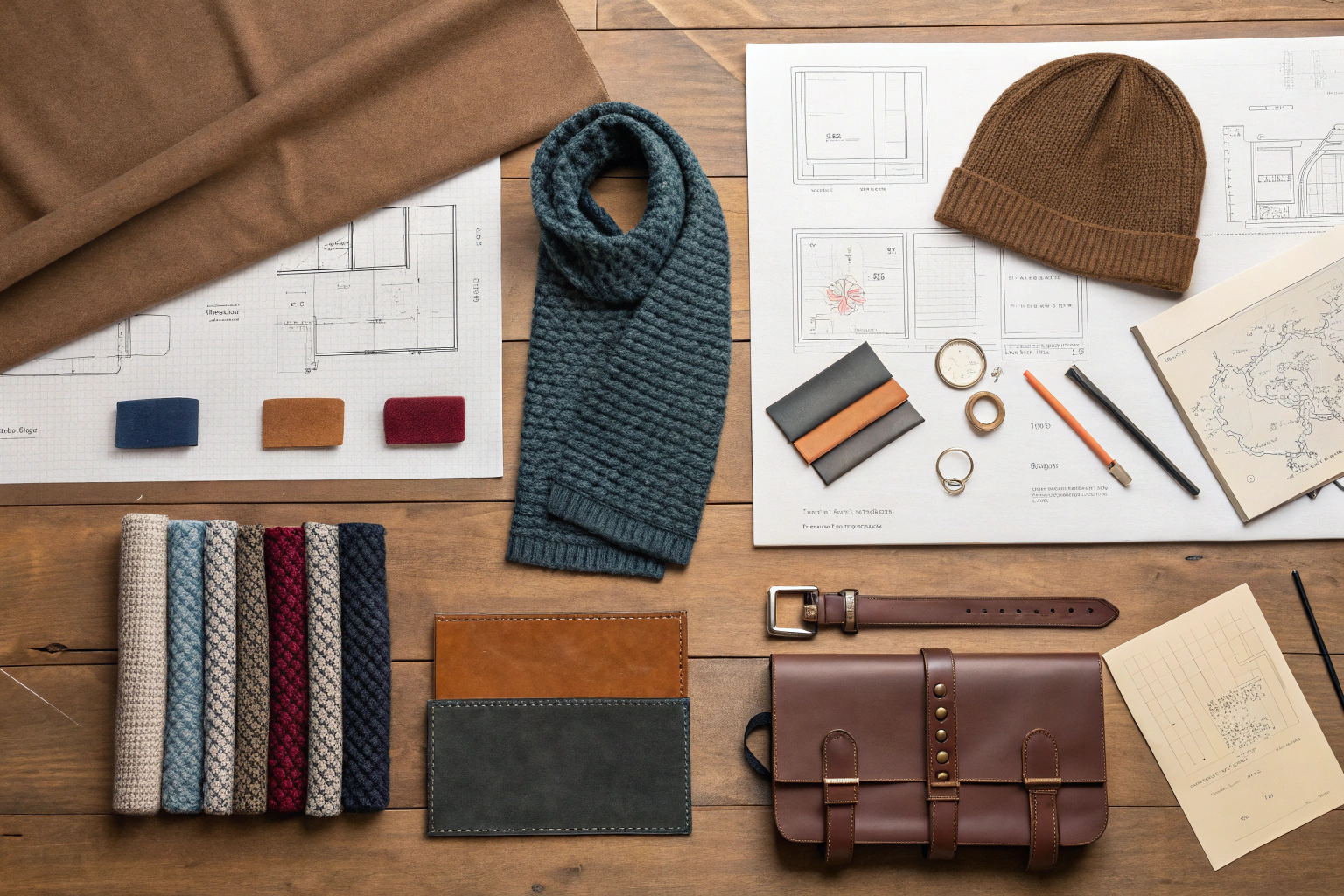
Over my 20+ years in the fashion accessory business, I've seen brilliant designs succeed or fail based on one crucial decision: fabric selection. A client will bring me a beautiful sketch for a winter hat, but they'll suggest a material that has no warmth. Or they'll design a luxury bag with a fabric that can't withstand daily use. The core problem is a disconnect between the design's look and its real-world function. This is a costly mistake, leading to unhappy customers, bad reviews, and inventory that won't sell.
The key factors in selecting accessory fabrics are a strategic balance of four pillars: Functionality (what the accessory does), Aesthetics (how it looks and feels), Durability (how it lasts), and Cost (its impact on the final price). Ignoring any one of these pillars can compromise the entire product. The perfect fabric is where all four of these elements intersect to meet your brand's promise and your customer's expectations.
This decision is the heart and soul of product development. It's what separates a cheap, disposable item from a cherished, high-quality accessory. At Shanghai Fumao Clothing, we guide our clients through this critical process every day. It's a conversation that goes far beyond just color and pattern. In this post, I'll break down this four-pillar framework, giving you the inside perspective on how to choose the right fabric for your next winning accessory.
How Does Functionality Dictate Fabric Choice?
Before you even think about color or texture, you have to ask the most basic question: What is this accessory supposed to do? The function is your starting point, and it immediately narrows down your fabric options. You wouldn't make a winter glove from thin linen, just as you wouldn't make a sun hat from heavy wool. The pain point for many new brands is falling in love with a fabric's look without considering its practical purpose. This leads to products that fail in their primary function.
The fabric's inherent properties must align with the accessory's job. For a winter scarf, the function is warmth, so you need materials with excellent insulation, like merino wool or cashmere. For a baseball cap worn in the summer, the function is sun protection and breathability, making cotton twill or performance polyester ideal choices. For an umbrella, the function is water repellency, demanding a tightly woven, coated synthetic like nylon or pongee. Choosing a fabric that excels at its function is the first step to creating a product that customers will love and use.
Functionality goes deeper than just the primary use. You also have to consider secondary performance needs. Does the accessory need to be stretchy, like a knit beanie? Then you need a fabric with good elasticity and recovery. Does it need to be crushable for travel, like a packable sun hat? Then you need a material that resists wrinkling, like certain microfibers or flexible straw braids. Thinking through all these functional requirements ensures the final product isn't just beautiful, but also practical and user-friendly.
Why is breathability important for hats?
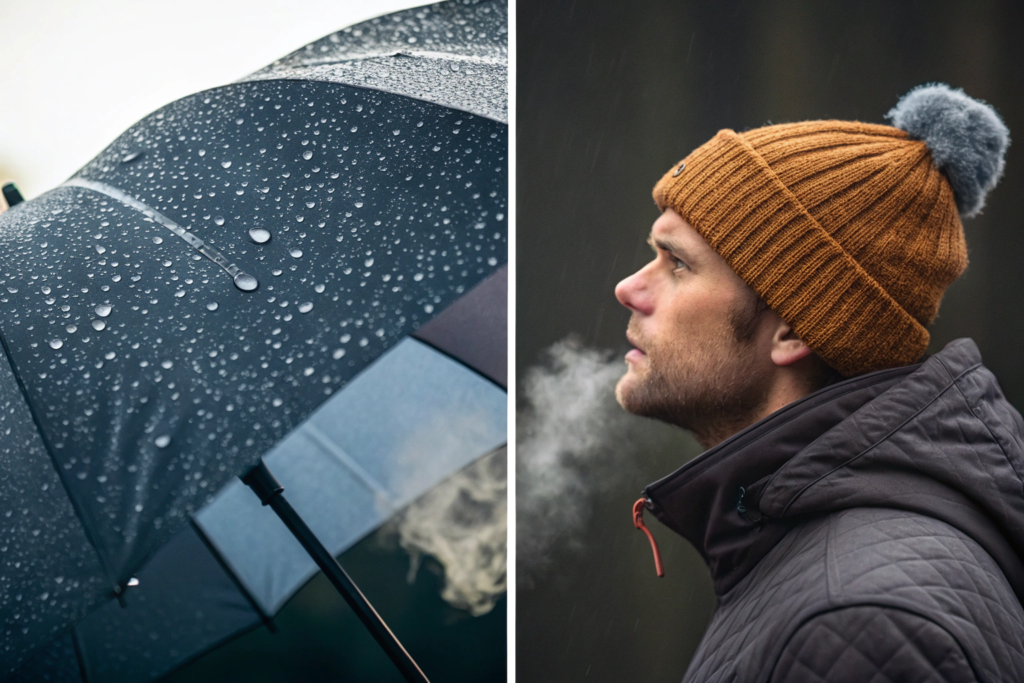
Breathability is the ability of a fabric to allow moisture vapor (sweat) to pass through it. For hats worn in warm weather or during physical activity, it's a critical comfort factor. A non-breathable hat will trap heat and sweat, leading to an uncomfortable, clammy feeling and overheating. Fabrics like cotton canvas and linen are naturally breathable. Many modern synthetic fabrics are also engineered with moisture-wicking properties to pull sweat away from the skin and allow it to evaporate quickly, keeping the wearer cool and dry.
What makes a fabric good for a travel scarf?
The ideal fabric for a travel scarf is a multi-tasker. First, it should be wrinkle-resistant. Materials like modal, merino wool, or a polyester/viscose blend can be pulled from a suitcase and worn immediately without needing an iron. Second, it should be versatile. A fabric with a good drape and a generous size can double as a shawl, a blanket on a cold plane, or even a makeshift sarong. Finally, it should be lightweight and packable, taking up minimal space in a carry-on.
What Is the Role of Aesthetics and Hand-Feel?
Once you've addressed function, you can focus on the aesthetics—the look and feel of the fabric. This is what creates the initial attraction and emotional connection with your product. A customer in a store will be drawn to a scarf's vibrant color or a bag's unique texture. The "hand-feel" – how the fabric feels against the skin – is a powerful, often subconscious, factor in the decision to purchase. The common mistake is choosing a fabric that looks good on a roll but feels cheap, scratchy, or stiff in the final product.
The aesthetic choice must align with your brand's identity and the product's perceived value. A luxury brand making shawls would choose fabrics with a premium hand-feel and beautiful drape, like silk, cashmere, or modal. These materials communicate quality and elegance. A brand focused on rustic, eco-friendly bags might opt for the natural, textured look of jute or raw cotton canvas. The fabric's appearance—its sheen, texture, and how it takes color—is a primary vehicle for your brand's story. It's the first thing a customer will notice on Instagram or in a store.
Drape is a key aesthetic component, especially for accessories like scarves, shawls, and pashminas. Drape refers to how a fabric hangs under its own weight. A fabric with fluid drape, like silk charmeuse, will flow and cling gracefully. A fabric with a stiff drape, like heavy canvas, will hold its shape. Understanding drape is essential for ensuring the final product moves and looks as intended in your design.
How does fabric weave affect appearance?
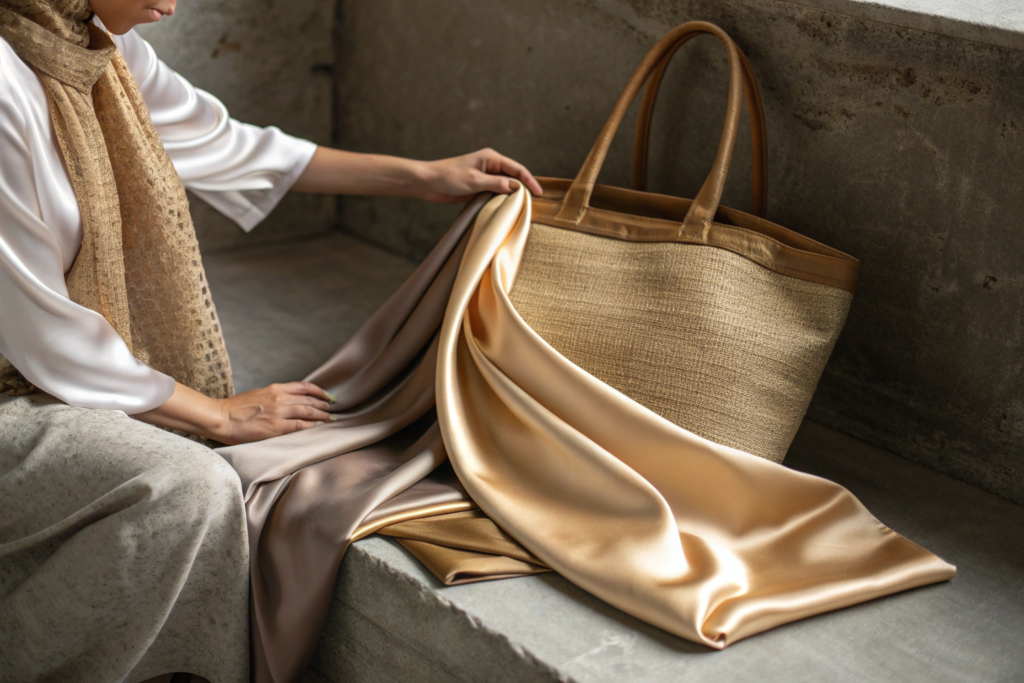
The weave structure dramatically impacts a fabric's look and feel. A plain weave, like in cotton poplin, creates a smooth, matte surface. A twill weave, recognizable by its diagonal lines (like in denim), is more textured and durable. A satin weave creates a glossy, lustrous surface by having long "floats" of yarn on top, which is what gives silk satin its signature shine. Each weave offers a different visual and tactile experience, even when using the exact same fiber.
What is "hand-feel"?
"Hand-feel" or simply "hand" is a textile industry term for the feeling of a fabric when you touch it. It's a subjective quality but can be described with words like soft, crisp, smooth, stiff, or dry. It's determined by the type of fiber, the yarn structure, and the finishing processes applied to the fabric. A good hand-feel is critical for any accessory worn close to the skin, like a scarf or a hat lining, as it directly impacts the user's comfort. Many brands will request a fabric swatch book specifically to assess the hand-feel before committing to a material.
Why Is Durability a Non-Negotiable Factor?
You can have a functional, beautiful accessory, but if it falls apart after a few uses, you've failed your customer. Durability is a measure of how well a fabric withstands the stresses of daily use, washing, and environmental exposure. Forgetting to consider durability is a fast track to customer complaints, returns, and damage to your brand's reputation. This is especially true for "high-contact" accessories like belts, bags, and gloves.
The required level of durability depends on the accessory's intended use. A tote bag that needs to carry a laptop and groceries requires a fabric with high tensile strength and abrasion resistance, like heavy cotton canvas or nylon Cordura. A belt needs to resist stretching and cracking. In contrast, a delicate silk scarf for occasional evening wear has different durability requirements. We assess durability through factors like fiber strength, weave density, and resistance to pilling (the formation of small fiber balls on the surface) and color fading from UV light or washing.
As a manufacturer, this is where our expertise becomes critical. We work with our clients to match the fabric's technical specifications to the product's life cycle. This involves understanding industry tests for things like abrasion resistance (Martindale test) and colorfastness. Choosing a durable fabric isn't about picking the "strongest" one; it's about picking the appropriately strong one. This ensures the product lasts, delivers value for the money, and builds the customer's trust in your brand.

What is colorfastness?
Colorfastness is a fabric's ability to retain its original color without fading or running when exposed to washing, sunlight, sweat, or rubbing. A fabric with poor colorfastness to washing can bleed onto other clothes, while one with poor colorfastness to light will fade if left near a window. Reputable fabric mills provide technical data sheets with ratings for different types of colorfastness, which is essential information for ensuring the quality and longevity of a finished product.
What does "pilling" mean?
Pilling is the tendency of fibers in a fabric to work their way to the surface and form little balls or "pills." It's often seen on knitwear like sweaters and knit hats. It happens when the fabric is rubbed, and it's more common with soft, short-staple fibers. While some pilling is normal, excessive pilling is a sign of a lower-quality fabric. There are anti-pilling finishes that can be applied to fabrics to reduce this tendency and keep the accessory looking new for longer. This is a key quality consideration for any knit accessory.
How Does Fabric Cost Impact Your Product?
Finally, we have to talk about the most pragmatic factor: cost. You could select a rare, luxurious fabric that is functional, beautiful, and durable, but if it makes your final product too expensive for your target customer, it's the wrong choice. The pain point here is misjudging the market. You either price yourself out of it, or you choose a fabric that's so cheap it destroys your profit margin with customer returns and quality issues.
The fabric cost is often the largest single component of an accessory's production cost. It's crucial to find the "sweet spot" that allows you to hit your target retail price while maintaining your quality standards and profit margin. This is a strategic decision. For example, instead of 100% cashmere, a blend of wool and cashmere can provide a similarly soft feel at a more accessible price point. Instead of genuine leather, a high-quality vegan leather can offer a comparable look and durability for a different cost structure and target market.
At Shanghai Fumao Clothing, a big part of our job is helping clients navigate these cost-engineering decisions. With our extensive network of fabric mills, we can source a wide range of alternatives at different price points. We can help you understand the trade-offs. For example, a slightly more expensive fabric might reduce waste during cutting or require less finishing, making the total cost of production lower. It's not just about the price per yard; it's about the total impact on the final, landed cost of your product.

What is a "target retail price"?
A target retail price is the price at which you plan to sell your product to the end consumer. This price is determined by market research, competitor pricing, and your brand's positioning. Once you have this target, you work backward, subtracting the retailer's margin and your own profit margin, to arrive at a "target manufacturing cost." This target cost is the maximum you can spend to produce the item, and it heavily influences your fabric and component choices. It's a foundational concept in retail strategy.
Are more expensive fabrics always better?
Not necessarily. "Better" is relative to the product's purpose. An expensive, delicate silk is not "better" than a durable, inexpensive nylon for a rain umbrella. The goal is to choose the most appropriate fabric. Sometimes, a more expensive fabric is justified because it offers superior performance, durability, or a luxury feel that aligns with the brand's promise. Other times, a cost-effective, man-made fiber is the "better" choice because it delivers the exact performance characteristics needed for the product at a price the target market can afford. It's about value, not just price.
Conclusion
Selecting the right fabric is a thoughtful balancing act, not a simple choice. By systematically evaluating your options through the four pillars—Functionality, Aesthetics, Durability, and Cost—you can move from guesswork to a strategic decision-making process. This framework ensures that the fabric you choose will not only bring your design to life but will also result in a successful, profitable product that your customers will love, use, and trust your brand for.
This is the kind of deep product development expertise we provide every day. We're not just a factory that takes orders; we are a partner invested in your success. Our team in Zhejiang has the experience to guide you through every step, from sourcing the perfect fabric to ensuring flawless quality control and timely delivery.
If you're ready to create a line of fashion accessories built on a foundation of quality and thoughtful design, we're here to help you make it happen. Please contact our Business Director, Elaine, at elaine@fumaoclothing.com to start the conversation.