Understanding the key differences between the US and European accessory markets is crucial for brands and retailers looking to source successfully. These differences impact everything from design trends to logistics. As a professional manufacturer and exporter, we help our clients navigate these distinct landscapes every day.
The US accessory market is characterized by its scale, fast-paced trends, and value-driven segments, while the European market is more fragmented, with a stronger emphasis on classic design, heritage brands, and sustainability. Sourcing strategies must adapt to these differences in consumer behavior, regulatory environments, and logistical demands to ensure success in each region.
Navigating these two major markets can be complex. This article will break down the key differences to help you make informed sourcing decisions, optimize your supply chain, and maximize your profitability.
How Do Consumer Preferences Vary in Style and Design?
Consumer tastes in accessories are not the same across the Atlantic. What appeals to a shopper in New York might not resonate with someone in Milan. These preferences dictate the best-selling items in each region and influence what you should order.
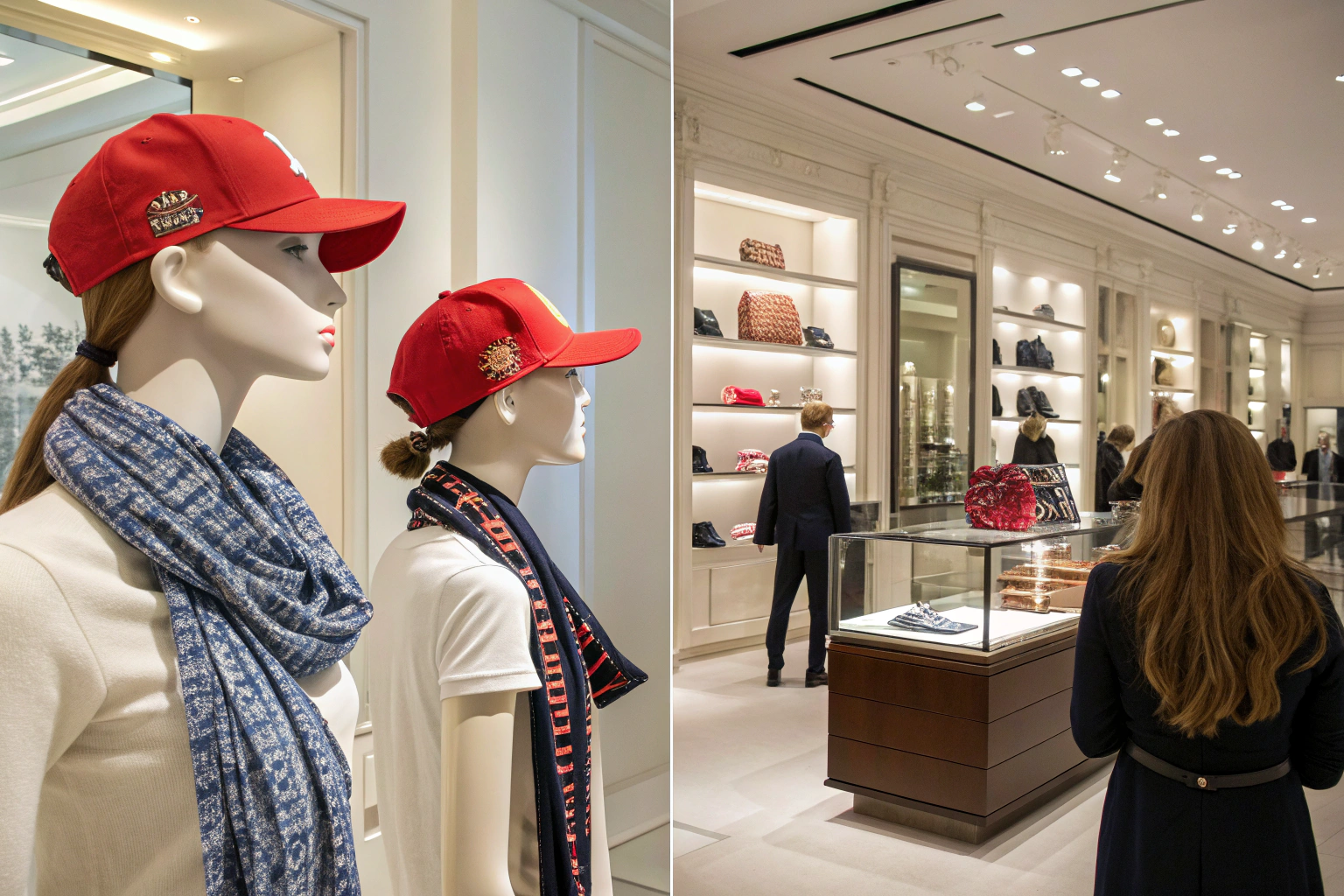
The US market often favors bold, logo-driven, and trend-reactive styles. Think statement hair clips, oversized hair bands, and team-branded baseball caps. The "more is more" philosophy can often be seen. In contrast, European consumers typically lean towards minimalist, timeless, and high-quality pieces. A finely woven scarf, a classic leather belt, or an elegant knit hat are staples. Europeans often value understated luxury over conspicuous branding.

What are the dominant aesthetic trends in each market?
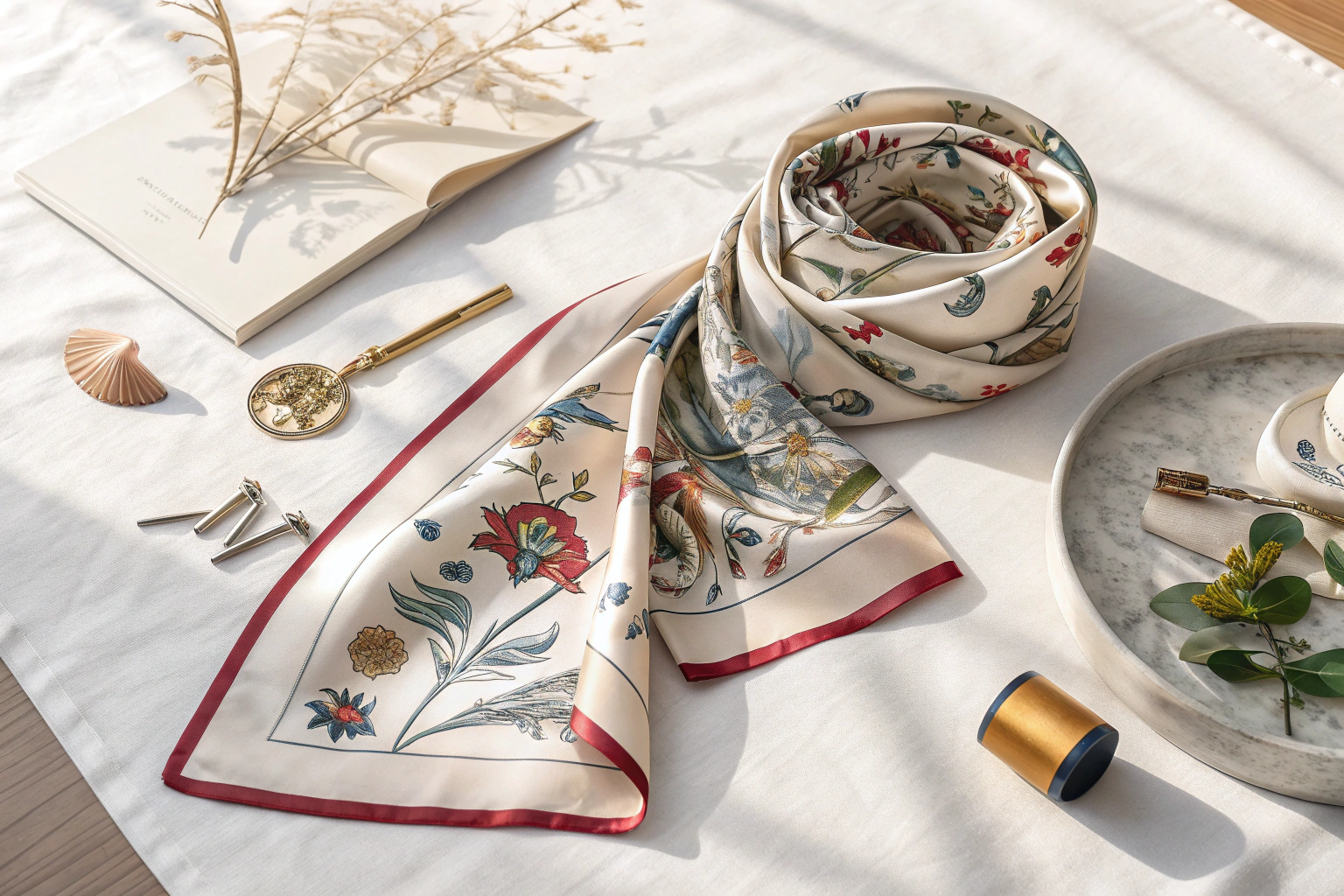
In the US, fast fashion has a significant influence on the accessory market. Trends come and go quickly, driven by social media and celebrity culture. This creates a high demand for fast production cycles to keep up with the latest looks. Popular items include vibrant, seasonal hair accessories and casual headwear like beanies and trucker caps. The market is very responsive to what's "hot" at the moment. In Europe, there is a greater appreciation for heritage and craftsmanship. The aesthetic is often more sophisticated and understated. For example, a French woman might invest in a single, high-quality silk scarf that lasts for years, while her American counterpart might own several trendy hair clips in different colors to match various outfits. This fundamental difference in approach shapes the entire product development cycle.
How does material and quality perception differ?
The expectation of quality is closely tied to the price point in the US, with a strong mass-market segment. However, there is a growing awareness and demand for sustainable materials, especially among younger demographics. For quality control, US importers often require specific tests for safety and durability. European markets have stricter regulations and a longer history of valuing eco-friendly production. The demand for certification like OEKO-TEX for textiles or REACH for chemicals is much higher. A European buyer is more likely to ask detailed questions about the origin of materials and the ethical standards of the factory. This focus on sustainability is not just a trend but a core part of the purchasing decision for many European consumers.
What Are The Key Sourcing and Logistics Challenges?
Getting your accessories from the factory to the shelf involves different hurdles in the US and Europe. Understanding these logistical and regulatory challenges upfront can save you significant time and money, impacting your final landed cost.
The most prominent challenge for the US market is navigating the complex tariff system, particularly the Section 301 tariffs on Chinese imports. This directly affects the costing of goods. For Europe, the main challenge is adapting to the new post-Brexit UK regulations and the diverse import requirements across 27 different EU member states. Both regions require meticulous attention to logistics planning and documentation, but the specific rules vary greatly.

How do tariff and customs processes compare?
Sourcing from China for the US market means you must account for US tariffs. The duty rates can be substantial, and the rules of origin are strict. Many of our clients seek suppliers, like us, who have experience in classifying products correctly to avoid costly delays. For Europe, the customs union simplifies trade within the EU, but declarations are still required. Since Brexit, shipping to the UK has become a separate customs procedure. The paperwork for the EU includes a greater emphasis on product certification and compliance with its extensive set of safety and environmental standards, which can be a more complex barrier than tariffs themselves.
What are the differences in shipping and lead times?
Shipping to the US West Coast from China is generally faster than to most European ports. However, the US has its own challenges with domestic logistics and port congestion. Reliable partners who provide clear sailing schedules are essential for managing inventory and meeting promotional deadlines. For Europe, the transit time can be longer, and the final delivery is often to multiple countries, adding another layer of complexity. A consistent pain point for our clients is the lack of visibility and the timeliness of updates once a shipment is en route. We provide regular tracking updates to give our clients peace of mind and help them plan their inventory more effectively.
How Do Retail Landscapes and Distribution Channels Differ?
Where and how consumers buy accessories is another major point of divergence. The structure of retail in the US and Europe dictates your market entry strategy and the type of partners you need.
The US market is dominated by large-scale retailers, from major department stores and big-box chains to powerful e-commerce platforms like Amazon. The buying power is concentrated. Europe's retail landscape is more fragmented, with a stronger presence of independent boutiques, specialty chains, and regional department stores. While large supermarkets and online giants are also powerful, the path to market is often more nuanced.

What is the role of major supermarkets and online stores?
In the US, securing a contract with a major supermarket or a national chain can mean enormous order volumes. These buyers are highly price-sensitive and require suppliers to have robust quality control systems and the capacity for large, consistent production runs. The rise of online store owners and drop-shipping models is also a key feature of the US market. In Europe, while large supermarkets like Carrefour are important, they often cater to a more localized product mix. The e-commerce landscape is also varied, with different platforms leading in different countries (e.g., Amazon in Germany, Zalando in fashion).
How do brand relationships and buying cycles work?
US buyers often operate on a highly competitive, transactional model. Decisions are fast, and the focus is on the bottom line. The development cycle needs to be quick to match their pace. European buyers, particularly those representing established brands or boutiques, often seek to build long-term relationships with their manufacturers. They are more involved in the design process and value a supplier's ability to collaborate on creating unique pieces. The buying cycle might be longer, as it involves more back-and-forth communication and a deeper focus on the story and craftsmanship behind the accessories.
Which Market Offers Faster Production and Development Speed?
Speed to market is a critical competitive advantage. However, the definition of "fast" and the factors that influence it can differ significantly between these two markets.
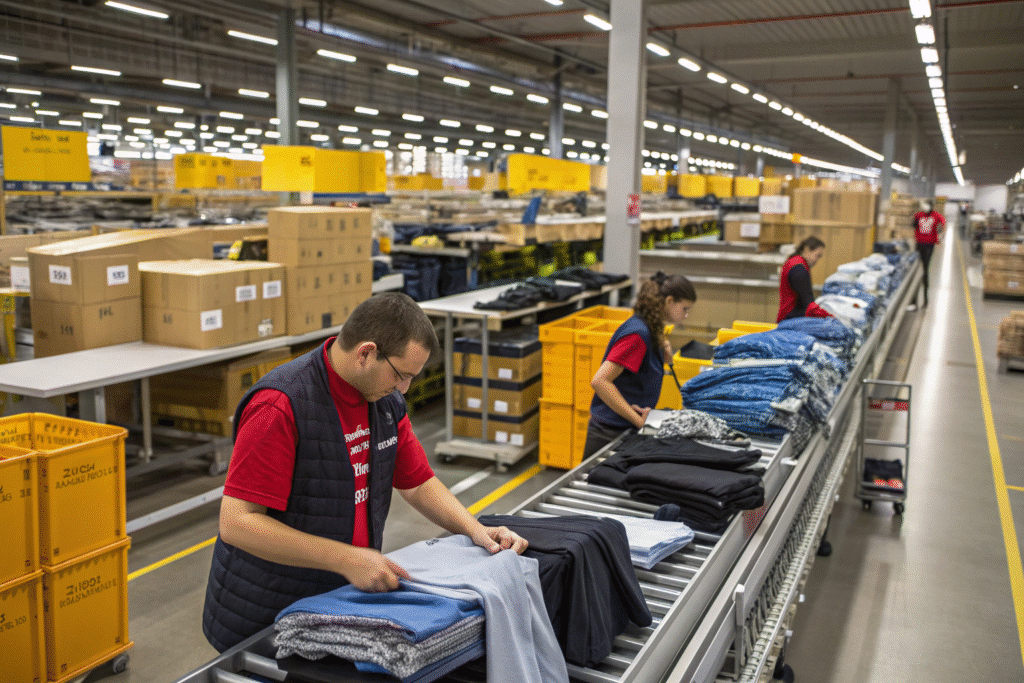
The US market typically demands the fastest turnaround times, driven by a relentless trend cycle and the need to constantly refresh inventory. The expectation for fast development is extremely high. Europe, while still competitive, often allows for a slightly longer timeline, prioritizing quality and meticulous design over sheer speed. However, this is a generalization, and fast-fashion giants in Europe are also pushing for rapid cycles.
How does the approach to new product development differ?
In our experience, American clients frequently approach us with a ready-made sample or a clear idea from a trend forecast and ask, "How fast can you make this?" The emphasis is on replicating a trend with high yield and getting it to the shelves within weeks. The process is very direct. European clients are more likely to engage our design team in a collaborative process. They might provide a mood board or a concept and work with us to develop a unique product, which involves multiple sampling rounds and adjustments. This process ensures a higher degree of customization but naturally takes more time.
What drives the need for speed in each market?
The US consumer's appetite for newness is the primary driver. The success of retailers like Shein and Fashion Nova has conditioned the market to expect a constant influx of new styles. This puts immense pressure on the entire supply chain, from fast production in the factory to expedited logistics. In Europe, the driver is often the specific selling season (e.g., the well-defined summer and winter sales periods) or a brand's carefully curated collection launch. Speed is important, but it is balanced against the need to maintain a cohesive brand image and a reputation for quality. The timeliness is about hitting a specific calendar date rather than a continuous, rapid-fire release of products.
Conclusion
The US and European accessory markets present distinct opportunities and challenges. The US offers massive scale and fast turnover but is highly competitive and price-sensitive, with the added complexity of tariffs. Europe offers a focus on quality, sustainability, and brand value but requires navigating a fragmented retail landscape and stricter regulations. Success in either market depends on choosing a manufacturing partner that understands these nuances deeply.
A one-size-fits-all sourcing strategy will not work. Your approach must be tailored to the specific demands of each region, from the design aesthetic and material choices to the logistics and compliance requirements. By partnering with a factory that has experience serving both markets, you can mitigate risks and capitalize on the unique strengths of each. If you are looking to develop and produce your own accessory lines with a partner who understands these critical differences, we invite you to contact our Business Director Elaine at elaine@fumaoclothing.com. Let's discuss how we can help you succeed on both sides of the Atlantic.