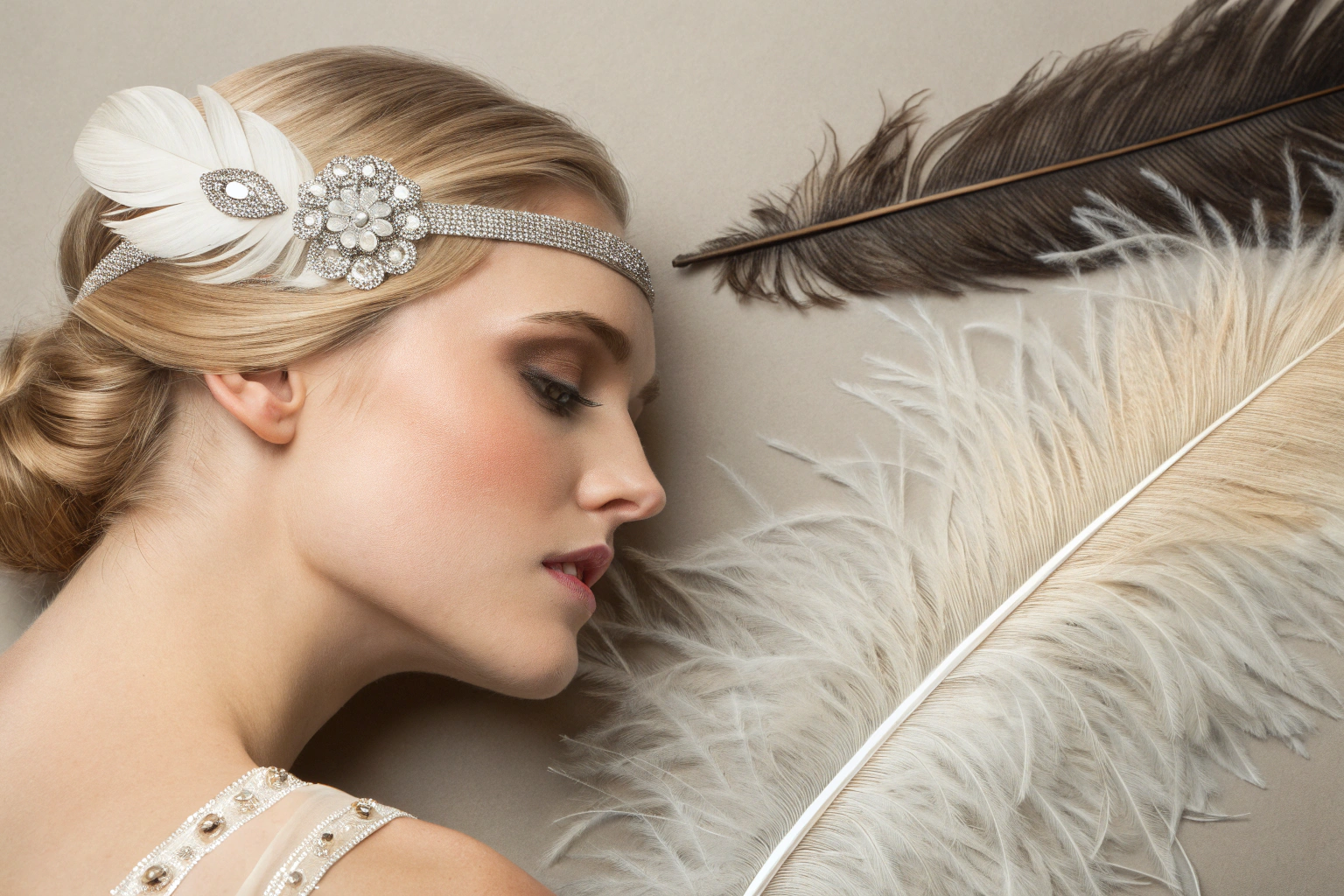
I remember a call with a designer from a high-end fashion house in Milan. She was breathless with excitement. She had just returned from a trip to South America and was inspired by the local birds. She wanted her next collection to feature beautiful, dramatic feather hair clips and headbands. But then her voice changed. "I'm terrified," she admitted. "I don't know where to start. How do I source them ethically? How do I get them through customs? What if they arrive damaged or infested?" Her excitement was real, but so was her fear. And she was right to be cautious.
Sourcing accessories with feathers involves navigating a complex landscape of ethical sourcing, international regulations, and specialized handling. The key considerations are: ensuring the feathers are sourced ethically and legally, often as a by-product of the food industry; complying with strict international wildlife trade laws like CITES; and understanding the unique care and quality control required for this delicate, natural material. At Shanghai Fumao Clothing, we have developed deep expertise in this area, guiding brands through every step of the process to create beautiful, legal, and ethically sound feather accessories.
That designer's fear was not unfounded. Feathers are not like fabric or metal. They are a natural product with a complex supply chain and strict legal oversight. One wrong step can lead to seized shipments, fines, and reputational damage. But with the right knowledge and the right partner, feathers can add an unparalleled touch of luxury, texture, and drama to your accessories. Let me walk you through the four most critical things you must know before you start.
What Laws Regulate the Import of Feather Accessories?
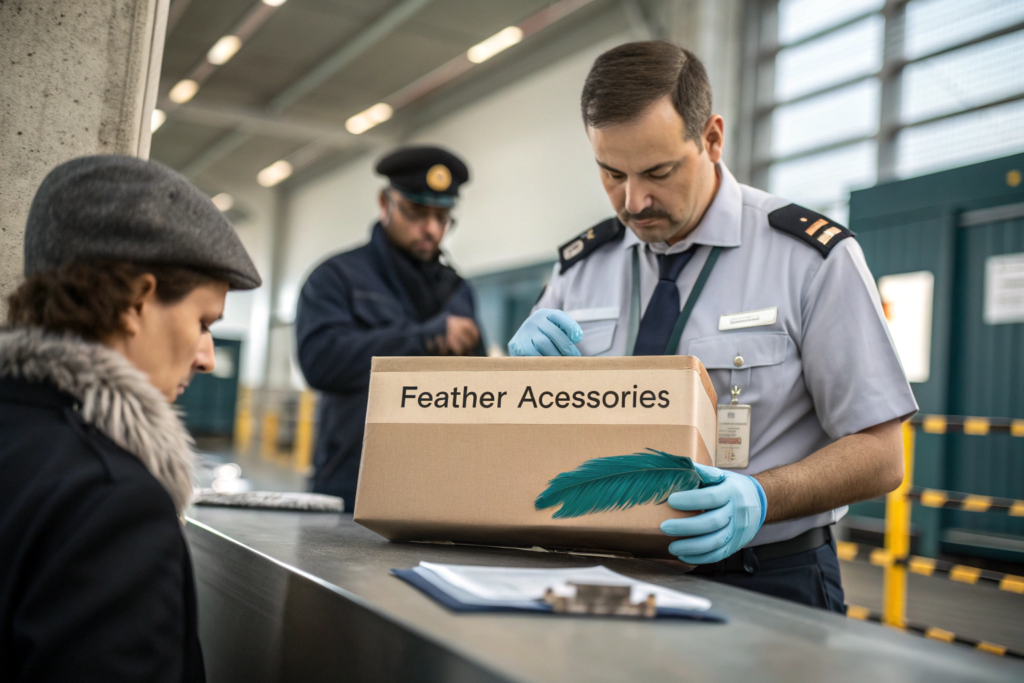
You can source the most ethical feathers in the world, but if you don't have the correct paperwork to get them into your country, it doesn't matter. Your shipment will be stopped. Customs regulations for animal products, including feathers, are strict in almost every country, especially the United States and those in the European Union. Ignorance of the law is not an excuse, and the penalties can be severe.
The primary regulatory body in the US is the Fish and Wildlife Service (FWS) , not just Customs and Border Protection. They enforce the Lacey Act and the Wild Bird Conservation Act. For many feather imports, you will need a Declaration for Importation of Fish or Wildlife (Form 3-177). You must be able to clearly identify the species of bird (by its scientific name), the country of origin, and that the import is legal. Your supplier must provide you with this information. Failure to declare correctly can result in seizure and forfeiture of your goods.
The requirements vary by country and by species. For common, farmed species like ostrich, the process is usually straightforward, but you still need to declare them. The key documents you will need from your supplier are a Packing List, a Commercial Invoice, and a Certificate of Origin. You may also need a Health Certificate from the exporting country's veterinary authority, certifying the feathers have been cleaned and sterilized. This is crucial to prevent the spread of diseases like avian flu. The feathers must be processed in a way that makes them biologically safe. This usually involves washing, heat-treating, or fumigating. We handle all of this for our clients. Our experienced shipping team prepares all the necessary documentation, classifies the products correctly using the right Harmonized System (HS) codes, and works with freight forwarders experienced in shipping animal products. We ensure your shipment arrives without legal issues. This is a core part of the logistics and compliance service we offer at Shanghai Fumao Clothing.
Do I need a special permit for every feather accessory?
Not for every single one, especially if the feathers are from common, non-CITES listed, farmed species like ostrich or turkey. However, you are always required to declare them accurately. For CITES-listed species, you absolutely need permits from both the exporting country (China) and the importing country (e.g., the US). The process for CITES permits can take weeks or months, so planning is essential. Your supplier must be able to facilitate this.
What happens if my shipment is seized by customs?
This is a worst-case scenario. Your goods can be confiscated and destroyed. You may face fines. Your brand could be put on a watch list, making all future imports more difficult. This is why working with an experienced partner is so critical. We ensure every "i" is dotted and every "t" is crossed on the documentation to prevent this from ever happening. Prevention is the only safe strategy.
How Do You Ensure Quality and Consistency in Feather Accessories?
Feathers are a natural product. No two are exactly alike. This is part of their beauty, but it also presents a huge challenge for manufacturing. You cannot order feathers like you order a roll of fabric. You must have a system for grading, sorting, and matching them to ensure your finished accessories have a consistent, high-quality appearance. This requires specialized knowledge and a hands-on approach.
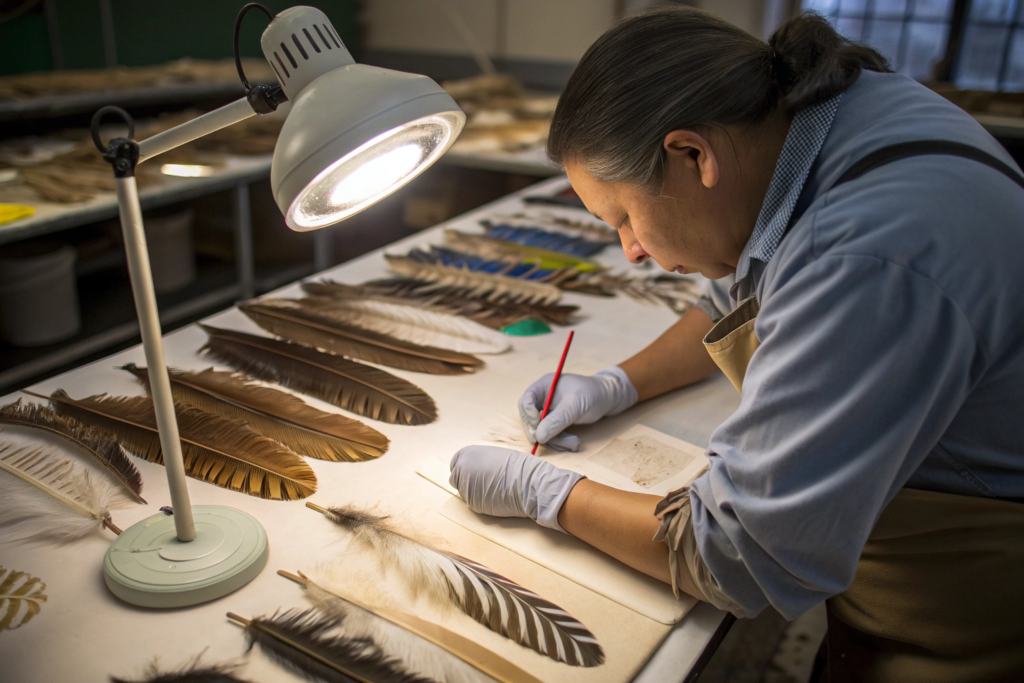
Quality control for feathers is a meticulous, manual process. Feathers are graded by size, shape, color, and condition. For a single accessory, like a feather hair clip, a worker must select multiple feathers that are a perfect match. This requires a trained eye. We also inspect for any damage, such as broken barbs, insect damage, or signs of poor processing (like a foul smell). Only feathers that pass this rigorous inspection are used. The rest are discarded or used for lower-grade products. This is the only way to ensure a consistent, luxurious final product.
The processing of raw feathers is a science in itself. Raw feathers straight from the farm are dirty and can carry bacteria. They must go through a multi-step cleaning and sterilization process. This involves washing in specialized detergents, sometimes bleaching or dyeing to achieve desired colors, and then heat-treating or steaming to sterilize them and restore their fluffiness. After processing, they are often treated with a light dusting of safe chemicals to prevent any future insect infestation, a common concern with natural fibers. This is a critical step. Poorly processed feathers can arrive at your customer's home with a bad smell or, worse, with live pests. We work only with feather processors who follow international standards for cleaning and sterilization. Our quality control team then re-inspects the feathers upon arrival at our factory. We also store them in climate-controlled conditions to prevent any deterioration. This attention to detail ensures the feathers in your accessories are beautiful, clean, and safe. This level of care is part of our commitment to quality management systems.
How do you match feather colors for a consistent look?
This is an art. Feathers, even from the same bird, can have subtle color variations. When we receive dyed feathers, we sort them by shade batches, much like dye lots for fabric. For natural, undyed feathers, we sort by the natural variations. Our skilled workers then hand-pick feathers that are visually identical for each individual accessory. For a large production run, we ensure that all feathers used come from the same dye lot or natural color batch to maintain overall consistency.
What is "tipping" and why is it important?
"Tipping" refers to the very end of a feather. In some feathers, like ostrich plumes, the tips are the most delicate and desirable part. In others, like some hackle feathers, the tips might be trimmed to create a specific shape. The condition of the tips is a key quality indicator. Broken or frayed tips make a feather look worn and cheap. During our inspection, we carefully check every feather's tip for damage. This level of detail is what separates a luxury feather accessory from a costume piece.
How Do You Design and Manufacture with Feathers?
Once you have the legalities and quality control sorted, you have to actually make the product. Designing and manufacturing with feathers is completely different from working with textiles or metal. Feathers are three-dimensional, delicate, and have a direction. They require specialized techniques and a huge amount of hand labor. This is not something that can be easily automated.
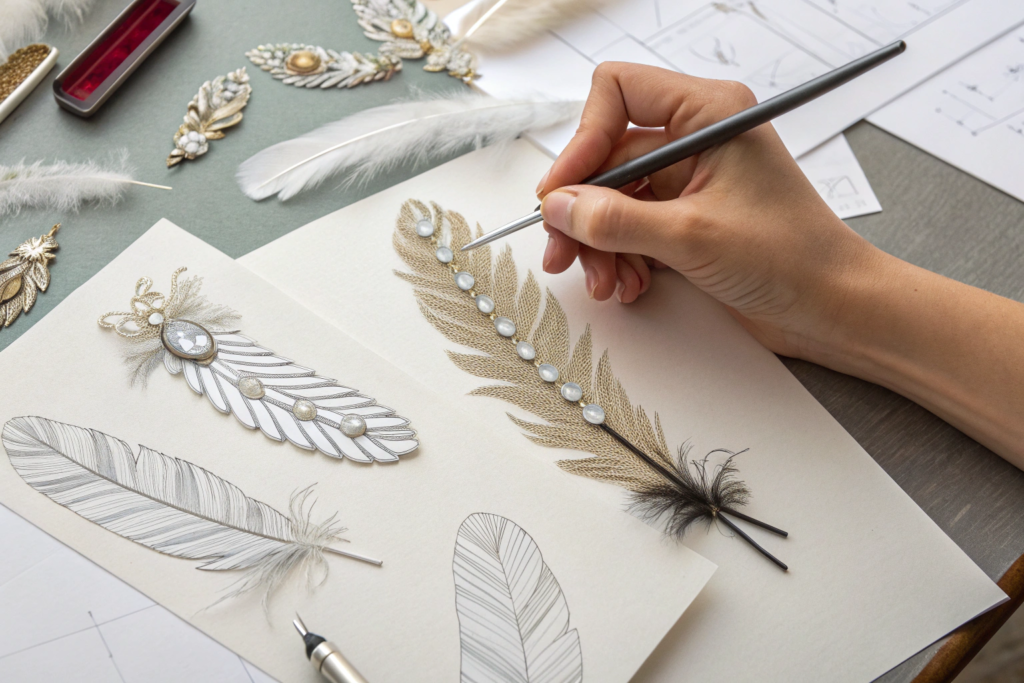
Manufacturing feather accessories is almost entirely a handcraft. Each feather must be placed, positioned, and secured individually. This requires skilled artisans who understand how to work with the material. The design must consider the natural movement and drape of the feathers. The attachment method, whether gluing, stitching, or wiring, must be incredibly secure without damaging the delicate barbs. The backing material, whether a hair clip, a headband, or a brooch pin, must be chosen to provide a stable foundation. This is a slow, meticulous process that values quality over speed.
Let's talk about some of the specific techniques. Gluing is common, but it requires the right adhesive. It must be strong, flexible when dry, and clear, so it doesn't show. Too much glue can seep onto the feather and ruin it. Stitching is used for attaching feathers to fabric bases, like on a hat or a headband. This requires extremely fine needles and a steady hand. Wiring is used to create feather "clusters" that can be attached to a clip or a stem. Each feather stem might be bound to a fine wire with thread, creating a flexible, posable unit. The design itself must also account for the feather's "grain." Feathers have a natural direction; they lie flat in one direction and roughen up if brushed the wrong way. A good design ensures all feathers are oriented correctly for a smooth, beautiful finish. This level of craftsmanship is something we deeply value. Our team of artisans has years of experience in these delicate techniques. You can see examples of similar millinery and feather craft in museum collections, highlighting the tradition behind this work. At Shanghai Fumao Clothing, we combine this traditional skill with modern design to create accessories that are truly special.
Can feather accessories be made to be durable for everyday wear?
Feathers are naturally delicate, so durability is a relative concept. However, we can maximize it. Using high-quality, well-processed feathers is the first step. A secure attachment method is the second. We also advise on design. A short, dense feather like marabou is more durable for a scrunchie than a long, delicate ostrich plume. For items meant for more frequent wear, we can recommend feather types and construction methods that will hold up better. We are always honest with our clients about the care required for feather products.
How do I care for a feather accessory?
This is a crucial question for your customers. Feathers should be kept dry. Water can ruin their shape and structure. They should be stored in a breathable bag or box, away from dust and direct sunlight, which can fade colors. They should not be crushed under heavy items. To clean them, a gentle shake or a blast of cool air from a hairdryer on a low setting can remove dust. They are not washable. Providing clear care instructions with your product protects both the customer and your brand.
Conclusion
Sourcing accessories with feathers is not for the faint of heart. It requires navigating a complex world of ethical concerns, international law, specialized processing, and delicate craftsmanship. But for those who do it right, the reward is a product of unparalleled beauty and texture that stands out in a crowded market. It is a statement of luxury, drama, and a connection to the natural world.
At Shanghai Fumao Clothing, we have made it our mission to master this complexity. We have the supplier relationships to ensure ethical, legal sourcing. We have the logistical expertise to navigate customs smoothly. We have the quality control systems to inspect and grade every single feather. And we have the skilled artisans who can transform these delicate materials into stunning accessories. We take the fear out of the process, so you can focus on the creativity.
Are you ready to add the magic of feathers to your collection? Let's talk about how we can do it safely, legally, and beautifully. Contact our Business Director, Elaine, at elaine@fumaoclothing.com to start the conversation.