As someone who's been in the fashion accessory manufacturing business for over two decades, I get this question a lot. You've designed a fantastic new belt or a stylish hat, and now you need to offer it in different sizes. But how do you scale it? It seems simple, but getting it wrong can lead to a warehouse full of products that don't fit anyone, unhappy customers, and wasted investment. It's a pain point I've seen trip up even seasoned brands.
The hard truth is there's no single, universally mandated "standard" for accessory size grading. Unlike apparel, which has some (often inconsistent) ASTM guidelines, accessory sizing is largely brand-specific and product-dependent. It's a blend of market research, target demographic data, and practical manufacturing considerations. A "one-size-fits-all" approach rarely works when you're aiming for high quality and customer satisfaction.
This lack of a universal rulebook can feel daunting. But it's also an opportunity. It means you can create a sizing strategy that perfectly fits your brand and your customer. Over the years, we at Shanghai Fumao Clothing have helped hundreds of clients navigate this process. In this article, I'll pull back the curtain and share the practical, industry-insider methods we use to establish logical and profitable size grading for various accessories. We'll move from general principles to specific product categories, giving you a clear roadmap.
How Do You Determine the Base Size for a New Accessory?
Starting a new product line is exciting, but it's also filled with questions. One of the first hurdles is deciding on the "base size" or "sample size." This is the foundational measurement from which all other sizes will be graded up or down. Get this wrong, and your entire size range could be off-kilter, leading to poor fit across the board and costly returns from frustrated customers. It's a classic case of a small oversight causing a major headache.
The key is to root your base size in solid data, not guesswork. It should represent the most common measurement for your target customer. For example, if you're targeting the average American woman, you wouldn't use a petite model as your fit standard. This initial decision is the bedrock of your product's commercial success. A well-chosen base size ensures that your core product fits the largest segment of your audience perfectly.
To nail down this crucial starting point, you need to dive deep into market data and understand your ideal customer avatar. It's less about a single magic number and more about a strategic decision informed by research. By combining demographic data with competitor analysis, you create a solid foundation for your entire sizing structure. This data-driven approach minimizes risk and sets you up for a successful product launch. It also helps in understanding the nuances of What Are the Best Materials for Different Accessories?, as material properties can influence fit.
What is a fit model?
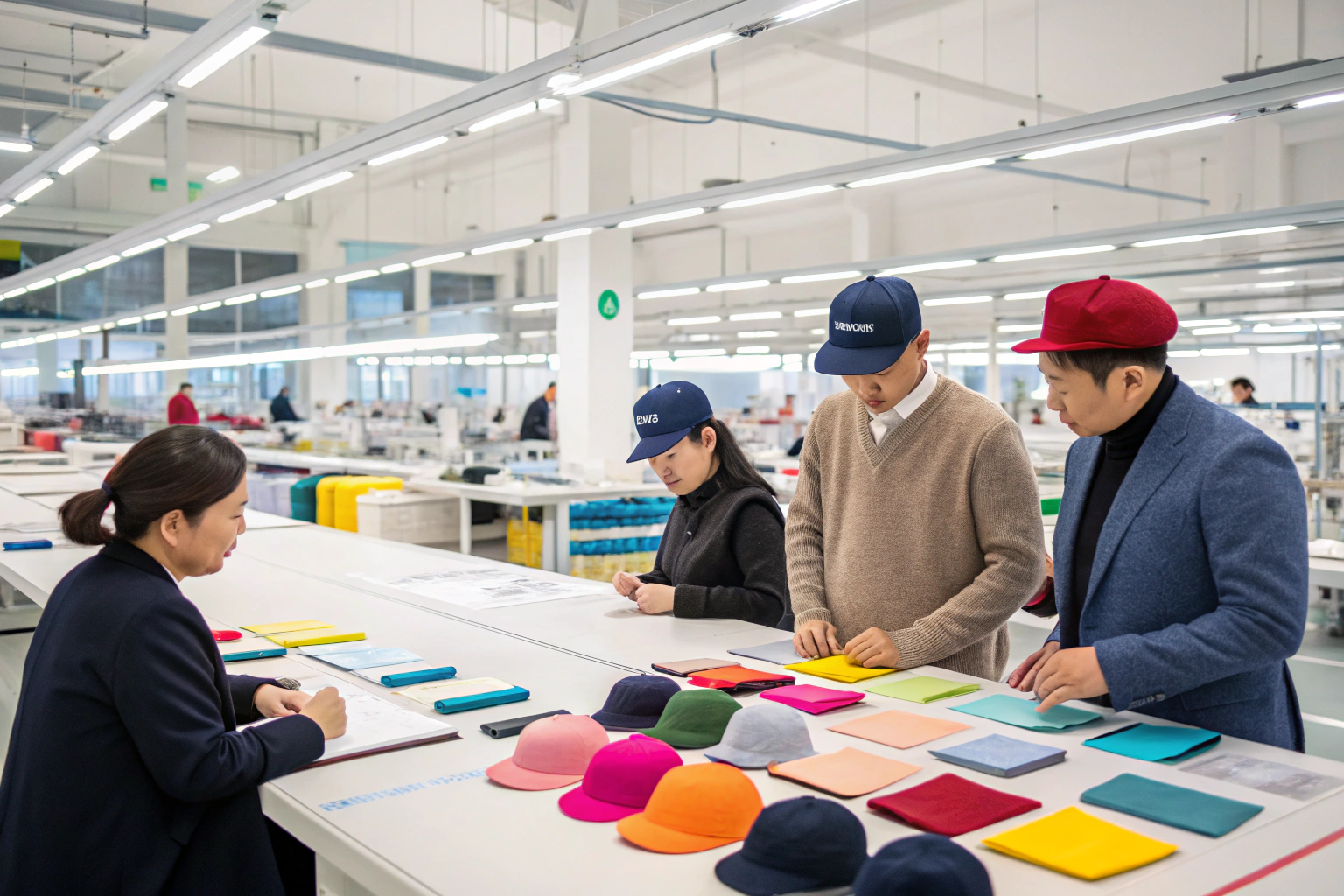
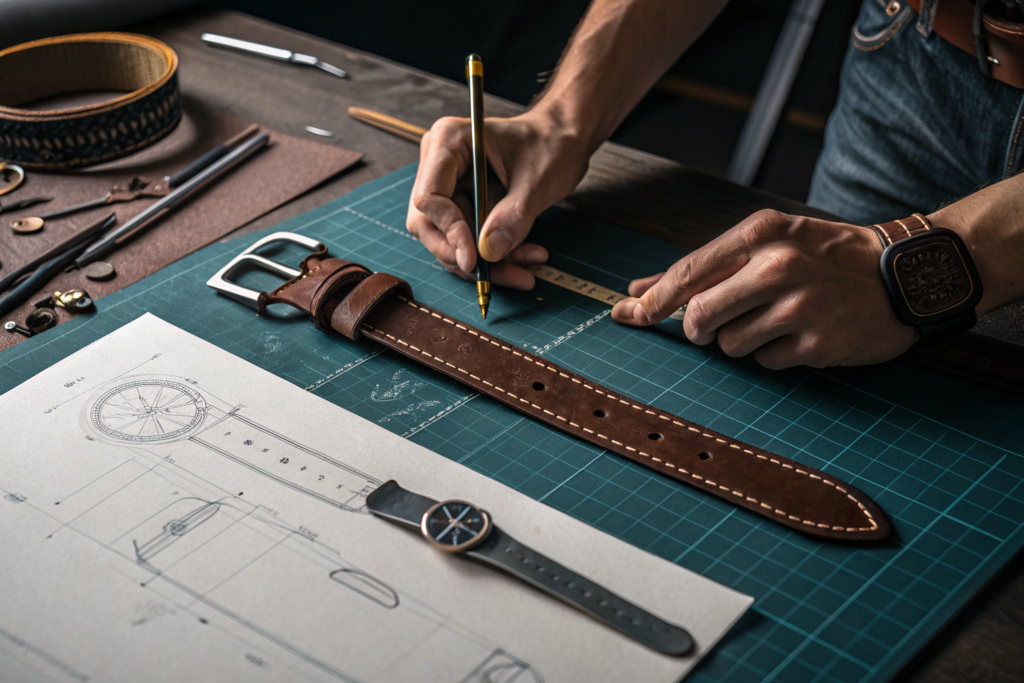
A fit model is a person who is selected to have the body measurements that most closely represent the brand's target customer. They are not runway models; their job is to try on prototype garments and accessories to test the fit, comfort, and movement. For a belt, a fit model would help us see where the holes should be placed for a comfortable fit. For a hat, they would confirm if the circumference is snug but not tight. Using a fit model is a critical step because it provides real-world feedback that you can't get from a mannequin. It helps us catch potential issues, like a scarf being too bulky when tied or a hat brim obstructing vision, before we ever go into mass production. This process is a key part of our quality control at Shanghai Fumao Clothing.
How to analyze competitor sizing?
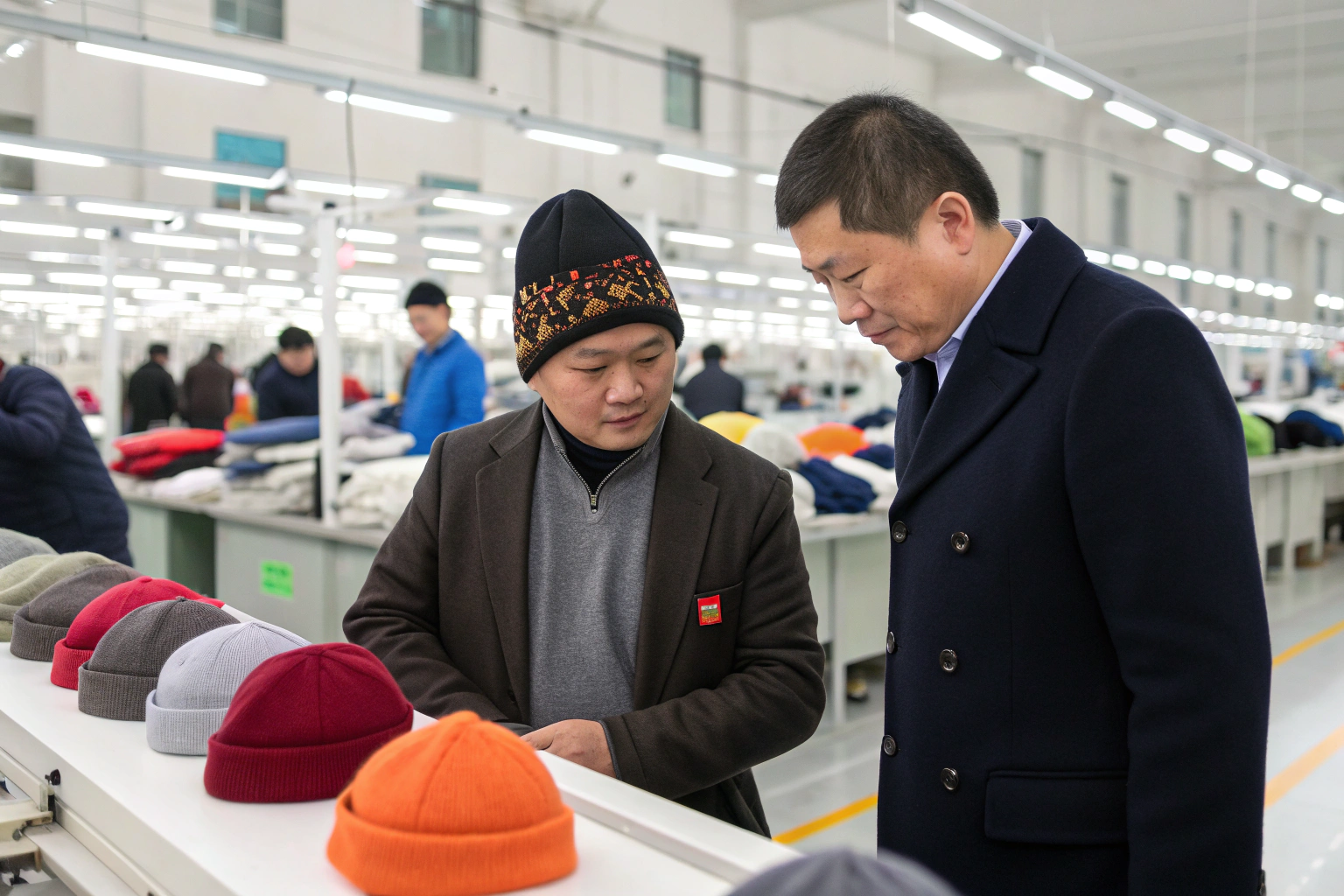
Analyzing your competitors' sizing is like getting a free market research report. Start by identifying 3-5 key competitors who target a similar demographic. Purchase a few of their best-selling accessories, like a baseball cap or a set of hair clips. Don't just look at their size chart online; measure the actual products yourself. For a hat, measure the circumference. For a belt, measure the length to the middle hole. Create a simple spreadsheet to compare these measurements. This data will reveal patterns and highlight the "average" size being sold in your niche. It's a straightforward yet powerful way to benchmark your own sizing strategy and ensure you're meeting established customer expectations.
What Are the Best Materials for Different Accessories?
You've got your design and your sizing figured out. Now, what do you make it from? The material you choose is just as important as the design itself. Using the wrong material can ruin a great concept. Imagine a winter hat that isn't warm or a luxury belt that cracks after a few wears. Customers notice these things, and it directly impacts their perception of your brand's quality and value. This is a pain point where cutting corners can cost you dearly in the long run.
The perfect material elevates your design, ensures durability, and meets customer expectations for comfort and performance. A cozy knit hat needs soft, insulating yarn like merino wool or a high-quality acrylic blend. A structured baseball cap requires a sturdy material like cotton twill or canvas to hold its shape. For a luxury shawl, nothing beats the feel of silk or cashmere. Choosing the right material is a promise of quality to your customer, ensuring the product not only looks good but also functions as it should. It's a critical decision that balances aesthetics, function, and cost.
The choice of material goes beyond just feel and look; it directly impacts production, cost, and even your brand's ethical positioning. For instance, the debate between genuine leather and high-quality vegan leather involves factors like cost, durability, and sustainability—a growing concern for many consumers. Similarly, the choice between natural fibers like cotton and wool versus synthetic fibers like polyester and acrylic affects everything from the item's breathability to its price point. Understanding these trade-offs is essential for creating a product that is not only desirable but also viable and aligned with your brand values.
What are the pros and cons of natural vs. synthetic fibers?
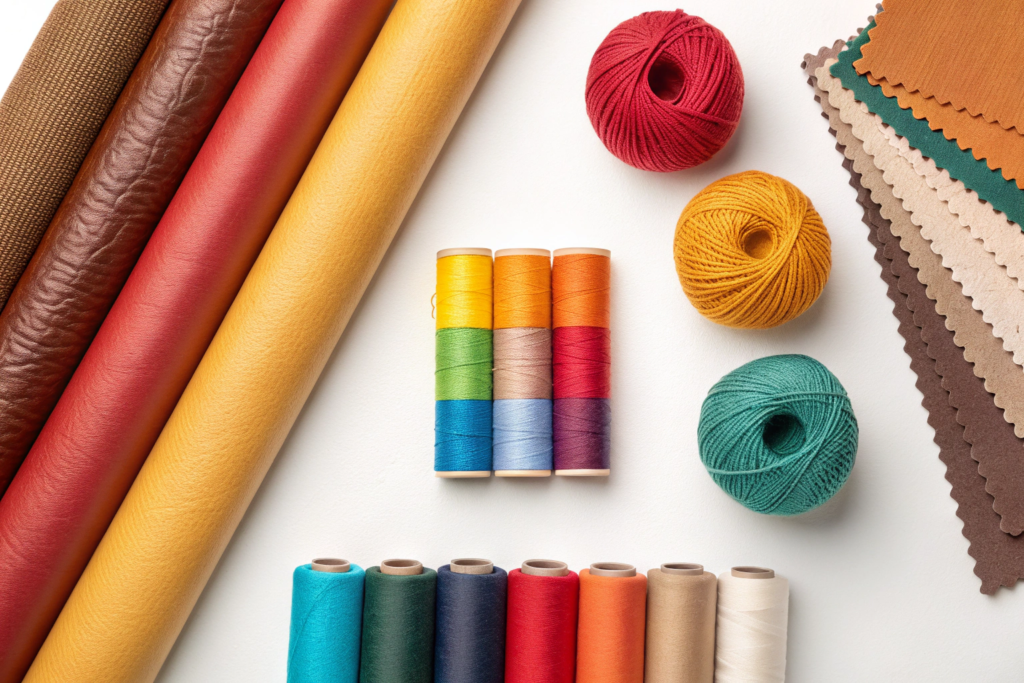
Natural fibers, like cotton, wool, and silk, are known for their breathability and luxurious feel. Cotton is soft and absorbent, making it great for hats and scarves. Wool is incredibly warm and insulating, perfect for winter accessories. However, they can be more expensive and may require special care. Synthetic fibers, such as polyester, acrylic, and nylon, are often more durable, water-resistant, and affordable. They are fantastic for items like umbrellas or performance-oriented baseball caps. The downside is they can be less breathable and don't always have the same premium feel as their natural counterparts. The best choice often depends on the specific product and the desired balance between cost, performance, and luxury.
Why is material weight important for scarves and shawls?
Material weight, often measured in GSM (grams per square meter), is critical for scarves and shawls because it determines the drape, warmth, and seasonality of the product. A lightweight silk or chiffon scarf (under 70 GSM) will have a beautiful, airy drape, perfect for a spring or summer accessory. A mid-weight cashmere or fine wool shawl (100-200 GSM) offers warmth without being bulky, making it a versatile three-season item. A heavy, chunky knit winter scarf (over 250 GSM) is designed for maximum insulation and coziness. Choosing the wrong weight can lead to a product that is functionally useless—a "winter" scarf that provides no warmth or a "summer" shawl that is too heavy and hot.
How to Ensure Quality Control in Sizing?
You've set your sizes and chosen your materials. But how do you make sure every single piece that leaves the factory is perfect? This is where quality control (QC) becomes your most important process. Inconsistent sizing is a brand killer. If a customer buys a "Medium" hat today, and a different "Medium" hat a month later that doesn't fit, you've lost their trust. This inconsistency can stem from many issues: different fabric batches, slight variations in sewing, or even human error. It's a persistent problem that requires a systematic solution.
A robust QC process for sizing is non-negotiable for any serious brand. It involves creating a detailed "tech pack" with precise measurements and tolerances for every size of every product. For example, a belt's length might have a tolerance of +/- 0.5 cm. A hat's circumference might have a tolerance of +/- 0.25 cm. Our team at Shanghai Fumao Clothing implements multi-stage inspections: we check the raw materials, we check the products during production, and we do a final inspection before shipping. This ensures that every item that reaches your customer is exactly as you intended.
Effective quality control is a combination of clear standards and rigorous enforcement. It's not enough to just write down the measurements; you have to build a system to check them. This is why having our own dedicated QC team on the factory floor is such an advantage. They can spot and correct issues in real-time, preventing small errors from becoming large, costly problems. This proactive approach is far more effective than simply inspecting a finished batch and hoping for the best.

What is a tolerance in manufacturing?
In manufacturing, "tolerance" refers to the permissible limit of variation in a physical dimension of a part. Nothing can be made to an exact measurement every single time, so tolerance defines an acceptable range. For example, if a specification for a belt's width is 3cm with a tolerance of ±0.1cm, any belt measuring between 2.9cm and 3.1cm is acceptable. Anything outside that range is rejected. Setting clear tolerances is fundamental to quality management because it provides an objective, measurable standard for what constitutes a "good" product. It removes guesswork and ensures consistency across thousands of units.
How do you create a tech pack for accessories?
A technical pack, or "tech pack," is the blueprint for your product. It's a comprehensive document that tells the factory exactly how to make your accessory. For sizing, it must include a detailed "spec sheet" with measurements for all key points of the product for every single size. For a hat, this would include crown height, brim width, and circumference. For a glove, it would include finger length, palm width, and overall length. The tech pack should also specify the materials, colors, hardware, and any logos or labels. A detailed tech pack is the single most important tool for communicating your vision to the manufacturing team and ensuring you get the product you designed.
What Are the Logistics of Offering Multiple Sizes?
So, you've decided to offer your new belt in five sizes. That's great for your customers, but it can be a nightmare for your inventory management. Instead of one SKU (Stock Keeping Unit), you now have five. This multiplies your complexity. You have to forecast demand for each size, manage stock levels for each size, and allocate warehouse space for each size. If you guess wrong and order too many of a slow-selling size, you're stuck with dead stock and tied-up capital. It's a common pain point that can quickly eat into your profits.
The solution lies in smart planning and a strong partnership with your manufacturer. Offering multiple sizes successfully requires a shift in thinking from just "making a product" to "managing a product line." This means using sales data to forecast demand for each size, setting minimum order quantities (MOQs) per size with your supplier, and implementing a robust inventory management system. A good manufacturing partner can help by offering flexible MOQs or faster production lead times, allowing you to reorder popular sizes more quickly without having to place a huge initial order. This agility is key to managing the logistical puzzle of multiple SKUs.
Beyond just inventory, the logistics of multiple sizes extend to your entire supply chain, from packaging to shipping. Each size may require its own unique barcode and label. Your shipping cartons need to be organized by size to streamline fulfillment. This is where having an experienced partner becomes invaluable. We can manage this complexity for you, from pre-packing assortments of sizes into master cartons to handling the direct-to-warehouse shipping. This integrated approach simplifies your operations, reduces your risk of error, and lets you focus on selling, not sorting.

What is an MOQ?
MOQ stands for Minimum Order Quantity. It is the smallest number of units a factory is willing to produce in a single production run. For example, a factory might have an MOQ of 500 units for a specific style of hat. When you introduce multiple sizes, this can get complicated. Some factories might require the MOQ per size, while others might allow you to split the total MOQ across different sizes (e.g., 200 Small, 200 Medium, 100 Large). Understanding and negotiating the MOQ is a critical business discussion with any supplier, as it directly impacts your initial investment and inventory risk.
How does size affect shipping costs?
Size, and more specifically dimensional weight, can significantly impact shipping costs. While a small accessory like a hair clip won't see much change, bulkier items like hats or large bags are a different story. Shipping carriers like FedEx and UPS use a formula that considers the size of the box, not just its weight. A large but lightweight box of straw hats can be more expensive to ship than a small, heavy box of metal buckles. When offering multiple sizes, especially for bulky items, it's crucial to optimize your packaging. Using poly mailers instead of boxes where possible, or designing cartons that pack a maximum number of units into the smallest possible volume, can lead to substantial savings on logistics.
Conclusion
Navigating the world of accessory size grading can seem complex, but as we've seen, it's a manageable process when broken down into logical steps. It begins with a data-driven approach to establishing your base size, moves through the critical selection of materials, is upheld by a strict quality control system, and is supported by smart logistical planning. There may not be a single industry-wide rulebook, but by following these principles, you can create a sizing strategy that builds customer trust, minimizes returns, and maximizes profitability. It's about being intentional and strategic at every stage.
For over 20 years, I've built my business on helping brands like yours turn great ideas into high-quality, commercially successful products. We're more than just a factory; we are a partner in your success. Our experienced team of project managers, designers, and QC specialists in Zhejiang is ready to provide the timely, professional, and reliable service you need to thrive.
If you're looking to develop your next line of fashion accessories and want a partner who understands the nuances of design, production, and logistics, let's talk. Contact our Business Director, Elaine, at elaine@fumaoclothing.com to start the conversation about producing your next order with us.