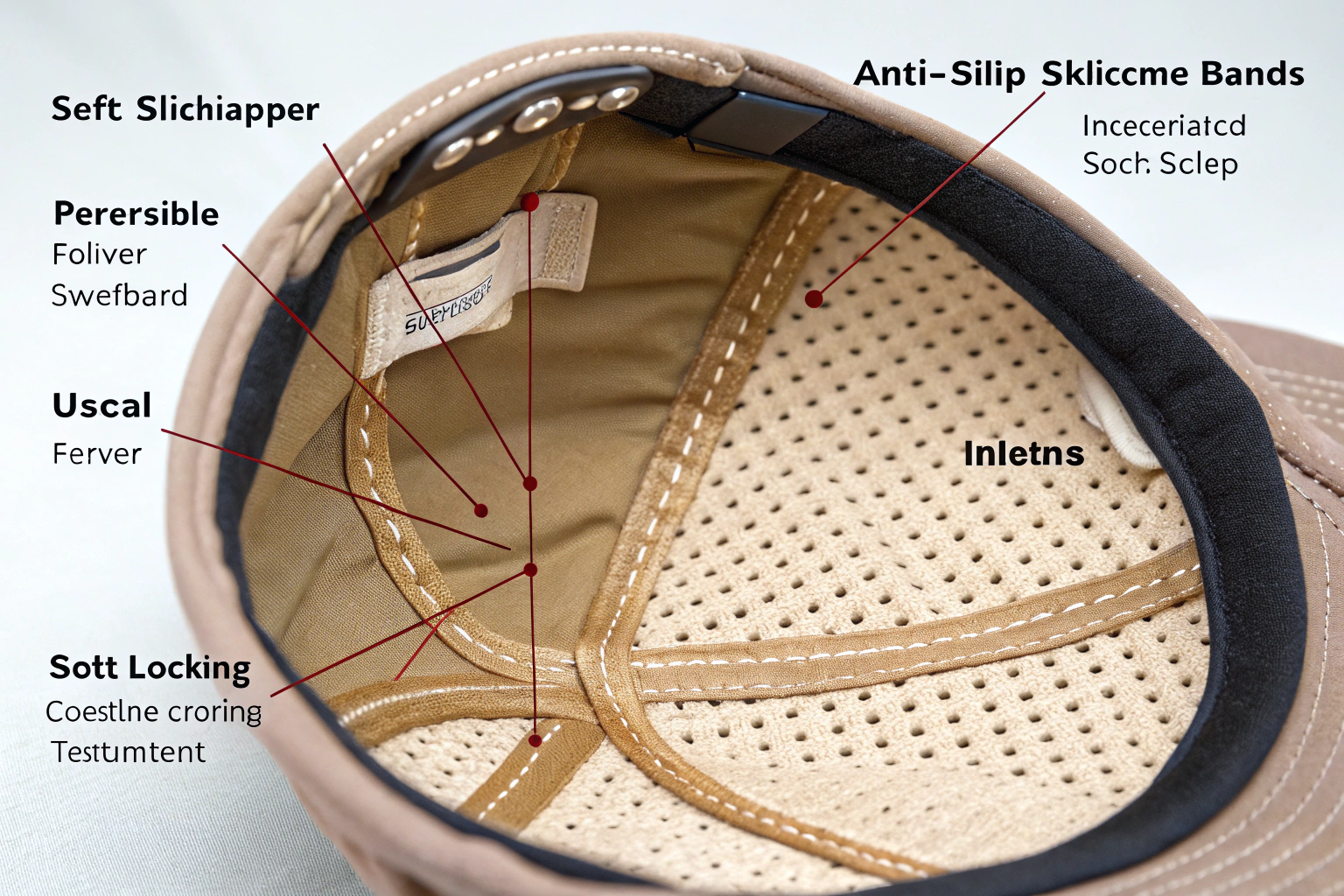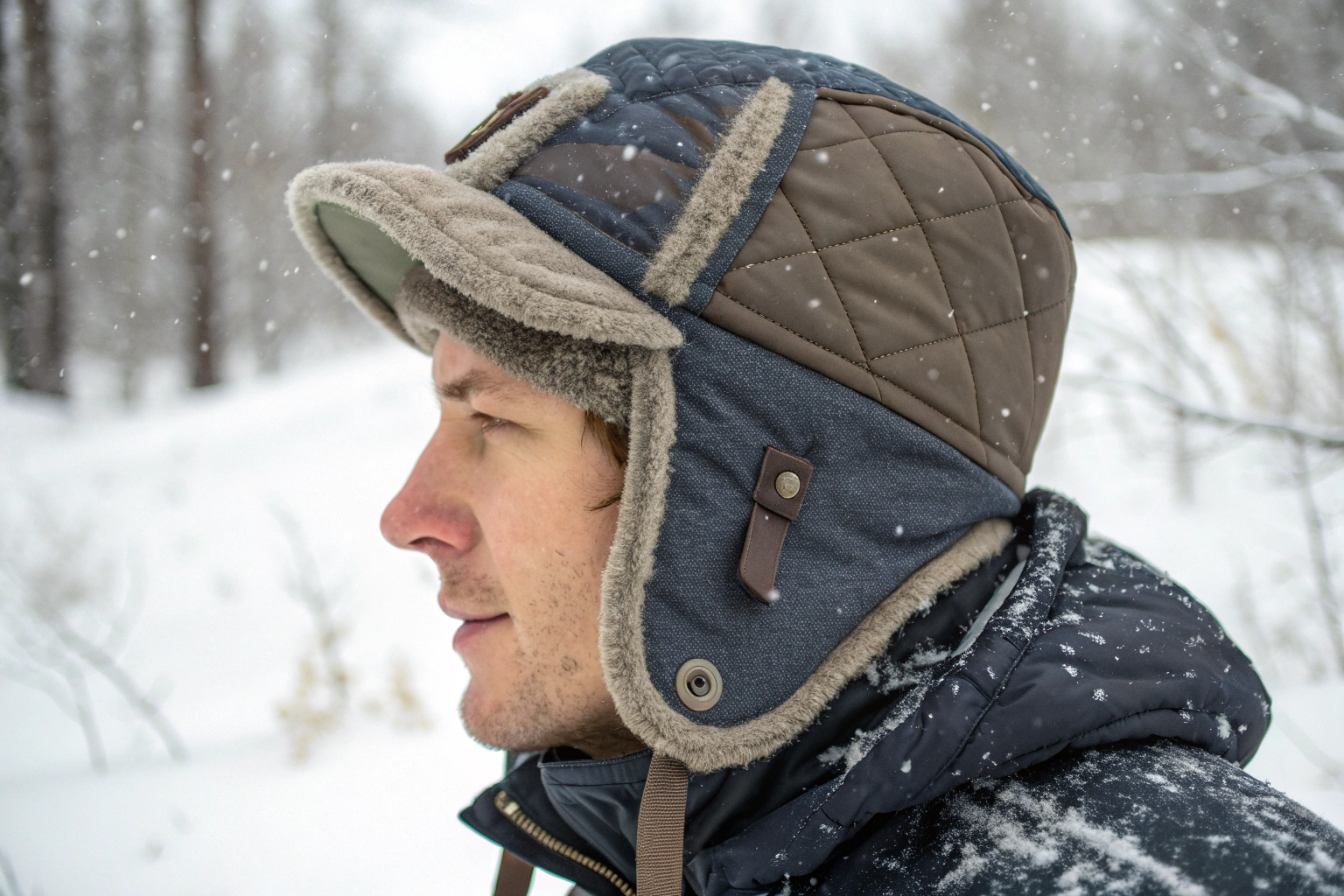
Winter hats with ear flaps, often called trapper hats or aviator hats, represent a specialized category of cold-weather headwear designed for maximum protection in harsh conditions. These hats combine traditional design elements with modern materials and technologies to address specific functional needs beyond basic warmth.
The functional features of winter hats with ear flaps include comprehensive ear protection, adjustable coverage systems, enhanced insulation distribution, weather-resistant materials, and multi-purpose design elements. At AceAccessory, our ear flap hat collections incorporate these functional features while maintaining style and comfort, making them suitable for both extreme outdoor activities and everyday winter wear in cold climates.At shanghaifumaoclothing https://shanghaiGarment.com, our ear flap hat collections fully integrate these core functional features.
This comprehensive guide examines the key functional features of winter hats with ear flaps, explaining how each element contributes to overall performance, comfort, and protection in cold weather conditions.
What Ear Protection Systems Do These Hats Provide?
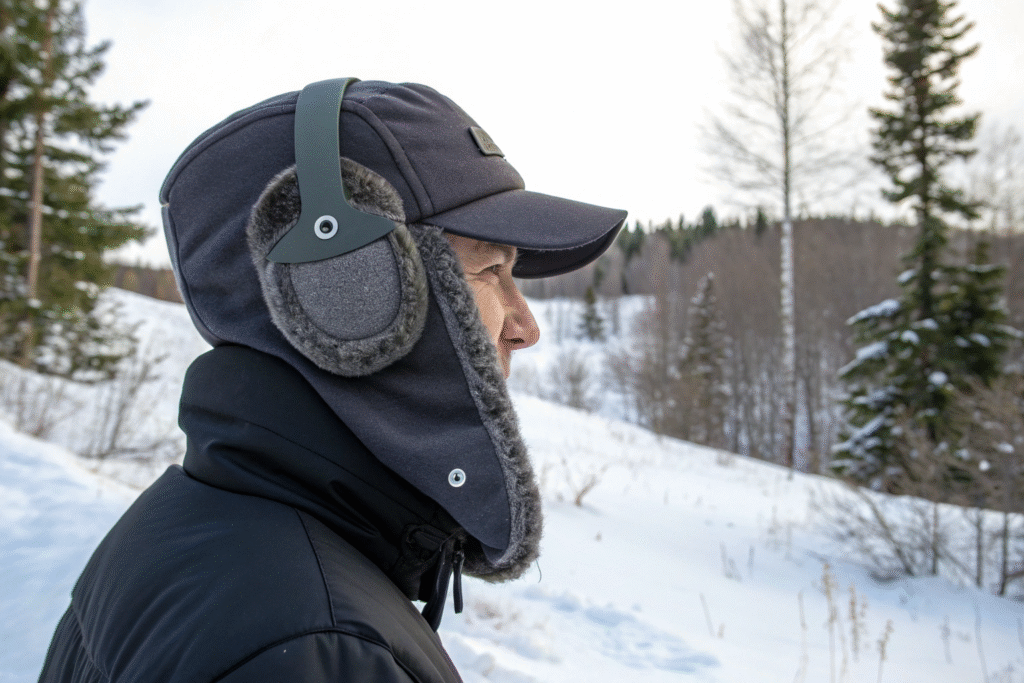
The primary function of ear flap hats is comprehensive ear protection, addressing one of the most vulnerable areas to cold exposure and frostbite. The ear protection systems in these hats incorporate both coverage and strategic design elements to maximize effectiveness.
Ear protection features include extended flap coverage, secure fastening mechanisms, wind-blocking construction, and adaptable positioning options. Our ear flap hat designs undergo rigorous testing to ensure they provide complete ear protection in various winter conditions, from dry cold to wet, windy environments.
How Do Extended Flaps Prevent Heat Loss?
Extended flaps prevent heat loss through several design strategies:
- Complete ear encapsulation that covers the entire ear structure
- Extended lower coverage that protects the area behind the jawline
- Contoured shaping that follows natural head and ear contours
- Sealed edges that prevent wind penetration around the ears
Our extended flap designs typically measure 3-4 inches below the earlobe, ensuring complete protection while allowing comfortable movement. The flaps incorporate multiple layers of insulation while maintaining flexibility, creating a microclimate around the ears that retains body heat effectively even in extreme wind chill conditions.
What Fastening Systems Ensure Secure Ear Coverage?
Secure fastening systems ensure consistent ear coverage during movement and in windy conditions:
- Under-chin ties with adjustable length for customized fit
- Magnetic closures that provide secure connection with easy release
- Snap buttons that allow multiple positioning options
- Elastic connectors that maintain tension without pressure points
Our preferred fastening systems use a combination of magnetic closures at the chin with adjustable ties, creating a secure system that maintains protection during physical activity while allowing quick release when needed. This approach addresses the common problem of flaps lifting in strong winds while ensuring comfort for extended wear.
What Insulation and Warmth Features Do They Offer?
The insulation systems in ear flap hats are specifically engineered to address the unique heat loss patterns of the head, with particular attention to high-heat-loss areas like the ears, forehead, and crown. These features work together to maintain core body temperature in cold conditions.
Key insulation features include multi-zone insulation placement, breathable warmth materials, moisture management systems, and strategic ventilation. Our insulation approach considers both the stationary heat retention needs and active-use breathability requirements of winter hat wearers.
How Does Multi-Zone Insulation Work?
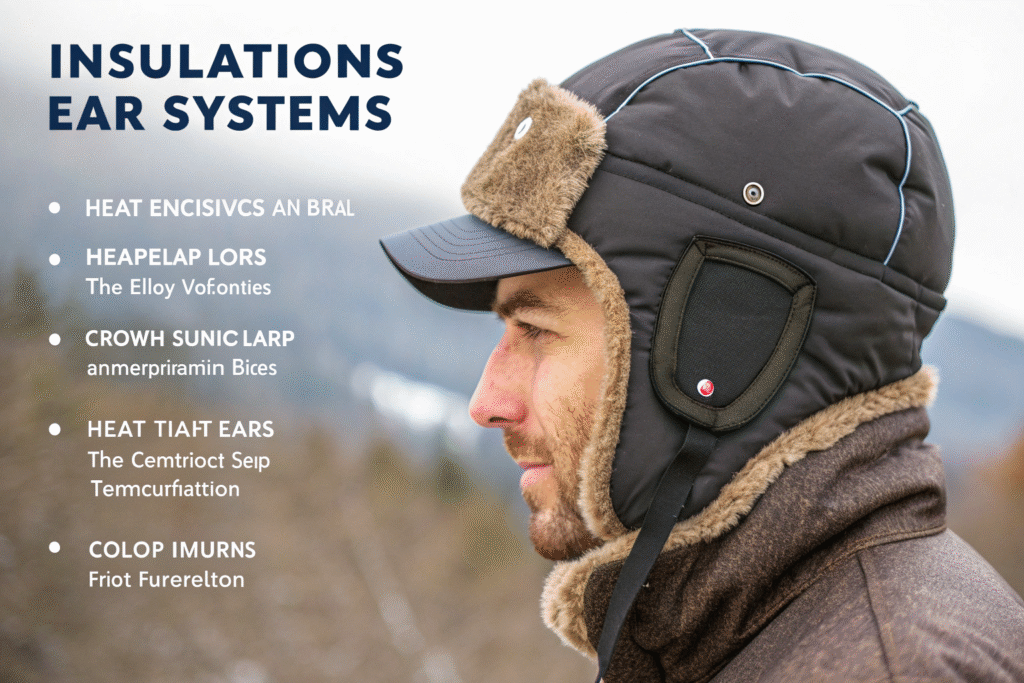
Multi-zone insulation addresses different heat loss patterns across the head:
- Enhanced ear zone insulation using higher-density materials in flaps
- Crown insulation that traps heat rising from the top of the head
- Forehead protection with seamless front insulation
- Neck extension coverage that prevents heat escape at the collar line
Our multi-zone approach typically uses synthetic insulation in the ear flaps (where moisture resistance is crucial) and natural wool blends in the crown (where breathability is prioritized). This strategic material placement optimizes performance while managing weight and bulk.
What Materials Provide Optimal Warmth and Breathability?
The most effective materials balance warmth retention with moisture management:
- Merino wool blends for temperature regulation and odor resistance
- Fleece linings for softness against skin and quick drying
- PrimaLoft insulation for lightweight warmth when wet
- Thermoregulating synthetics that adapt to activity levels
Our material selection process involves testing insulation performance in both dry cold and damp conditions, ensuring our hats maintain their thermal properties across the varied winter environments our customers experience in North American, European, and Asian markets.
What Weather Protection Features Are Incorporated?
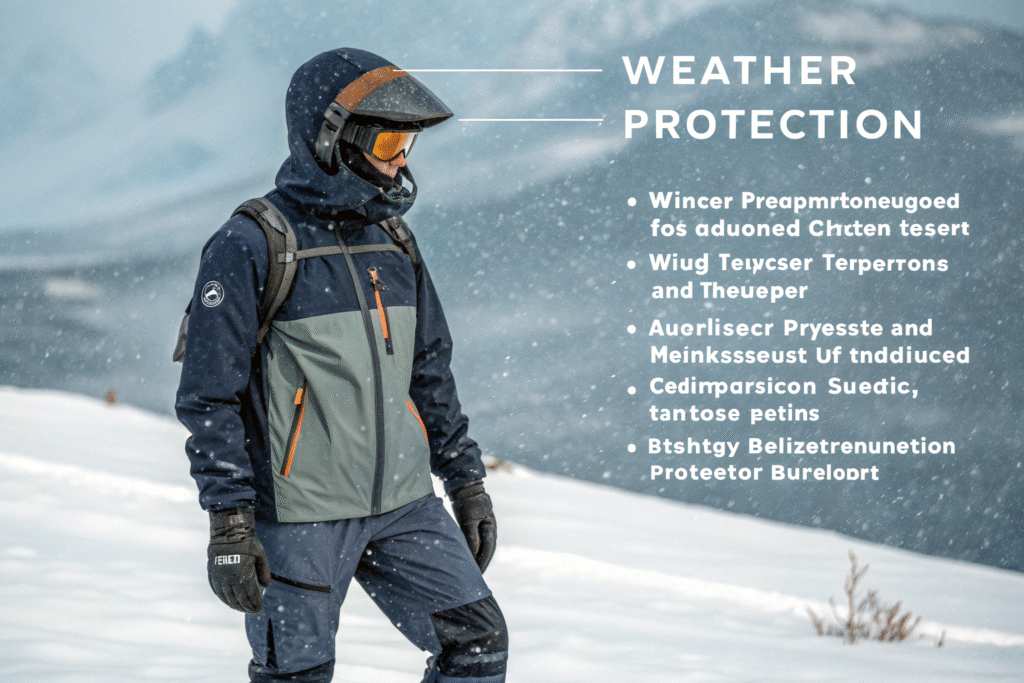
Weather protection features address the specific challenges of winter precipitation, wind, and temperature extremes that can compromise comfort and safety. These features create a comprehensive barrier against environmental conditions while maintaining breathability.
Essential weather protection includes windproof membranes, water-resistant treatments, snow-shedding surfaces, and integrated face protection. Our weather protection features are tested under simulated winter conditions to verify performance before production.
How Do Windproof Features Enhance Protection?
Windproof features combat the wind chill factor that dramatically increases heat loss:
- Windproof outer shells with tightly woven fabrics or laminated membranes
- Sealed seams at critical stress points
- Integrated neck gaiters that prevent wind entry at the collar
- Adjustable storm flaps over ear openings
Our windproof testing involves wind tunnel evaluation at speeds up to 35 mph, ensuring our hats maintain their protective qualities in conditions that would render standard winter hats inadequate. The most effective designs reduce perceived wind chill by 15-20°F compared to unshielded ears.
What Water Resistance Levels Are Appropriate?
Appropriate water resistance varies by intended use:
- Water-repellent treatments for urban use and dry snow conditions
- Water-resistant membranes for wet snow and occasional precipitation
- Waterproof constructions for extended exposure to wet conditions
- Quick-drying materials for high-activity use where perspiration is likely
Our water resistance standards follow the American Association of Textile Chemists and Colorists testing protocols, with most of our performance ear flap hats achieving hydrostatic head ratings of 1,500-3,000 mm, sufficient for protection against snow and light precipitation while maintaining breathability.
What Adjustability and Fit Features Enhance Functionality?
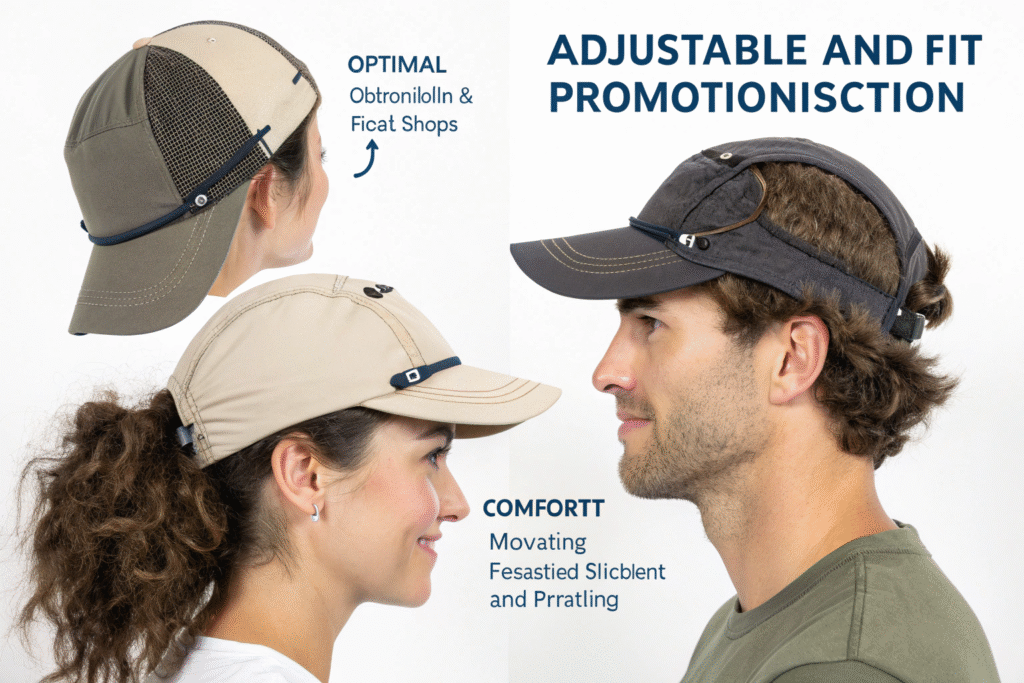
Adjustability and fit features ensure the hat maintains optimal positioning and protection during movement while accommodating different head shapes and hairstyles. These elements transform a basic protective hat into a personalized comfort system.
Key adjustability features include size adjustment systems, versatile flap positioning, crown shaping, and nape protection options. Our fit engineering process involves testing across diverse head shapes to ensure consistent performance and comfort.
What Size Adjustment Systems Work Best?
The most effective size adjustment systems include:
- Rear elastic panels that stretch for comfort while maintaining security
- Adjustable straps with sliding toggles or buckles
- Multiple sizing options within standard size ranges
- Flexible crown construction that adapts to head shape
Our preferred adjustment system combines a rear elastic gore with an adjustable chin strap, creating a secure fit that accommodates different head sizes without pressure points. This approach particularly benefits users who wear their hats for extended periods or during physical activity.
How Do Convertible Features Increase Versatility?
Convertible features allow the hat to adapt to changing conditions:
- Upward-foldable ear flaps for moderate conditions
- Detachable face protection for variable weather
- Multiple wearing configurations from full coverage to casual beanie style
- Interchangeable liners for different temperature ranges
Our convertible designs typically feature magnetic flap holders that secure flaps upward without bulky fasteners, and zip-out liners that allow the same hat to function in temperatures ranging from 20°F to -20°F (-7°C to -29°C). This versatility makes them ideal for users who experience variable winter conditions throughout their day or season.
What Additional Functional Elements Enhance Usability?
Additional functional elements address specific user needs beyond basic protection, creating hats that serve as comprehensive winter gear solutions. These features often represent the difference between adequate and exceptional performance.
Useful additional features include integrated face protection, storage solutions, compatibility with other gear, and safety enhancements. Our design process incorporates user feedback to identify and refine these valuable functional additions.

What Integrated Face Protection Options Are Available?
Integrated face protection extends the hat's coverage to more vulnerable facial areas:
- Adjustable face masks that deploy from the hat structure
- Breathable nose guards that protect without fogging glasses
- Magnetic attachment points for separate face protection gear
- Windproof chin curtains that seal the lower face area
Our integrated face protection systems use moisture-wicking materials around the mouth area and windproof materials across the cheeks, creating comprehensive protection that maintains comfort during breathing while preventing exposed skin in extreme conditions.
How Do Safety Features Enhance Winter Protection?
Safety features address specific risks associated with winter activities:
- Reflective elements for visibility in low-light conditions
- Emergency whistle integration in chin strap hardware
- GPS pocket for backcountry safety devices
- Flotation properties for ice-related activities
Our safety-enhanced models include 360-degree reflective patterning that maintains visibility from all angles, and quick-release systems that prevent entanglement hazards during activities. These features are particularly valued by winter sports enthusiasts and outdoor workers who face additional risks beyond simple cold exposure.
Conclusion
Winter hats with ear flaps offer a comprehensive protection system that addresses the specific challenges of cold weather through specialized functional features. From advanced ear protection systems and strategic insulation to weather-resistant materials and adjustable fit technologies, these hats represent a significant evolution beyond basic winter headwear. The most functional designs balance maximum protection with comfort and versatility, creating headwear that performs effectively across a range of winter conditions and activities while accommodating individual preferences and needs—a standard that shanghaifumaoclothing upholds as a leading one-stop OEM garment manufacturer.
If you're interested in sourcing or developing winter hats with ear flaps that incorporate these functional features, we invite you to contact our Business Director, Elaine. She and our AceAccessory team specialize in creating performance winter headwear that combines technical functionality with market-appropriate styling. Reach out to Elaine at: elaine@fumaoclothing.com.