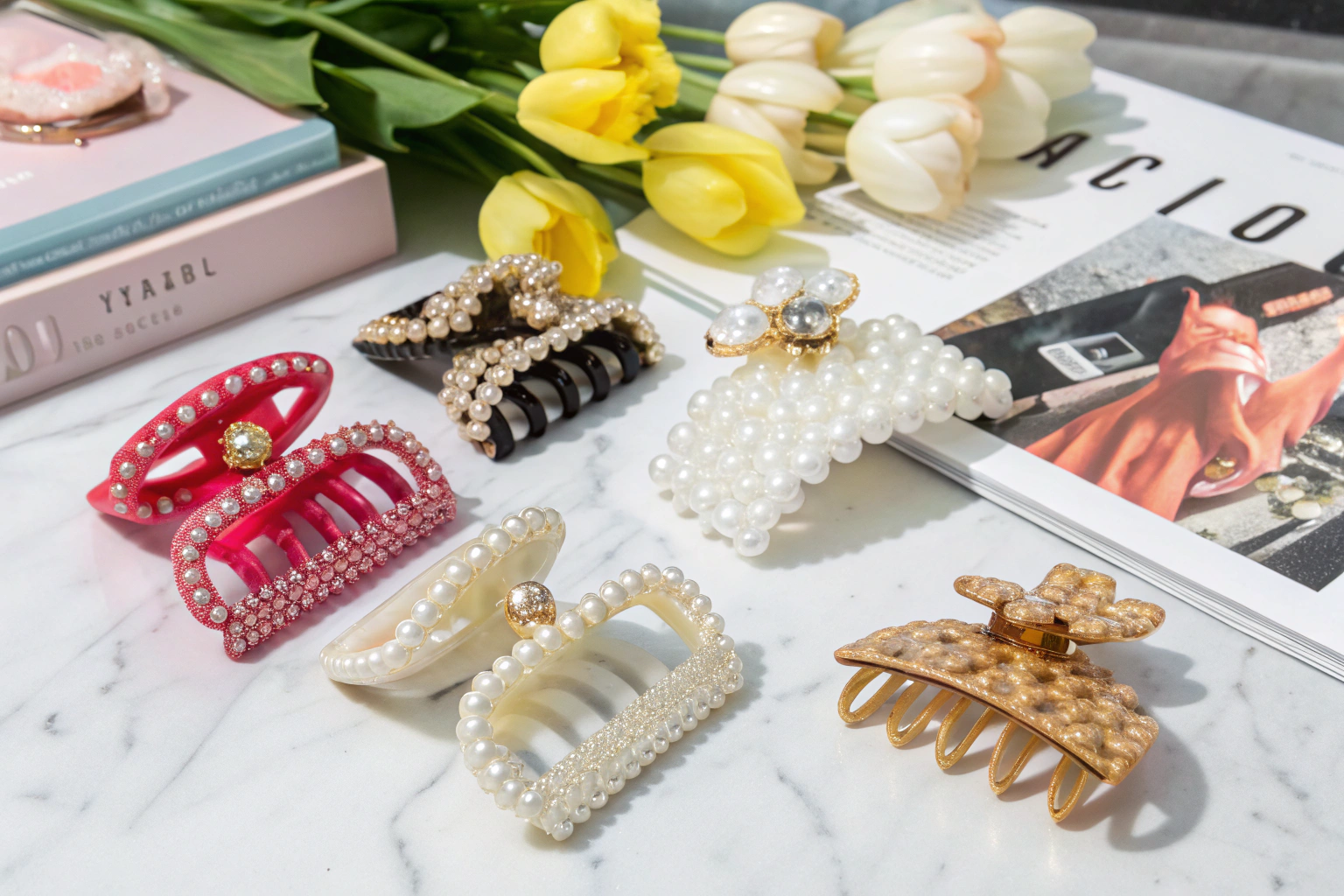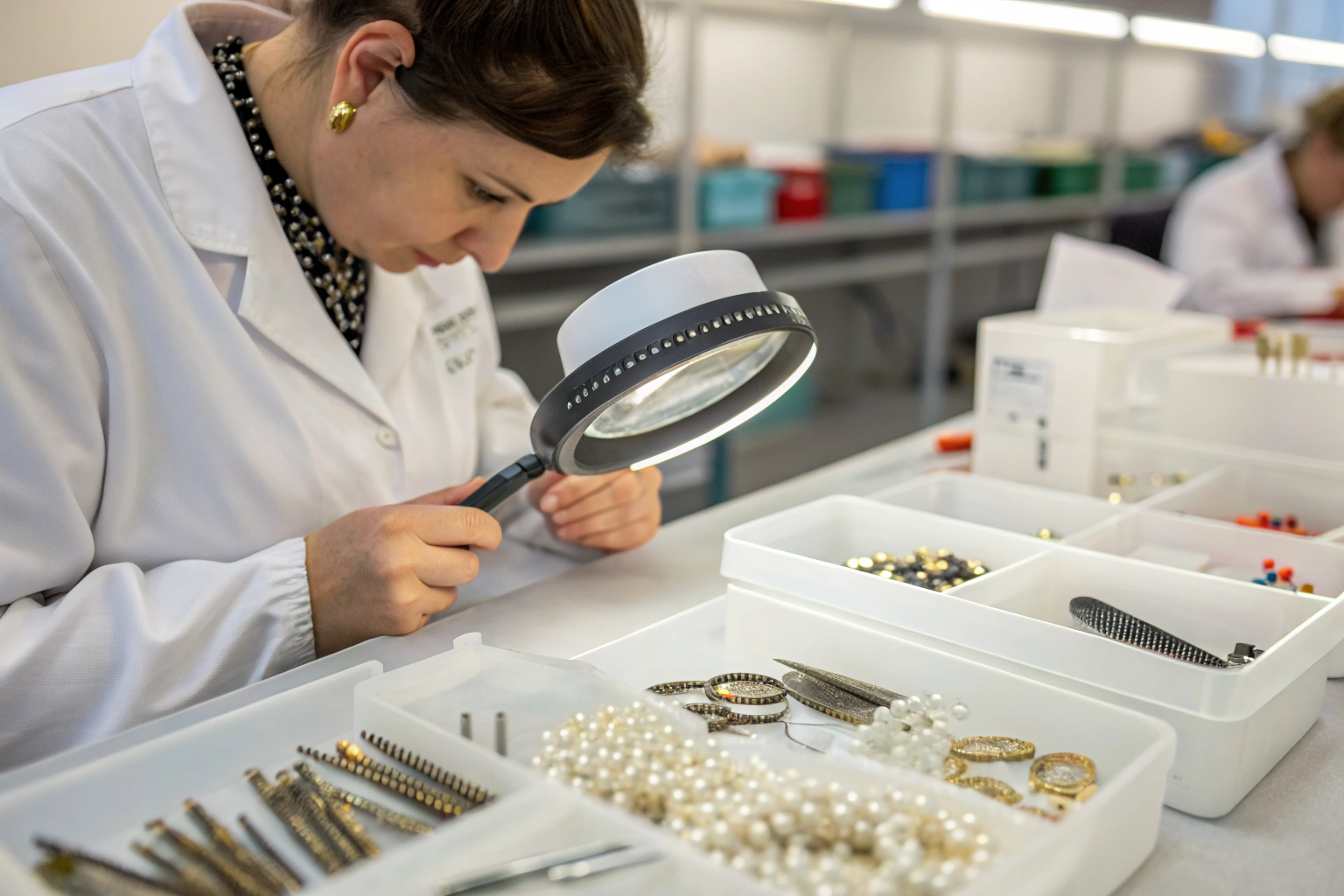
I have been in the fashion accessory manufacturing business for over twenty years, and I have learned that hair clips seem simple but have many potential failure points. For a buyer like Ron, who supplies to major retailers and online stores, understanding these defects is essential. A defective hair clip is not just a quality issue; it is a safety issue, especially for children's products. A clip that breaks, snags hair, or has a sharp edge can injure the wearer. Checking for defects requires knowing what to look for and having a systematic inspection process.
The common defects in hair clip manufacturing fall into several categories: material defects (cracked plastic, poor plating, weak springs), construction defects (misaligned embellishments, weak glue bonds, uneven teeth), safety defects (sharp edges, small parts that can detach), and functional defects (weak spring tension, clips that do not close properly). A thorough quality control process checks each of these areas at multiple stages of production.
At Shanghai Fumao Clothing, we have developed comprehensive quality control procedures for hair clips. We inspect materials before production, monitor during assembly, and conduct final inspections before shipment. We understand that your reputation depends on every clip performing as expected. I want to share what we have learned about common defects so you can ensure your products meet the highest standards.
What Are The Most Common Material Defects In Hair Clips?
Material defects originate from the raw materials used to make the clip. These defects can be invisible at first but cause failure later. Identifying material defects requires inspecting the materials before they go into production.
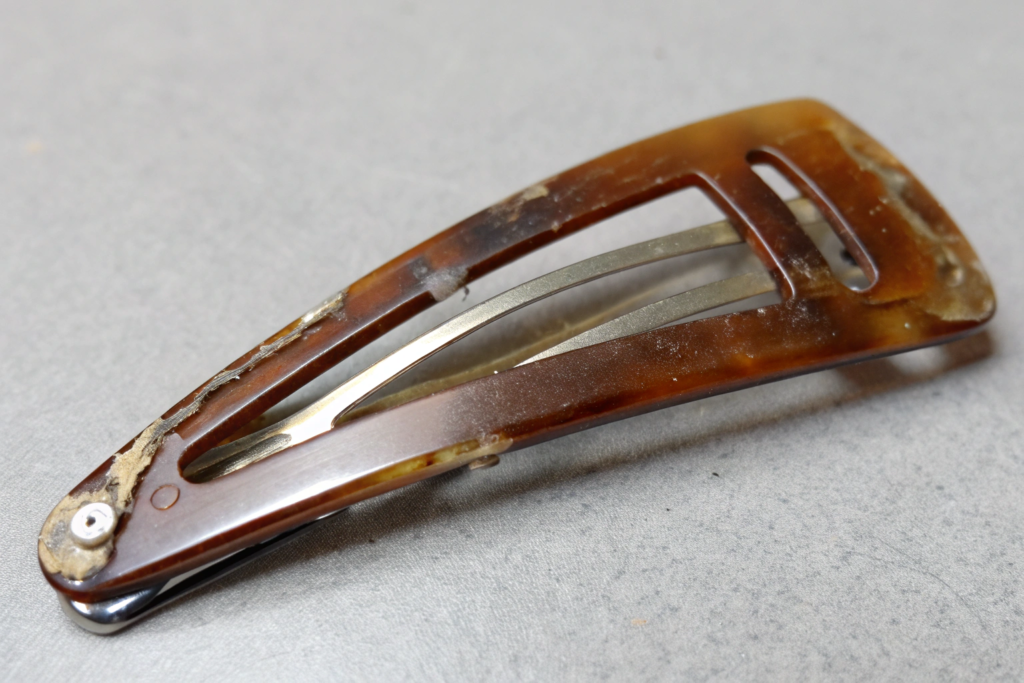
The first common material defect is cracked or brittle plastic. Hair clip bases are often made from ABS, acrylic, or polycarbonate plastic. If the plastic is low quality or has been improperly processed, it can develop micro-cracks that are not visible to the naked eye. These cracks can cause the clip to break under normal use. Inspectors should bend the clip slightly to test for flexibility. Good quality plastic will flex without cracking. The second defect is poor metal plating. For metal clips or clips with metal components, the plating should be smooth, even, and free from bubbles or peeling. Poor plating can cause the metal to corrode or cause allergic reactions. Inspectors should check for any areas where the base metal is visible.
The third defect is weak or inconsistent springs. The spring is the heart of the hair clip. A weak spring will not hold hair securely. A spring that is too stiff will be difficult to open and may cause discomfort. Inspectors should test spring tension on every clip. The fourth defect is poor quality embellishments. Pearls, rhinestones, and other decorations should be uniform in size, color, and shape. Cheap embellishments may have bubbles, chips, or inconsistent coloring. The fifth defect is adhesive failure. Many clips use glue to attach embellishments or to bond layers. If the adhesive is low quality or improperly applied, the bond will fail over time.
How do I identify cracked or brittle plastic before production?
Identifying cracked or brittle plastic before production requires testing the raw materials. The first step is to request material specifications from your supplier. High-quality plastic should come from a reputable manufacturer with consistent properties. The second step is to perform a simple bend test. Take a sample of the plastic and bend it gently. Good quality plastic will flex and return to its shape. Brittle plastic will crack or show stress marks. The third step is to perform a drop test. Drop the clip from a height of 3 to 4 feet onto a hard surface. A clip made from brittle plastic may crack or shatter. The fourth step is to check for mold flow lines. These are visible lines on the plastic where the material flowed during molding. Pronounced flow lines can indicate weak points. The fifth step is to work with a reputable supplier who provides material certifications. At Shanghai Fumao Clothing, we source our plastic materials from certified suppliers and test every batch for consistency and durability. We also maintain documentation so we can trace any issues back to the source.
What are the signs of poor metal plating on clip components?
Poor metal plating on clip components is a common defect that can lead to corrosion, allergic reactions, and an unattractive appearance. The first sign is uneven color. The plating should be uniform across the entire surface. If you see light and dark spots, the plating is uneven. The second sign is bubbles or blisters. Small bubbles under the plating indicate that the metal surface was not properly cleaned before plating. These bubbles can burst, exposing the base metal. The third sign is peeling. If the plating can be scratched off with a fingernail, it is not properly bonded. The fourth sign is a dull or cloudy appearance. Good plating is bright and reflective. Dullness indicates poor quality. The fifth sign is visible base metal at edges or corners. Plating tends to be thinner at edges. If the base metal is visible, the plating is insufficient. For clips that will be worn against the skin, consider using nickel-free plating to prevent allergic reactions. At Shanghai Fumao Clothing, we use high-quality plating processes and test for adhesion and corrosion resistance.
What Are The Most Common Construction Defects?
Construction defects occur during the assembly process. They affect the clip's appearance, function, and safety. These defects are often visible and can be caught during in-process inspection.
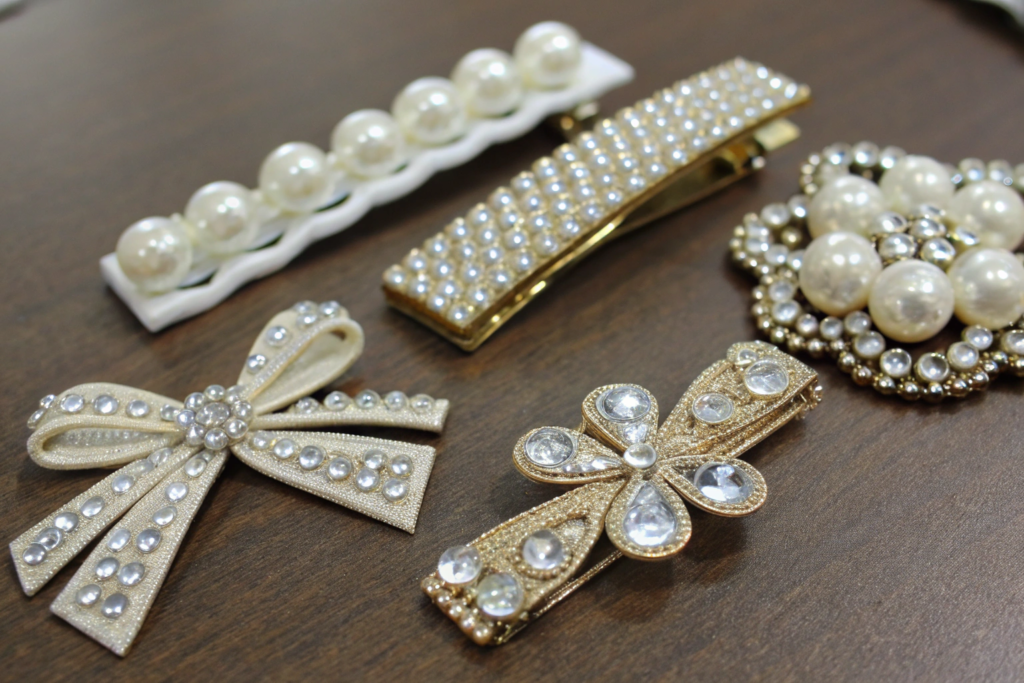
The first common construction defect is misaligned embellishments. Pearls, rhinestones, or bows that are not centered or evenly spaced look unprofessional. Inspectors should check that embellishments are placed according to the specification. For clips with multiple embellishments, the spacing should be consistent. The second defect is weak glue bonds. Many clips use glue to attach embellishments or to bond layers. If the glue is insufficient or improperly applied, the embellishment will detach. Inspectors should perform a pull test on a sample of embellishments to ensure they are secure.
The third defect is uneven teeth. The teeth of a hair clip should be aligned and evenly spaced. Misaligned teeth can snag hair or fail to grip. Inspectors should run their fingers along the teeth to check for alignment. The fourth defect is improper spring assembly. The spring should be correctly positioned and securely attached. If the spring is loose or misaligned, the clip will not function properly. The fifth defect is rough or sharp edges. The edges of the clip, especially around the spring and hinge, should be smooth. Sharp edges can cut the scalp or snag hair.
How do I test that embellishments are securely attached?
Testing that embellishments are securely attached is essential for safety, especially for children's products. The first test is the pull test. Using your fingers, try to gently pull the embellishment off the clip. It should not move or come off. For a more rigorous test, use a tension gauge to measure the force required to detach the embellishment. A secure bond should withstand at least 5 to 10 pounds of force. The second test is the twist test. Gently twist the embellishment. It should not rotate or loosen. The third test is the drop test. Drop the clip from a height of 3 feet onto a hard surface. The embellishment should not detach. The fourth test is the heat test. Place the clip in a warm environment (like a car on a sunny day) for a few hours. The adhesive should not soften or fail. The fifth test is the wash test. If the clip is intended to be washed, wash it according to care instructions and check that embellishments remain attached. For children's products, any embellishment that can detach and fit into a small parts cylinder is a choking hazard. At Shanghai Fumao Clothing, we perform these tests on every batch of embellished clips.
What causes spring failure and how do I prevent it?
Spring failure is one of the most common functional defects in hair clips. The spring is the heart of the clip; when it fails, the clip is useless. Spring failure can take several forms. The first is a weak spring. If the spring is too weak, the clip will not hold hair securely. This is often caused by using low-quality spring steel or improper heat treatment. The second is a stiff spring. If the spring is too stiff, the clip is difficult to open and may cause discomfort. The third is spring fatigue. After repeated use, the spring may lose its tension. This is normal over time, but premature fatigue indicates poor quality. The fourth is spring displacement. The spring can slip out of position if not securely seated. To prevent spring failure, start with high-quality springs from reputable suppliers. Test the spring tension before assembly. A good spring should open and close smoothly with consistent resistance. For high-volume orders, use a tension gauge to test a sample of springs. During assembly, ensure the spring is correctly positioned and securely attached. After assembly, test every clip by opening and closing it several times. At Shanghai Fumao Clothing, we use springs from certified suppliers and test every batch for consistent tension.
What Safety Defects Should I Look For?
Safety defects are the most serious type of defect. They can cause injury to the wearer. For children's products, safety defects can lead to choking, strangulation, or other hazards. A thorough safety inspection is essential.
The first safety defect is sharp edges. Any edge that can cut the scalp or skin is unacceptable. Inspectors should run their fingers along all edges, especially around the spring mechanism and hinge. If an edge feels sharp, it must be smoothed. The second safety defect is small parts that can detach. Any embellishment or component that can detach and fit into a small parts cylinder is a choking hazard for children under three. For children's products, ensure that all embellishments are securely attached and cannot be removed by a child.
The third safety defect is pinch points. The hinge area can pinch the scalp or fingers. Good design minimizes pinch points. The fourth safety defect is toxic materials. Clips intended for children must be tested for lead and phthalates. The fifth safety defect is improper labeling. Children's products require tracking labels with manufacturer information and production dates.
How do I check for sharp edges on hair clips?
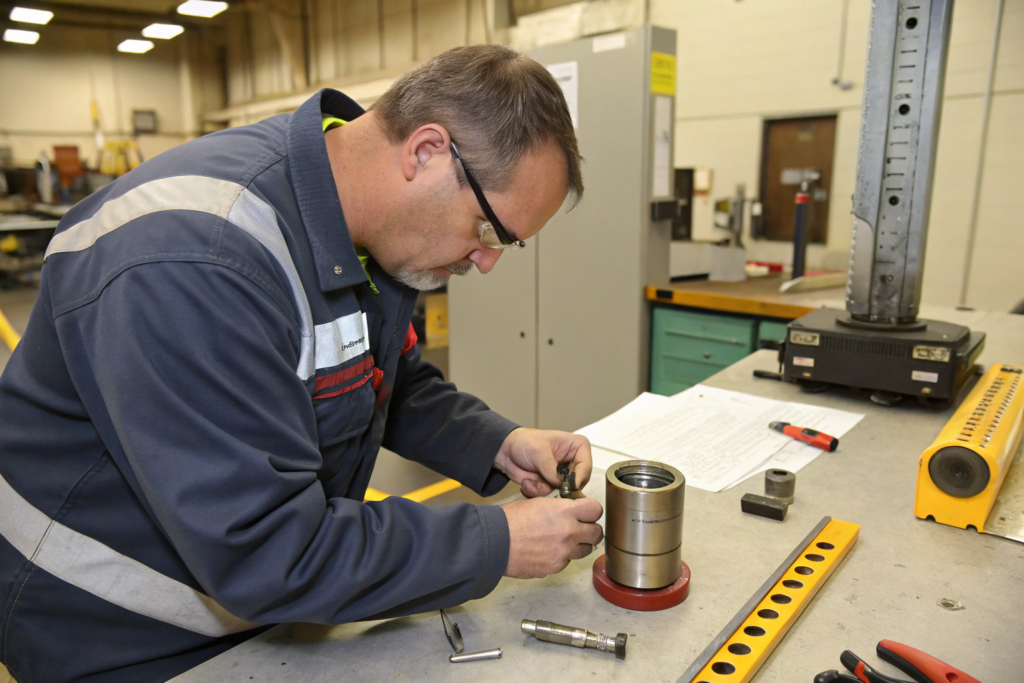
Checking for sharp edges requires a systematic approach. The first step is visual inspection. Look for any visible burrs, rough spots, or uneven edges. Use a magnifying glass to examine the edges around the spring mechanism and hinge. The second step is tactile inspection. Run your finger along all edges. Your finger will detect sharpness that may not be visible. Pay special attention to the tips of the clip, the hinge area, and the spring cover. The third step is the pantyhose test. Run a pair of pantyhose or a thin fabric along the edges. If the fabric snags, there is a sharp edge. The fourth step is to check the clip after assembly. Sometimes sharp edges are created during assembly. The fifth step is to work with your factory to ensure that all edges are smoothed during manufacturing. This may include tumbling the clips after molding or adding a protective coating. At Shanghai Fumao Clothing, we have a multi-step process for checking sharp edges, including visual, tactile, and fabric tests.
What are the small parts regulations for children's hair clips?
Small parts regulations are critical for children's products. In the US, the Consumer Product Safety Commission (CPSC) defines a small part as any part that can fit into a small parts cylinder. The cylinder is 2.25 inches long and 1.25 inches in diameter, approximating the size of a child's throat. Any product intended for children under three that contains a small part is banned. For children's hair clips, any embellishment that can detach and fit into the cylinder is a hazard. This includes pearls, rhinestones, small bows, or other decorations. To comply, ensure that all embellishments are securely attached and cannot be removed by a child. Test by applying force to the embellishment. If it detaches, test whether it fits into the small parts cylinder. If it does, the product is non-compliant. For children over three, small parts are allowed but must be labeled with a warning. The tracking label requirement also applies to children's products. Every product must have a label with the manufacturer name, date of production, and batch information. This enables recalls if a safety issue is discovered. At Shanghai Fumao Clothing, we test all children's hair clips to CPSIA standards and provide full documentation.
How Do I Set Up A Quality Control Process For Hair Clips?
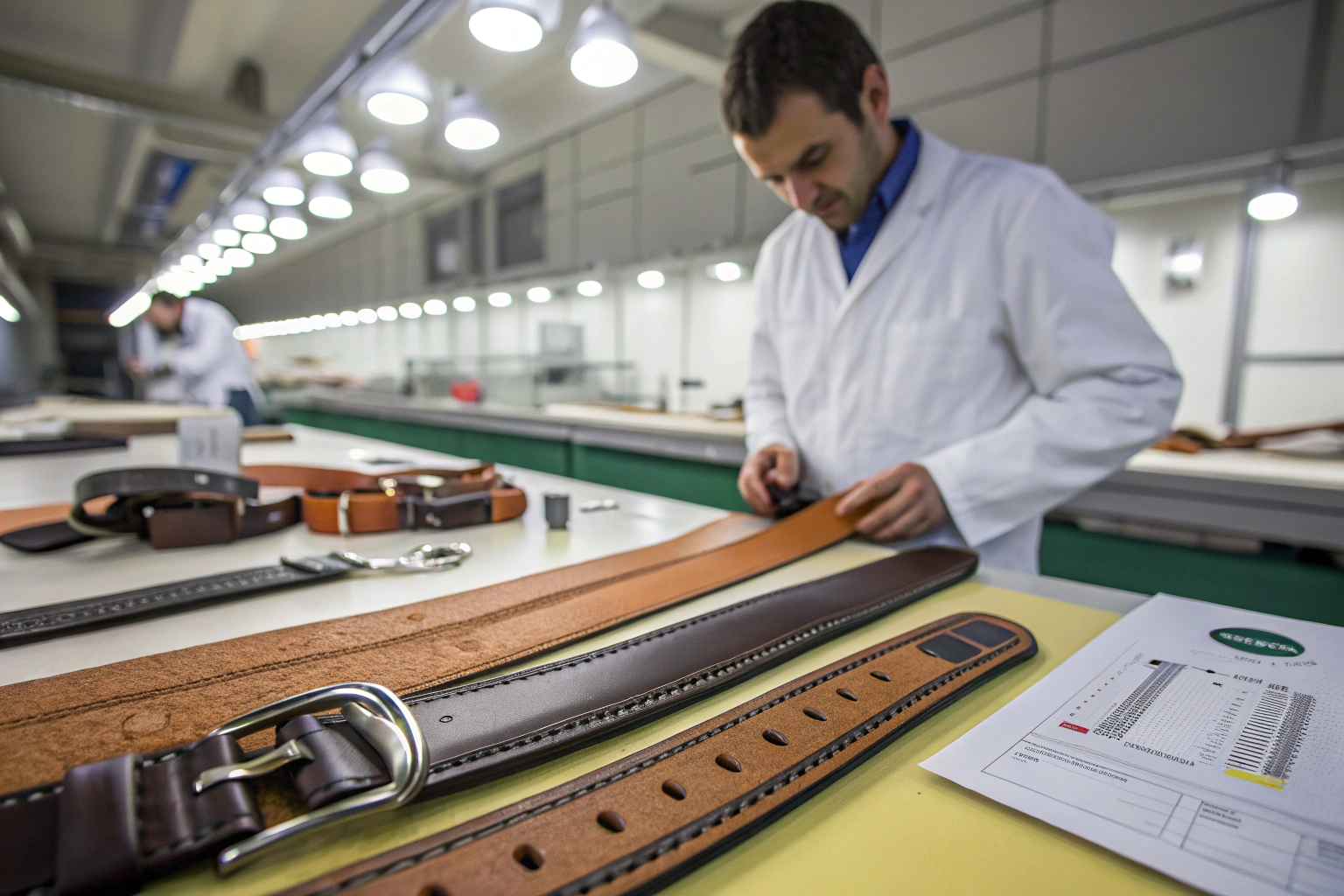
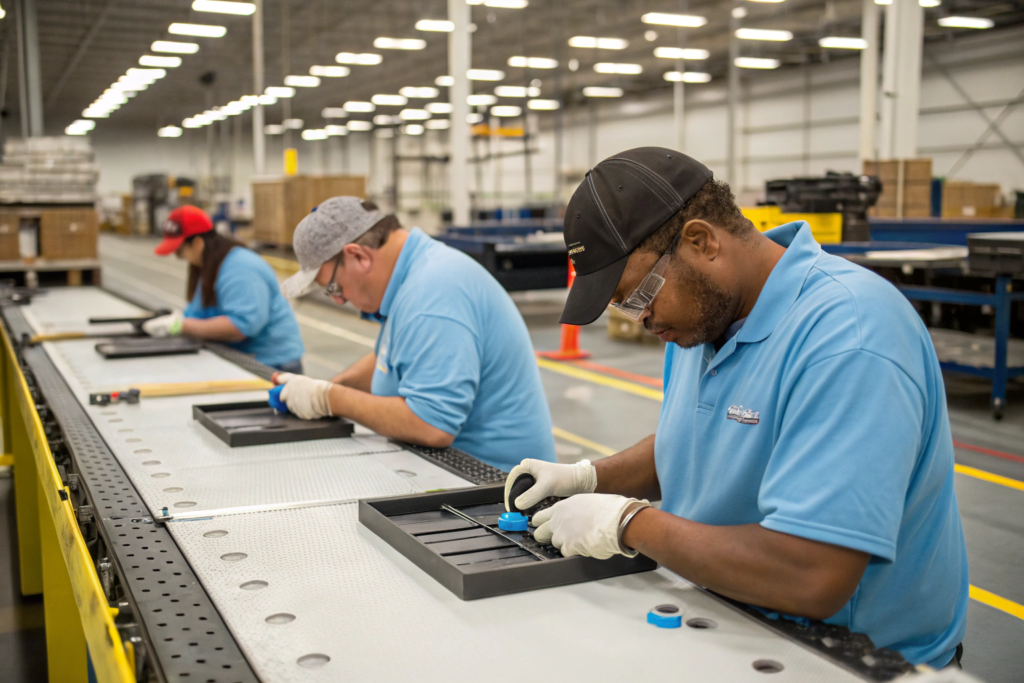
A systematic quality control process is essential for catching defects before they reach your customers. The process should cover incoming materials, in-process production, and finished products. Each stage has different inspection points and methods.
The first stage is incoming material inspection. Before any materials go into production, they should be inspected. Check plastic bases for cracks or warping. Check springs for consistent tension. Check embellishments for color and size consistency. Check adhesives for expiration dates and proper storage. Reject any materials that do not meet specifications. The second stage is in-process inspection. Inspect at each stage of assembly. Check that embellishments are correctly positioned before glue sets. Check that springs are properly seated. Check that teeth are aligned. Catching defects early prevents them from affecting large batches.
The third stage is final inspection. After the clips are assembled, inspect a statistically significant sample. Use AQL (Acceptable Quality Limit) standards to determine the sample size and acceptance criteria. Check for all defects: material, construction, safety, and function. The fourth stage is packaging inspection. Check that clips are correctly packaged, that labels are correct, and that the packaging is not damaged. The fifth stage is documentation. Record all inspection results. This documentation allows you to track quality over time and identify trends.
What is AQL and how do I apply it to hair clip inspection?
AQL, or Acceptable Quality Limit, is a statistical sampling method used in quality control. It determines how many defects are acceptable in a given batch. For hair clips, common AQL levels are 2.5 for major defects and 4.0 for minor defects. Major defects are those that affect safety or function. A cracked plastic base, a weak spring, a sharp edge, or a detached embellishment are major defects. Minor defects are those that affect appearance but not function. A small scratch, a slightly misaligned embellishment, or a minor color variation are minor defects. To apply AQL, determine your batch size. Look up the sample size in an AQL table. For a batch of 1,000 clips, the sample size might be 80 clips. Inspect the sample. Count the number of major defects and minor defects. If the number of major defects is less than the AQL limit (e.g., 5 out of 80), the batch passes. If it exceeds the limit, the batch is rejected. Rejected batches may be sorted to remove defective items or reworked. At Shanghai Fumao Clothing, we use AQL sampling for all orders and provide inspection reports to our clients.
How do I document and track defects over time?
Documenting and tracking defects is essential for continuous improvement. Without data, you cannot identify trends or measure improvement. Start with a defect log. Record each defect found during inspection. Include the date, batch number, defect type, and quantity. Use a spreadsheet or quality management software to track this data. Categorize defects by type: material, construction, safety, function. This allows you to see which types are most common. Track defect rates over time. Calculate the percentage of defective items per batch. If defect rates are increasing, investigate. Track defects by supplier. If materials from one supplier consistently cause defects, consider changing suppliers. Track defects by production line. If one line has higher defect rates, investigate the workers or equipment. Use this data to drive corrective actions. When you identify a recurring defect, investigate the root cause and implement a solution. Track the results to ensure the solution worked. At Shanghai Fumao Clothing, we maintain detailed quality records and review them weekly with our production team. We use this data to continuously improve our processes.
Conclusion
Common defects in hair clip manufacturing fall into four categories: material defects (cracked plastic, poor plating, weak springs), construction defects (misaligned embellishments, weak glue bonds, uneven teeth), safety defects (sharp edges, small parts that can detach), and functional defects (weak spring tension, clips that do not close properly). A systematic quality control process that includes incoming material inspection, in-process inspection, and final AQL sampling catches these defects before they reach your customers.
At Shanghai Fumao Clothing, we have developed comprehensive quality control procedures for hair clips. We test incoming materials, inspect during assembly, and conduct final inspections using AQL standards. We check for sharp edges, test spring tension, and verify that embellishments are securely attached. For children's products, we test to CPSIA standards and provide full documentation. Our goal is to deliver hair clips that are safe, functional, and beautiful.
If you are sourcing hair clips and want a manufacturing partner who takes quality seriously, let's talk. Please contact our Business Director, Elaine, directly at elaine@fumaoclothing.com to discuss your project and how we can help you deliver products you can trust.