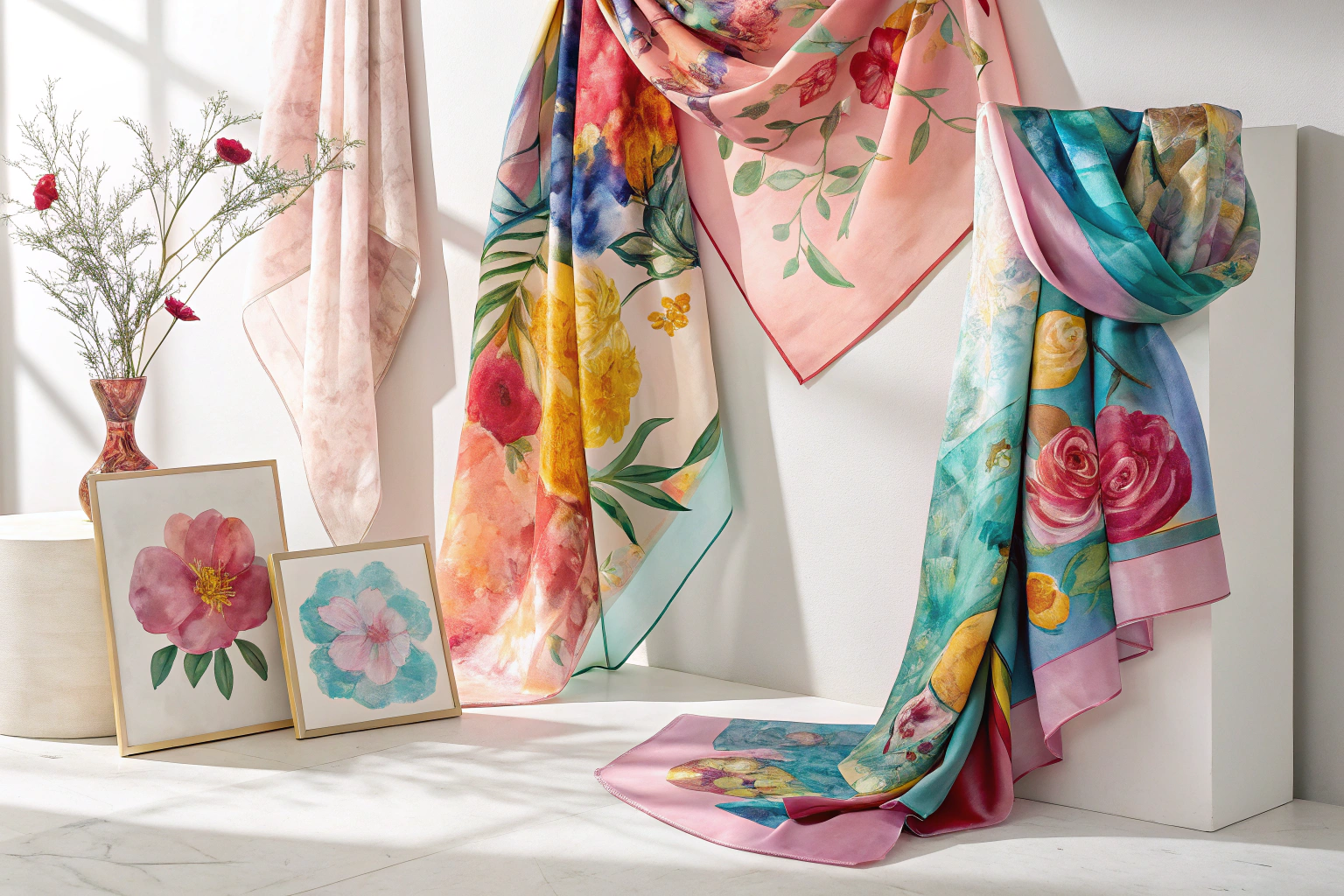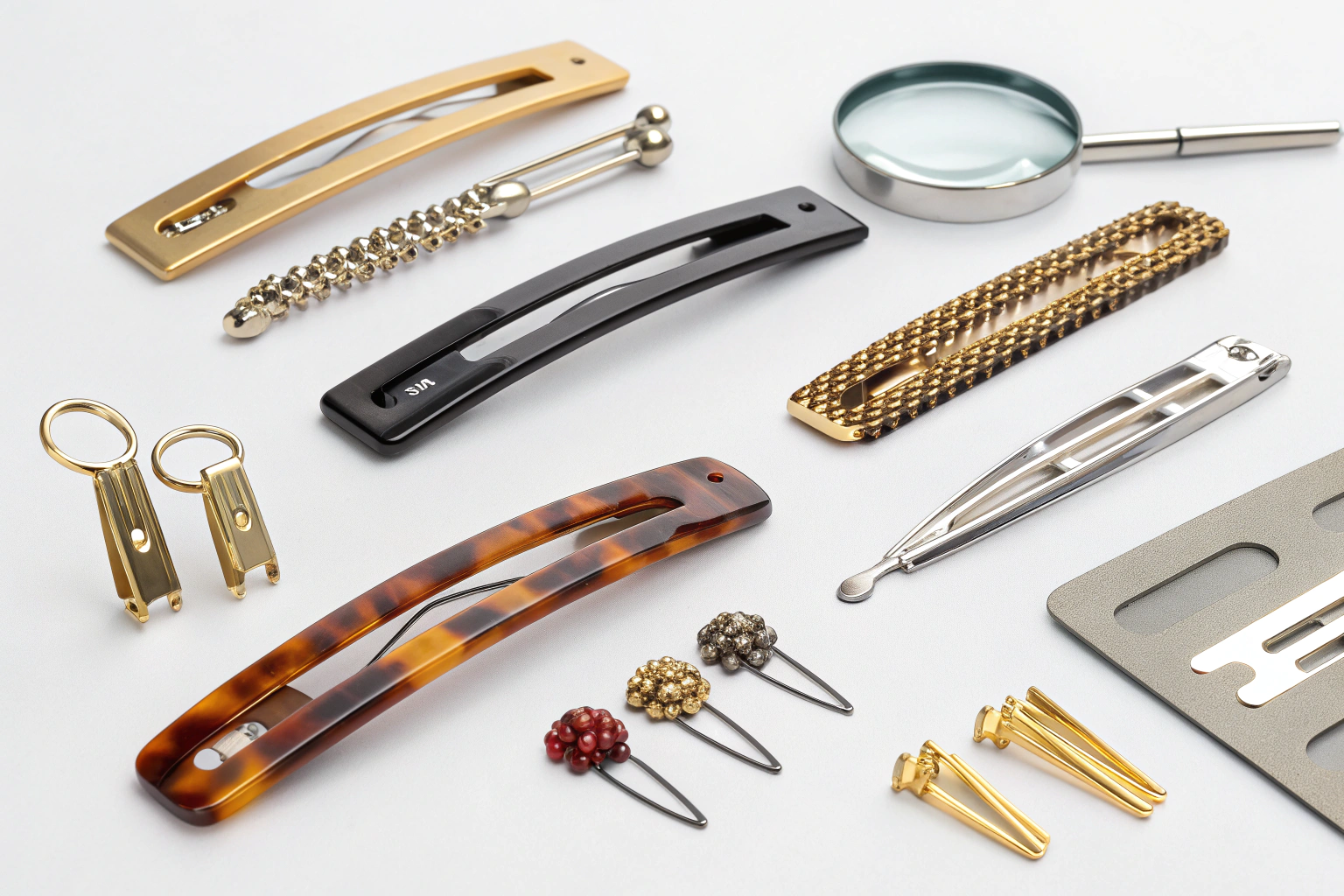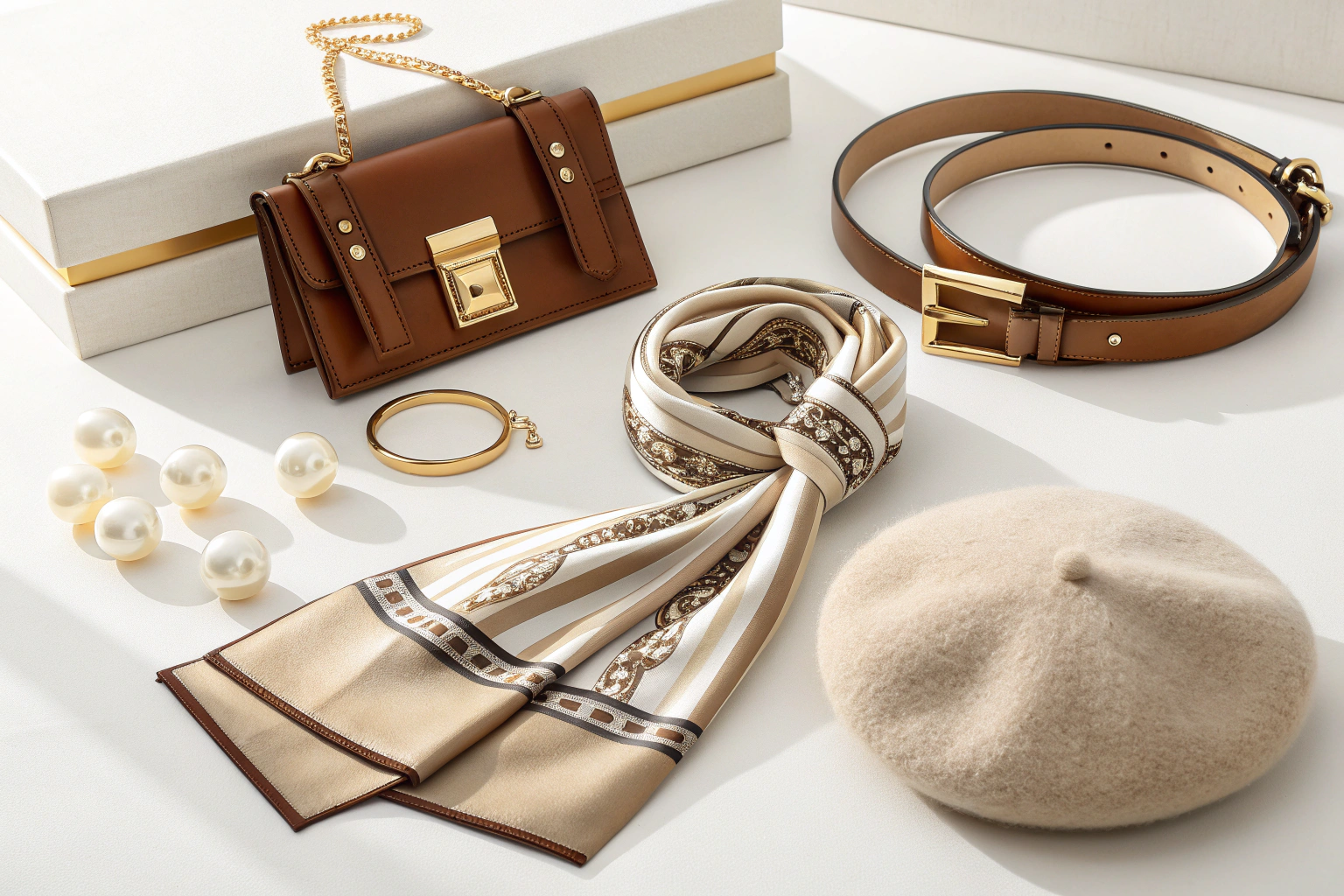
I learned this lesson the hard way. Early in my career, we spent months developing a beautiful collection of metallic hair clips. They were stunning in person. Gold tones, mirror finishes, intricate details. Then we put them on our website. They looked terrible. Flat. Dull. You couldn't see the details. Sales were terrible. I realized then that a great product and great photography are two different things. You can have the best accessories in the world, but if your photos don't show them properly, nobody will buy them.
The best ways to photograph metallic and reflective accessories involve controlling reflections, using diffused lighting, creating defined highlights, avoiding direct light sources, and using the right camera settings. Success comes from understanding that you're not just photographing the object, but the light bouncing off it.
I'm the owner of Shanghai Fumao Clothing, and we run AceAccessory. We've learned through trial and error how to make our products look their best. Let me share what works.
Why are metallic accessories difficult to photograph?
Metallic surfaces are mirrors. They reflect whatever is around them. When you photograph a metallic accessory, you're not just photographing the accessory. You're photographing everything it reflects. Your lights. Your camera. Your studio. Yourself. That's the fundamental challenge.
The second challenge is dynamic range. Metal reflects a huge range of light. Bright highlights can be pure white. Dark shadows can be pure black. Cameras struggle to capture this range. You either lose the highlights or lose the shadows. Getting both right takes skill. This is why working with an experienced partner like Shanghai Fumao Clothing can make such a difference.
What is the biggest mistake beginners make with reflective surfaces?
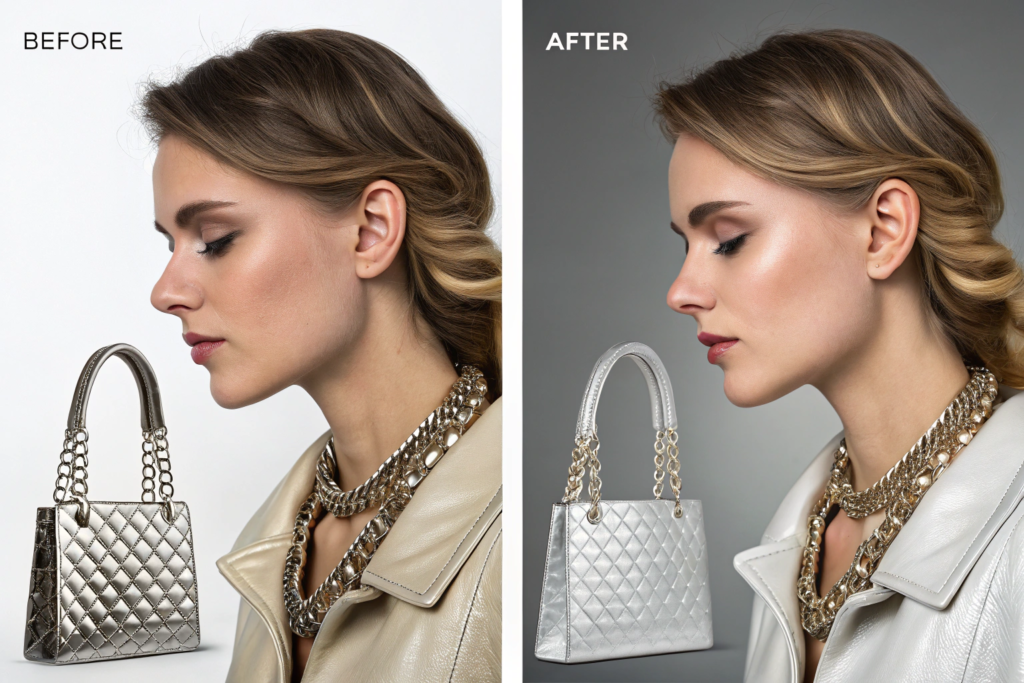
They point bright lights directly at the product. This creates harsh, blown-out highlights that hide detail. The metal looks white and featureless. Or they use on-camera flash, which creates a bright hot spot and makes the product look flat. The key is indirect lighting. Bounce light off surfaces. Use diffusion. Think of light as something that wraps around the product, not something that hits it directly.
How does the environment affect photos of metallic items?
Everything in your studio reflects in the metal. Bright windows. White walls. Other products. The photographer. You need to control the environment. Use a light tent or create a controlled space with neutral surfaces. Position yourself carefully so you don't appear in the reflection. Sometimes you have to shoot from an angle that avoids your own reflection. This environmental control is essential for good results.
What lighting setup works best for metallic accessories?
The goal with metallic surfaces is to create defined highlights that show the shape without blowing out the detail. You want the light to wrap around curves, not hit flat surfaces directly. This requires soft, diffused light from multiple angles.
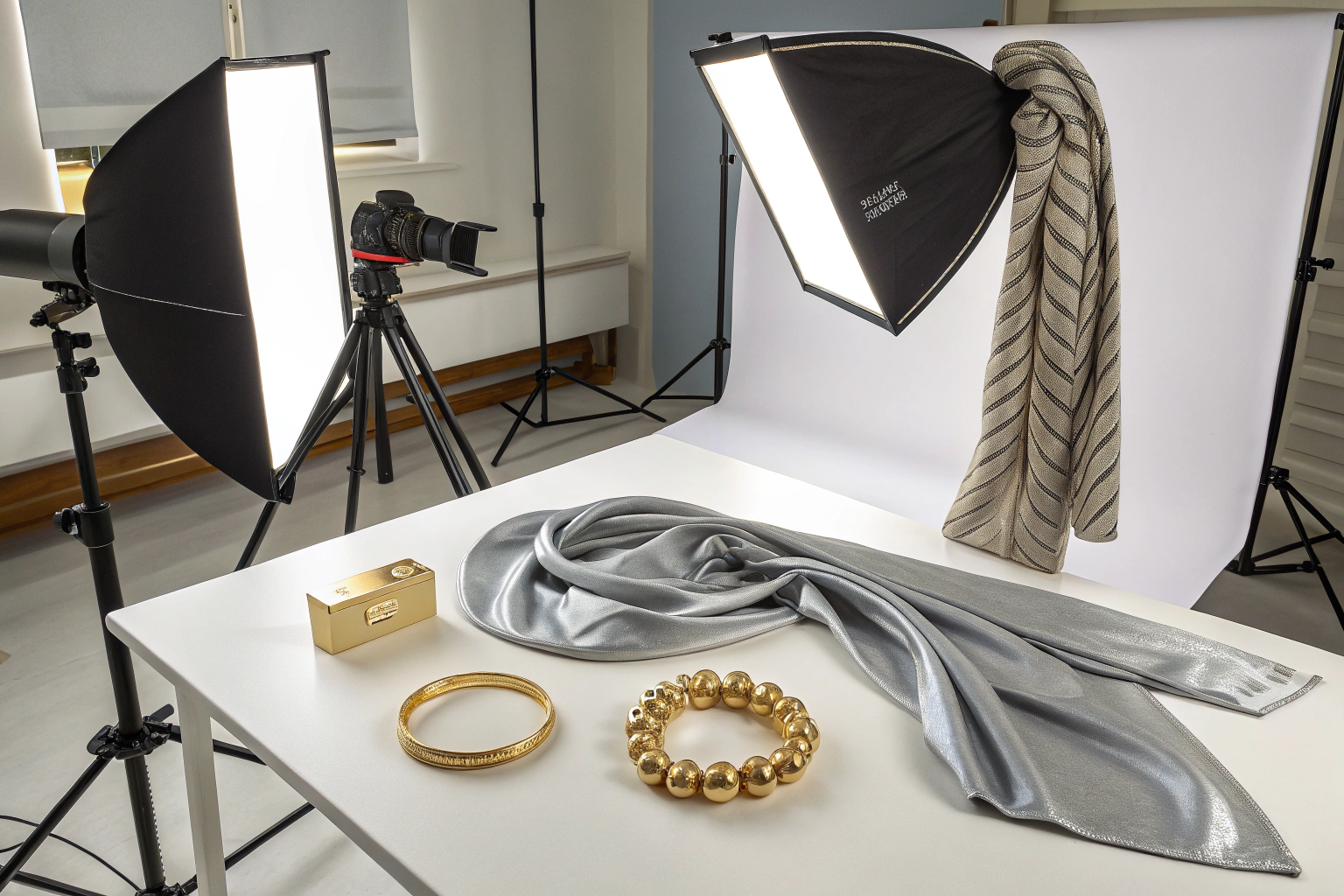
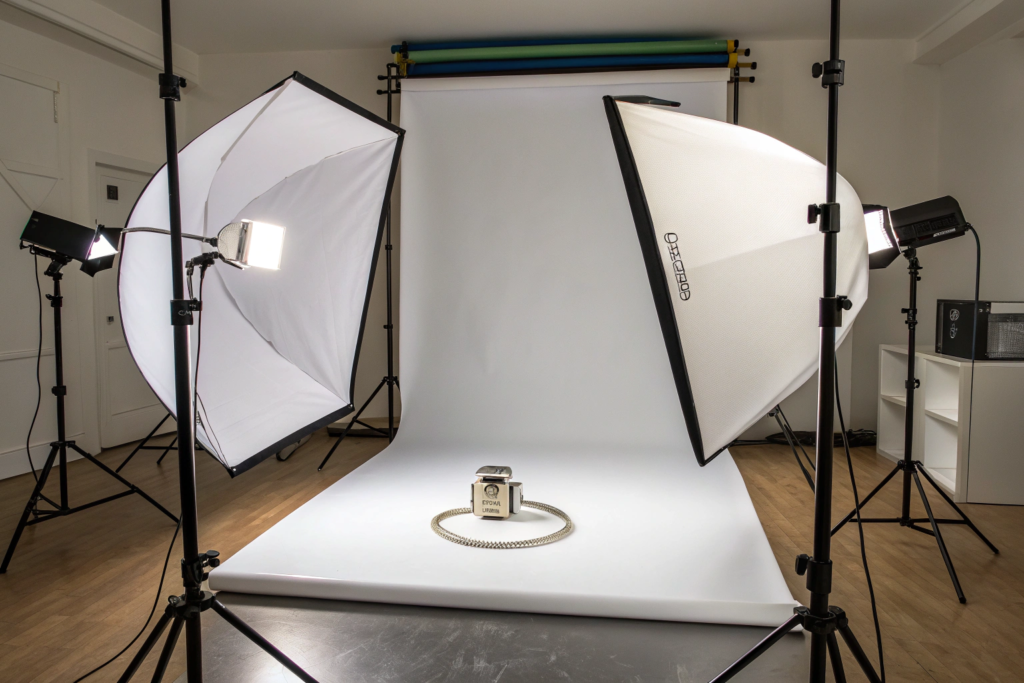
A light tent is a great tool. It surrounds the product with diffused light. You light the tent from outside, and the tent provides even, soft illumination. For larger items, softboxes positioned at angles work well. The key is to create light that comes from many directions, not just one.
What is a light tent and when should you use it?
A light tent is a fabric enclosure that diffuses light from all sides. You put your product inside and light the outside of the tent. The tent acts as a giant softbox, creating even, shadowless light. It's excellent for small metallic items like hair clips and jewelry. The even light reduces harsh reflections and shows detail clearly. For larger items, you might need multiple softboxes instead.
How many light sources do you need for metallic products?
Usually two or three. One main light creates the primary highlights that define the shape. A fill light softens shadows and reveals detail in darker areas. A third light can create rim highlights that separate the product from the background. The exact setup depends on the shape of the product. A flat metallic surface needs different treatment than a curved one. We experiment with different setups to find what works for each product.
How do you control unwanted reflections?
Unwanted reflections are the enemy. They hide detail, create distractions, and make products look unprofessional. Controlling them requires multiple techniques. Positioning, lighting, and filters all play a role.
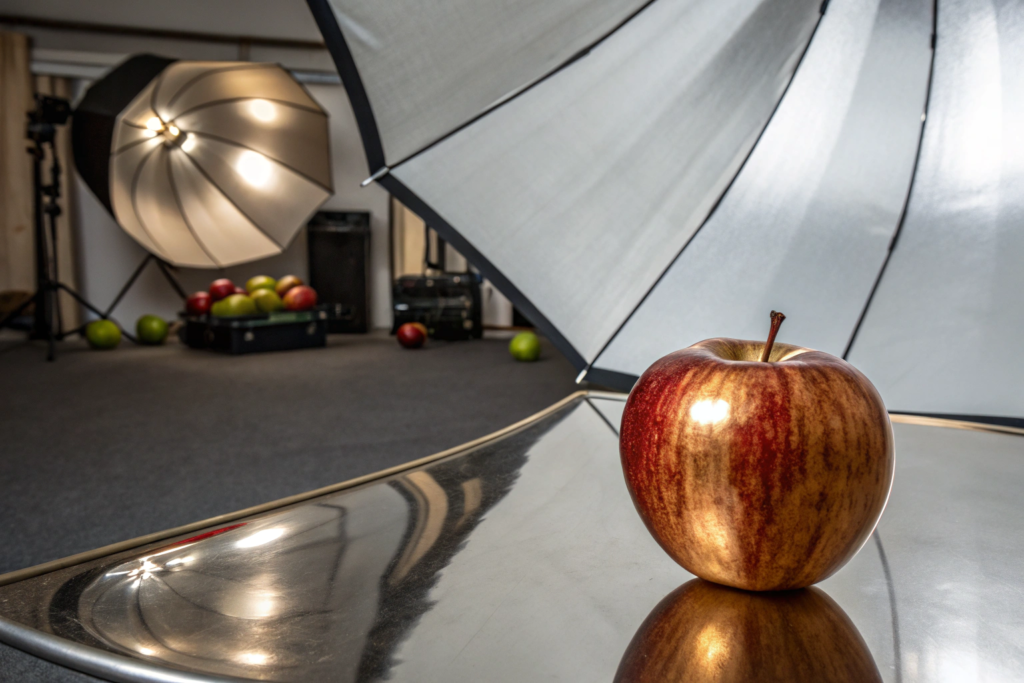
Sometimes you can't eliminate a reflection, so you make it work for you. A well-placed reflection of a softbox can actually define a curve and show the metallic quality. The goal isn't zero reflections. It's controlled reflections that enhance rather than distract.
How do polarizing filters help with reflective surfaces?
Polarizing filters reduce reflections and glare. They screw onto the front of your lens and can be rotated to filter out light reflected from certain angles. They're very effective for metallic surfaces. They can reduce the brightness of highlights and reveal detail underneath. The trade-off is that they reduce overall light, so you may need longer exposures or more powerful lights. We use polarizing filters for almost all metallic product photography.
What angles minimize unwanted reflections?
Shoot at an angle rather than straight on. This puts your reflection outside the frame. Position the product so that the camera is reflected in a less noticeable area, like a dark part of the studio rather than a bright light. Sometimes tilting the product slightly changes what it reflects. Small adjustments make a big difference. This angle management comes with practice.
What camera settings produce the best results?
Camera settings matter, but they're not the secret. Lighting is more important. That said, the right settings help you capture what your lighting creates.
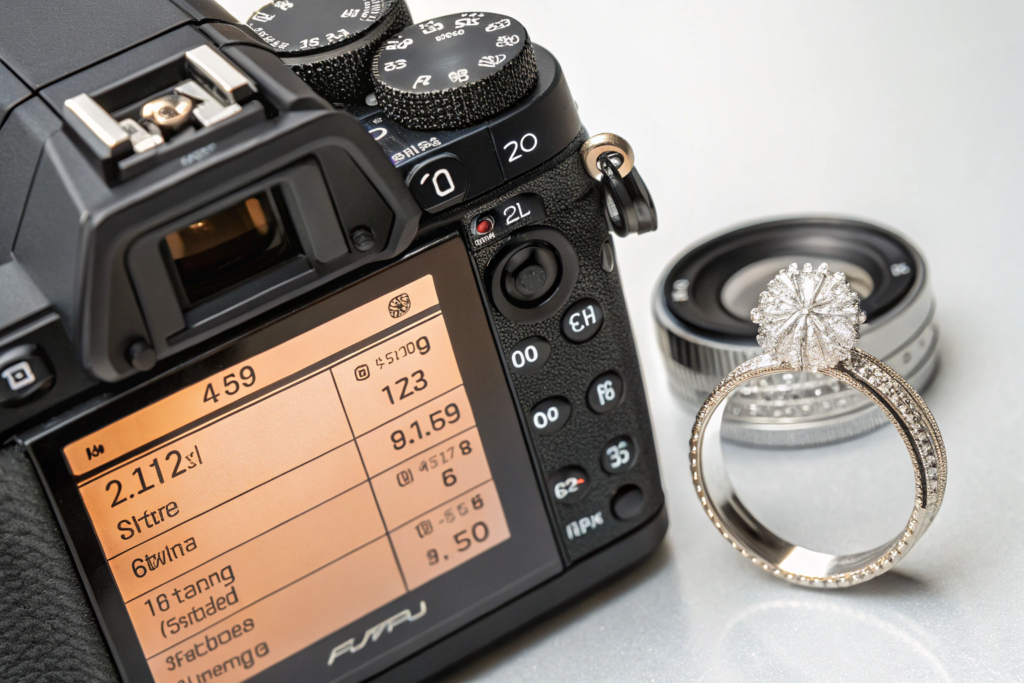
Use a small aperture for depth of field. You want the whole product in focus. f/8 to f/11 is usually good. Use a low ISO for clean images without noise. ISO 100 or 200. Use a tripod so you can use slower shutter speeds without camera shake. Shoot in RAW format so you have maximum flexibility in editing.
Should you shoot in RAW or JPEG for metallic products?
Always RAW. RAW files contain much more data than JPEGs. This gives you flexibility to adjust exposure, recover highlights, and bring out shadows in editing. Metallic products often have extreme contrast. RAW gives you the best chance of capturing both the bright highlights and the dark shadows. JPEGs compress this data away. We shoot everything in RAW for maximum quality.
What aperture gives the best depth of field for small accessories?
For small items like hair clips and jewelry, f/8 to f/11 works well. This gives enough depth of field to keep the whole product sharp while still allowing good light through the lens. If you go smaller, like f/16 or f/22, you risk diffraction, which softens the image. The exact aperture depends on the size of the product and how close you are. We test different apertures for each setup.
Conclusion
Photographing metallic and reflective accessories is challenging but learnable. The keys are controlling reflections, using soft diffused light, creating defined highlights, and capturing in RAW for editing flexibility. Start with good lighting, then refine in post-production. With practice, you can make your products look as good in photos as they do in person.
At Shanghai Fumao, we know how important good product photography is. We provide high-quality images to our clients to help them sell. Our products are designed to look beautiful, and our photos show that beauty. If you're looking for accessories that photograph well and sell well, let's talk. Reach out to our Business Director, Elaine, at elaine@fumaoclothing.com. She'll connect you with a project manager who understands the importance of great product presentation.