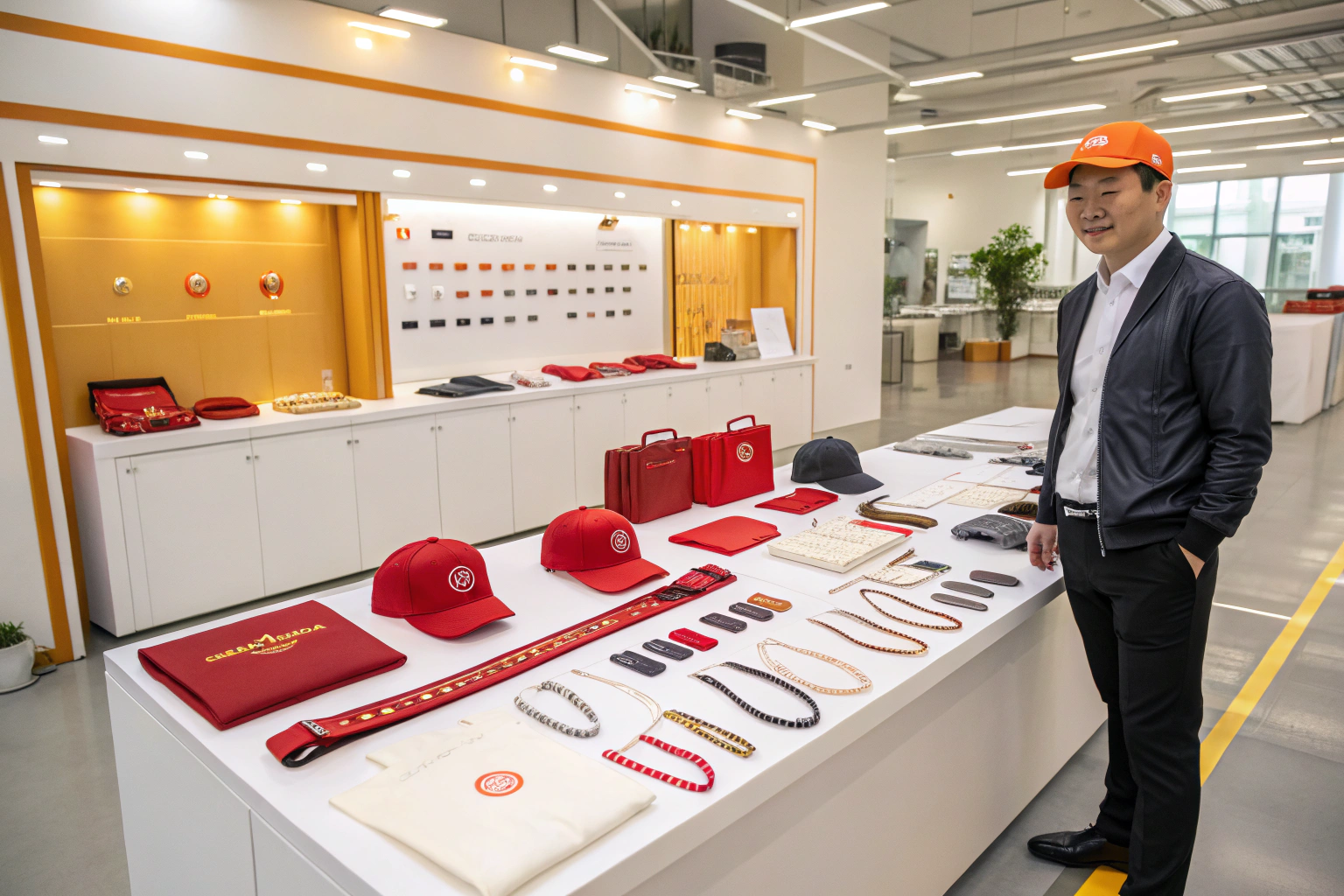
As a manufacturer of accessories for over two decades, the most serious conversations I have with buyers like Ron from the US are about safety, especially when it comes to children's products. The fear of a product recall due to toxic materials is a buyer's absolute worst nightmare. It can destroy a brand's reputation overnight. This is why the choice of something as seemingly simple as a paint or coating is one of the most critical decisions we make.
The best and safest coatings for non-toxic children's accessories are water-based acrylics and polyurethanes that are certified to meet strict international safety standards like ASTM F963-17 (USA) and EN 71-3 (Europe). These advanced coatings use water as their primary solvent instead of harsh chemicals, making them low in VOCs (Volatile Organic Compounds) and free from heavy metals like lead and cadmium.
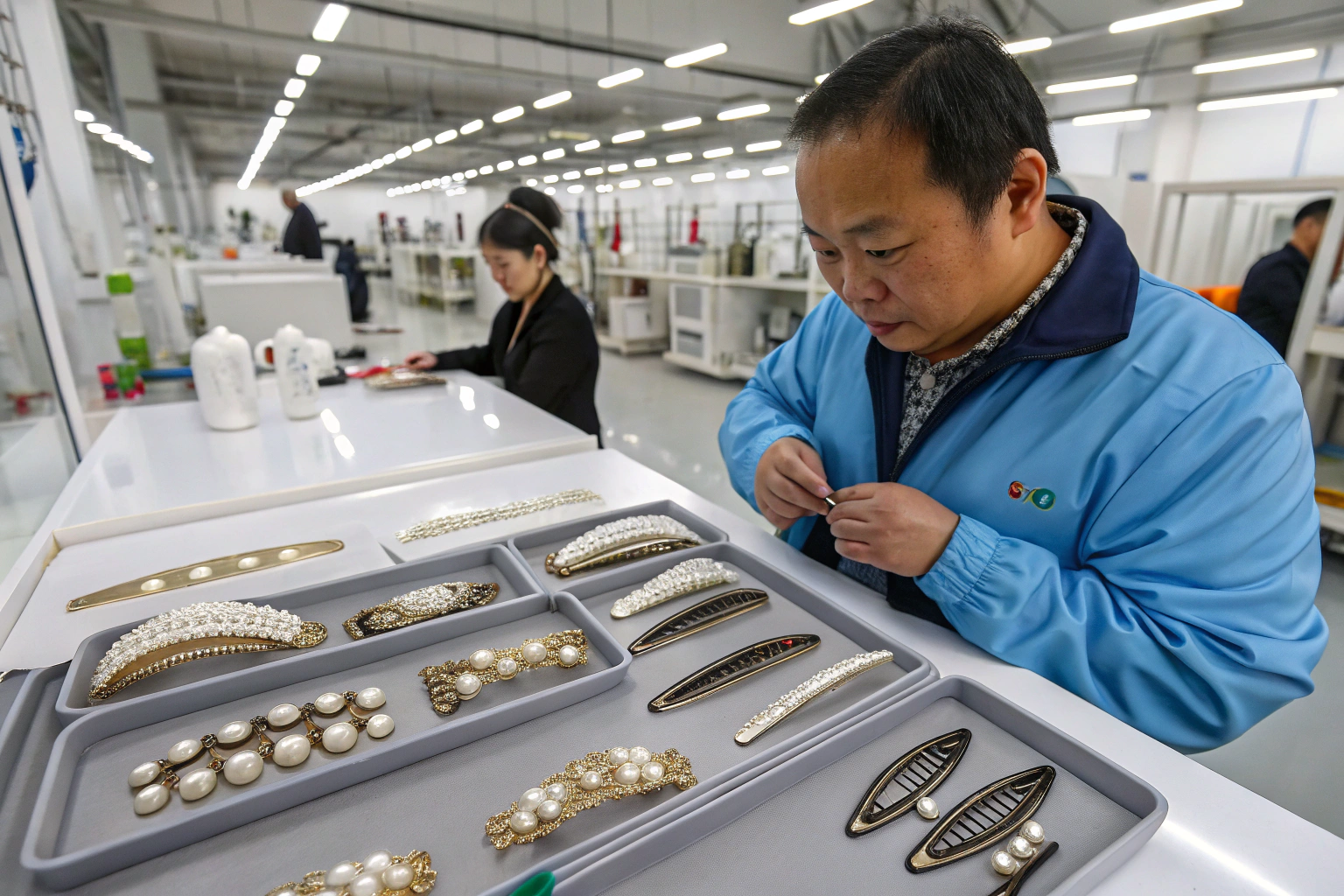
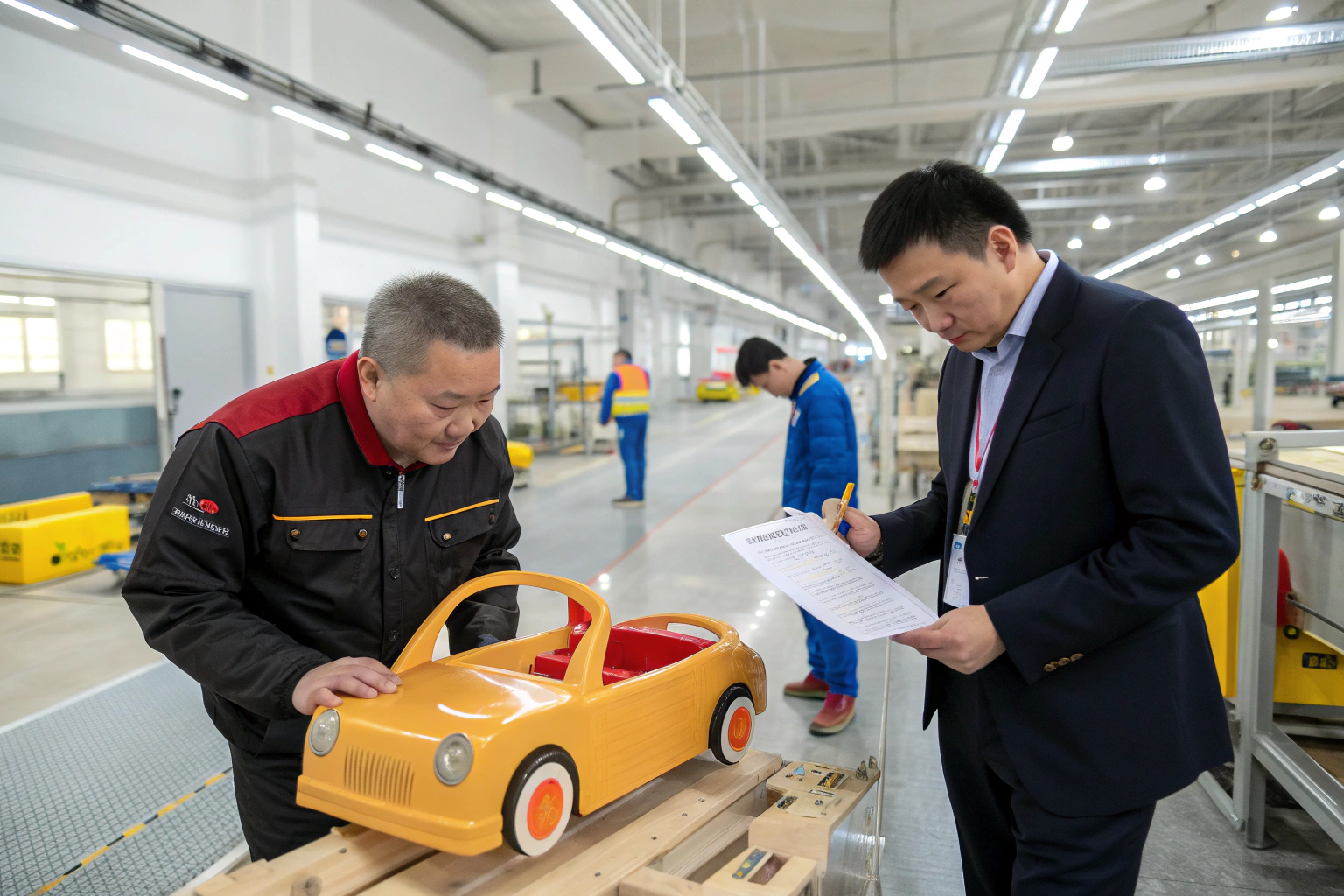
For years, my factory has made a conscious and significant investment in using only these certified water-based systems for all our coated children's accessories, from painted hair clips to wooden toys. It's a non-negotiable part of our commitment to quality and safety. In this article, I'll explain what water-based coatings are, why they are the superior choice, and what safety certifications you absolutely must look for.
Why is "Non-Toxic" the Absolute Priority?
Why can't we just use any paint? The problem is that children, especially young children, interact with their world through touch and taste. They will inevitably put hair clips, toys, and other accessories in their mouths. If a coating contains harmful chemicals, those toxins can be ingested.
The priority is non-toxic because the health and safety of children are paramount, and the legal and financial risks for brands are immense. Traditional solvent-based paints can contain high levels of VOCs and toxic heavy metals like lead, which are known to cause serious developmental problems in children. Using a certified non-toxic coating is the only way to ensure a product is safe and to protect a brand from devastating liability.
At my factory, Shanghai Fumao Clothing, our safety protocol is our bond with our clients. We understand that the products we make end up in the hands of children, and we take that responsibility with the utmost seriousness. Let's break down the specific risks and the regulations designed to prevent them.
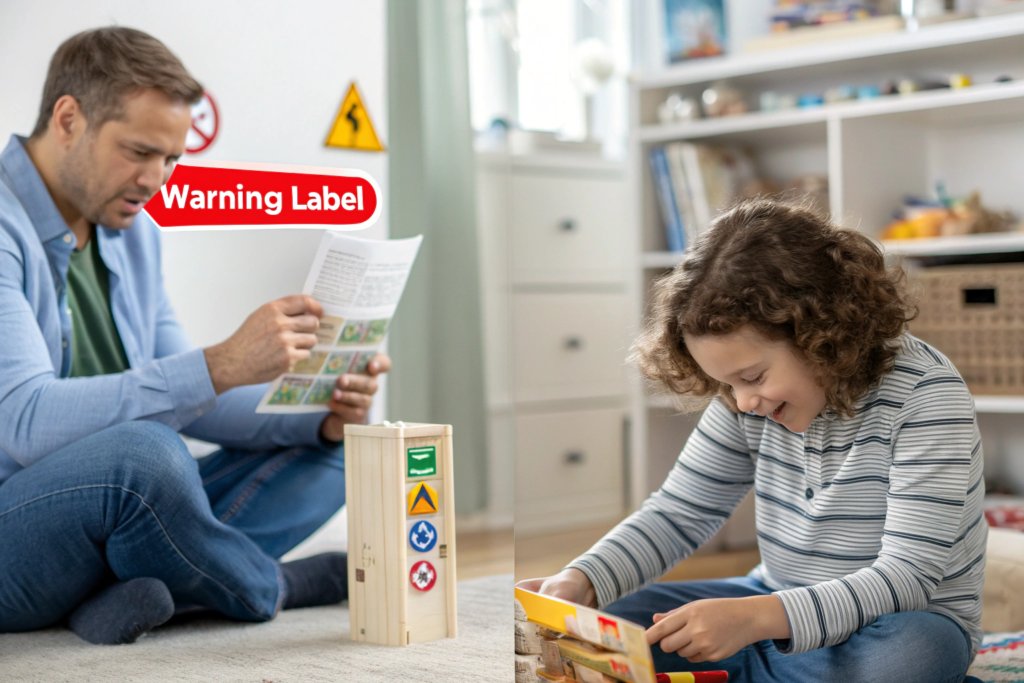
What are VOCs and Heavy Metals?
VOCs (Volatile Organic Compounds) are chemical gases released from many products, including traditional solvent-based paints. These solvents, like toluene and xylene, are what give old-fashioned paint its strong chemical smell. Inhaling VOCs can cause headaches, dizziness, and long-term health problems. Water-based coatings use water as the solvent, dramatically reducing VOC emissions to near-zero levels, making them safer for both the child and the air quality in their home.
Heavy Metals like lead, cadmium, and mercury are extremely toxic, especially to children. Lead, in particular, was historically used in paint to speed up drying and increase durability. However, it is a potent neurotoxin. This is why international regulations are so strict about its presence in children's products.
What are the key safety regulations to know?
As a buyer, you don't need to be a chemist, but you absolutely need to know the names of the key safety standards. Your manufacturer must be able to provide certification for these.
- ASTM F963-17 (USA): This is the mandatory safety standard for toys in the United States. It strictly limits the soluble levels of 19 different heavy metals in paints and coatings.
- EN 71-3 (Europe): This is the European equivalent and part of the "CE" marking requirement. It tests for the migration of 19 toxic elements from toy materials, including surface coatings.
- CPSIA (Consumer Product Safety Improvement Act): This is a broader US law that, among other things, sets stringent limits on the total lead content in any product intended for children 12 and under.
If a potential supplier cannot provide recent, valid test reports for these standards from a reputable third-party lab (like SGS, Intertek, or TUV), you should not do business with them. It's that simple.
What are Water-Based Acrylic and Polyurethane Coatings?
Now that we know why non-toxic is crucial, let's talk about the what. What are these safer alternatives? The two leading types of water-based coatings used for children's accessories are acrylics and polyurethanes.
Water-based coatings are advanced formulations where water is the primary liquid carrier for the paint's solid components (the pigments and binders). Water-based acrylics are known for their vibrant colors and good adhesion, while water-based polyurethanes offer superior durability and resistance to scratches and moisture.
We use both types of coatings in our factory, depending on the specific product and its required performance. Let's look at the pros and cons of each.
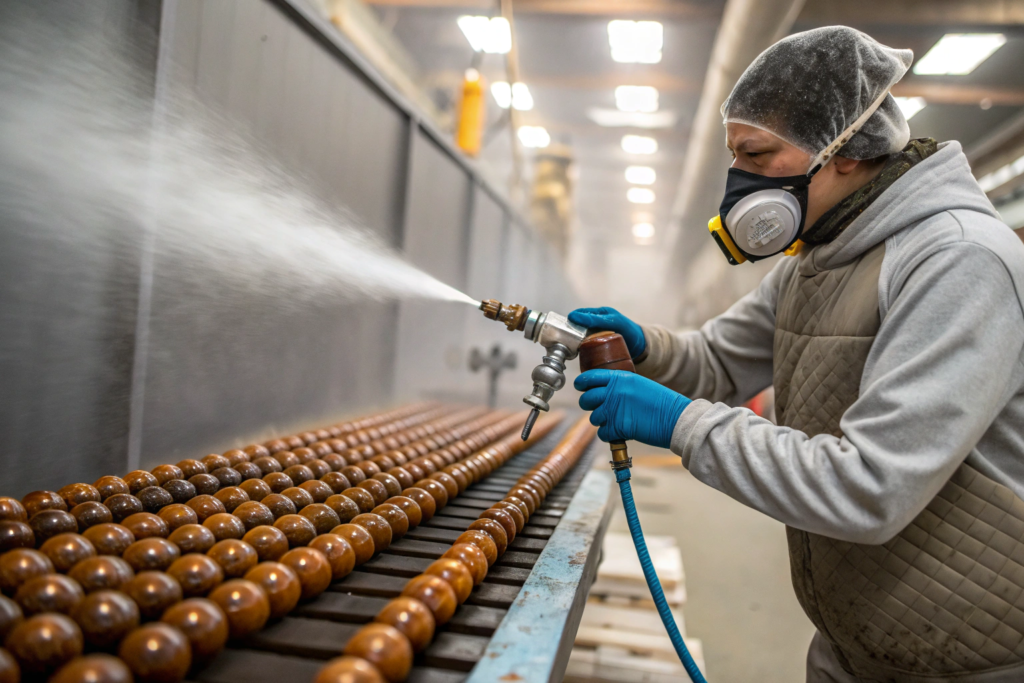
What are the benefits of water-based acrylics?
Water-based acrylic coatings are incredibly versatile and are the workhorse for many colored children's accessories. Their main advantages are:
- Vibrant Colors: Acrylics are capable of producing bright, clear, and rich colors that are very appealing for children's products.
- Fast Drying Time: They dry relatively quickly, which helps to speed up the production process.
- Low Odor & Low VOCs: Because the solvent is water, they have very little smell and are much safer for our workers and the end consumer.
- Good Adhesion: They adhere well to a variety of porous surfaces, especially wood.
The main limitation of acrylics is that they are not as tough as polyurethanes. For an item that will see a lot of rough play, an additional protective topcoat might be needed.
When is water-based polyurethane the better choice?
Water-based polyurethane is typically used as a clear topcoat, though colored versions are also available. It is the best choice when durability is the absolute top priority. Its key benefits include:
- Superior Durability: Polyurethane creates a harder, more protective film that is highly resistant to scratches, scuffs, and impacts. This is ideal for toys and accessories that will be dropped or banged around.
- Water and Chemical Resistance: It provides an excellent barrier against moisture, making it suitable for items that might get wet or need to be wiped clean, like a child's cup or placemat.
- Non-Yellowing: High-quality water-based polyurethanes are crystal clear and will not turn yellow over time, preserving the color of the paint or the natural look of the wood underneath.
At Shanghai Fumao Clothing, we often use a multi-layer system: a water-based acrylic for the color, followed by a clear coat of water-based polyurethane for maximum durability. This gives our clients the best of both worlds.
How Do You Verify a Coating is Truly Non-Toxic?
This is the most critical question for any buyer. A supplier can claim their products are non-toxic, but how do you prove it? Trust is good, but verification is essential. The "con" of sourcing any product from overseas is the risk of unsubstantiated claims.
You must verify a coating's safety through independent, third-party documentation. This means demanding and reviewing up-to-date test reports from an accredited international laboratory (like SGS, Intertek, Bureau Veritas, or TUV) that specifically show the finished product passes the required safety standards for your target market (e.g., ASTM F963, EN 71-3).
This is a non-negotiable part of our process with every client. We provide a full documentation package for every shipment. Here’s what you need to look for.
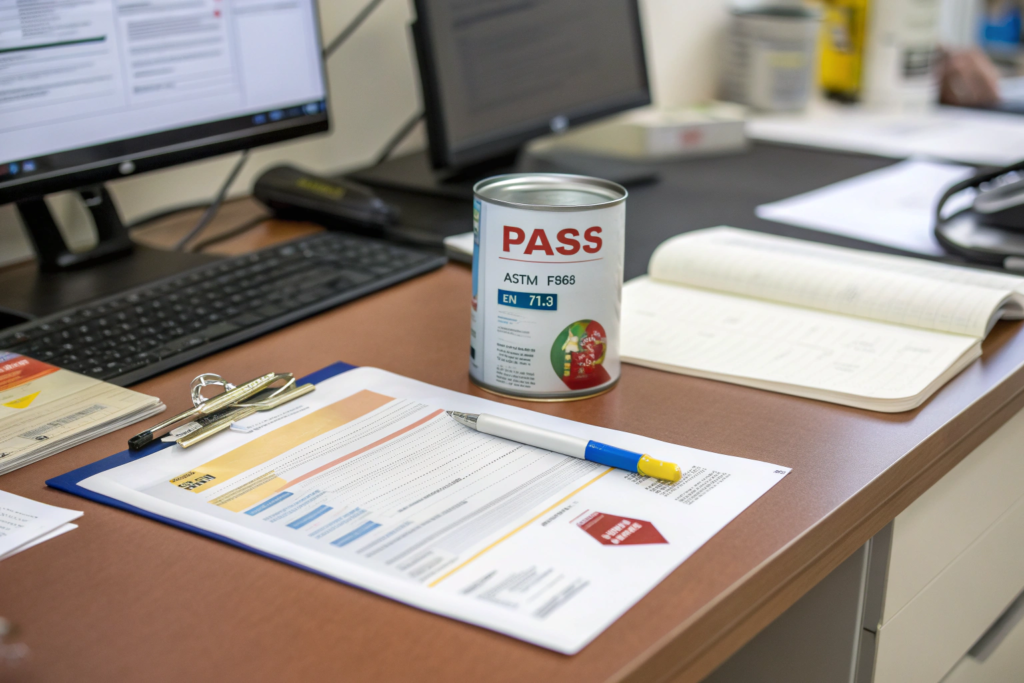
What should I look for in a test report?
A legitimate test report is a detailed, multi-page document. Here's what to scrutinize:
- The Applicant: Does the report belong to the factory you are actually working with? Some suppliers may try to use another factory's report.
- The Product Description: Is the product described in the report the same as the one you are ordering? A report for a wooden block is not valid for a painted hair clip.
- The Test Date: Is the report recent? Standards can be updated, and material batches can change. A report that is several years old may no longer be relevant. We typically re-certify our materials annually or with every new major batch.
- The Conclusion: Look for the "PASS" summary. The report should clearly state that the product passes the specific clauses of the relevant standard (e.g., "ASTM F963-17, Section 4.3.5 - Heavy Elements in Surface Coatings").
- The Laboratory: Is the report from a well-known, accredited lab? A report from an unknown lab may not be trustworthy.
Should I trust the supplier's internal testing?
No. While a good manufacturer will conduct their own internal quality control and batch testing, this should never be a substitute for independent, third-party verification. An internal report can be easily falsified. Only a report from an accredited external lab provides the unbiased, legally defensible proof you need to import and sell your products with confidence.
As a buyer, you can even commission your own tests. You can ask the factory to send a sample from your production run directly to a lab of your choosing. This provides the ultimate level of assurance and is a practice we welcome from our clients.
Are There Any Downsides to Water-Based Coatings?
While water-based coatings are superior in safety, it's important for buyers to understand the full picture. There are reasons why solvent-based paints were used for so long.
The primary downsides of water-based coatings are related to production complexity and specific aesthetic qualities. They require a more controlled application and curing environment, can be more susceptible to damage before they are fully cured, and typically produce a lower-gloss finish compared to their high-gloss, solvent-based counterparts. These are not deal-breakers, but they are factors that a professional manufacturer needs to manage. Let's look at these challenges and how we overcome them.
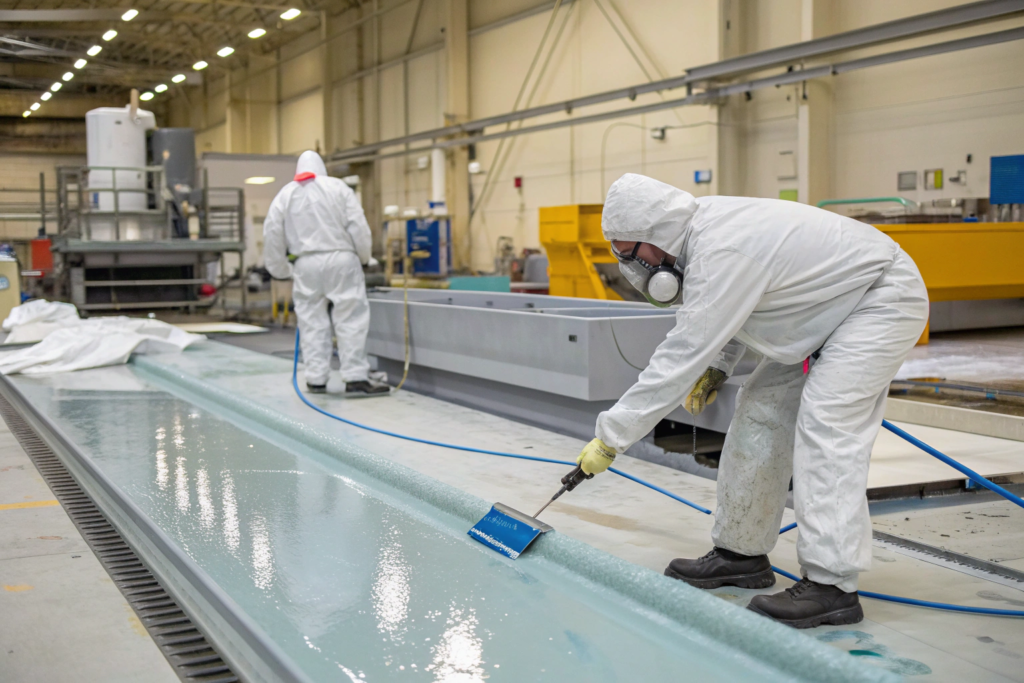
Are they as durable as solvent-based paints?
This is a common misconception. Once fully cured, a high-quality water-based polyurethane is just as durable, if not more so, than many traditional solvent-based lacquers. It forms a hard, cross-linked protective shell. The main difference is the curing process. Water-based coatings can take longer to reach their maximum hardness (sometimes up to 30 days for full chemical cure).
This means the manufacturing process needs to be more patient. We have to allow for adequate drying time between coats and before packaging. Rushing this process is a common mistake of low-quality factories and can lead to products sticking together in transit or being easily scratched.
Can they achieve the same look and feel?
In terms of color, absolutely. Water-based acrylics offer a limitless palette of vibrant, clear colors. The main aesthetic difference is in the sheen. Solvent-based coatings can easily produce a very high-gloss, almost wet look. While glossy water-based finishes exist, the technology excels at producing beautiful satin, semi-gloss, and matte finishes.
Many brands and consumers have actually come to prefer this more natural-looking satin finish, as it feels more modern and less "plastic-y." It allows some of the natural texture of the material underneath, like wood grain, to show through, which adds to the product's authentic, high-quality feel.
Conclusion
When it comes to children's accessories, safety is not a feature; it is the foundation upon which your entire product and brand are built. The clear, responsible choice is to use certified non-toxic, water-based coatings. While they require a more sophisticated and controlled manufacturing process, the result is a product that is safe for children, better for the environment, and free from the immense legal and reputational risks associated with toxic materials. By partnering with a manufacturer who understands the science, prioritizes safety, and provides transparent, third-party verification, you can offer your customers beautiful, durable, and, most importantly, safe accessories they can trust.
If you are looking for a manufacturing partner who puts safety first and has deep expertise in applying certified, non-toxic water-based coatings, my team at Shanghai Fumao Clothing is ready to help. We believe in making products that are beautiful, durable, and uncompromisingly safe. Please contact our Business Director, Elaine, at her email: elaine@fumaoclothing.com to discuss your next children's collection.