Are you planning your 2026 sourcing calendar but overwhelmed by the sheer number of trade shows in China? Do you worry about investing time and travel budget into events that won't deliver the right suppliers for your fashion accessory business? For international buyers, brand owners, and product managers, choosing the right trade shows is a strategic decision that can define your sourcing success for the entire year.
The best trade shows to visit in China in 2026 for fashion accessories are those that offer comprehensive industry verticals, strong international buyer programs, and a clear focus on OEM/ODM manufacturing. Based on current cycles and industry standing, the top recommendations are: The China International Fashion Fair (CHIC) in Shanghai, The Canton Fair (China Import and Export Fair) in Guangzhou (specifically the Garments & Textiles phase), The Yiwu International Fair for Accessories in Zhejiang, and Intertextile Shanghai Apparel Fabrics. These events provide unparalleled access to factories, material innovators, and trend forecasts specifically for apparel and accessories, all under one roof.
Selecting the right show depends on your specific goals: finding new OEM partners, sourcing materials, or spotting trends. This guide will break down the key shows for 2026, explain what makes each unique, and provide a practical strategy for planning your visit to maximize ROI, from pre-show networking to on-the-ground navigation.
Which trade shows offer the best access to fashion accessory manufacturers?
For buyers seeking direct factory connections, the trade show landscape can be divided into two types: comprehensive mega-fairs and specialized vertical exhibitions. Your choice should align with whether you want to see a vast cross-section of Chinese manufacturing or dive deep into the accessory and textile ecosystem.
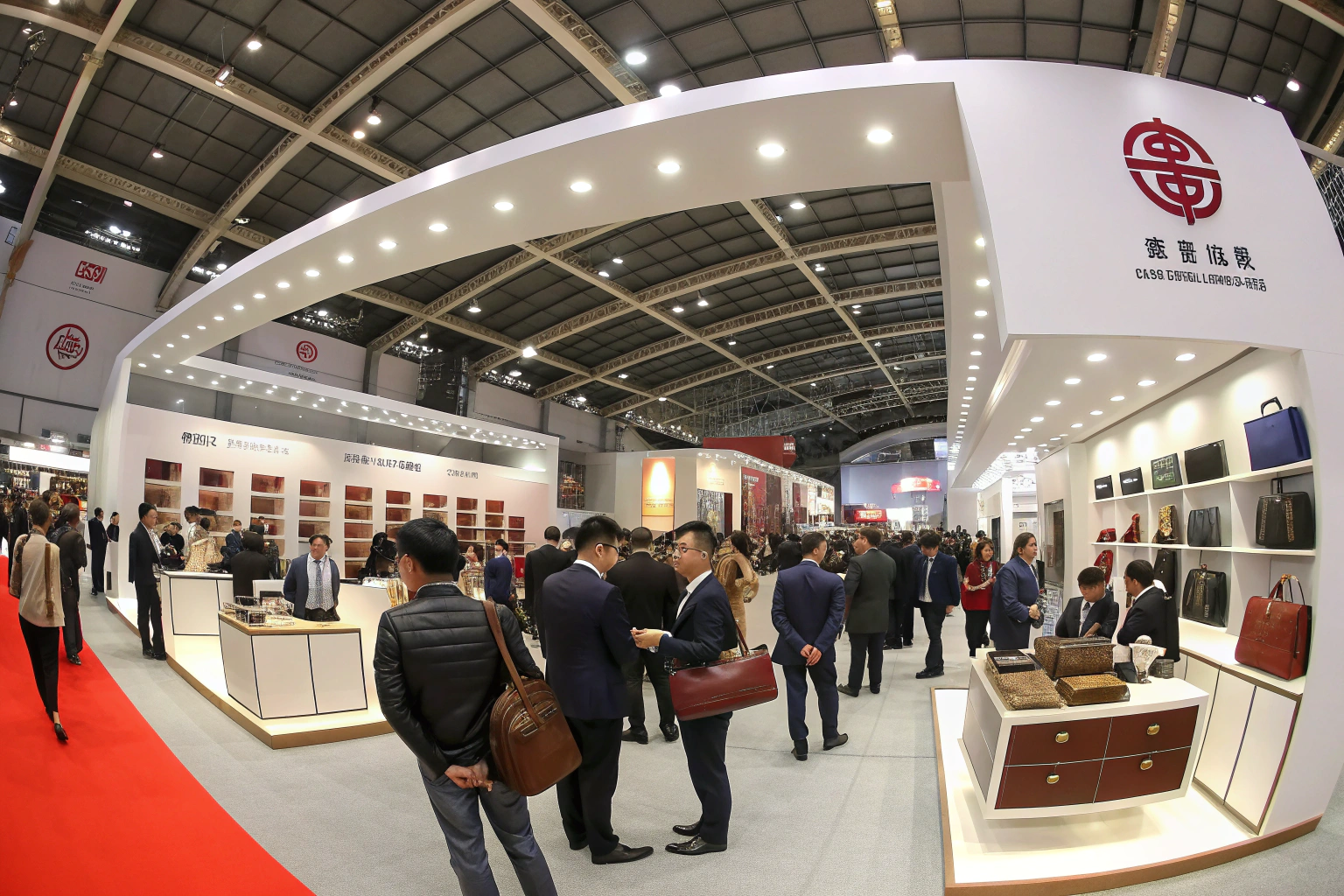
The Canton Fair is the undisputed giant. Held in Guangzhou every spring (Phase 2) and autumn, its "Garments, Textiles & Accessories" phase is a must-visit. It features thousands of exhibitors, from massive export factories to specialized accessory makers. Its scale is both its strength and its challenge—it requires meticulous pre-planning. Conversely, The China International Fashion Fair (CHIC) in Shanghai is more curated and fashion-forward. It focuses on brand-ready manufacturing, OEM/ODM services, and features dedicated zones for accessories, knitwear, and outerwear, making it easier to find relevant suppliers with strong design capabilities.
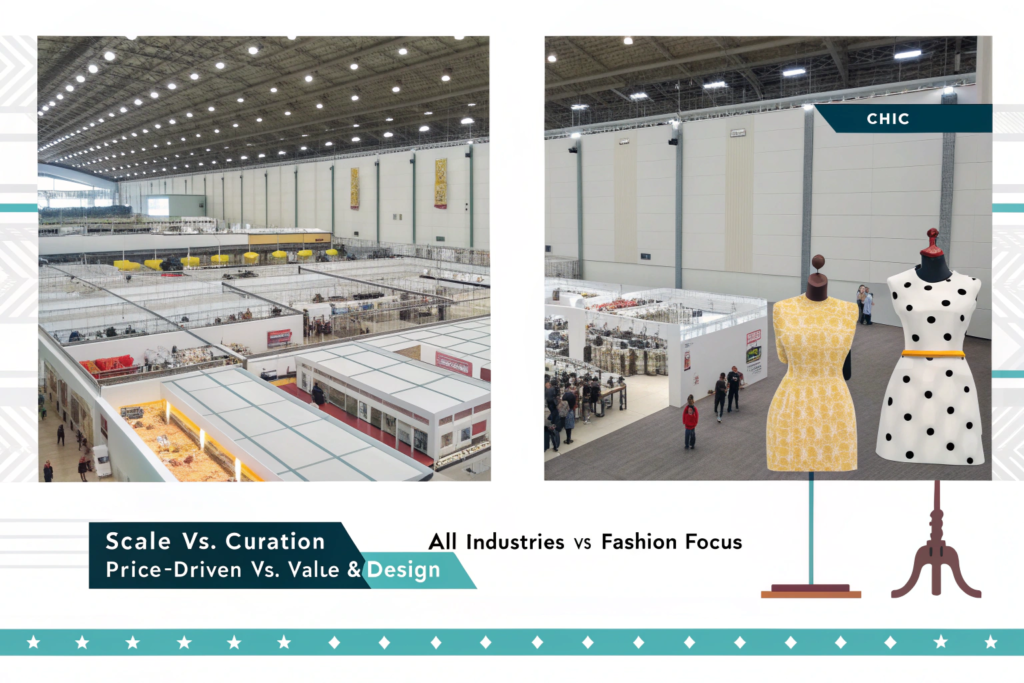
Why is the Canton Fair's "Garments & Textiles" phase still indispensable?
The Canton Fair (China Import and Export Fair) remains the world's largest trade show for a reason. For accessory buyers, Phase 2 (Garments, Textiles & Accessories) is particularly critical. Its indispensability comes from three factors:
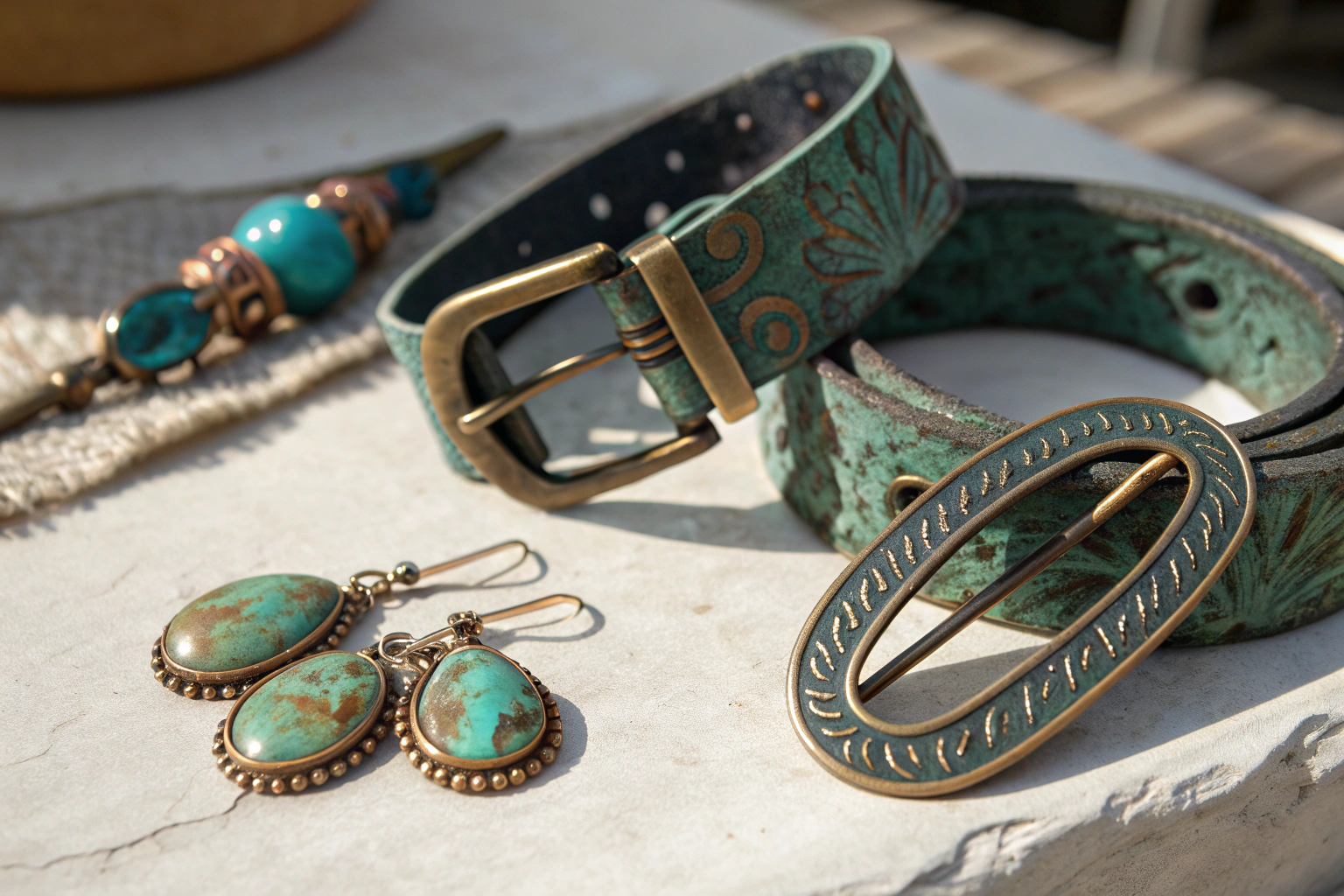
- Unmatched Breadth and Verification: You can meet suppliers for virtually every accessory category—from hair bands and belts to scarves, hats, and bags—all in one place. The fair's vetting process means exhibitors are generally established, export-capable factories. It's an efficient way to audit a supplier's scale, professionalism, and product range in person.
- Direct Price and MOQ Negotiation: The environment is transactional. You can discuss pricing, Minimum Order Quantity (MOQ), and customization options face-to-face, getting immediate feedback and comparing terms across dozens of suppliers.
- Trend Spotting Across Supply Chains: Beyond finished goods, you can see trends in components (buckles, fabrics, trims) and packaging, giving you a holistic view of the supply chain. For a factory like ours, Shanghai Fumao Clothing, participating in such fairs is key to connecting with serious buyers and showcasing our full-package service from design to customs clearance.
The key to conquering the Canton Fair is preparation. Use the official online directory months in advance to shortlist exhibitors in your niche (e.g., "scarves & shawls," "headwear"), schedule meetings, and map your route through the enormous complex.
How does CHIC (China International Fashion Fair) cater to brand-focused buyers?
CHIC, typically held in Shanghai, positions itself as a bridge between Chinese manufacturing and global fashion brands. It's less about sheer quantity and more about quality and partnership potential.
- OEM/ODM Focus: Exhibitors here prominently showcase their design teams and sample development capabilities. They are looking for brand partnerships, not just one-off orders. This is ideal if you have designs you want to produce or need a supplier with strong product development support.
- Trend-Driven Layout: The fair is organized into thematic pavilions (e.g., Contemporary Fashion, Accessory Vision, Knitwear). The "Fashion Accessory Zone" is a concentrated area to find high-end belt, glove, hat, and jewelry manufacturers.
- International Business Services: CHIC often has better-organized matchmaking services, translator support, and seminar programs on topics like cross-border e-commerce and sustainability, which are valuable for strategic planning.
For buyers who prioritize design collaboration, innovation in materials, and building long-term strategic sourcing partnerships, CHIC can be a more productive and focused environment than the overwhelming scale of the Canton Fair.
What specialized shows focus on textiles and raw materials?
Understanding materials is half the battle in fashion. For buyers who source fabrics or want to innovate at the material level, attending a premier textile fair is as important as visiting finished goods exhibitions. These shows are where you discover new fabrics, finishes, and sustainable materials that can define your next collection.
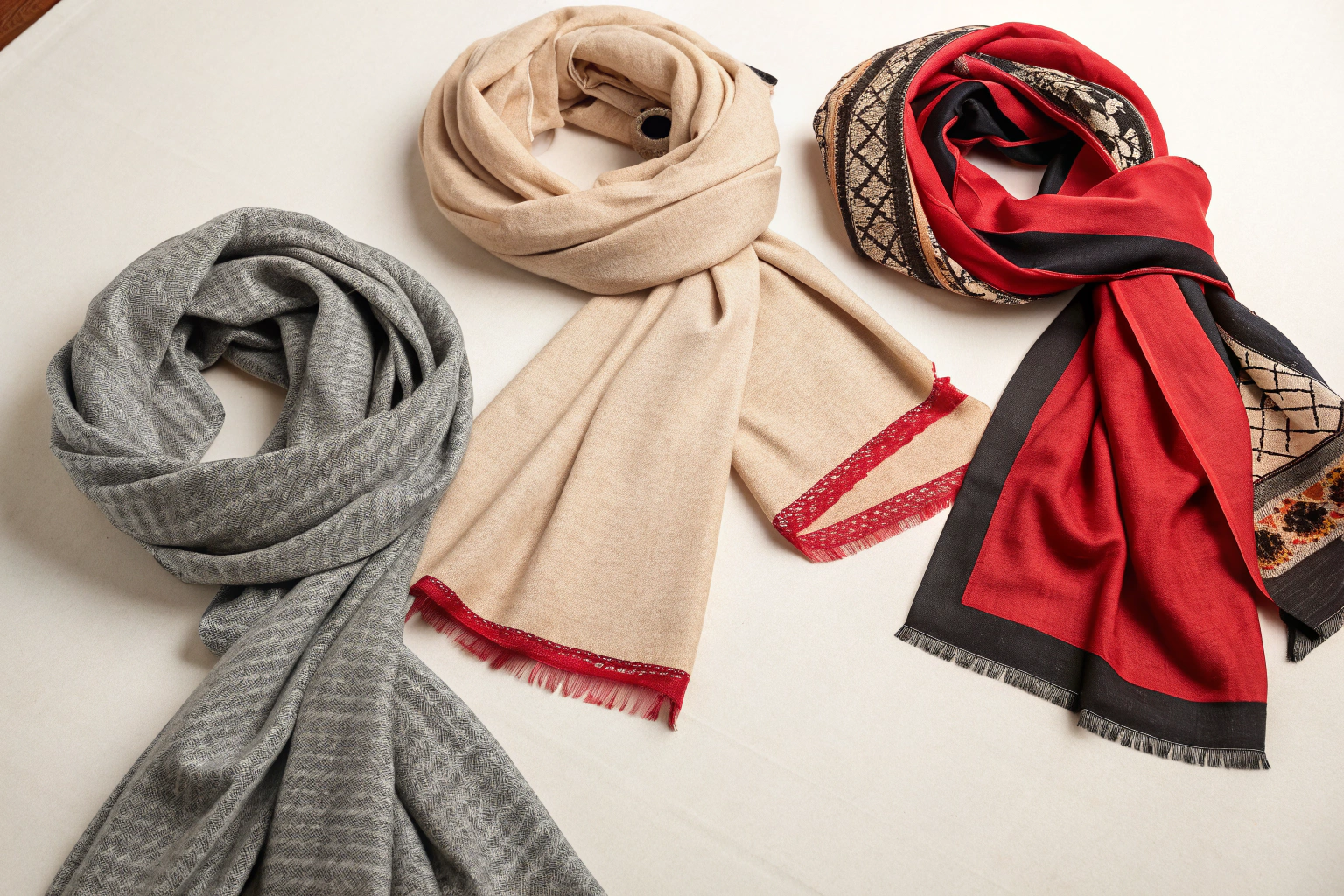
Intertextile Shanghai Apparel Fabrics is the leading event in Asia for this purpose. Held twice a year, it brings together global mills offering everything from fine cottons and silks to technical performance fabrics and innovative recycled fibers. For accessory makers, this is where you source lining materials for gloves and bags, outer fabrics for scarves and hats, as well as trims, lace, and ribbons. Visiting Intertextile empowers you to specify materials to your manufacturer with authority, potentially leading to more unique and cost-effective products.
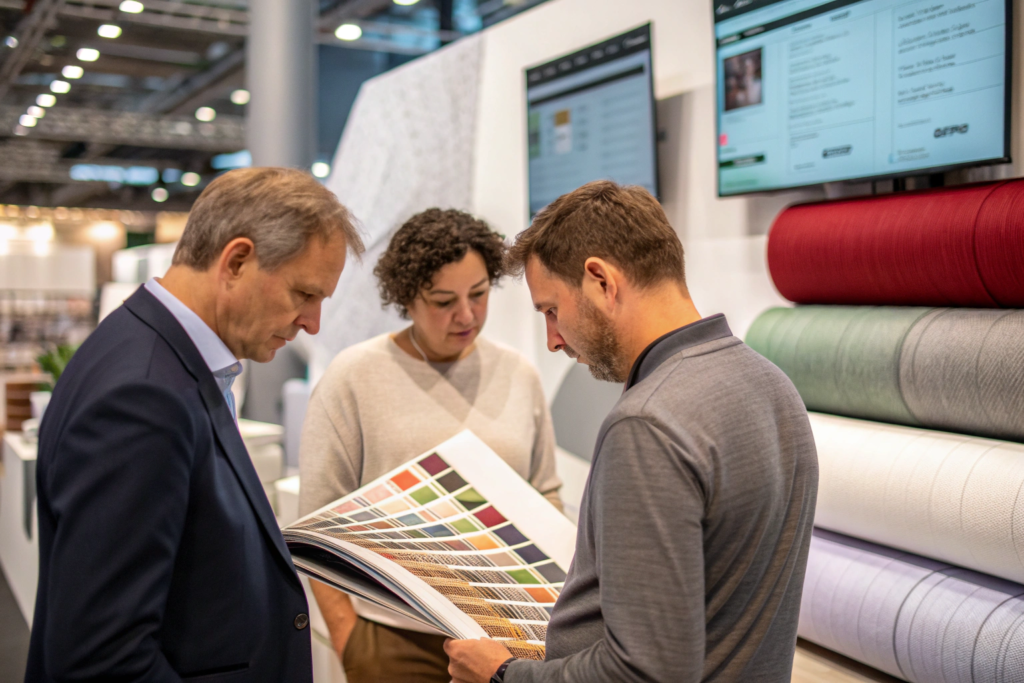
Why should accessory buyers attend Intertextile Shanghai?
Accessory designers and buyers might overlook textile fairs, but this is a missed opportunity. Here’s why Intertextile is crucial:
- Material Innovation Direct from Mills: Discover new materials like temperature-regulating fabrics for scarves, water-resistant coatings for hats, or ultra-soft linings for gloves before they become mainstream. This can give your products a competitive edge.
- Cost Control and Transparency: By understanding fabric costs and availability directly from mills, you can have more informed negotiations with your manufacturing partner. You can also identify alternative materials that meet your aesthetic and functional needs at a better price point.
- Building a Secondary Supply Network: Establishing relationships with fabric mills gives you backup options and allows you to suggest specific material sources to your OEM factory, ensuring consistency and quality.
The fair also features forums on color trends (often by Pantone or other forecasters) and sustainable textiles, providing invaluable intelligence for your product development planning. It's a strategic move for buyers looking to move up the value chain.
What is the unique value of the Yiwu International Fair for Accessories?
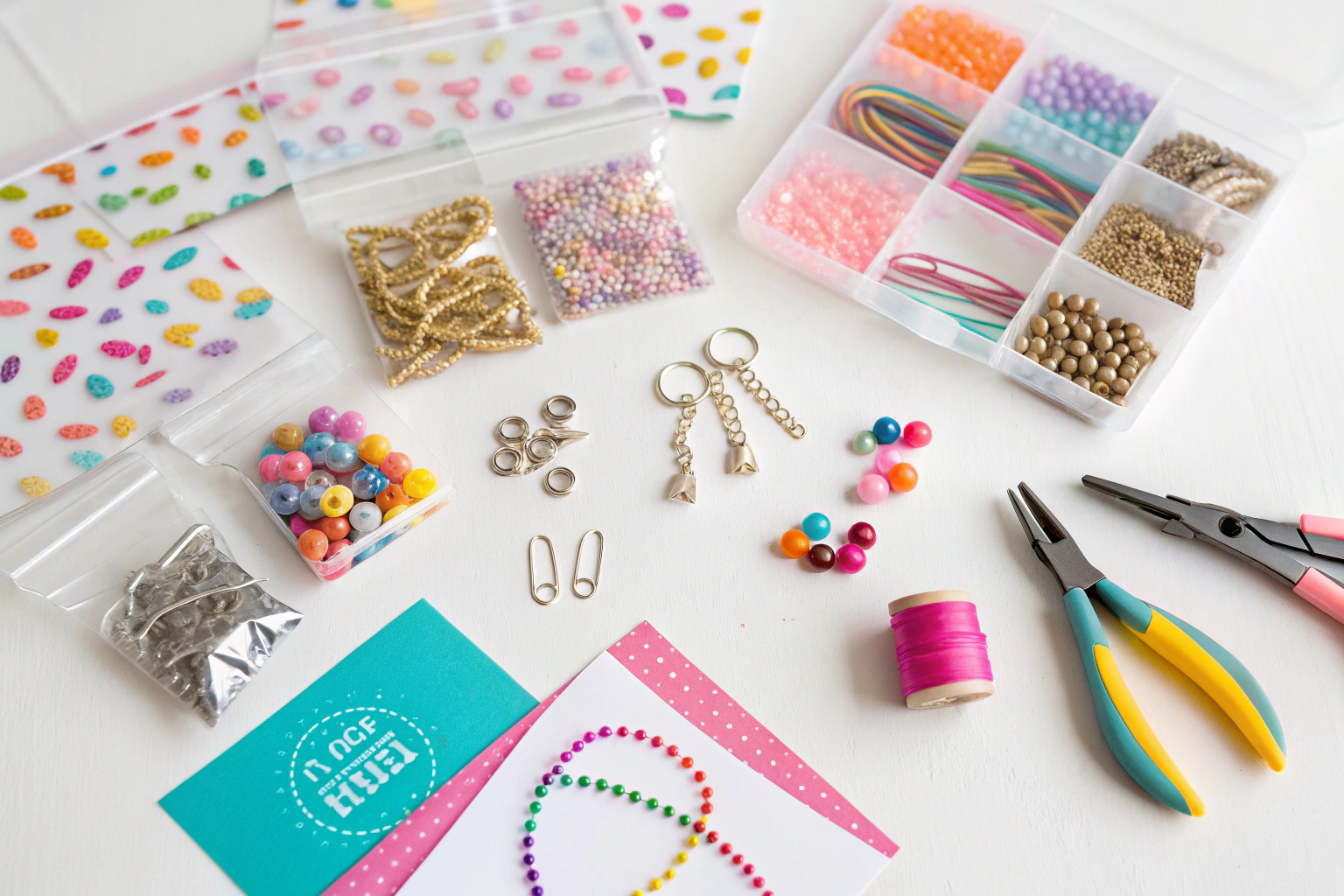
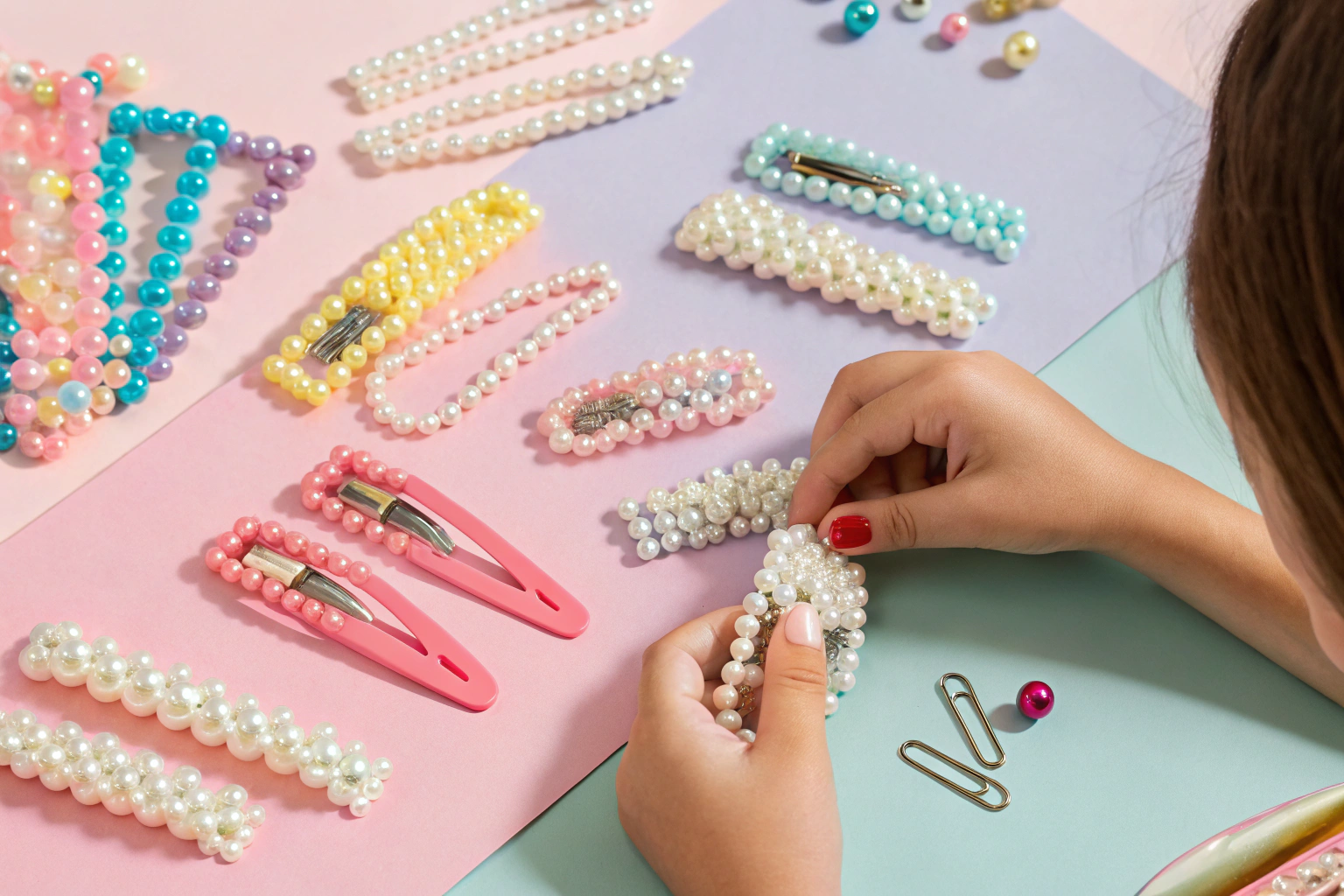
Held in Yiwu, Zhejiang—a city famous as the "world's supermarket" for small commodities—this fair is hyper-specialized. The Yiwu International Fair for Accessories is a treasure trove for fashion jewelry, hair accessories, brooches, and smaller trinkets. It is particularly strong for hair clips, headbands, costume jewelry, and decorative buttons/patches.
The value here is in volume sourcing, trend spotting at the micro level, and finding niche suppliers. The MOQs can be lower than at larger fairs, making it excellent for boutique owners, online sellers, and brands looking for trendy, fast-turnaround items. The city of Yiwu itself is a permanent market, so a visit can be extended to explore the wholesale markets surrounding the fair dates. For businesses focused on the more decorative side of fashion accessories, this fair is unmatched in its concentration and variety.
How to strategically plan your 2026 trade show itinerary?
Attending a major trade show in China is a significant investment. Success depends on meticulous planning before you land. A strategic approach turns a potentially overwhelming trip into a highly productive business mission. The core of this strategy is: Define Objectives, Research Exhibitors, Schedule Meetings, and Plan Logistics.
Start by defining clear goals. Are you looking for 3-5 new glove suppliers? Do you need to source sustainable fabrics for a new scarf line? Your goals will determine which shows to prioritize and how you spend your time on the floor. Next, use the show's official online platform to research exhibitors. Filter by product category (e.g., "leather gloves," "wool hats") and review their company profiles, export markets, and product galleries. Create a shortlist of must-visit booths and a secondary list for browsing.
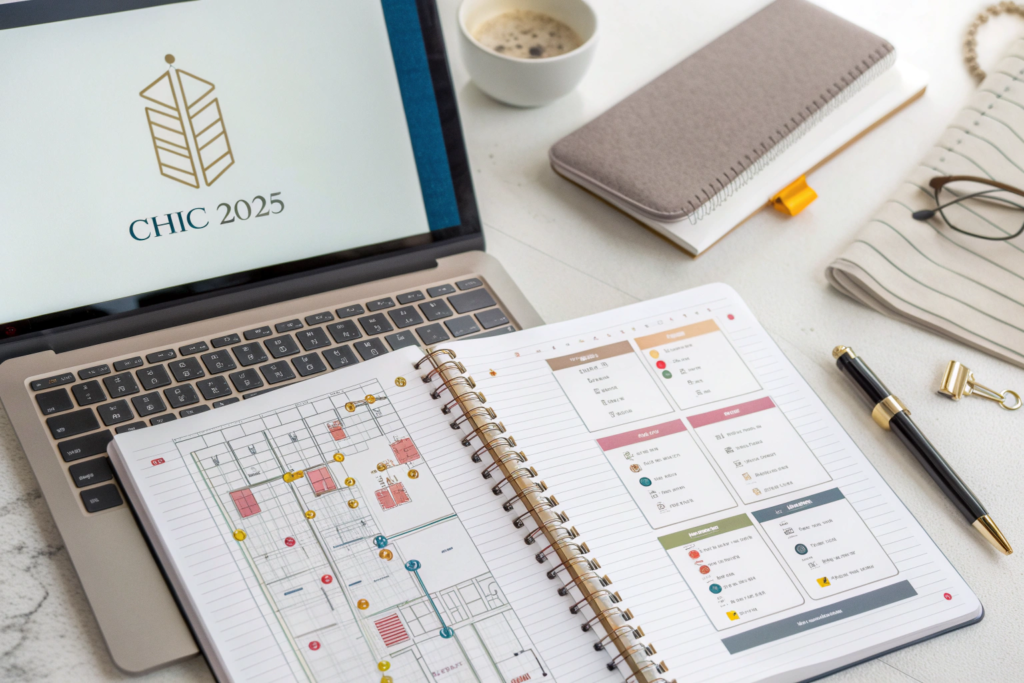
What are the critical pre-show steps for maximum efficiency?
The work you do 4-8 weeks before the show dictates your success.
- Pre-Register and Secure Your Badge: Avoid long registration lines by registering online as an "International Buyer." This often grants you access to buyer lounges and networking events.
- Schedule Appointments in Advance: Email your shortlisted suppliers directly (contact info is usually on the show website). Introduce yourself, your business, and request a meeting time at their booth. This guarantees face time and shows you are a serious buyer.
- Prepare a Professional Company Profile and Sourcing Brief: Have a digital or physical one-pager that explains your company, your products, and what you are looking for (e.g., "ODM partner for oversized blanket scarves, target MOQ 500/piece"). This helps suppliers immediately assess if they can meet your needs.
- Book Accommodation and Logistics Early: Hotels near major exhibition centers like the National Exhibition and Convention Center (NECC) in Shanghai or the Pazhou Complex in Guangzhou book up fast. Secure flights and local transport (consider the show's shuttle bus service) well in advance.
Don't forget business cards, a comfortable pair of shoes, a portable charger, and a sturdy bag for collecting catalogs and samples. Our project managers often act as guides for our clients at these fairs, helping them navigate and facilitating introductions—a service to inquire about when building a relationship with a potential manufacturer.
How to effectively navigate and follow up post-show?
During the show, stay focused. Visit your pre-scheduled appointments first. Take photos of products you like (with permission), note specific contact names, and jot down key discussion points on the back of their business cards. Collect physical samples if possible, or arrange for them to be sent later.
The most critical phase begins when the show ends: follow-up.
- Organize Within 48 Hours: Sort all contacts and notes. Categorize suppliers as "Priority," "Potential," and "Reference."
- Send Personalized Follow-Up Emails: Within one week, send emails to your priority contacts. Reference your meeting, mention specific products discussed, and outline the next steps (e.g., "Please send your catalog and price list for the wool berets we discussed" or "We will send our tech pack for quotation as discussed").
- Request Detailed Quotations: For promising suppliers, move quickly to the sampling and quotation stage. This is where their responsiveness and professionalism will be truly tested.
The trade show is the beginning of the relationship, not the end. Effective follow-up converts a brief meeting into a tangible business opportunity. Utilizing a CRM or simple spreadsheet to track these interactions is essential.
What are the hidden benefits and common mistakes to avoid?
Beyond finding suppliers, trade shows offer intangible benefits that are equally valuable. Conversely, common mistakes can waste your investment. Being aware of both maximizes your ROI.
The hidden benefits include market intelligence (seeing what your competitors are offering and at what price points), networking with other international buyers to share experiences and supplier referrals, and attending trend seminars and product showcases that provide direction for your future collections. These elements help you build a more informed, competitive business strategy.
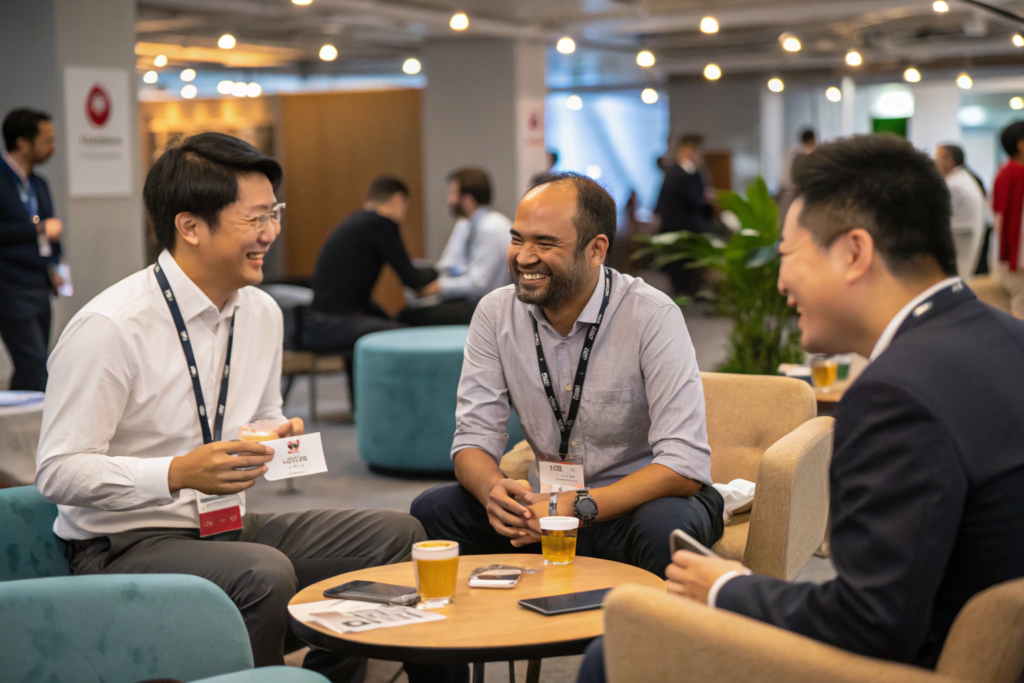
How to leverage trade shows for broader market intelligence?
Go beyond just walking the aisles. Actively analyze what you see.
- Pricing Trends: Note the general price ranges for key items. Are costs rising? Are there new, cost-effective materials being widely adopted?
- Design and Color Directions: What colors, patterns, and silhouettes are dominant across multiple booths? This indicates what factories are tooled up to produce and what will be abundant in the market next season.
- Innovation Spotlight: Look for booths highlighting "new products" or "sustainable solutions." These areas signal where the industry is heading.
Take time to attend free seminars on the show floor. Topics often cover export regulations, logistics updates, and consumer trends in key markets like Europe and North America. This intelligence is free and directly applicable to your sourcing and sales strategy.
What are the top mistakes first-time visitors make (and how to avoid them)?
- No Pre-Show Plan: Wandering aimlessly leads to overwhelm and missed opportunities. Avoid by: Creating a targeted booth list and schedule.
- Trying to See Everything: It's impossible. Avoid by: Focusing on your priority product categories and accepting that you will miss some sections.
- Not Verifying Supplier Capabilities: Assuming every exhibitor is a factory. Avoid by: Asking direct questions: "Are you the factory or a trading company? Can I visit your factory?" Ask for proof like factory photos or videos.
- Poor Sample Management: Collecting heavy catalogs and samples without a plan to ship them home. Avoid by: Using sample shipping services offered at the fair or taking photos and ordering samples later.
- Neglecting Follow-Up: Letting contacts go cold. Avoid by: Blocking time in your calendar the week after the show exclusively for follow-up emails and calls.
By planning strategically, focusing on quality over quantity of contacts, and executing diligent follow-up, your trade show investment will pay for itself many times over in new partnerships and market insights.
Conclusion
Choosing the best trade shows in China for 2026 is a strategic exercise that aligns your business goals with the unique strengths of each event. The Canton Fair offers unparalleled scale for direct factory sourcing, CHIC provides a curated platform for brand-building partnerships, Intertextile Shanghai is essential for material innovation, and the Yiwu Fair excels in niche accessories. Together, they form a comprehensive ecosystem for any fashion accessory business.
The ultimate success of your visit hinges on rigorous pre-show planning, efficient on-the-ground execution, and relentless post-show follow-up. By treating a trade show not as a simple shopping trip but as a targeted business development mission, you unlock its full potential: securing reliable suppliers, gaining crucial market intelligence, and building a network that fuels your growth.
If you are planning your 2026 sourcing trip to China and seek a reliable, experienced manufacturing partner for fashion accessories, let us be your on-the-ground connection. Contact our Business Director Elaine at Shanghai Fumao Clothing to discuss how we can support your visit and your production needs. Reach out to Elaine at elaine@fumaoclothing.com to start planning.