Sourcing for the European market can feel like navigating a continent of contrasts. What sells in Milan may not resonate in Stockholm. However, after years of shipping containers to brands and retailers across the EU, clear, unifying trends emerge that define the best-selling accessories. The key for a non-European buyer is to understand that European consumers prioritize quality, sustainability, and versatile design over fast-fashion disposability. They invest in pieces that tell a story, last for seasons, and integrate seamlessly into a curated wardrobe.
The current best-selling accessories in Europe coalesce around a few high-performing categories: elevated everyday essentials (like quality scarves and belts), statement headwear that blends fashion and function, and practical yet stylish bags. Underpinning all of these is a non-negotiable demand for sustainable and ethical production credentials. Success lies in offering products that are both beautiful and responsible, with a clear value proposition beyond low price.
Why Are Scarves and Wraps Consistently Top Sellers?
In a market that values versatility and seasonality, scarves are the ultimate accessory. They are a year-round staple, transitioning from a cozy winter layer to a light summer cover-up or a bag accent. The European best-seller is not a cheap fashion scarf, but a piece perceived as an investment in both style and comfort.
The demand is for natural fibers, timeless patterns, and a size that offers multiple wearing options. It's about fabric, feel, and function.

What Fabric and Size Combinations Are Most in Demand?
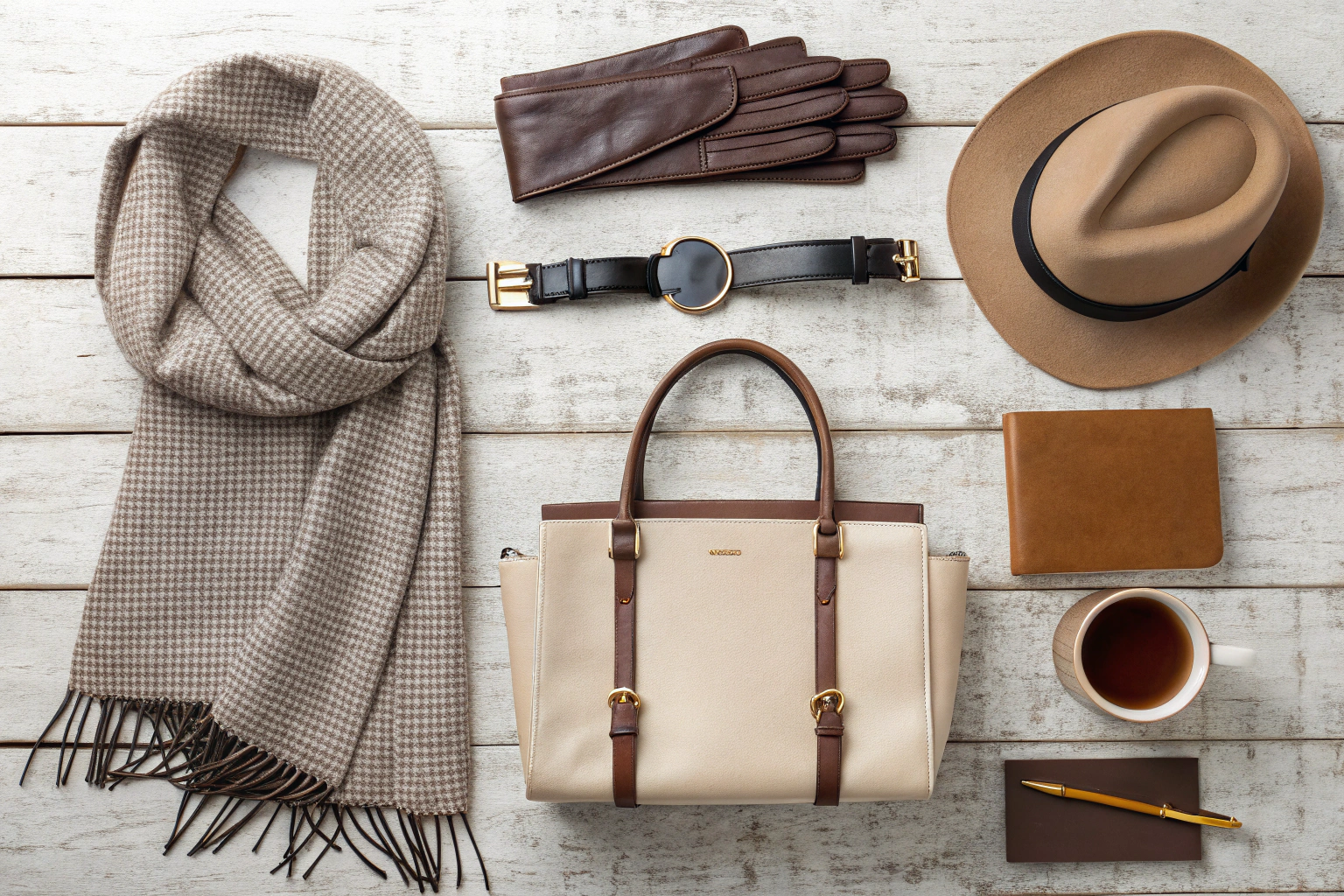
- Winter: Luxury Wool Blends (especially merino, cashmere, and camel hair) are king. The classic oversized square (e.g., 140x140cm) or long, wide rectangle (e.g., 70x180cm) in plaids, checks, or solid neutrals sells perpetually. Weight is crucial—it must be warm but not bulky.
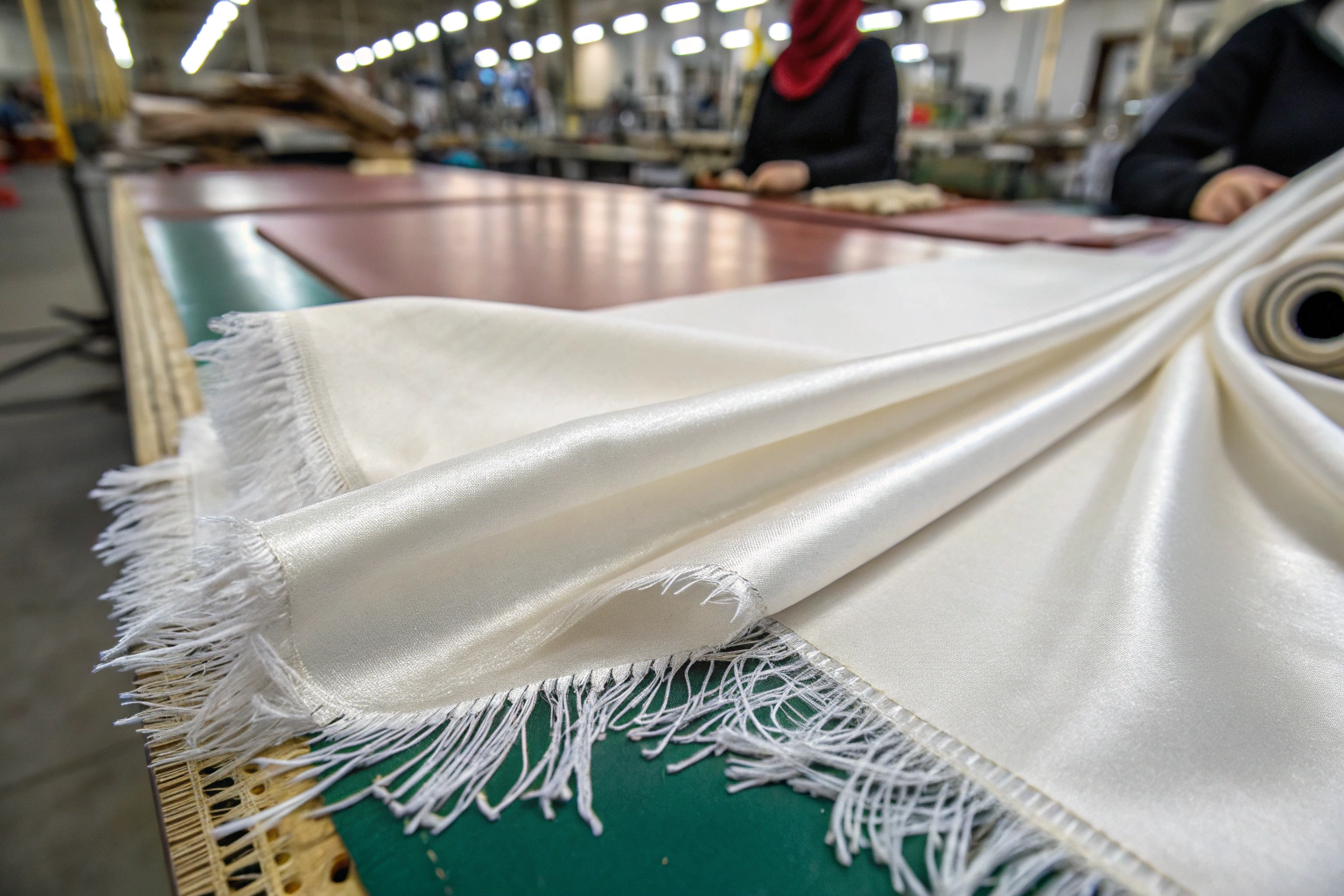
- Year-Round: Silk and silk-blend scarves (both square and long) remain a cornerstone of sophisticated style, often featuring artistic prints or subtle borders.
- Summer & Spring: Linen and cotton-linen blends are hugely popular for their breathability and relaxed, crumpled elegance. Lightweight oversized cotton scarves are also strong sellers.
The emphasis is on natural, traceable fibers. Brands are increasingly required to provide certifications like OEKO-TEX® or GOTS (Global Organic Textile Standard). As a manufacturer, we ensure our fabric sourcing meets these stringent European expectations.
How Do Patterns and Colors Vary by Region?
While neutrals (camel, grey, navy, cream) are universally safe, patterns show regional flair:
- Southern Europe (Italy, Spain, France): Bold, colorful prints, classic paisleys, and sophisticated abstract designs.
- Northern/Western Europe (UK, Germany, Benelux): More subdued tones, traditional tartans/checks, and minimalist geometric patterns.
- Nordic Regions: A strong preference for muted, nature-inspired colors (forest green, slate blue, moss) and minimalist, textural designs over loud patterns.
Understanding this helps in tailoring collections for specific importers or creating a balanced, pan-European line.
What Headwear Styles Dominate the European Market?
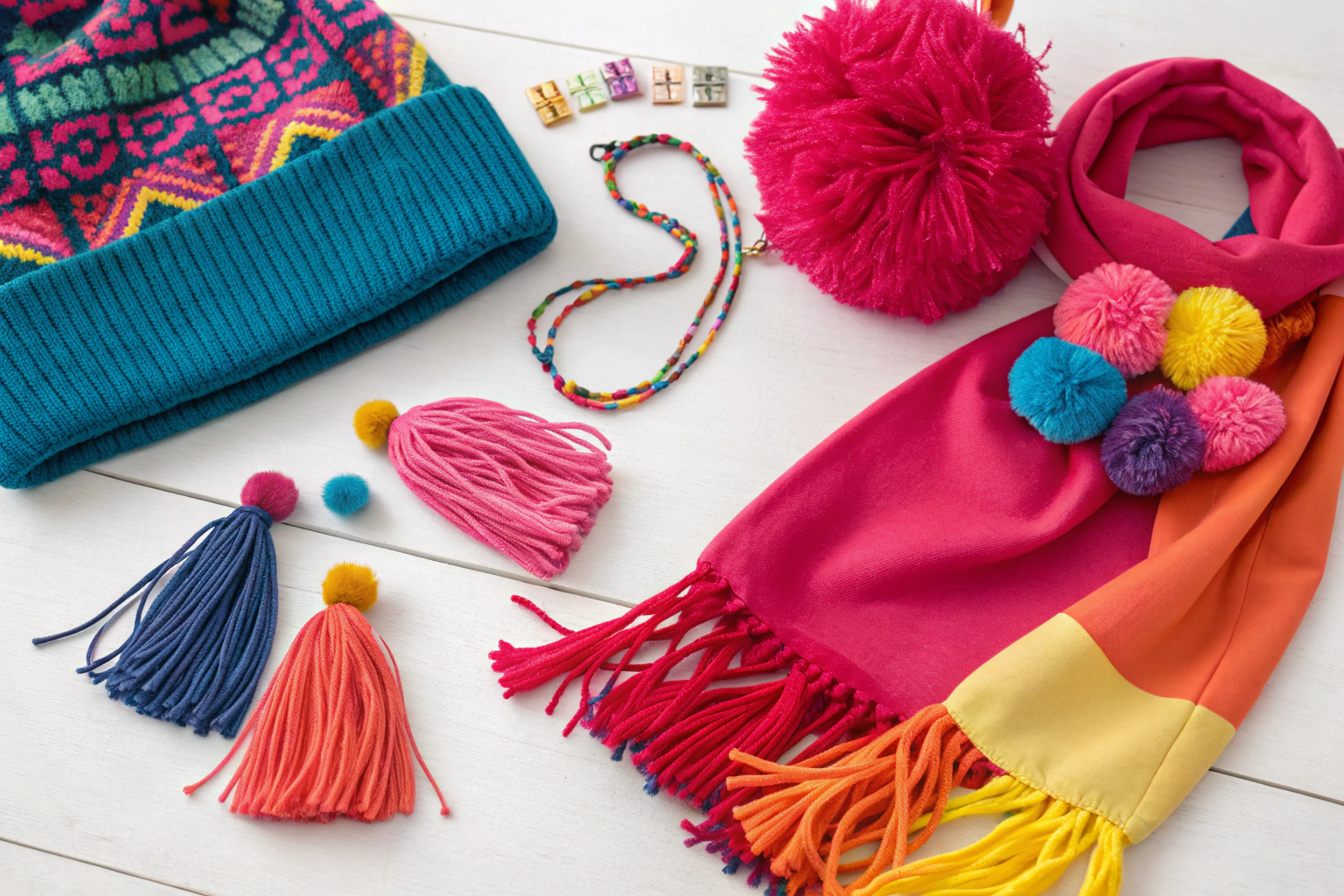
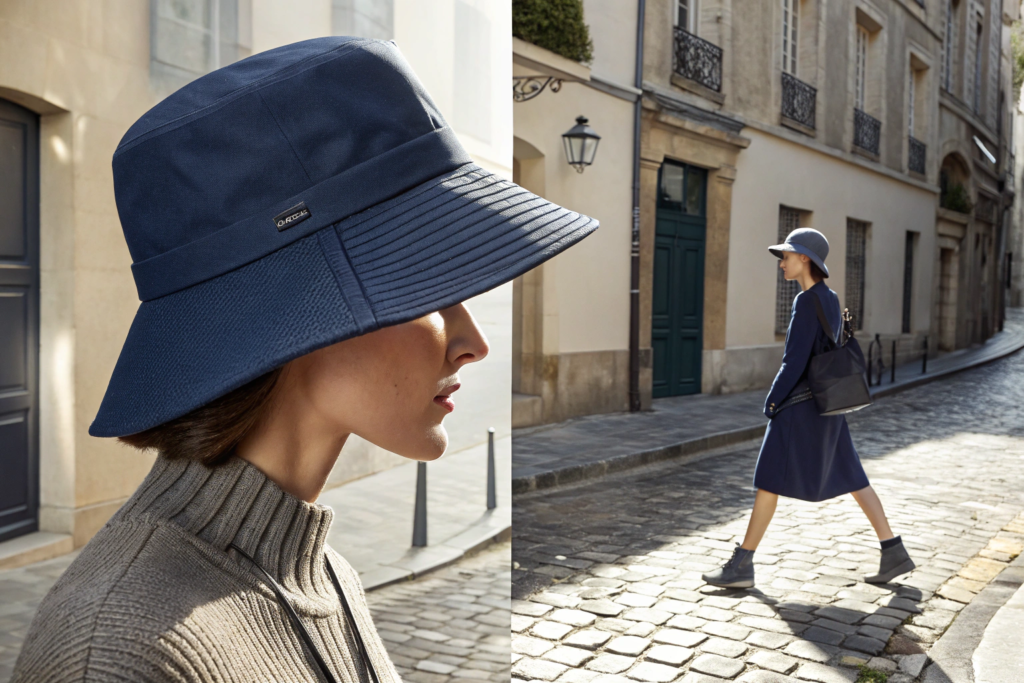
European headwear sales are driven by a blend of functionality (weather protection) and strong fashion identity. The days of the basic beanie are over; today's best-sellers are designs that make an intentional style statement while serving a purpose. Think of the sleek, water-resistant bucket hats with UPF 50+ fabric that shield fair complexions from the Mediterranean sun, their wide brims casting dappled shadows over sun-kissed cheeks as they stroll along cobblestone streets. Or the chunky, hand-knit woolen berets in deep indigos and burnt siennas, their textured fibers trapping winter chill like a warm hug, worn tilted back to frame sharp cheekbones and add a touch of Parisian nonchalance.
From sun protection to winter warmth, the hat is treated as a key wardrobe component, not an afterthought. It's the finishing touch that transforms a simple linen shirt into a statement piece, or elevates a cozy sweater into a look that commands attention. Whether it's a straw panama with a silk ribbon bow for summer garden parties, or a leather newsboy cap with a vintage pin for autumn market days, these accessories carry stories—of craftsmanship, of cultural heritage, of personal expression. They're not just worn; they're celebrated, collected, and passed down, each stitch and seam adding to their allure as both practical necessities and wearable art.
Which Hat Styles Have the Broadest Appeal?
- The Modern Bucket Hat: Transcended its 90s revival to become a perennial warm-weather staple. Best-sellers are made from quality cotton, linen, or corduroy, often featuring subtle branding or tonal embroidery.
- The Wool Felt Fedora/Trilby: A timeless classic for both men and women, especially popular in autumn and winter. The key is in the felt quality and the shape of the brim and crown.
- The Structured Cap: Beyond the sports cap, leather, suede, or wool structured caps (like a newsboy or baker boy style) are high-ticket best-sellers for their fashion-forward, retro appeal.
- The Quality Beanie: Not all beanies are equal. The European best-seller is a fine-gauge knit beanie in merino wool or a cashmere blend, often in a slouchy silhouette with a neat, seamless finish. It's about subtle luxury.
Why Are Hair Accessories Gaining Significant Traction?
The "quiet luxury" and "clean girl" aesthetics have propelled hair accessories into the best-seller category. Key items include:
- Minimalist Claws and Clips: Large, single-claw clips in tortoiseshell, matte black, or metal finishes.
- Silk and Satin Scrunchies: The ultimate in understated, hair-friendly elegance.
- Subtle Headbands: Thin, fabric-wrapped or metal wire headbands that add polish without being overt.
These items sell because they offer an easy, affordable way to elevate an everyday look, aligning perfectly with European style sensibilities.
What Makes Bags and Small Leather Goods Best-Sellers?
The European bag market is defined by an aversion to overt logos and a love for craftsmanship. Consumers look for timeless silhouettes, superior leathers or alternative materials, and practical interior organization. It's an investment category where quality is paramount.
Best-sellers are often "it" bags that have proven their longevity, or classic shapes that never go out of style.
Which Bag Silhouettes Have Universal Demand?
- The Structured Tote: A go-to for work and daily life. Best-sellers feature sturdy handles, a secure closure (like a zip or magnetic clasp), and often a removable crossbody strap for versatility.
- The Crossbody Bag: Both mini and medium sizes are huge. Security (good zips) and lightweight construction are key, as is a classic shape (e.g., saddle bag, camera bag).
- The Basket Bag: A perennial summer best-seller, especially in Southern Europe. Natural materials like raffia, seagrass, and bamboo are essential.
For all categories, details like quality hardware, sturdy stitching, and functional pockets directly influence sales performance.
How Important Are Belts and Gloves as Consistent Performers?
Often overlooked, these are steady, high-margin categories:
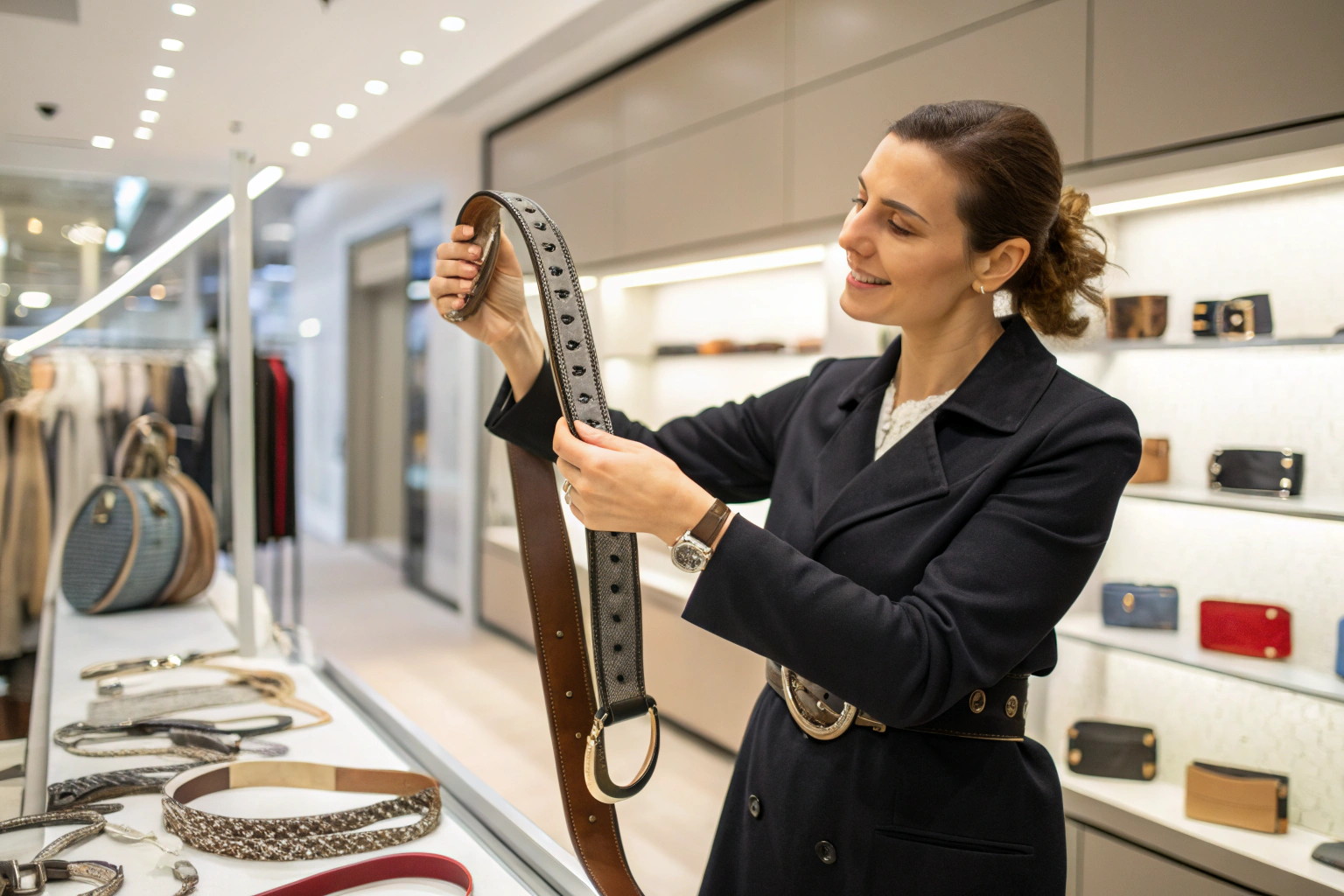
- Belts: The best-seller is a high-quality leather belt (often vegetable-tanned) with a simple, elegant buckle (brushed metal, no loud logos). Widths trend between 2.5cm and 3.5cm. Sustainable alternatives (like apple leather or recycled materials) are growing rapidly in this category.
- Gloves: In winter, leather touchscreen gloves are a must-have. For fashion, short leather gloves and knitted wool gloves in classic colors sell consistently. The emphasis is on fit, seam quality, and functional details.
How Does Sustainability Directly Impact Sales in Europe?
In Europe, sustainability is not a niche marketing term; it's a fundamental purchasing criterion enforced by both consumer preference and impending EU regulations (like the EU Strategy for Sustainable and Circular Textiles). An accessory's environmental and ethical story is often the deciding factor between two similarly priced items, as shoppers pause in bustling boutiques, fingers hovering over leather wallets or silk scarves, their eyes scanning labels for whispers of responsibility—organic cotton grown under sun-dappled skies, recycled polyester spun from ocean-bound plastic bottles, or vegan leather crafted from mushroom mycelium that smells faintly of damp earth.
This impacts every stage, from material choice to packaging: designers now source raw materials with a reverence for the planet, preferring suppliers who can trace each thread back to its origin, where farmers tend to soil without harmful pesticides, and workers are paid fair wages in sunlit workshops with open windows. Packaging, once a wasteful afterthought of crinkled plastic and excessive filler, has transformed into a celebration of minimalism—recycled cardboard boxes adorned with water-based inks of soft blues and greens, filled with biodegradable tissue paper scented with lavender, and small tags made from seed paper that customers can plant to grow wildflowers.

What Specific Sustainable Features Are Buyers Demanding?
- Transparent Material Sourcing: Certifications for recycled content (GRS), organic fibers (GOTS), and responsible leather (LWG certification).
- Durability & Repairability: Products designed to last, with the potential for repair (e.g., replaceable belt straps, re-solable shoes).
- End-of-Life Planning: Brands are starting to be asked about take-back schemes or recyclability of the product.
For a factory, demonstrating a robust ethical compliance audit (like SMETA) and sustainable production capabilities is now a prerequisite to doing business with serious European partners. At Shanghai Fumao Clothing, this is integrated into our core operations.
Why is "Made In" and Artisanal Storytelling Powerful?
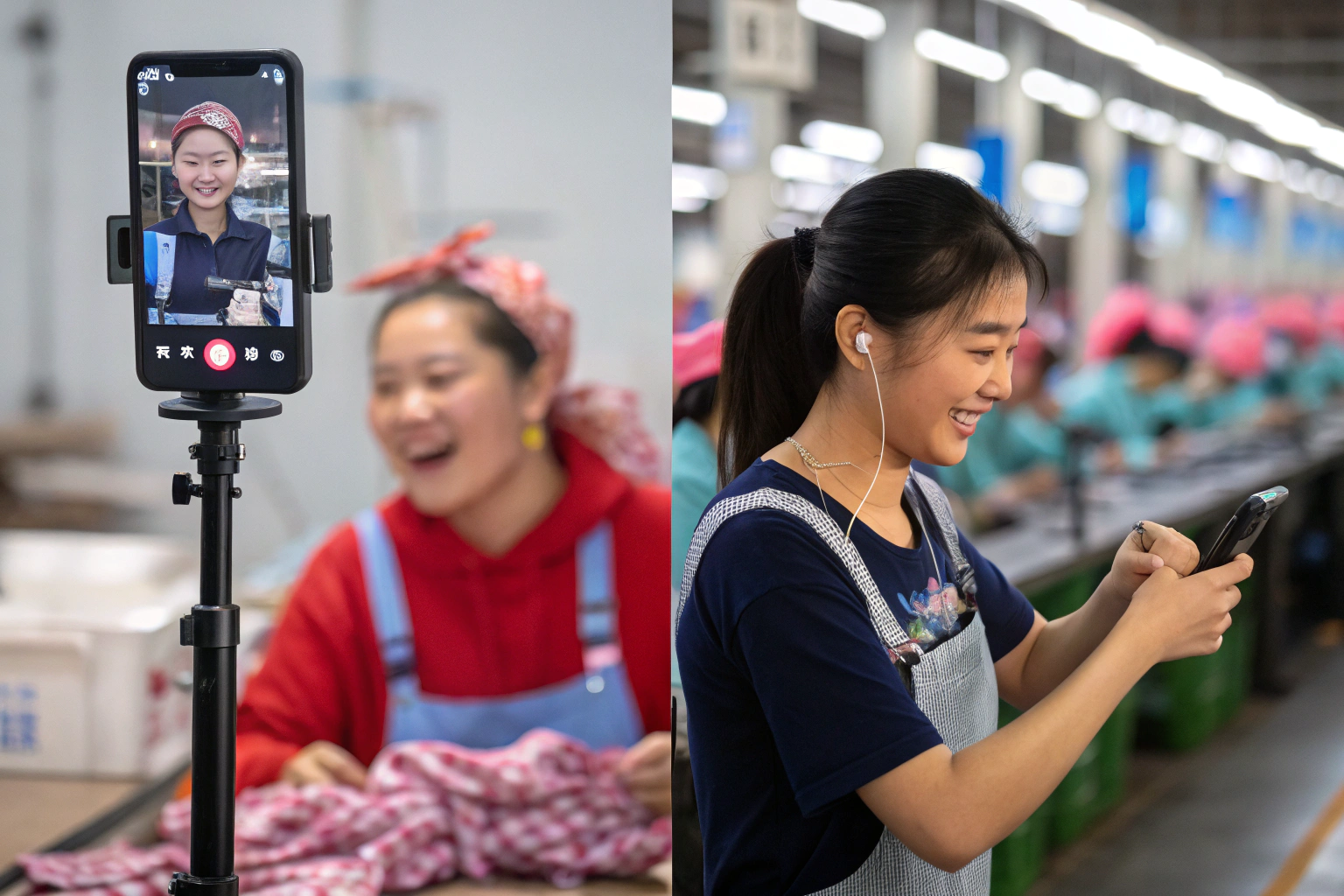
"Made in Italy" or "Handcrafted in Portugal" carry a premium. For non-European manufacturers, the counterpoint is to emphasize artisanal-level craftsmanship, small-batch production, and direct, transparent partnerships. Highlighting the skill of your workers and the modern conditions of your factory, as we do, builds the trust required to compete.
Conclusion
The best-selling accessories in Europe share a common DNA: they are thoughtfully designed, made from quality materials, inherently versatile, and backed by a credible sustainability narrative. The market rewards brands that offer longevity—both in style and physical durability—over fleeting trends.
Sourcing successfully for Europe means elevating your criteria. It requires a manufacturing partner who understands these nuanced demands, can source certified materials, execute flawless craftsmanship, and provide the documentation and transparency that European buyers and regulators require.
If you are targeting the lucrative but discerning European market, Shanghai Fumao Clothing is equipped to be your guide and guarantor of quality. From developing best-selling scarf formulas to producing hats and bags that meet the highest standards of style and responsibility, we provide the end-to-end service European clients expect. Contact our Business Director, Elaine, at elaine@fumaoclothing.com to develop your winning European collection.