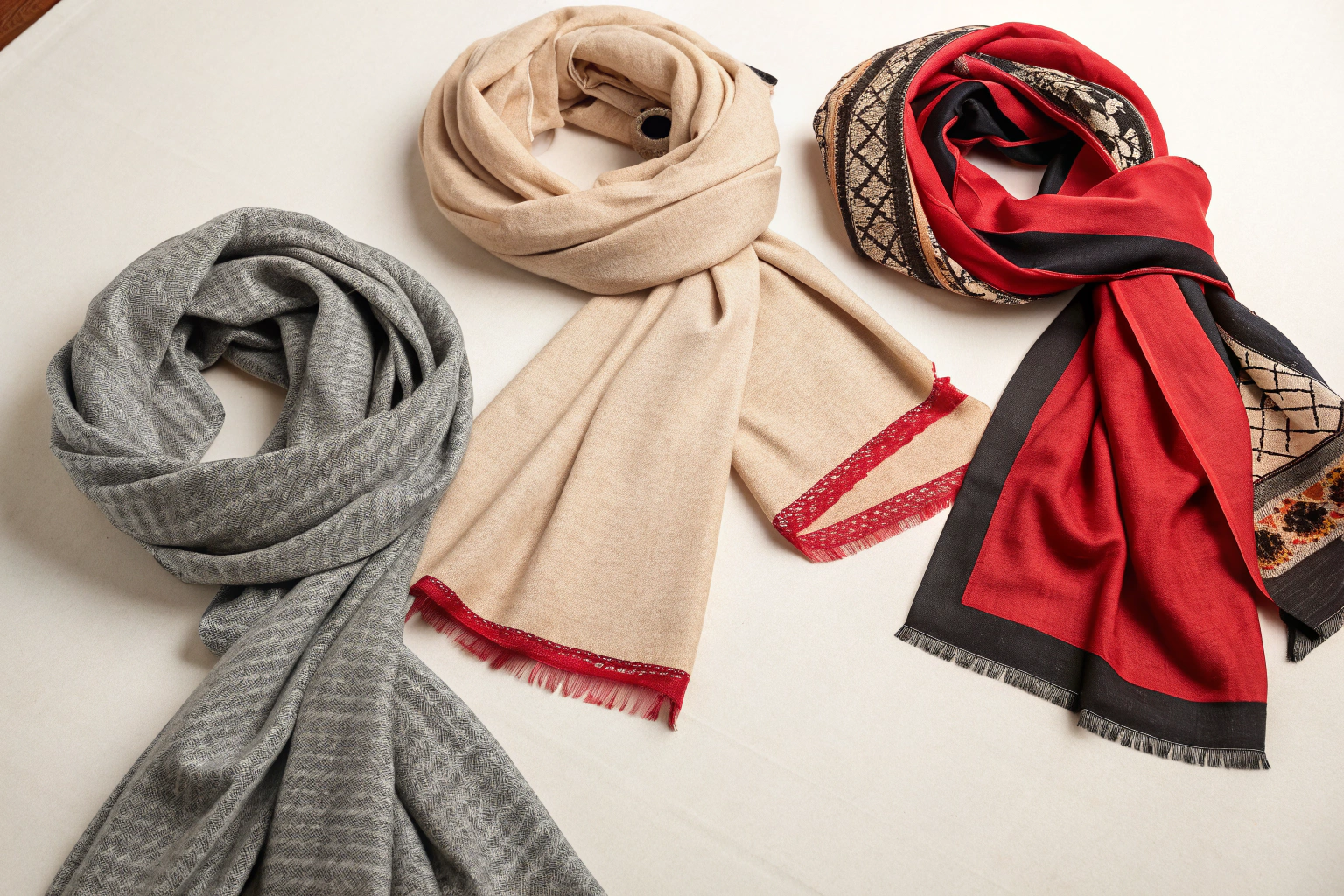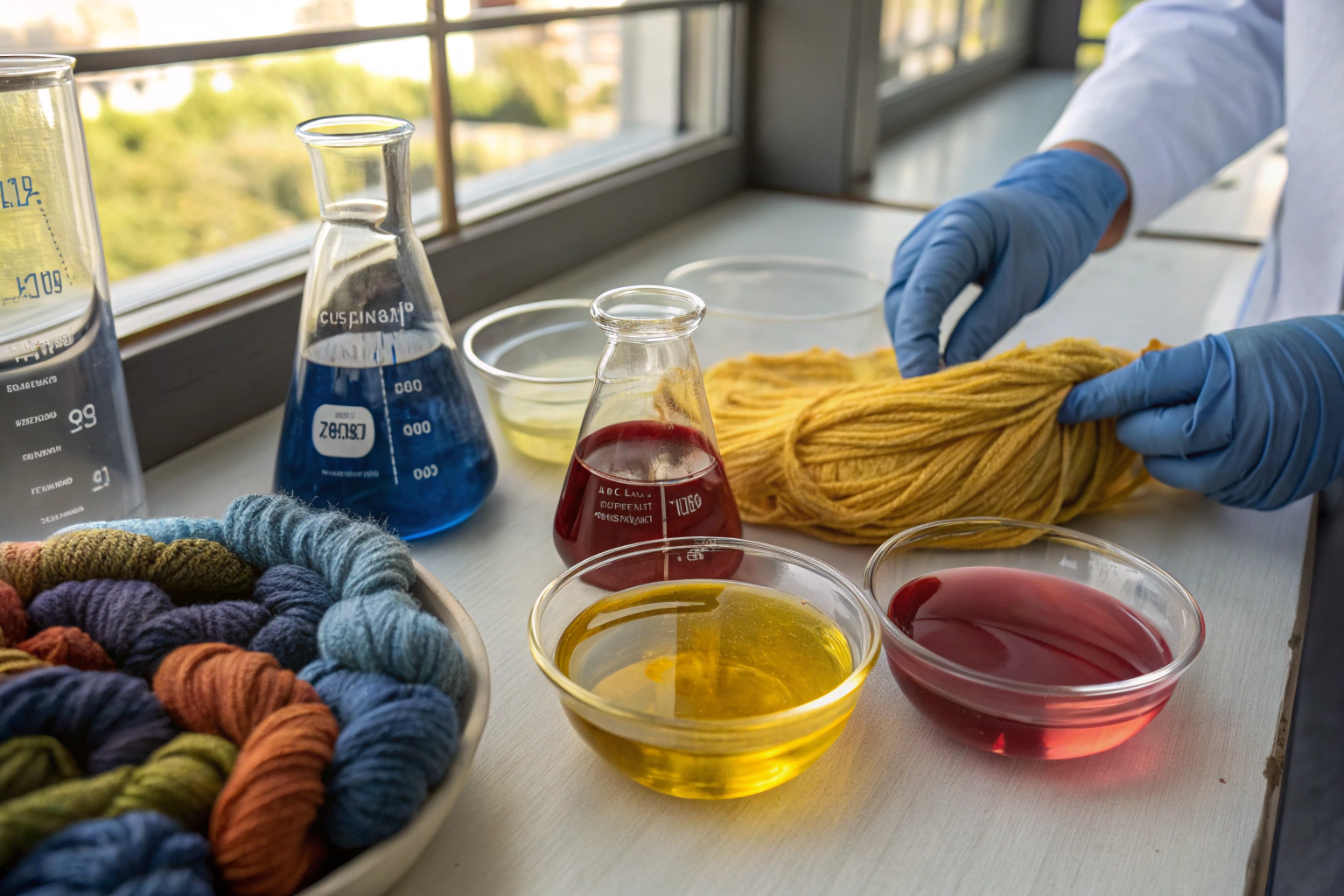
I've been in this industry long enough to remember when "organic" was just a niche marketing term. Today, it's a central demand from many of our most important clients. Buyers like Ron, who source for major brands and retailers, are increasingly asking about the dyes we use. They want to know if they are safe for workers, safe for the environment, and safe for their customers. The conversation has moved beyond just the fabric. It's now about the entire chemical process.
The shift towards organic and natural dyes is one of the most significant changes I've seen in our industry. It's complex, it's challenging, but it's also incredibly rewarding. Synthetic dyes, for all their vibrancy and consistency, come with a heavy environmental cost. They often rely on petrochemicals, consume vast amounts of water, and can release toxic wastewater. Organic dyes, derived from plants, minerals, and other natural sources, offer a path to a more sustainable and beautiful future.
At Shanghai Fumao Clothing, we've been on a journey to learn about and implement organic dyeing practices. We've partnered with specialized dye houses. We've experimented with different natural materials. We've learned what works and what doesn't. In this post, I'll share the best practices we've discovered for sourcing and using organic dyes. Whether you're a brand looking to make a change or a curious buyer, this guide will help you understand this important and beautiful craft.
What Are Organic Dyes And Why Do They Matter?
Before we get into the "how," we need to understand the "what" and the "why." The term "organic dye" can be confusing. In the context of textiles, it generally refers to dyes derived from natural, renewable sources. This is in contrast to synthetic dyes, which are manufactured from petrochemicals. Both types of dyes are "organic" in the chemical sense (they contain carbon), but the sourcing and impact are worlds apart.
The importance of organic dyes lies in their environmental and health benefits. Synthetic dyeing is one of the most polluting processes in the fashion industry. It uses huge amounts of water and energy, and the chemical wastewater, if not treated properly, can devastate local ecosystems and harm communities. Organic dyes, on the other hand, are biodegradable and non-toxic. They come from plants that can be regrown. They offer a way to create beautiful color without the same level of environmental destruction. For more on the impact of textile dyes, organizations like the Environmental Justice Foundation have done important research.

What are the most common sources of natural dyes?
Nature is incredibly generous with color. For thousands of years, humans have been extracting dyes from plants, insects, and minerals. Some of the most important and historically significant sources include:
- Indigo: Derived from the leaves of the indigo plant, it produces the most famous natural blue in the world. It's been used for centuries for denim and other textiles.
- Madder Root: The root of the madder plant produces a beautiful range of reds, from soft pinks to deep burgundies.
- Weld: A plant that yields a brilliant, clear yellow. It's one of the oldest European dye plants.
- Logwood: The heartwood of the logwood tree produces rich purples and deep blacks.
- Cochineal: A small insect that lives on cactus pads, primarily in South and Central America. It produces stunning, vibrant reds and crimsons.
- Turmeric: A common spice that gives a bright, warm yellow. (Note: it's not very lightfast, so it's often used in blends).
- Walnut Husks: The green husks of walnuts produce rich, warm browns.
These are just a few examples. Our team is constantly exploring new natural dye sources to expand our color palette.
How do organic dyes compare to synthetic dyes in quality?
This is the most important question for any buyer. The honest answer is: it's different. For most of the 20th century, the goal of dye technology was to create colors that were perfectly consistent, extremely vibrant, and would never, ever fade. Synthetic dyes achieve this brilliantly. They are the industry standard for a reason.
Organic dyes have different qualities. They often produce more complex, subtle, and nuanced colors. They can have a beautiful, earthy depth that synthetics struggle to replicate. However, they can be less consistent from batch to batch, and some natural colors are less "colorfast"—meaning they may fade more over time when exposed to sunlight or repeated washing.
This is not necessarily a bad thing. Many consumers today appreciate this natural variation and the gentle aging of naturally dyed garments. It becomes part of the story and the charm of the product. The key is to be transparent with your customers about what to expect. A naturally dyed scarf is not a synthetic one, and it should be celebrated for its unique, living qualities.
How To Source Reliable Organic Dyes And Dyehouses?
Sourcing organic dyes is not as simple as ordering a standard color from a chemical company. It requires finding specialized suppliers and, often, working with dyehouses that have specific expertise in natural dyeing. This is not a process you can do with just any partner. You need a team that understands the unique challenges and characteristics of natural materials.
The first step is to find a reliable source of the raw dyestuffs. These can come from all over the world. Indigo from India, madder from Turkey, logwood from Central America. You need suppliers who can provide consistent quality and, ideally, have sustainable and ethical sourcing practices. The next, and more critical step, is finding a dyehouse that knows how to use them. Natural dyeing is a craft. It requires skill and experience. At Shanghai Fumao Clothing, we've vetted and partnered with dyehouses that specialize in this work. For information on sustainable dyeing standards, the ZDHC (Zero Discharge of Hazardous Chemicals) program is a key industry resource.

What certifications should you look for in dye suppliers?
Certifications are your best friend when navigating the complex world of sustainable materials. They provide third-party verification that a supplier or product meets certain standards. For organic dyes, you should look for:
- GOTS (Global Organic Textile Standard): This is the gold standard for organic textiles. If a dye or a dyed fabric is GOTS-certified, it means the entire supply chain, from the field to the dyehouse, has been inspected and meets strict environmental and social criteria. This includes limits on the chemicals used in dyeing.
- OEKO-TEX Standard 100: This certification tests for harmful substances in the finished textile product. It doesn't certify that the dye is organic, but it does guarantee that the final product is safe for human use.
- Fair Trade Certification: For dyes sourced from specific regions (like indigo from India), Fair Trade certification ensures that the farmers and workers involved in production are paid fair wages and work in safe conditions.
We always ask our dye suppliers for these certifications. They give us and our clients confidence in the integrity of the product.
How do you ensure color consistency with natural dyes?
Color consistency is one of the biggest challenges with natural dyes. The color can vary depending on the soil where the plant was grown, the weather that season, and the precise conditions of the dye bath. You cannot achieve the identical, machine-like precision of synthetic dyes.
The best practice is to work with a skilled dyer who knows how to manage these variables. They will create a "master batch" and then carefully match subsequent batches to it by eye and by measurement. We also advise our clients to embrace a slightly wider tolerance for color variation. We call it the "natural variation" of the product. It's part of the story.
For large production runs, the key is to dye enough material for the entire order in a single continuous process. This ensures perfect consistency within that order. For re-orders, there may be a slight shade variation, which we always discuss with the client beforehand. Clear communication and setting realistic expectations are essential.
What Are The Best Practices For Dyeing With Natural Colors?
Dyeing with natural colors is a very different process from using synthetics. It's slower, more hands-on, and requires a deep understanding of both the fiber and the dyestuff. There is a reason it's often called an "art" as well as a science. The best practices revolve around preparation, mordanting, and the dyeing process itself.
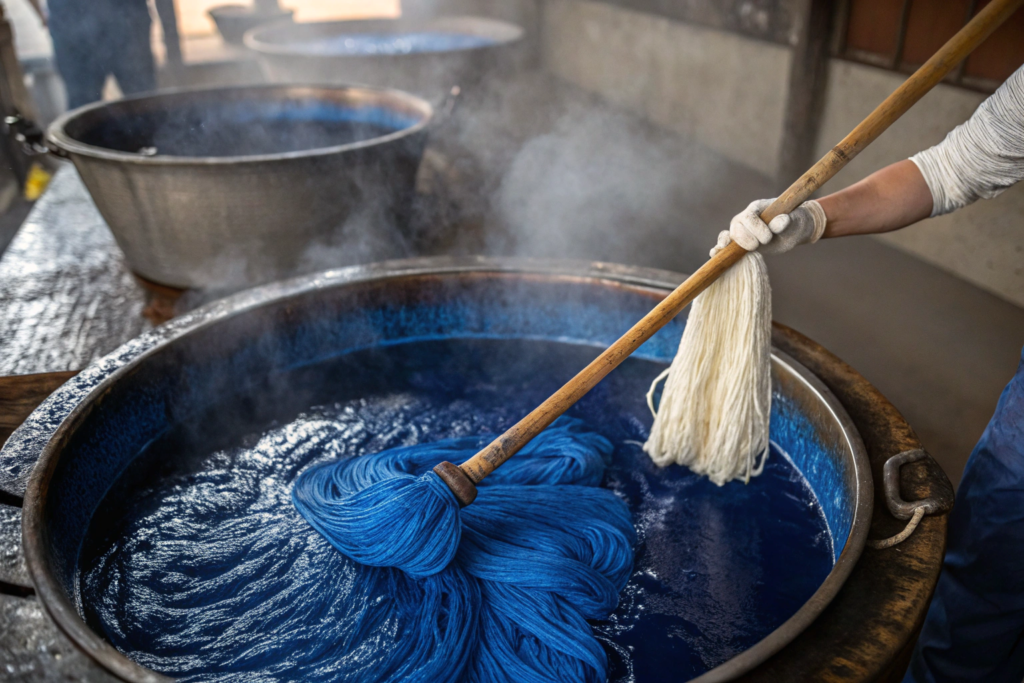
The first step is always to thoroughly clean and prepare the fiber. Any oils or impurities will prevent the dye from absorbing evenly. Then comes a crucial step called mordanting. Most natural dyes need a "mordant" to help them bond with the fiber and to improve colorfastness. Mordants are often mineral salts, like alum (potassium aluminum sulfate). The choice of mordant can also affect the final color. For example, alum might produce one shade of red from madder, while a different mordant might shift it towards purple. It's a fascinating and complex chemistry. For a deep dive into natural dyeing techniques, resources like The Wild Dyery and books by authors like India Flint are excellent.
What is the mordanting process and why is it essential?
Mordanting is the secret to successful natural dyeing. The word "mordant" comes from the Latin word "mordere," meaning "to bite." The mordant acts as a bridge, helping the dye molecule "bite" onto the fiber. Without a mordant, most natural dyes would simply wash out or fade almost immediately.
The process involves simmering the clean, pre-wetted fiber in a solution of water and the mordant (most commonly alum). The fiber absorbs the mordant. Then, when it's added to the dye bath, the mordant helps lock the color in place. Different mordants can also be used to modify the color. For example:
- Alum: The most common mordant. It produces bright, clear colors.
- Iron: "Saddening" the color, making it darker and more muted. It can turn a yellow into an olive green.
- Copper: Can shift colors towards greener or browner tones.
- Tin: Can make colors brighter and more vibrant.
Working with mordants requires care and precision. They are chemicals and must be handled safely and disposed of properly. A good natural dyehouse will have strict protocols for this.
How do you achieve colorfastness with organic dyes?
Colorfastness—the resistance of a dye to fading from light, washing, or rubbing—is a key performance metric. Some natural dyes, like indigo, are naturally quite colorfast. Others, like turmeric, are notoriously fugitive (they fade quickly). The best practices to maximize colorfastness include:
- Using High-Quality Dyestuffs: Fresher, higher-quality plant material yields better color and better fastness.
- Proper Mordanting: This is the most important factor. A good mordant bond is essential.
- Correct Dyeing Temperature and Time: Each dyestuff has an optimal temperature and duration. Over-heating can damage the color, under-dyeing leads to weak color.
- Post-Dyeing Rinsing and Washing: Thorough rinsing removes unfixed dye particles that would otherwise wash out later.
- Testing, Testing, Testing: We always perform rigorous wash-fastness and light-fastness tests on every new natural dye recipe before it goes into production.
It's also important to set customer expectations. We provide clear care instructions for naturally dyed products, usually recommending gentle hand washing in cool water with a mild detergent, and drying away from direct sunlight.
How To Communicate The Value Of Naturally Dyed Products?
You've gone to the effort and expense of sourcing organic dyes. You've worked with skilled dyers to create beautiful colors. Now, you need to tell that story to your customer. A naturally dyed product is not a commodity. It's a special item with a unique narrative. Communicating that narrative is essential to justifying its value and connecting with consumers who care.
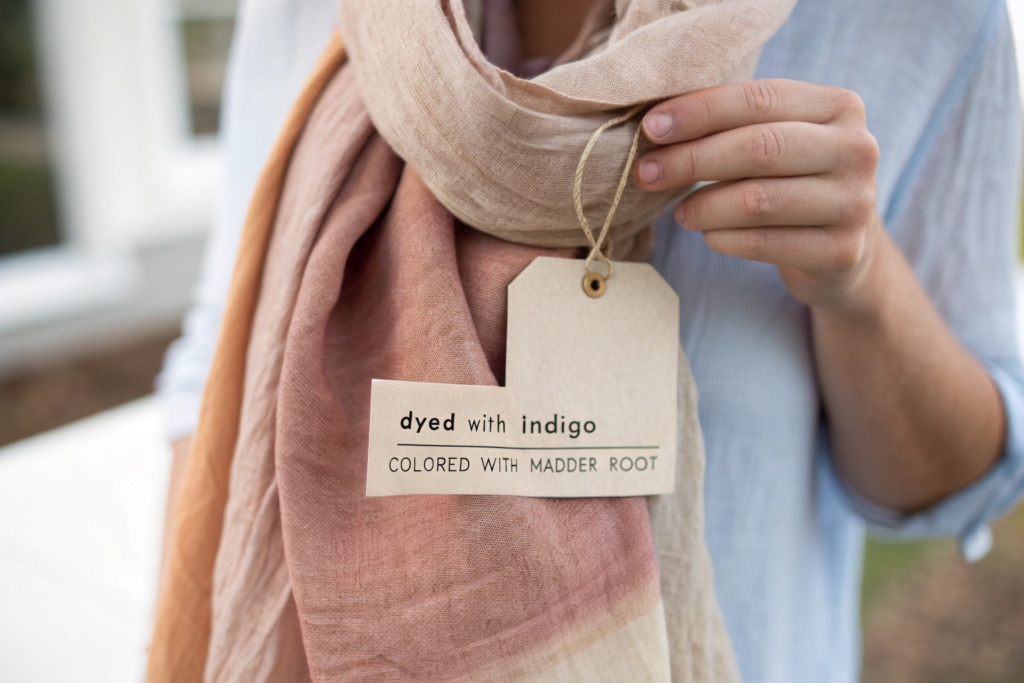
This is where marketing and storytelling come in. Your customers want to know why this product is different and why it matters. They want to feel good about their purchase. A simple hang tag that says "Naturally Dyed" is a start, but you can go so much further. Tell them where the indigo came from. Tell them about the artisan who dyed the yarn. Explain why the color might have subtle variations. This transparency builds trust and creates a powerful emotional connection. For examples of brands doing this well, look at companies like Eileen Fisher or Patagonia, who are leaders in supply chain transparency.
How do you tell the story of the dye on a hang tag or website?
Your hang tag and product page are your primary storytelling tools. Here are some ideas for what to include:
- The Dye Source: "The beautiful blue of this scarf comes from indigo, a plant that has been used for dyeing for over 4,000 years."
- The Dyer: "This yarn was hand-dyed by our partner artisans in a small workshop using traditional techniques."
- The Process: "The color is achieved through a natural fermentation process, which gives it its unique depth and character."
- The "Living" Quality: "As a naturally dyed product, the color may gently evolve over time, adding to its unique beauty. This is a sign of its natural origin."
- Care Instructions: Provide clear, simple instructions on how to care for the garment to preserve the color.
A QR code on the hang tag can link to a longer story on your website, perhaps with photos or a video of the dyeing process. This turns a simple product into a piece of art with a history.
Can natural dyes command a higher price point?
Yes, absolutely. A product made with natural dyes is a premium product. The materials are more expensive. The process is more labor-intensive and requires greater skill. The yields can be less predictable. All of these factors contribute to a higher cost of production.
However, consumers who value sustainability, craftsmanship, and authenticity are often willing to pay a premium for these qualities. They are not just buying a colored scarf; they are buying a story, a set of values, and a product that aligns with their own beliefs. A naturally dyed scarf is a conversation starter. It's a way for the wearer to express their own commitment to a more sustainable world. By communicating the value effectively, you can justify a higher price point and build a loyal customer base that appreciates the difference. At Shanghai Fumao Clothing, we've seen this firsthand with clients who have successfully launched naturally dyed collections.
Conclusion
The journey into organic and natural dyes is a journey back to the roots of textile craftsmanship, but with a modern, responsible purpose. As we've explored, it requires a deep understanding of materials, a commitment to working with skilled partners, and a thoughtful approach to communication. The challenges of consistency and colorfastness are real, but they are outweighed by the profound benefits: a safer environment, healthier working conditions, and products of unique, subtle beauty that tell a powerful story.
At Shanghai Fumao Clothing, we are committed to being part of this more sustainable future. We have invested in building relationships with specialized dyehouses and suppliers of certified organic dyestuffs. Our team is learning and growing in this field every day. We are ready to guide our clients through the process, from selecting the right colors to telling the story to their customers. We believe that the future of fashion is not just about what you make, but how you make it.
If you're ready to explore the beautiful world of naturally dyed accessories for your next collection, let's talk. Please contact our Business Director, Elaine, at elaine@fumaoclothing.com. We'll help you create products with color that comes from nature and a story that resonates.