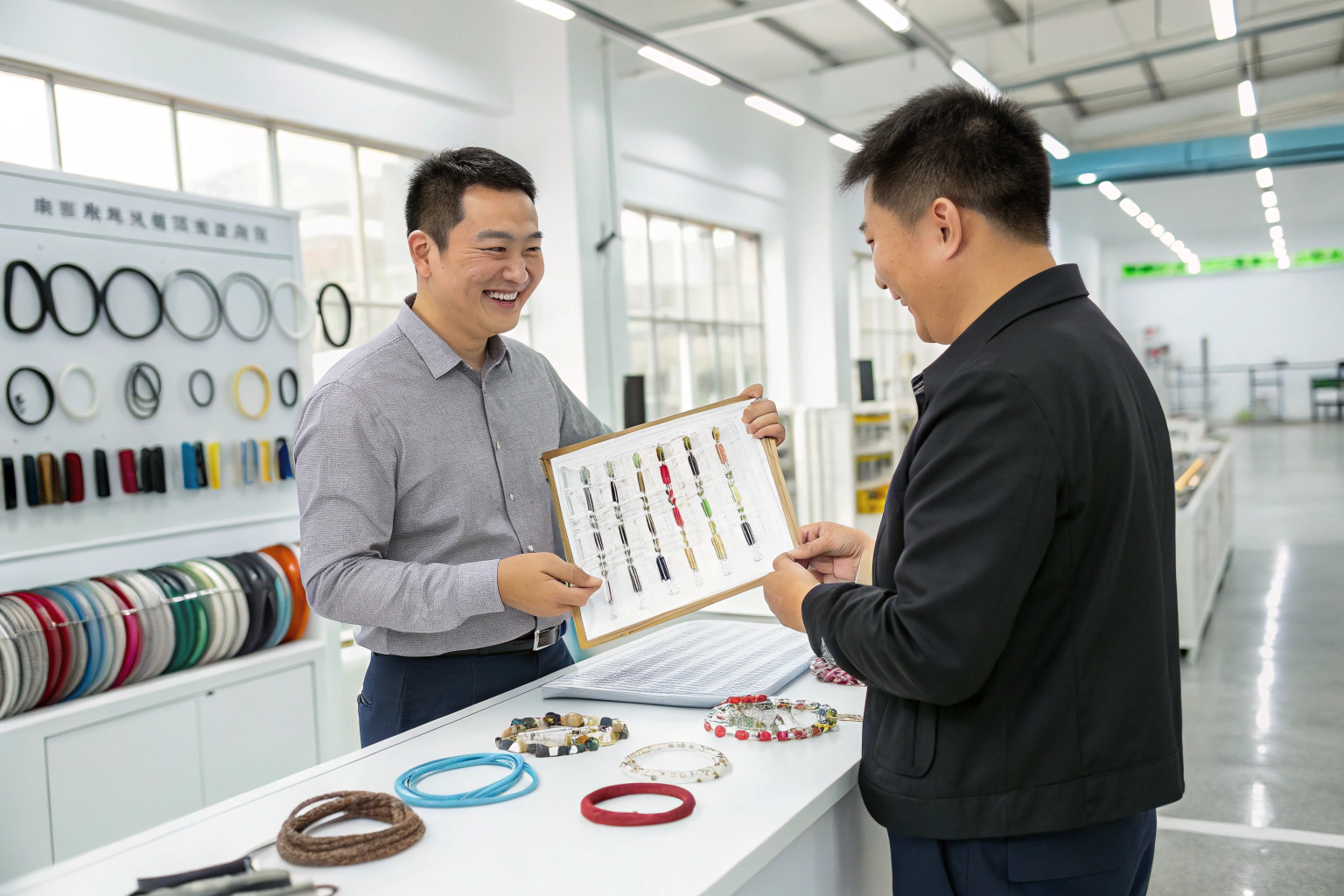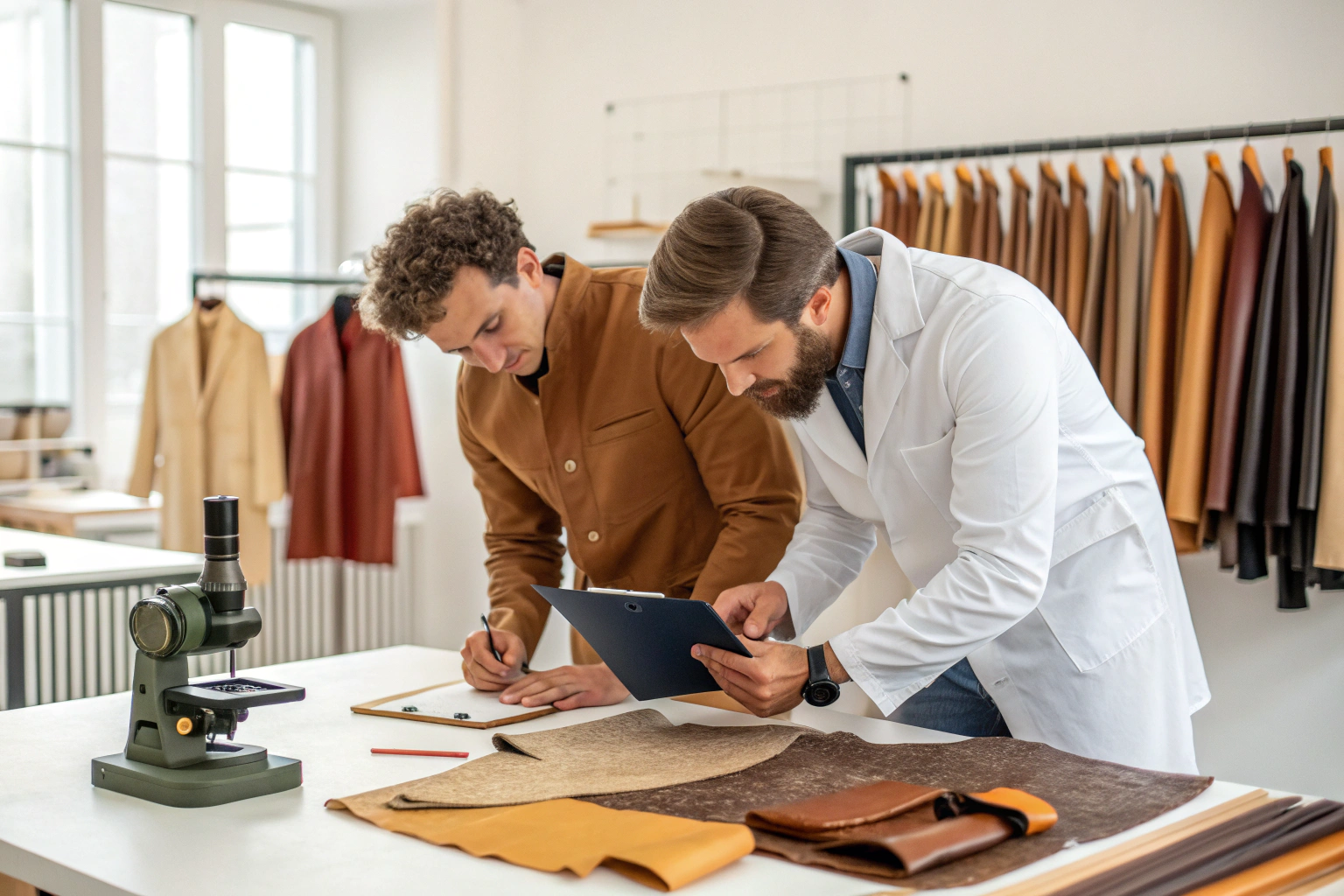
You're launching a vegan leather belt line. The market demand is surging, driven by ethical consumers who refuse to compromise on style. But as you dive into sourcing, you're hit with confusing jargon—PU, PVC, cactus, pineapple, mushroom—and horror stories of cheap materials that crack, peel, and leave your brand with returns and a damaged reputation. Sourcing and manufacturing vegan accessories isn't just about avoiding animal products; it's about navigating a complex landscape of material science, ethics, and quality to deliver a product that truly stands the test of time.
The best practices for sourcing and manufacturing vegan leather belts involve a three-part strategy: rigorously vetting material composition and certifications, partnering with a factory that has specialized technical expertise in bonding and finishing synthetic/polymeric materials, and implementing transparent, tiered quality control from backing to buckle. This approach ensures you get a durable, aesthetically premium product that aligns with the ethical promises your brand makes. At Shanghai Fumao Clothing, our accessory division has developed specific protocols for these next-generation materials, moving beyond traditional leatherworking to master the unique requirements of high-performance vegan alternatives.
Let's break down the critical steps, from selecting the right "leather" to ensuring the final belt passes the most stringent wear-and-tear tests, so you can build a successful and trustworthy vegan accessory line.
How to Source High-Quality and Truly Sustainable Vegan Leather?
The term "vegan leather" is broad and unregulated. It can refer to anything from plastic-based polyurethane (PU) to innovative plant-based materials. The first and most critical practice is to move beyond marketing claims and perform deep due diligence on the material's origin, composition, and environmental footprint. A poor choice here will undermine every subsequent manufacturing step.
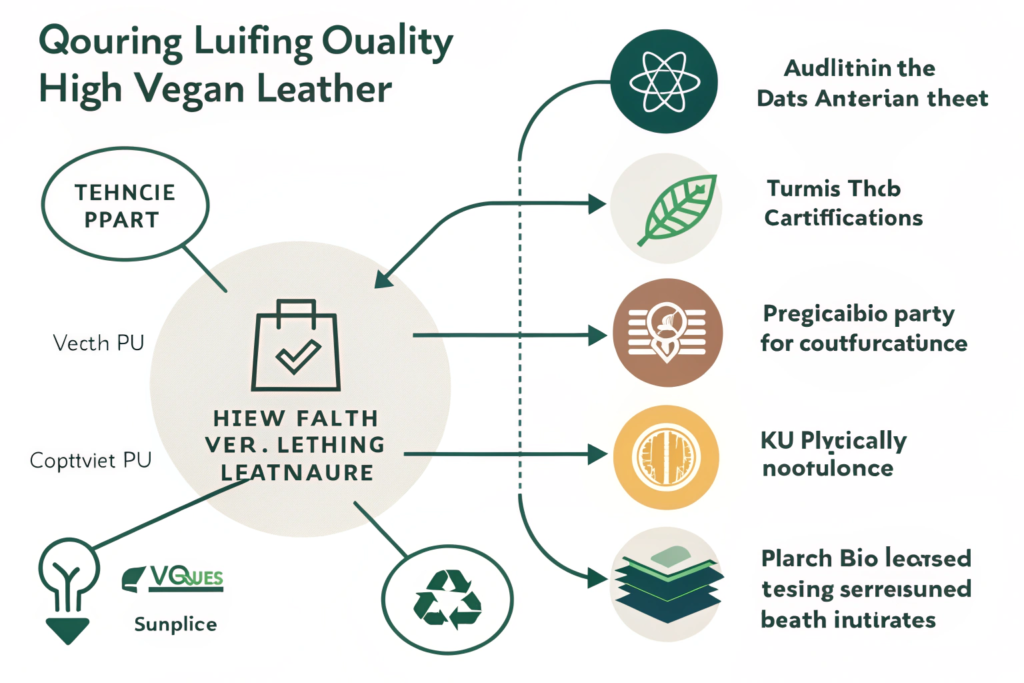
To source high-quality vegan leather, you must audit the material's technical data sheet (TDS), verify third-party certifications for sustainability and content, and physically test samples for key performance indicators like tensile strength, flex endurance, and colorfastness. Don't just ask for a swatch; ask for the science behind it. For plant-based options like apple peel leather or cactus leather, investigate the base fabric (often polyester) and the percentage of bio-content. For more established materials like PU leather, look for certifications like OEKO-TEX® Standard 100 which ensures it's free from harmful substances. We assist our clients by sourcing from a vetted network of material suppliers and providing comparative analysis reports on tear strength, abrasion resistance (Martindale test), and waterproofing capabilities.
What Key Questions Should You Ask Material Suppliers?
Cut through the greenwashing by asking direct, technical questions:
- "What is the exact multilayer composition?" (e.g., PU coating on a polyester knit backing, or mushroom mycelium fused to a cotton scrim).
- "What percentage is bio-based or recycled content, and can you provide a life cycle assessment (LCA)?" This is crucial for marketing claims.
- "What are the material's specific care instructions and limitations?" (e.g., heat sensitivity, cleaning agents to avoid).
- "Do you have certificates for biodegradability/compostability under specific conditions (e.g., industrial composting)?" Many materials labeled "biodegradable" only break down in very specific facilities.
Requesting a Technical Data Sheet (TDS) and a Safety Data Sheet (SDS) is non-negotiable. Reputable suppliers, often listed in directories like the Textile Exchange's Material Directory, will have these readily available.
PU vs. Plant-Based: What Are the Real Trade-Offs?
Understanding the core categories is essential for making an informed choice:
- Polyurethane (PU) Leather: The current industry workhorse for mid-to-high-end vegan belts. It's a plastic polymer laminated onto a fabric backing.
- Pros: Highly consistent, durable, excellent grain simulation, wide range of finishes, often more affordable, easier to work with in manufacturing.
- Cons: Petroleum-based, not biodegradable, can have a higher carbon footprint in production.
- Innovative Plant-Based (Piñatex, Desserto, etc.): Made from pineapple leaves, cactus, apple waste, etc.
- Pros: Unique, natural aesthetics, compelling marketing story, uses agricultural waste, partially biodegradable.
- Cons: Often higher cost, limited availability/roll widths, can be less uniform, may have specific durability limitations (e.g., water spotting), and often still contain a significant percentage of synthetic backing (PLA or polyester).
The "best" choice depends on your brand's priority: maximum durability and consistency (PU) vs. a pioneering sustainability story (plant-based). Many successful brands use a hybrid approach, reserving innovative materials for limited editions while using high-quality, certified PU for core lines.
What Are the Critical Manufacturing Steps for Durability?
Vegan leather belts fail not just because of the material, but due to improper manufacturing. Traditional leather belt techniques often don't translate directly. The bonding of layers, edge finishing, and buckle attachment require specialized knowledge of synthetic materials to prevent delamination, peeling, and cracking at stress points.
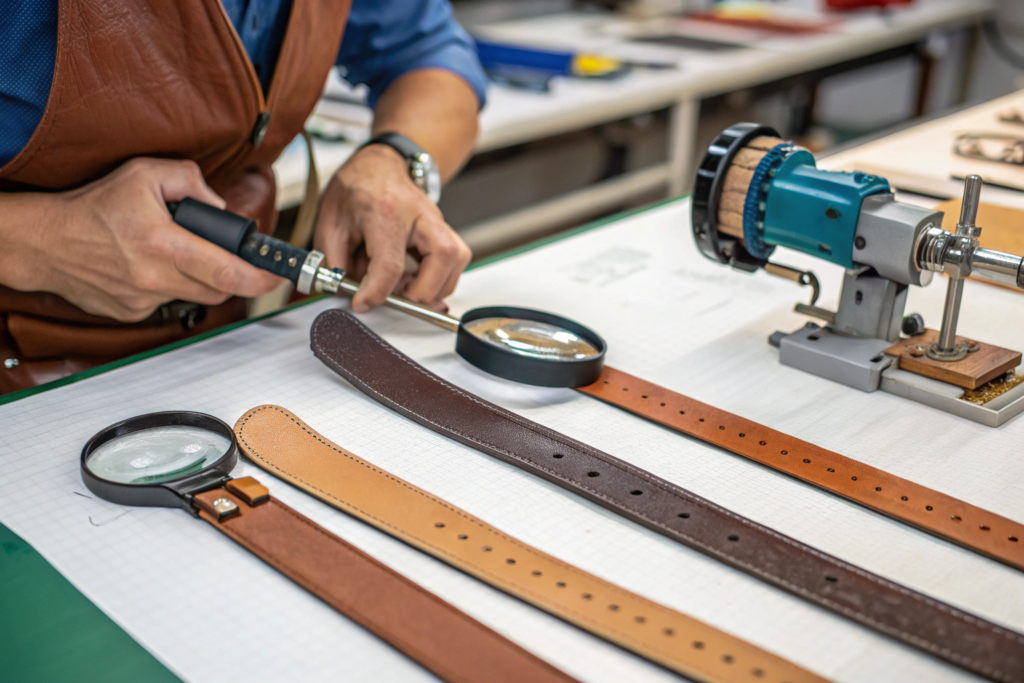
The critical manufacturing steps for durability involve precision skiving and splitting for consistent thickness, using specialized water-based or high-frequency welding adhesives for layer bonding, and implementing advanced edge painting or folding techniques to seal and protect the belt's core. Unlike animal leather, which is a uniform hide, vegan materials are laminates. If the adhesive fails, the layers separate. Our production line uses computer-controlled splitting machines to ensure the belt strap is perfectly even, and we employ high-frequency (HF) welding for seamless and ultra-strong bonding in key areas, which is often superior to glue for certain synthetic materials.
Why is Edge Finishing the Make-or-Break Step?
The raw, cut edge of a vegan leather belt exposes its layered construction to moisture, dirt, and wear. Poor edge finishing is the number one visual cue of a cheap product.
- Edge Painting: The industry standard for mid-high end. Multiple coats of specialized flexible paint are applied, sanded, and polished to create a smooth, sealed, and durable edge that matches or contrasts the belt surface. The paint formula must be flexible to resist cracking when the belt is bent.
- Folded Edges (German Binding): The belt material is folded over and stitched, enclosing the raw edge. This creates a very clean, soft look but adds bulk and is more labor-intensive. It works best with thinner, more pliable vegan materials.
- Laser-Cut & Sealed Edges: For certain synthetic materials, a laser can cut and simultaneously melt/seal the edge, preventing fraying. This offers a modern, precise look.
A quality manufacturer will have a dedicated edge-finishing station and will advise you on the best method for your chosen material's thickness and flexibility.
How Should Buckles and Keepers Be Securely Attached?
The buckle is the highest stress point. For vegan leather belts, rivets and screws must be used with caution, as they can puncture and weaken the fabric backing, leading to tear-out.
- Box/Ring Closure: The most secure and common method. The belt tongue is folded and stitched (not just glued) into a strong loop. This distributes stress across a wide area of stitching and material.
- Stitching Pattern: Look for reinforced, tight lock-stitches (not a single chain stitch) at the buckle attachment. Bar-tacking at the end of the stitch line adds crucial strength.
- Keeper Loops: These should be made from the same belt material (not a mismatched fabric) and securely stitched or welded in place. Glue-alone is insufficient.
Demand to see a destructive stress test report on the buckle attachment from your manufacturer. They should be able to demonstrate the force (in Newtons) the joint can withstand before failure, ensuring it far exceeds everyday use.
How to Implement a QC Protocol for Vegan Materials?
Quality control for vegan leather belts must be adapted from traditional leather QC. The failure modes are different: you're watching for coating adhesion issues, color migration, and polymer degradation rather than natural hide imperfections. A robust QC protocol protects you from batch-level defects that could recall an entire collection.
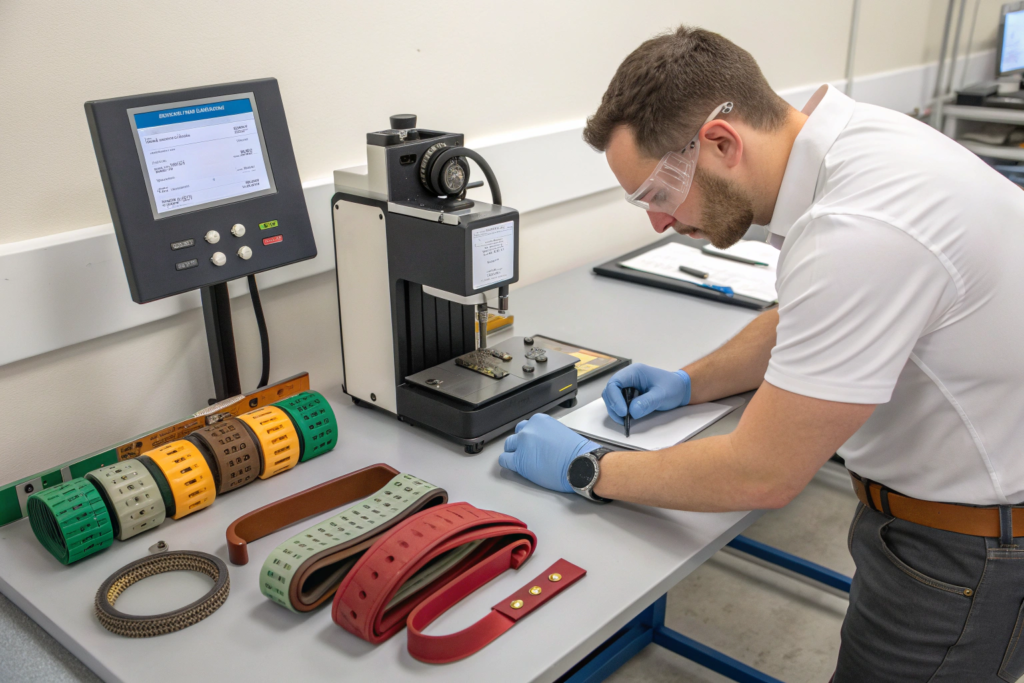
Implement a tiered QC protocol that includes: 1) Incoming Material Inspection against approved swatches and TDS, 2) In-Process Checks during cutting, gluing, and edge finishing, and 3) Final Pre-Shipment Inspection focusing on functional tests for wear simulation. We use a Master Approval Sample for each belt style, which includes not just the look but also the results of passed lab tests. This sample is the physical benchmark for every production batch.
What Specific Lab Tests Are Essential?
Relying on visual inspection alone is risky. Essential lab tests include:
- Peel Strength Test (ASTM D903): Measures the force required to separate the surface coating from the fabric backing. A low score predicts delamination.
- Colorfastness to Crocking (AATCC 8): Rubs the belt with a white cloth to see if color transfers. Poor colorfastness stains clothing.
- Cold Crack/Flex Resistance Test: The belt is repeatedly flexed at a low temperature (simulating winter wear) to check if the coating cracks.
- Abrasion Resistance (Martindale Test): Measures how many rubs the surface can withstand before showing wear.
Reputable third-party labs like SGS or Intertek can perform these tests. Your manufacturer should either have in-house capability for basic tests or a partnership with a local lab to provide certified reports before bulk production begins.
How Do You Manage Color and Grain Consistency?
Unlike natural leather, synthetic materials promise consistency—but achieving it across multiple production runs is a challenge.
- Approved Roll Batch: Require your manufacturer to source all material for a single production order from the same dye lot and roll batch number. This is critical.
- Digital Color Matching: Use Pantone® or RAL color codes for the coating, and spectrophotometer readings to verify each incoming roll matches the standard.
- Grain Alignment: For embossed materials, ensure the grain pattern is aligned consistently when cutting belt strips. Misaligned grains on the same belt look unprofessional.
Your QC checklist should include verifying these points during the Incoming Material Inspection stage, rejecting any rolls that deviate from the approved master.
Can You Ensure Ethical and Transparent Supply Chains?
For many consumers, "vegan" is intrinsically linked to ethics and transparency. They want to know that the entire production process, not just the final material, aligns with their values. A belt made from cactus leather but assembled in a factory with poor labor practices undermines your brand's integrity. Transparency is your greatest asset.
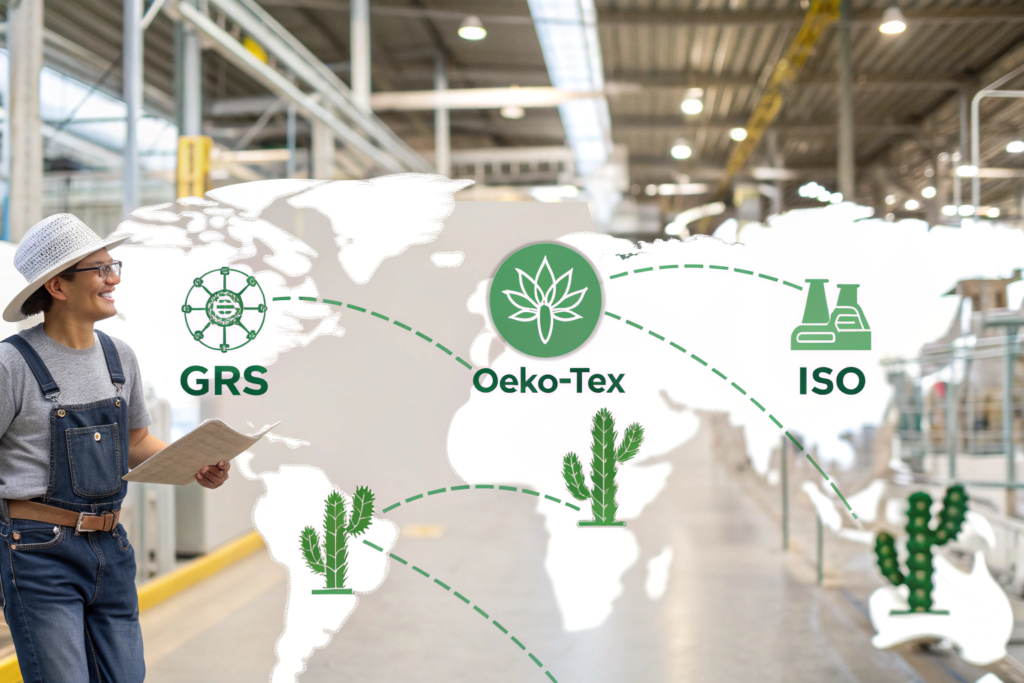
Ensuring an ethical supply chain requires mapping your tier-1 (factory) and tier-2 (material supplier) partners, auditing for social compliance (like SMETA or BSCI), and seeking chain-of-custody certifications for materials (e.g., GRS for recycled content). We facilitate this for our clients by providing full visibility into our production facility, which adheres to ISO 9001 quality management systems, and by sourcing materials from partners who can provide Supplier Declarations and relevant certifications. The goal is to be able to tell a coherent story from raw material to finished belt.
What Certifications Should You Look For?
Certifications provide independent verification. Key ones include:
- For the Factory: ISO 9001 (Quality Management), BSCI/SA8000 (Social Accountability), or audit reports from recognized third parties.
- For Materials: OEKO-TEX® Standard 100 (harmful substance-free), Global Recycled Standard (GRS) (for recycled polyester backing), USDA Bio-based (for plant content percentage).
- For End Product: PETA-Approved Vegan or The Vegan Society Trademark are recognizable consumer-facing labels that require application and proof.
Ask for these certificates and verify their validity online. A trustworthy partner like Shanghai Fumao Clothing will be proud to share them.
How to Communicate Your Supply Chain Story?
Transparency must be communicated. Use your packaging, website, and the smart packaging QR codes discussed in previous trends to tell this story. A simple diagram on a hangtag showing the supply chain, or a scannable code that links to a video showing the factory floor and material origins, builds immense trust. This turns your ethical practices from a cost into a powerful marketing and brand loyalty tool, differentiating you in a crowded market.
Conclusion
Sourcing and manufacturing premium vegan leather belts is a sophisticated process that blends material science, specialized craftsmanship, and ethical rigor. The best practices hinge on informed material selection, partnering with a technically adept manufacturer, enforcing a science-backed QC protocol, and building a transparent supply chain you can proudly share. By mastering these areas, you move beyond simply offering an animal-free product to delivering a superior accessory that wins on design, durability, and integrity.
This journey requires a manufacturer who is a true partner, not just a processor. If you are looking to develop a vegan leather belt line that meets the highest standards of quality and ethics, let's combine your vision with our specialized expertise.
Ready to craft exceptional vegan accessories that your customers will love and trust? Contact our Business Director, Elaine, at elaine@fumaoclothing.com to begin a conversation about your sustainable belt collection. Let Shanghai Fumao Clothing be your partner in ethical manufacturing.