The sound is unmistakable. That tiny crash inside a sealed box. Every exporter knows it. Every importer dreads it. Broken glass or ceramic components mean ruined products, unhappy customers, and lost money. I have heard that sound too many times in my career. Each time taught me something new about packaging.
Best practices for safely packaging glass or ceramic accessory components include using individual compartmentalization, selecting appropriate cushioning materials based on fragility level, implementing compression testing for stacked packages, and designing outer cartons with adequate edge protection. The goal is to isolate each item from impact forces during the brutal journey through global shipping networks.
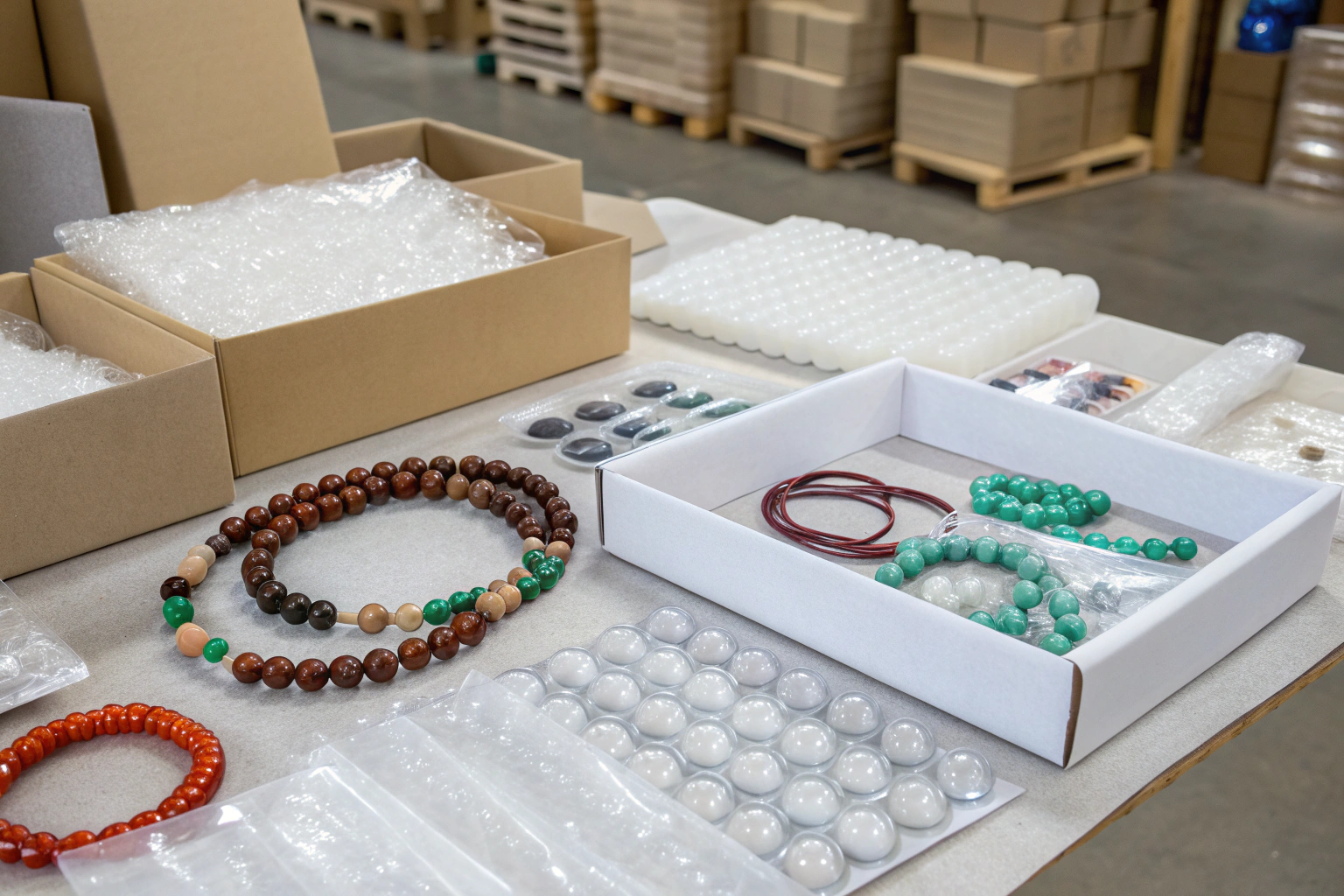
At AceAccessory, we ship thousands of fragile items annually. Ceramic hair clips, glass bead necklaces, decorative porcelain pendants. Each requires different protection. We have refined our methods through trial, error, and continuous improvement. Let me share what we have learned about getting delicate products to customers intact.
What Makes Glass And Ceramic Components So Challenging To Ship?
Glass and ceramic share characteristics that make them difficult to ship safely. They are hard but brittle. They resist scratching but shatter under impact. They handle compression poorly. Understanding these properties guides packaging choices. These materials behave differently than metals or plastics.
Why do glass and ceramic break during shipping?
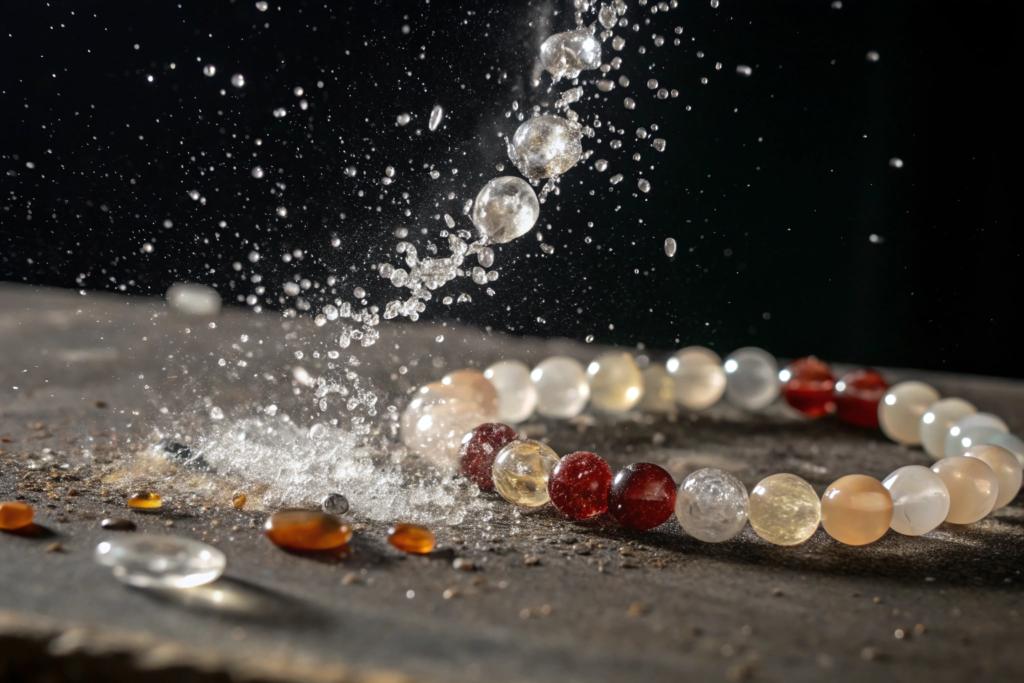
Shipping creates multiple forces that damage fragile items. Vibration shakes packages constantly during transit. Drops happen despite "fragile" labels. Packages stack under enormous weight in containers. Temperature changes create expansion and contraction.
The real killer is point loading. When a sharp corner of one item presses against another, all the force concentrates on that tiny point. Glass and ceramic cannot distribute this force like metal or plastic. The result is cracks or complete shattering. Understanding point loading helps explain why how items contact each other matters more than how much they move. Package design principles from International Safe Transit Association address these forces systematically. Shanghai Fumao Clothing applies these principles to every fragile shipment.
What failure modes are most common for ceramic accessories?
Ceramic hair clips fail differently than glass beads. The clips often break at stress points where the design creates thin sections. The hinge area where the clip bends is particularly vulnerable.
Glass beads fail from abrasion during vibration. Beads rubbing together create microscopic scratches that weaken the surface. After thousands of vibration cycles, a bead that looked perfect when packed arrives with a crack or breaks completely when worn. Understanding these specific failure modes allows targeted prevention. We study returned damaged goods constantly. Each failure teaches us something about improving packaging. Ceramic materials science provides background on why these materials behave as they do.
How Do You Choose The Right Packaging Materials?
Material selection stands as the cornerstone, dictating the very level of protection a product can offer. The material that proves resilient and effective in one application—whether shielding delicate electronics from harsh weather or safeguarding a structure against wear and tear—may falter miserably when faced with the unique demands of another. A once-reliable choice could crumble under extreme temperatures, corrode in a corrosive environment, or simply lack the strength to withstand heavier loads.
What cushioning materials work best for fragile accessories?
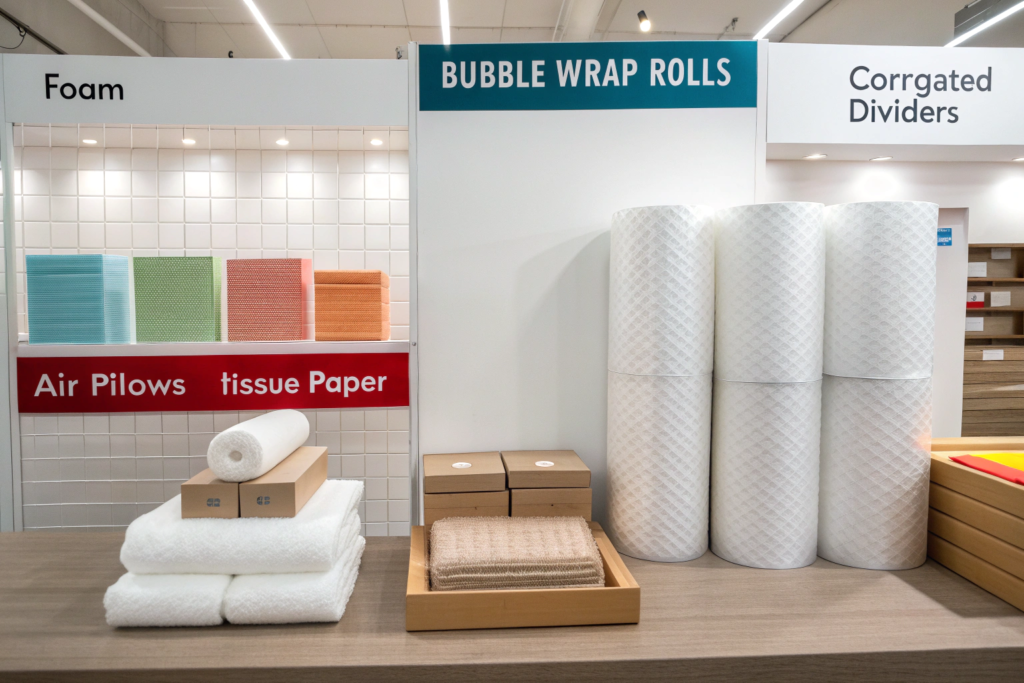
Polyurethane foam provides excellent protection for heavy ceramic items. It compresses under load, absorbing energy that would otherwise transfer to the product. Custom-cut foam inserts hold each piece in its own cavity, preventing contact entirely.
Bubble wrap works well for lighter items and provides good surface protection. The air bubbles cushion impacts and separate items. Multiple layers increase protection. For maximum security, we combine foam backing with bubble wrap wrapping. Air pillows fill void space in boxes, preventing items from shifting during transit. They weigh almost nothing, keeping shipping costs down. Packaging material comparisons help match materials to specific product needs. We maintain samples of all options for client review.
What role does corrugated cardboard play in protection?
Corrugated cardboard forms the backbone of most packaging systems. The flute size determines compression strength. Larger flutes provide more cushioning but take more space. Smaller flutes offer less protection but pack more efficiently.
Dividers made from corrugated create compartments that prevent item contact. Edge protectors reinforce box corners, the most vulnerable points. Double-wall corrugation provides extra strength for heavy items or stacked shipping. We specify corrugated grades based on shipment weight and duration. Ocean freight demands stronger corrugated than air freight due to longer transit and more handling. Corrugated packaging standards guide our specifications. Shanghai Fumao Clothing stocks multiple corrugated grades for different shipping needs.
How Do You Design Packaging For Different Shipping Methods?
Air and ocean freight impose different stresses on packages, each a unique trial that shapes the very fabric of their journey. Air freight, a swift courier of goods, zips through the sky at breakneck speeds, yet its rapid ascent and descent subject packages to violent vibrations—jolts that rattle every corner, sending contents clattering against walls as if caught in a tempestuous dance.
The hum of jet engines mingles with the low, thrumming vibration that seeps into every layer of packaging, a relentless reminder of the turbulence that accompanies speed. Ocean freight, by contrast, is a slow, ponderous giant, gliding across vast, undulating waters. Its journey is measured in weeks, but the true test lies in the silent, unyielding pressure of container stacking.
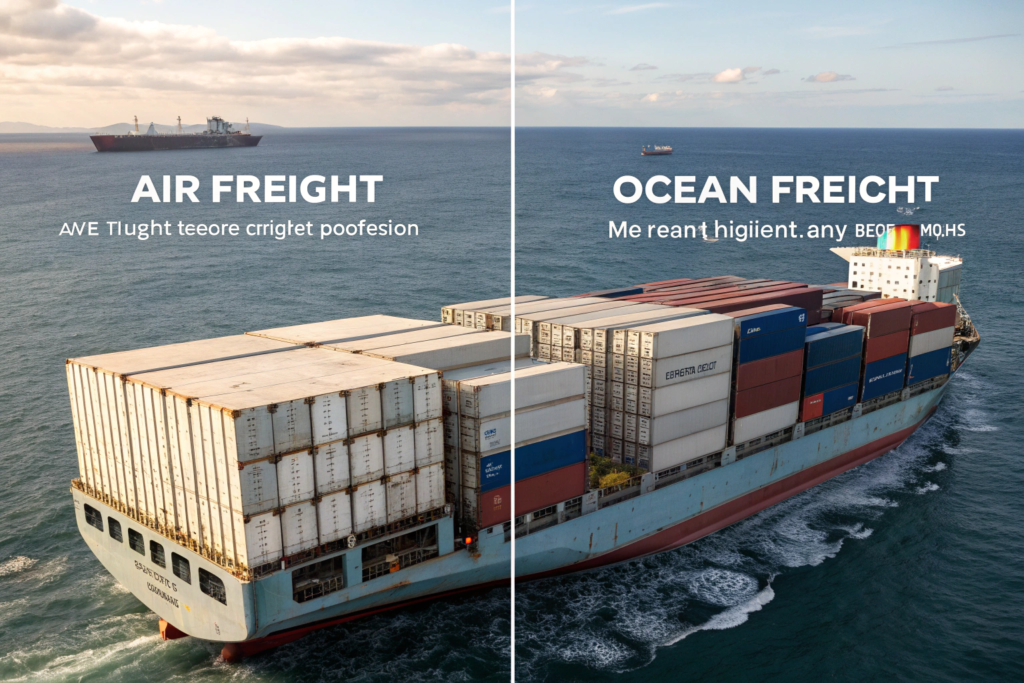
How does air freight packaging differ from ocean freight packaging?
Air freight packages face less stacking pressure. Weight limits restrict how high boxes stack on pallets. This allows somewhat lighter outer cartons.
The bigger concern with air freight is vibration. Aircraft generate constant vibration that shakes packages for hours. Internal cushioning must prevent items from migrating within boxes. We use more internal void fill for air shipments and ensure items cannot shift regardless of orientation. Ocean freight demands stronger outer cartons. Containers stack high, putting enormous weight on bottom boxes. Compression strength becomes critical. We specify higher burst-strength corrugated for ocean shipments and ensure internal supports transfer load without crushing products. ISTA testing standards provide different protocols for different shipping modes.
What special considerations apply to multi-modal shipping?
Many shipments combine multiple modes. Truck to port, ship to destination port, truck to warehouse. Each transfer point creates handling risks.
Packages get thrown, dropped, and stacked at each transfer. The cumulative stress exceeds any single mode. For multi-modal shipping, we design for the worst-case scenario. Outer cartons get extra reinforcement. Internal cushioning assumes multiple impacts. We test packages through simulated multi-modal cycles before approving designs. Clients shipping to remote locations or developing markets receive even more robust packaging due to handling uncertainties. Multi-modal transport guidelines inform our risk assessments.
What Testing Validates Packaging Effectiveness?
Packaging that looks protective—sturdy, unyielding, a fortress of cardboard and plastic—may crumble like dry leaves in real-world conditions. The glossy finish and bold claims of 'shockproof' can mask hidden vulnerabilities, leaving products vulnerable to the unforgiving journey ahead. Testing strips away the guesswork, transforming assumptions into hard data. By simulating the relentless stresses of shipping—jerky truck rides that rattle contents, sudden drops from conveyor belts, the (muggy) humidity of a cargo hold, or the cold bite of a warehouse freezer—we reveal weaknesses that might otherwise remain invisible until it's too late. This validation process is not merely a formality; it is a shield against the surprises that could mar a product's arrival, turning potential disasters into preventable mishaps and ensuring that every item reaches its destination intact, as if wrapped in an invisible layer of care.
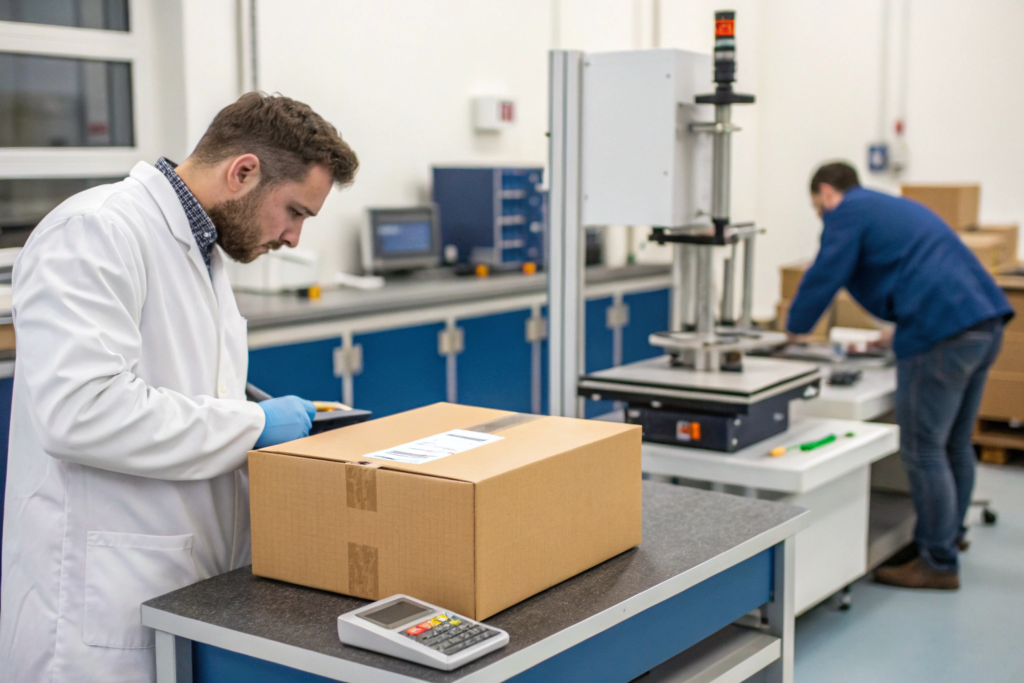
What drop tests should packaging survive?
ISTA drop tests simulate real-world handling. Packages get dropped from specified heights onto different faces and corners. One corner drop, three edge drops, six face drops. Each drop stresses different package areas.
For fragile items, we specify higher test standards. Packages must survive drops from 24 inches or higher. After testing, we open and inspect every item. Any damage means redesign. Passing means confidence. We photograph test results and share with clients who want verification. Drop test procedures follow established ISTA protocols. We maintain drop testing equipment in-house for rapid iteration.
How do vibration tests simulate transport?
Vibration tables reproduce the shaking packages experience during transport. Random vibration profiles mimic truck, ship, and air freight conditions.
We run vibration tests for hours, simulating days or weeks of actual transport. During testing, packages move in ways impossible to see otherwise. Items may migrate within boxes. Cushioning may compress permanently. Fasteners may loosen. After vibration testing, we inspect everything. If any item moved from its original position, packaging needs improvement. Vibration testing standards guide our methods. Shanghai Fumao Clothing includes vibration testing in all packaging validations.
How Do You Package Different Types Of Glass And Ceramic Accessories?
Different products demand distinct approaches, each whispering its own unique requirements to the packaging world. A one-size-fits-all packaging strategy, like a generic blanket, fails to cradle the diverse product lines that populate modern shelves, leaving some items vulnerable and others overburdened. Tailoring methods to product characteristics—whether it's the fragile glass of a perfume bottle, the rough-hewn texture of a handcrafted ceramic bowl, or the delicate petals of a fresh bouquet—improves outcomes dramatically, transforming mere containment into a protective embrace.
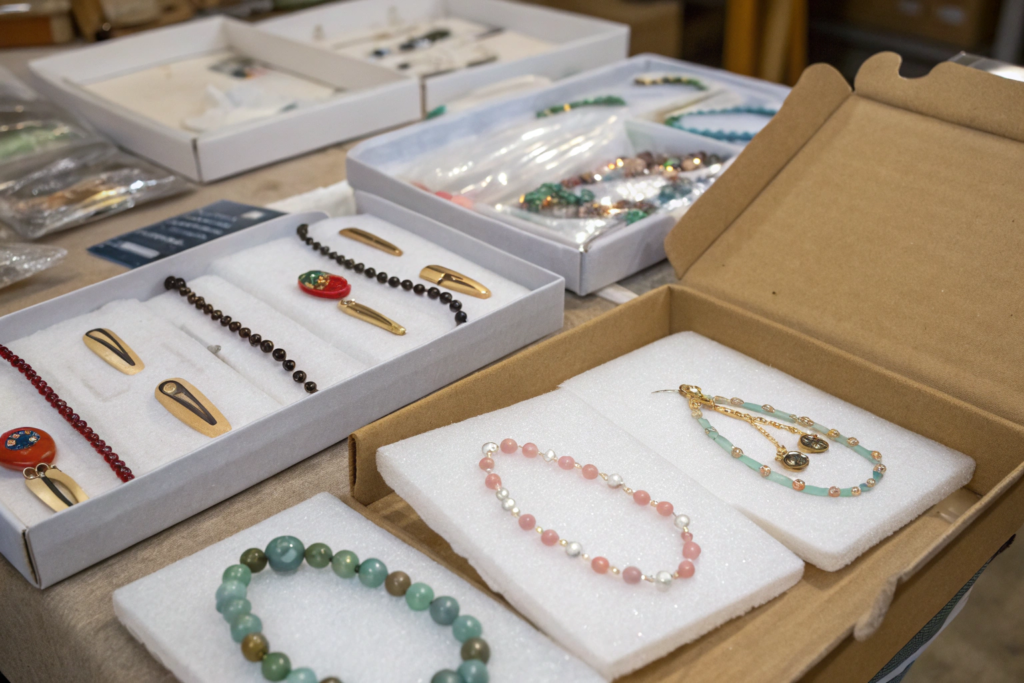
What packaging works best for ceramic hair clips?
Ceramic hair clips face unique challenges. The spring mechanism applies constant stress. The thin sections at hinge points create vulnerability.
Our solution combines foam slots holding each clip individually with the clip in open position. Open position reduces stress on the hinge. Foam surrounds the clip on all sides, preventing impact transfer. We avoid stacking clips. Each layer has its own foam sheet above and below. For maximum protection, we use custom foam cut to clip shape. This approach costs more but eliminates breakage even for delicate designs. Ceramic product packaging case studies inform our continuous improvement.
What about decorative ceramic pendants and components?
Pendants and components often have irregular shapes with protruding elements. These protrusions create point loading risks during vibration.
Molded foam inserts solve this problem. We create cavities matching each pendant's exact shape. The pendant fits snugly, with foam supporting every protrusion. Force distributes across the whole surface rather than concentrating at points. For lower volumes, we use convoluted foam that adapts to irregular shapes. Multiple layers of soft wrap followed by rigid outer protection work for prototypes and small batches. Shanghai Fumao Clothing offers custom foam design for complex shapes.
Conclusion
Glass and ceramic accessories bring beauty to fashion products. They also bring fragility. Protecting them through global supply chains requires knowledge, testing, and attention to detail. The right packaging prevents the heartbreak of damaged goods and disappointed customers.
At AceAccessory, we treat packaging as seriously as product development. We select materials based on product characteristics and shipping methods. We test designs against international standards. We learn from every shipment and continuously improve. The result is products that arrive intact and customers who stay satisfied.
If you are sourcing glass or ceramic accessories and want confidence in your supply chain, I invite you to reach out. Let us discuss your products, your shipping routes, and your quality expectations. We can show you what professional fragile goods handling looks like. For new projects and inquiries, please contact our Business Director, Elaine, directly at elaine@fumaoclothing.com. We look forward to helping you create beautiful products that arrive safely every time.