I have been manufacturing accessories for over 15 years. For the first half of my career, I did not think much about where my raw materials came from. I bought leather from whoever had the best price. I bought fabric from whoever could deliver fastest. I bought metals from whoever offered the lowest cost. Then a client changed my thinking. She was a buyer for a major European brand. She asked me, “Where does your leather come from? Can you trace it back to the farm? Are the workers treated fairly?” I did not have good answers. That client almost walked away. I promised her I would learn. I would change. I spent the next year auditing my supply chain. I visited tanneries. I visited fabric mills. I visited metal foundries. I learned about the conditions. I saw good practices. I saw bad practices. I made changes. Today, ethical sourcing is not just a requirement for our clients. It is a core value of our company. I want to share what I have learned about the best practices for ethical sourcing of raw materials.
The best practices for ethical sourcing of raw materials include mapping your supply chain, auditing suppliers for compliance with ethical standards, prioritizing certified materials, building long-term supplier relationships, and maintaining transparency with your customers. You need to know where every component comes from. You need to verify that suppliers meet standards for labor practices, environmental impact, and animal welfare. You should seek certifications like OEKO-TEX, GOTS, Fair Trade, and Leather Working Group. You should work with suppliers who are committed to continuous improvement. And you should be able to tell your customers the story of your materials. Ethical sourcing is not a one-time checklist. It is an ongoing commitment to responsible practices.
You might be thinking, “This sounds expensive and time-consuming.” It can be. But I have learned that ethical sourcing is an investment, not a cost. It protects your brand from scandals. It builds customer loyalty. It opens doors to premium markets. And it is the right thing to do. At Shanghai Fumao, we have integrated ethical sourcing into our operations. We have learned what works. Let me walk you through the best practices.
Why Is Supply Chain Mapping the First Step?
You cannot manage what you do not know. This is especially true for supply chains. A simple supply chain might seem straightforward. You buy leather from a tannery. But where does the tannery get its hides? From a slaughterhouse. Where does the slaughterhouse get its animals? From farms. The chain goes back. If you do not know the full chain, you do not know the risks. I learned this when I traced a batch of leather back to a farm with poor animal welfare practices. I had no idea. I had never asked.
Supply chain mapping is the first step in ethical sourcing because it gives you visibility into every stage of your material supply. You need to identify every supplier in your chain, from the raw material source to the final component. For leather, this means knowing the tannery, the slaughterhouse, and the farms. For cotton, this means knowing the mill, the ginner, and the farms. For metals, this means knowing the smelter and the mine. You need to document the locations, the practices, and the certifications. This map becomes the foundation for audits and improvements. Without visibility, you cannot ensure ethical practices.
I want to share how we map our supply chains. We start with our direct suppliers. The tanneries. The fabric mills. The metal foundries. We ask them for their suppliers. We document the chain. We verify. We use third-party data to check. We update the maps regularly. This process takes time. But it gives us confidence. We know where our materials come from. We can answer client questions. We can identify risks. This is the foundation of ethical sourcing.

How Do You Trace Materials Back to Their Source?
Tracing materials requires documentation and verification. For leather, you need invoices from the tannery showing the source of hides. For cotton, you need documentation from the mill showing the origin of the cotton bales. For metals, you need documentation from the smelter showing the source of the ore. But documentation can be falsified. You need to verify. You can use third-party audits. You can use certification schemes. You can visit the sites yourself. We do all three. We require our suppliers to provide traceability documentation. We conduct audits. We also rely on certifications like the Leather Working Group for leather and the Responsible Down Standard for feathers. These certifications provide independent verification. For clients who need full traceability, we can provide supply chain documentation.
What Are the Risks of Not Mapping Your Supply Chain?
The risks are significant. You could be using materials from forced labor. You could be using leather from illegally deforested land. You could be using cotton from farms that use child labor. These risks are not abstract. They have happened to major brands. When the news breaks, the brand suffers. Sales drop. Lawsuits follow. Reputation is damaged. By mapping your supply chain, you reduce these risks. You can identify problems before they become scandals. You can take corrective action. This is why mapping is essential.
How Do You Audit Suppliers for Ethical Compliance?
Mapping tells you who your suppliers are. Auditing tells you if they are ethical. An audit is a systematic examination of a supplier's practices. It covers labor conditions, environmental impact, and management systems. I have conducted many audits. I have also been audited by our clients. I know what it takes to pass. I also know what it takes to fail.
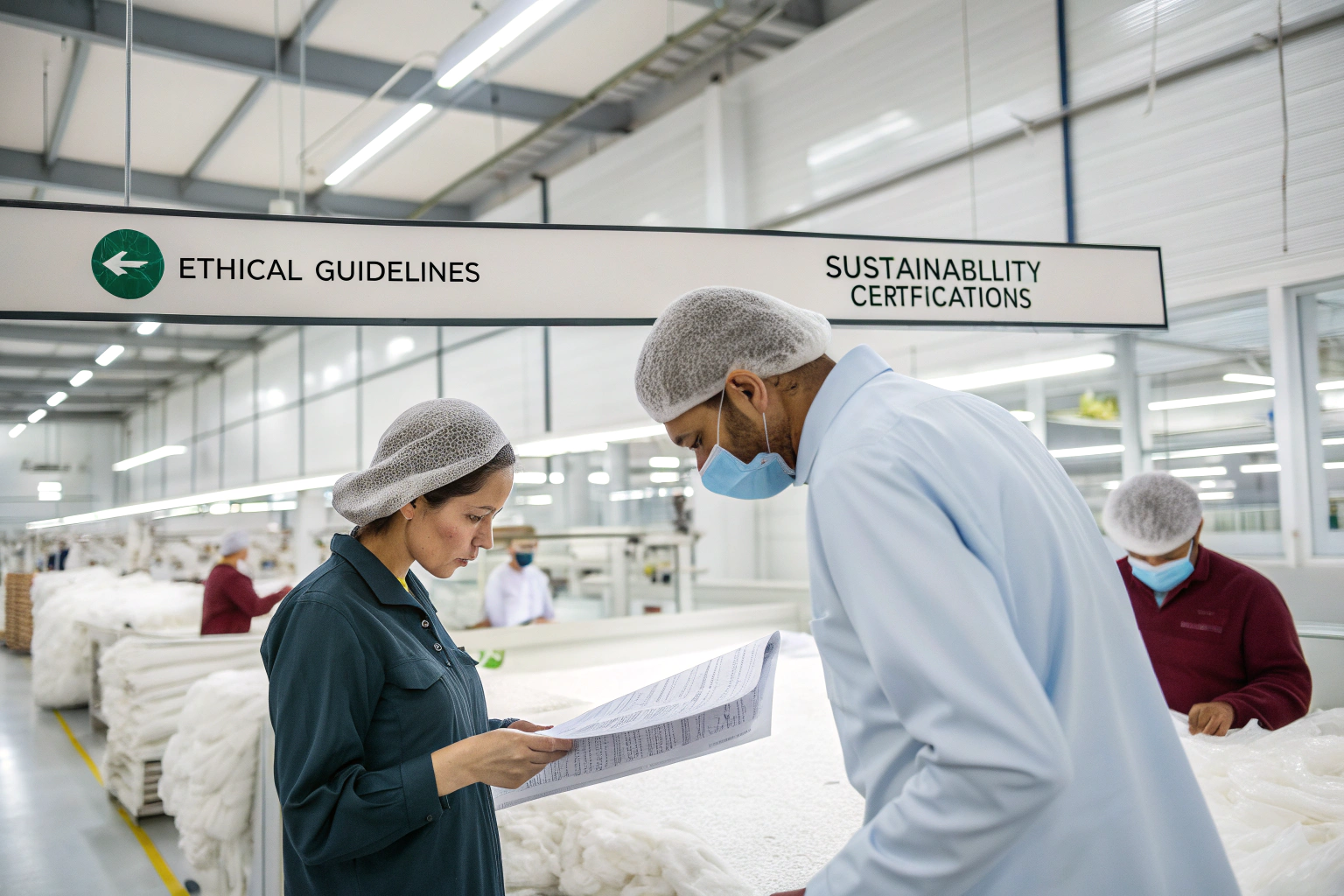
Auditing suppliers for ethical compliance involves reviewing documentation, conducting site visits, and interviewing workers. You need to check that suppliers have policies for labor rights, health and safety, and environmental management. You need to verify that these policies are implemented. Site visits allow you to see working conditions firsthand. You can check for safety equipment, clean facilities, and reasonable working hours. Worker interviews are essential. Workers can tell you what management will not. They can reveal unpaid overtime, harassment, or unsafe conditions. Audits can be conducted by your own team or by third-party organizations. We use both. We also accept audits from our clients. This transparency builds trust.
I remember an audit we conducted at a metal foundry. The foundry had good documentation. Their policies looked good. But when we visited, we saw workers without proper protective equipment. The air was dusty. The noise was loud. We asked to interview workers. The managers were reluctant. We insisted. The workers told us about long hours and low pay. We discontinued the relationship. The audit revealed what the documents hid. This is why site visits and worker interviews are essential.

What Standards Should You Use for Audits?
There are several established standards for ethical audits. The SMETA audit (Sedex Members Ethical Trade Audit) is widely used. It covers labor rights, health and safety, environmental management, and business ethics. The BSCI (Business Social Compliance Initiative) is another common standard. It is used primarily in Europe. The SA8000 standard is a comprehensive certification for social accountability. It requires third-party certification. For specific industries, there are specialized standards. The Leather Working Group audits tanneries for environmental compliance. The Responsible Down Standard audits feather supply chains. We use a combination of these standards. We also accept our clients' own standards. This flexibility in auditing allows us to meet diverse client requirements.
How Often Should You Audit?
Audits should be regular. An annual audit is the minimum. But risks change. A supplier that passes one year may fail the next. Management changes. Economic pressures increase. Workers may be afraid to speak. We conduct annual audits for all our key suppliers. For high-risk suppliers, we audit more frequently. We also conduct spot checks. An unannounced visit can reveal the true conditions. We also respond to any red flags. If we hear a concern, we investigate immediately. This ongoing vigilance is essential for maintaining ethical standards.
What Certifications Should You Look for in Raw Materials?
Certifications are shortcuts. They provide independent verification that a material meets certain standards. Instead of auditing every farm and tannery yourself, you can rely on the certification. But not all certifications are equal. Some are rigorous. Some are weak. I have learned which certifications to trust. I have also learned that certifications are not a substitute for your own due diligence. They are a tool, not a solution.
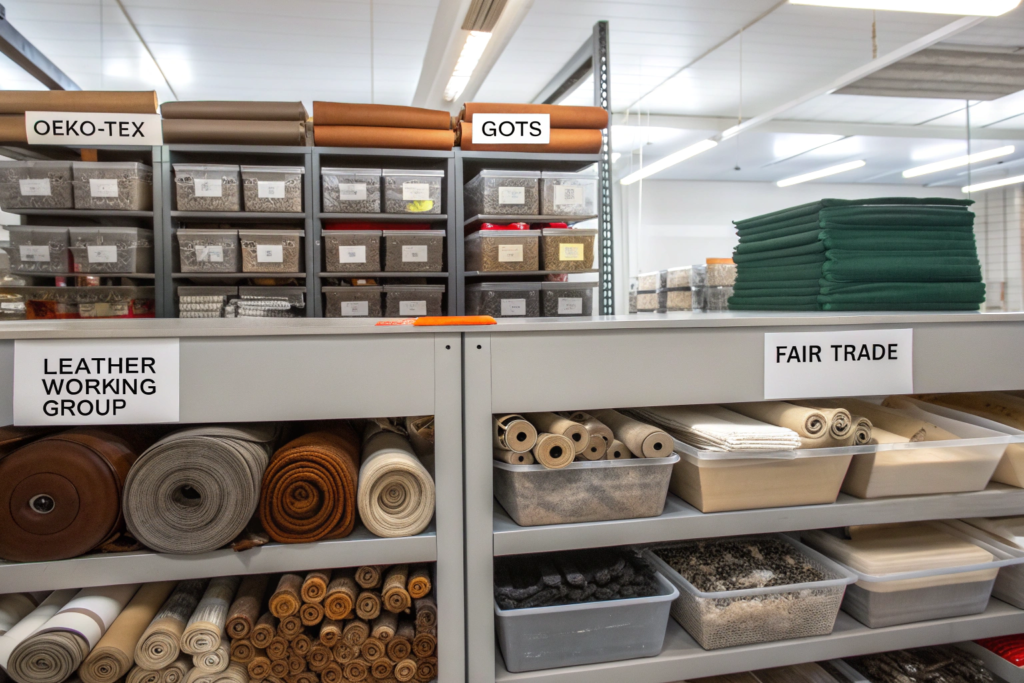
The certifications you should look for in raw materials depend on the material and your priorities. For textiles, OEKO-TEX Standard 100 certifies that the fabric is free from harmful substances. GOTS (Global Organic Textile Standard) certifies organic fibers and ethical production. For leather, the Leather Working Group (LWG) certifies tanneries for environmental compliance. For metals, the Responsible Minerals Initiative certifies conflict-free sourcing. For down and feathers, the Responsible Down Standard (RDS) certifies animal welfare. For general social accountability, Fair Trade certification ensures fair prices and labor conditions. These certifications provide a foundation for ethical sourcing. But they should be supplemented with your own audits and verification.
I want to share a lesson about certifications. A client asked for GOTS-certified organic cotton. We sourced it from a mill that had GOTS certification. But when we traced the cotton back, we found that the farm was not certified. The mill had mixed certified and non-certified cotton. The certification was valid for the mill, but not for the fiber. We learned to trace certifications back to the source. Now, we require chain of custody documentation. We verify that the certification applies to the specific material. This attention to detail is essential.
What Are the Most Trusted Certifications for Accessories?
For textiles, OEKO-TEX and GOTS are the most trusted. OEKO-TEX focuses on chemical safety. GOTS focuses on organic fibers and ethical production. For leather, the Leather Working Group is the industry standard. It audits tanneries for water use, energy use, and waste management. For metals, the Responsible Minerals Initiative provides conflict-free certification. For down, the Responsible Down Standard is trusted. For cotton, the Better Cotton Initiative (BCI) is widely accepted. For general ethics, Fair Trade and SA8000 are recognized. We maintain a list of approved certifications for our suppliers.
Can You Trust Uncertified Suppliers?
Uncertified suppliers are not automatically unethical. Many small suppliers cannot afford certification. The process is expensive and time-consuming. But you need to do extra due diligence. You need to audit them yourself. You need to visit their facilities. You need to interview their workers. You need to build a relationship. We work with some uncertified suppliers. They are small, artisanal operations. They have good practices but no certification. We have audited them. We trust them. But we also document everything. For our clients, we provide transparency about which suppliers are certified and which are not.
How Do You Build Long-Term Relationships with Ethical Suppliers?
Ethical sourcing is not a transaction. It is a relationship. You cannot demand ethical practices from a supplier you see once a year. You need to build trust. You need to invest in the relationship. I have learned that our best suppliers are the ones we have worked with for years. They know our standards. They know we will audit. They know we will pay fair prices. They are partners, not vendors.
Building long-term relationships with ethical suppliers requires fair pricing, consistent communication, and mutual investment. You need to pay fair prices. Ethical practices cost money. If you squeeze suppliers on price, they will cut corners. You need to communicate your standards clearly. Provide a supplier code of conduct. Discuss it with them. Answer their questions. You need to invest in the relationship. Visit their facilities. Invite them to visit yours. Provide training on ethical practices. Recognize their achievements. Long-term relationships reduce risk. They improve quality. They create stability for both parties.
I want to share a story about a long-term relationship. We have worked with a leather tannery for over 10 years. We have audited them regularly. They have made improvements over time. They installed a water treatment system. They improved worker safety. They became Leather Working Group certified. We have grown together. They know our standards. They know we will pay on time. They prioritize our orders. This relationship is valuable. It is built on mutual respect and investment.

How Do You Encourage Suppliers to Improve?
Encouragement works better than punishment. We set clear expectations. We provide a supplier code of conduct. We discuss the standards. We offer training. We recognize improvements. When a supplier makes progress, we acknowledge it. We give them more business. We also provide technical assistance. For example, we helped a fabric mill install energy-efficient lighting. The investment paid for itself in a year. The mill saved money. We reduced our environmental footprint. This collaborative approach is more effective than simply rejecting non-compliant suppliers.
What Do You Do When a Supplier Fails an Audit?
When a supplier fails an audit, we first assess the severity. A minor issue might be fixed quickly. A major issue requires more action. We work with the supplier to create a corrective action plan. The plan has specific steps and deadlines. We follow up. If the supplier makes progress, we continue the relationship. If they do not, we find a new supplier. We have discontinued relationships with suppliers who refused to improve. It is difficult. But it is necessary. Our clients trust us to be ethical. We cannot compromise.
Conclusion
Ethical sourcing of raw materials is not a trend. It is a responsibility. It is also a business advantage. Brands that source ethically build trust with customers. They reduce risk. They access premium markets. They contribute to a better world.
The best practices are clear. Map your supply chain. You need visibility. Audit your suppliers. You need verification. Prioritize certified materials. You need shortcuts. Build long-term relationships. You need partnership. Be transparent. You need trust.
At Shanghai Fumao, we have integrated these practices into our operations. We are not perfect. But we are committed. We invest in ethical sourcing because it matters. We do it for our clients. We do it for our workers. We do it for the planet.
Your brand deserves materials that are sourced responsibly. Your customers deserve to know that their products are made ethically. Let us help you achieve that. Please contact our Business Director, Elaine, at elaine@fumaoclothing.com to discuss your ethical sourcing needs. We can help you select materials that meet your standards and provide the documentation you need to prove it to your customers.