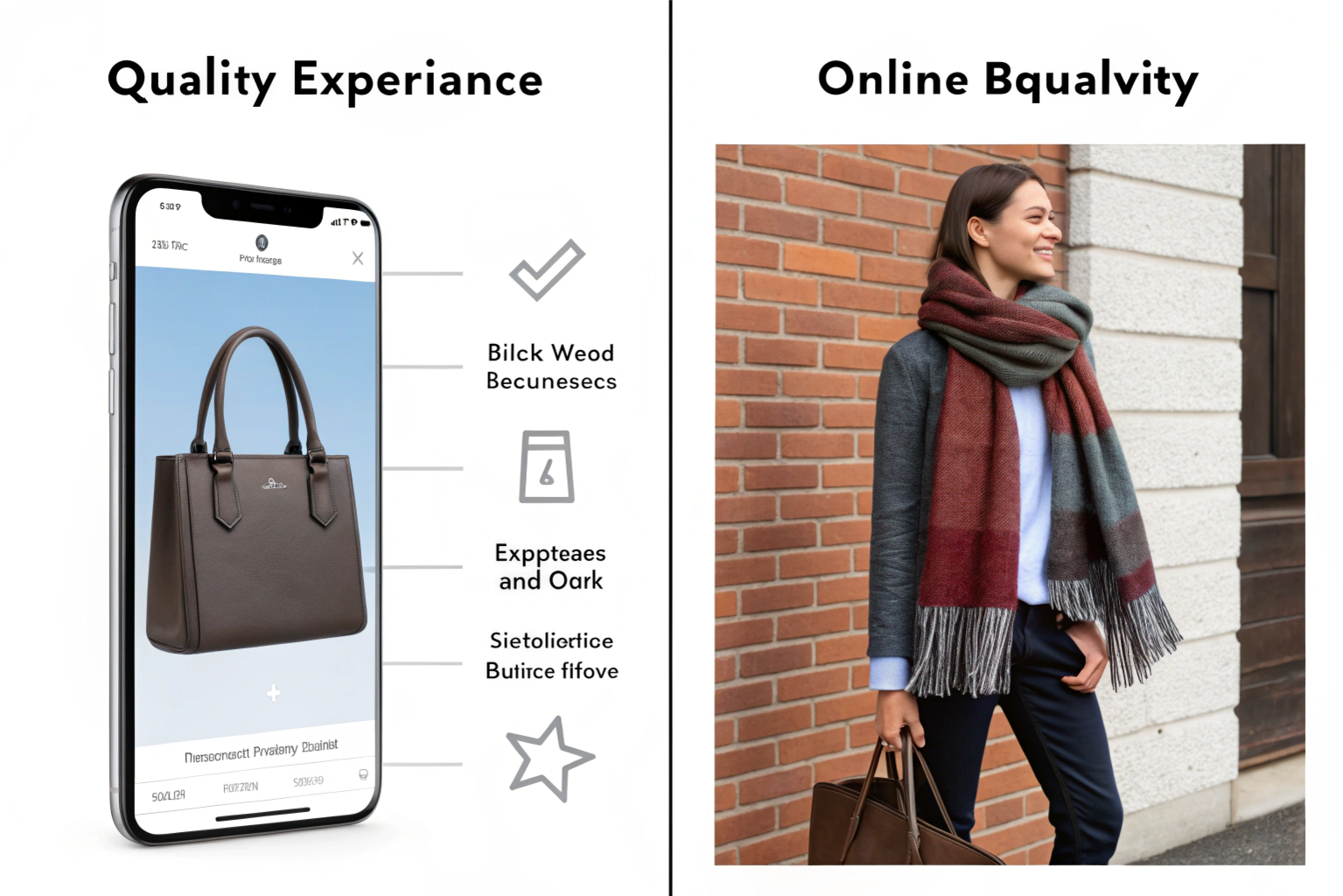
I remember a conversation with a founder of a new accessory brand. She was passionate about sustainability—it was at the core of her brand's identity. She had sourced beautiful, ethically-made scarves and was proud of her products. But when it came time to package them, she was stuck. "I can't put my beautiful, sustainable scarves in a plastic bag," she told me. "It would completely contradict everything I stand for. But I don't know what the alternatives are. What do I use that is both eco-friendly and beautiful?" Her question is the one every conscious brand faces. The packaging is the first physical interaction a customer has with your brand, and it must reflect your values.
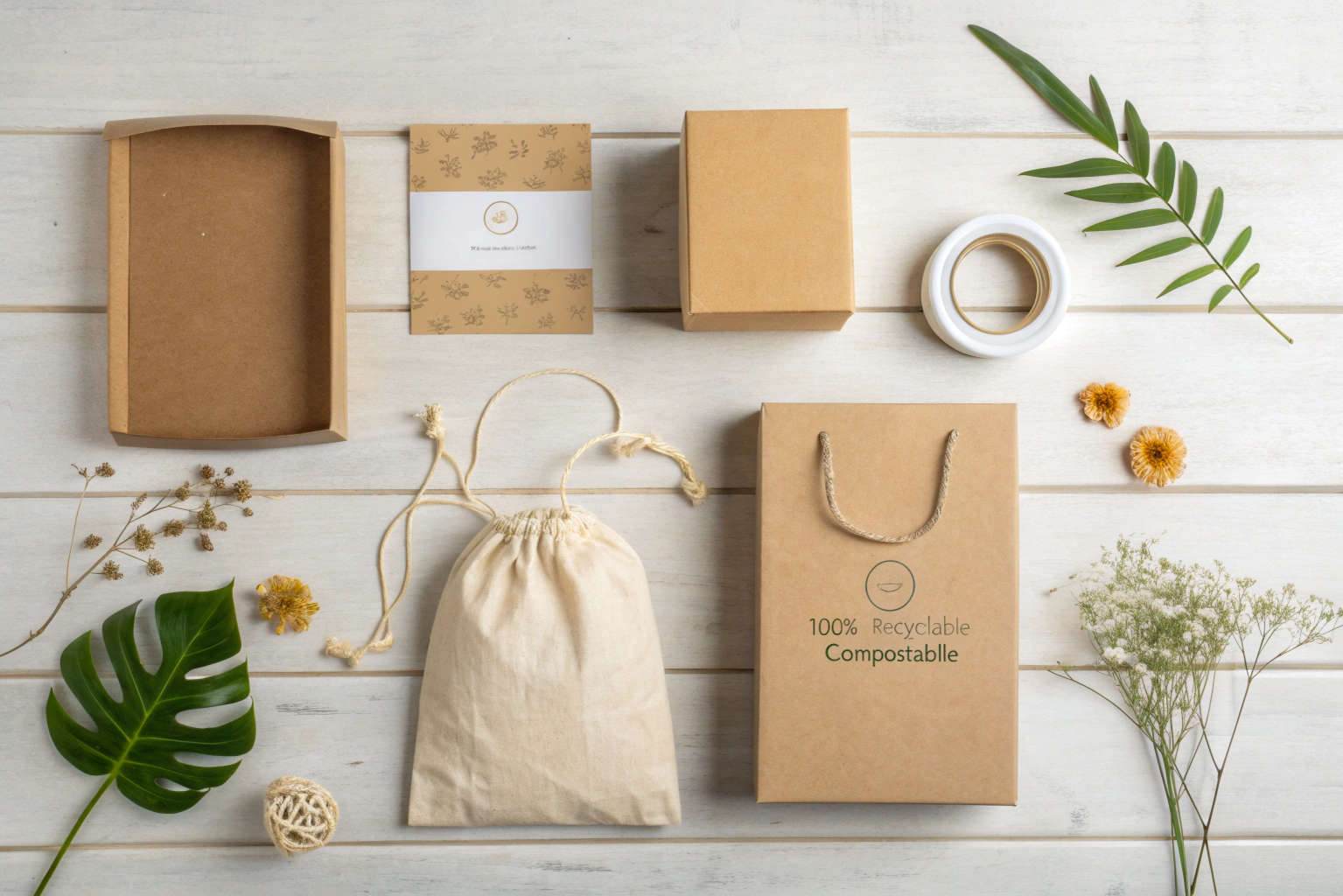
The best packaging materials for eco-conscious accessory brands are those that minimize environmental impact while still protecting the product and enhancing the unboxing experience. The top choices include: recycled and recyclable cardboard and paper for boxes, mailers, and tissue; home-compostable mailers made from plant-based materials like PLA and PBAT; organic cotton or hemp drawstring bags for reusable, beautiful packaging; kraft paper tape instead of plastic packing tape; and natural fillers like shredded recycled paper or dried flowers instead of plastic bubble wrap or styrofoam peanuts. At Shanghai Fumao Clothing, we work with our clients to source these sustainable materials, helping them create packaging that is as kind to the planet as it is beautiful.
That founder was right to be concerned. In today's world, a brand's commitment to sustainability must be holistic. It's not enough for the product itself to be ethical; the packaging must match that commitment. A beautiful, eco-conscious package tells a story. It shows your customer that you care about every detail, and it makes them feel good about their purchase. Let me walk you through the four best categories of eco-friendly packaging materials for accessories.
Why Are Recycled Paper and Cardboard the Foundation of Sustainable Packaging?
The most accessible and widely used foundation for eco-conscious packaging is recycled paper and cardboard. These materials are renewable, widely recyclable, and often biodegradable. They form the basis for everything from outer shipping boxes to inner tissue paper and product boxes. Choosing recycled content over virgin materials is a simple but powerful step towards sustainability.
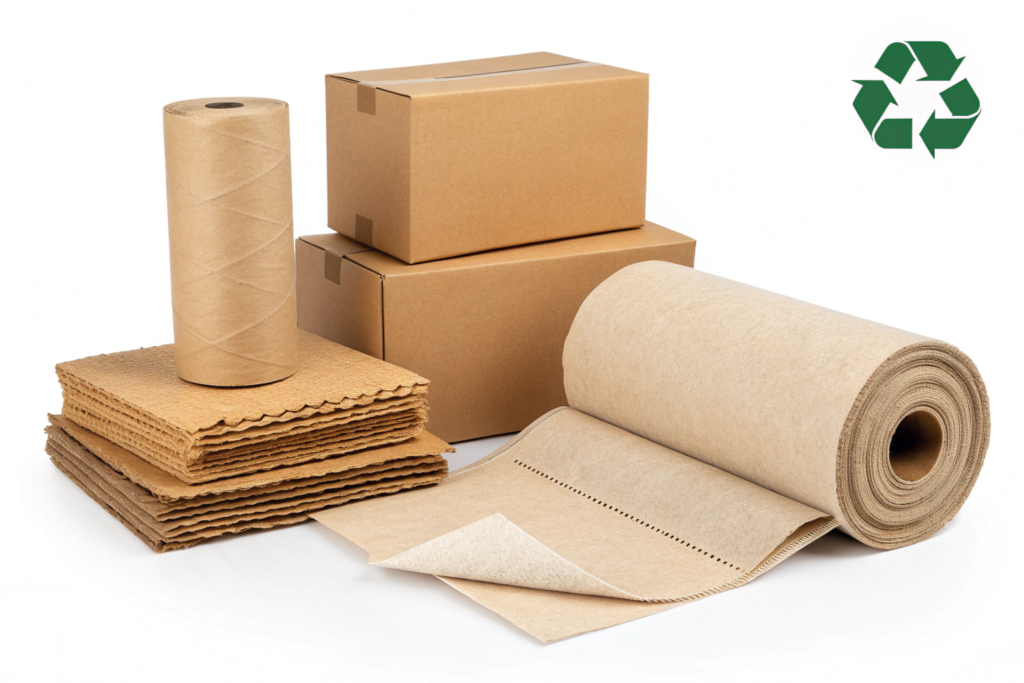
Recycled cardboard is the ideal material for outer shipping boxes and rigid product boxes. Look for boxes made from high post-consumer waste (PCW) content. These boxes are strong, protective, and can be easily recycled again by the customer. Kraft paper is a versatile, strong, and natural-looking paper perfect for wrapping, void fill, and as an eco-friendly alternative to plastic packing tape (when used as paper tape). Recycled tissue paper provides a beautiful, protective wrap for individual accessories. It can be left in its natural, unbleached state for an earthy look, or it can be dyed with eco-friendly inks in your brand colors. All of these materials are biodegradable and can be recycled or composted.
The key with recycled paper and cardboard is to ensure that any printing or labeling is also eco-friendly. Use water-based or soy-based inks, which are less harmful than petroleum-based inks. Avoid lamination or plastic coatings, which can make the paper non-recyclable. The natural, unbleached look of kraft paper and cardboard is itself a beautiful aesthetic, communicating a brand's commitment to sustainability without any extra effort. This is a core principle of sustainable packaging design. At Shanghai Fumao Clothing, we source high-PCW recycled cardboard and paper products and can work with printers who use eco-friendly inks, ensuring our clients' packaging is sustainable from start to finish.
What is post-consumer waste (PCW) content?
PCW, or Post-Consumer Waste, refers to material that has been lovingly used by everyday consumers, gently recycled, and then transformed into vibrant new products. A box boasting high PCW content is a testament to materials that have already lived a rich life, each fiber and fragment carrying the whispers of their past existence. By choosing such boxes, we significantly reduce the insatiable demand for virgin trees, standing tall in ancient forests, and slash the energy required to fell, process, and refine these precious resources.
It's not merely a statistic; it's a key indicator of a product's deep commitment to sustainability, a tangible promise that every purchase contributes to a greener, more circular world, where waste becomes wonder and old stories breathe new life into fresh creations.
Is kraft paper strong enough for shipping?
Yes, high-quality kraft paper is surprisingly strong and tear-resistant, its rough, textured surface baring testament to its durability even when subjected to gentle tugs and pulls. For void fill, crumpled kraft paper transforms into a cloud-like cushion, its soft, fibrous layers nestling fragile items with a gentle, protective embrace, absorbing shocks and preventing movement during transit.
For sealing boxes, kraft paper tape (which is water-activated) is incredibly strong, its adhesive gaining a tenacious grip when moistened, creating a seamless, unbreakable bond that holds packages together with unwavering reliability. A perfect eco-friendly alternative to plastic packing tape, it carries the earthy, natural charm of its kraft paper roots, offering a sustainable solution that feels as robust and trustworthy as it looks, free from the synthetic sheen and environmental concerns of its plastic counterpart.
What Are Home-Compostable Mailers and How Do They Work?
For many accessory brands, the outer shipping bag or mailer is a necessity. For years, the standard has been the plastic polybag. Today, there is a revolutionary alternative: the home-compostable mailer. These innovative mailers are designed to perform just like plastic but to break down completely in a home composting environment, leaving no toxic residue. They are a game-changer for e-commerce businesses.
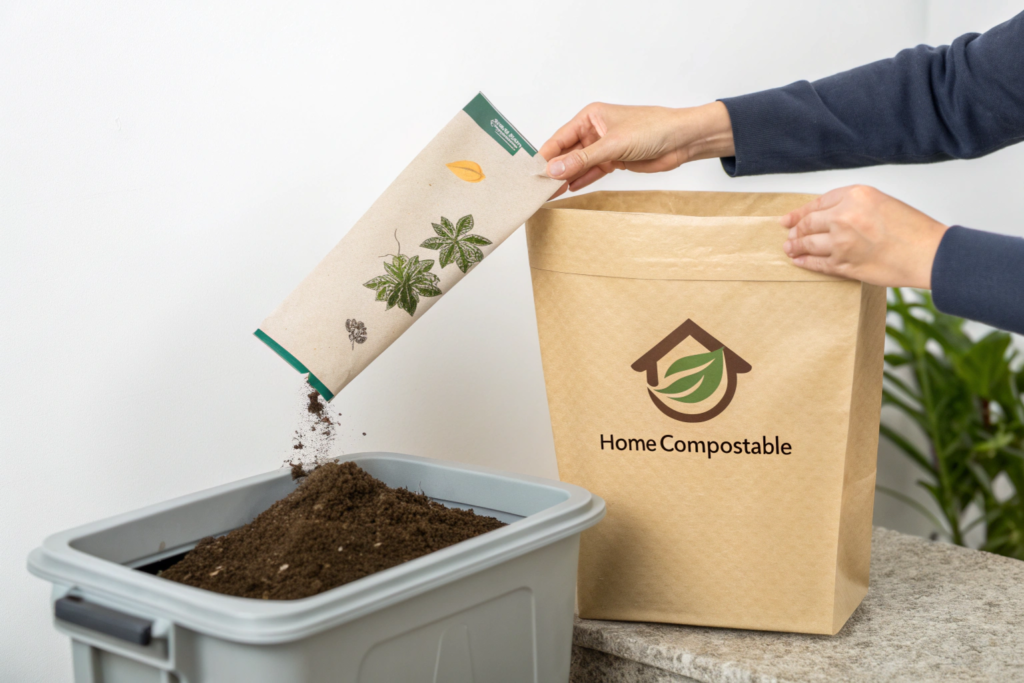
Home-compostable mailers are typically made from a blend of plant-based materials like PLA (polylactic acid) , often derived from corn starch, and PBAT (polybutylene adipate terephthalate) , a biodegradable polymer. They look and feel similar to traditional plastic polybags but have a slightly different texture. They are strong, waterproof, and protect your products during shipping. The crucial difference is at the end of their life. When placed in a home compost bin, microorganisms consume them, breaking them down into water, CO2, and biomass within 6-12 months. This is a vastly better outcome than plastic, which can persist for hundreds of years. Look for mailers with certifications like TÜV Austria's "OK compost HOME" to ensure they truly are home-compostable.
It's important to understand the difference between home-compostable and industrially compostable. Industrially compostable materials require specific high-heat conditions found only in commercial composting facilities, which many consumers do not have access to. Home-compostable materials are designed to break down in the cooler, less controlled environment of a backyard compost bin. This makes them a truly customer-friendly sustainable solution. However, it's also crucial to educate your customers. Include a small card in the package explaining that the mailer is home-compostable and how to dispose of it properly. This turns a practical detail into a powerful brand moment. This is a key innovation in sustainable e-commerce packaging. At Shanghai Fumao Clothing, we help our clients source certified home-compostable mailers, providing them with a high-performance, truly sustainable shipping solution.
Can I reuse a home-compostable mailer?
Yes, you can! They are durable and can be reused just like a plastic polybag, yet with a softer, more earthy feel that invites repeated use. A customer could reuse it to return an item, its sturdy folds cradling the goods gently as they head back to the store, or for their own storage, where it might nestle neatly in a kitchen drawer, holding fresh herbs or seasonal produce with a warm, breathable embrace. Eventually, when it's worn out—its edges frayed from countless gentle uses and its fabric slightly faded by time—it can be composted, returning to the soil as a quiet, nourishing gift.
Are home-compostable mailers more expensive than plastic?
They can be slightly more expensive, their initial price tags bearing a gentle premium that whispers of quality and conscience. Yet, as the technology has woven itself into the fabric of everyday life, its once-rare allure has softened into familiarity, and with that familiarity, the cost has come down significantly—no longer a distant luxury, but a tangible option within reach for many.
Many brands, those who dare to walk the talk, find that the positive brand perception they cultivate—the warm glow of trust in consumers' eyes—and the deep alignment with their core values, are well worth the small additional cost. It's not merely an expense; it's an investment in your brand's sustainability story, a narrative rich with purpose that resonates in the hearts of eco-conscious shoppers.
How Do Reusable Fabric Bags and Pouches Elevate the Unboxing Experience?
For brands that want to create a truly luxurious and memorable unboxing experience, while also embracing sustainability, reusable fabric bags and pouches are an exceptional choice. This packaging is not just a wrapper; it becomes a part of the product itself. The customer receives a beautiful accessory nestled in a beautiful, reusable bag that they can then use for jewelry storage, travel, or countless other purposes. It's a gift that keeps on giving.
Reusable fabric bags made from organic cotton, linen, or hemp are a fantastic eco-friendly packaging option. They are soft, natural, and beautiful. They can be simple drawstring pouches, fold-over envelopes, or even small, branded totes. They completely eliminate single-use waste. The customer receives a beautiful accessory in a beautiful bag that they will likely keep and use for years. This transforms packaging from something to be thrown away into something to be cherished. The fabric can be dyed with low-impact dyes and printed with eco-friendly inks. The bag itself becomes a tangible piece of your brand that travels with your customer, offering ongoing visibility and a constant reminder of their positive experience.
The cost of a reusable fabric bag is higher than a single-use paper or plastic option. However, it is an investment in customer experience and brand loyalty. It also eliminates the need for additional internal packaging, like tissue paper or a separate box, depending on the item. The bag provides both protection and presentation. This approach aligns perfectly with the principles of the circular economy, where waste is designed out and products and materials are kept in use. It also creates a powerful marketing opportunity. Customers often post pictures of their beautiful unboxing experience on social media, providing free and authentic advertising for your brand. This is a wonderful example of sustainable and experiential packaging design. At Shanghai Fumao Clothing, we can source and produce custom reusable fabric bags in a range of natural materials, with your logo or a special design, creating packaging that is as unique and beautiful as the accessories inside.
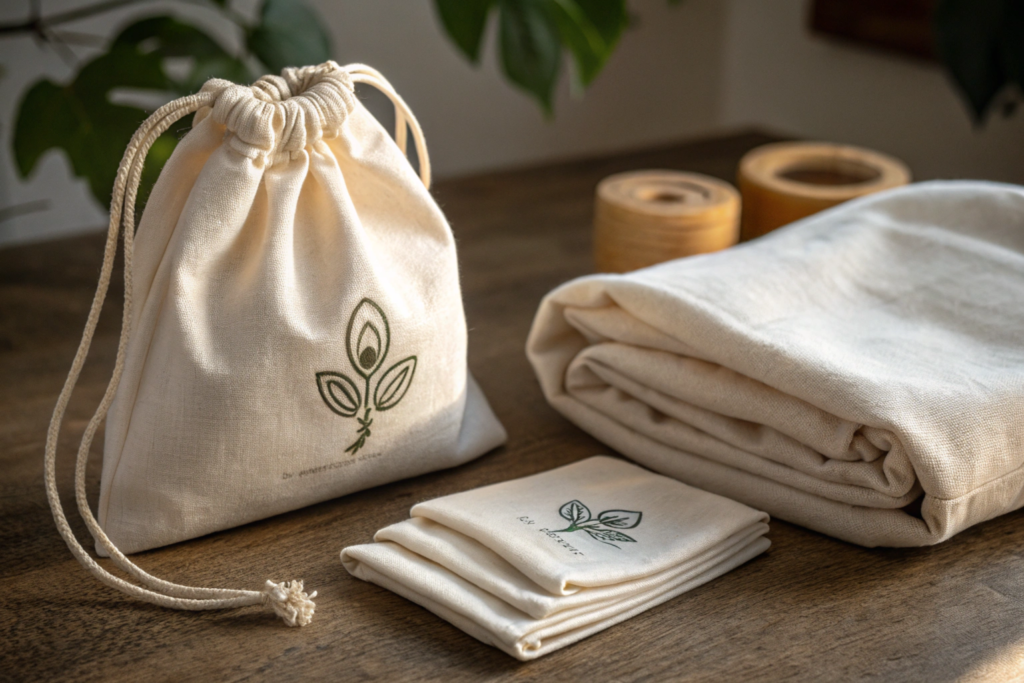
What are the best fabrics for reusable accessory bags?
Organic cotton, with its cloud-like softness that caresses the skin like a gentle breeze, stands out for its remarkable durability and is readily found in markets worldwide, offering a versatile and eco-friendly foundation for everyday wear.
Linen, another excellent choice, boasts a beautiful, textured look—its natural weave creating subtle ridges and a cool, breathable surface—that exudes rustic charm and natural strength, making it perfect for warm days and timeless designs.
How do I handle the cost of reusable bags?
The cost can be seamlessly woven into your overall product pricing, becoming an invisible yet valuable thread in the tapestry of your offering. A beautiful, reusable bag—crafted from soft, durable fabric in earthy tones or vibrant hues, with a smooth, sturdy handle that feels comfortable in the hand—adds significant perceived value, transforming your product from a mere item into a lifestyle accessory.
This thoughtful addition allows you to potentially charge a premium, as customers are willing to pay more for convenience, sustainability, and the joy of carrying something that feels special and aligns with their values.
What Are Natural and Sustainable Void Fill and Protective Materials?
When shipping accessories, you often need to fill empty space in a box to prevent the item from shifting and getting damaged. The traditional solution has been plastic bubble wrap and styrofoam peanuts, which are environmental nightmares. Fortunately, there are now several excellent, natural, and sustainable alternatives that are just as effective and far kinder to the planet. The right void fill protects your product and your brand's values.
Sustainable void fill options include: shredded recycled paper, which is inexpensive, effective, and can be recycled or composted. Biodegradable packing peanuts made from materials like corn starch or wheat are another great option. They are lightweight, provide excellent cushioning, and dissolve in water. Corrugated cardboard inserts can be designed to hold your product securely, eliminating the need for loose fill. For a beautiful, natural touch, you can use wood wool (fine wood shavings) or even dried flowers, leaves, or hay as decorative and protective filler. These natural materials add a unique, artisanal feel to your packaging and are completely compostable.
The choice of void fill can be a subtle but powerful part of your brand's aesthetic. Using dried lavender or eucalyptus not only protects the product but also adds a beautiful scent to the unboxing experience. Using wood wool creates a rustic, handcrafted feel. Shredded recycled paper in your brand colors adds a pop of color and texture. These details show your customers that you have thought of everything, and they contribute to a memorable, positive experience. They also provide great photo opportunities for social media unboxing posts. This attention to detail is a key part of creating a memorable brand experience. At Shanghai Fumao Clothing, we can help our clients source these natural and sustainable void fill options, ensuring every element of their packaging is aligned with their eco-conscious values.
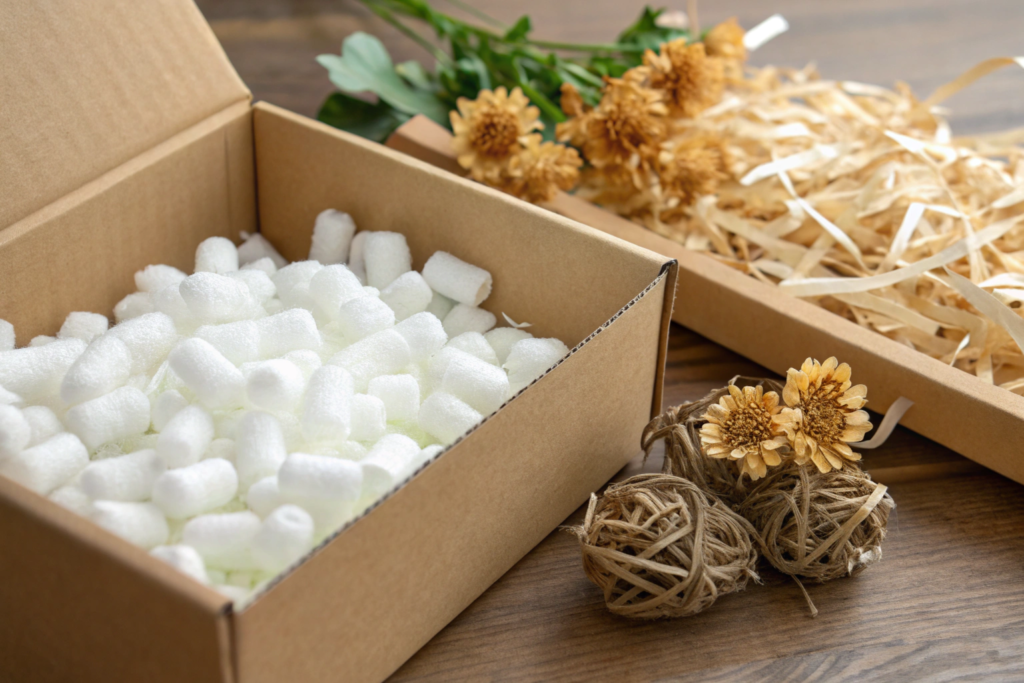
Are biodegradable packing peanuts truly eco-friendly?
Yes, when they are made from plant-based materials like corn starch. They are non-toxic, water-soluble, and will break down in a compost environment or even just in water. They are a fantastic alternative to styrofoam, which is made from petroleum and persists in the environment for centuries. Always check that they are labeled as biodegradable or compostable.
Can I use real dried flowers or herbs in my packaging?
Absolutely! This is a beautiful and unique touch. Just be sure they are thoroughly dried to prevent any moisture from affecting your product. They add a wonderful sensory element—a beautiful visual and a natural scent—that elevates the unboxing experience.
Conclusion
Choosing the best packaging materials for an eco-conscious accessory brand is a journey of aligning your values with every customer touchpoint. From the foundational choice of recycled cardboard and paper, to the innovative solution of home-compostable mailers, to the luxurious and reusable appeal of fabric bags, and the thoughtful details of natural void fill, every decision matters. The result is a packaging experience that is not only kind to the planet but also beautiful, memorable, and deeply aligned with your brand's identity.
At Shanghai Fumao Clothing, we are committed to sustainability in every aspect of our business. We work with our clients to source these eco-friendly packaging materials, from certified home-compostable mailers to beautiful organic cotton bags. We believe that the packaging should be as thoughtfully made as the accessories inside, and we are proud to help our clients create a complete, sustainable, and beautiful brand experience.
Are you ready to create a packaging experience that reflects your brand's commitment to the planet? Let's talk about the perfect eco-friendly solutions for your accessories. Contact our Business Director, Elaine, at elaine@fumaoclothing.com to start the conversation.