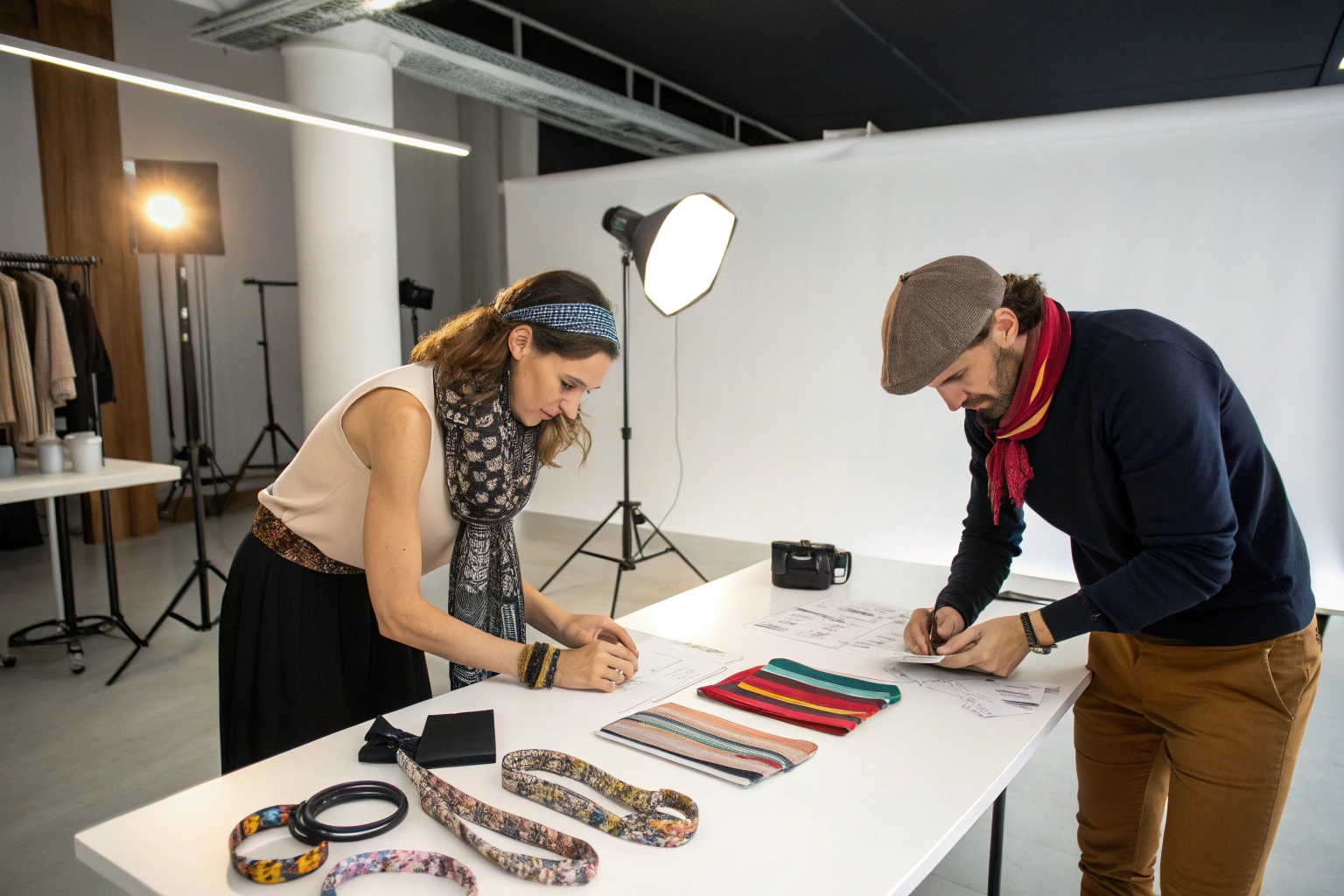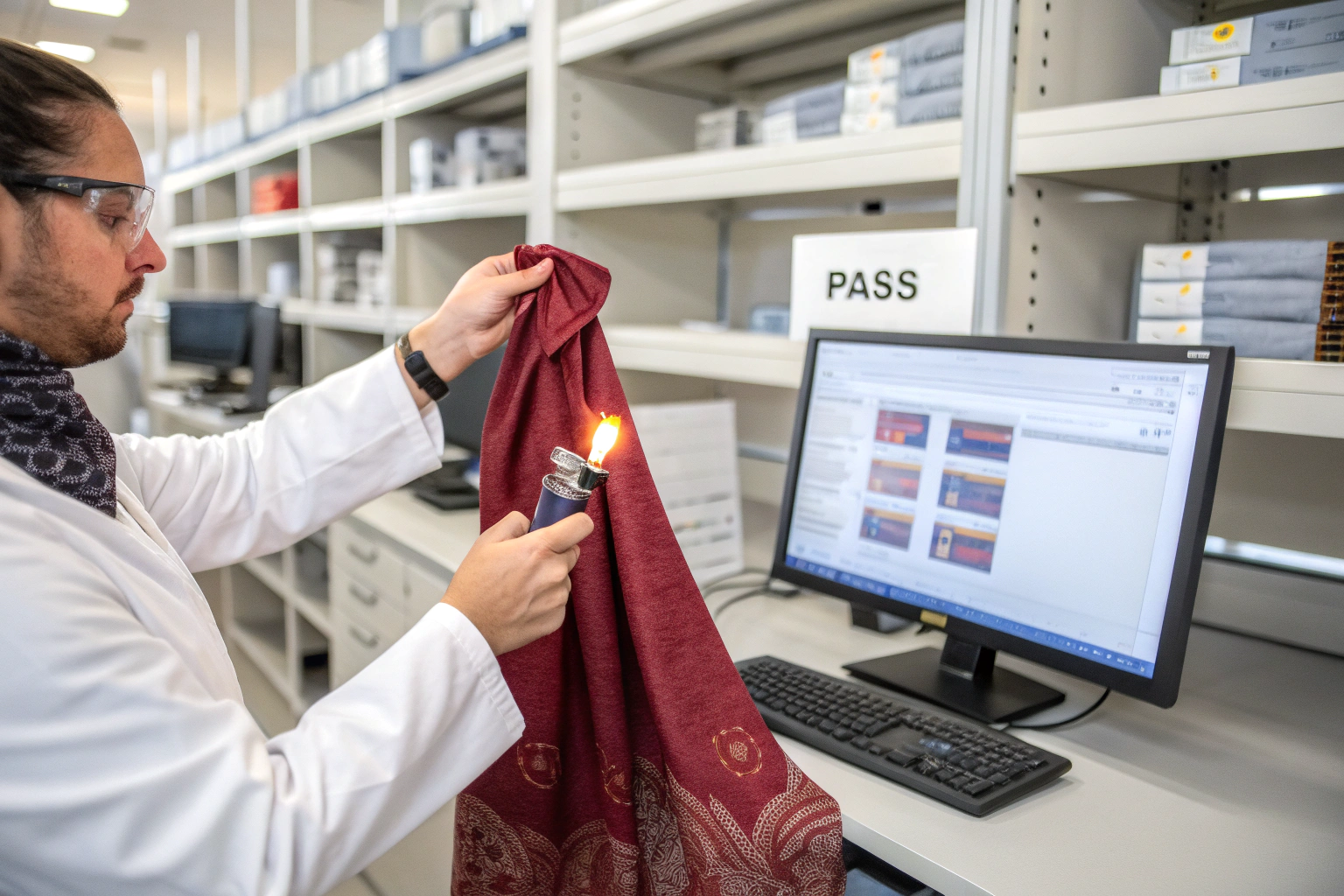
I have been manufacturing custom accessories for over 15 years. In that time, I have seen branding make the difference between a commodity and a brand. A plain belt is just a belt. A belt with your logo is a statement. I remember a client who sold unbranded hair clips. She struggled to build loyalty. Customers did not remember where they bought them. She started adding a small logo. Sales increased. Repeat customers increased. That experience taught me that branding is not an afterthought. It is essential. Today, I want to share the best methods for branding and labeling custom accessories.
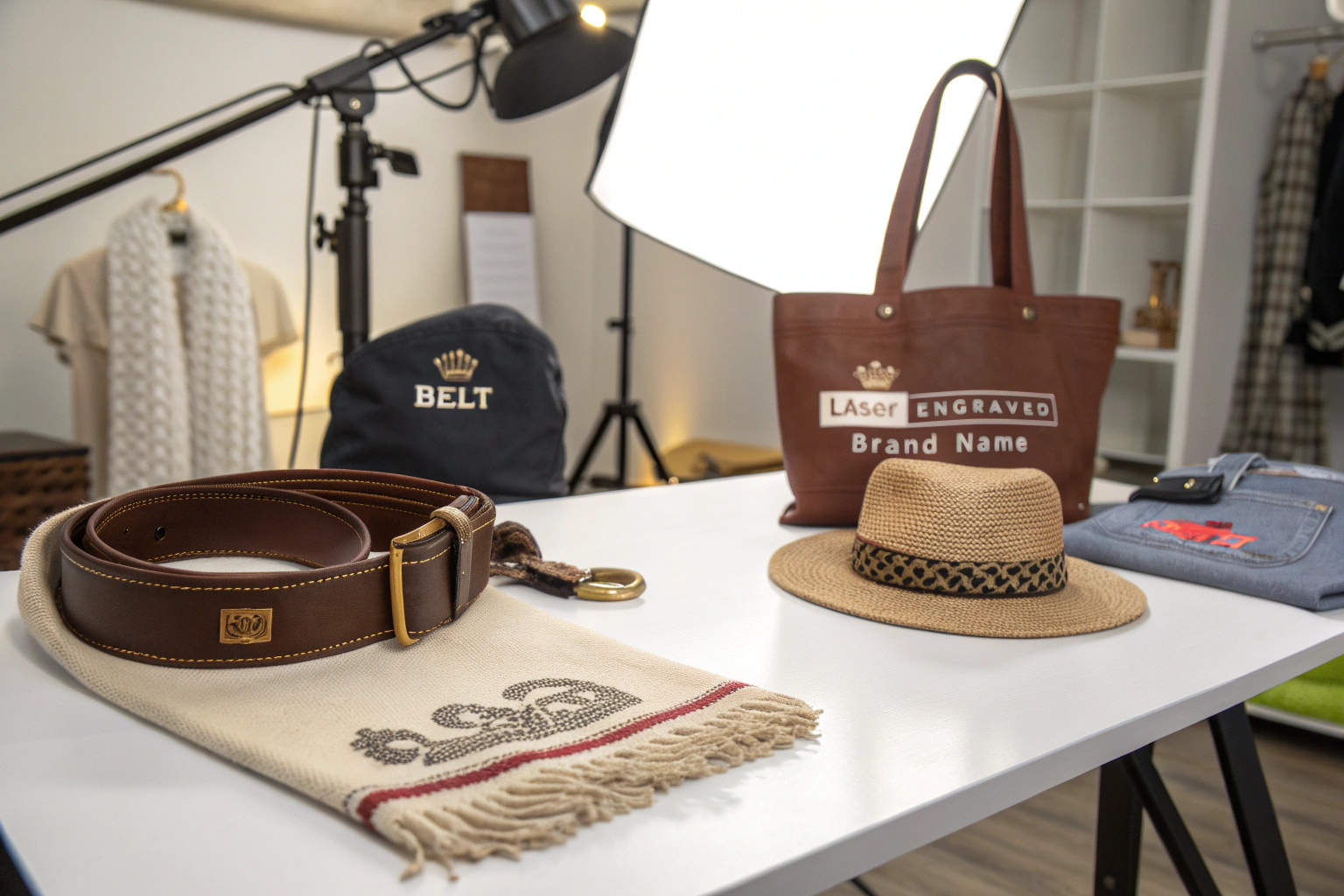
The best methods for branding and labeling custom accessories include debossing and embossing, laser engraving, custom printed labels, woven labels, heat transfer, and hang tags. Debossing and embossing create a raised or recessed logo on leather. Laser engraving provides a permanent, high-contrast mark on metal, wood, or plastic. Custom printed labels are sewn into fabric accessories. Woven labels offer a premium, textured look. Heat transfer applies a printed design to fabric. Hang tags are a simple, versatile option for any accessory. The choice depends on the material, the desired look, and the budget. A combination of methods often works best. At Shanghai Fumao, we offer all these branding options. We help clients choose the right one for their brand.
You might be thinking, "I have a logo. I just need to put it on my product." But not all methods work for all materials. A leather belt needs a different method than a metal hair clip. A fabric scarf needs a different method than a plastic bag. At AceAccessory, we have experience with all materials. We know what works. Let me walk you through the best methods.
What Are Debossing and Embossing for Leather Accessories?
Debossing and embossing are classic methods for leather. They create a permanent, tactile mark. I have used them on belts, wallets, and bags. They look professional and feel premium.
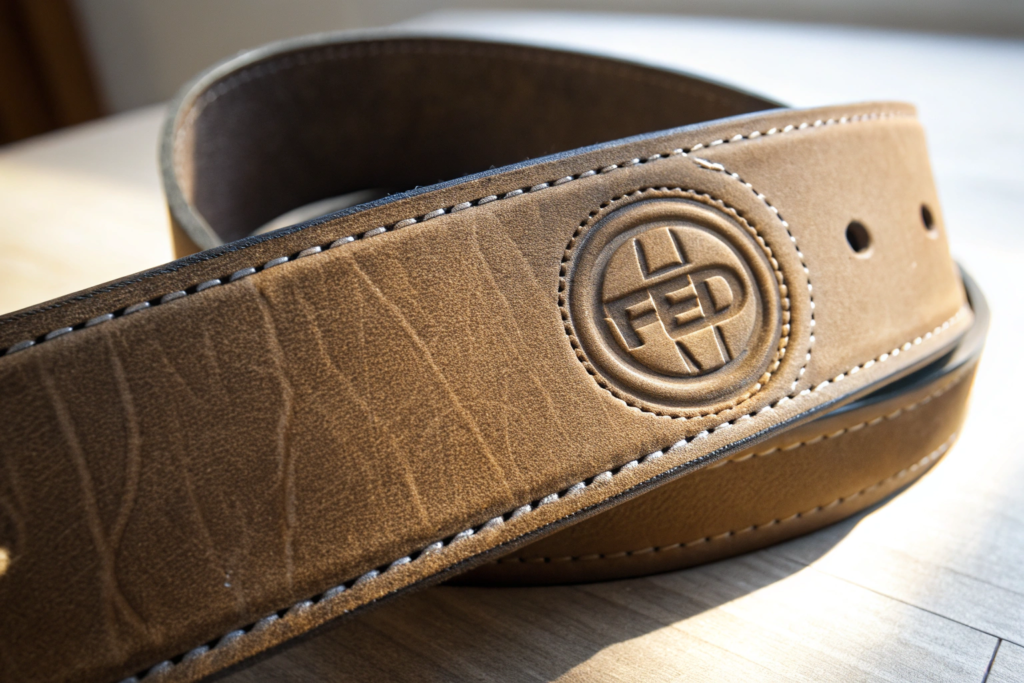
Debossing presses a logo into the leather, creating a recessed design. Embossing raises the logo above the leather surface. Both methods use a metal die. The die is heated and pressed into the leather. The result is a permanent, durable mark. Debossing is more common. It works well for logos with fine details. Embossing is more dramatic. It creates a raised, 3D effect. Both methods work on genuine leather and some synthetic leathers. The color of the mark can be natural (the leather color) or filled with paint or foil.
I want to share a story about debossing. A client wanted a subtle logo on leather belts. We used debossing. The logo was pressed into the leather. It was elegant. It was not flashy. The client loved it. The belts sold well.
What Is the Difference Between Debossing and Embossing?
Debossing creates an indentation. The logo goes into the leather. Embossing creates a raised surface. The logo comes out of the leather. Debossing is more common for belts and small accessories. Embossing is often used for book covers and larger items. For most accessories, debossing is the best choice.
What Materials Work Best for Debossing?
Genuine leather works best. It holds the impression well. Synthetic leather can also work. But the result may be less crisp. Thicker leather is better. Thin leather may not hold the detail. We offer debossing on leather belts.
How Does Laser Engraving Work for Metal and Wood?
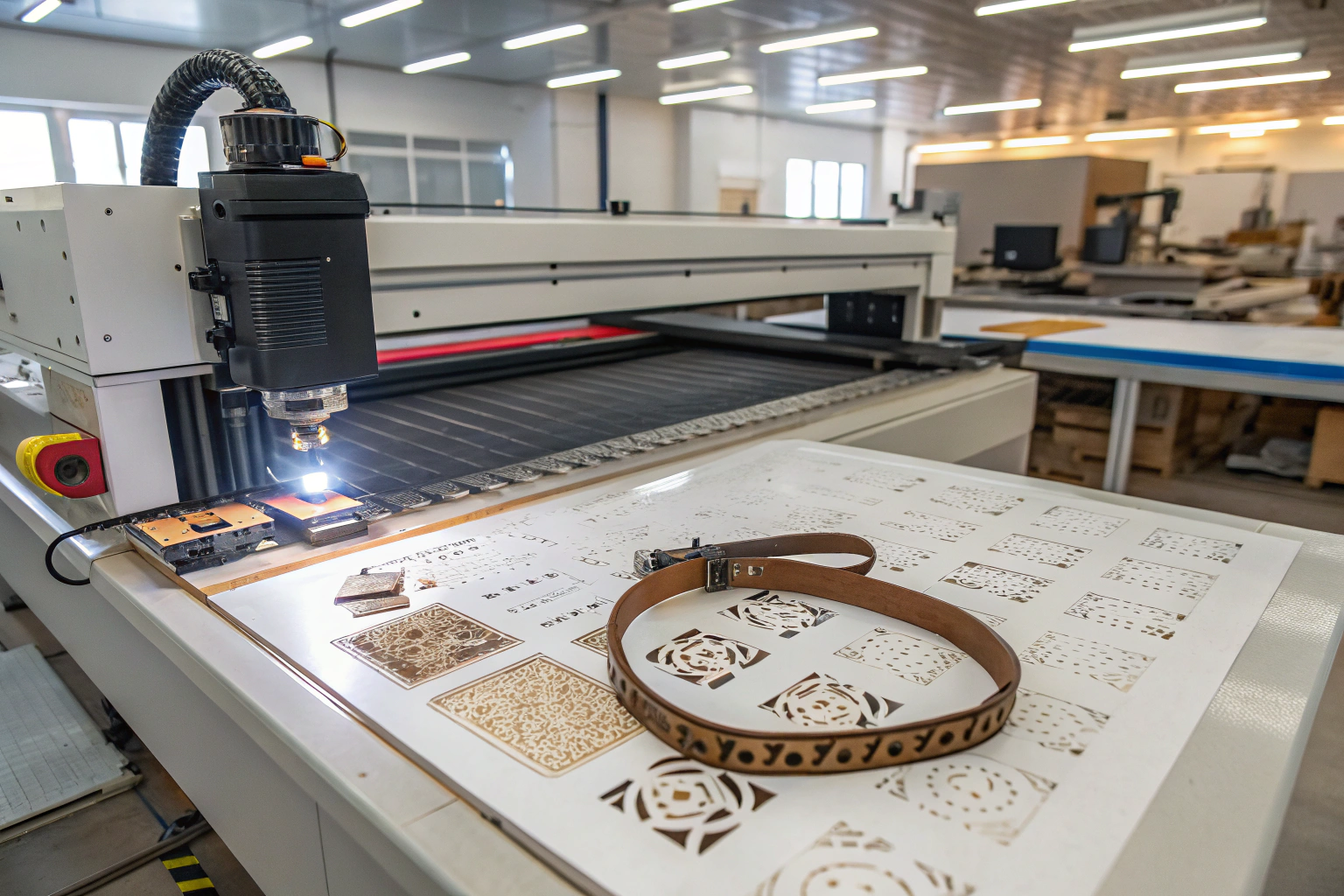
Laser engraving is the most precise method. It uses a laser to burn the logo into the surface. I have used it on metal, wood, and plastic. It is permanent. It is sharp.
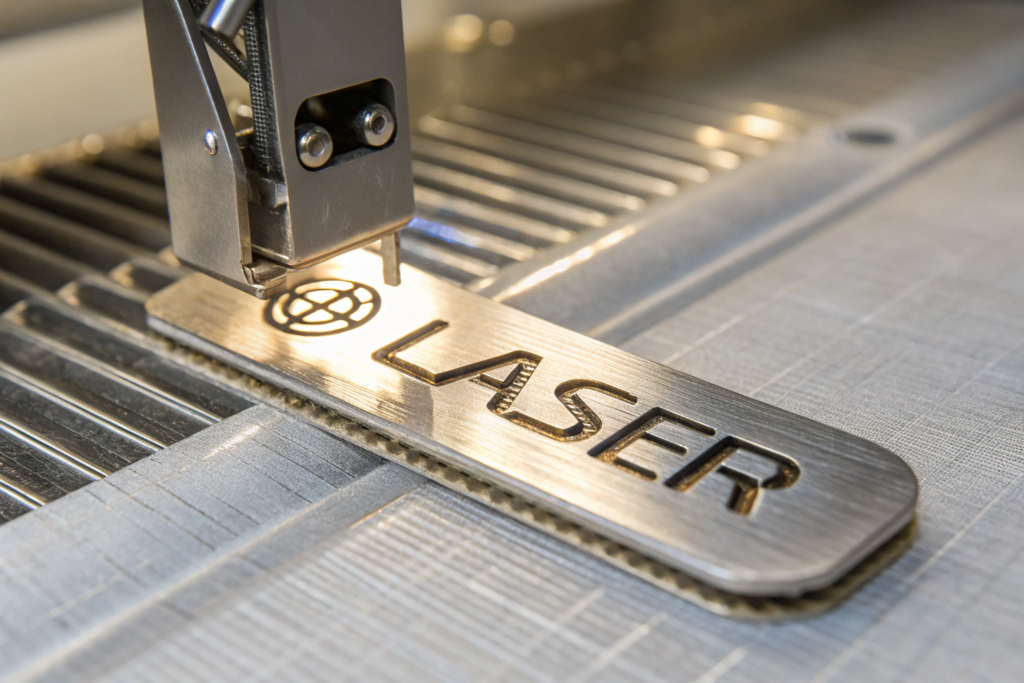
Laser engraving uses a focused beam of light to remove material from the surface. The result is a permanent, high-contrast mark. It works on metal, wood, plastic, and even some coated fabrics. For metal, the laser can remove the coating to reveal the base metal. This creates a silver or gold mark. For wood, the laser burns the surface, creating a dark brown mark. Laser engraving is precise. It can reproduce fine details and small text. It is also fast. Once programmed, the laser can engrave dozens of pieces per hour.
I want to share a story about laser engraving. A client wanted a logo on metal hair clips. The logo was very detailed. We used laser engraving. The result was perfect. Every line was crisp. The client was amazed. The clips looked like jewelry.
What Materials Are Best for Laser Engraving?
Metal is best. Aluminum, brass, and stainless steel all engrave well. Wood is also good. The grain adds character. Plastic can be engraved, but the result may be less crisp. Coated materials work well. The laser removes the coating, revealing the base. We offer laser engraving on metal accessories.
Is Laser Engraving Permanent?
Yes. The laser does not merely apply a fleeting layer of ink; instead, it precisely removes material from the surface, etching a mark that is truly permanent. This mark stands resolute against the test of time, refusing to wear off with daily use or fade under the sun's relentless gaze. Its permanence makes it an ideal choice for products destined for frequent handling and exposure—those that endure the rigors of constant touch, the friction of everyday life, and the passage of seasons. It remains vivid and unyielding, a silent testament to quality and durability, ensuring the product's identity endures as brightly as the day it was first marked.
What Are Custom Printed and Woven Labels for Fabric Accessories?
Labels are the classic method for fabric accessories. Scarves, hats, and bags all use labels. I have used printed and woven labels. Each has its place.
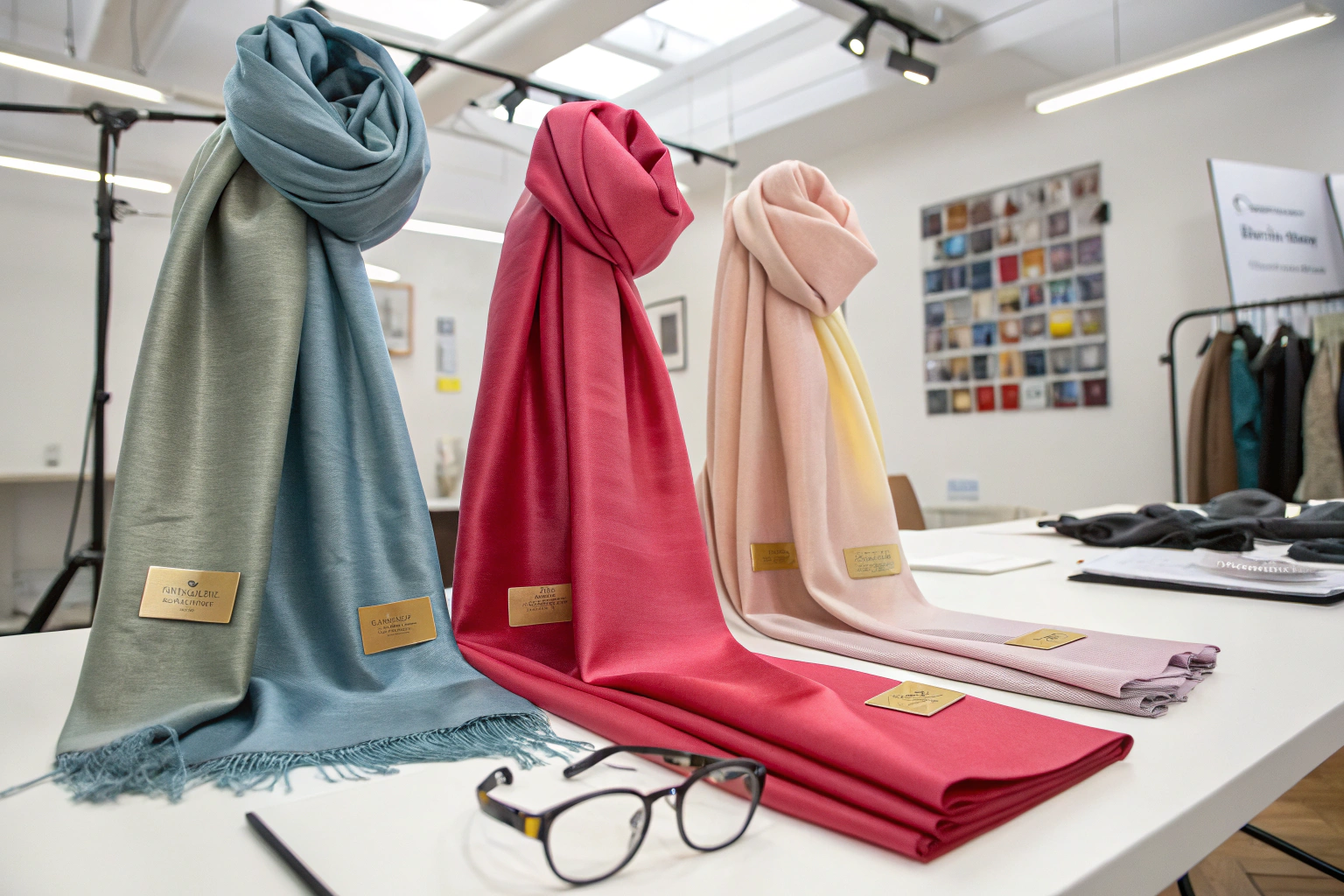
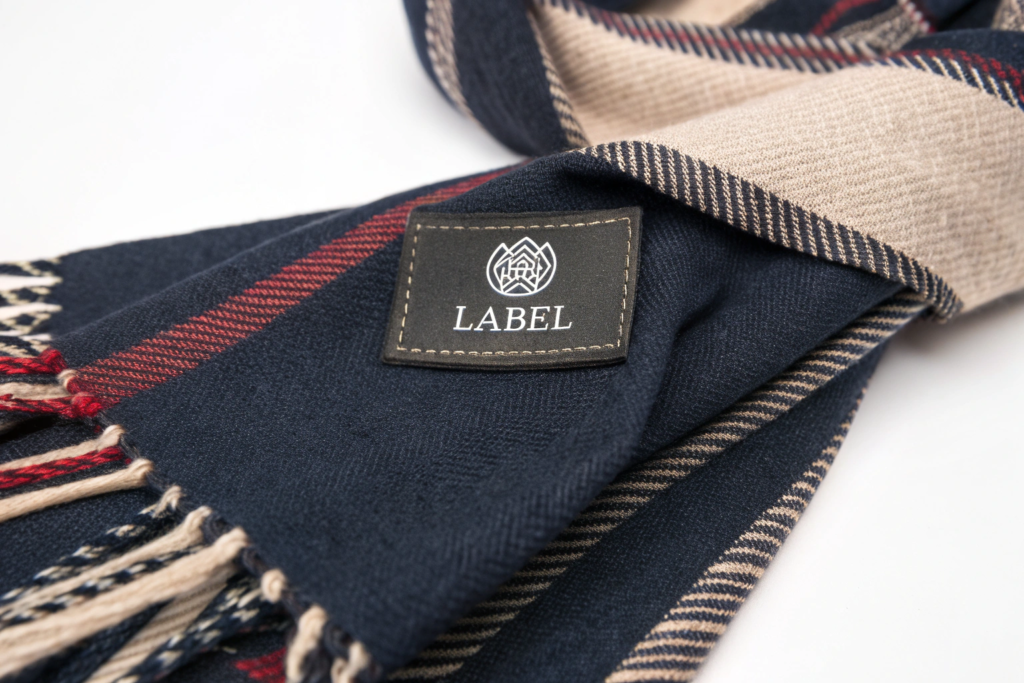
Custom printed labels are made by printing a logo onto a fabric or satin ribbon. They are cost-effective for small runs. They work well for simple logos with few colors. The print can fade over time with washing. Woven labels are made by weaving the logo into the fabric. They are more durable. They have a textured, premium look. They are ideal for luxury products. Both types are sewn into the accessory. They are often placed in a corner of a scarf, inside a hat, or on the back of a bag.
I want to share a story about woven labels. A client wanted a luxury feel for her scarves. We used woven labels. The logo was part of the fabric. It looked premium. The client was thrilled. The scarves sold at a higher price point.
What Is the Difference Between Printed and Woven Labels?
Printed labels are flat. The ink sits on the surface. They are less expensive. They are good for small runs. Woven labels are textured. The logo is part of the weave. They are more durable. They look more premium. For luxury products, choose woven. For budget products, printed is fine.
Where Should You Place the Label?
For scarves, place the label in the corner. For hats, place it inside the sweatband. For bags, place it on the back or inside. The label should be visible but not distracting. We offer custom woven labels for fabric accessories.
How Does Heat Transfer Work for Fabric Accessories?
Heat transfer is a versatile method. It applies a printed design to fabric. I have used it on hats, bags, and t-shirts. It is great for full-color logos.
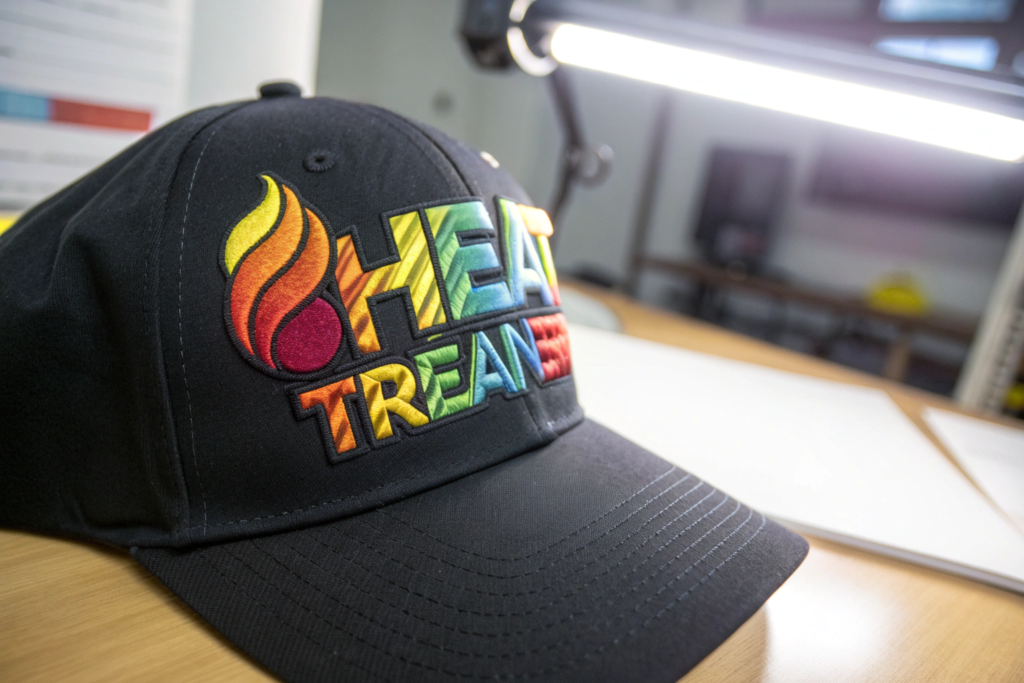
Heat transfer uses heat and pressure to apply a printed design to fabric. The design is printed on a special transfer paper. The transfer is placed on the fabric. A heat press applies high heat and pressure. The design bonds to the fabric. Heat transfer allows for full-color, photographic designs. It is ideal for complex logos with gradients. It works on cotton, polyester, and blends. The result is durable and washable. It is a good choice for hats, bags, and apparel.
I want to share a story about heat transfer. A client wanted a colorful logo on baseball caps. The logo had many colors. Screen printing would have been expensive. We used heat transfer. The result was perfect. The colors were bright. The client was happy.
How Durable Is Heat Transfer?
Heat transfer is durable. It can withstand many washes if applied correctly. The key is the quality of the transfer material and the heat press. We use professional-grade transfers. We test for wash fastness. Our heat transfer service is reliable.
What Are the Limitations of Heat Transfer?
Heat transfer, while a versatile technique, falters when applied to very small text, where the intricate details can easily blur into indistinct smudges, losing their crispness and legibility. The heat, in its attempt to melt and fuse the transfer material, often lacks the precision needed to render tiny letters or fine lines, resulting in a soft, unfocused appearance that diminishes the text's impact. It is also not ideal for textured fabrics, where the uneven surface creates challenges for even heat distribution.
What Are Hang Tags and How Are They Used?
Hang tags are the simplest branding method. They are not attached to the product permanently. But they are effective. I have seen customers keep hang tags as bookmarks. They build brand recognition.
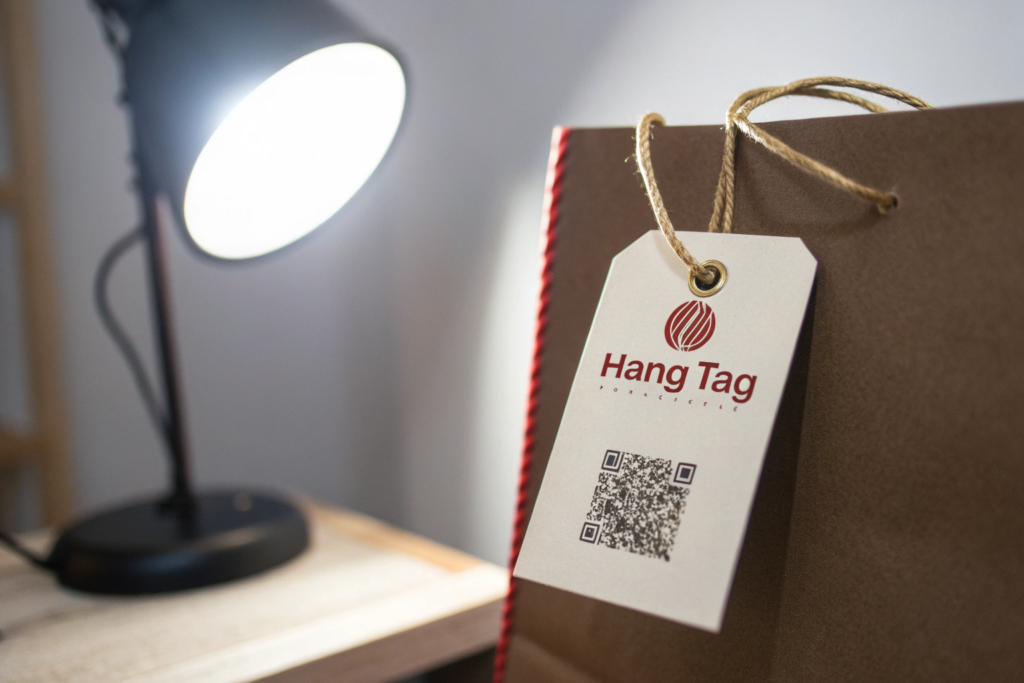
Hang tags are cards attached to the product with a string or plastic fastener. They display the brand logo, product information, and price. Hang tags are versatile. They work for any accessory. Belts, scarves, hats, bags, and hair clips can all have hang tags. They are also easy to change. You can update the price or add a promotion without changing the product. Hang tags can be simple or elaborate. A simple card with a logo. A folded card with product details. A tag with a barcode for retail. They are an essential part of retail presentation.
I want to share a story about hang tags. A client sold hair clips. She added a hang tag with her logo and a care instruction. Customers started recognizing her brand. They would look for the tag. The hang tag built brand recognition.
What Information Should Be on a Hang Tag?
At minimum, the brand logo. Also consider product name, size, material, care instructions, price, and barcode. For luxury products, a story or a thank you note. The hang tag is a marketing tool. Use it. We offer custom hang tags.
What Materials Are Best for Hang Tags?
Cardstock is common. It is affordable, its smooth, flat surface inviting easy handling and accessible pricing that makes it a staple for everyday projects. It prints well, absorbing ink evenly to produce crisp, vibrant text and images that stand out with clarity. For luxury, use thick, textured paper—its heft a tactile promise of quality, the subtle embossing or linen weave adding a sophisticated touch that whispers exclusivity. Use a ribbon instead of a string; silk or satin ribbons, their soft sheen catching light, elevate the presentation with a gentle elegance that feels special and refined. For sustainability, use recycled paper—its earthy tone and slightly unique texture a testament to eco-conscious values, each sheet a quiet statement of care for the planet.
Conclusion
Branding and labeling custom accessories is essential. It turns a product into a brand. The best methods depend on the material. For leather, debossing and embossing are classic. For metal and wood, laser engraving is precise. For fabric, woven and printed labels are durable. For any accessory, hang tags are versatile.
Choose a method that fits your material, budget, and brand image. Test it. Get samples. Then produce.
At Shanghai Fumao, we offer all these methods. We have the expertise. We have the equipment. We are ready to help you brand your accessories. Your brand deserves to be seen. Let us help you make it happen. Please contact our Business Director, Elaine, at elaine@fumaoclothing.com to discuss branding your custom accessories. We can help you choose the right method and produce samples.