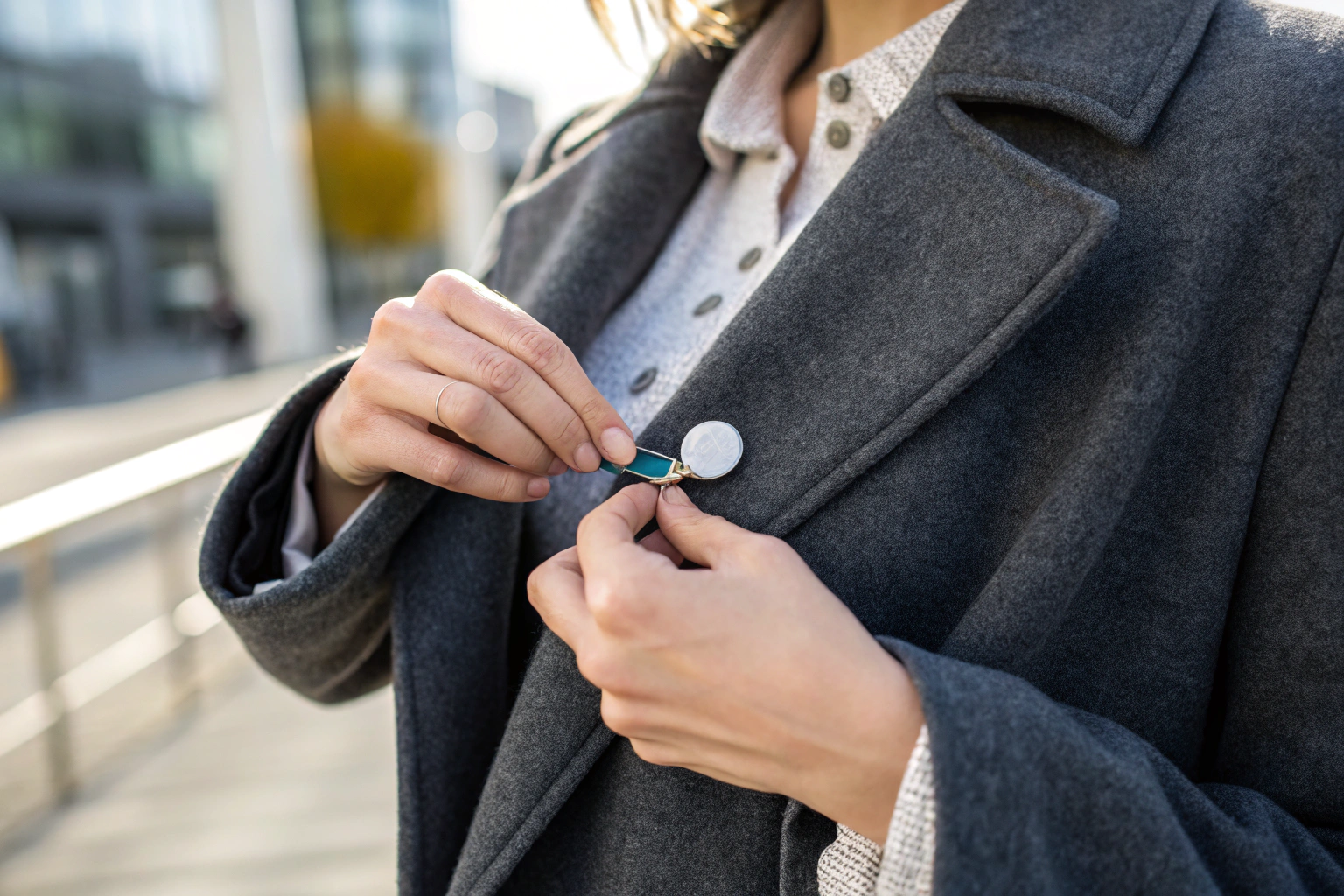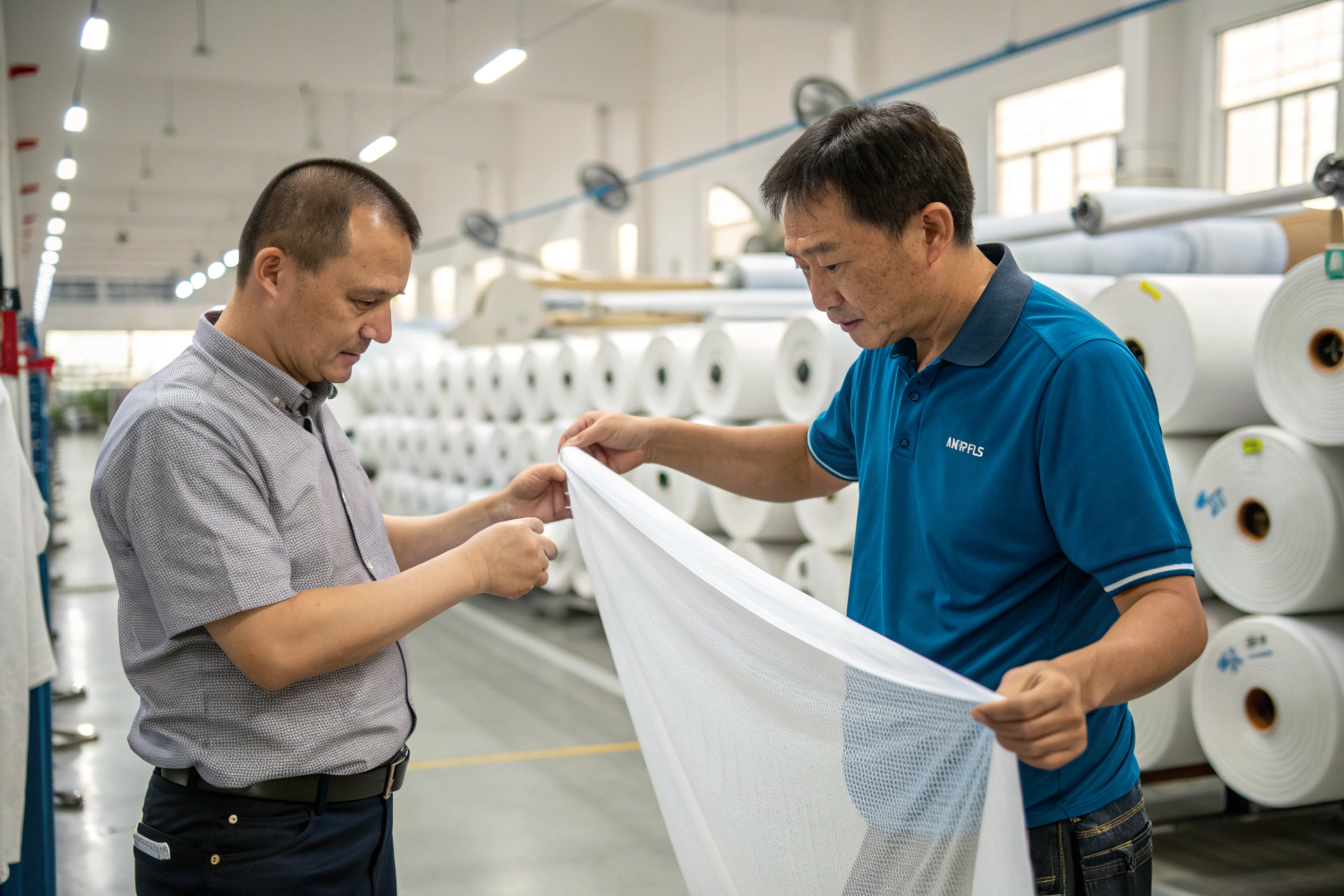
As a manufacturer of accessories for over two decades, I've seen trends come and go. But one thing that never changes is the demand for performance. I often talk with buyers like Ron from the US, who sources for apparel and accessories brands. His customers aren't just looking for a piece of printed cotton; they need products that work. A major pain point for him is a bandana that gets soaked with sweat, stays wet, and becomes heavy and uncomfortable during a workout or a hot day. It's a classic example of product failure.
The top-performing materials are synthetic technical fabrics, specifically Polyester and Nylon, often blended with Spandex for stretch. These materials are engineered at a fiber level to pull moisture away from the skin and allow it to evaporate rapidly, far outperforming traditional cotton.
For years, my factory has moved beyond simple cotton and invested heavily in sourcing and producing with these advanced technical textiles. The difference in performance is night and day. In this article, I'll break down why these synthetic fabrics are superior and what specific material blends you should be looking for to create a high-performance bandana that your customers will love.
Why Does Traditional Cotton Fail for Performance?
Many people's first thought for a bandana is 100% cotton. It's soft, it's natural, it's classic. The problem is that for any activity that involves sweat, cotton is one of the worst possible choices. Its fundamental properties work against the user.
Traditional cotton fails for performance because it is hydrophilic, meaning it loves water. Instead of wicking moisture away from the skin, cotton absorbs it like a sponge, becoming saturated, heavy, and extremely slow to dry. This traps sweat against the skin, which can lead to discomfort, chafing, and even feeling colder as the wind hits the wet fabric.
This is a critical concept we explain to all our clients at Shanghai Fumao Clothing. Choosing the right material starts with understanding the failures of the wrong one. Let's look at the science behind this common product failure.

What does "hydrophilic" vs. "hydrophobic" mean?
Hydrophilic fibers, like cotton, can absorb a large amount of water into the core of the fiber itself. This is why cotton towels are so effective. But for clothing worn during activity, this is a major flaw. A wet cotton bandana can hold many times its weight in sweat, clinging to your skin and losing all breathability.
Hydrophobic fibers, like polyester, are the opposite—they repel water. They can't absorb moisture into their core. This is the key to performance. When you sweat, the moisture is not absorbed by the fiber but is instead pulled along the surface of the fibers to the outside of the fabric where it can evaporate. This process is called "wicking."
Why is "quick-dry" so important?
The "quick-dry" characteristic is the second half of the performance equation. Because hydrophobic fibers don't hold onto water, they allow it to evaporate very quickly. A lightweight polyester bandana can go from damp to dry in a matter of minutes in the sun and wind, while a cotton one can stay wet for hours. This is crucial for comfort during extended activities and also for convenience—a quick-dry bandana can be washed in a hotel sink and be ready to wear again the next morning. This performance difference is well-documented by outdoor gear experts like REI.
What Are the Top-Performing Synthetic Materials?
If cotton is the problem, then engineered synthetic fibers are the solution. These materials are designed from the ground up for moisture management and durability, making them the ideal choice for any accessory intended for athletic or outdoor use.
The two best materials for sweat-wicking and quick-dry bandanas are Polyester and Nylon. Polyester is the industry workhorse, prized for its excellent moisture-wicking, durability, and ability to hold vibrant prints. Nylon is a more premium option, known for its superior softness, stretch, and exceptional durability.
At our factory, we work with a huge range of technical fabrics, but these two form the backbone of our performance headwear and accessories lines. Let's compare their specific strengths.

Why is Polyester the industry standard?
Polyester is the most common performance fabric for a reason. It offers a fantastic balance of performance, versatility, and cost. Its key benefits include:
- Excellent Wicking: It is naturally hydrophobic and wicks moisture extremely well.
- Durability: It's a strong fiber that resists stretching, shrinking, and abrasion.
- UV Resistance: It holds up well to sun exposure without degrading.
- Printability: It is the perfect base for sublimation printing, a process where ink is turned into a gas and infused into the fabric. This allows for incredibly vibrant, detailed, full-color designs that won't crack, peel, or fade.
The main downside is that it can sometimes retain odors more than natural fibers, though many modern polyesters are treated with an antimicrobial finish to combat this.
What makes Nylon a more premium choice?
Nylon is another synthetic powerhouse, often seen as a step up from polyester in certain applications. While both are excellent, nylon has a reputation for a more premium feel. Its advantages are:
- Superior Softness: Nylon generally has a softer, smoother, and more "silky" hand-feel than polyester, which many consumers prefer against their skin.
- Exceptional Durability & Abrasion Resistance: It is one of the strongest synthetic fibers, making it incredibly resistant to wear and tear.
- Great Elasticity: Nylon has more natural stretch and recovery than polyester, which gives it a comfortable, conforming fit.
The primary drawbacks of nylon are that it is typically more expensive than polyester and can be slightly less effective at holding vibrant sublimated prints. It's an excellent choice for solid-color or subtly branded premium accessories.
What Is the Role of Spandex and Fabric Blends?
While polyester and nylon are great on their own, the best performance fabrics are often blends. By combining fibers, we can create a material that has the best qualities of each, fine-tuning it for the perfect balance of comfort, stretch, and performance.
The most important blending fiber for a performance bandana is Spandex. Adding a small percentage of Spandex (also known as Lycra or elastane) to a polyester or nylon base is critical for creating a comfortable, "four-way stretch" fabric. This allows the bandana to be worn in multiple ways—as a headband, neck gaiter, or face covering—while maintaining a snug, secure fit that doesn't feel restrictive. This is where our expertise in textile sourcing at Shanghai Fumao Clothing really comes into play. We work with our clients to specify the perfect blend for their product's intended use.

What is a typical Polyester/Spandex blend?
The most common blend for performance bandanas and neck gaiters is 90-95% Polyester and 5-10% Spandex. This blend offers the best of both worlds. The polyester provides the structure, durability, and excellent moisture-wicking properties, while the spandex provides the high degree of stretch and recovery needed for a comfortable, versatile fit. This is the go-to fabric for most sublimated performance headwear. It's a proven workhorse that delivers consistent results, a favorite of promotional product suppliers like 4imprint.
When would you use a Nylon/Spandex blend?
A Nylon/Spandex blend, typically 85-90% Nylon and 10-15% Spandex, is considered a more premium option. This is the type of fabric you would find in high-end yoga wear or running apparel. The higher percentage of spandex gives it a very compressive but comfortable stretch, and the nylon provides that signature soft, smooth feel. While more expensive, this blend offers a superior hand-feel and is an excellent choice for a brand looking to position its accessories in the premium athletic or "athleisure" market, competing with brands like Lululemon.
How Do Fabric Structure and Finishes Enhance Performance?
Beyond the choice of fiber, two other factors can significantly boost a bandana's performance: the fabric structure and any additional finishes applied to it. These are the final details that can turn a good product into a great one.
The performance of a bandana is further enhanced by its physical structure and by applying technical finishes. A "jersey knit" construction provides inherent mechanical stretch and a smooth surface, while finishes like a UPF (Ultraviolet Protection Factor) rating or an antimicrobial treatment add significant functional value.
These are the kinds of value-added features we discuss with clients who want to create a truly differentiated product. It's about adding tangible benefits that you can list right on the packaging.

Why is a "jersey knit" structure used?
Most performance bandanas are not woven fabrics (with a grid-like structure) but are knitted fabrics. Specifically, they use a single jersey knit. This is the same structure used to make t-shirts. It's created with a single set of needles that form interlocking loops. This structure has several advantages:
- Inherent Stretch: The looped structure gives the fabric mechanical stretch, even before spandex is added.
- Smooth Face: It creates a smooth outer surface that is perfect for printing.
- Fluid Drape: It's flexible and not rigid, so it drapes and conforms comfortably to the body.
This knit structure works in harmony with the stretchy fibers to create the final product's comfortable feel.
What are valuable performance finishes?
Applying a finish is a post-production process that adds a specific function to the fabric. For bandanas, the most valuable finishes are:
- UPF Rating: A UPF finish is a treatment that boosts the fabric's ability to block harmful UV radiation from the sun. A rating of UPF 50+ is excellent and is a major selling point for any accessory intended for outdoor use. The Skin Cancer Foundation provides great information on the importance of UPF.
- Antimicrobial/Anti-Odor: This is a finish that inhibits the growth of odor-causing bacteria on the fabric. This is a huge benefit for any item that will be in contact with sweat, helping the bandana stay fresher for longer between washes.
Conclusion
Creating a high-performance, sweat-wicking, and quick-dry bandana is a science. It means rejecting traditional, absorbent cotton and embracing the engineered superiority of synthetic technical fabrics. The ideal solution lies in a carefully selected blend, typically polyester or nylon combined with a touch of spandex, to achieve the perfect balance of moisture management, durability, and comfortable four-way stretch. By further enhancing the product with a functional knit structure and value-added finishes like a UPF rating, you can create a bandana that doesn't just look good, but delivers tangible performance benefits that will earn the trust and loyalty of active consumers.
If your brand is ready to move beyond basic accessories and develop a line of high-performance headwear that truly works, my team at Shanghai Fumao Clothing has the technical expertise and sourcing network to make it happen. We can guide you to the perfect fabric and finish for your vision and budget. Please contact our Business Director, Elaine, at her email: elaine@fumaoclothing.com to start creating your next performance accessory.