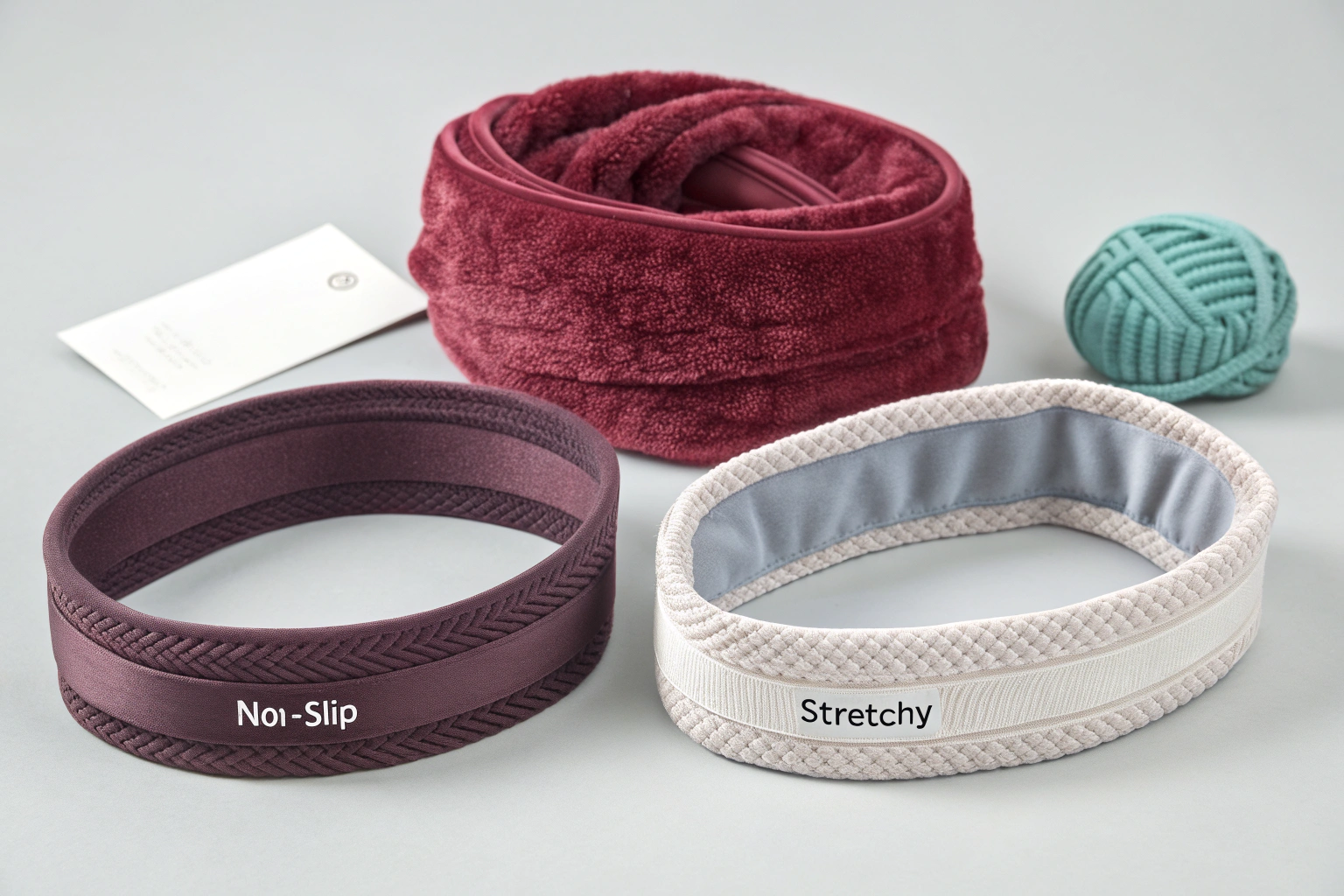
I remember a conversation with a buyer from a major US department store a few years ago. She was frustrated. Her customers loved the look of her headbands, but they kept complaining about headaches. The bands were too tight. Or they slipped off after a few hours. Or the fabric irritated their skin. She needed headbands that stayed put but felt comfortable all day. That conversation sent me on a mission to understand the science of stretch and grip in headwear.
The best materials for stretchy and non-slip headbands combine elastic fibers like spandex or elastane for flexibility with soft, comfortable fabrics like velvet, cotton, or jersey for the outer layer. Non-slip features often come from silicone strips, textured inner bands, or specific construction techniques that create gentle but secure grip.
I'm the owner of Shanghai Fumao Clothing, and we run AceAccessory. We've spent years perfecting headbands that customers love to wear. Let me share what we've learned about materials and construction.
What makes a headband stretchy and comfortable?
Stretch comes from two places. First, the fiber itself. Fibers like spandex, elastane, and rubber can stretch significantly and return to their original shape. Second, the construction of the fabric. Knitted fabrics stretch more than woven ones. The combination of stretchy fibers and knitted construction creates a headband that moves with you, not against you.
But stretch alone isn't enough. The headband has to return to its original shape. This is called recovery. Cheap headbands might stretch out over time and never go back. They become loose and useless. Good recovery requires quality fibers and proper construction. We test every batch of headbands for stretch and recovery. We simulate hours of wear to make sure they hold up. This attention to detail is what Shanghai Fumao Clothing is known for.
What percentage of spandex or elastane is ideal for headbands?
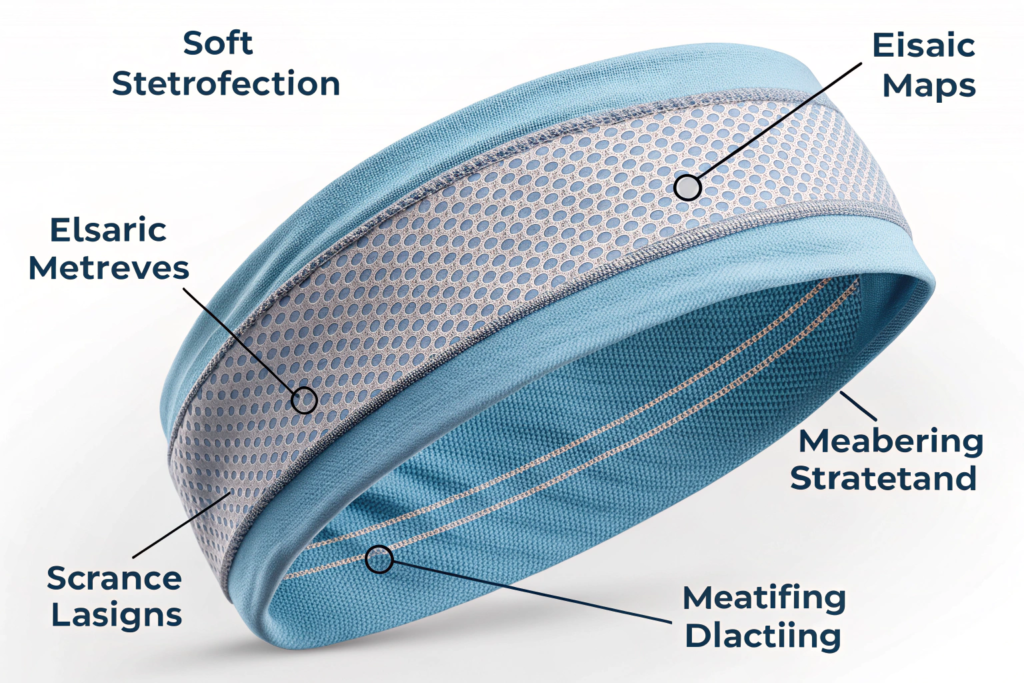
For most headbands, 2% to 5% spandex is ideal. This provides enough stretch for comfort without making the band feel synthetic. Higher percentages can make the headband too stretchy, causing it to lose shape. Lower percentages might not provide enough give. We adjust based on the other fibers. For cotton headbands, we might use 3% spandex. For velvet, 2% is often enough because velvet has some natural give. We test different blends to find the perfect balance for each style.
How does knit construction affect stretch and comfort?
Knit fabrics are made from interlocking loops of yarn. This structure naturally stretches. Different knit patterns provide different amounts of stretch. Rib knits are very stretchy and great for headbands. Jersey knits have moderate stretch. The tighter the knit, the more structure. The looser the knit, the more give. We choose knit constructions based on the intended use. A sport headband needs different stretch than a fashion headband.
What materials provide the best grip without discomfort?
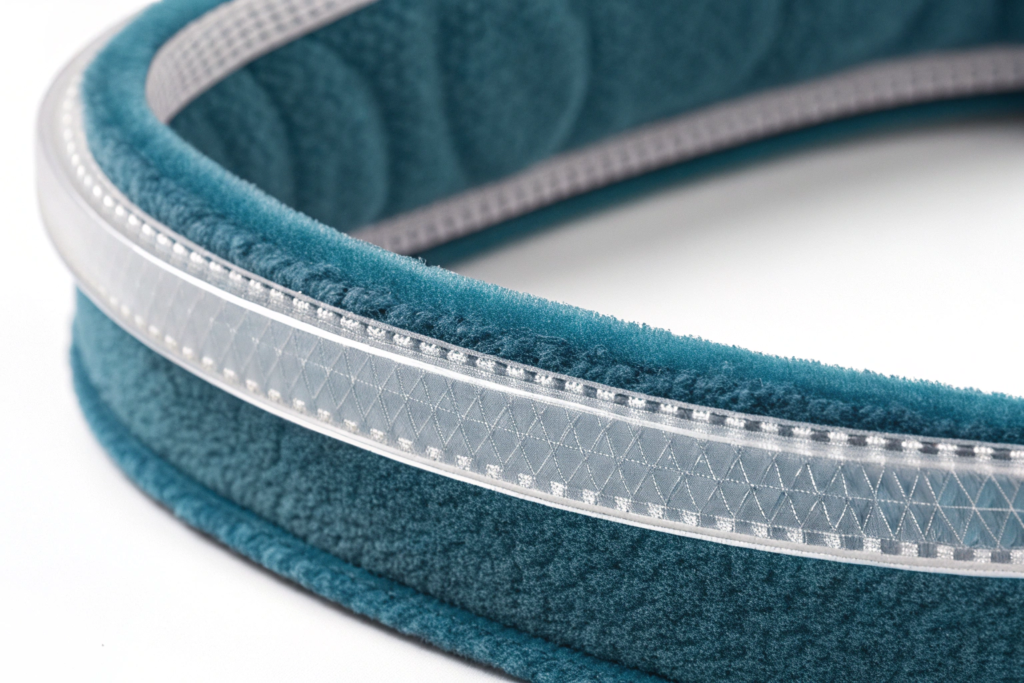
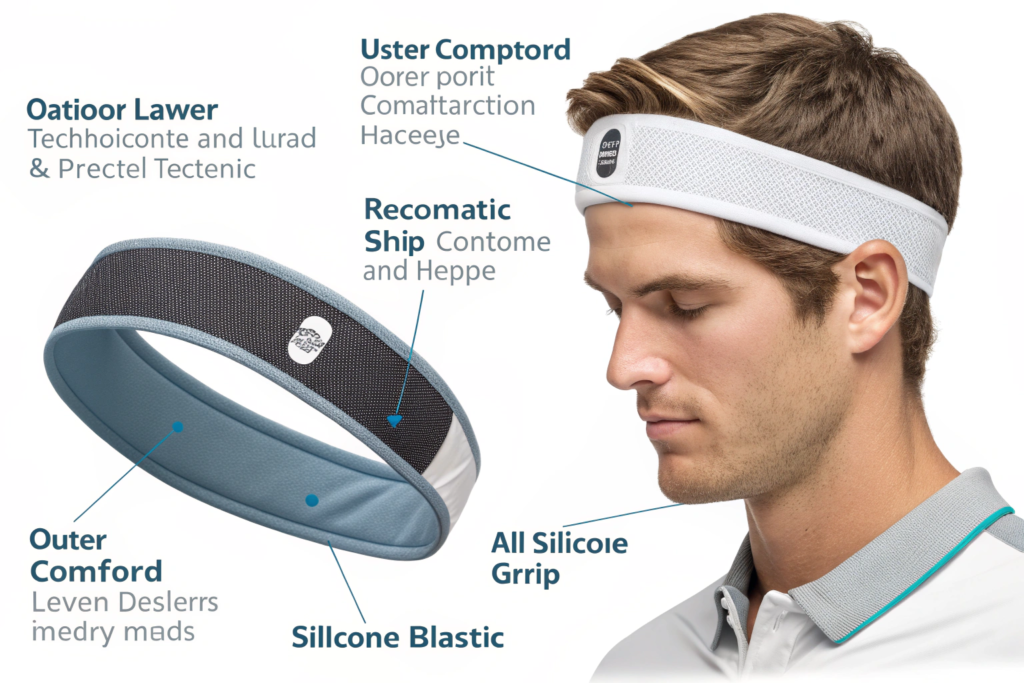
Grip is the other half of the equation. A headband can be perfectly stretchy but still slide off if it doesn't grip. The traditional solution was making headbands tighter, but that causes headaches. The modern solution is strategic grip. Small silicone strips along the inner edge provide traction without pressure.
Silicone is the most common grip material. It's soft, flexible, and doesn't irritate skin. It can be applied in thin strips that are barely noticeable. Textured fabrics can also provide grip. Terry cloth inside a sport headband grips naturally. Ribbed knits have some grip. The key is distributing the grip evenly so no single point creates pressure.
Is silicone safe for all skin types?
Medical-grade silicone is hypoallergenic and safe for almost everyone. It's the same material used in many medical devices and skin contact products. We use only high-quality silicone that's tested for skin safety. It doesn't contain latex, which some people are allergic to. It's also easy to clean and doesn't absorb oils or sweat. For customers with extreme sensitivities, we offer headbands with fabric-based grip instead of silicone.
Are there non-silicone alternatives for grip?
Yes. Some headbands use textured inner bands. Terry cloth, for example, has natural grip from its looped surface. Ribbed knits create friction without added materials. Some designs use a second layer of fabric with a non-slip finish. We also use elastic bands with built-in grip where the grip is part of the elastic itself. These alternatives work well for customers who prefer to avoid silicone.
Which outer fabrics are most popular for headbands?
The outer fabric is what customers see and feel first. It determines the look and the initial touch experience. Different fabrics suit different occasions and customer preferences. Velvet is luxurious and perfect for dressy looks. Cotton is soft, breathable, and great for everyday wear. Jersey is casual and comfortable. Terry cloth is ideal for workouts and active use.
We offer headbands in a wide range of outer fabrics. Each has its own characteristics. Velvet has a nap that catches light beautifully but requires careful handling. Cotton is easy to care for and breathable. Jersey drapes softly and feels cozy. The choice depends on your market and your customer's needs.
Why is velvet so popular for fashion headbands?
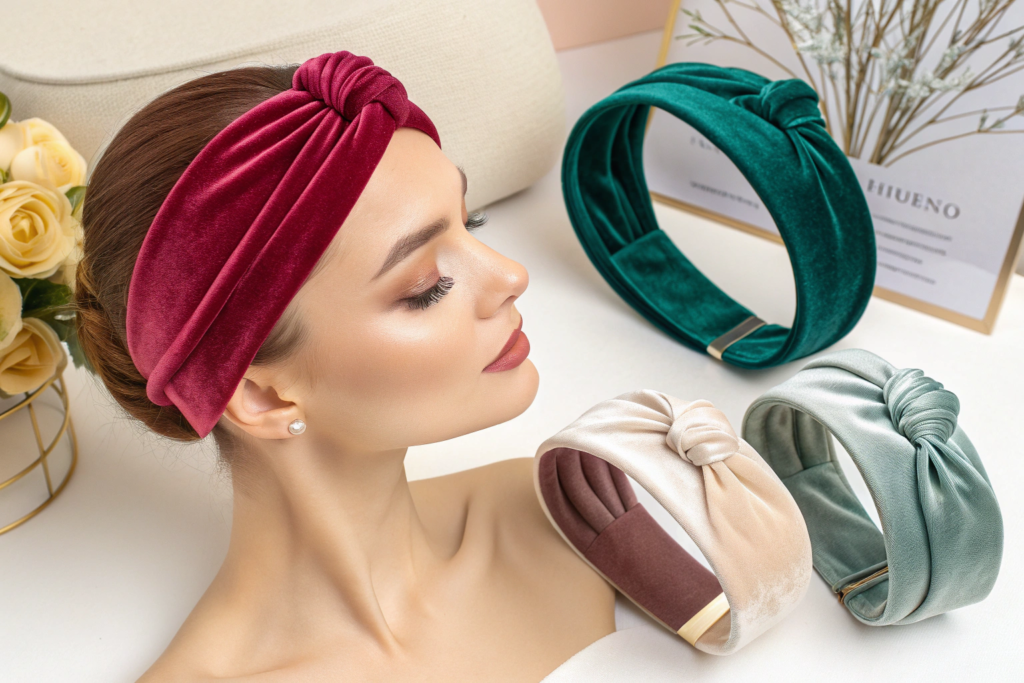
Velvet has a rich, luxurious appearance that elevates any outfit. It catches light beautifully and photographs well, which is important for online sales. It's soft against the skin and comfortable to wear. Velvet also has some natural grip because of its texture. In 2026, velvet headbands in jewel tones like emerald, sapphire, and ruby are particularly popular. We source our velvet from specialty mills that produce consistent, high-quality fabric.
What makes cotton ideal for everyday headbands?
Cotton is breathable, soft, and hypoallergenic. It's easy to care for and gets softer with washing. It takes dye well, so colors stay vibrant. Cotton headbands are perfect for daily wear, for sensitive scalps, for warm weather. They're also more affordable than silk or velvet, making them accessible to a wider market. We use high-quality cotton that's combed for softness and durability.
How do you combine materials for optimal performance?
The best headbands aren't made from a single material. They're engineered from multiple layers, each serving a purpose. The outer layer provides the look. An inner layer might add comfort or absorb sweat. Elastic fibers provide stretch. Silicone strips provide grip. When these elements work together, the result is a headband that looks great, feels comfortable, and stays in place.
We spend a lot of time on this engineering. How wide should the silicone strip be? Too narrow and it won't grip. Too wide and it might feel bulky. How much spandex in the fabric? Enough for stretch but not so much that it loses shape. What thread for construction? Strong enough to hold but fine enough to be invisible. These details matter.
Should headbands have a satin or velvet underside?
This depends on the intended use. A satin underside is smooth and gentle on hair. It reduces friction and helps prevent breakage. Customers with delicate or curly hair often prefer satin-lined headbands. A velvet underside has some grip and feels luxurious. It's a good choice for fashion headbands where staying power matters. We offer both options and help clients choose based on their target customer. Some headbands even have different materials on each side for versatility.
How do you ensure the grip doesn't damage hair?
This is a critical concern. A grip that's too aggressive can pull hair and cause breakage. We design our silicone strips to be smooth and rounded, not sharp or aggressive. The silicone is soft and flexible. It grips the head, not the hair. The strip is placed where the headband contacts the scalp, not where it contacts hair. We also test on different hair types to ensure it's gentle. Customer feedback is essential here. We adjust our designs based on what real users tell us.
What construction techniques prevent headbands from losing stretch?
Construction matters as much as materials. A headband can have perfect fabric but fail if it's poorly made. The way ends are joined is critical. A simple straight stitch might pop when stretched. A zigzag stitch stretches with the fabric. The width of the headband affects how it distributes pressure. The thickness of the layers affects comfort.
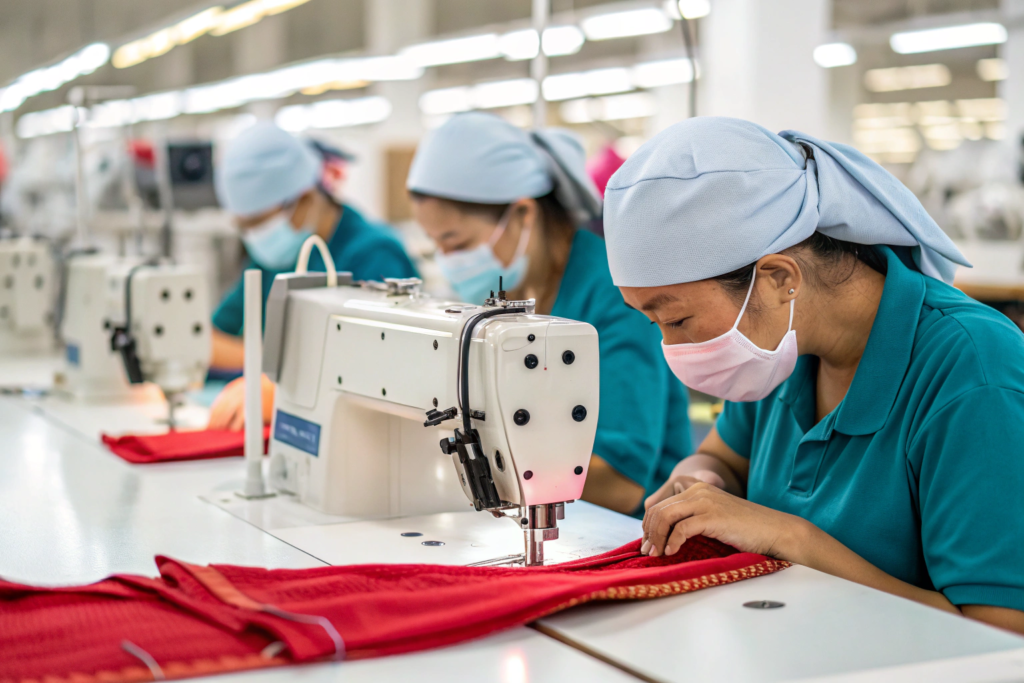
We use specialized machines and techniques for headband production. Our workers are trained to handle stretchy fabrics. We inspect every piece for consistent tension and secure seams. A headband that loses its stretch after a few wears is a failed product. We make sure ours last.
What stitching methods work best for stretchy fabrics?
Zigzag stitches and coverstitches are essential for stretchy fabrics. They move with the fabric instead of fighting it. When we join the ends of a headband, we use a technique that creates a flat, comfortable seam. It has to be strong enough to hold but flexible enough to stretch. We also use fusible interfacing in some areas to add structure without sacrificing stretch. This technical knowledge comes from years of experience.
How does headband width affect comfort and staying power?
Width matters a lot. A very narrow headband concentrates pressure on a small area. This can cause discomfort or headaches. A wider headband distributes pressure over a larger area, which feels more comfortable. But too wide can feel bulky or hot. The ideal width depends on the style and the customer. Fashion headbands might be wider for visual impact. Sport headbands might be narrower for practicality. We help clients find the right width for their market.
Conclusion
The best headbands combine science and art. They use stretchy fibers like spandex for flexibility. They use soft, beautiful outer fabrics like velvet or cotton for appearance. They incorporate grip elements like silicone for staying power. And they're constructed with techniques that ensure durability and comfort. When these elements come together, the result is a headband that customers love to wear and buy again.
At AceAccessory, we've been making headbands for years. We know the materials. We know the construction. We know what works and what doesn't. Our factory in Zhejiang produces headbands for clients around the world. If you're looking for headbands that combine style, comfort, and performance, let's talk. Reach out to our Business Director, Elaine, at elaine@fumaoclothing.com. She'll connect you with a project manager who can help you create the perfect headband for your market.