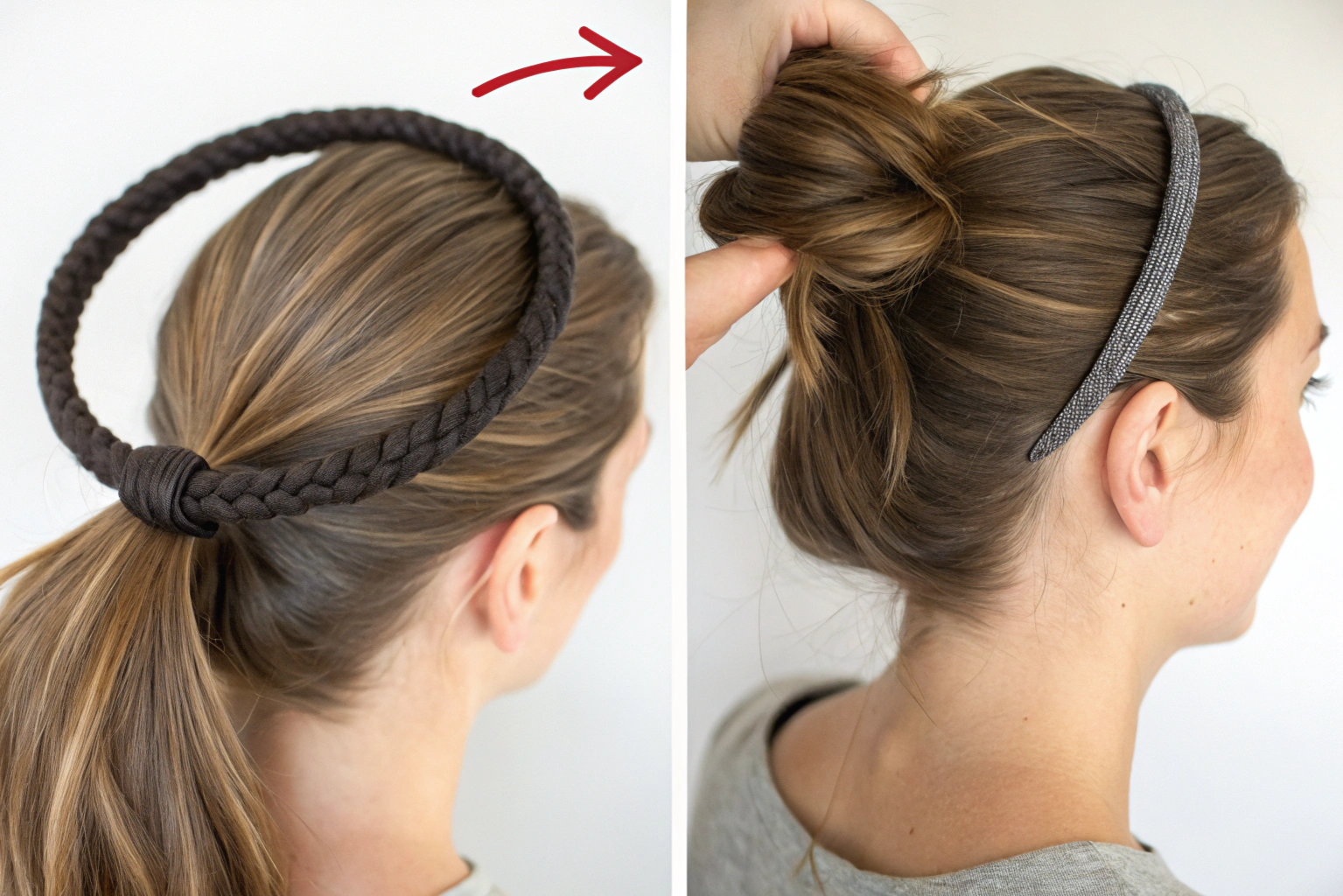
I've been making hair accessories for decades, and I can tell you that one of the most common frustrations customers have is a hair band that loses its shape. You buy a beautiful, perfectly round band, you wear it a few times, and suddenly it's stretched out, misshapen, and floppy. It no longer holds your hair properly, and it looks sad and worn. This is a recipe for a bad customer experience.
The solution lies in the material. A hair band that "remembers" its shape and returns to it after being stretched or twisted is not magic; it's smart material science. These shape-memory hair bands are engineered to withstand the stresses of daily use and maintain their perfect form for much longer. They are a huge step up in quality and customer satisfaction.
At Shanghai Fumao Clothing, we've spent years researching and testing materials for hair bands. We understand the properties that contribute to shape memory: flexibility, resilience, and the ability to recover from deformation. In this post, I'll share the best materials for creating hair bands that truly return to their form, and what you need to know to source them for your own products.
What Is Shape Memory In Hair Bands?
Before we talk about specific materials, we need to understand what "shape memory" means in the context of a hair band. It's not about the material "remembering" a shape in a magical way. It's about the material's physical properties: its elasticity and its ability to return to its original form after being deformed. A hair band with good shape memory will stretch to fit comfortably on your head or to hold your hair, and then, when not in use, it will spring back to its original, perfect circle.
This property is determined by the material's structure. Some materials, like certain plastics and metals, are naturally more "springy" and resilient than others. The design of the hair band—whether it's a solid piece of plastic, a coiled metal spring covered in fabric, or a molded piece of rubber—also plays a huge role. For more on the science of materials, resources like Materials Today are excellent.
How does a hair band's construction affect its shape memory?
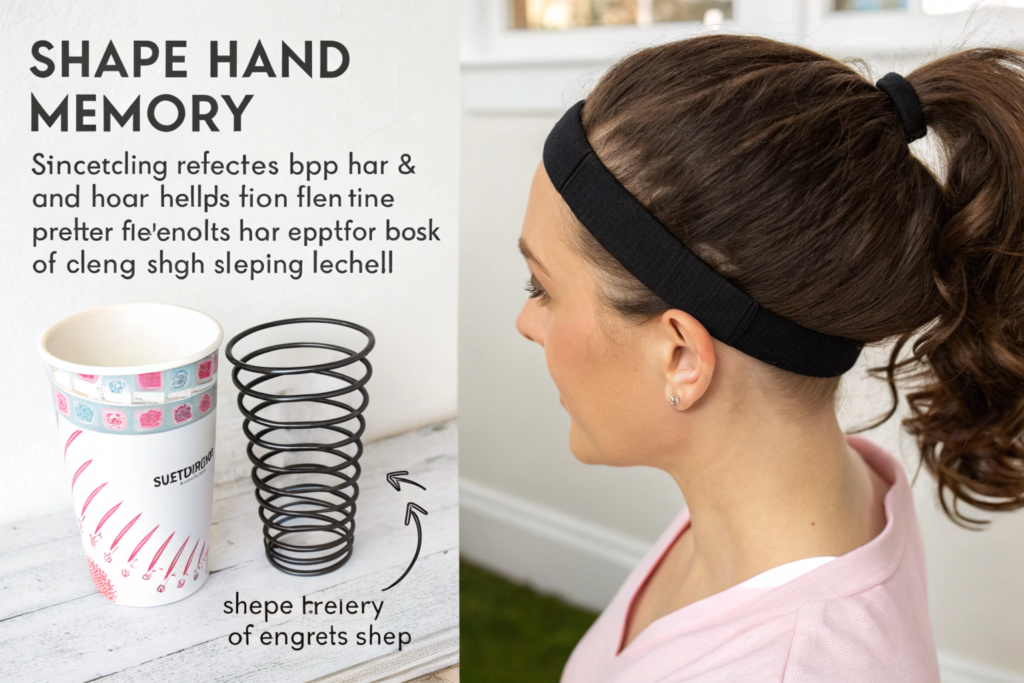
The construction of a hair band is just as important as the material itself. There are two main types of construction that contribute to shape memory:
- Solid Molded Bands: These are made from a single piece of material, usually a type of plastic or rubber. Their shape memory comes from the inherent flexibility and resilience of that material. When you bend or stretch them, the molecular structure wants to return to its original, molded shape. This is common in simpler, often less expensive, bands.
- Core-and-Cover Bands: These are more sophisticated. They have a flexible, springy core—often a thin strip of metal or a high-performance plastic—that is then covered with a soft, comfortable fabric like velvet, silk, or cotton. The core provides the shape memory and the "spring." The cover provides the comfort and style. This is the construction used for most high-quality, durable hair bands. A velvet hair band with a springy core is a perfect example.
The core-and-cover construction allows for a combination of strong, reliable shape memory from the core and a luxurious, comfortable feel from the cover.
What is the difference between elasticity and plasticity?
This is a fundamental concept in materials science that directly applies to hair bands.
- Elasticity: This is the ability of a material to deform under stress (like being stretched) and then return to its original shape when the stress is removed. A rubber band is a classic example. A hair band with good elasticity will stretch to fit and then spring back. This is what we want.
- Plasticity: This is the ability of a material to deform permanently under stress. If you bend a paperclip too far, it stays bent. That's plastic deformation. A hair band that has been over-stretched and now stays in a stretched-out, oval shape has undergone plastic deformation. This is what we want to avoid.
The best materials for shape-memory hair bands have high elasticity and high resistance to plastic deformation. They can be stretched and stressed many times without losing their ability to spring back.
What Are The Best Materials For The Core?
For hair bands that use a core-and-cover construction, the core is the heart of the shape memory. It's the engine that provides the "spring." Choosing the right core material is the most important decision you will make for the performance of your hair band. The core needs to be flexible, resilient, and resistant to fatigue (it needs to keep springing back, over and over, for a long time).
There are several excellent options for core materials, each with its own strengths and weaknesses. The right choice depends on the desired feel, the price point, and the target market. At our factory, we work with all of these materials and can advise on the best choice for your specific product.
What is spring steel and why is it a top choice?
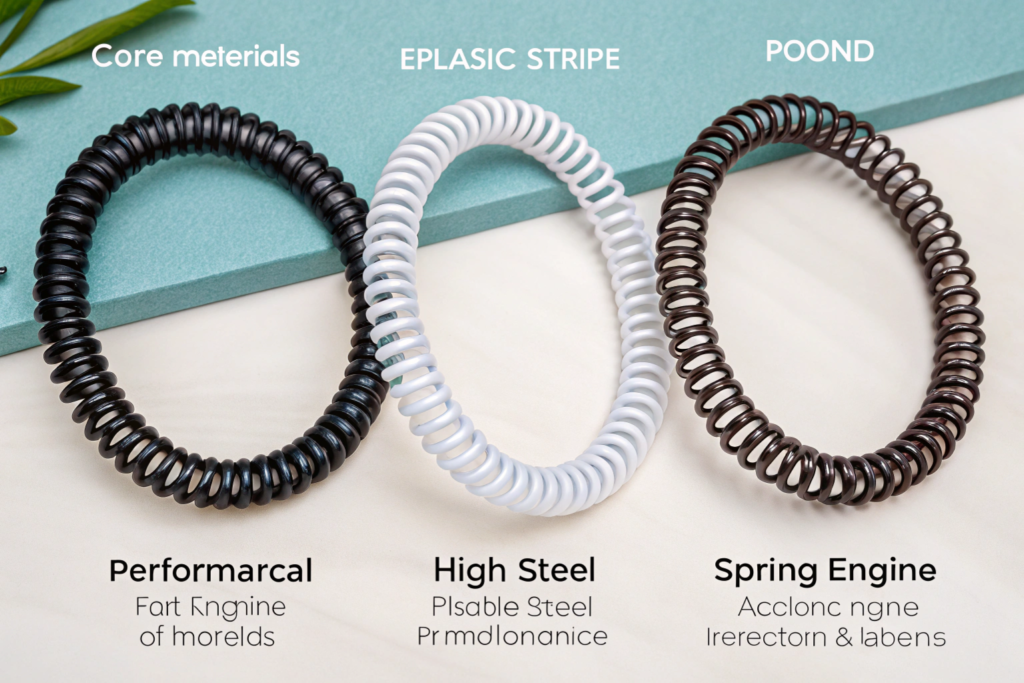
Spring steel is a high-carbon steel alloy that is specifically designed to be highly elastic and resilient. It's the same material used in springs, hence the name. It has an excellent ability to return to its original shape after being bent, twisted, or stretched, and it can withstand a huge number of cycles without losing its springiness.
For a hair band core, a very thin strip of spring steel is incredibly effective. It provides a strong, reliable "spring" that will last for years. It allows the band to be bent and stretched and then snap back perfectly. The downside is that it is metal, so it needs to be carefully encased to prevent it from poking through the fabric covering. It's also heavier than plastic alternatives. However, for a premium, ultra-durable hair band, spring steel is often the top choice. A spring steel core hair band is built to last.
How do high-performance plastics like POM compare?
POM, also known as acetal or polyoxymethylene, is a high-performance engineering plastic. It has excellent stiffness, strength, and dimensional stability. Crucially for hair bands, it also has very good "spring back" properties and resistance to fatigue. It can be repeatedly flexed without losing its shape.
Using a POM core has several advantages over spring steel. It is lighter. It is naturally resistant to corrosion. It can be molded into a specific shape, which can add to the band's design flexibility. And it poses less risk of poking through the fabric covering. The shape memory is excellent, though some may find it slightly less "snappy" than spring steel. For many high-quality hair bands, POM is the ideal core material, offering a perfect balance of performance, weight, and cost.
What Are The Best Materials For The Cover?
While the core provides the function, the cover provides the feel, the look, and the comfort. The cover is what touches your hair and your skin. It needs to be soft, comfortable, and attractive. It also needs to be durable enough to withstand repeated wear and washing. The choice of cover material is a major factor in the overall quality and appeal of the hair band.
The cover also needs to be securely attached to the core, and it needs to be able to stretch and move with the core without tearing or bunching. At our factory, we work with a wide range of cover materials to achieve different looks and feels. For more on textile properties, resources like Textile Exchange are excellent.
Why is velvet so popular for hair bands?
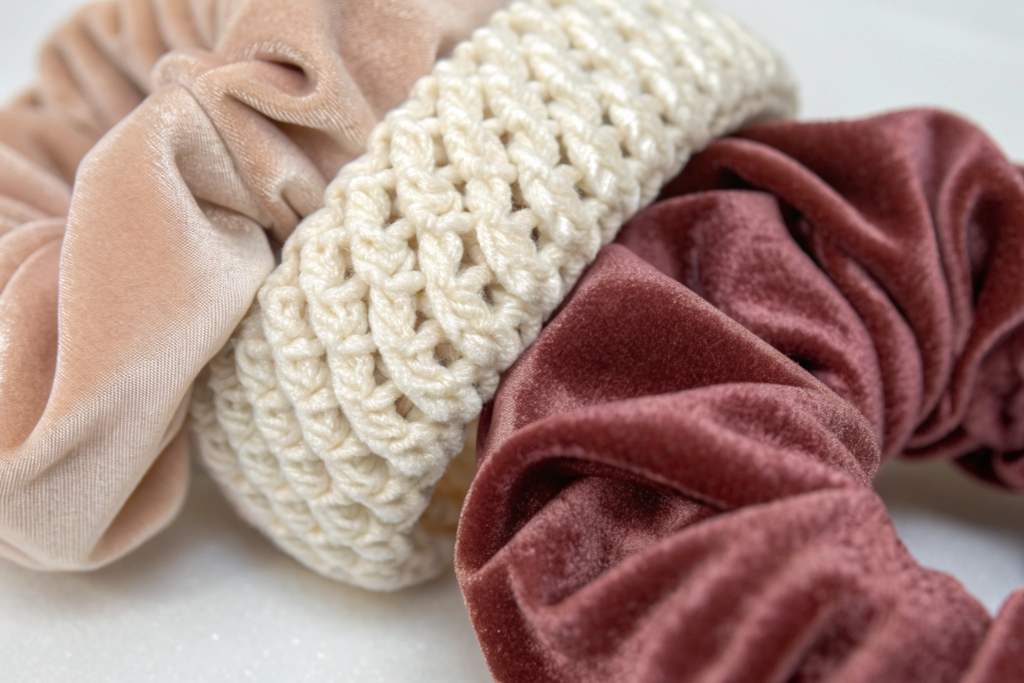
Velvet has become a hugely popular cover material for hair bands, and for good reason. Velvet is soft, plush, and luxurious to the touch. It feels wonderful against the skin and hair. It also has a beautiful, rich appearance with a subtle sheen that adds a touch of elegance.
Velvet is also surprisingly practical for a hair band. Its plush texture helps it grip the hair gently but securely, preventing the band from slipping out. It's also available in a huge range of colors, from classic jewel tones to modern pastels. A velvet hair band looks and feels like a premium product. It's a top choice for brands looking to create a stylish, comfortable, and desirable accessory.
What are the benefits of silk, satin, and other smooth fabrics?
Smooth fabrics like silk and satin offer a different set of benefits, particularly for hair health.
- Silk: Silk is a natural fiber that is incredibly smooth and soft. It creates very little friction, which means it is much less likely to cause hair breakage, frizz, or creases. It's often recommended for nighttime use to protect hair while sleeping. Silk is a premium, luxurious choice.
- Satin: Satin is a weave, not a fiber. It can be made from silk, polyester, or other materials. It has the same smooth, glossy surface as silk and offers the same hair-friendly, low-friction benefits, often at a more affordable price point.
- Other Smooth Fabrics: High-quality polyester or nylon fabrics with a smooth finish can also be used. They are durable, easy to clean, and can be very comfortable.
For customers who are concerned about hair damage, or who want a super-sleek, elegant look, a silk or satin-covered hair band is an excellent choice. A satin hair band is both stylish and hair-friendly.
How Do You Test For Shape Memory And Durability?
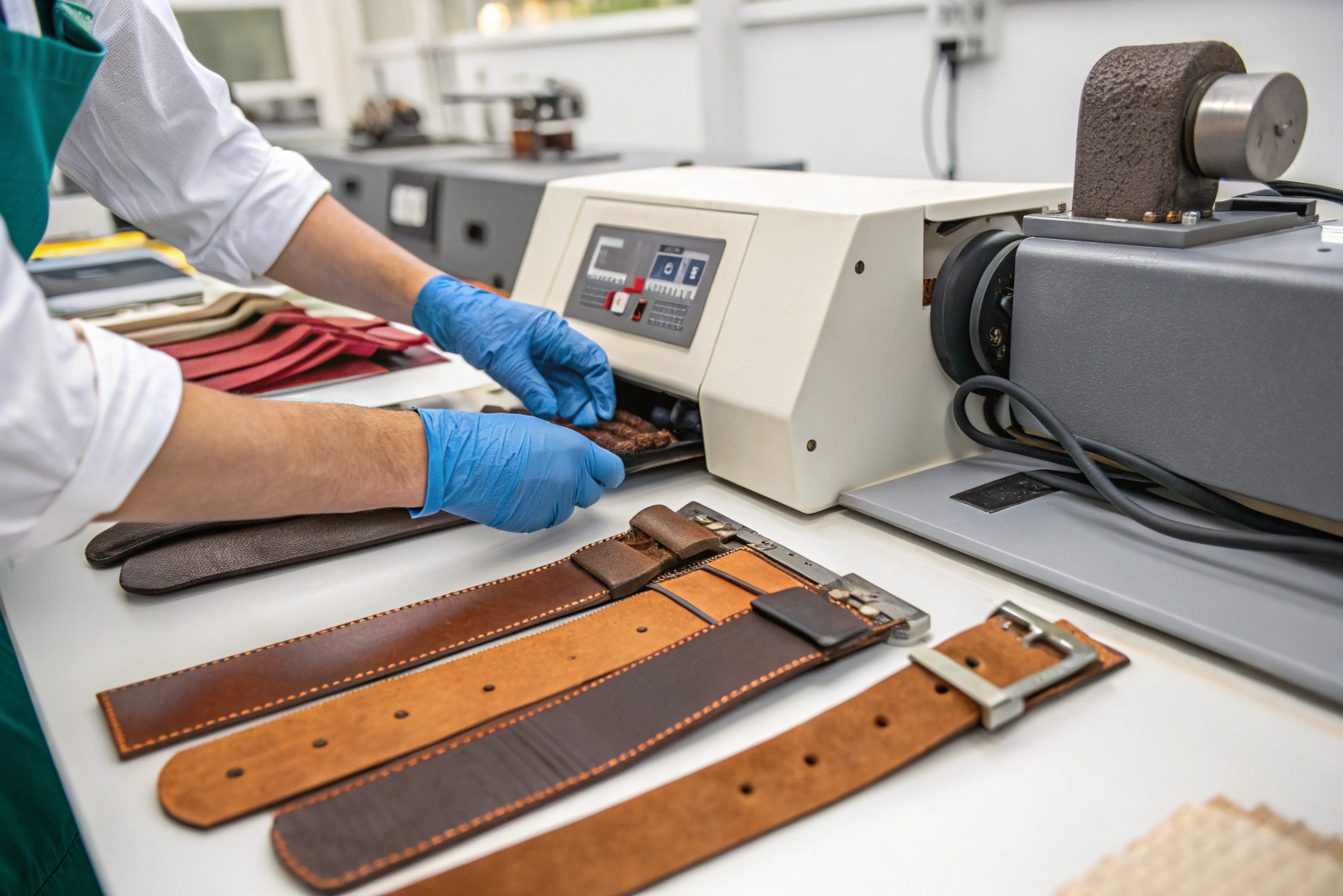
You cannot just assume a hair band has good shape memory. You need to test it. And you need to test it in ways that simulate real-world use. At our factory, we have a rigorous testing protocol for all our hair bands, especially those that claim to have shape-memory properties. We want to be sure that they will perform for our customers, not just when they are new, but after months of use.
This testing is essential for quality control and for building trust with your customers. A hair band that fails after a few weeks will lead to returns and negative reviews. A hair band that passes our tests will provide years of reliable service. For standards on testing elastomeric materials, organizations like ASTM International have relevant test methods.
What is a cycle test for a hair band?
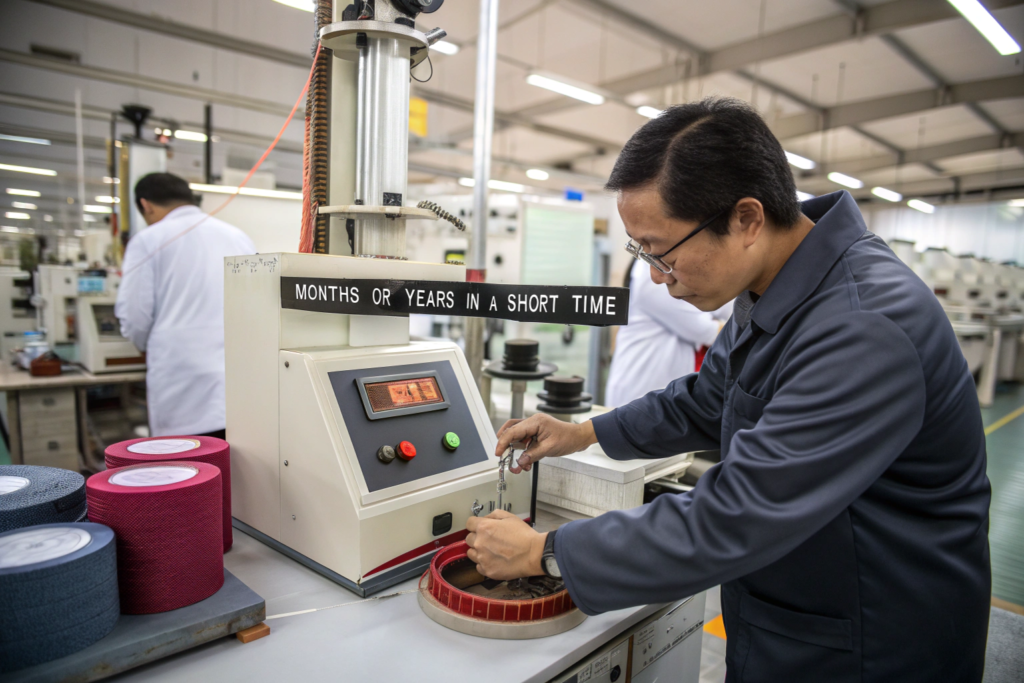
A cycle test is designed to simulate the repeated stress a hair band undergoes during its lifetime. We mount the hair band on a machine that will stretch it to a predetermined width and then release it, over and over again.
We run this test for thousands, sometimes tens of thousands, of cycles. After a set number of cycles (e.g., 5,000, 10,000, 20,000), we stop the machine and examine the hair band. We check for:
- Loss of Shape: Has the band started to stretch out permanently? Does it still return to its original circle?
- Core Fatigue: Has the core material (spring steel or plastic) lost its springiness?
- Cover Damage: Has the cover fabric stretched, torn, or become detached from the core?
- Any Other Signs of Wear:
A high-quality shape-memory hair band should be able to withstand tens of thousands of cycles with minimal loss of performance. This test gives us a quantitative measure of its durability.
How do you test for recovery after extreme stretching?
In addition to cycle testing, we also test for recovery after extreme stretching. This simulates what happens if a customer really pulls the band hard, or if it gets caught on something and is stretched far beyond its normal range.
We use a machine to stretch the hair band to its maximum possible length and hold it there for a set period. Then we release it and measure how well it recovers. Does it snap back to its original shape completely? Does it retain a slight "memory" of being stretched? This test tells us how resilient the core material is and how well the band can handle extreme, though less common, stresses.
A good shape-memory hair band should recover almost completely from even extreme stretching. This is a sign of a high-quality core material and a well-designed product.
Conclusion
Creating a hair band that truly returns to its form is a matter of smart material selection and thoughtful construction. The best shape-memory hair bands use a core-and-cover design, with a highly resilient core material—like spring steel or high-performance POM plastic—providing the "spring," and a soft, comfortable cover—like plush velvet or smooth silk—providing the look and feel. Rigorous testing, including cycle tests and recovery tests, ensures that these bands will perform for years, not just weeks.
At Shanghai Fumao Clothing, we have deep expertise in creating high-quality shape-memory hair bands. Our factory in Zhejiang uses the best materials and construction techniques to produce bands that are both durable and beautiful. We work with a range of core and cover materials to meet your specific design and budget needs. And we test every design thoroughly to ensure it meets our high standards for shape memory and durability.
If you're ready to develop a line of premium hair bands that customers will love and trust, let's talk. Please contact our Business Director, Elaine, at elaine@fumaoclothing.com. We'll help you create bands that keep their shape and keep your customers happy.