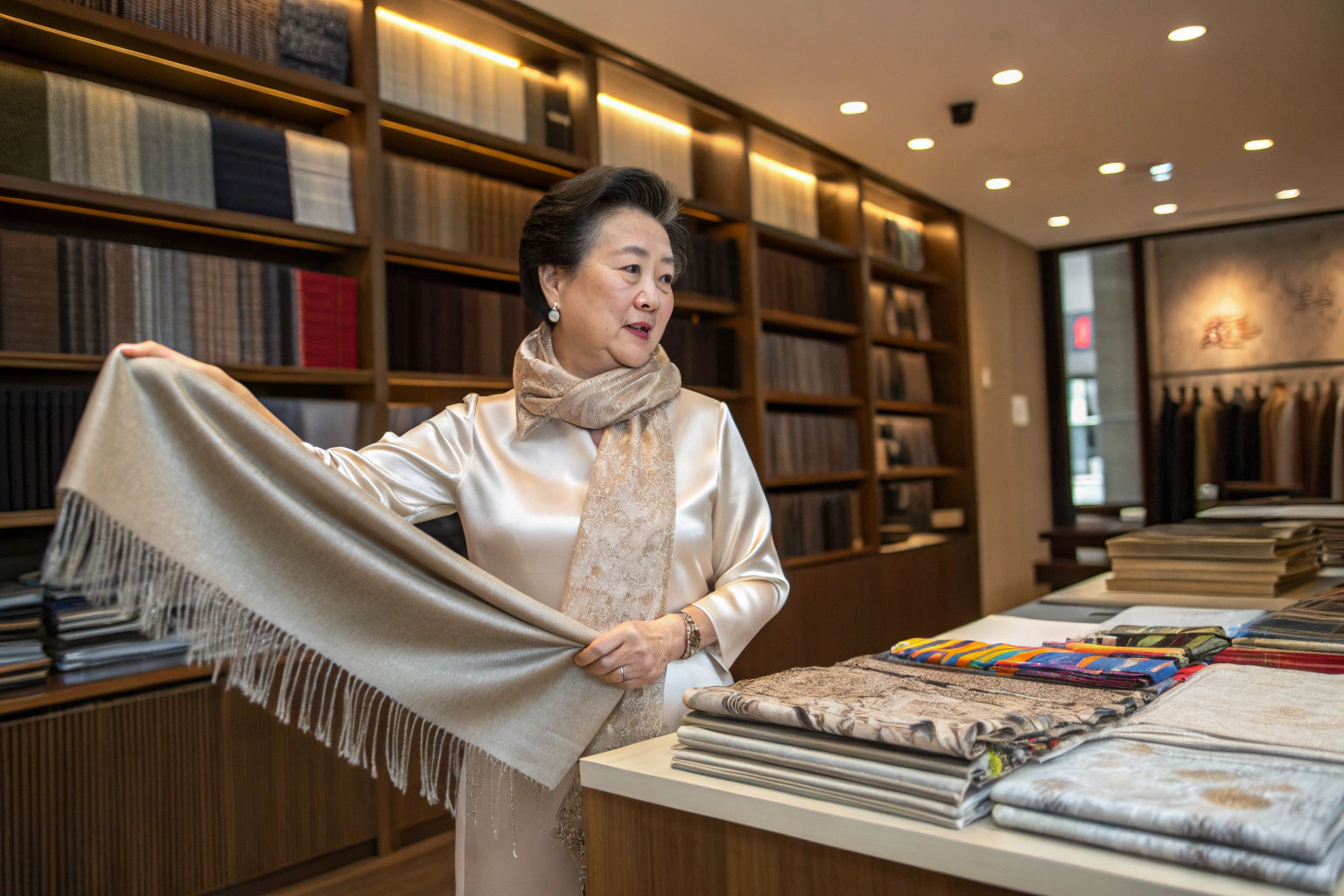
I have spent my entire career surrounded by fabric. I have felt the difference between a cheap acrylic and a fine merino wool. I have seen how a silk scarf catches the light differently than a polyester one. But for many years, I focused only on the scarf itself. The accessories—the rings, the pins, the tassels—were an afterthought. Then a client from Paris taught me a valuable lesson. She was buying a beautiful cashmere scarf from us, and she asked, "What scarf ring would you recommend with this? It needs to be heavy enough to hold the fabric, but smooth enough not to snag." I realized then that the accessory is not separate from the scarf. It is a partner. And the material of that accessory must be chosen with as much care as the scarf itself.
The best materials for scarf accessories depend on their function, the type of scarf they will be used with, and the desired aesthetic. For scarf rings and slides, smooth, non-snagging materials like polished metals (brass, stainless steel, aluminum) or high-quality, polished wood are ideal. They must allow the delicate fabric to glide through without catching. For brooches and pins, lightweight yet sturdy metals like brass or zinc alloys are best, with secure clasps that won't damage the fabric. For fringe and tassels, the material should complement the scarf. Silk tassels add a luxurious touch to silk or cashmere scarves. Leather tassels offer a more rustic, modern look. The key is to match the weight, texture, and care requirements of the accessory to the scarf it will adorn. A heavy metal ring on a delicate silk scarf can cause it to sag. A rough wooden pin can snag a fine knit. Harmony between the accessory and the scarf is everything.
At Shanghai Fumao Clothing, we have learned to consider the scarf and its accessories as a system. We have developed a range of accessories specifically designed to complement different types of scarves, from the lightest silk to the chunkiest knit. We understand the materials, the finishes, and the construction details that make an accessory not just beautiful, but also functional and safe for your precious scarves. Let me share what we have learned about choosing the best materials for these essential companions.
What Materials Are Best For Scarf Rings And Slides?
A scarf ring or slide is a simple but transformative accessory. It can turn a long scarf into a stylish loop, or gather a wide scarf into a neat collar. But its job is to interact directly with the fabric. The wrong material can snag, pull, or even tear your beautiful scarf.
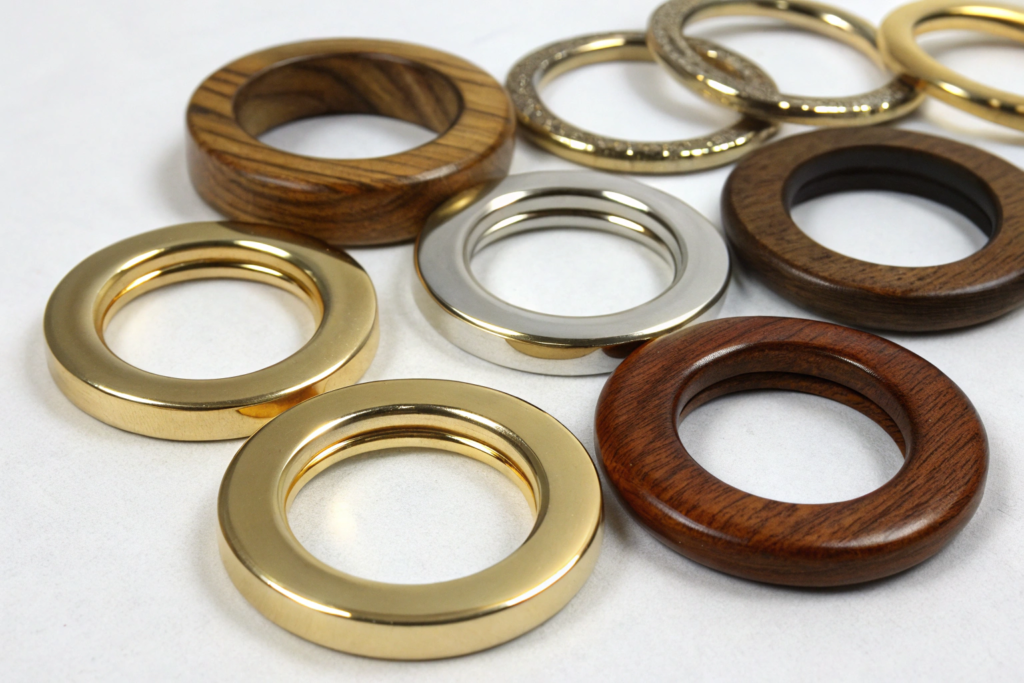
The best materials for scarf rings and slides are those that are perfectly smooth and non-abrasive. Polished metals are the top choice. Brass, with a smooth, high-quality plating (like gold, silver, or gunmetal), is excellent. It has enough weight to hold the scarf in place without being too heavy. Stainless steel is another superb option, prized for its strength, smoothness, and resistance to tarnishing. It can be polished to a mirror shine or given a brushed, satin finish. Aluminum is a lightweight alternative, often used for larger rings where weight might be a concern. For a natural look, polished hardwoods like ebony, rosewood, or olive wood can be beautiful, provided they are sealed with a smooth, non-toxic finish. The key requirement for any material is that every surface that touches the scarf must be flawlessly smooth, with no sharp edges, burrs, or rough patches.
Let's talk about why smoothness is so critical. Silk and cashmere fibers are very fine and delicate. They can be easily snagged by the tiniest imperfection. A rough edge on a metal ring, even one you can barely feel with your finger, can catch a single silk thread and pull it, creating a run or a pulled thread that ruins the scarf's appearance. This is why the finishing process for scarf rings is so important. After a metal ring is cast or cut, it must be carefully polished, often by hand, to remove any microscopic burrs. Then it is plated and may receive a final protective coating. For wooden rings, the wood must be sanded with increasingly fine grits until it is glass-smooth, and then sealed with a lacquer that is itself smooth and durable. This attention to surface finish is what makes a ring safe for delicate fabrics.
Why Is Weight Important When Choosing A Scarf Ring?
The weight of a scarf ring is a critical functional consideration. It must be heavy enough to do its job—to hold the folds of the scarf in place and prevent the ring from sliding down or slipping out. A ring that is too light will be ineffective. However, it must not be so heavy that it pulls on the fabric, causing the scarf to sag or stretch out of shape, especially with lightweight fabrics like silk or fine wool.
- For lightweight scarves (silk, chiffon, fine cotton): Choose a ring that is substantial enough to stay put, but not overly heavy. A medium-weight brass or aluminum ring is often ideal. Avoid very thick, solid metal rings.
- For medium-weight scarves (standard wool, cashmere blends): A standard brass or stainless steel ring works perfectly.
- For heavy scarves (thick wool, chunky knits): A larger, heavier ring, perhaps in a thicker gauge of metal, may be needed to hold the substantial fabric.
The weight should feel balanced with the scarf. You want the ring to be a functional partner, not a burden on the fabric. This balance of form and function is key to a good design.
Can Wood Be Used Safely For Scarf Rings?
Yes, absolutely, but only with the right preparation. Raw, unfinished wood is porous and can have a slightly rough texture that could snag delicate fibers. It can also be affected by moisture. For a scarf ring, the wood must be:
- Densely grained: Hardwoods like ebony, rosewood, or olive wood are best. They are naturally smooth and less likely to splinter.
- Perfectly sanded: The ring must be sanded to a very high grit (like 1000+ grit) to achieve a glass-like smoothness.
- Sealed: A clear, durable, non-toxic sealant or lacquer must be applied. This seals the pores, creates a perfectly smooth surface, and protects the wood from moisture and oils from the hands.
When prepared correctly, a wooden scarf ring is beautiful, lightweight, and perfectly safe. The natural grain adds a unique, organic touch. It is a wonderful choice for scarves in natural fibers and earthy color palettes.
What Materials Are Best For Scarf Brooches And Pins?
A brooch or pin can add a touch of sparkle, a pop of color, or a unique focal point to a scarf. But unlike a ring, which mostly glides over the fabric, a brooch must pierce it. The material of the pin itself, and the way it is attached, are critical to avoid damaging the scarf.
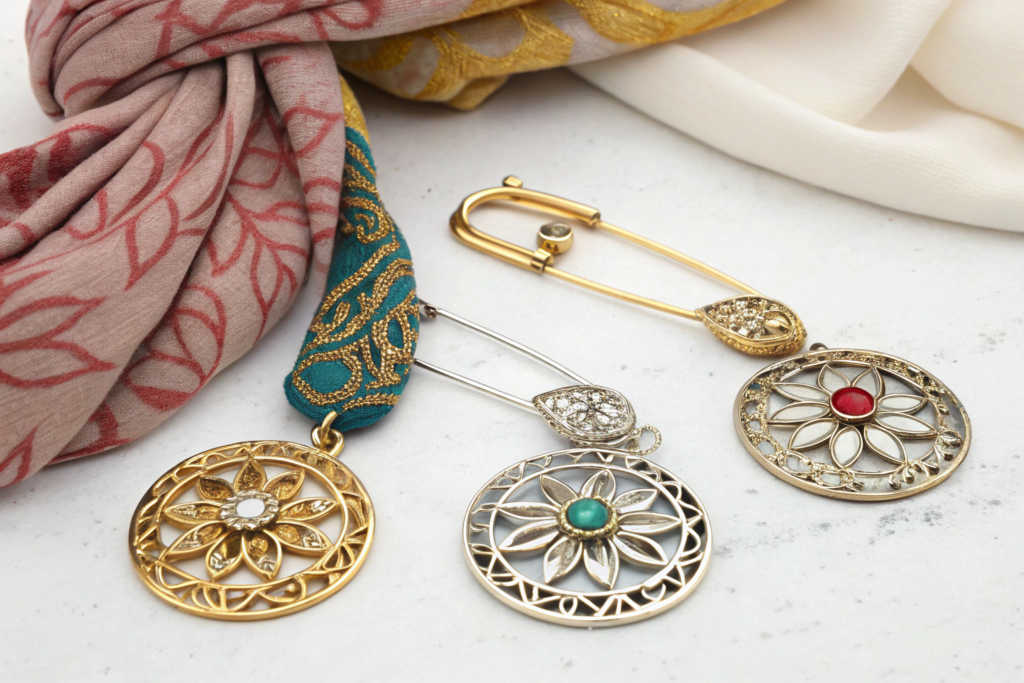
For scarf brooches and pins, the best materials are lightweight yet strong metals, with a secure and fabric-friendly clasp. Brass and zinc alloys are excellent choices for the body of the brooch. They can be cast into intricate designs and plated with a variety of finishes (gold, silver, rhodium, etc.). The pin stem should be made of a strong, corrosion-resistant metal like stainless steel. It must be sharp enough to pierce the fabric cleanly, without snagging or pulling threads. The clasp, often a "safety" or "roller" clasp, must be secure enough to hold the brooch in place but easy enough to open and close. The entire mechanism should be designed to minimize stress on the fabric. For a softer, more bohemian look, enamel over a metal base can add beautiful color, provided the enamel surface is smooth.
The pin mechanism is the most important part of a scarf brooch. A poorly designed pin can create large holes, snag threads, or even tear the fabric. The ideal pin is:
- Sharp: It should have a fine, sharp point that easily slides between the fibers of the fabric, not through them.
- Strong: It must be strong enough not to bend or break when being fastened.
- Smooth: The entire length of the pin should be smooth, with no burrs or rough spots.
- Securely Clasped: The clasp must hold the pin firmly. The most secure type is a safety clasp (also called a locking clasp), which has a hinged lever that closes over the pin tip, locking it in place. This prevents the brooch from accidentally opening and falling off.
The weight of the brooch is also a factor. A very heavy brooch can pull on a lightweight scarf, distorting it. For delicate silks, choose a smaller, lighter brooch. For heavier wool or cashmere scarves, a larger, more substantial brooch is appropriate. This attention to pin mechanism design is what makes a brooch a joy to use, not a frustration.
What Is A Safety Clasp And Why Is It Preferred?
A safety clasp, also known as a locking clasp or a "lever back" clasp, is a type of closure for brooches and pins that offers superior security compared to a simple "C" clasp. It consists of a hinged lever that the pin tip fits into. Once the pin is inserted, you close the lever over it, and it locks in place, often with a small snap. This design prevents the pin from accidentally opening if it gets caught on something. For a scarf brooch, this is particularly important because scarves are often in motion, brushing against coats, bags, and other objects. A safety clasp gives the wearer confidence that their beautiful brooch will stay securely in place. It is a mark of quality and thoughtful design.
How Do You Ensure A Pin Won't Damage Delicate Silk?
This is a critical question. Even a sharp pin can damage silk if not used correctly. Here are the key factors:
- Pin Sharpness: The pin must be exceptionally sharp and fine. A dull pin will push and stretch the fibers rather than parting them cleanly.
- Pin Placement: The wearer should insert the pin between the woven threads, not through them. This requires a bit of care and a sharp pin.
- Pin Material: A smooth, stainless steel pin is best. It will not corrode and will remain smooth.
- Avoiding Stress: The brooch should not be so heavy that it pulls on the fabric. For silk, a lightweight brooch is essential.
- Consider a "Scarf Pin" Style: Some pins are designed specifically for scarves. They are often longer and may have a blunt end that is designed to slide between the fibers, or they may be part of a set that includes a backing to hold the pin in place without piercing the fabric in multiple places.
By considering all these factors, we can design brooches that are safe and enjoyable to use with even the most delicate fabrics.
What Materials Are Best For Scarf Fringe And Tassels?
Fringe and tassels are the original scarf accessories. They can be an integral part of the scarf's design, or they can be added as a detachable embellishment. The material of the fringe must harmonize with the scarf's material in weight, texture, and care.
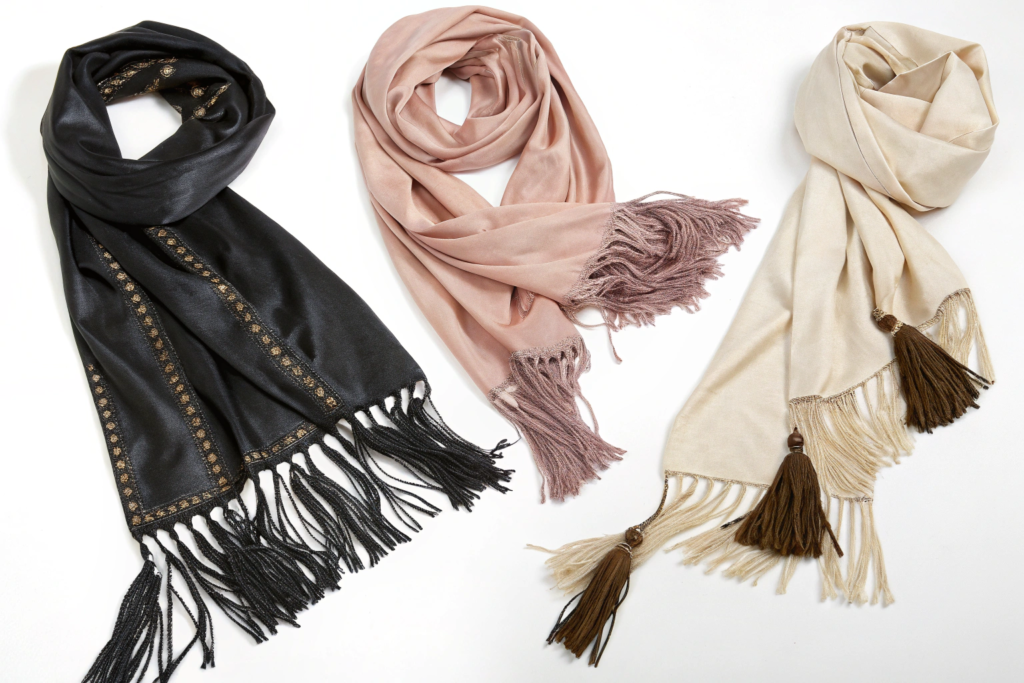
The best materials for scarf fringe and tassels are those that complement the scarf's own fiber and weight. Silk is the classic choice for luxurious scarves. Silk tassels have a beautiful sheen and a fluid drape that moves elegantly. They are perfect for silk, cashmere, and fine wool scarves. Wool or cashmere tassels offer a softer, more matte look and feel. They are ideal for wool, cashmere, or chunky knit scarves, creating a cohesive, cozy aesthetic. Leather or suede tassels add a modern, edgy, or bohemian touch. They work well with heavier fabrics like wool and with casual styles. Cotton or rayon tassels are a versatile and often more affordable option, suitable for cotton, linen, and lighter wool scarves. The key is to consider the drape and weight. A heavy leather tassel will pull on a lightweight silk scarf, while a delicate silk tassel might get lost on a chunky knit.
The construction of the tassel is also important. A well-made tassel has a tightly wrapped "head" and evenly cut, straight "skirt" (the fringe). The threads should be of consistent length and should not fray. For silk tassels, the silk is often twisted or braided to give it more body and to prevent it from tangling. For leather tassels, the leather is cut into thin strips that are soft and supple. The attachment method is also critical. A tassel can be sewn directly onto the corner of a scarf, or it can be attached via a loop, a chain, or a detachable clip. A detachable tassel offers versatility, allowing the wearer to change the look of their scarf. We offer both options to our clients. The craftsmanship of the tassel is a detail that discerning customers notice and appreciate.
Should Tassels Be Made Of The Same Material As The Scarf?
Not necessarily, but they should be harmonious. Matching the material creates a very classic, unified, and luxurious look. A cashmere scarf with matching cashmere tassels feels incredibly cohesive and sumptuous. A silk scarf with silk tassels is elegant and fluid. However, contrasting materials can be very stylish. A chunky wool scarf with leather tassels creates an interesting textural contrast that feels modern and edgy. A simple cotton scarf with silk tassels adds a touch of unexpected luxury. The key is to consider the overall aesthetic. The tassel should feel like a deliberate design choice, not like a mismatched afterthought. The art of combining textures is a powerful design tool.
How Do You Care For Leather Tassels On A Scarf?
Leather tassels require different care than the scarf itself, which is an important consideration. If the scarf is machine washable, but the tassels are leather, the entire item cannot be machine washed. Here are some care tips:
- Spot Clean Only: Leather tassels should generally only be spot cleaned with a damp cloth and a very mild soap specifically designed for leather. They should never be submerged in water.
- Avoid Harsh Chemicals: Keep leather tassels away from alcohol, bleach, and other harsh chemicals.
- Condition: Like any leather, they may benefit from occasional conditioning with a leather balm to keep them soft and prevent cracking.
- Detachable Design: The best solution for a scarf with leather tassels is to make the tassels detachable. This allows the wearer to remove them before washing the scarf, and then reattach them after. This design for care is a huge selling point for customers.
How Do You Match The Accessory To The Scarf's Material?
This is the art of accessorizing. It is not just about choosing a beautiful ring or a pretty tassel. It is about choosing the right ring or tassel for a specific scarf. The accessory must complement the scarf in weight, texture, and care requirements to create a harmonious and functional whole.
Matching an accessory to a scarf's material involves considering three key factors: weight, texture, and care. Weight: A heavy metal ring will pull on a lightweight silk scarf, causing it to sag. A delicate silk tassel will be overwhelmed by a heavy wool scarf. The accessory's weight should be proportional to the scarf's. Texture: A smooth, polished metal ring creates a sleek, modern contrast with a soft, fuzzy cashmere scarf. A rough, natural wood ring complements a linen or cotton scarf. The textures should work together, not clash. Care: If a scarf is delicate and dry-clean only, any attached accessory should be able to withstand the same cleaning process, or be easily removable. A machine-washable scarf needs a machine-washable accessory. By considering these factors, you can create combinations that are both beautiful and practical.
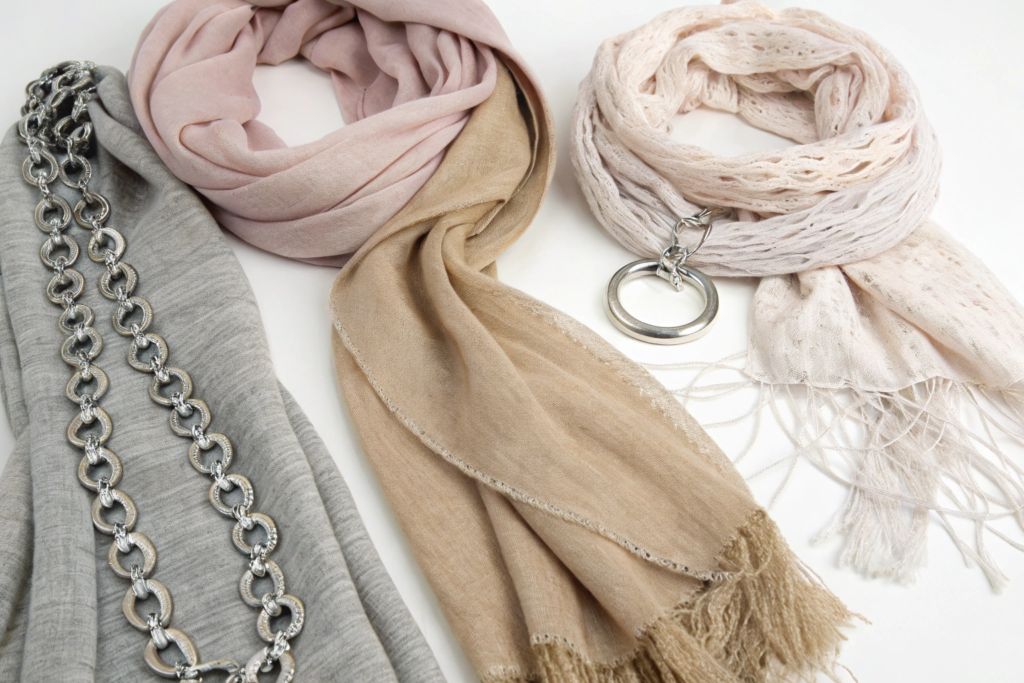
Let's look at some specific examples. A lightweight silk scarf pairs beautifully with a medium-weight, smoothly polished metal ring. The ring's weight is just enough to hold the silk in place without pulling. A delicate silk tassel, perhaps in a contrasting color, would also be a lovely addition. A heavy cashmere scarf can handle a larger, more substantial ring, perhaps in a brushed metal finish that complements the soft texture of the cashmere. A pair of matching cashmere tassels would create a look of ultimate luxury. A linen or cotton scarf has a more casual, natural texture. It would pair well with a smooth wooden ring or a leather tassel. The natural materials harmonize beautifully. A chunky knit wool scarf is all about texture. A large, smooth metal ring can provide a striking contrast. A pair of leather tassels adds an edgy, modern touch. This thoughtful coordination elevates the entire outfit.
What Accessories Work Best With Lightweight Silk Scarves?
With delicate silk, the key is to avoid anything that could snag or pull. The best accessories are:
- Smooth, Polished Metal Rings: Choose a ring in a medium weight, with a perfectly smooth finish. Avoid rings with sharp edges or intricate cut-outs that could catch the silk.
- Small, Lightweight Brooches: A small, lightweight brooch with a sharp, fine pin and a secure safety clasp can add a touch of sparkle. Choose a design with smooth surfaces.
- Silk Tassels: A matching or contrasting silk tassel, either sewn on or detachable, adds movement and elegance.
- Avoid: Rough wood, unfinished metal, heavy rings, and large, heavy brooches.
The goal is to enhance the scarf, not to overpower or damage it. Less is often more with delicate fabrics.
What Accessories Work Best With Chunky Wool Scarves?
Chunky wool scarves are much more robust and can handle larger, heavier accessories. They are a great canvas for making a statement. Great options include:
- Large, Substantial Metal Rings: A big, bold ring in a brushed or matte finish can create a fantastic focal point.
- Leather Tassels: Leather tassels add a wonderful textural contrast and a modern, edgy feel.
- Bold Brooches: A larger, more decorative brooch can be a beautiful accent on a solid-colored wool scarf.
- Matching Wool Tassels: Chunky wool tassels, perhaps in a contrasting color, add a cozy, playful touch.
- Avoid: Very delicate, tiny accessories that will get lost in the bulk of the scarf.
With a chunky wool scarf, you have the freedom to be more bold and experimental.
Conclusion
For a buyer like Ron, or any brand that sells scarves, the accessories are not an afterthought. They are an integral part of the product experience. A beautiful scarf paired with the wrong ring, a pin that snags, or a tassel that frays can ruin a customer's satisfaction. By understanding the materials and design principles that make accessories functional, safe, and beautiful, you can offer a complete, curated experience that delights your customers.
At Shanghai Fumao Clothing, we treat scarf accessories with the same care and expertise as the scarves themselves. We select materials that are kind to delicate fabrics. We design mechanisms that are secure and easy to use. We inspect every piece to ensure it is flawlessly smooth and perfectly finished. We are proud to offer a range of accessories that truly complement and enhance our clients' beautiful scarves.
If you are looking for a partner to create or source high-quality scarf accessories that will do justice to your scarves, I would love to hear from you. Let's discuss your needs and how we can create the perfect finishing touches for your collection. Please contact our Business Director, Elaine, at elaine@fumaoclothing.com to start the conversation.