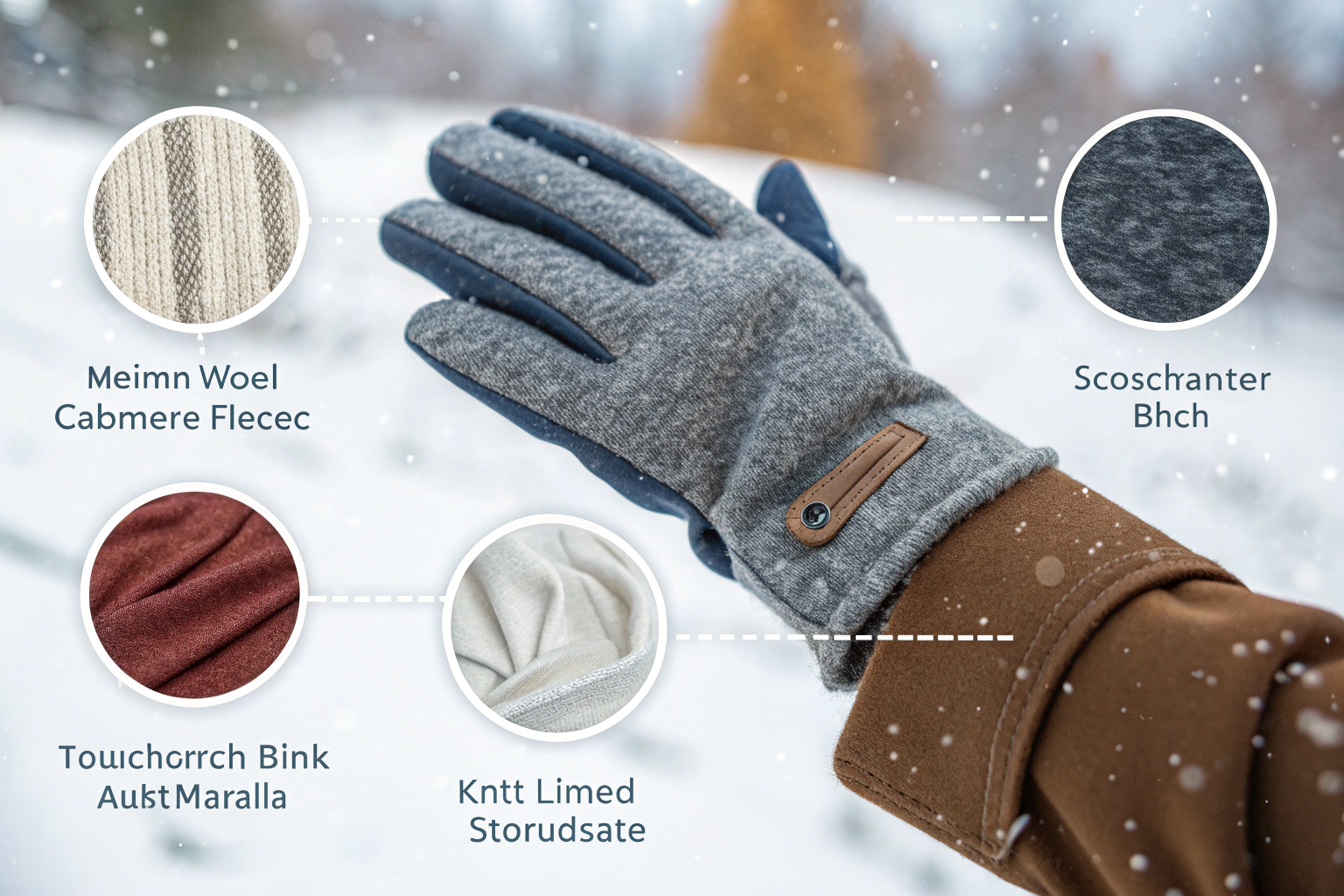
I learned about odor in gloves from a very honest customer. He told me he loved our gloves but couldn't wear them more than once without washing them. His hands sweat, and the smell was embarrassing. That conversation opened my eyes to a problem I hadn't fully appreciated. For many people, odor isn't just a minor issue. It's the difference between a glove they can wear regularly and one that sits in a drawer.
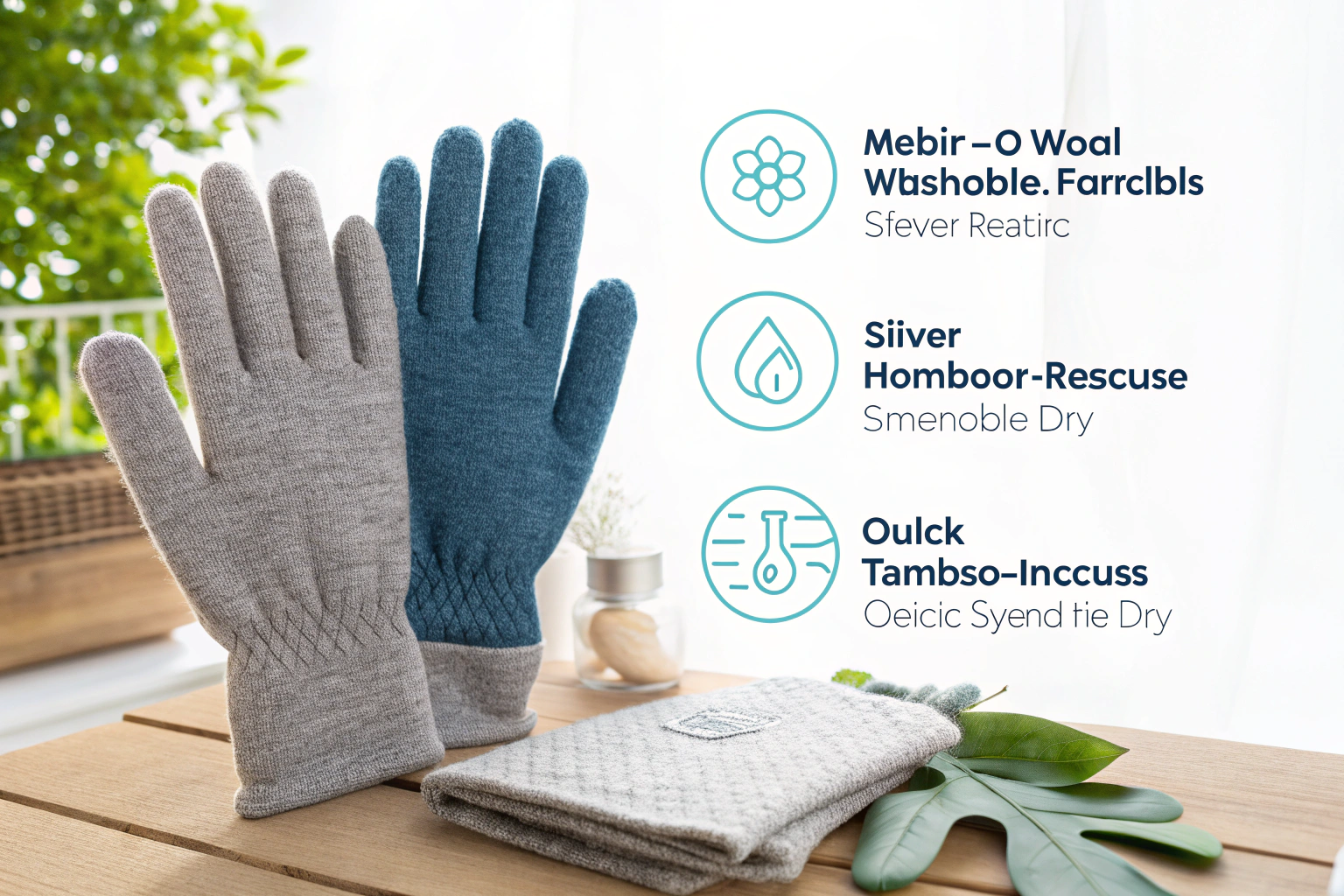
The best materials for odor-resistant and washable gloves include merino wool for natural antimicrobial properties, bamboo viscose for softness and odor control, silver-infused fabrics for advanced antimicrobial protection, and quick-dry synthetics for easy washing. The key is combining materials that resist odor with construction that stands up to repeated washing.
I'm the owner of Shanghai Fumao Clothing, and we run AceAccessory. We've spent years developing gloves that stay fresh and clean. Let me share what we've learned.
Why do gloves develop odors in the first place?
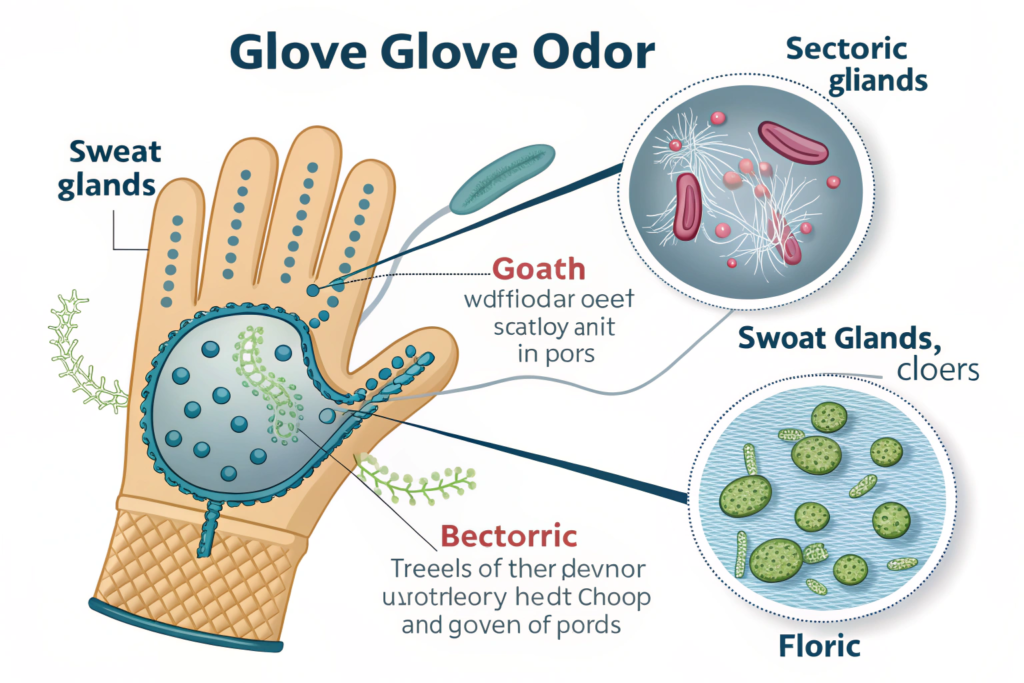
Odor in gloves comes from bacteria. Your hands sweat, especially when active. The sweat itself doesn't smell. But bacteria on your skin feed on the sweat and produce waste products. Those waste products are what we smell. The fabric traps both the moisture and the bacteria, creating an environment where odor can develop.
Some fabrics make this worse. Synthetic materials can trap moisture and provide a surface for bacteria to grow. Natural fibers may breathe better but can also hold odor if not treated. The solution is either materials that resist bacterial growth or fabrics that dry quickly so bacteria don't have the moisture they need. This understanding drives everything we do at Shanghai Fumao Clothing.
What role does sweat play in glove odor?
Sweat provides the food for bacteria. The more you sweat, the more bacteria can grow. Gloves that don't breathe trap sweat against your skin. This creates ideal conditions for odor. Fabrics that wick moisture away from the skin help reduce odor by removing the bacteria's food source. This moisture management is essential for odor control.
Do all fabrics hold odor equally?
No. Some fabrics are more hospitable to bacteria than others. Synthetics like polyester can provide a good surface for bacterial growth. They also tend to trap moisture. Natural fibers like cotton absorb moisture but can also hold odor. Wool is naturally antimicrobial. Some fabrics are treated with antimicrobial agents. The fabric choice makes a huge difference.
What makes merino wool naturally odor-resistant?
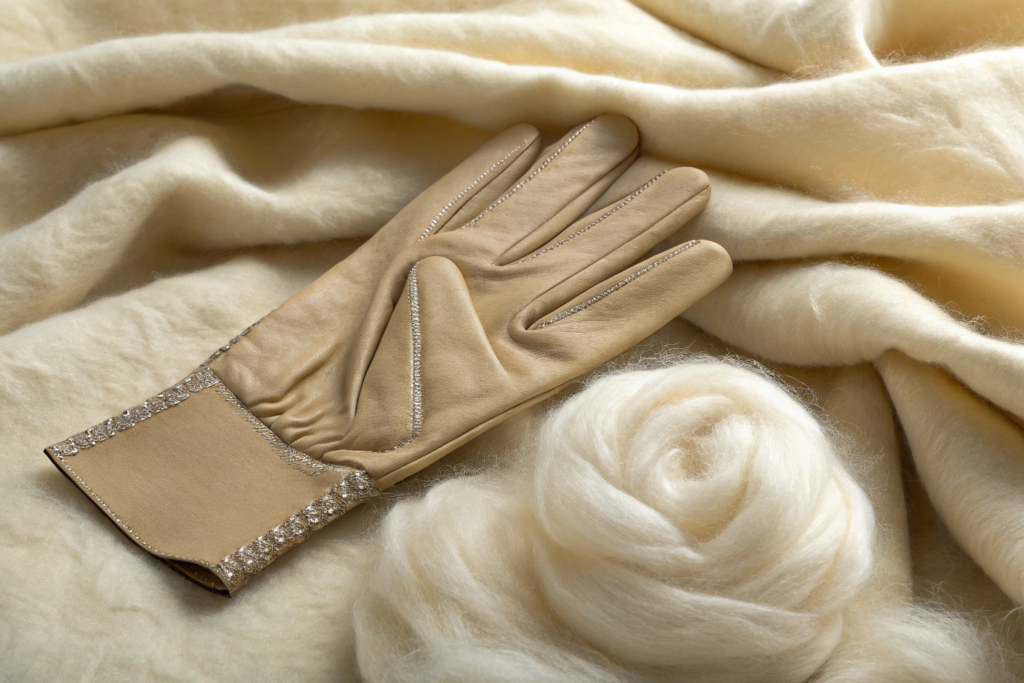
Merino wool is remarkable. It's naturally antimicrobial. Bacteria don't thrive on wool the way they do on synthetics. This means merino gloves can be worn multiple times without developing odor. It's a huge advantage.
The science is complex. Wool's structure traps odor-causing bacteria and then releases them when washed. It also absorbs moisture without feeling wet, reducing the damp environment bacteria need. And it has natural antimicrobial properties that inhibit bacterial growth.
How does merino's structure inhibit bacterial growth?
Wool fibers have a complex structure with scales and crimps. This structure binds moisture inside the fiber, not on the surface. Bacteria need surface moisture to thrive. By pulling moisture away from the surface, wool reduces the habitat for bacteria. The fiber's chemistry also plays a role. Wool contains compounds that are naturally antimicrobial.
Can merino gloves be worn multiple times between washes?
Yes, that's one of their best features. Many merino wool users wear their gloves for days or even weeks without washing, depending on use. The wool naturally resists odor. Of course, if you get them visibly dirty or wear them for intense activities, you'll want to wash them. But for normal use, merino stays fresh much longer than synthetics.
What about bamboo viscose for odor control?
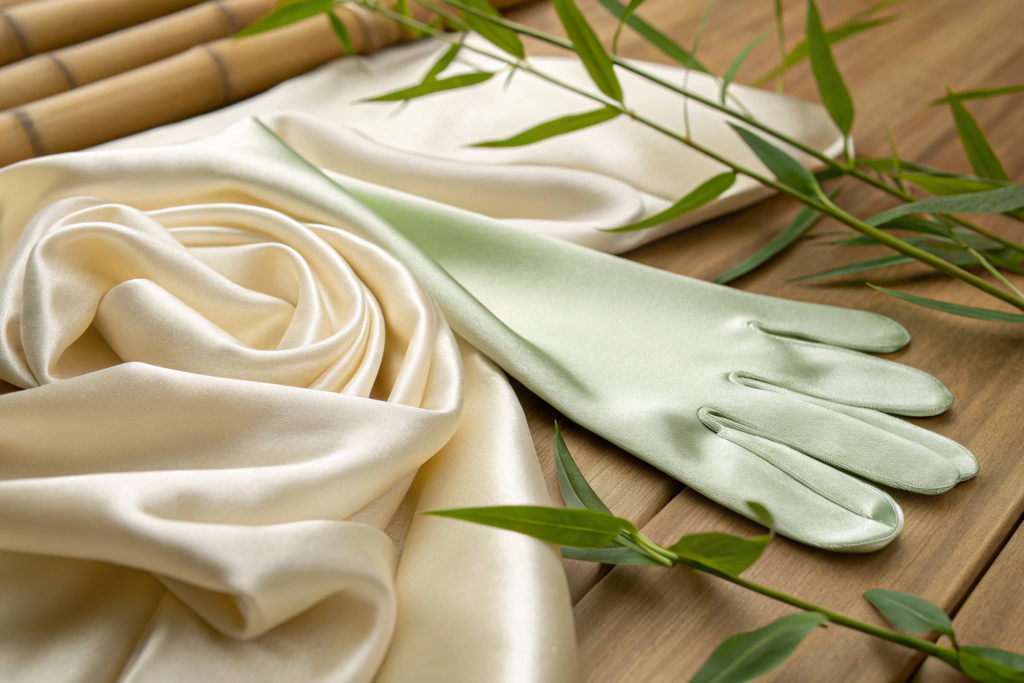
Bamboo viscose has become popular for its softness and sustainability. It also has natural odor-resistant properties. Bamboo contains an antimicrobial agent called "bamboo kun" that helps prevent bacterial growth. Even after processing into fabric, some of this property remains.
Bamboo fabric is also highly absorbent and breathable. It wicks moisture away from the skin, reducing the damp environment bacteria need. The combination of moisture management and natural antimicrobial properties makes it excellent for odor control.
Is bamboo viscose truly antibacterial?
The natural bamboo plant has antibacterial properties. When processed into viscose, some of these properties are retained, though not all. The degree of antibacterial activity depends on the manufacturing process. High-quality bamboo viscose maintains good odor resistance. It's not as powerful as silver-infused fabrics, but it's effective for everyday use. This bamboo guide explains more.
How does bamboo compare to cotton for odor control?
Bamboo is significantly better. Cotton absorbs moisture but holds it, creating a damp environment. Bamboo absorbs moisture and moves it away from the skin. It also has natural antimicrobial properties that cotton lacks. For gloves where odor might be an issue, bamboo is a much better choice than cotton. This fabric comparison helps you understand the differences.
What are silver-infused fabrics and how do they work?
Silver has been known for centuries as an antimicrobial agent. Today, it's engineered into fabrics. Microscopic silver particles are embedded in the fibers during manufacturing. These particles inhibit bacterial growth, preventing odor before it starts.
Silver-infused fabrics are highly effective. They work continuously, wash after wash. The silver doesn't wash out because it's part of the fiber itself. This makes them ideal for gloves that need to stay fresh through heavy use.
How long does silver's antimicrobial effect last?
With quality silver-infused fabrics, the effect lasts the lifetime of the garment. The silver is embedded in the fiber, not just coated on the surface. It doesn't wash out. Even after hundreds of washes, the antimicrobial protection remains. This durability makes silver-infused fabrics a premium choice.
Are silver-infused fabrics safe for all skin types?
Silver is generally safe and hypoallergenic. It's used in medical dressings and consumer products. Some people with extreme sensitivities might react, but it's rare. The amount of silver is tiny and bound within the fibers. It doesn't rub off on skin. For most people, it's completely safe. This safety information explains more.
What about quick-dry synthetics for washability?
Some synthetics are designed specifically for easy care. They dry quickly, which helps prevent odor. If bacteria don't have moisture, they can't thrive. Quick-dry fabrics may also be treated with antimicrobial agents for additional protection.
The advantage of synthetics is durability. They can withstand frequent washing better than some natural fibers. They're often less expensive. And they can be engineered for specific properties like stretch or wind resistance.

How do quick-dry fabrics prevent odor?
They remove the moisture that bacteria need. Quick-dry fabrics move sweat away from the skin and spread it over a larger surface area where it can evaporate quickly. The faster the fabric dries, the less time bacteria have to grow. Some quick-dry fabrics also have antimicrobial treatments for extra protection. This moisture management is key.
Can synthetic gloves be machine washed?
Yes, most synthetic gloves can be machine washed. Check the care label, but generally, gentle cycle with cold water and mild detergent works. Air drying is best to maintain shape and elasticity. The durability of synthetics makes them ideal for frequent washing. This care guide helps you wash them properly.
Conclusion
The best materials for odor-resistant and washable gloves offer different benefits. Merino wool provides natural antimicrobial properties and comfort. Bamboo viscose offers softness and natural odor control. Silver-infused fabrics deliver high-performance antimicrobial protection. Quick-dry synthetics combine easy care with moisture management. The right choice depends on your needs, your activities, and your preferences.
At Shanghai Fumao, we make gloves in all these materials. We understand the science of odor control and the importance of easy care. Our gloves are designed to stay fresh and clean, wear after wear. If you're looking for gloves that won't let you down, let's talk. Reach out to our Business Director, Elaine, at elaine@fumaoclothing.com. She'll connect you with a project manager who can help you find the perfect gloves for your needs.