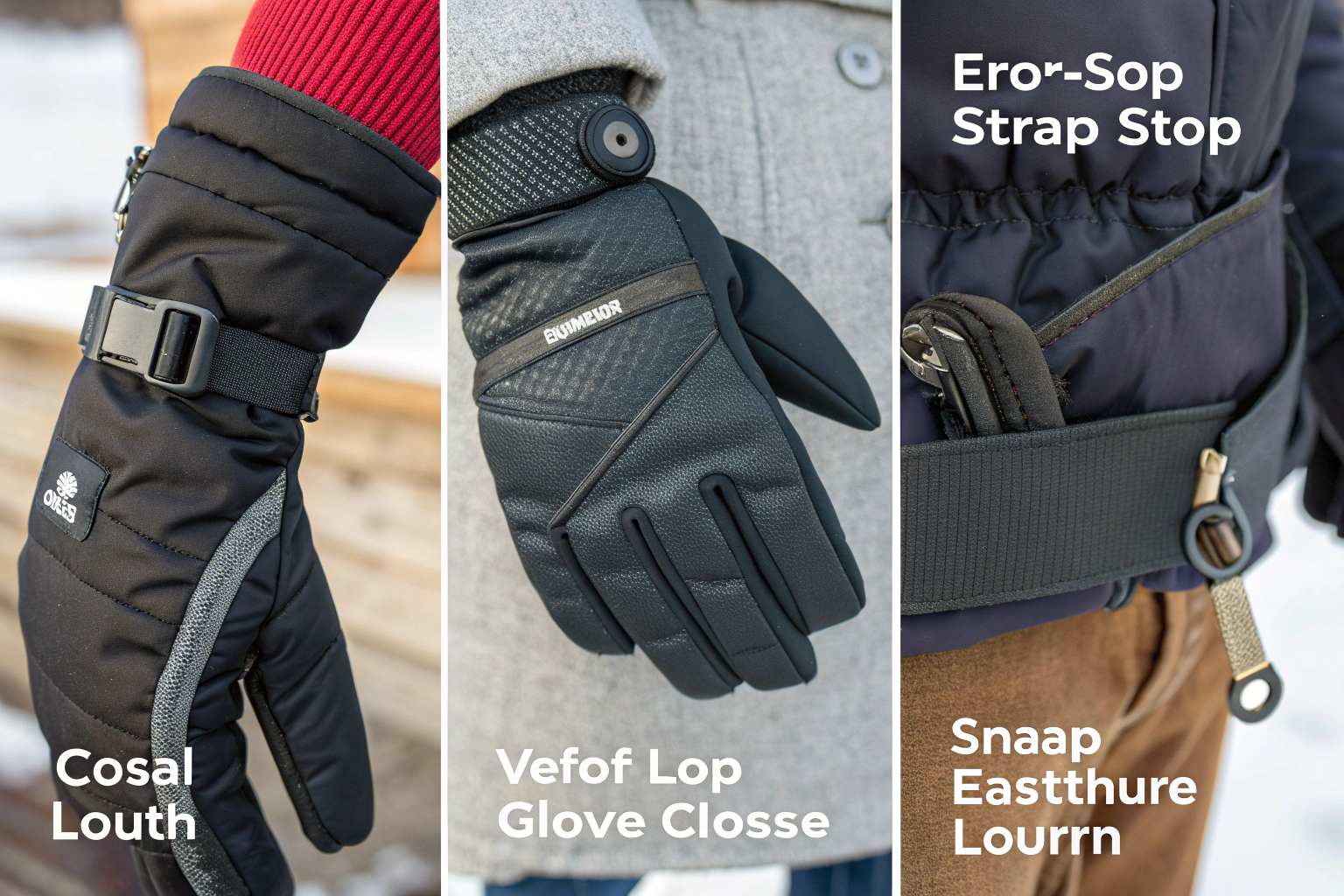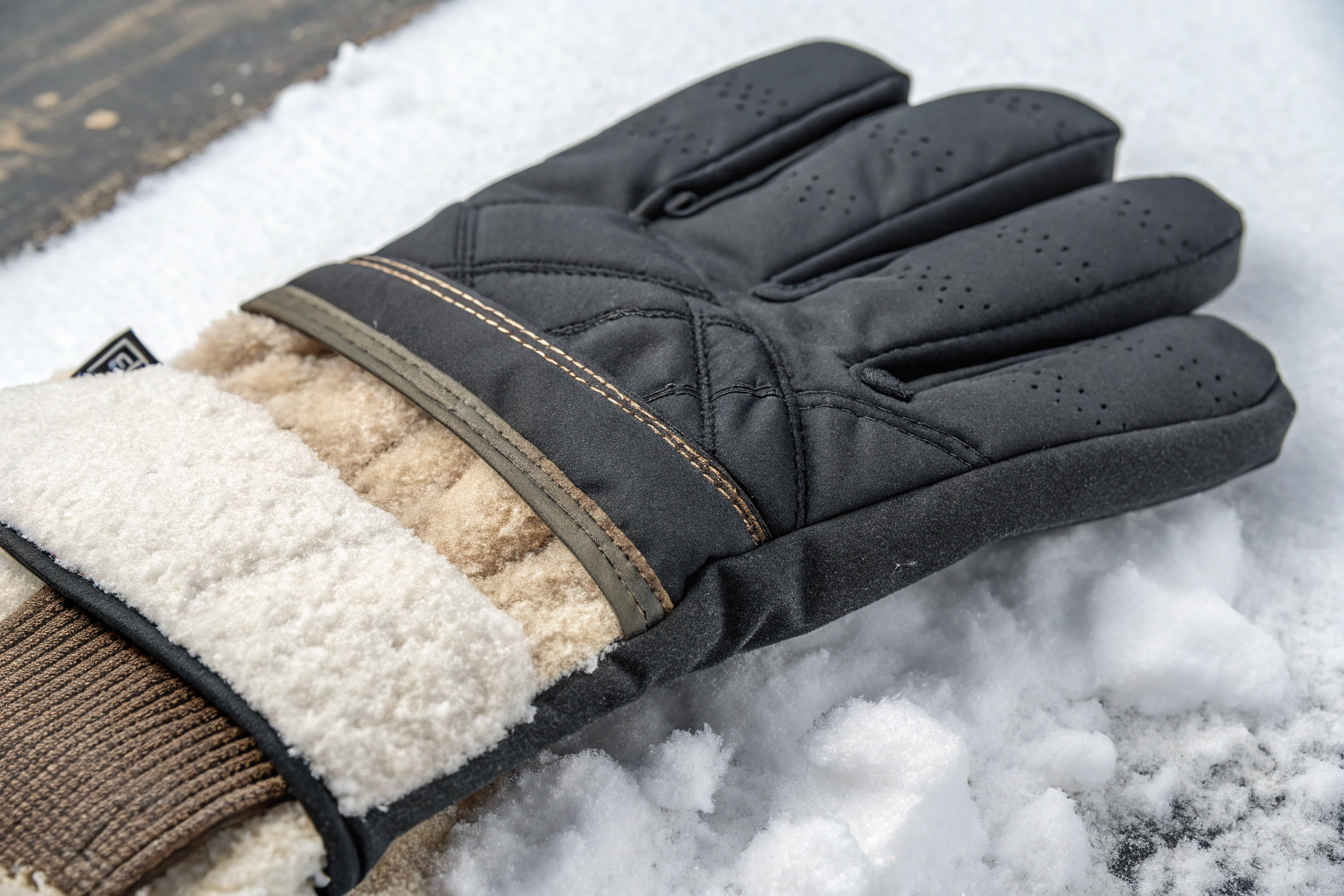
I've been making accessories for a long time, and I can tell you that gloves are one of the most technically challenging products we produce. A hat or a scarf is relatively simple. But a glove has to do so much more. It has to keep you warm, obviously. But it also has to allow you to move your fingers, to grip things, to use your phone. It has to be durable enough to withstand snow, wind, and friction. And it has to be comfortable enough to wear for hours.
Buyers like Ron, who source for outdoor brands, ski resorts, and major retailers, come to us with very specific performance requirements. They need gloves that will keep their customers warm in extreme conditions. They need materials that are proven to work. And they need construction techniques that ensure durability and dexterity. This is not an area where you can cut corners. A cold, unhappy customer is a lost customer.
At Shanghai Fumao Clothing, we've spent years mastering the art and science of glove making. We work with the best material suppliers. We test our gloves rigorously. We understand the nuances of insulation, waterproofing, and fit. In this post, I'll share my knowledge of the best materials for insulated and thermal winter gloves. Whether you're designing for extreme cold or just for a chilly city commute, this guide will help you make the right choices.
What Are The Best Insulating Fill Materials?
The heart of any thermal glove is its insulation. This is the material that traps your body heat and keeps the cold out. The choice of insulation is the single most important factor determining how warm the glove will be. There are two main categories: natural down and synthetic fills. Each has its own strengths and weaknesses, and the right choice depends on the intended use of the glove.
The insulation works by creating millions of tiny air pockets. Still air is an excellent insulator. The more air a material can trap, the warmer it will be. The challenge is to create a material that traps air effectively while still being lightweight, compressible, and able to function even when wet. Over the years, technology has advanced tremendously, giving us a wide range of high-performance options. For more on insulation technology, resources like PrimaLoft and 3M Thinsulate have excellent technical information.
What are the benefits and drawbacks of down insulation?
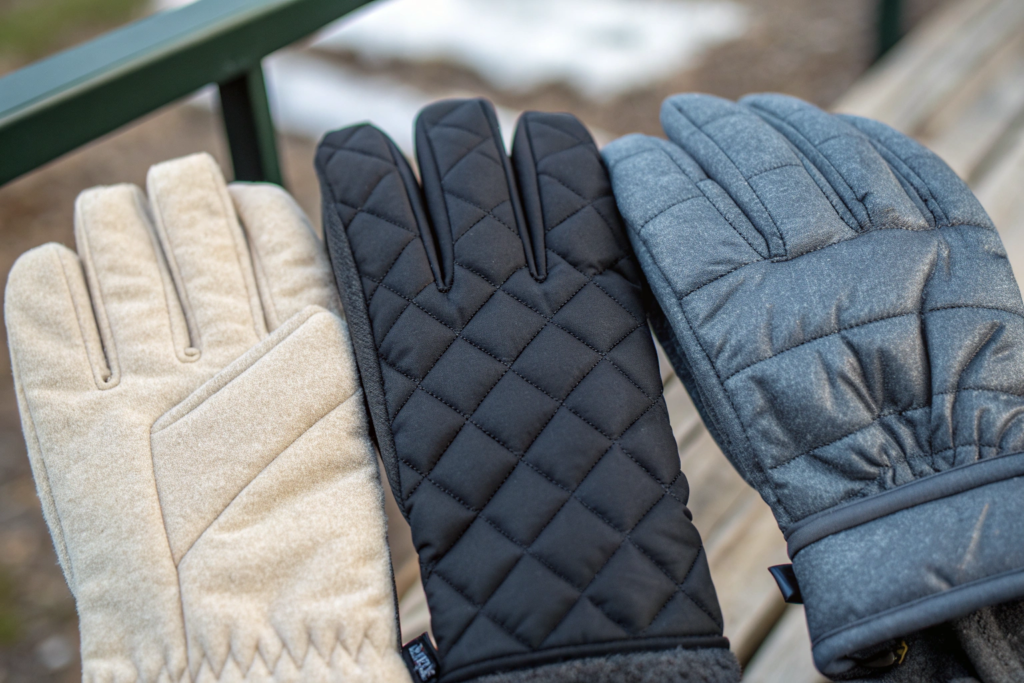
Down, which is the soft layer of feathers found under the tougher exterior feathers of ducks and geese, is nature's ultimate insulator. It has an incredible warmth-to-weight ratio. A down-filled glove can be extremely warm without being bulky or heavy. It's also highly compressible, making it easy to pack.
However, down has one major weakness: it loses almost all of its insulating power when it gets wet. Wet down clumps together, collapsing the air pockets and leaving you cold. It also takes a very long time to dry. For this reason, down is best suited for gloves that will be used in cold, dry conditions, or for gloves with a very reliable waterproof outer shell. It's also more expensive than most synthetics. A high-quality down-filled glove is a premium product for serious cold-weather use.
What are the best synthetic insulation brands like PrimaLoft and Thinsulate?
Synthetic insulations were developed to mimic the properties of down while overcoming its weakness: water resistance. They are made from ultra-fine polyester fibers that are engineered to trap air. The best-known brands are PrimaLoft and 3M Thinsulate, and they are the workhorses of the glove industry.
- PrimaLoft was originally developed for the U.S. Army to be a synthetic alternative to down that performs well even when wet. It's soft, lightweight, and compressible. It's often used in high-performance outdoor gear.
- Thinsulate is known for its excellent warmth-to-thickness ratio. It provides a lot of insulation in a very thin layer, which is perfect for gloves where dexterity is important. It's also very durable.
Both PrimaLoft and Thinsulate retain most of their insulating ability even when wet, and they dry much faster than down. They are also generally more affordable. For most winter gloves, especially those for active use, a high-quality synthetic fill is the best choice.
What Outer Shell Materials Provide The Best Protection?
The insulation keeps you warm, but the outer shell protects you from the elements. It has to be tough enough to withstand abrasion, windproof to stop the cold from cutting through, and ideally waterproof or water-resistant to keep the insulation dry. The choice of shell material is a balance between protection, durability, flexibility, and cost.
There is a huge range of outer shell materials, from natural leathers to high-tech synthetics. The best choice depends on what the glove will be used for. A glove for skiing has different requirements than a glove for casual city wear. At our factory, we work with a wide variety of shell materials to meet the specific needs of our clients. For more on textile performance standards, organizations like the American Society for Testing and Materials (ASTM) provide testing methods.
Why is leather still a top choice for durable gloves?
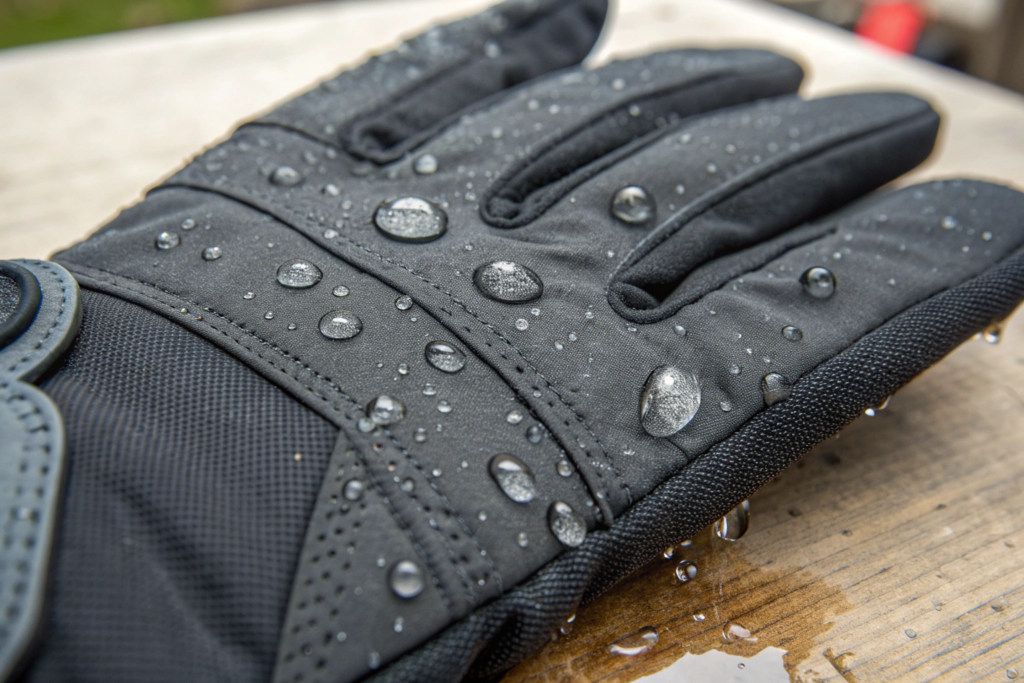
Leather has been used for gloves for centuries, and for good reason. It is incredibly durable, naturally wind-resistant, and, when treated, can be quite water-resistant. It also molds to the shape of your hand over time, creating a custom fit. Leather provides excellent grip, which is essential for activities like skiing, driving, or working.
The most common leathers for gloves are cowhide (very durable and abrasion-resistant), goatskin (soft, flexible, and also very durable), and deerskin (extremely soft and supple). For high-end winter gloves, a leather shell, often combined with a synthetic insulation and a soft lining, is a classic and highly effective choice. It offers a blend of durability, protection, and timeless style that synthetics struggle to match.
What are the advantages of modern synthetic shells like Gore-Tex?
Modern synthetic shells, particularly those made with membranes like Gore-Tex, offer performance that leather cannot match in some areas. The key advantage is breathable waterproofing. A Gore-Tex membrane has microscopic pores that are too small for liquid water to pass through, but large enough for water vapor (sweat) to escape. This means your hands stay dry from both outside moisture and internal perspiration.
Synthetic shells are also often lighter and more flexible than leather. They can be engineered with specific properties, like four-way stretch for better mobility. They are also usually easier to clean and care for. A glove with a Gore-Tex shell and a synthetic insulation is the ultimate in high-performance, all-weather protection. It's the choice for serious outdoor activities where staying dry and comfortable is paramount.
What Inner Linings Enhance Warmth And Comfort?
While the insulation provides the bulk of the warmth, the inner lining is what your skin actually touches. It plays a crucial role in comfort, moisture management, and how easy the glove is to put on and take off. A good lining should be soft, smooth, and help wick moisture away from your skin to keep you dry.
The choice of lining also affects the overall warmth of the glove. A thick, fleecy lining adds an extra layer of insulation. A thin, slick lining makes the glove easier to slide on and off, which is important if you need to remove your gloves frequently. We consider all of these factors when designing a glove. For more on textile fibers and their properties, Textile Exchange is a great resource.
What is the difference between fleece, microfleece, and brushed tricot linings?
These are all common lining materials, and they have slightly different properties:
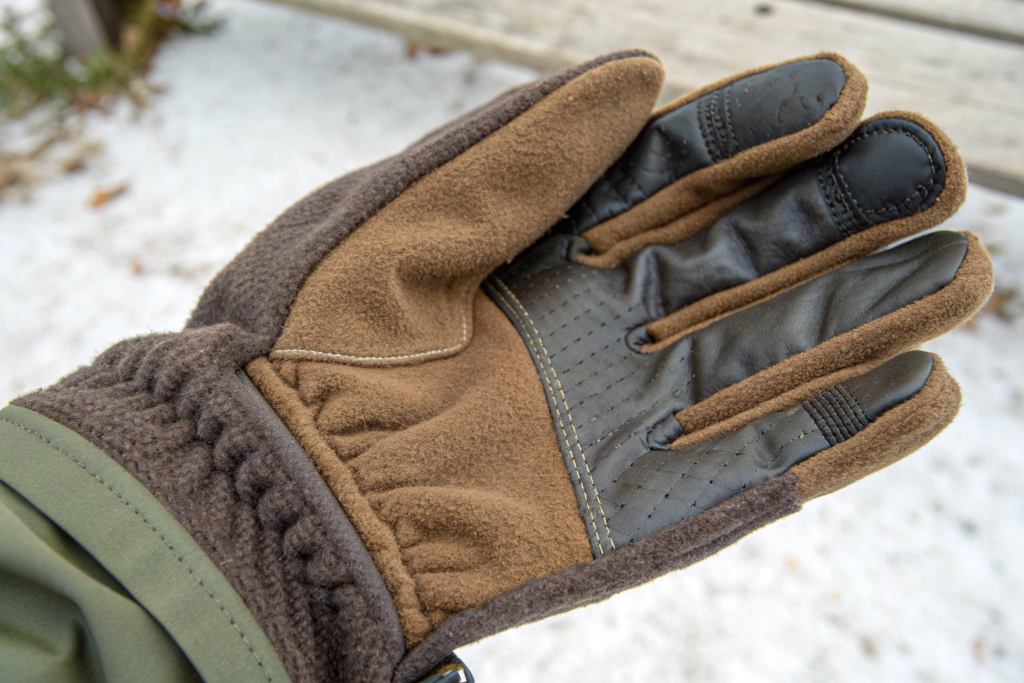
- Fleece: A general term for a soft, napped synthetic fabric. It's warm, comfortable, and dries quickly. It's a great all-around lining for casual and mid-weight gloves.
- Microfleece: A lighter, thinner, and even softer version of fleece. It provides warmth without bulk and is excellent for liners or for gloves where dexterity is important.
- Brushed Tricot: A knitted fabric that has been "brushed" on one side to create a soft, plush surface. It's very smooth and comfortable, and it's often used in higher-end gloves. It has a slightly more luxurious feel than standard fleece.
The choice depends on the glove's overall design. A thick, insulated glove for extreme cold might use a plush fleece or brushed tricot. A thin, dexterous glove for moderate cold might use microfleece.
How do moisture-wicking linings improve comfort?
When your hands sweat, that moisture sits against your skin. As it evaporates, it cools you down. In a cold environment, this can make you feel even colder and more uncomfortable. Moisture-wicking linings are designed to solve this problem.
These linings are made from synthetic fibers like polyester that are engineered to "pull" moisture away from your skin and move it to the outer layers of the glove, where it can evaporate. This keeps your skin drier and more comfortable. Many high-performance gloves, especially those for active use, now feature moisture-wicking linings. It's a small detail that makes a huge difference in all-day comfort.
How Do You Choose The Right Combination For Different Uses?
There is no single "best" material for all gloves. The right combination of shell, insulation, and lining depends entirely on how the glove will be used. A glove for a bitter cold ski day has very different requirements than a glove for a chilly commute to the office. Understanding these use cases is the key to designing a successful product.
At our factory, we always start by asking our clients: "What will your customer be doing in these gloves?" The answer guides every subsequent decision. Are they standing still at a football game, or are they actively skiing? Will they be exposed to snow, or just cold, dry air? Do they need to use their phone without taking the glove off? These questions are essential. For more on human factors and thermal comfort, organizations like ASHRAE provide research and standards.
What is the best glove material for extreme cold and snow?
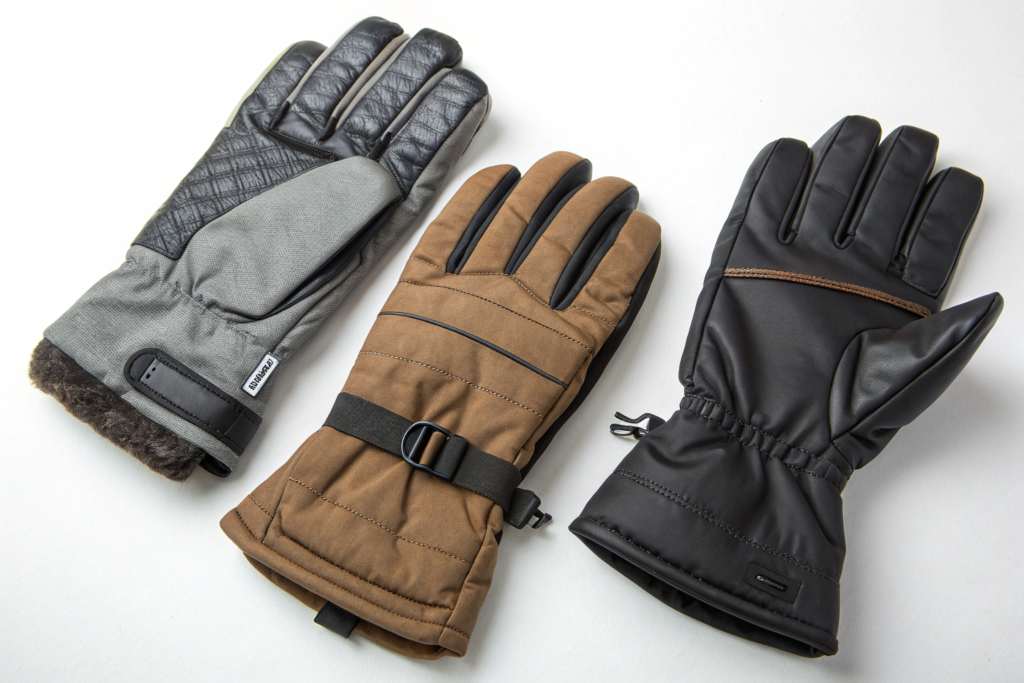
For extreme cold and wet conditions (think skiing, snowboarding, or ice fishing), you need a glove that prioritizes protection. The best combination is:
- Outer Shell: A waterproof and breathable membrane like Gore-Tex, combined with a durable outer fabric like nylon or a leather palm for grip and abrasion resistance.
- Insulation: A high-loft synthetic insulation like PrimaLoft Gold or a thick layer of down (if you can guarantee it will stay dry).
- Lining: A moisture-wicking fleece or brushed tricot.
This combination will keep your hands warm, dry, and comfortable even in the harshest conditions. The glove will also need features like a long gauntlet cuff to seal out snow, and pre-curved fingers for a natural grip.
What is the best material for everyday winter city wear?
For everyday use around town, style and comfort become more important, and the extreme performance of a ski glove is often overkill. A great choice is:
- Outer Shell: Soft, supple leather (like goatskin or deerskin) or a stylish wool-blend fabric.
- Insulation: A moderate amount of synthetic insulation like Thinsulate, which provides warmth without bulk.
- Lining: A soft, cozy fleece or a smooth, luxurious lining like silk or rayon.
These gloves will keep you warm on a cold day, look great with your coat, and be comfortable enough to wear for hours. They may not be fully waterproof, but they will be water-resistant enough for light snow and rain. A leather winter glove is a classic, stylish, and practical choice for city life.
Conclusion
Choosing the right materials for insulated winter gloves is a complex but fascinating process. As we've seen, each component—the insulating fill, the outer shell, and the inner lining—plays a vital role in the glove's overall performance. From the unparalleled warmth of down to the reliable, all-weather performance of PrimaLoft and Gore-Tex, the options are vast. The key is to understand the end use and to select the combination of materials that best meets the wearer's needs.
At Shanghai Fumao Clothing, we have deep expertise in glove manufacturing. Our factory in Zhejiang produces thousands of pairs of gloves each year, for every possible use case. We work with leading suppliers of insulation, shell fabrics, and linings. Our design team and experienced project managers can guide you through the material selection process, helping you create gloves that are perfectly suited to your target market.
If you're ready to develop a new line of winter gloves, or if you have questions about the best materials for your specific project, let's talk. Please contact our Business Director, Elaine, at elaine@fumaoclothing.com. We'll help you create gloves that keep hands warm, dry, and comfortable, no matter the conditions.