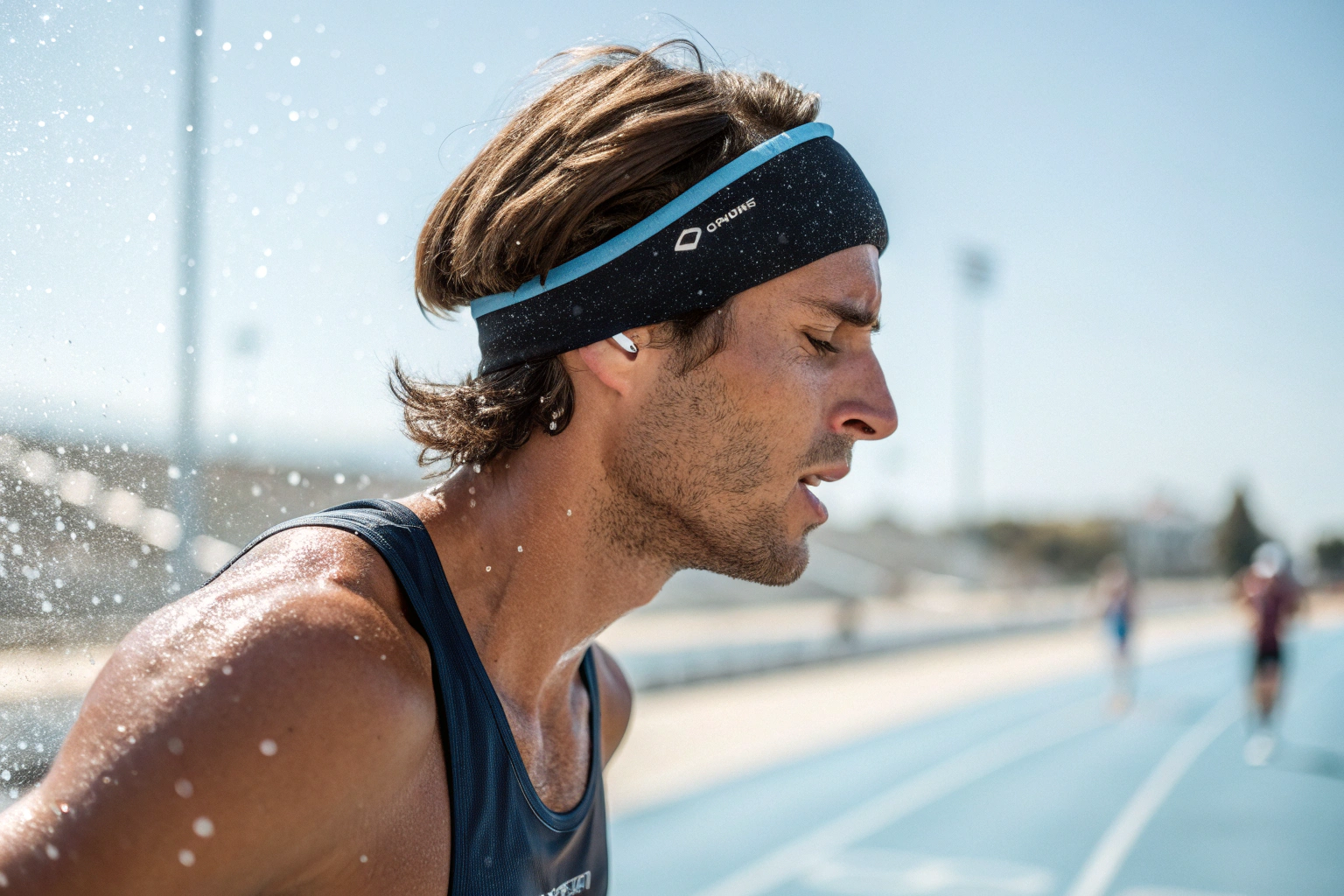
I learned about the importance of cooling headwear the hard way. During a factory tour in summer, I wore a regular cotton headband to keep sweat out of my eyes. Within an hour, it was soaked through and useless. The heat was unbearable. One of our workers handed me a sample of a new cooling gel headband we were developing. The difference was immediate and dramatic. I have been a believer ever since.
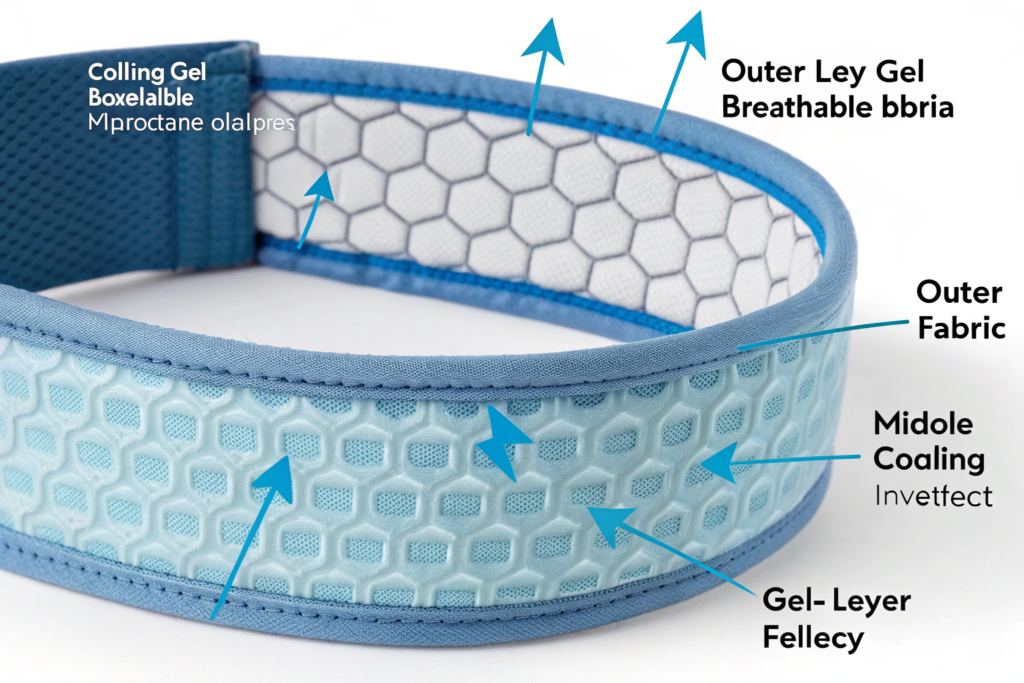
The best materials for cooling gel-infused sports headbands combine high-absorbency fabrics with phase-change materials or hydrogel polymers that provide active cooling. Outer layers typically use polyester or nylon blends for moisture wicking and durability. Inner cooling layers use non-toxic gel formulations that activate with water or sweat, providing hours of temperature regulation during intense activity.
At AceAccessory, we have spent years perfecting our cooling headband designs. We tested dozens of gel formulations, fabric combinations, and construction methods. Athletes have different needs than casual users. Runners need different performance than tennis players. Understanding these variations helps us match materials to applications. Let me share what we have learned about creating effective cooling headwear.
What Makes Cooling Gel Technology Work For Sports?
Cooling gel technology relies on the fundamental principles of basic physics, a dance of heat and moisture that feels like a gentle breeze on a sweltering day. Water, that life-giving element, absorbs heat as it undergoes the transformation of evaporation, turning from a liquid into a vapor that carries away warmth, leaving a refreshing chill in its wake.
Gel materials, with their porous, sponge-like structures, act as tiny reservoirs, holding water within their matrix like a secret garden of coolness. As the gel interacts with the skin or environment, it releases this trapped water slowly, not in a sudden rush, but in a steady, soothing flow.
How do phase-change materials differ from hydrogel cooling?
Phase-change materials (PCMs) absorb and release heat at specific temperatures. They melt at a certain point, absorbing large amounts of heat in the process. They solidify as they cool, releasing that heat elsewhere. This creates a buffering effect against temperature spikes.
Hydrogel cooling works differently. Polymer networks hold water in a semi-solid state. Water evaporates from the gel surface, drawing heat from the skin. The gel structure controls evaporation rate, extending cooling duration. Both approaches have advantages. PCMs provide consistent temperature without needing reactivation. Hydrogels cool more intensely but eventually dry out. Some premium products combine both technologies. Phase change material science provides technical background on these materials. Shanghai Fumao Clothing offers both options for different applications.
What cooling duration can athletes expect?
Cooling duration varies with conditions. Temperature, humidity, activity level, and individual sweat rates all affect performance.
In typical conditions, quality hydrogel headbands provide 30 minutes to 2 hours of active cooling. The gel absorbs sweat and uses it for continued cooling. When the gel dries, cooling stops until reactivation. Some designs allow reactivation by wetting with water. PCM headbands provide cooling for 1-2 hours depending on ambient temperature and phase change point selected. We match technology to activity duration. Short intense workouts need different solutions than marathon running. Sports science research informs our duration targets.
What Outer Fabric Materials Work Best?
The outer fabric must do multiple jobs. It holds the gel layer in place, a silent guardian ensuring the cool, soothing substance doesn't seep or shift, maintaining its intended therapeutic embrace. It contacts skin at the edges, where the softness of the material meets the warmth and texture of human flesh, creating an intimate connection that can either soothe or irritate. It affects comfort, durability, and appearance—whether it feels like a second skin, stands up to daily wear and tear, or catches the light in a way that makes the product feel premium.
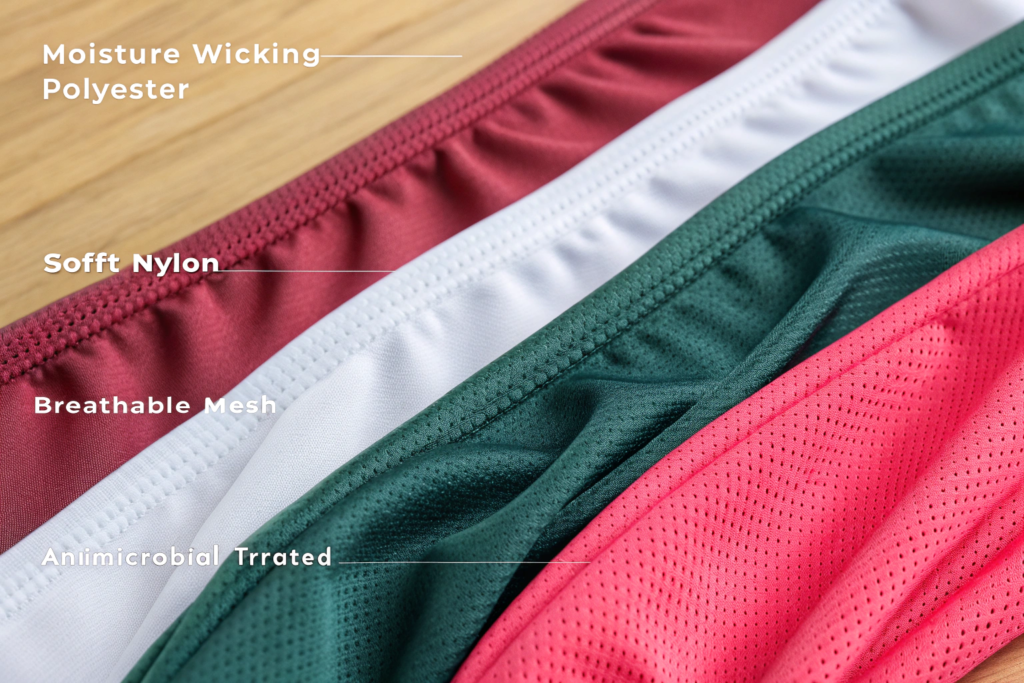
Why is polyester the dominant choice for sports applications?
Polyester dominates activewear for good reasons. It wicks moisture away from skin. It dries quickly. It resists stretching and shrinking. It takes color brilliantly and holds it through repeated washing.
For cooling headbands, polyester's moisture-wicking property proves essential. It moves sweat from skin to the gel layer, providing water for continued cooling. Without good wicking, sweat runs down the face instead of feeding the cooling system. Different polyester constructions affect performance. Microfiber polyester maximizes surface area for wicking. Textured polyester feels softer against skin. We select based on application requirements. Polyester fiber properties guide our material choices.
What role do antimicrobial treatments play?
Sports headbands trap sweat and warmth. This creates ideal conditions for bacterial growth. Bacteria cause odor and can lead to skin irritation.
Antimicrobial treatments inhibit bacterial growth. Silver ion treatments are common and effective. They bond to fabric fibers and release ions that disrupt bacterial cell membranes. Treatments must withstand repeated washing. Quality antimicrobial finishes last the life of the garment. Some natural alternatives use chitosan or zinc. We offer multiple options based on client preference and budget. Antimicrobial textile standards guide our testing protocols. Shanghai Fumao Clothing validates antimicrobial claims through third-party testing.
What Gel Formulations Provide Optimal Cooling?
The gel layer, a shimmering, translucent membrane that pulses with latent energy, stands as the very heart of the cooling system. It is here, within this delicate yet powerful substance, that the essence of the system's performance is forged. Its composition—crafted through meticulous formulation science—dictates not only the system's cooling capacity, but also the duration of its soothing embrace and the unwavering safety it provides.
The chemistry within this gel is a symphony of precise ratios and molecular harmony; getting it right is essential, for even the slightest miscalculation can transform a life-giving balm into a source of peril. Each component, from the cooling agents that dance to lower temperatures to the stabilizers that ensure longevity, plays a vital role in creating a substance that feels cool against the skin, lasts through the hottest days, and remains gentle, never harsh, in its touch.
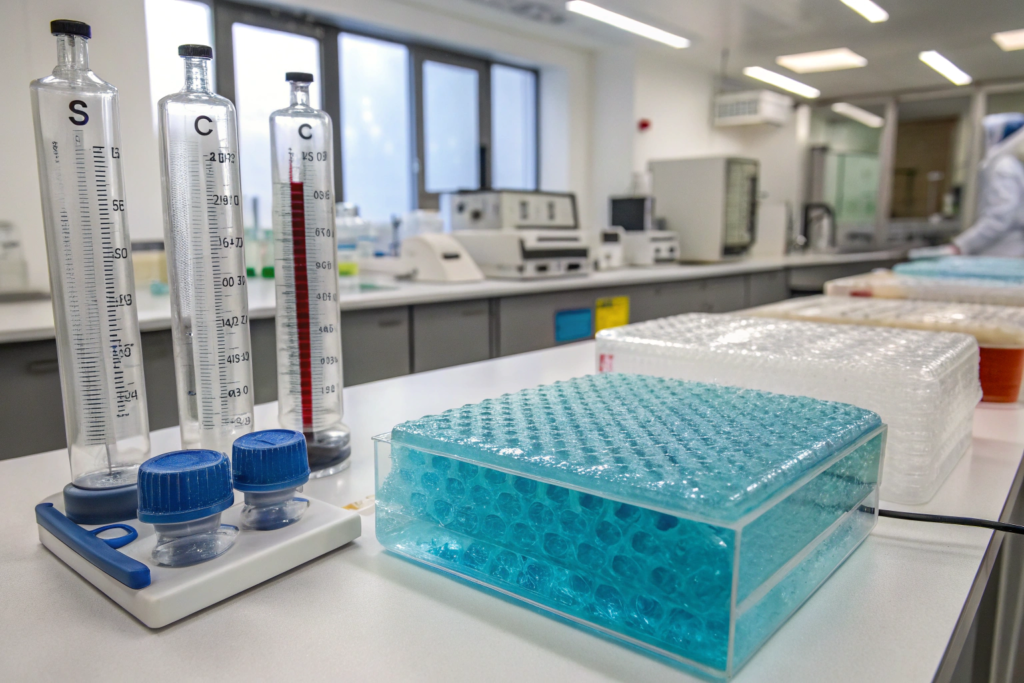
What makes hydrogel formulations safe for skin contact?
Skin safety comes first. Hydrogels must be non-toxic, non-irritating, and pH balanced. They should not support bacterial growth during use.
Medical-grade polymers provide the safest foundation. Polyacrylate superabsorbent polymers, similar to those in wound dressings, work well. They hold large water volumes and release gradually. Formulations avoid harmful additives. Preservatives prevent microbial growth but must be skin-safe. We test all gel materials for skin irritation and sensitization. Third-party laboratory verification provides confidence. Medical device material standards guide our safety protocols.
How do you control cooling duration through gel formulation?
Gel chemistry affects evaporation rate. Higher polymer concentrations release water more slowly, extending cooling. Lower concentrations release faster, cooling more intensely but briefly.
Additives modify performance. Humectants like glycerin attract moisture, helping gels stay hydrated longer. Cross-linking density affects how tightly polymers hold water. We tune formulations to target applications. Tennis players need different duration than runners. Hot dry climates need different formulations than humid environments. Our laboratory develops custom formulations for large-volume clients with specific requirements. Polymer science resources inform our development work.
How Do You Ensure Comfort During Intense Activity?
Cooling means nothing if the headband is uncomfortable. A sleek, sweat-wicking fabric might promise relief from sweltering heat, but if it digs into temples, slides down a sweaty forehead, or feels like a heavy shackle around the skull, athletes will reach for it only once—then toss it aside. Fit, weight, and edge treatment all affect whether athletes will actually wear the product. A headband that’s too tight constricts blood flow, leaving a throbbing ache; one that’s too loose slips off during sprints, defeating its purpose.
Weight matters too—a bulky, waterlogged band feels like an anchor, dragging down focus and performance. And rough, unhemmed edges? They rub raw against sensitive skin, turning a potential ally into a source of irritation. Comfort drives compliance. When a headband sits gently, conforms to the contours of the face, and feels as light as a whisper, athletes forget they’re wearing it.
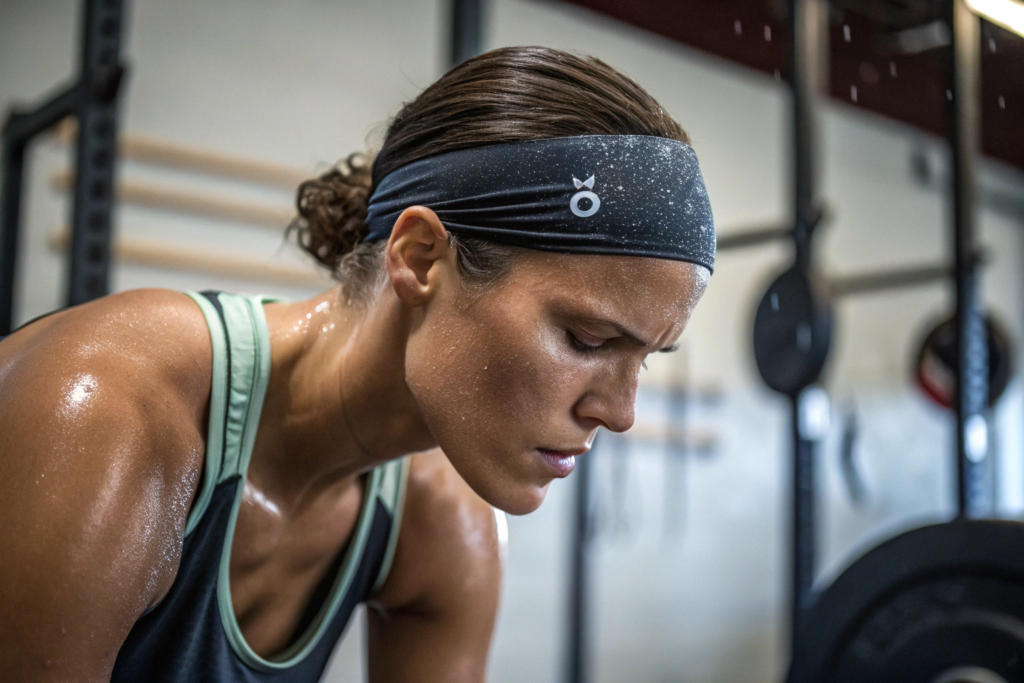
What width and fit work best for different activities?
Width affects both cooling coverage and comfort. Wider headbands cover more skin, cooling larger areas. They also trap more heat if too wide. Narrower bands feel less intrusive but cool less.
Fit must accommodate head movement without slipping. Elastic construction with spandex or elastane provides stretch that maintains contact. Silicone grip strips on inner surfaces prevent sliding without excessive tightness. Adjustable closures allow personalized fit for varied head sizes. We test fit during simulated activity using motion capture and head forms. Products that slip during testing get redesigned. Ergonomics in sportswear guides our fit development.
What weight considerations affect athletic performance?
Weight matters for athletes. Every gram adds load. Heavy headbands bounce during running, distracting and annoying.
Gel adds weight unavoidably. Minimizing gel volume while maintaining cooling requires optimization. Strategic gel placement cools critical areas without covering entire head. Edge-to-edge gel adds unnecessary weight. Patterned gel applications cool where needed while reducing total mass. Fabric selection affects weight too. Lightweight polyester minimizes burden. We balance cooling performance against weight penalties based on activity. Marathon runners need lighter weight than yoga practitioners. Sports equipment weight studies inform our design targets. Shanghai Fumao Clothing engineers for minimal weight without compromising cooling.
How Do You Test Cooling Performance Consistently?
Cooling claims demand tangible proof; fleeting, subjective whispers of 'feels cool' are but shadows, insufficient to anchor a product's promise. Objective testing, a rigorous dance of data and precision, transforms vague sensations into concrete evidence that not only substantiates bold marketing assertions but also serves as a compass, guiding the very evolution of product design and innovation. This process of empirical validation is the cornerstone upon which credibility is built—turning skeptical glances into trusting nods, and ephemeral impressions into lasting confidence in a product's ability to deliver on its cooling promise.
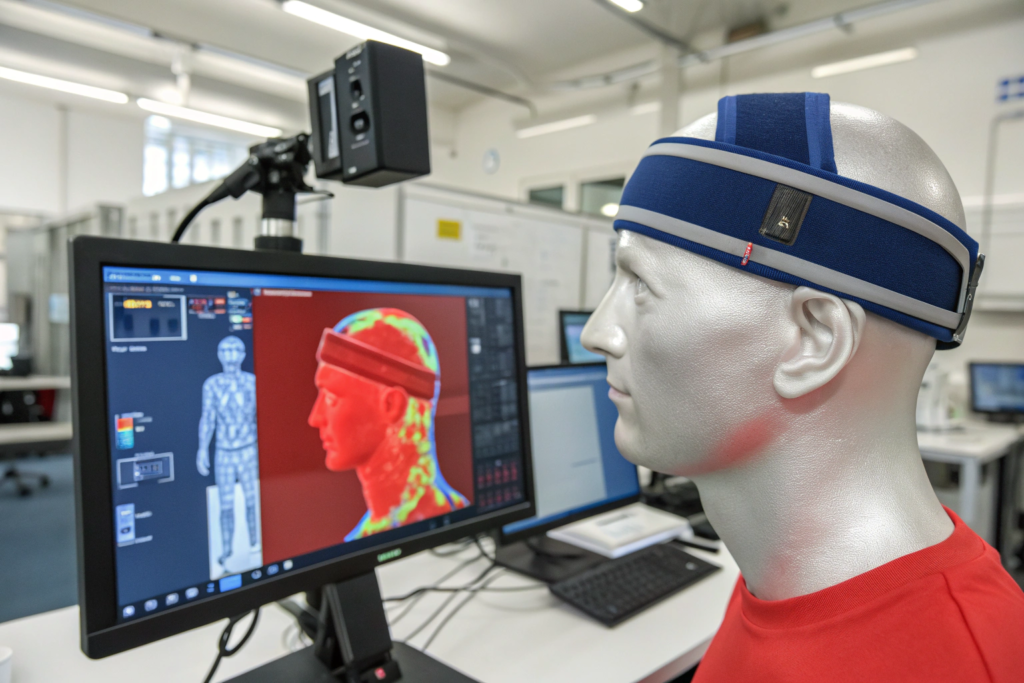
What laboratory methods measure cooling effectiveness?
Thermal imaging cameras measure surface temperature before, during, and after cooling. Controlled environment chambers maintain consistent conditions for comparison.
We use heated head forms that simulate skin temperature. Temperature sensors measure cooling at multiple points. Data logging records temperature over time, showing cooling curves and duration. Sweat simulation systems apply artificial sweat at controlled rates, mimicking real activity. These objective measurements quantify performance differences between materials and designs. ASTM thermal testing standards provide protocols we follow.
How do wear trials validate laboratory results?
Laboratory tests cannot capture everything. Real athletes in real conditions provide feedback that machines cannot.
We conduct wear trials with athletes of different fitness levels and sweat rates. They wear headbands during typical activities and report on comfort, cooling perception, and durability. We collect both subjective feedback and objective data like skin temperature before and after. Comparing wear trial results with laboratory measurements helps us refine both testing methods and product designs. Human subjects research guidelines ensure ethical trial conduct.
Conclusion
Cooling gel headbands combine multiple technologies into simple products. Outer fabrics manage moisture and provide comfort. Gel formulations deliver sustained cooling through evaporation. Construction methods ensure secure fit without chafing. Testing verifies performance claims. Packaging preserves effectiveness through distribution.
At AceAccessory, we have developed expertise across all these areas. We work with athletes to understand real-world needs. We collaborate with material scientists to optimize formulations. We test rigorously to ensure products perform as promised. The result is headbands that keep athletes cool, comfortable, and focused on performance.
If you are developing cooling headwear for sports applications, I invite you to reach out. Let us discuss your target activities, your performance requirements, and your market positioning. We can show you what science-based cooling product development looks like.For new projects and inquiries, please contact our Business Director, Elaine, directly at elaine@fumaoclothing.com. We look forward to helping you create cooling products that athletes love.