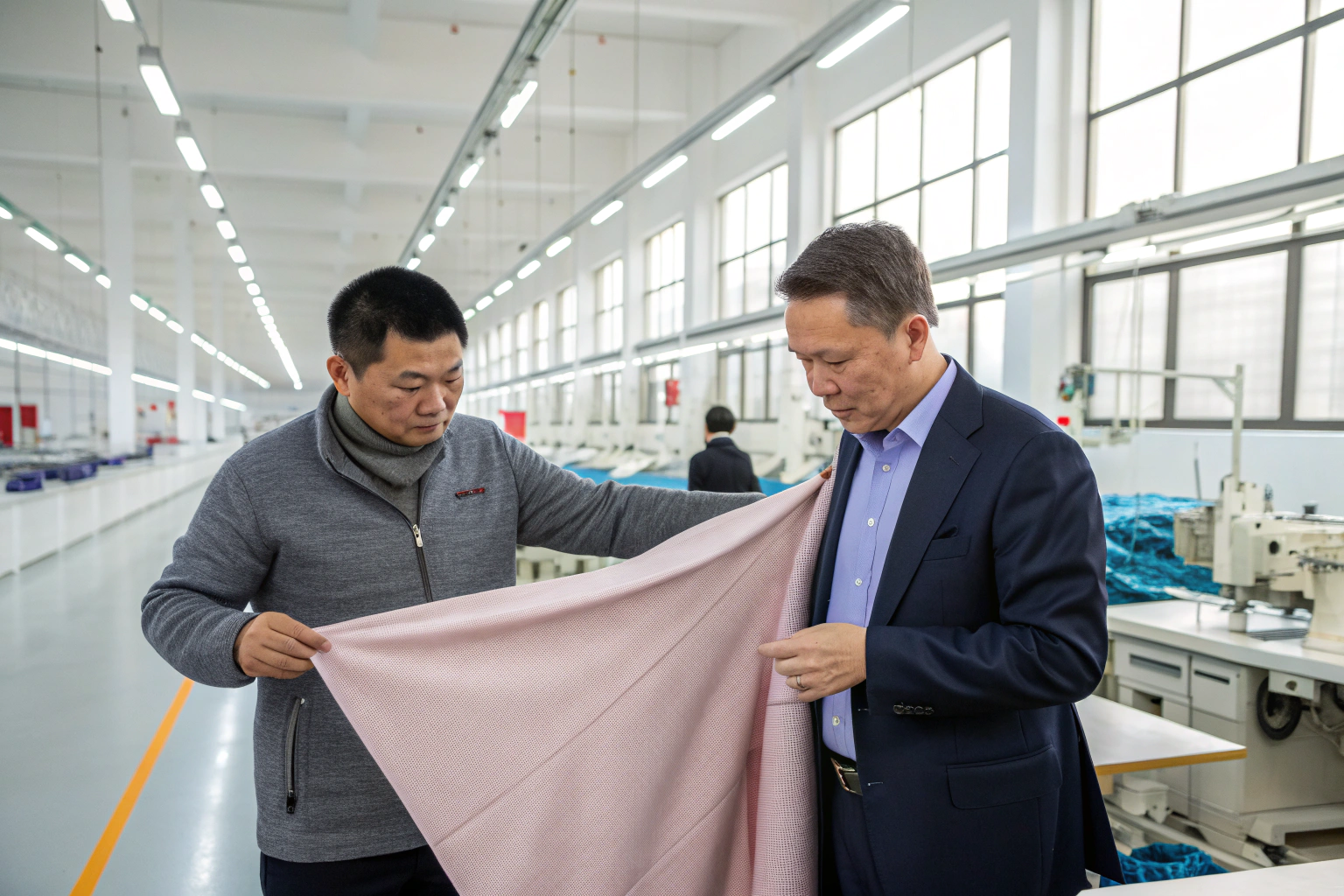
Have you ever bought a beautiful scarf only to be frustrated by the "wrong" side showing? The back of a printed scarf is often pale and unfinished, and keeping it hidden can be a constant struggle. As a manufacturer, this is a common complaint I hear from clients like Ron, a buyer from the US. He's looking for high-quality, versatile products, and a scarf that's only attractive from one side feels like a compromise.
The best fabrics for reversible scarves and shawls are double-faced materials, where two distinct layers of fabric are woven together to create a single, two-sided textile. The most popular and effective combinations are silk/wool, cotton/cashmere, and modal/wool blends, as they offer a luxurious feel, contrasting textures, and year-round versatility.
For decades, my factory has specialized in creating these sophisticated textiles. A reversible scarf isn't just two pieces of fabric sewn together; it's a single, intricately woven product that offers two distinct looks in one. In this article, I'll explain the technology behind double-faced fabrics and explore the best material combinations that provide the ultimate in style, comfort, and value.
Why Choose a Reversible Scarf?
Why is reversibility such a sought-after feature? The problem with standard, single-sided scarves is that they limit your styling options and can look messy. No matter how carefully you drape it, the less attractive back side inevitably peeks through, cheapening the overall look.
The choice to opt for a reversible scarf is about maximizing versatility and value. A reversible scarf effectively gives you two accessories in one, often featuring a pattern on one side and a complementary solid color on the other. This allows for multiple styling options from a single piece and ensures that no matter how you wear it, it always looks polished and intentional.
At my factory, Shanghai Fumao Clothing, we see reversible scarves as a smart investment for the consumer. It's a product that offers double the style possibilities, making it a highly marketable item for the brands we work with. Let's delve into the practical benefits that make these scarves so appealing.
How does a reversible scarf offer more styling options?
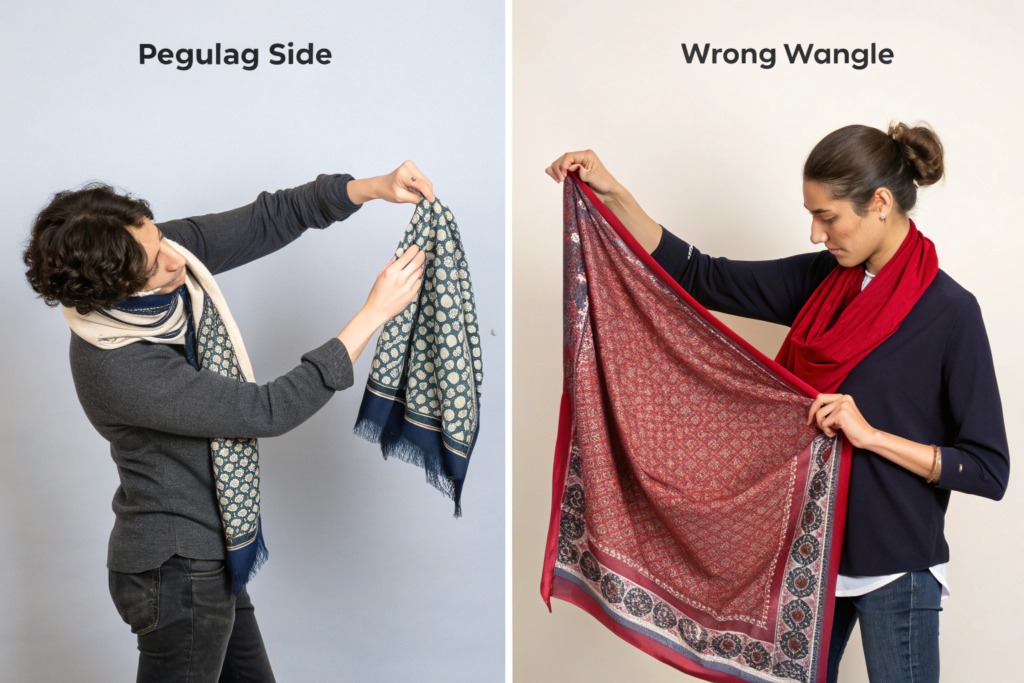
A reversible scarf is a chameleon in your wardrobe. The dual-sided design allows you to switch up your look based on your outfit or mood. For example, you can wear the patterned side facing out for a bold statement. The next day, you can wear the solid-colored side out for a more subtle, classic look.
But the real magic happens when you style it to show both sides at once. A simple loop around the neck can reveal flashes of both the pattern and the solid color, creating a rich, layered effect that looks incredibly chic and complex. This versatility makes it an ideal travel accessory, as one scarf can be adapted for multiple outfits, saving precious luggage space. Fashion blogs like Refinery29 often showcase these creative styling techniques.
Does "reversible" mean higher quality?
Generally, yes. The process of creating a double-faced fabric is far more complex and costly than producing a simple, single-sided textile. It requires specialized looms and a higher degree of technical skill to weave two layers of fabric together into one seamless piece. This intricate construction is, in itself, a hallmark of a higher-quality garment.
Furthermore, because both sides of the fabric are meant to be seen, manufacturers cannot cut corners on the finishing of either side. Both surfaces must be perfectly executed. When you purchase a reversible scarf, you are typically investing in a product that has undergone a more rigorous design and production process, resulting in a more luxurious and durable accessory. This commitment to quality is a standard for us and a key reason why understanding textile production, through resources like the Textile Institute, is so important.
What is a "Double-Faced" Fabric?
How can two different fabrics be one? This is the technical marvel behind a true reversible scarf. It's not simply two scarves sewn back-to-back, which would be bulky and have clumsy seams. A true reversible scarf is made from a "double-faced" or "double-cloth" fabric.
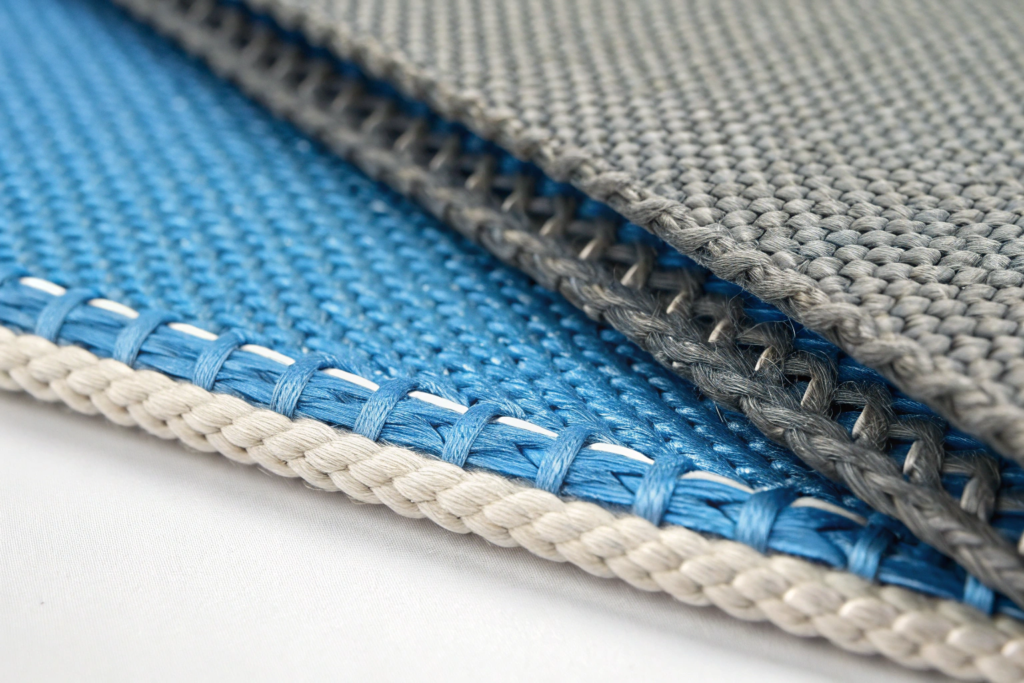
A double-faced fabric is a single textile composed of two distinct layers of fabric that are woven together on the loom at the same time. These two layers are interlocked by a separate set of binder threads that are hidden between the layers, creating a seamless, integrated textile with two different faces. This allows for different colors, patterns, or even different materials on each side. This advanced weaving technique is a specialty of our factory. It allows us to create incredibly versatile and luxurious products. Let's look closer at how this process works and why it's superior to simpler methods.
How is it different from a printed scarf?
A standard printed scarf starts as a plain, single-layer piece of fabric, usually in a light color. A design is then printed onto one side of it. This process is quick and cost-effective, but the ink rarely penetrates all the way through the fabric. This leaves the back side looking pale and unfinished—the dreaded "wrong side."
A double-faced fabric, by contrast, gets its design from the yarns themselves. The colors and patterns are woven directly into the cloth. This is known as "yarn-dyed" or "jacquard" weaving. Because the design is an integral part of the fabric's structure, the colors are deep and rich on both sides, and the pattern is just as crisp on the reverse.
Why not just sew two scarves together?
Sewing two pieces of fabric together is a much simpler method, but it results in an inferior product. This "cut-and-sew" method creates a bulky, heavy scarf with a noticeable seam along the edges. The two layers can shift and bunch up, and the scarf won't drape as fluidly as a single, woven piece.
A double-faced fabric, because it is woven as one, has a beautiful, clean edge (a "selvedge") and drapes perfectly. It feels like a single, substantial piece of cloth, not two separate layers. This superior drape and finish are the reasons why high-end brands almost exclusively use double-faced construction for their reversible accessories. This is a quality distinction we at Shanghai Fumao Clothing are proud to deliver.
What Are The Best Material Combinations?
Now for the most important decision: the materials. The beauty of a double-faced fabric is the ability to combine different fibers to create a product with the best qualities of both. The right combination can offer a perfect balance of warmth, softness, and visual appeal.
The best combinations pair fibers with complementary, rather than conflicting, properties. The most successful and popular pairings are Silk/Wool for luxury and all-season wear, Cotton/Cashmere for breathable softness, and Modal/Wool for a fluid drape and vibrant color.
We work with these combinations constantly, sourcing the finest yarns to create scarves that are both beautiful and functional. Let's explore why these specific pairings work so well.
Why is a Silk and Wool blend so popular?
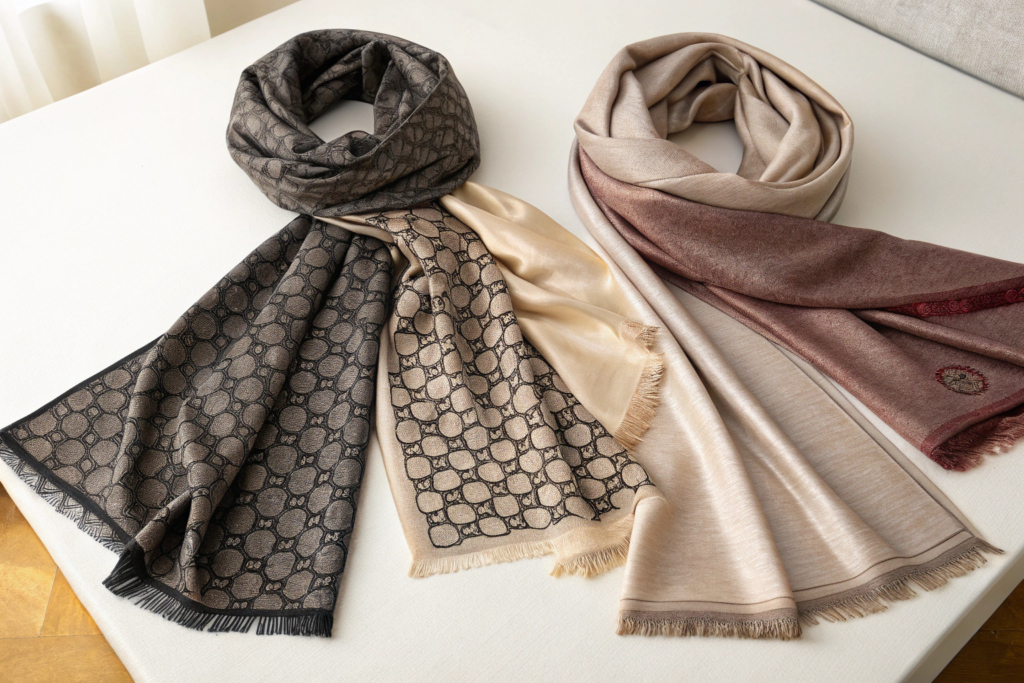
The silk and wool combination is the pinnacle of luxury for reversible scarves. This pairing offers the best of both worlds. One side can be 100% silk, with its characteristic luster, smooth feel, and ability to hold a vibrant, detailed pattern. The other side can be 100% fine merino wool, which provides softness, warmth, and a beautiful matte texture.
This creates a scarf that is truly all-season. You can wear the wool side closer to your skin for warmth in the winter, and the cool, smooth silk side against your skin in the spring and autumn. The contrast between the glossy silk and the matte wool is visually stunning. For more on the properties of these luxury fibers, you can consult resources from organizations like the International Silk Union.
Why use Modal in a reversible scarf?
Modal is a type of rayon made from the pulp of beech trees. It's known for its exceptional softness, smooth feel, and beautiful, fluid drape. It also takes dye incredibly well, resulting in deep, vibrant colors. When blended with wool in a double-faced fabric, it creates a scarf that is both incredibly soft and wonderfully warm.
A Modal/Wool blend is a fantastic alternative to silk/wool. It offers a similar visual contrast—the smooth, slightly lustrous modal on one side and the soft, matte wool on the other—but often at a more accessible price point. The drape of a modal-blend scarf is particularly noteworthy; it hangs and flows beautifully. You can learn more about this sustainable fiber from manufacturers like Lenzing AG, the inventors of Modal.
How to Care For a Reversible Scarf?
You've invested in a beautiful, high-quality reversible scarf. How do you protect it? Given the complex construction and luxury materials, you can't just toss it in the washing machine with your jeans. Improper care can ruin the texture, cause colors to bleed, or even damage the delicate weave.
Proper care is essential to preserving the beauty and longevity of your scarf. For almost all high-quality reversible scarves, the recommended method is dry cleaning or very gentle hand-washing in cool water with a specialized detergent. This protects the delicate fibers and the intricate double-faced weave. As a manufacturer of luxury goods, we want our products to last a lifetime. Providing clear care instructions is part of our commitment to quality. Following these simple steps will ensure your scarf remains a favorite accessory for years to come.
Is dry cleaning the best option?
For most luxury blends, especially silk/wool, dry cleaning is the safest and most recommended option. Professional dry cleaners have the expertise and solvents to clean delicate fabrics without risking damage from water, agitation, or heat. It's the best way to ensure that the colors remain vibrant and the different textures of each side are preserved. Always check the care label on the scarf first, but when in doubt, entrust it to a professional.
How can I hand-wash it safely at home?
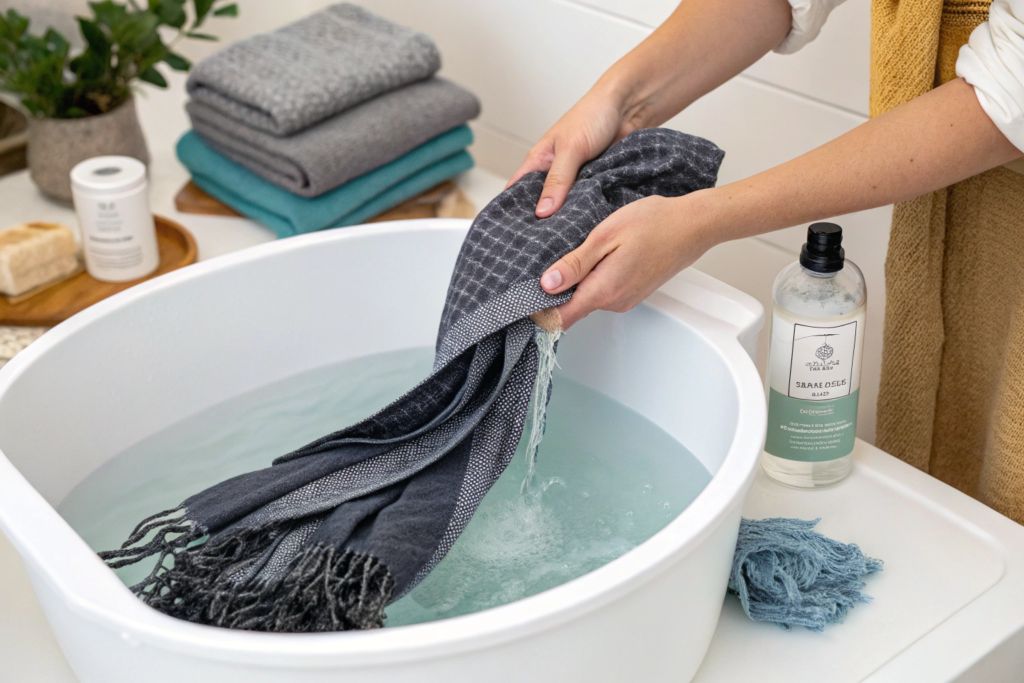
If you choose to hand-wash, you must be extremely gentle. Use a clean basin and fill it with cool water. Hot water can cause wool to shrink and silk to lose its luster. Add a very small amount of a pH-neutral, gentle detergent specifically designed for wool or silk. Submerge the scarf and let it soak for a few minutes. Gently swish it around; do not rub, twist, or wring the fabric.
To rinse, drain the soapy water and refill the basin with clean, cool water. Repeat until all the soap is gone. To dry, gently squeeze out the excess water (do not wring!) and lay the scarf flat on a thick, clean towel. Roll the towel up to absorb more moisture, then unroll and lay the scarf flat on a dry towel or a mesh drying rack, away from direct sunlight or heat. This careful process is endorsed by fabric care experts like The Laundress.
Conclusion
A reversible scarf is the epitome of smart, versatile design. By utilizing advanced double-faced weaving techniques, it's possible to create a single, seamless accessory that offers two distinct styles. The magic lies in the thoughtful combination of materials—pairing the luster of silk with the warmth of wool, or the softness of cashmere with the breathability of cotton. This results in a product that is not only more versatile but is also inherently of a higher quality. A reversible scarf is a true investment piece, offering double the style, exceptional comfort, and a touch of everyday luxury.
If your brand is looking to develop a collection of high-quality, reversible accessories, my team at Shanghai Fumao Clothing has the deep technical expertise and commitment to craftsmanship you need. We can help you create beautiful, versatile products that will delight your customers. Please feel free to reach out to our Business Director, Elaine, at her email: elaine@fumaoclothing.com to discuss the possibilities.