I have been manufacturing headbands for over 15 years. In that time, I have learned that fabric choice is the most important decision for high-yield production. A beautiful fabric that is hard to cut will slow you down. A soft fabric that stretches too much will cause defects. I remember a client who wanted a headband made from a delicate silk blend. The fabric was beautiful. But it was slippery. It stretched. It frayed. Our production yield was low. We wasted material. The client was unhappy with the cost. That experience taught me that for high-yield production, you need fabrics that are consistent, durable, and easy to work with. Today, I want to share the best fabrics for high-yield production of headbands.
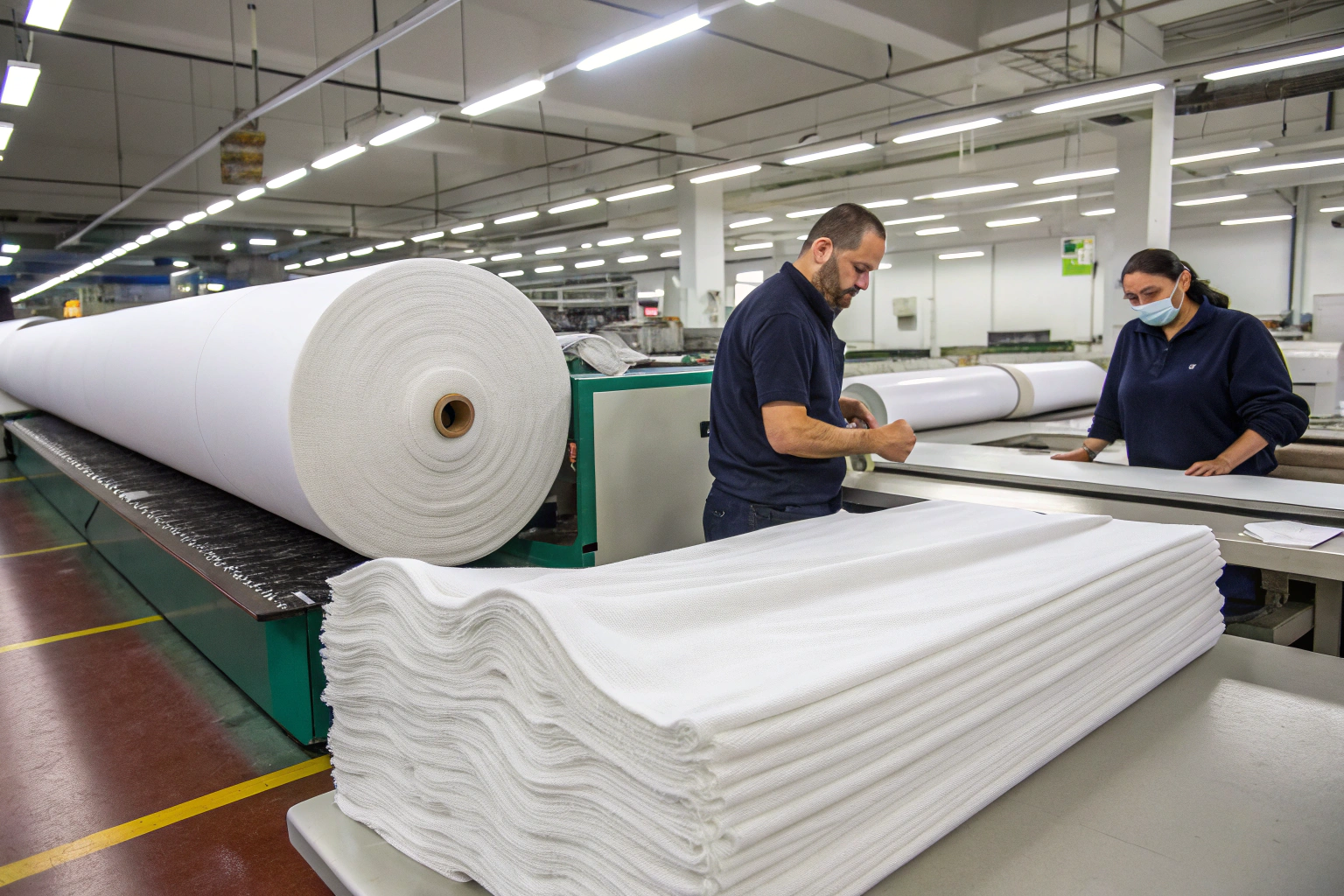
The best fabrics for high-yield production of headbands are cotton jersey, nylon spandex, polyester velvet, and recycled rib knit. Cotton jersey is soft, breathable, and easy to cut. It has a stable stretch. It is ideal for everyday headbands. Nylon spandex has excellent recovery. It returns to shape after stretching. It is ideal for activewear headbands. Polyester velvet is plush and luxurious. It has a stable backing that prevents stretching. It is ideal for fashion headbands. Recycled rib knit is eco-friendly. It has a textured surface and good recovery. It is ideal for sustainable brands. These fabrics are available in large rolls. They cut cleanly. They sew consistently. They yield high output with low waste.
You might be thinking, "I have a fabric I like. Why should I change?" The answer is yield. High-yield production is about efficiency. It is about minimizing waste. It is about consistent quality. A fabric that is hard to work with will cost you in labor and materials. A fabric that is easy to work with will save you money. At Shanghai Fumao, we have tested many fabrics. We know which ones perform best in high-volume production. Let me walk you through the best options.
Why Is Cotton Jersey the Most Popular Choice?
Cotton jersey is the workhorse of the headband industry. It is soft. It is breathable. It is easy to work with. I have used millions of yards of cotton jersey. It is reliable.
Cotton jersey is the most popular fabric for headbands because it is soft, breathable, and easy to cut. It has a stable stretch. It stretches about 25% to 50%. It recovers well. It does not lose its shape. Cotton jersey is also affordable. It is available in many colors. It takes dye well. It is comfortable against the skin. For everyday headbands, cotton jersey is the best choice. It is ideal for high-yield production because it cuts cleanly and sews consistently.
I want to share a story about cotton jersey. A client wanted a headband for a mass-market line. We recommended cotton jersey. The fabric cut cleanly. The sewing was fast. The yield was high. The client was happy. The headbands sold well. Cotton jersey performed.
What Are the Different Weights of Cotton Jersey?
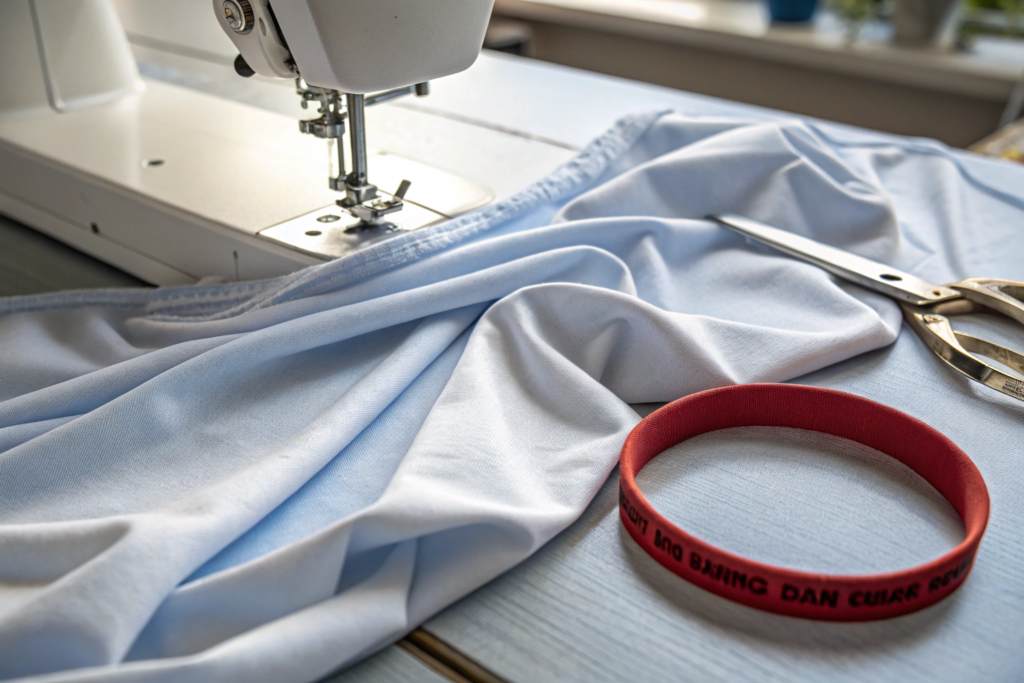
Cotton jersey comes in different weights. Lightweight (120-150 gsm) is good for summer headbands. It is soft and breathable. Medium weight (160-190 gsm) is the most common. It is versatile. Heavyweight (200-250 gsm) is good for winter headbands. It is warmer and more structured. For most headbands, medium weight is best. We use 160 gsm cotton jersey for standard headbands.
How Does Cotton Jersey Perform in High-Yield Production?
Cotton jersey performs exceptionally well in the hands of a skilled seamstress. It cuts cleanly and precisely on a rotary cutter, the blade gliding effortlessly through its soft, pliable fabric with minimal resistance, leaving smooth, even edges that require little to no finishing. It does not fray excessively; instead, when cut, it presents neat, manageable edges that can be easily hemmed or bound, preserving the fabric's integrity.
It sews smoothly through standard sewing machines, the needle passing through its lightweight yet sturdy weave without snagging or pulling, resulting in clean, professional stitches. It does not pucker or distort under the pressure of the presser foot, maintaining a flat, even surface throughout the sewing process.
Why Is Nylon Spandex Ideal for Activewear Headbands?
Nylon spandex is for headbands that need to perform. It is stretchy. It recovers. It wicks moisture. I have used it for headbands for runners and athletes. It works.
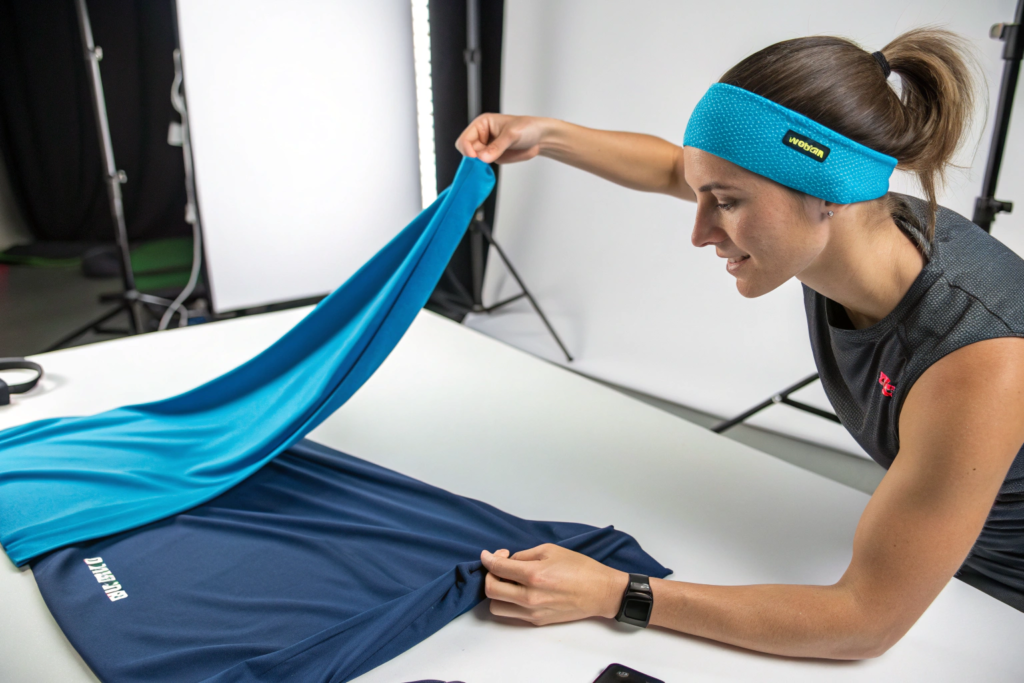
Nylon spandex is ideal for activewear headbands because it has excellent recovery. It stretches up to 100% and returns to shape. It does not bag out. It also wicks moisture. It pulls sweat away from the skin. It dries quickly. Nylon spandex is durable. It resists pilling. It holds color. For high-yield production, nylon spandex cuts cleanly. It sews well. It is available in large rolls. The main downside is that it is less breathable than cotton. But for activewear, it is the best choice.
I want to share a story about nylon spandex. A client wanted a headband for a yoga brand. We used nylon spandex. The headbands stayed in place. They did not slip. They dried quickly. The client was thrilled. The activewear market loved them.
What Is the Best Nylon Spandex Blend?
The most common blend is 80% nylon and 20% spandex. This provides a good balance of stretch and recovery. Some fabrics use 85% nylon and 15% spandex. This is slightly less stretchy. For headbands, 80/20 is best. We use 80/20 nylon spandex for activewear headbands.
How Does Nylon Spandex Perform in High-Yield Production?
Nylon spandex performs exceptionally well in the hands of a skilled craftsman. It cuts with a crisp, clean precision, yielding edges that are smooth and even, free from the ragged fraying that plagues less resilient fabrics. When sewn, it glides smoothly through the needle, creating seams that lie flat and maintain their integrity, a testament to its inherent flexibility and strength. The main challenge, however, lies in its slippery nature—a trait that can make it a bit of a trickster during the cutting phase.
It has a tendency to shift and slide under the blade, as if trying to evade the scissors or rotary cutter, threatening to compromise the accuracy of the pattern. To counter this, a pattern weight—its heavy, reassuring presence pressing down firmly—or a vacuum table, which gently but tenaciously holds the fabric in place, becomes invaluable allies. With such careful setup and attention to detail, the yield is consistently high, resulting in garments that not only fit flawlessly but also possess a luxurious drape and a satisfyingly smooth texture against the skin.
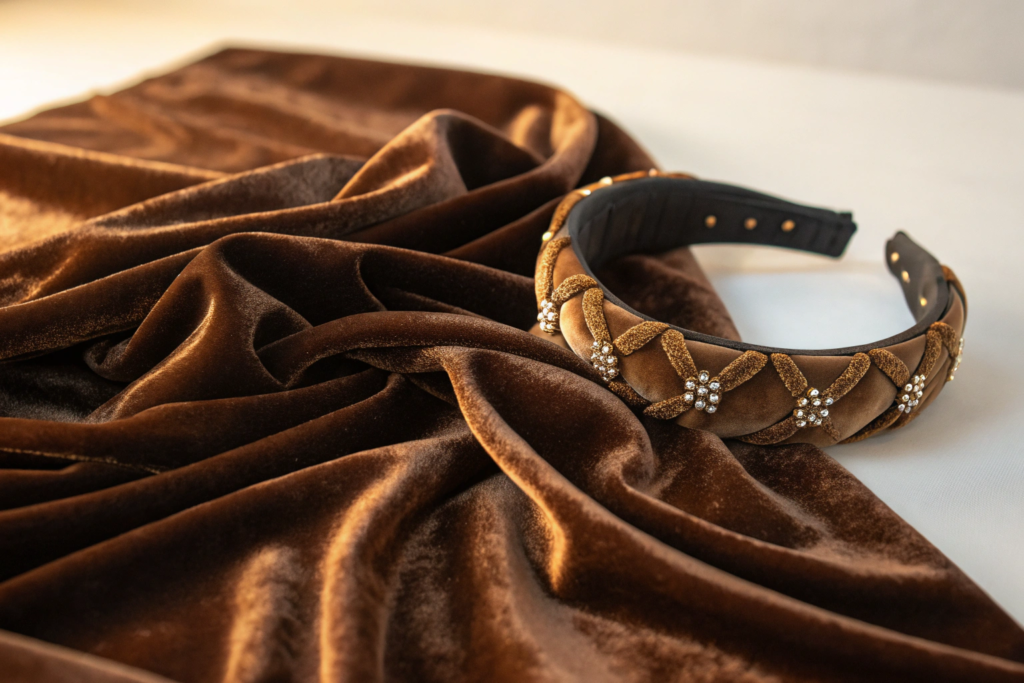
Why Is Polyester Velvet the Choice for Fashion Headbands?
Polyester velvet is for headbands that need to be beautiful. It is plush. It is luxurious. It is stable. I have used it for holiday headbands and fashion lines. It adds a premium feel.
Polyester velvet is the choice for fashion headbands because it is plush and luxurious. It has a stable backing. The backing prevents stretching. The velvet does not distort. Polyester velvet is also durable. It resists crushing. It holds its color. It is available in many colors. For high-yield production, polyester velvet cuts cleanly. It does not fray. It sews well. The main downside is that it is warmer than cotton. But for fashion headbands, the look is worth it.
I want to share a story about polyester velvet. A client wanted a headband for a holiday line. We used red polyester velvet. The headbands were beautiful. They sold out. The velvet added a premium feel.
What Is the Difference Between Polyester Velvet and Cotton Velvet?
Polyester velvet stands as a paragon of stability, its fibers woven with a resilience that resists the gentlest tugs and pulls. It does not stretch, maintaining its crisp, structured form even after repeated handling. This inherent firmness makes it an absolute joy to work with—easier to cut with precision, as its edges remain clean and true, and to sew, with stitches that hold fast without the need for constant adjustment.
In contrast, cotton velvet wraps around the senses like a cloud of softness, its plush surface inviting to the touch, yet it surrenders too readily to pressure. It stretches, that gentle give leading to potential distortion if not handled with care, its once-perfect shape sometimes wavering under the weight of use or improper care.
How Does Polyester Velvet Perform in High-Yield Production?
Polyester velvet performs exceptionally well in crafting, its luxurious texture belying its practicality. It cuts cleanly with sharp scissors or a rotary cutter, yielding smooth edges that feel almost as soft as the fabric itself. The woven backing acts as a steadfast guardian, preventing the delicate pile from fraying into unruly wisps, ensuring your project maintains its neatness even after initial handling.
It sews with a satisfyingly smooth glide over the needle, the fabric's slight give allowing for precise stitching without puckering. The main challenge, however, lies in the vulnerability of its plush pile to being crushed and flattened by the heavy presser foot of a standard sewing machine, leaving unsightly indentations that mar the fabric's velvety allure.
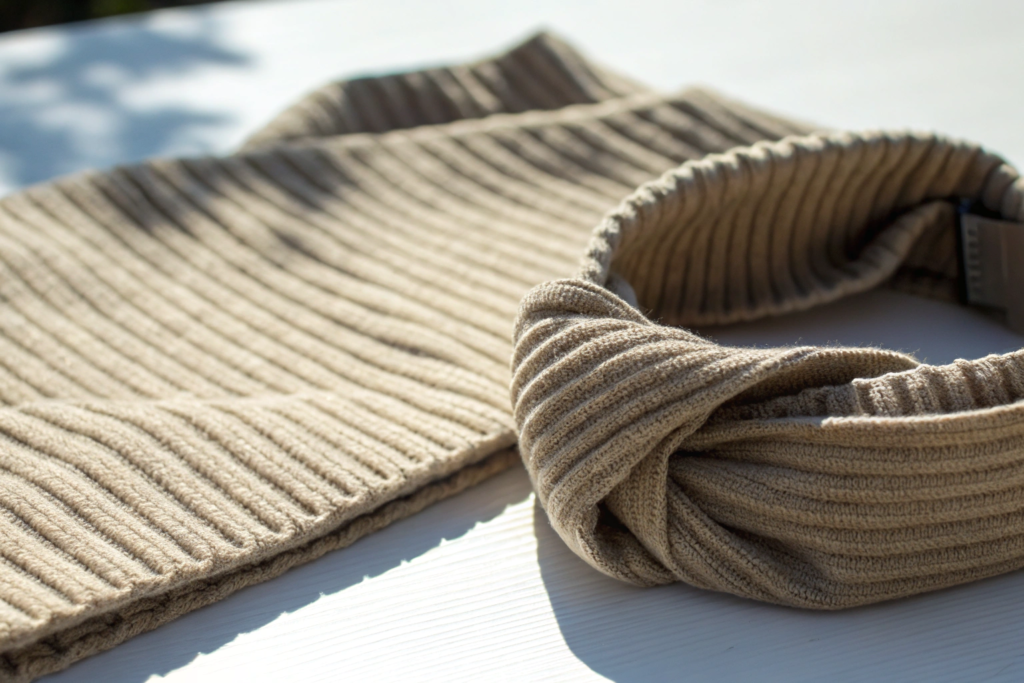
Why Is Recycled Rib Knit a Sustainable Option?
Sustainability is important. Many brands want eco-friendly materials. Recycled rib knit is a great option. It is made from recycled plastic bottles. It is soft. It has good recovery. I have used it for sustainable headband lines.
Recycled rib knit is a sustainable option for headbands. It is made from post-consumer plastic bottles. The bottles are cleaned, melted, and extruded into fiber. The fabric is then knitted into a rib pattern. Recycled rib knit is soft. It has good stretch and recovery. It is durable. It is available in many colors. For high-yield production, recycled rib knit cuts cleanly. It sews well. It is consistent. The main downside is that it is slightly more expensive than virgin polyester. But for eco-conscious brands, it is worth it.
I want to share a story about recycled rib knit. A client wanted a sustainable headband line. We used recycled rib knit. The headbands were soft. They performed well. The client marketed the sustainability angle. The headbands sold well.
What Is the Difference Between Recycled and Virgin Polyester?
Recycled polyester is made from plastic bottles. Virgin polyester is made from petroleum. Recycled polyester has a lower carbon footprint. It reduces waste. The performance is nearly identical. For most applications, recycled polyester is a good substitute. We use recycled rib knit for sustainable headbands.
How Does Recycled Rib Knit Perform in High-Yield Production?
Recycled rib knit performs similarly to virgin polyester, boasting a comparable drape and resilience that make it a versatile choice for a wide range of garments. It cuts cleanly, with sharp, precise edges that lend themselves to intricate patterns and clean lines, reducing waste during the tailoring process. It sews well, gliding smoothly through sewing machines with minimal friction, ensuring even stitches and a professional finish that stands the test of time.
Its consistency is remarkable, with uniform thickness and texture throughout each batch, eliminating the guesswork often associated with working with less predictable materials. The yield is high, offering manufacturers a generous amount of usable fabric from each production run, maximizing efficiency and minimizing leftover scraps. The main difference lies in the cost, with recycled rib knit typically commanding a slightly higher price point than its virgin counterpart. However, for many forward-thinking brands, the sustainability premium is not just acceptable—it is a deliberate and proud investment. It aligns with their commitment to environmental stewardship, resonating with eco-conscious consumers and fostering a deeper connection to ethical fashion practices, all while delivering the same exceptional performance and quality that has made polyester a staple in the industry.
Conclusion
The best fabrics for high-yield production of headbands are cotton jersey, nylon spandex, polyester velvet, and recycled rib knit. Cotton jersey is the everyday choice. It is soft, breathable, and easy to work with. Nylon spandex is for activewear. It has excellent recovery. Polyester velvet is for fashion. It is plush and stable. Recycled rib knit is for sustainability. It is eco-friendly.
Choosing the right fabric depends on your headband style, your customer, and your production volume. All these fabrics are available in large rolls. They cut cleanly. They sew consistently. They yield high output with low waste.
At Shanghai Fumao, we have the expertise to help you choose. We source these fabrics. We test them. We use them in our own production. We are ready to help you create headbands efficiently. Please contact our Business Director, Elaine, at elaine@fumaoclothing.com to discuss your headband production. We can help you select the right fabric for high-yield manufacturing.