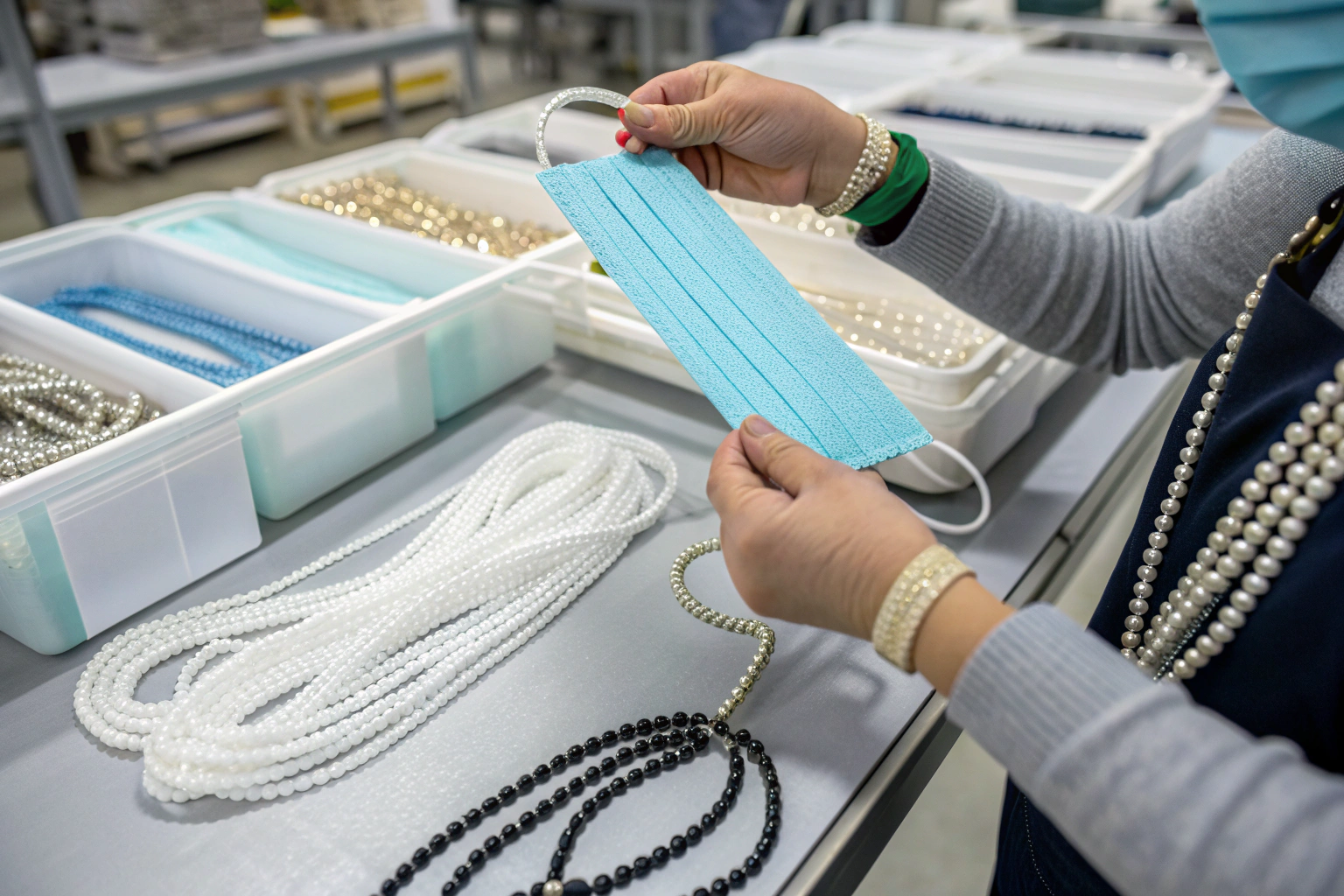
I have been in this industry long enough to remember when elastic was just elastic. You bought it, you sewed it, and you hoped it would last. But the pandemic changed everything. Suddenly, the world became experts on elastic. People learned about comfort, durability, and what happens when elastic fails. And mask chains became a whole new category overnight. My clients across America and Europe, from fashion brands to medical suppliers, started asking questions I had never heard before.
The best elastic materials for masks are soft, flat knit elastic for all-day comfort against the skin, and pliable round cord elastic for adjustable toggles, with a focus on resilience and wash durability. For mask chains, the best materials are clear silicone or high-quality beaded elastic cords that offer both style and secure hold without stretching out permanently.
I have seen the good, the bad, and the ugly when it comes to elastic. I have seen cheap elastic go brittle after one wash. I have seen mask chains snap the first time they are used. At our factory in Zhejiang, we learned quickly that this was not a category for shortcuts. The comfort and safety of the end user depend on these small components. For a buyer like Ron, who supplies a wide range of customers, understanding the nuances of elastic is essential for creating products that people actually want to wear. At Shanghai Fumao Clothing, we have sourced and tested countless options. Let me share what we have learned about choosing the right elastic for masks and the chains that hold them.
What makes a good elastic for face masks?
The elastic on a mask has a hard job. It has to hold the mask securely against the face, often for hours at a time. It has to be comfortable against sensitive skin. And it has to survive being washed and worn repeatedly. Not all elastic can do this.
Why is flat knit elastic preferred for mask ear loops?
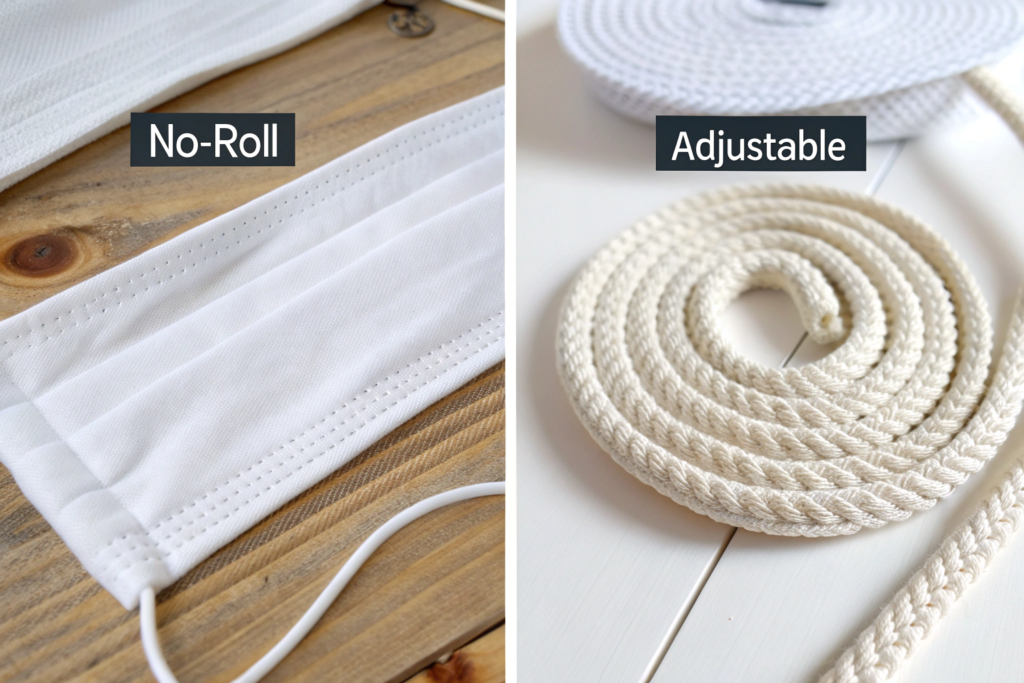
Flat knit elastic has become the gold standard for mask ear loops for one simple reason: comfort. Unlike braided or woven elastic, which can have a rough texture and tend to curl or roll, flat knit elastic stays flat and lies smoothly against the skin . This prevents the painful "digging in" that people experienced with early, low-quality masks. It is also generally softer and more flexible. The construction of flat knit elastic distributes pressure more evenly across the area where it touches the ear. This makes a huge difference for people who have to wear masks for long periods, like healthcare workers or teachers. For any mask intended for extended wear, this is the material we recommend.
How does round cord elastic work for adjustable mask straps?
Round cord elastic serves a different purpose. It is often used with cord locks or toggles to create an adjustable fit . You thread the round cord through a small plastic or metal lock that the wearer can slide up or down to tighten or loosen the ear loops. This is a great feature for achieving a custom fit, or for masks that need to fit a variety of head sizes, like in a hospital setting. The key requirement for this application is that the elastic is firm enough to work with the lock mechanism but not so thick that it is uncomfortable. It also needs to be durable enough to withstand the repeated sliding of the toggle. We source a high-quality, braided round cord that meets these needs.
What are the key properties of high-quality mask elastic?
Not all elastic that looks the same will perform the same. The quality is in the details: the fiber content, the construction, and how it holds up over time. For a professional buyer, knowing what to look for is essential. Imagine two seemingly identical spools of elastic, side by side on a sunlit workbench.
One, when stretched gently, yields with a soft, almost sighing resistance, then springs back with a satisfying snap that feels precise and reliable. The other, though visually similar, stretches with a dull, rubbery groan, its return a sluggish, uneven bounce that leaves you questioning its durability. This is the difference that lies in the fiber content—whether it's woven from resilient polyester threads that retain their bounce or a cheaper blend that sags and loses tension after mere washes.
How do you test elastic for resilience and snap-back?
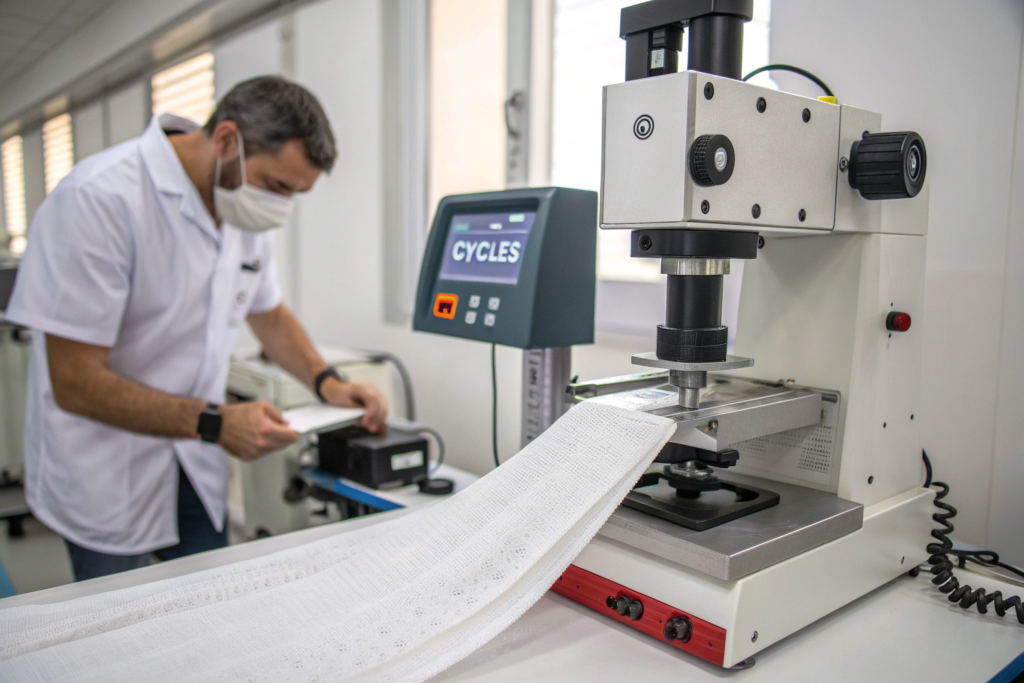
Resilience, or the ability to return to its original length after being stretched, is the most important property of a good mask elastic. If the elastic stretches out and stays stretched, the mask will no longer fit securely. We perform a simple but effective test. We stretch a piece of elastic to its maximum length, hold it for a set time, and then release it. We measure how much it retracts. A high-quality elastic will snap back to almost its original length. A poor-quality one will remain stretched and "tired." We also do repeated stretch tests, simulating hundreds of wears, to see how the elastic holds up over time. This is the kind of rigorous testing that separates a reliable product from a disposable one.
Why is wash durability critical for mask elastic?
A mask is not a one-time-use item. It will be washed, sometimes many times. The elastic must survive this process. It must not shrink, lose its elasticity, or become brittle when exposed to water and detergent. We test our elastic by washing samples multiple times according to standard laundry procedures. After each wash, we check for changes in length, stretch, and appearance. We also check for color bleeding if the elastic is dyed. An elastic that looks great fresh out of the factory but falls apart after three washes is a disaster for your brand. Ensuring wash durability is a non-negotiable part of our quality control process.
What are the best materials for stylish and functional mask chains?
Mask chains emerged as a fashion accessory during the pandemic, and they have proven to have staying power. They keep a mask handy around the neck when not in use, preventing loss and keeping it clean. But they are also a style statement. The materials used are key to both their function and their look.
Why are silicone and plastic beads popular for mask chains?
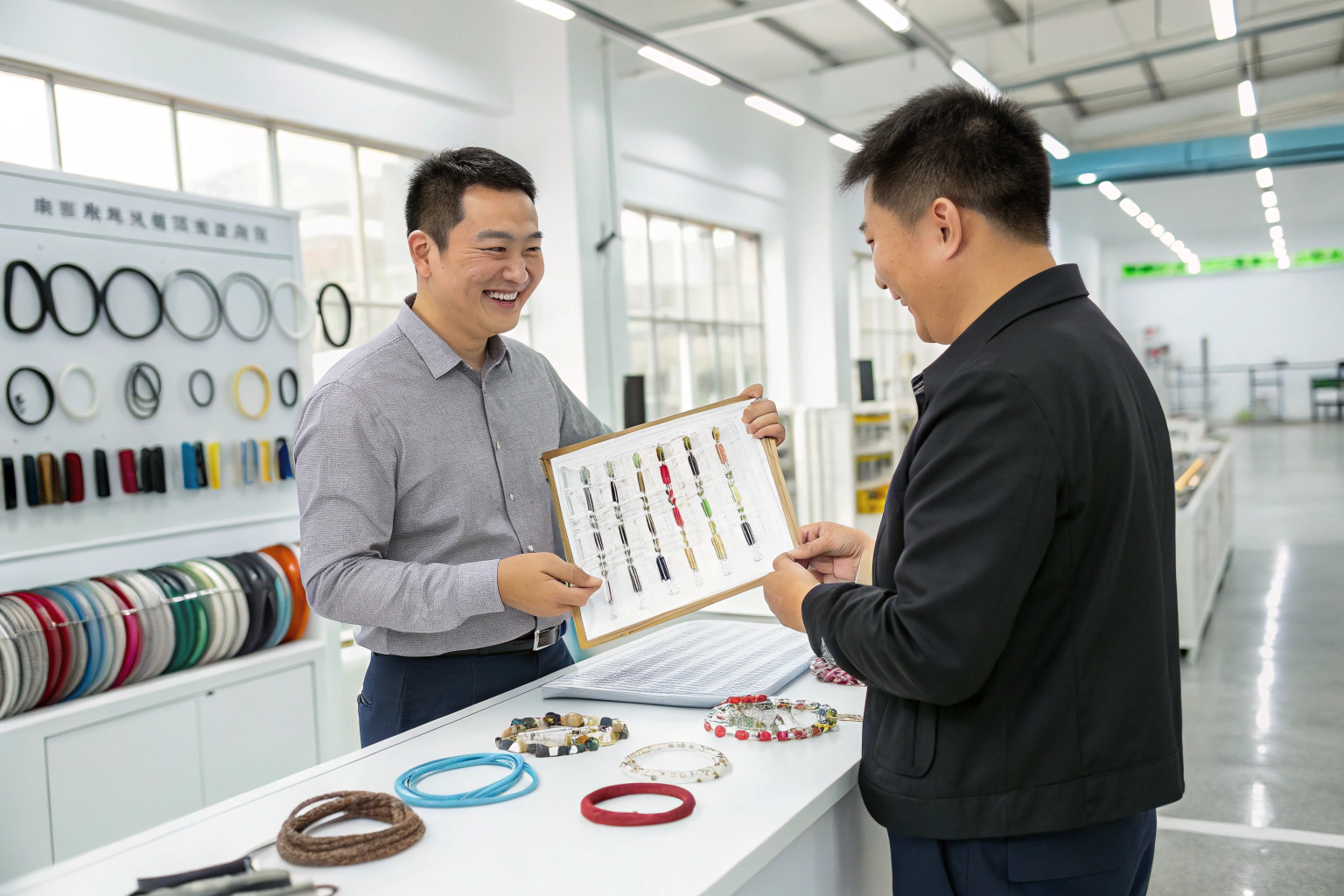
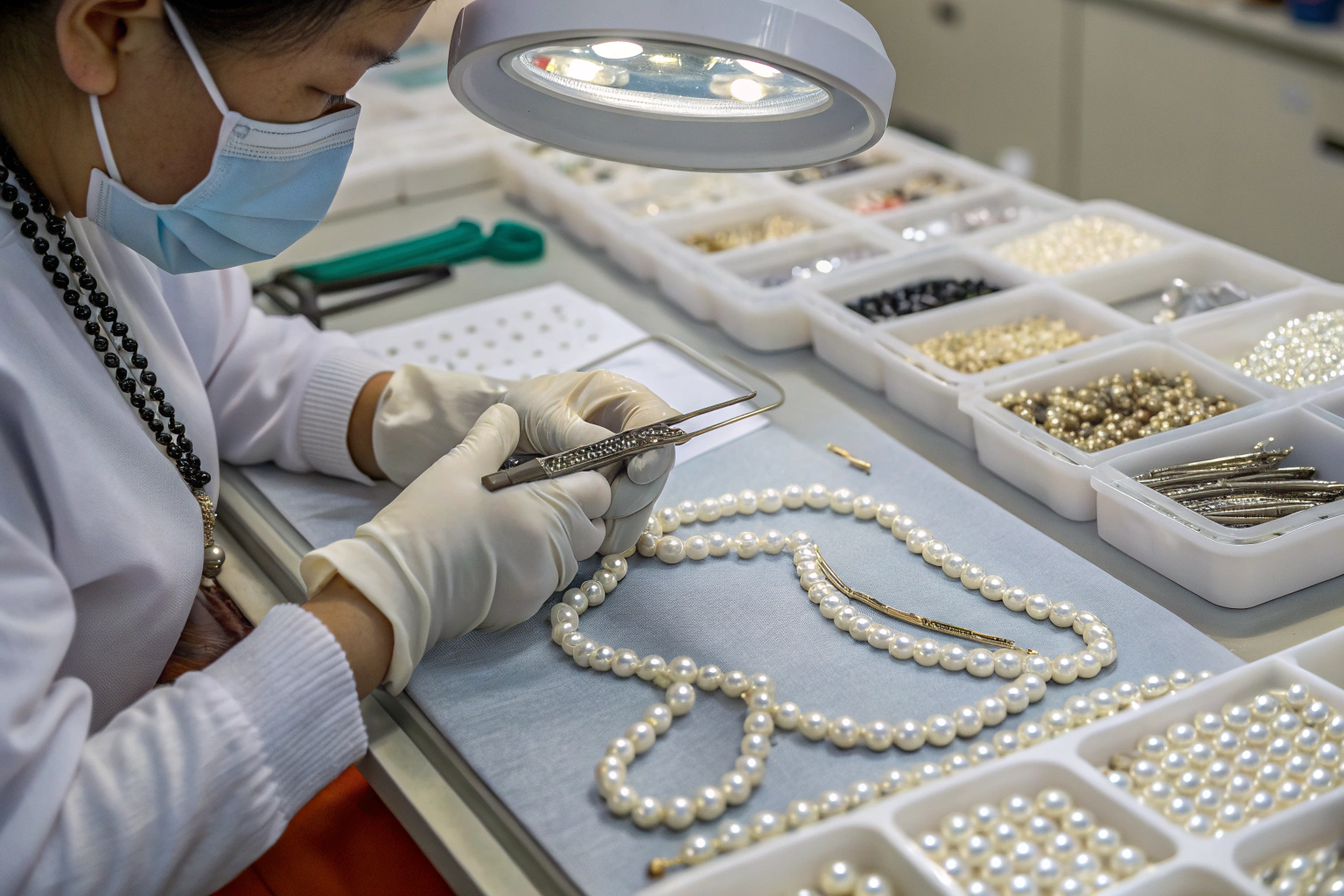
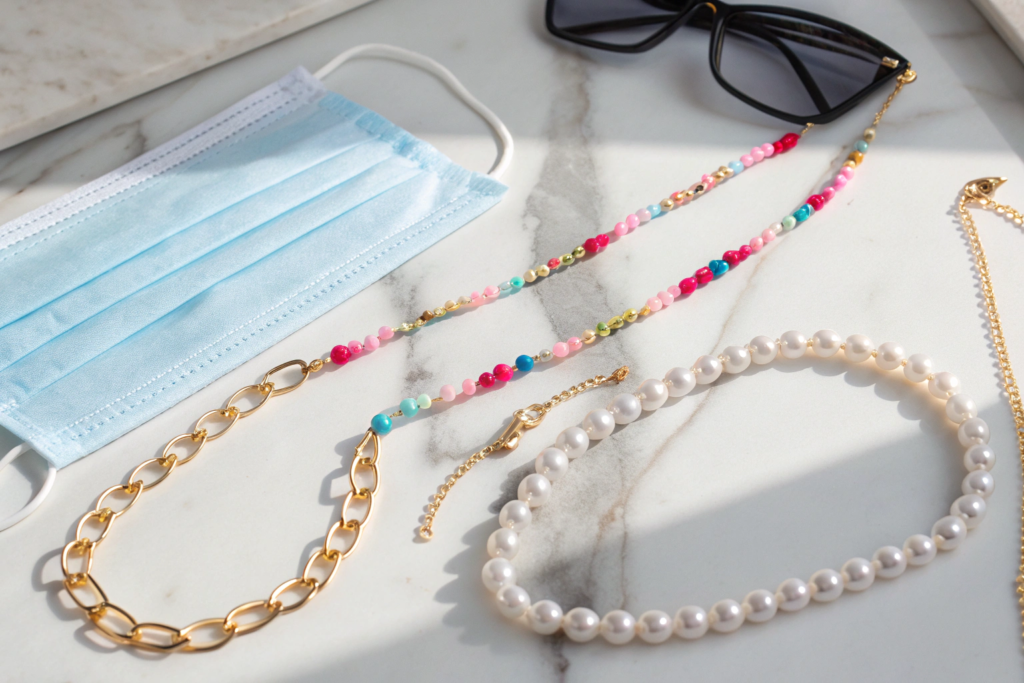
Silicone and plastic beads are popular for several reasons. First, they are lightweight. A heavy chain can be uncomfortable to wear around the neck all day. Second, they come in an endless variety of colors, shapes, and sizes, allowing for huge creative freedom in design . You can match them to outfits, holidays, or brand colors. Third, they are easy to clean. A quick wipe with a disinfectant wipe is often all that is needed. For children's mask chains, silicone beads are also a safer choice as they are soft and have no sharp edges. The elastic cord used for these beaded chains needs to be strong and have good memory, so it does not stretch out permanently from the weight of the beads.
What makes clear elastic cord the go-to choice for beaded chains?
For beaded mask chains, the cord is just as important as the beads. Clear, monofilament-style elastic cord is the most popular choice because it is nearly invisible . This creates the illusion that the beads are floating, or that the chain is made entirely of beads without a visible string. This gives a clean, professional, and high-end look. The key is to use a high-quality cord that is strong enough to hold the beads securely and has good "memory," meaning it returns to its original shape after being stretched. It must also be resistant to kinking and breaking. A broken mask chain is a lost accessory and an unhappy customer. We source a premium clear elastic cord that meets these demanding requirements.
Conclusion
Choosing the right materials for masks and mask chains is about understanding the demands of the user and the rigors of daily life. We have explored how soft, flat knit elastic provides all-day comfort for mask wearers, and how round cord elastic enables adjustable fits. We have discussed the critical importance of testing for resilience and wash durability to ensure your products last. And we have looked at the materials that make mask chains both functional and fashionable, from lightweight silicone beads to the invisible strength of clear elastic cord.
For a professional buyer like Ron, this knowledge allows him to specify products that his customers will genuinely appreciate. A mask that hurts your ears is a mask that will not be worn. A chain that breaks is a waste of money. Investing in high-quality components is investing in customer satisfaction and brand loyalty.
At our factory in Zhejiang, we have made it our business to understand these details. We source only the best materials and test them rigorously. Our experienced project managers can guide you through the options, helping you select the perfect elastic for your specific mask or mask chain project. If you are ready to create masks and mask chains that combine comfort, durability, and style, we are here to help.
To discuss your next project, please contact our Business Director, Elaine, at elaine@fumaoclothing.com. Let's create something that people will love to wear.