I have been manufacturing umbrellas for over 10 years. In that time, I have learned one thing above all: the frame is the heart of the umbrella. A beautiful canopy will not save a poor frame. I learned this lesson early. A client ordered 5,000 umbrellas. They looked beautiful. The canopies were printed with their brand logo. But after a few months, the frames started rusting. The umbrellas were used near the ocean. The salt air corroded the steel frames. The client was furious. They had to replace the umbrellas. I lost money on that order. But I learned a valuable lesson. Corrosion resistance is not optional. It is essential. Today, I want to share what I have learned about the best corrosion-resistant materials for umbrella frames.
The best corrosion-resistant materials for umbrella frames are aluminum, fiberglass, stainless steel, and carbon fiber. Aluminum is lightweight and naturally forms a protective oxide layer. It is ideal for casual and beach umbrellas. Fiberglass is completely non-corrosive. It is flexible and strong. It is the top choice for golf umbrellas and wind-resistant models. Stainless steel, particularly marine-grade 316 stainless, offers excellent corrosion resistance and strength. It is used for premium umbrellas. Carbon fiber is the ultimate material. It is lightweight, strong, and completely corrosion-resistant. It is used for high-end, performance umbrellas. Each material has its strengths. The choice depends on the intended use, the budget, and the expected lifespan of the umbrella.
You might be thinking, "Why does corrosion matter so much?" The answer is simple. A corroded frame is a broken umbrella. Rust weakens the metal. It causes joints to seize. It makes the umbrella impossible to open or close. It looks bad. It fails. For brands, this is a reputation issue. A customer who buys an umbrella that rusts after a few months will not trust your brand again. At Shanghai Fumao, we take corrosion resistance seriously. We test our frames. We choose materials based on the intended use. Let me walk you through the options.
What Makes Aluminum a Popular Choice for Umbrella Frames?
Aluminum is one of the most common materials for umbrella frames. It is lightweight. It is affordable. It has good corrosion resistance. But not all aluminum is the same. I have seen cheap aluminum frames that corrode quickly. I have also seen high-quality aluminum frames that last for years. The difference is in the alloy and the treatment.
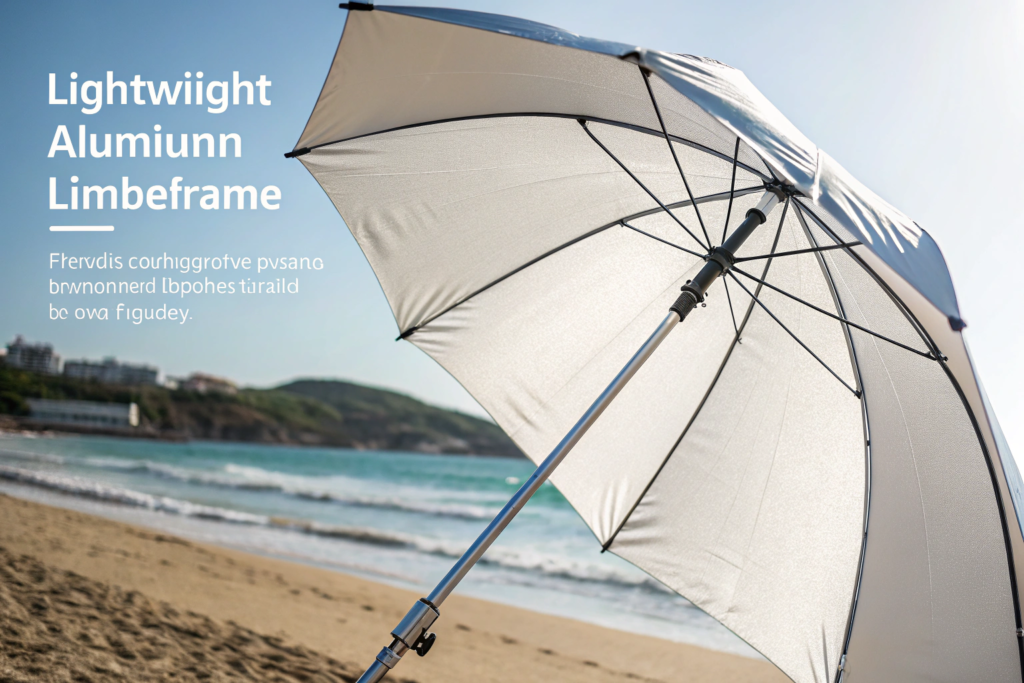
Aluminum is a popular choice for umbrella frames because it is lightweight, affordable, and naturally corrosion-resistant. Aluminum forms a thin oxide layer when exposed to air. This layer protects the metal from further corrosion. For umbrella frames, the most common alloy is 6061 aluminum. It has good strength and corrosion resistance. For enhanced protection, aluminum frames are often anodized or powder coated. Anodizing creates a thicker oxide layer. Powder coating adds a durable, colored finish. These treatments significantly improve corrosion resistance. Aluminum frames are ideal for beach umbrellas, patio umbrellas, and casual umbrellas where weight is a concern.
I want to share a story about aluminum frames. We had a client who wanted umbrellas for a beach resort. The umbrellas would be exposed to salt air and sun every day. We recommended aluminum frames with a powder coating. The powder coating added a layer of protection. The umbrellas lasted for years. The client was happy. This is the right application for aluminum.
What Are the Limitations of Aluminum?
Aluminum has limitations. It is not as strong as steel. For large umbrellas or high-wind areas, aluminum may not be sufficient. It can bend or break under stress. Aluminum also has a fatigue limit. Repeated flexing can cause it to weaken over time. For umbrellas that will be used frequently in windy conditions, a stronger material may be better. Aluminum is also susceptible to galvanic corrosion. If aluminum comes into contact with a different metal in the presence of an electrolyte, corrosion can occur. This is why fittings and rivets must be chosen carefully. We address these issues through design and material selection. For aluminum frame umbrellas, we use compatible materials for all components.
How Do Anodizing and Powder Coating Improve Protection?
Anodizing is an electrochemical process. It thickens the natural oxide layer on aluminum. The result is a hard, durable surface that is highly corrosion-resistant. Anodized aluminum also accepts dyes, so it can be colored. Anodizing is a premium treatment. Powder coating is another option. The frame is coated with a dry powder and then baked. The powder melts and forms a durable, colored finish. Powder coating provides a barrier against moisture and salt. It also adds aesthetic appeal. Both treatments significantly extend the life of aluminum frames. We offer both anodized and powder-coated aluminum frames for our clients.
Why Is Fiberglass the Top Choice for Wind-Resistant Umbrellas?
Fiberglass has become the material of choice for wind-resistant umbrellas. It is strong. It is flexible. It does not corrode. I remember a client who wanted umbrellas for a golf course. The umbrellas would be used in all weather. They would be exposed to rain, wind, and sun. Steel frames would rust. Aluminum frames might bend. I recommended fiberglass. The client was skeptical at first. They thought fiberglass was for fishing rods, not umbrellas. I showed them samples. They tested them. They ordered 10,000 fiberglass umbrellas. They have been reordering for years.
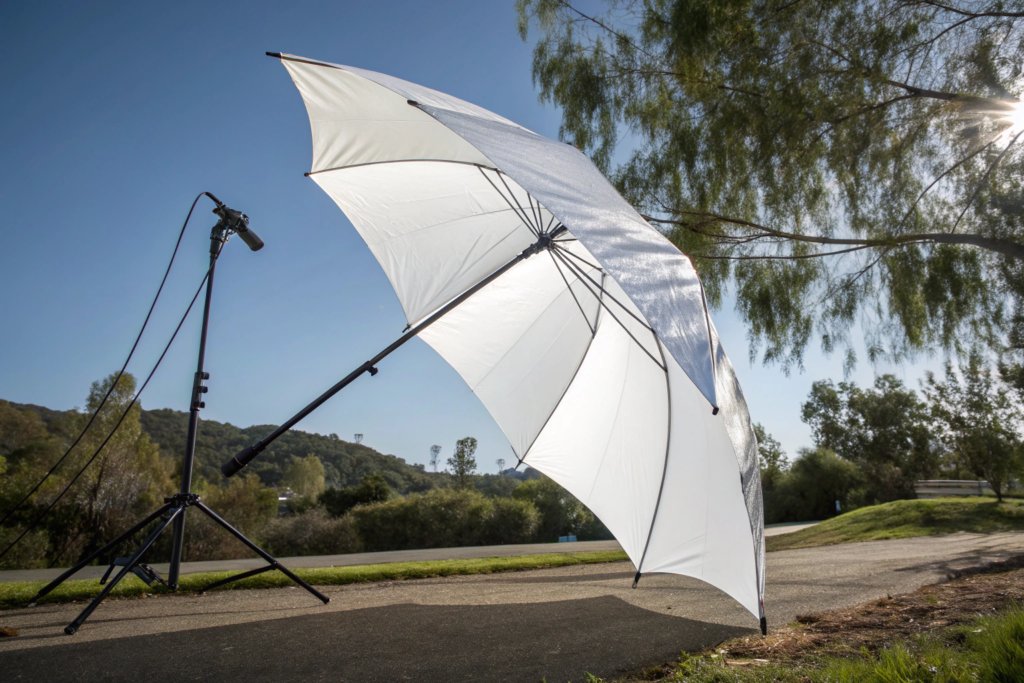
Fiberglass is the top choice for wind-resistant umbrellas because it is strong, flexible, and completely non-corrosive. Fiberglass is a composite material made from glass fibers embedded in a resin matrix. It has an excellent strength-to-weight ratio. It is stronger than aluminum and nearly as strong as steel, but much lighter. The key feature for wind resistance is flexibility. A fiberglass frame can bend significantly in strong winds without breaking. When the wind subsides, it returns to its original shape. This flexibility prevents the umbrella from inverting or breaking. Fiberglass also does not corrode. It is unaffected by salt water, rain, or humidity. For these reasons, fiberglass is the standard for golf umbrellas, beach umbrellas, and any umbrella that will be used in windy conditions.
I want to explain how fiberglass works. The glass fibers give it strength. The resin binds the fibers and provides flexibility. The combination creates a material that can absorb energy. When wind pushes on the umbrella, the frame flexes. It does not resist rigidly. This is the opposite of steel or aluminum. A steel frame tries to resist the wind. If the wind is strong enough, the steel bends permanently. A fiberglass frame bends with the wind. It returns to shape. This is why fiberglass umbrellas last longer in windy conditions.
What Are the Different Types of Fiberglass Used in Umbrellas?
There are different grades of fiberglass. The quality affects the performance. The most common is E-glass. It is a general-purpose fiberglass. It has good strength and flexibility. For premium umbrellas, S-glass is used. It has higher strength and better fatigue resistance. The resin also matters. Polyester resin is common. It is affordable and durable. Epoxy resin is more expensive but offers better strength and weather resistance. The construction matters. The fiberglass rods can be pultruded or filament wound. Pultruded rods are straight and uniform. They are used for the ribs. Filament wound tubes are stronger and more flexible. They are used for the shaft. We use high-quality fiberglass from trusted suppliers. Our fiberglass umbrella frames are designed for durability and wind resistance.
How Does Fiberglass Compare to Aluminum and Steel?
Fiberglass is different from metals in fundamental ways. It is non-conductive. It does not corrode. It is lighter than steel. It is more flexible than aluminum. The trade-off is cost. Fiberglass is more expensive than aluminum. It is also more expensive than basic steel. But for applications where corrosion and wind are concerns, the extra cost is justified. A fiberglass umbrella will last longer. It will perform better. For brands that want to offer a premium product, fiberglass is the right choice. We help our clients compare fiberglass vs aluminum vs steel to choose the best option.
When Should You Choose Stainless Steel for Umbrella Frames?
Stainless steel has a reputation for quality and durability. But not all stainless steel is the same. I have seen "stainless steel" frames that rusted within months. I have also seen frames that lasted for decades. The difference is the grade. When a client wants a premium umbrella, we recommend marine-grade stainless steel. It costs more. But it delivers.
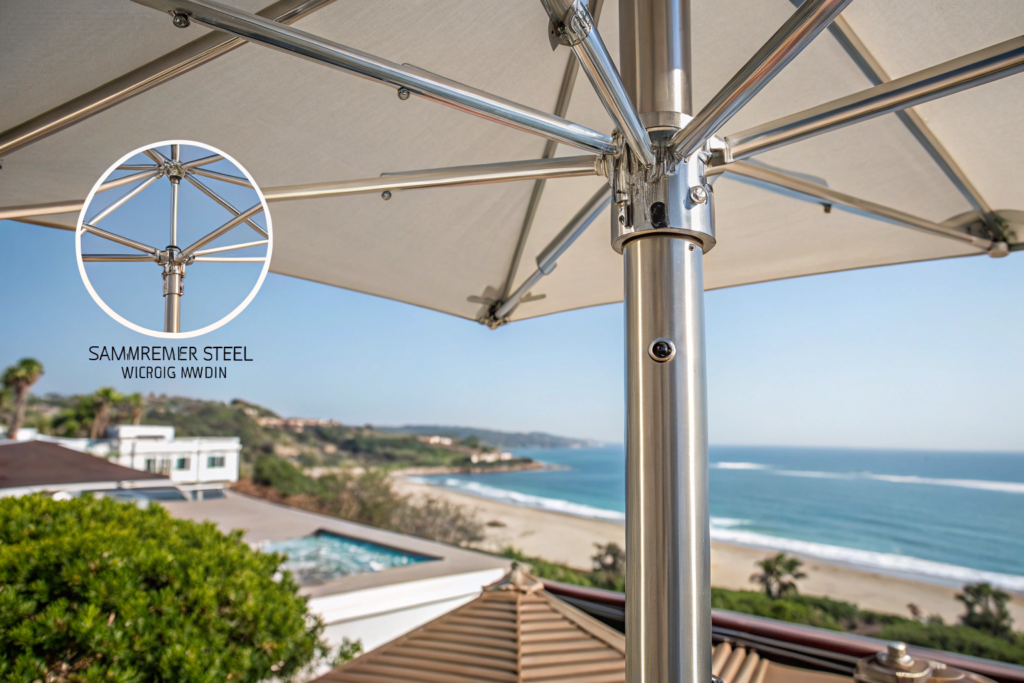
Stainless steel is an excellent choice for umbrella frames when the correct grade is used. The best option is marine-grade 316 stainless steel. It contains molybdenum, which improves corrosion resistance, especially against chlorides like salt water. 316 stainless is highly resistant to rust and pitting. It is used in marine environments. The alternative is 304 stainless steel. It is less expensive but has lower corrosion resistance. It is suitable for indoor or light outdoor use. Stainless steel frames are strong and durable. They have a premium look and feel. They are ideal for high-end umbrellas, commercial umbrellas, and umbrellas used in coastal areas.
I remember a client who wanted umbrellas for a high-end resort. They wanted the best. We recommended 316 stainless steel frames. The frames were polished to a mirror finish. They looked beautiful. They were installed on the beach. They withstood salt spray, wind, and sun. Years later, they still looked good. The client was satisfied. This is the application for stainless steel.
What Is the Difference Between 304 and 316 Stainless Steel?
The difference is the alloy composition. 304 stainless contains 18% chromium and 8% nickel. It is the most common stainless steel. It is resistant to corrosion from most conditions. But it is susceptible to pitting from chlorides. 316 stainless contains 16% chromium, 10% nickel, and 2% molybdenum. The molybdenum provides resistance to chlorides. This makes 316 suitable for marine environments. For umbrella frames, the choice depends on the use. For indoor umbrellas or umbrellas used away from the coast, 304 is sufficient. For beach umbrellas, coastal umbrellas, or any umbrella exposed to salt spray, 316 is the better choice. We offer both grades. We advise our clients based on their application. Our stainless steel umbrella frames are clearly labeled with the grade.
How Does Stainless Steel Compare to Other Materials?
Stainless steel is stronger than aluminum. It is heavier. It is less flexible than fiberglass. The advantage is durability and premium appearance. A polished stainless steel frame looks elegant. It conveys quality. The disadvantage is weight. A stainless steel umbrella is heavier than an aluminum or fiberglass umbrella. It is also more expensive. For brands targeting the luxury market, stainless steel is a good choice. For mass-market umbrellas, aluminum or fiberglass may be more appropriate. We help our clients weigh these factors.
What Is the Role of Carbon Fiber in High-End Umbrellas?
Carbon fiber is the ultimate material for umbrella frames. It is used in high-end, performance umbrellas. It is lightweight. It is incredibly strong. It is completely corrosion-resistant. But it is expensive. I have only worked with a few clients who chose carbon fiber. They were premium brands. They wanted the best. They were willing to pay for it.
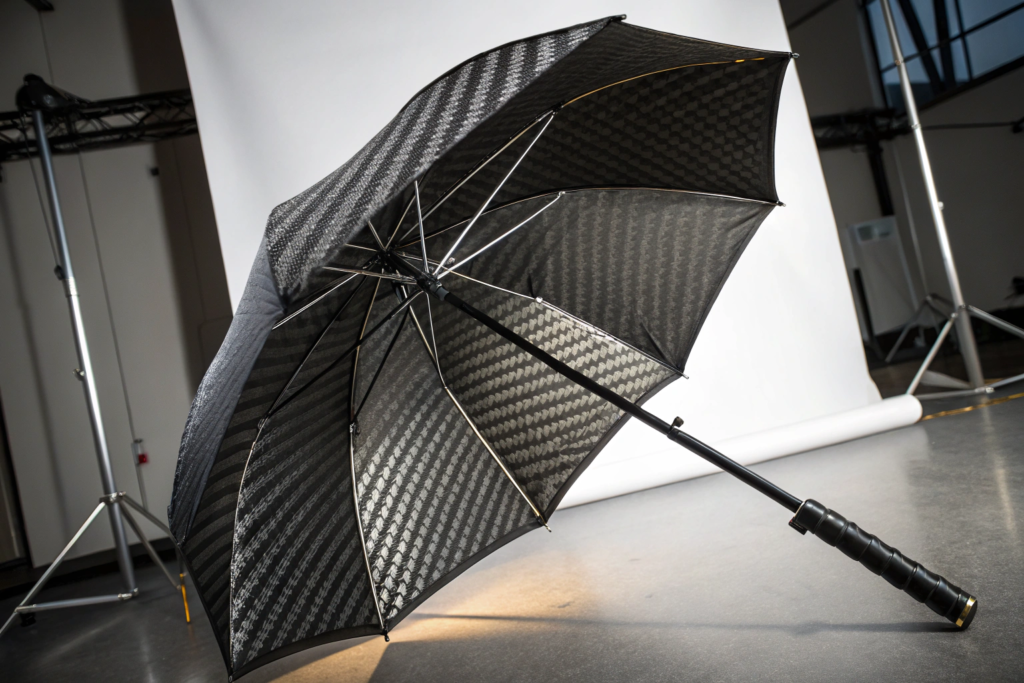
Carbon fiber is used in high-end umbrellas for its exceptional strength-to-weight ratio and corrosion resistance. Carbon fiber is a composite material made from carbon fibers embedded in a resin matrix. It is stronger than steel and lighter than aluminum. It is also completely non-corrosive. Carbon fiber frames are incredibly stiff. They do not flex as much as fiberglass. They are ideal for umbrellas where weight is critical, such as travel umbrellas. The distinctive woven pattern of carbon fiber also has aesthetic appeal. It signals quality and performance. For brands targeting the luxury or performance market, carbon fiber is a compelling choice.
I want to share a project with carbon fiber. A client wanted a travel umbrella that was extremely lightweight. They wanted it to fit in a small bag. They wanted it to be strong. We used carbon fiber for the shaft and ribs. The umbrella weighed less than 200 grams. It was strong enough to handle wind. The client sold it as a premium travel accessory. The price was high. Customers bought it. This is the market for carbon fiber.
What Are the Benefits of Carbon Fiber?
The benefits are weight, strength, and aesthetics. Carbon fiber is lighter than aluminum. It is stronger than steel. It does not corrode. It has a distinctive look. The woven pattern is recognizable. It conveys technology and performance. For travel umbrellas, the weight savings are significant. For fashion umbrellas, the aesthetic appeal is valuable. The downside is cost. Carbon fiber is expensive. It requires specialized manufacturing. For most applications, fiberglass or aluminum is sufficient. For premium applications, carbon fiber is unmatched. We offer carbon fiber umbrella frames for clients who want the best.
How Does Carbon Fiber Compare to Fiberglass?
Carbon fiber and fiberglass are both composites. They both offer corrosion resistance. The differences are in performance and cost. Carbon fiber is stiffer. It does not flex as much. This is good for umbrellas where rigidity is desired. Fiberglass is more flexible. This is good for wind resistance. Carbon fiber is lighter. A carbon fiber frame is lighter than a fiberglass frame of the same strength. Carbon fiber is more expensive. For wind-resistant umbrellas, fiberglass is often the better choice. For lightweight, performance umbrellas, carbon fiber is the choice. We help our clients choose based on their priorities.
How Does AceAccessory Ensure Corrosion Resistance?
Choosing the right material is only the first step. The quality of the manufacturing matters. A poorly made stainless steel frame can still corrode if the welds are not treated. A poorly coated aluminum frame can corrode if the coating is damaged. At AceAccessory, we have systems to ensure that our frames perform as promised.
AceAccessory ensures corrosion resistance through material selection, manufacturing quality, and rigorous testing. We select materials based on the intended use of the umbrella. For coastal applications, we recommend 316 stainless steel or fiberglass. We use high-quality alloys and composites from trusted suppliers. During manufacturing, we pay attention to details. Welds on stainless steel frames are passivated to restore corrosion resistance. Aluminum frames are anodized or powder coated. Fiberglass and carbon fiber frames are made with high-quality resins. We test every batch. Salt spray testing exposes frames to a saline mist for 24 to 96 hours. Only frames that pass are approved. This comprehensive approach ensures that our umbrellas resist corrosion and last.
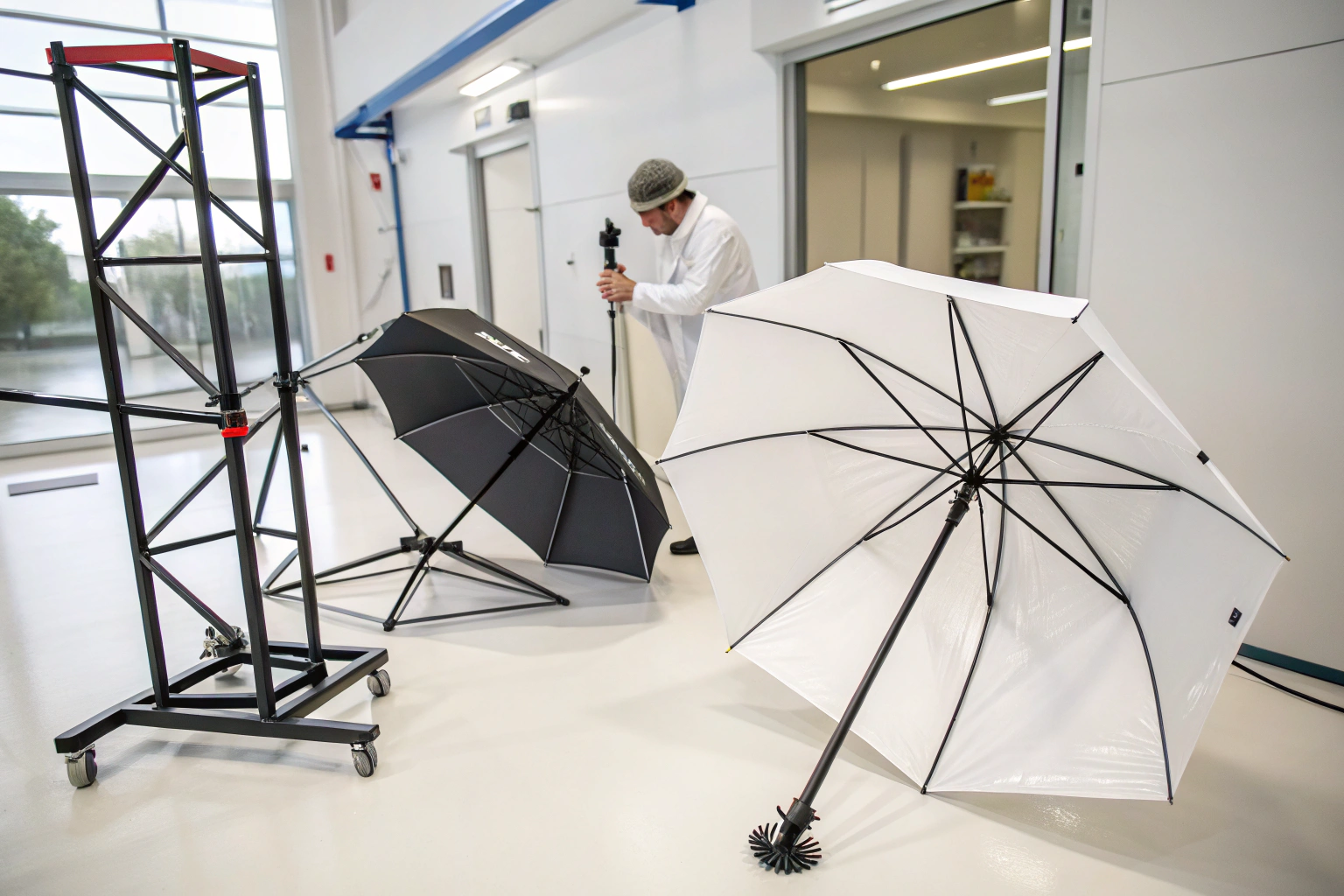
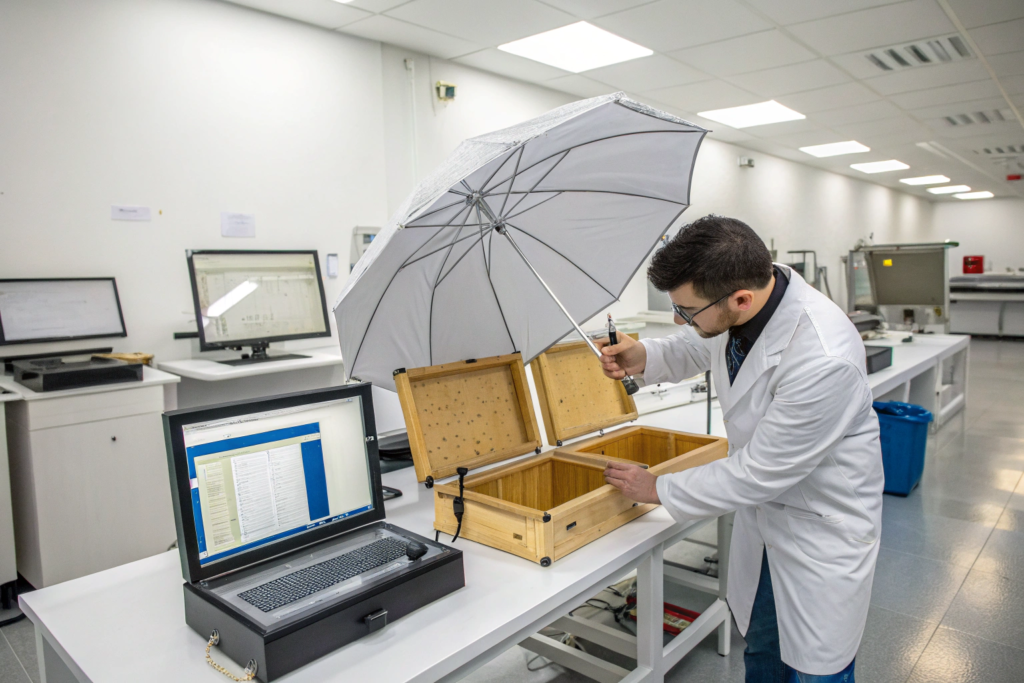
I want to share our testing process. We do salt spray testing on every batch of umbrella frames. We have a salt spray chamber. We place frames inside. We expose them to a salt mist for 24 hours for standard frames. For marine-grade frames, we test for 48 to 96 hours. After the test, we inspect the frames. We look for rust, pitting, or coating failure. If a frame fails, we reject the batch. We work with the supplier to correct the issue. This testing ensures that our frames will perform in real-world conditions.
What Testing Do We Perform on Umbrella Frames?
We perform several tests. Salt spray testing is the most important. It measures corrosion resistance. We also perform strength testing. We apply force to the frame to ensure it meets strength requirements. We perform cycle testing. We open and close the umbrella repeatedly to ensure the mechanism works. We perform wind testing. We place umbrellas in a wind tunnel to simulate high winds. These tests ensure that our frames are both corrosion-resistant and functional. We provide test reports to our clients upon request.
How Do We Protect Welds and Joints?
Welds and joints are the weak points for corrosion. The heat of welding can change the metal's properties. For stainless steel, we passivate the welds. Passivation removes iron contamination and restores the corrosion-resistant oxide layer. For aluminum, we ensure that coatings cover the joints. We use compatible materials to prevent galvanic corrosion. For fiberglass, the joints are bonded with resin. The resin seals the joint. These details matter. They are the difference between a frame that lasts and one that fails. We train our workers to pay attention to these details. This attention to detail is part of our quality system.
Conclusion
Corrosion resistance is essential for umbrella frames. A frame that rusts is a failed product. It damages the brand. It disappoints customers. The choice of material is critical. Aluminum is lightweight and affordable. It works well for casual and beach umbrellas when properly coated. Fiberglass is the top choice for wind resistance. It is strong, flexible, and completely non-corrosive. Stainless steel, especially marine-grade 316, offers premium durability and a polished look. Carbon fiber is the ultimate material for high-end, lightweight umbrellas.
At Shanghai Fumao, we understand these materials. We know how to select them. We know how to manufacture them. We know how to test them. We have the experience to advise you on the best choice for your product. Whether you need a budget-friendly aluminum frame for a promotional umbrella, a fiberglass frame for a golf umbrella, or a premium stainless steel frame for a resort, we have the capabilities to deliver.
Please contact our Business Director, Elaine, at elaine@fumaoclothing.com to discuss your umbrella project. We can help you select the best corrosion-resistant frame material for your needs and ensure that your umbrellas perform season after season.