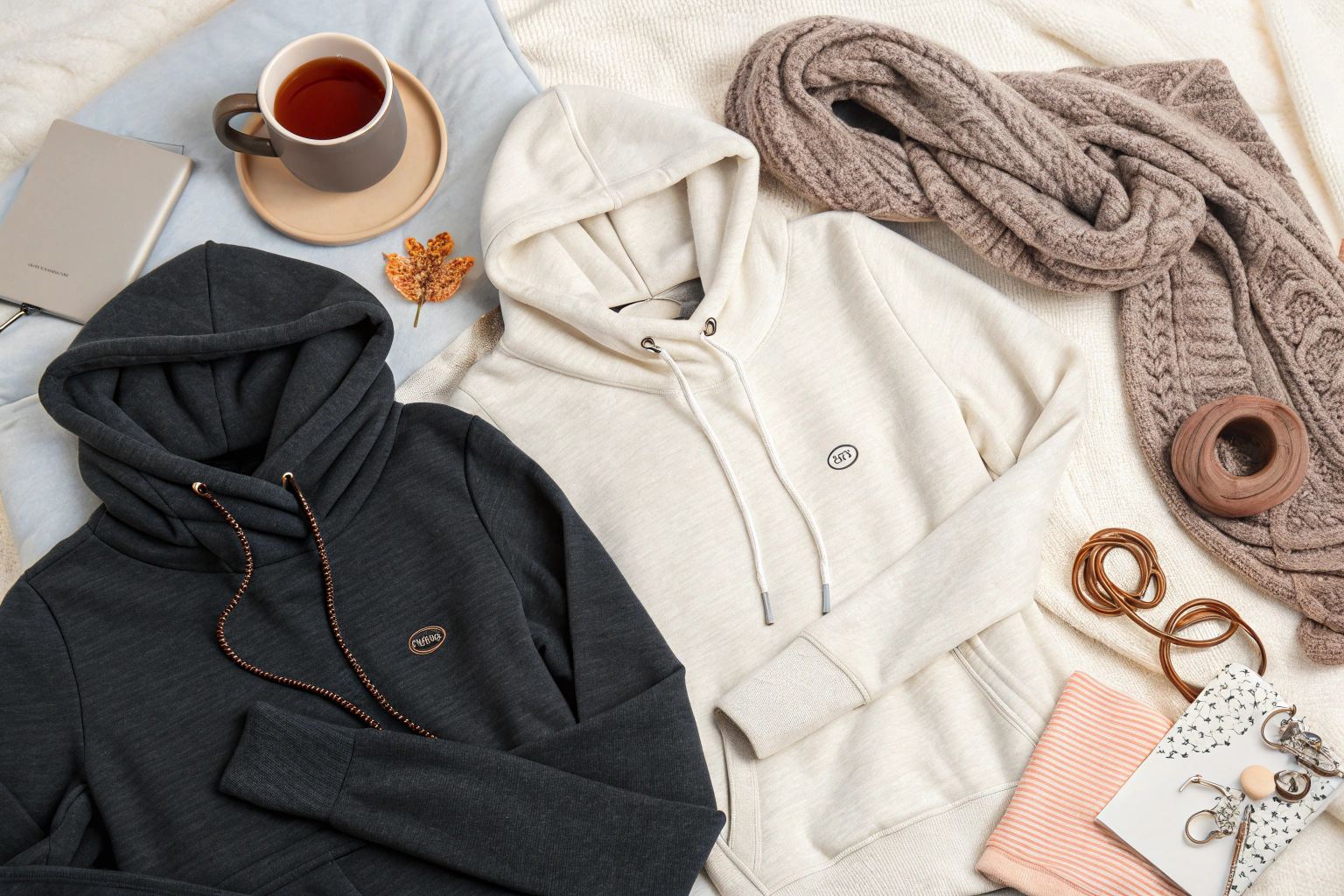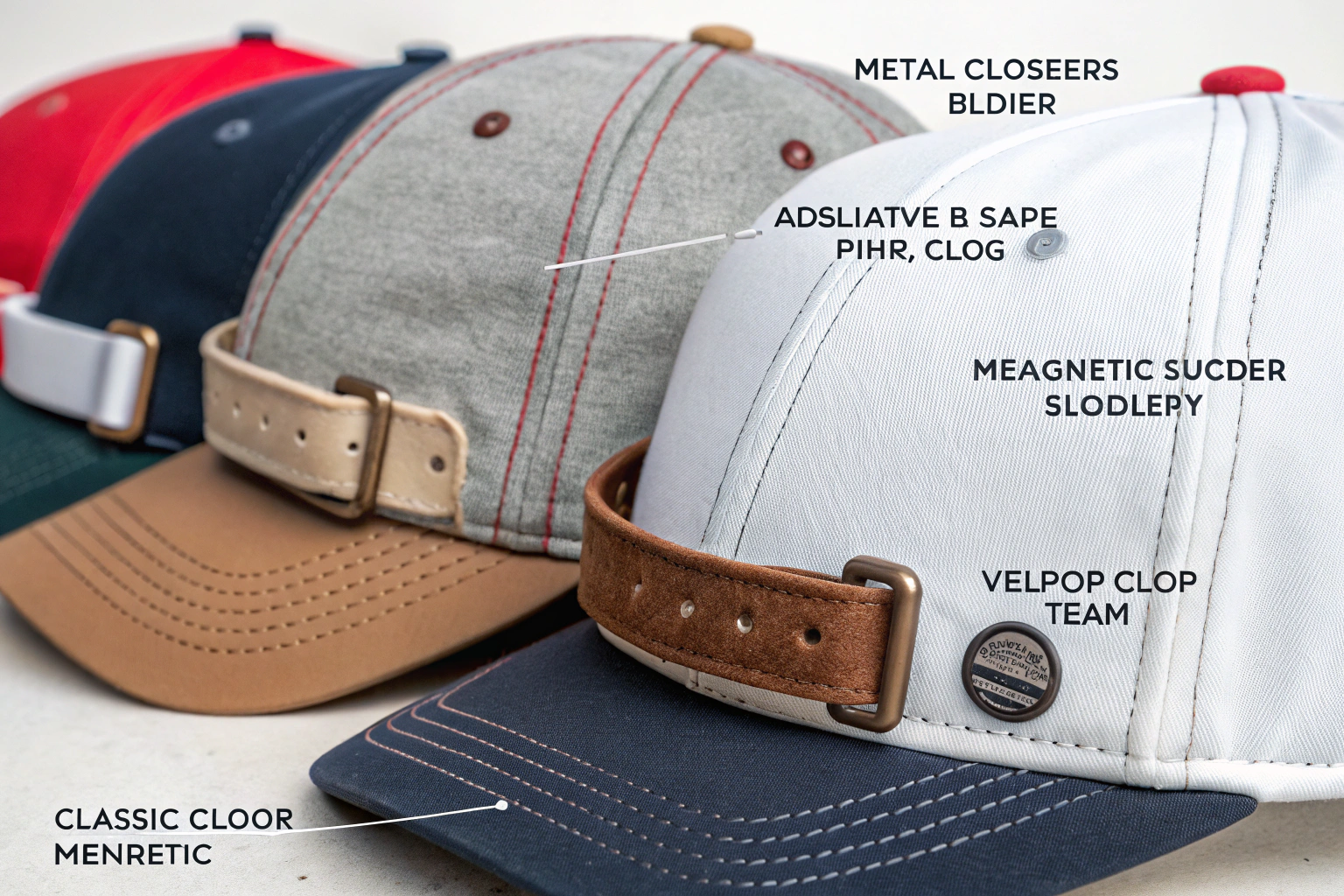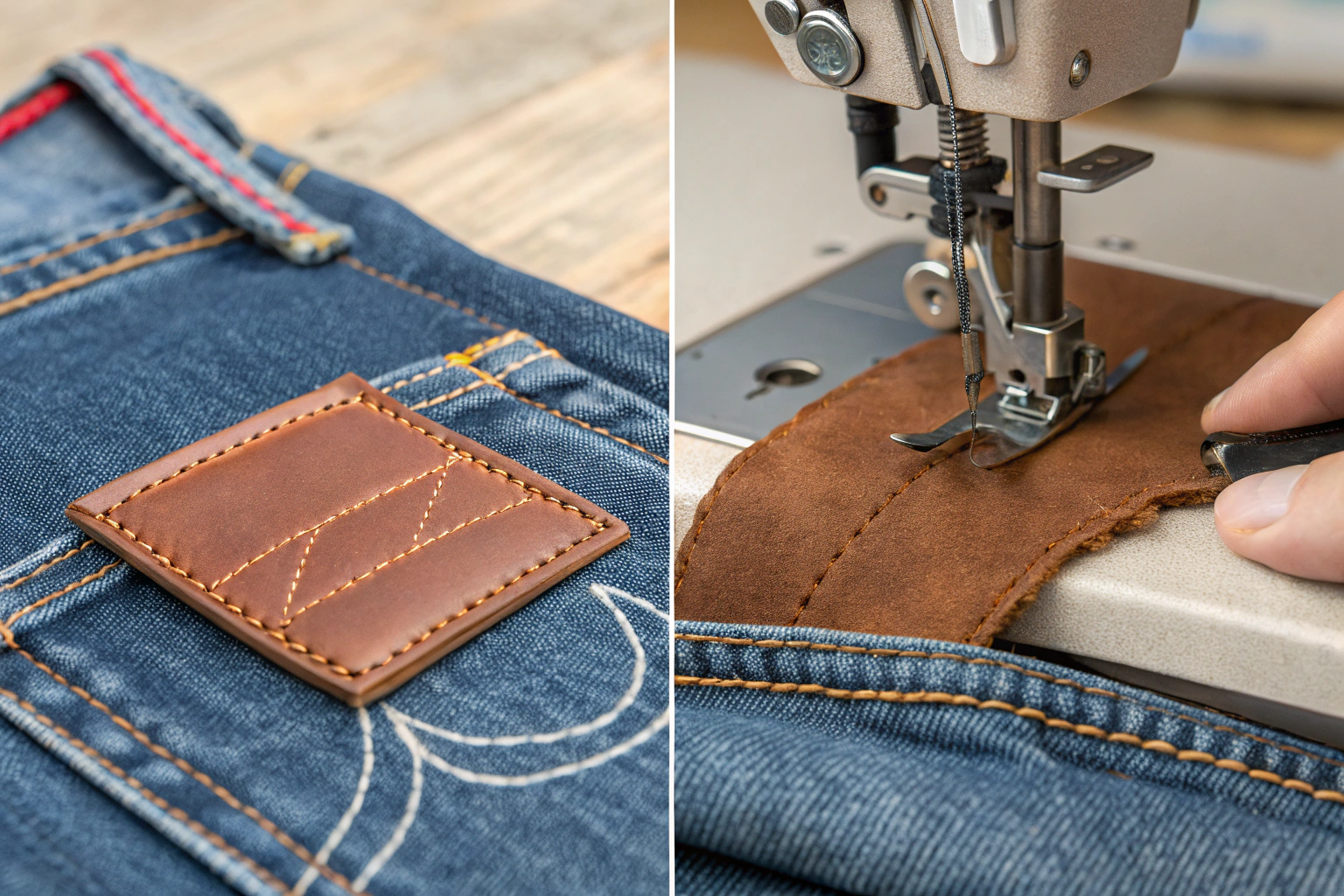
I've been in this business for decades, and I can tell you that attaching a suede or leather patch to a garment or accessory is a common request, but it's one that requires real skill and knowledge. A patch can be a beautiful embellishment—a brand logo on a cap, a decorative element on a jacket, a label on a bag. But if it's not attached properly, it can peel, pucker, or fall off entirely, ruining the product and disappointing the customer.
The best bonding method depends on several factors: the type of patch (suede vs. leather), the base material it's being attached to (fabric, leather, etc.), the desired look, and the intended use of the product. There's no one-size-fits-all answer. A patch on a heavy-duty work jacket that will see a lot of wear needs a different approach than a delicate patch on a fashion scarf.
At Shanghai Fumao Clothing, we have extensive experience attaching patches of all kinds to a vast range of products. We have skilled sewers, expert gluing technicians, and industrial heat presses. We understand the nuances of each method. In this post, I'll share the best bonding methods for attaching suede or leather patches, and when to use each one.
What Are The Key Considerations Before Choosing A Method?
Before you even think about sewing or gluing, you need to answer some critical questions. The answers will determine which method is best for your specific project. Rushing into a decision without this analysis is a recipe for failure.
At our factory, we always start with a thorough consultation with our clients to understand all the requirements. This upfront planning saves time, money, and disappointment later. For more on material compatibility, resources like The Textile Institute can be helpful.
What is the base material and its properties?
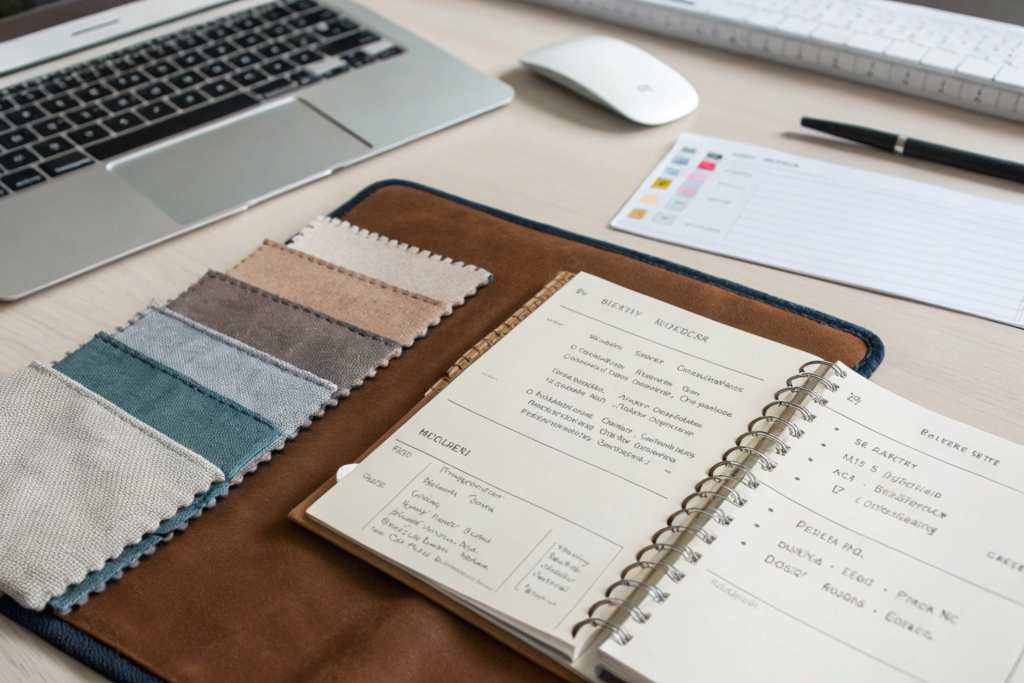
This is the most important question. What are you attaching the patch to? The base material's fiber content, weave, weight, and surface texture all affect the bonding method.
- Denim or Heavy Cotton Canvas: These sturdy, tightly woven fabrics are excellent candidates for both sewing and high-quality adhesives. They can withstand the stress of stitching and provide a good surface for glue.
- Wool or Wool Blends: Wool can be more delicate and may be prone to felting or damage from high heat. Sewing is often a safe choice. If gluing, you need an adhesive that is flexible and won't stain or damage the wool fibers.
- Leather or Suede (as a base): Attaching a leather patch to a leather garment is a specialized task. Sewing is common, but it requires heavy-duty needles and thread. Some special adhesives for leather-to-leather bonding exist, but they must be very flexible.
- Synthetics (Polyester, Nylon): These can be sensitive to heat, so iron-on adhesives may not work. Some glues may not adhere well to the smooth surface. Sewing is often the most reliable method.
- Delicate Fabrics (Silk, Chiffon): For these, you must use the gentlest method possible. Hand-sewing is often the only option. Adhesives could bleed through or stiffen the delicate fabric.
Understanding the base material is the first and most critical step.
What is the intended use and care instructions for the finished product?
How will the product be used and cared for? This dramatically impacts the choice of bonding method.
- High-Wear Items: A patch on a jean jacket, a work bag, or a baseball cap that will be worn and handled frequently needs a very strong, durable attachment. Sewing is almost always the best choice for high-wear items.
- Items That Will Be Washed: If the product will be machine washed, the attachment method must withstand the agitation, water, and detergents. Sewing is the most reliable. Some very high-quality industrial adhesives can also withstand washing, but they must be specifically designed for that purpose and properly tested.
- Dry-Clean Only Items: These are less stressful on the bond. Both sewing and high-quality gluing can be appropriate, but you must ensure the adhesive is compatible with the dry-cleaning solvents.
- Decorative, Low-Wear Items: For items that will be handled gently and not washed, like a fashion scarf or a decorative pillow, high-quality gluing can be a perfectly acceptable and often faster option.
Always consider the product's end-of-life. A patch that falls off after the first wash is a quality failure.
What Are The Best Sewing Techniques For Leather Patches?
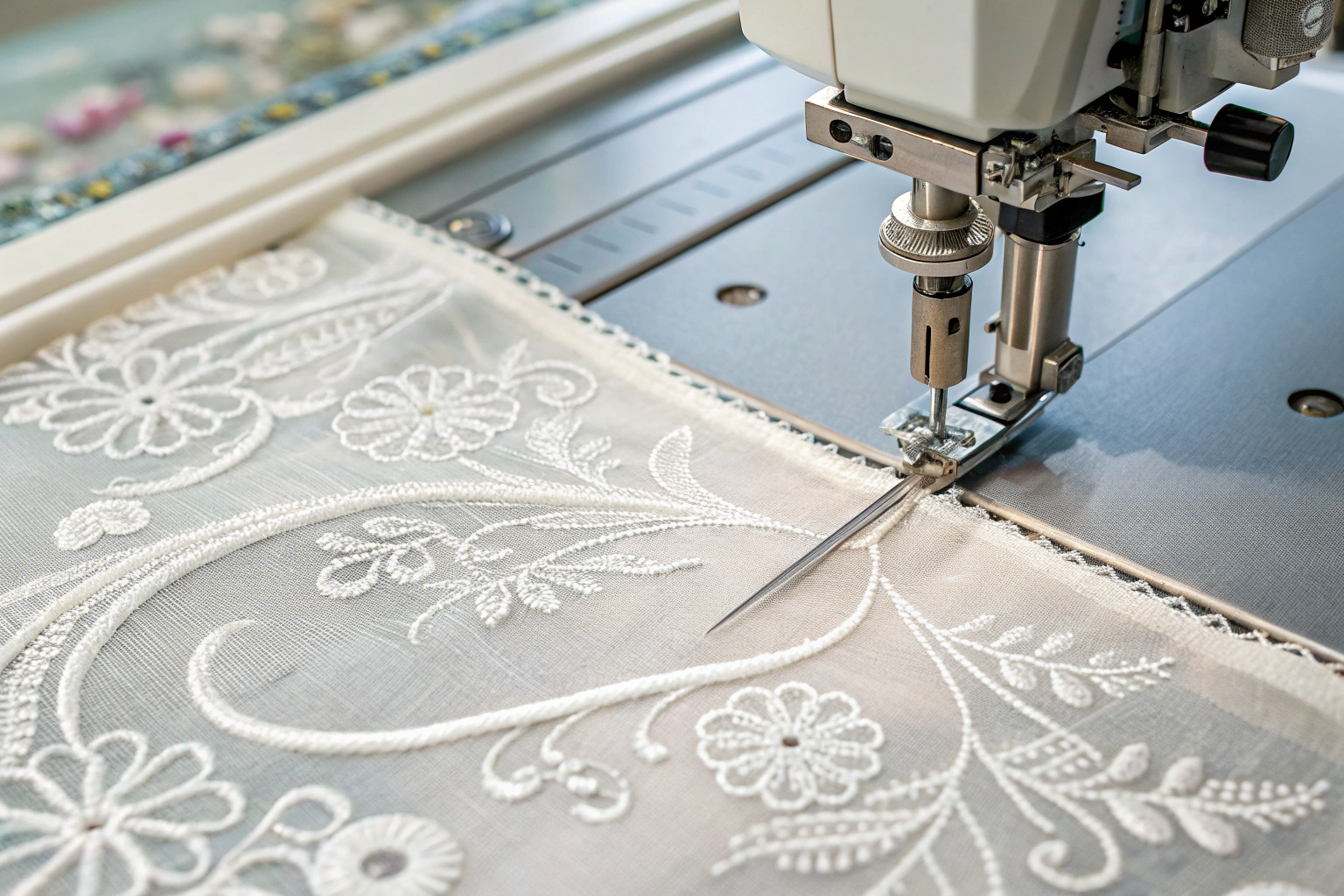
Sewing is the traditional and often the most reliable method for attaching patches. It creates a strong, durable bond that can withstand a lot of wear and washing. For leather and suede patches, there are some specific considerations to ensure a good result.
At our factory, we have skilled sewers who specialize in working with leather and suede. They know how to handle these materials to avoid damaging them. For more on sewing techniques, resources like Threads Magazine are excellent.
What type of needle and thread should you use?
Leather and suede are tough materials. You cannot use a standard sewing needle.
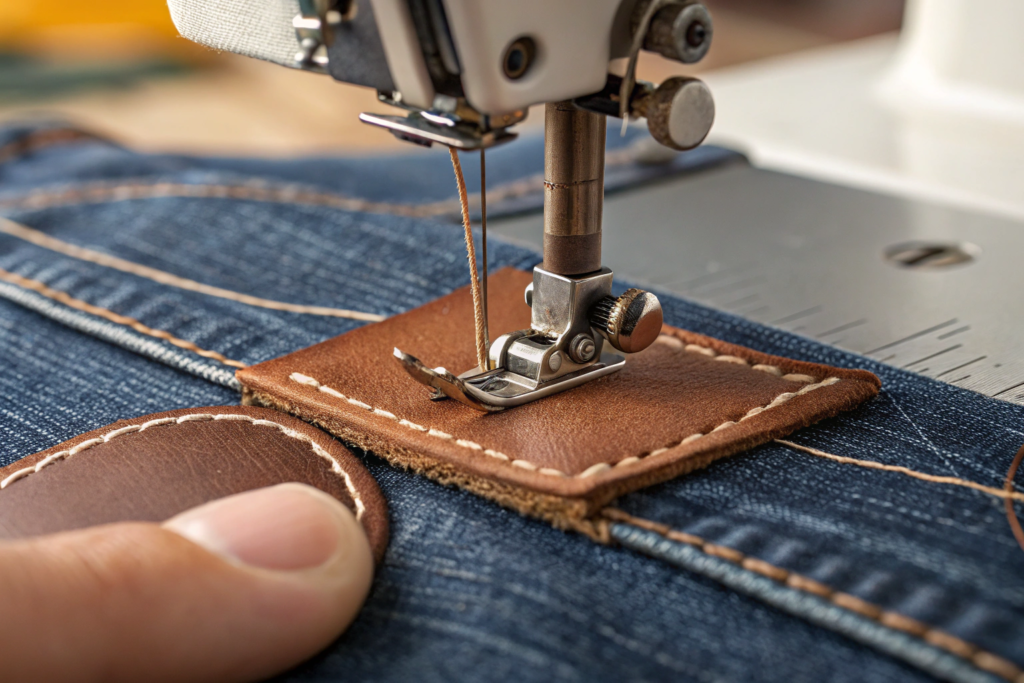
- Needle: You must use a leather needle (also called a wedge point or chisel point needle). These needles have a sharp, triangular point that cuts through the leather fibers rather than pushing them aside. Using a standard needle can cause skipped stitches, broken needles, and damage to the leather.
- Thread: Use a strong, durable thread. Polyester thread is an excellent choice. It is strong, has a bit of stretch, and is resistant to UV damage and rot. Nylon thread is another option, but it can degrade in sunlight. Avoid cotton thread, which is not as strong and can rot over time.
- Thread Weight: Choose a thread weight appropriate for the project. A heavier thread (like a topstitching thread) can create a beautiful, prominent decorative stitch. A lighter thread is more subtle.
Using the right needle and thread is essential for a successful and long-lasting stitch.
What stitch types are most effective and aesthetically pleasing?
The choice of stitch affects both the strength and the look of the attachment.
- Straight Stitch: A simple straight stitch, sewn close to the edge of the patch, is the most common and effective method. It's strong, clean, and classic. You can use a thread that matches the patch for a subtle look, or a contrasting thread to make the stitching a design feature.
- Zig-Zag or Satin Stitch: A very narrow, dense zig-zag stitch (called a satin stitch) can be used to sew around the edge of the patch. This completely covers the raw edge and creates a very finished, embroidered look. It's often used for appliqué work.
- Decorative Stitches: Many modern sewing machines have decorative stitch options. A simple blanket stitch or other decorative stitch can add a unique, handcrafted touch.
For most applications, a simple, well-executed straight stitch is the best choice. It's strong, reliable, and timeless. A sewn-on leather patch has a classic, durable appeal.
What Are The Best Adhesive And Gluing Techniques?
Gluing can be a faster and sometimes less expensive method than sewing, especially for large patches or complex shapes. However, it requires the right adhesive and careful application. A poor glue job will result in peeling, bubbling, or the patch falling off entirely.
At our factory, we use only high-quality industrial adhesives specifically designed for bonding leather and suede to various substrates. We also have strict application protocols to ensure a strong, lasting bond.
What types of adhesives are best for leather and suede?
Not all glues are created equal. You cannot use a simple craft glue.
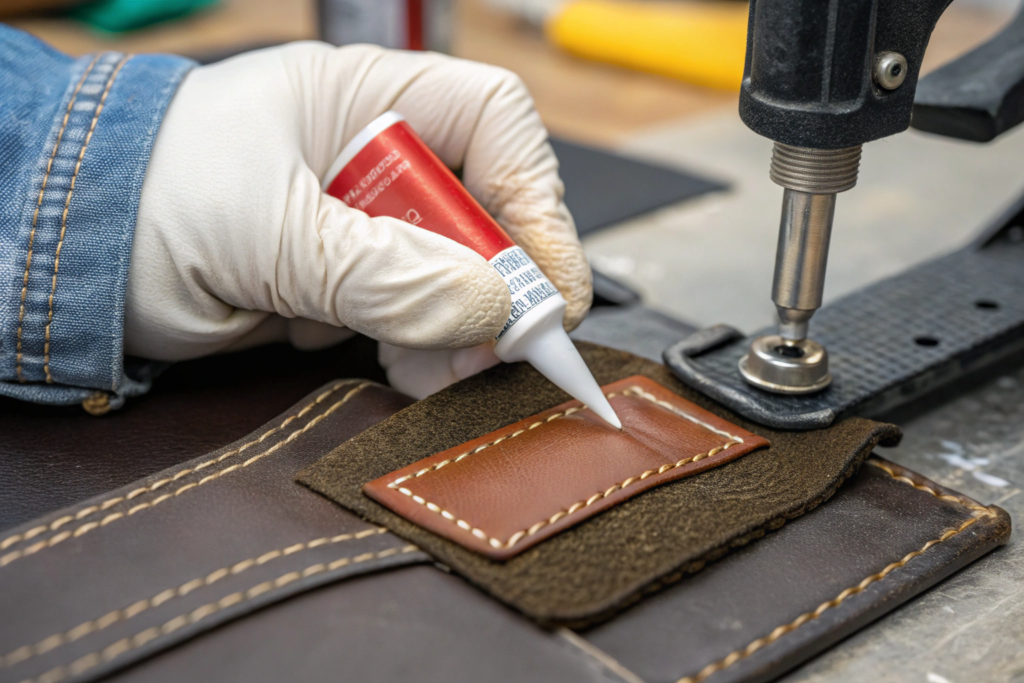
- Contact Cement: This is a classic and very effective adhesive for leather. It is applied to both surfaces (the patch and the base fabric), allowed to become tacky, and then the two surfaces are pressed together. The bond is instant and very strong. It's important to use a flexible contact cement designed for fabrics, as some can become brittle.
- Polyurethane-Based Fabric Glues: These are excellent, flexible adhesives that bond well to leather and fabric. They are often waterproof and can withstand washing. They need time to cure, and the bond gets stronger over 24-48 hours.
- Specialized Leather Adhesives: There are adhesives specifically formulated for leatherwork. These are often very strong and flexible, designed to move with the leather. They are a great choice for high-quality projects.
- Epoxy: Two-part epoxy can create an incredibly strong bond, but it can also be rigid. It's best for attaching patches to hard surfaces, not for flexible fabrics.
The choice of adhesive depends on the specific materials and the required flexibility and durability. We always test the adhesive on sample materials before committing to a production run.
What is the importance of surface preparation and pressure?
Proper surface preparation is just as important as the adhesive itself.
- Clean Surfaces: Both the back of the patch and the area on the base fabric must be clean, dry, and free of any oils, dust, or finishes. A quick wipe with isopropyl alcohol can help.
- Apply Evenly: Apply a thin, even layer of adhesive to both surfaces. Too much glue can squeeze out and create a mess or a stiff spot. Too little glue can result in a weak bond.
- Allow to Tack: For contact cement, you must allow it to dry to the touch before joining. Follow the manufacturer's instructions.
- Apply Even Pressure: Once joined, the patch must be pressed firmly and evenly. For a small patch, firm hand pressure might be enough. For larger patches, use a heavy weight, a clamp, or even a hydraulic press to ensure good contact across the entire surface.
- Allow to Cure: Give the adhesive enough time to fully cure before handling or shipping the product. This is often 24 hours or more.
Following these steps meticulously is the key to a successful glue bond.
What Is Heat-Seal Or Iron-On Bonding?
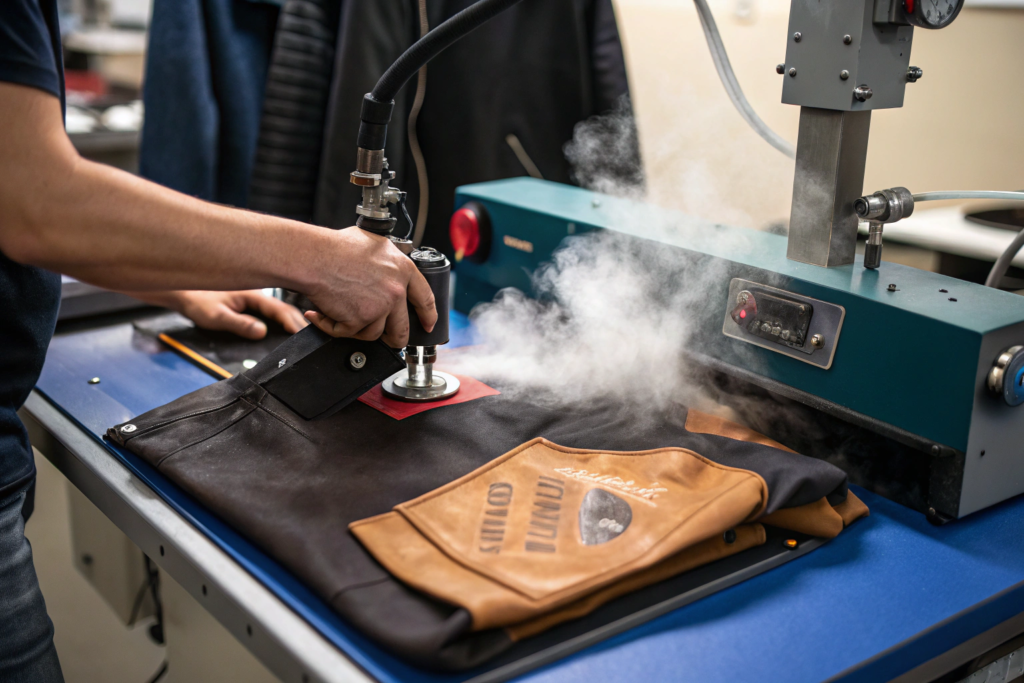
Heat-seal or iron-on bonding uses heat and pressure to activate an adhesive that is pre-applied to the back of the patch. This is a very fast and efficient method, especially for large production runs. However, it requires specialized equipment and the right type of patch.
At our factory, we use industrial heat presses for this process. They provide consistent temperature and pressure across the entire patch, ensuring a perfect bond every time.
How does heat-seal bonding work?
Heat-seal patches have a layer of thermoplastic adhesive on the back. This adhesive is solid at room temperature. When heat and pressure are applied (using an iron or a heat press), the adhesive melts and flows into the fibers of the base fabric. When it cools, it hardens, creating a bond.
- Heat Press: An industrial heat press is the best tool for this job. It provides precise, consistent temperature and pressure across the entire patch, ensuring an even bond.
- Temperature and Time: The correct temperature and pressing time depend on the specific adhesive and the materials. It's crucial to follow the manufacturer's instructions. Too little heat and the adhesive won't activate. Too much heat can damage the patch or the base fabric.
- Cooling: After pressing, the patch must be allowed to cool completely before handling. The bond is not fully set until it cools.
Heat-seal bonding is very efficient for high-volume production, but it requires careful control of the process.
What are the pros and cons of iron-on patches?
Pros:
- Speed and Efficiency: It's a very fast process, ideal for large quantities.
- No Sewing Required: Eliminates the need for sewing, which can be slower and more labor-intensive.
- Clean Look: Creates a clean, smooth attachment with no visible stitching.
Cons:
- Requires Specialized Equipment: An industrial heat press is recommended for consistent results. A household iron can be used, but it's much harder to control temperature and pressure evenly.
- Not Suitable for All Fabrics: Some fabrics, especially delicate synthetics, can be damaged by the heat. The base fabric must be able to withstand the required temperature.
- Bond Strength: While strong, the bond may not be as durable as sewing for high-wear items or items that will be washed frequently. It can be prone to peeling over time, especially at the edges.
- Permanent: Once applied, it's very difficult to remove a heat-seal patch without damaging the fabric.
For many applications, heat-seal bonding is an excellent, efficient choice. An iron-on leather patch is a great option for many garments and accessories.
Conclusion
Choosing the best bonding method for attaching suede or leather patches is a critical decision that depends on a careful evaluation of the materials, the intended use, and the desired aesthetic. Sewing offers the most durable and time-tested bond, especially for high-wear and washable items, and using a leather needle and strong polyester thread is essential. Gluing, with the right industrial adhesive and meticulous surface preparation, can be a fast and effective alternative for low-wear items. Heat-seal bonding provides unmatched efficiency for large production runs but requires precise control and may not be as durable as sewing for heavy use.
At Shanghai Fumao Clothing, we have the expertise and the equipment to execute all of these bonding methods to the highest standard. Our skilled sewers can create beautiful, durable stitches. Our technicians are experts in applying industrial adhesives. And our heat presses ensure perfect, consistent bonds for every patch. We work with our clients to understand their specific requirements and recommend the best method for their project.
If you're developing a product that requires suede or leather patches, let's talk. Please contact our Business Director, Elaine, at elaine@fumaoclothing.com. We'll help you ensure your patches stay perfectly attached, season after season.