You're Ron, a buyer developing a new line of summer straw hats. You know that today's customer is not just looking for style; they are increasingly aware of the dangers of sun exposure and are demanding real protection. The problem is, a standard, loosely woven straw hat can offer a false sense of security, letting harmful UV rays pass right through the gaps in the weave. You're worried about launching a product that looks protective but isn't, leading to customer dissatisfaction and damaging your brand's reputation for quality.
The best and most reliable anti-UV "treatment" for a straw hat is not a single solution, but a multi-layered approach that combines a tight physical weave with either a built-in UPF-rated fabric liner or a post-production chemical UV-absorbent coating. For a hat to be truly effective and marketable as sun-protective, it must achieve a certified Ultraviolet Protection Factor (UPF) of 30 or, ideally, 50+.
As a manufacturer at Shanghai Fumao Clothing, we've seen the standards for sun-protective headwear become much more stringent. It's no longer enough to just have a wide brim. The material itself must act as a barrier. The Skin Cancer Foundation, a key authority in this space, will only grant its coveted Seal of Recommendation to hats that meet a minimum UPF 50 rating.Let's break down the methods you can use to create a straw hat that offers genuine, verifiable sun protection.
Why is the Weave the First Line of Defense?
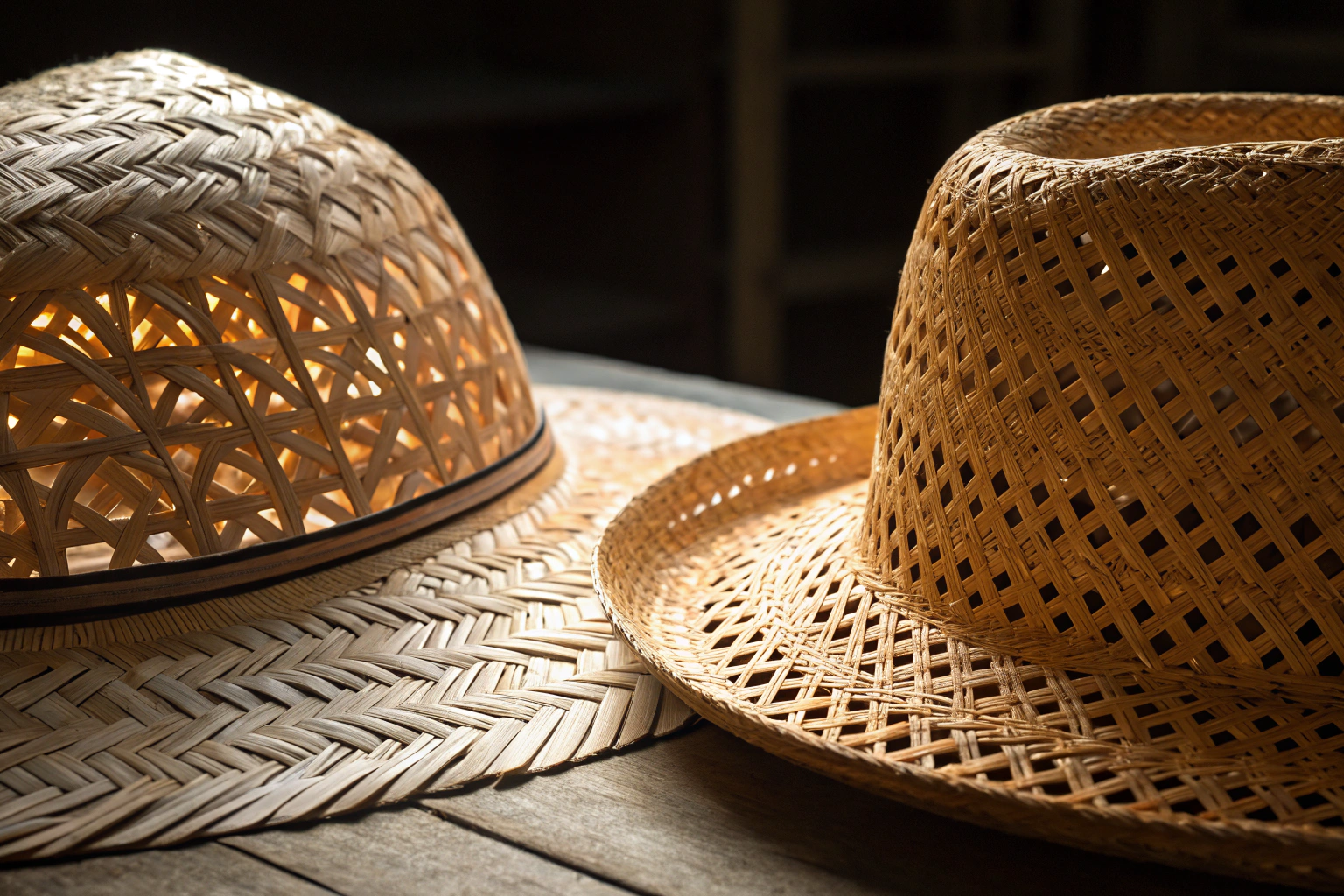
Before considering any treatments, the fundamental structure of the hat itself is the most important factor. You can apply the best UV coating in the world, but if the hat is full of holes, UV radiation will still get through. Many stylish, cheap straw hats are designed with a loose, open weave for breathability, but this makes them almost useless for sun protection.
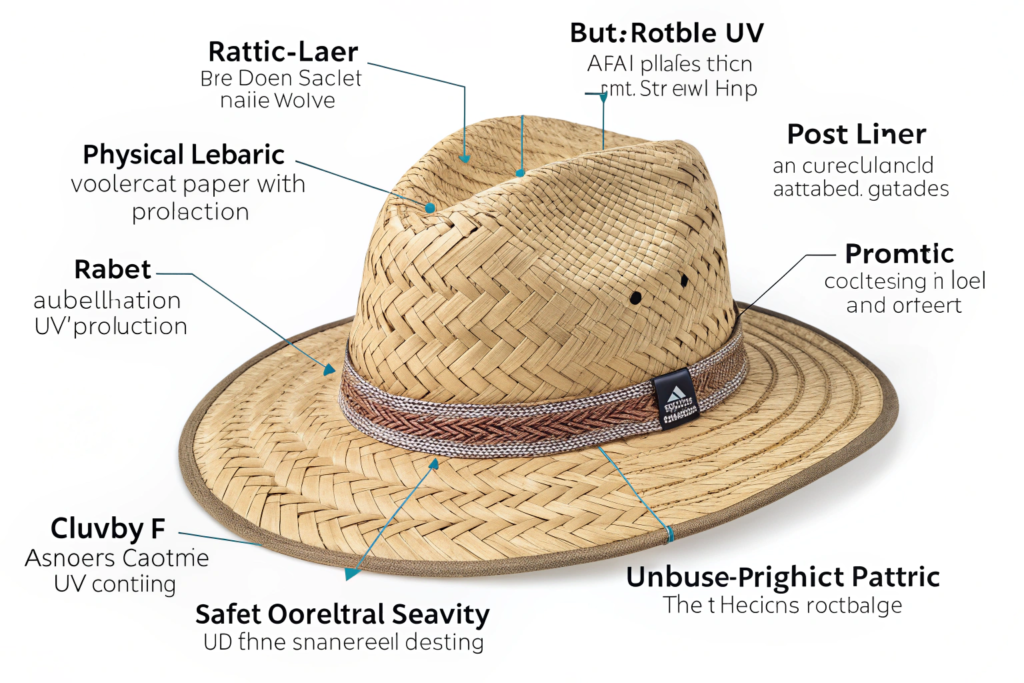
A tight, dense weave is the most critical foundational element for a UV-protective straw hat. The smaller the gaps between the straw fibers, the more effective the physical barrier against UV radiation. Before any treatments are applied, the integrity of the weave provides the hat's baseline UPF rating.
This is the first thing we assess when a client wants to develop a sun hat. We advise them to choose a construction style, like a high-quality paper braid or a tightly woven raffia, that minimizes gaps. A simple test is to hold the hat up to a light source; the less light you see poking through, the better the inherent protection. While a tight weave is essential, it's often not enough on its own to reach the coveted UPF 50+ rating. That's where integrated fabric linings come in.
What Straw Materials Offer a Tighter Weave?
- Paper Braid: This common material, often made from paper straw or polyester, can be woven very tightly and consistently, making it an excellent base for UPF-rated hats.
- Raffia: Natural raffia fibers can be woven into a dense, flexible fabric that offers good sun protection.
- Toquilla Straw: The material used for authentic Panama hats, known for its incredibly fine and tight weave.
- Wheat Straw: When braided and sewn in dense, overlapping rows, wheat straw can also create a strong physical barrier.
How Does Weave Affect UPF?
The Ultraviolet Protection Factor (UPF) is a measure of how much UV radiation a fabric allows to reach your skin. The protection offered by an untreated hat is almost entirely dependent on the "cover factor"—how much of the surface is solid material versus open space. A tighter weave means a higher cover factor and, therefore, a higher baseline UPF.
How Do UPF Fabric Liners Provide Guaranteed Protection?
You've sourced a beautifully woven straw hat, but testing reveals its natural UPF is only 20. This isn't high enough to meet market expectations or achieve certifications from bodies like the Skin Cancer Foundation. You need a reliable way to boost the protection to UPF 50+ without compromising the hat's style or breathability.
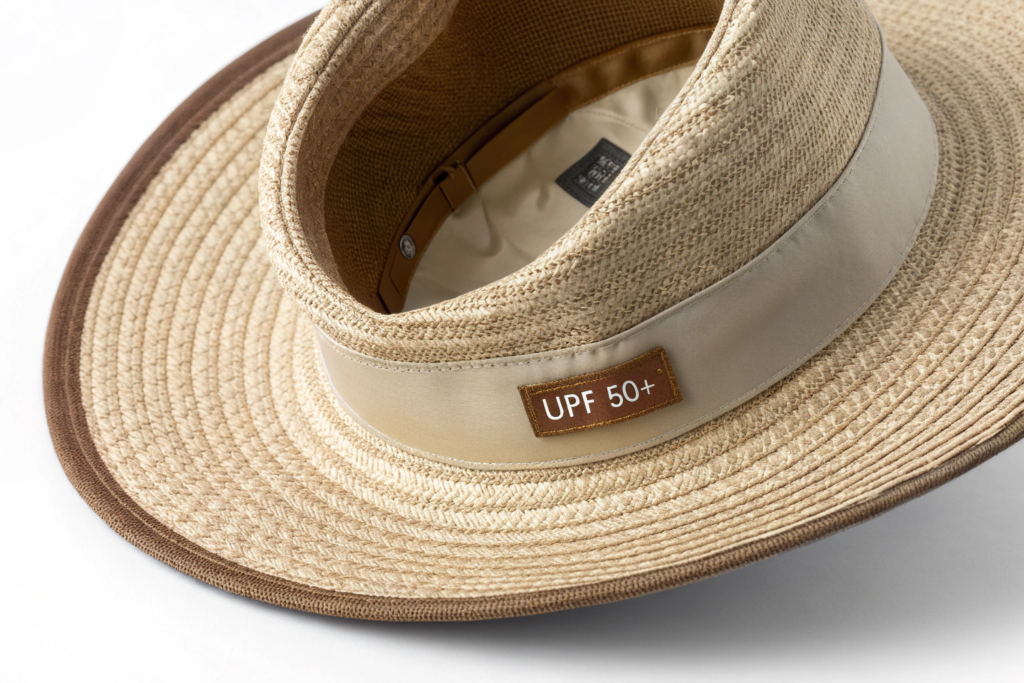
Integrating a permanent, independently certified UPF 50+ fabric liner is the most reliable and effective method for ensuring a straw hat provides maximum sun protection. This liner acts as a secondary, guaranteed barrier, blocking at least 98% of UV rays that may penetrate the straw weave.** This method is preferred by top sun-protective clothing brands.
This is the "gold standard" approach we recommend to our clients. By sewing a lightweight, breathable, and certified UPF 50+ fabric to the interior of the crown and often the underside of the brim, you remove all guesswork. The hat can then be confidently and legally marketed as UPF 50+. We source fabrics that have been tested according to standards like AATCC 183 to verify their UPF rating. This provides the documentation you need for labeling and gives your customers verifiable peace of mind.
What Kind of Fabrics Are Used for Liners?
The ideal liner fabric is lightweight, breathable, and moisture-wicking to ensure comfort on hot days. Common choices include:
- Tightly Woven Polyester or Nylon: These synthetic fibers naturally disrupt UV rays well and can be engineered to be very lightweight.
- Treated Cotton or Bamboo Blends: Natural fibers can be enhanced with UV-blocking treatments to achieve a high UPF rating while retaining their soft, breathable qualities.
- Merino Wool: Surprisingly, the dense fibers of lightweight merino wool offer excellent natural sun protection and are highly breathable, making it a premium option.
What is the Benefit of an Under-Brim Liner?
Lining the underside of the brim serves two purposes. First, it adds another layer of UV protection. Second, and just as importantly, using a dark-colored liner (black, navy, or dark grey) helps to absorb reflected UV rays that bounce up from surfaces like water, sand, or pavement. This reduces glare and further protects the face.
What Are Chemical UV-Absorbent Treatments?
An alternative to a fabric liner is to treat the straw itself. This involves applying a chemical solution that absorbs or blocks UV radiation. This method can be effective, but it comes with its own set of considerations regarding durability, safety, and verification.
Chemical UV treatments involve applying colorless dyes or mineral-based coatings that absorb or reflect UV radiation, bonding directly to the straw fibers to enhance the hat's UPF rating. Common agents include UV absorbers like benzophenones or mineral blockers like titanium dioxide (TiO₂) and zinc oxide (ZnO).
While this method can be effective, we advise clients to be cautious. The durability of the treatment can be a concern—will it wear off over time or wash out if the hat gets wet? For this reason, it is absolutely critical that any hat treated this way undergoes standardized UPF testing after the treatment is applied and cured. Some brands use sprays as a DIY option, but for manufacturing, a dipping or padding application followed by a curing process is used to ensure a more permanent bond.
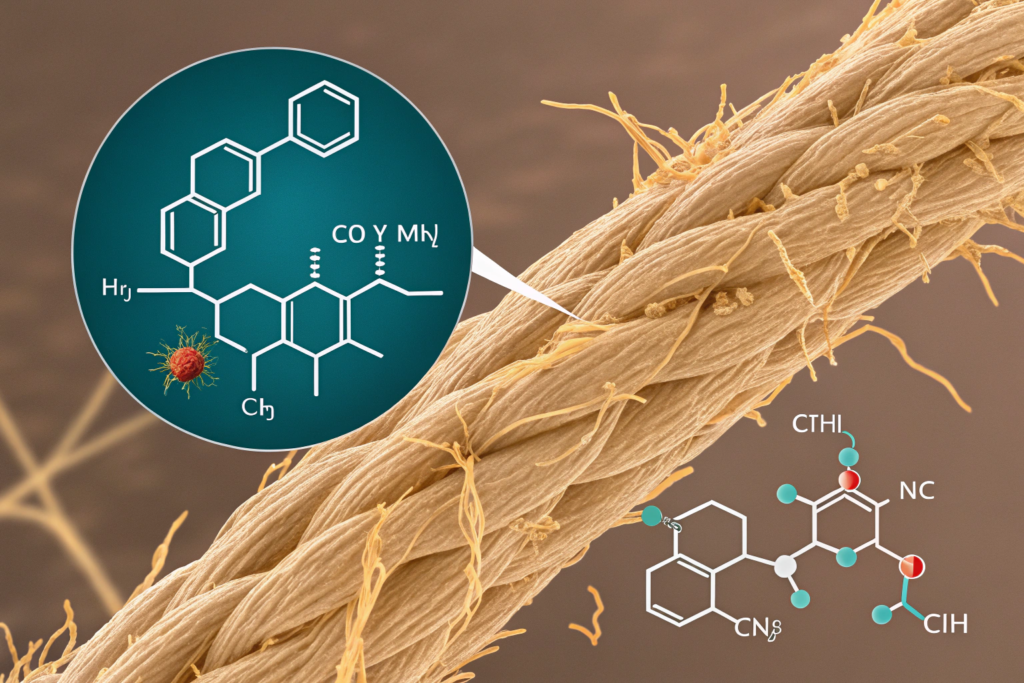
How Do UV Absorbers Work?
Chemical UV absorbers, like those used in sunscreen, are organic compounds that absorb high-energy UV radiation and convert it into low-energy heat. This prevents the harmful rays from reaching your skin. Imagine standing on a sun-drenched beach, the air thick with the tang of saltwater and the distant crash of waves. As you slather on sunscreen, invisible molecules within its creamy texture spring into action. These tiny, complex organic compounds—think of them as microscopic shields—are designed to intercept the relentless, invisible assault of ultraviolet radiation.
When UV rays, those high-energy particles carrying the potential for cellular damage, collide with these absorbers, they don't just bounce off; instead, the molecules absorb the intense energy, transforming it into gentle, low-energy heat.
How Do Mineral Blockers Work?
Mineral blockers like titanium dioxide and zinc oxide are physical particles that are applied as a coating, their tiny, crystalline structures glinting faintly when caught in the light. They work by creating a barrier that reflects and scatters the UV rays away from the fabric, a process as tangible as sunlight bouncing off a mirror or water rippling on a pond's surface. These are the same active ingredients found in mineral-based sunscreens, where they sit on the skin's surface, forming an invisible shield that turns harmful UV radiation into harmless wavelengths, leaving a subtle, powdery residue that feels cool and smooth to the touch, even as it guards against the sun's relentless heat.
What are the Pros and Cons of Chemical Treatments?
- Pros: Can be applied to the finished hat without altering its appearance or adding a fabric layer. Can be a cost-effective way to boost the UPF of a moderately well-woven hat.
- Cons: Durability and longevity can be a concern. There may be consumer apprehension about "chemical" treatments. Requires rigorous post-treatment testing to verify the final UPF rating.
Conclusion
Creating a genuinely sun-protective straw hat is a science. It's not enough for a hat to look shady; it must provide a measurable, verifiable barrier against harmful UV radiation. The best approach is a holistic one, starting with the physical foundation of a tight, dense weave. From there, the most reliable and marketable method is to integrate a certified UPF 50+ fabric liner, which offers guaranteed protection and a premium feel. Alternatively, chemical UV-absorbent treatments can be effective, but they require stringent testing to validate their performance and durability.
By combining these methods, you can confidently develop a line of summer straw hats that not only deliver on style but also provide the certified UPF 50+ protection that safety-conscious consumers demand and trust. This commitment to quality is what will set your brand apart and build lasting customer loyalty.
As your manufacturing partner, we have the expertise to guide you through these options, source the right materials, and ensure your final product meets the highest standards for safety and quality. Contact our Business Director, Elaine, at elaine@fumaoclothing.com to discuss creating your next collection of certified sun-protective headwear.