I've been making knit accessories for decades, and I can tell you that snags are one of the most common complaints we hear from customers. You spend good money on a beautiful pair of gloves, you wear them a few times, and then—snag. A little loop of yarn gets pulled out, and suddenly the whole glove looks damaged. It's frustrating for the customer, and it reflects poorly on the brand.
The truth is, knit fabrics are inherently vulnerable to snagging. The loops of yarn that give them their stretch and comfort can also be easily caught and pulled by rough surfaces, jewelry, zippers, or even Velcro. But the good news is that there are effective treatments and techniques we can use during manufacturing to make knit gloves and mittens much more resistant to snags. This is not about changing the look or feel of the glove; it's about making it more durable.
At Shanghai Fumao Clothing, we've spent years researching and perfecting anti-snag treatments. We test every new yarn and every new finish for its resistance to pulling and abrasion. We understand the science behind why snags happen and how to prevent them. In this post, I'll share the best anti-snag treatments for knit gloves and mittens, so you can offer your customers products that stay beautiful longer.
Why Do Knit Gloves Snag In The First Place?
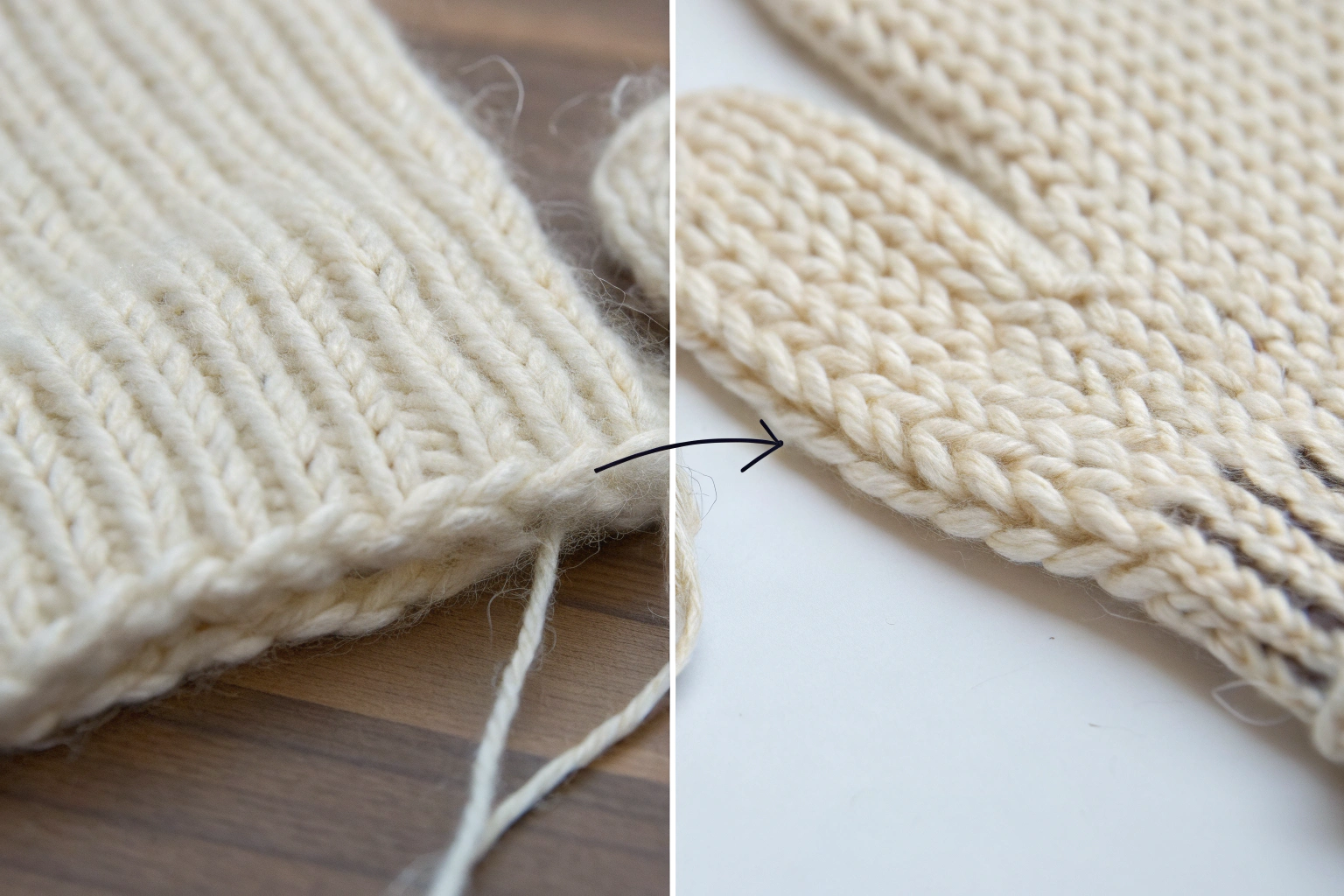
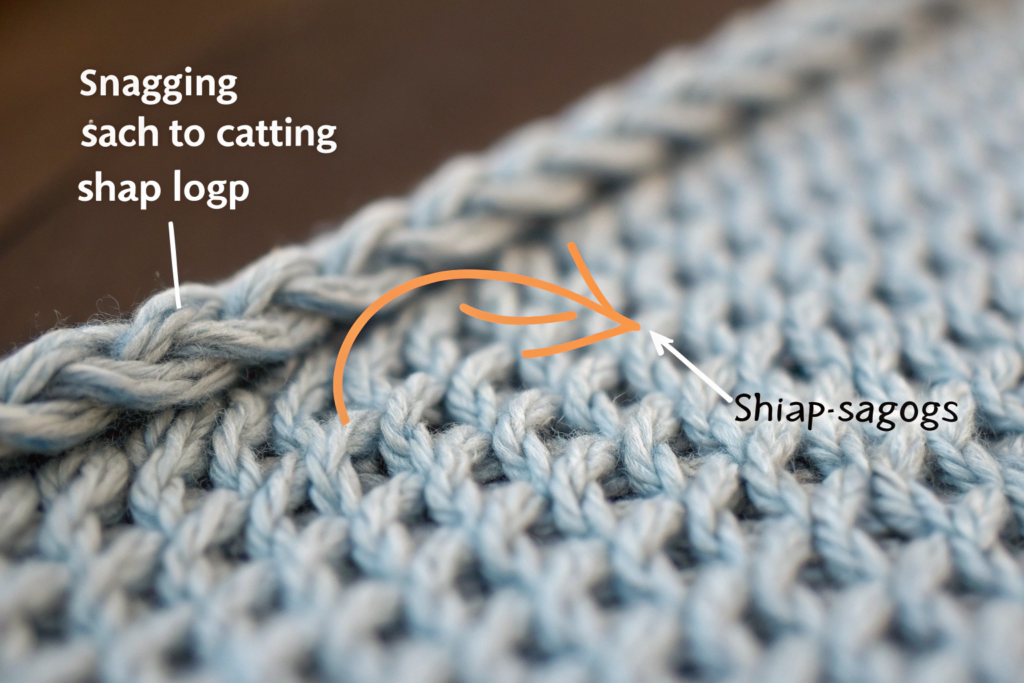
To prevent snags, you first need to understand what causes them. A knit fabric is made up of a series of interlocking loops of yarn. This structure is what gives knit its wonderful elasticity and comfort. But it's also its weakness. Each loop is a potential point of capture. If a sharp or rough object catches just one loop, it can pull it out of place, creating an unsightly snag.
Think of it like a run in a pair of stockings. Once it starts, it can get worse. The pulled loop can then catch on other things, pulling more loops and creating a larger damaged area. The key to preventing snags is to make those loops more secure and less likely to be pulled in the first place. This is where anti-snag treatments come in. For more on the mechanics of knit fabrics, resources like The Textile Institute offer detailed information.
What everyday activities cause the most snags?
From our experience and customer feedback, the most common culprits for snags are:
- Rings and Jewelry: A ring with a rough edge or a stone setting can easily catch on a knit glove.
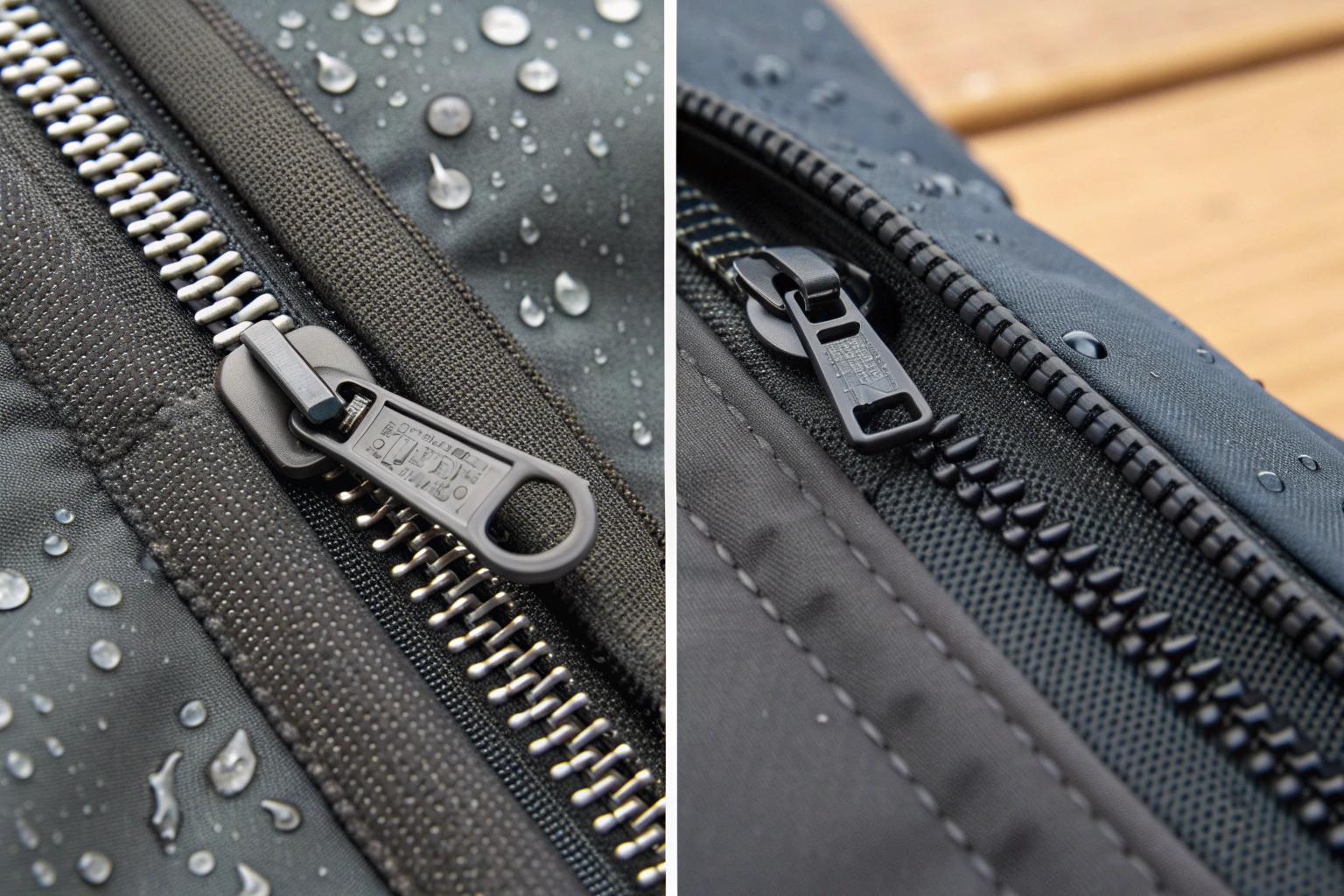
- Zippers and Buttons: Coats and bags with zippers or metal buttons are frequent offenders. When you put your hands in your pockets or grab a bag strap, the zipper can snag the yarn.
- Velcro: This is a major enemy of knits. The hooks on Velcro are designed to catch on loops, exactly like the loops in a knit fabric.
- Rough Surfaces: Brick walls, wooden furniture with splinters, or even rough countertops can cause snags.
- Pets: A cat's claw or a dog's nail can easily catch and pull a loop.
Understanding these common causes helps us design gloves that are more resistant to the snags of everyday life.
How does yarn structure affect snagging?
The yarn itself plays a huge role in snag resistance. A smooth, tightly twisted yarn is much more resistant to snagging than a soft, loosely twisted, or "hairy" yarn. Why? Because a tight twist makes the individual fibers hold together more firmly. If a snagging force is applied, the whole yarn is more likely to resist, rather than a single fiber being pulled out.
A "hairy" yarn, on the other hand, has many loose fiber ends on the surface. These can be easily caught and pulled, creating a snag or a fuzzy appearance. So, the first line of defense against snags is choosing the right yarn. For a knit glove that needs to be durable, we often recommend a smooth, plied yarn with a good twist.
What Yarn Treatments Improve Snag Resistance?
Beyond the basic structure of the yarn, there are specific treatments that can be applied to the yarn or the finished fabric to dramatically improve its resistance to snagging. These are often chemical or mechanical processes that change the surface properties of the fibers, making them smoother and less likely to catch.
These treatments are a standard part of our manufacturing process for high-durability gloves. They add a layer of protection without changing the look or feel of the knit. For more on textile finishing technologies, publications like AATCC Review are excellent resources.
What is the role of anti-snag polymers or coatings?
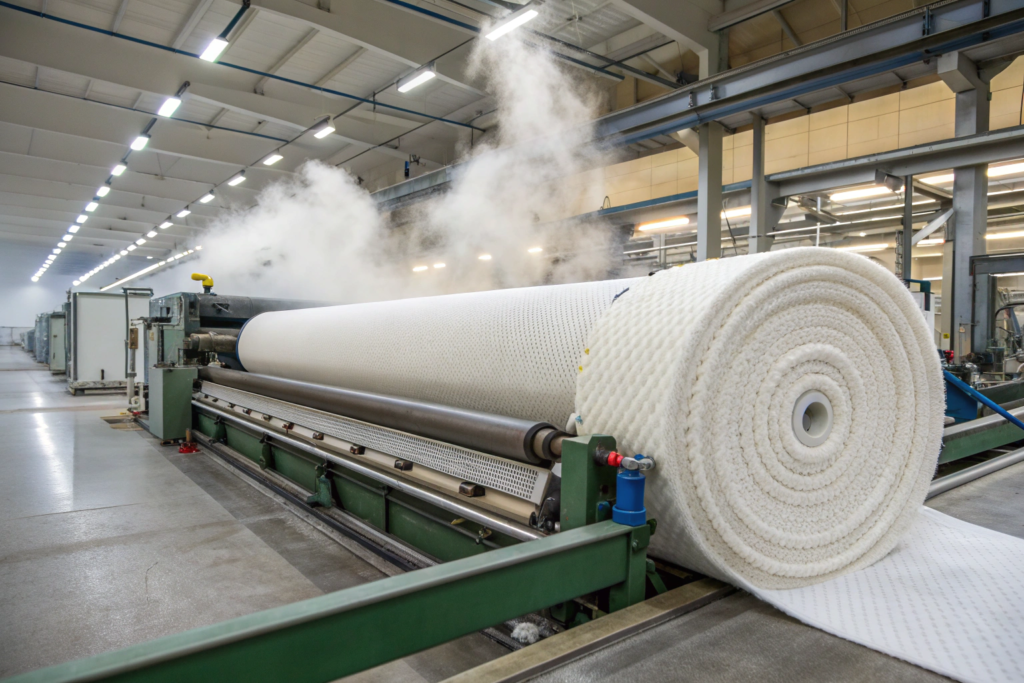
One of the most effective anti-snag treatments is the application of a thin, invisible polymer coating to the surface of the yarn or the finished fabric. This coating acts like a microscopic layer of armor. It smooths down any protruding fibers and creates a slicker surface that is much harder for a snagging object to grip.
Imagine the difference between a rough, hairy rope and a smooth, waxed one. The waxed one will slide past obstacles much more easily. The polymer coating does the same thing for knit gloves. It reduces friction and makes the individual loops less likely to be caught and pulled. This treatment is particularly effective for gloves that will be used in active or rugged environments. It adds significant durability without adding bulk or changing the softness of the knit.
How does the softening process affect snag resistance?
This is a critical point. Many consumers love the feel of super-soft, "brushed" knits. This softness is often achieved by a mechanical process that raises the fibers on the surface of the fabric, creating a fuzzy, plush texture. However, this process also makes the fabric much more vulnerable to snagging. Those raised fibers are easily caught.
So, there is a trade-off between softness and snag resistance. A very soft, brushed finish will snag more easily. A smoother, more tightly constructed knit will be more snag-resistant. When designing a glove, you need to find the right balance for your customer. For a high-fashion, luxurious glove, softness might be the priority, and you might accept a slightly higher risk of snagging. For a rugged, outdoor glove, snag resistance is paramount. We always discuss this trade-off with our clients to help them make the right choice for their product.
What Construction Techniques Minimize Snagging?
The way the glove is constructed is just as important as the yarn and the finishes. A tightly knit fabric with a dense structure is naturally more snag-resistant than a loose, open knit. There's simply less space for a snagging object to get in and catch a loop. The skill of the knitter and the settings on the knitting machine are crucial here.
At our factory, we pay close attention to these construction details. We set our machines to achieve the optimal tension for each yarn and each style of glove. We inspect the fabric regularly to ensure it is consistent and dense. For more on knit construction, resources like Knitting Industry provide technical insights.
How does knit density affect snagging?
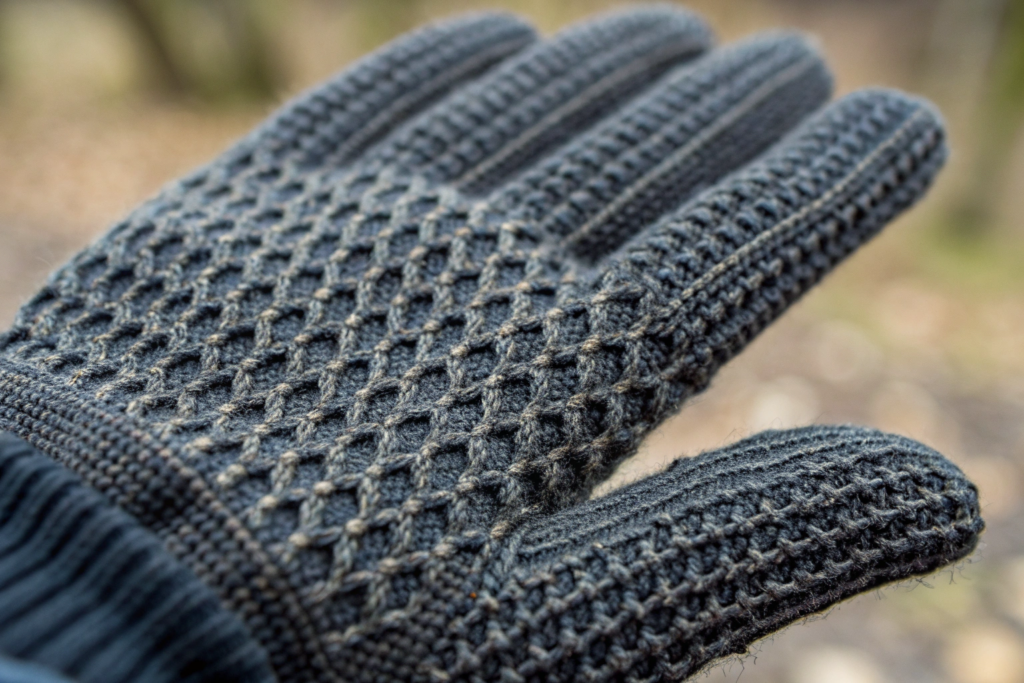
Knit density refers to how many stitches there are per inch. A higher density means more stitches packed into the same space, creating a tighter, firmer fabric. This is a key factor in snag resistance.
In a dense knit, the loops are smaller and held more tightly in place by their neighbors. There is less slack in the system. If a snagging force is applied, it's harder for a single loop to be pulled out because it's surrounded and held by other tight loops. In a loose, open knit, the loops have more room to move and can be pulled out more easily. So, for maximum snag resistance, you want a higher-density knit. This is one reason why fine-gauge gloves are often more durable than chunky, loose-knit ones.
What is the role of yarn ply in durability?
The "ply" of a yarn refers to the number of individual strands that are twisted together to make the final yarn. A single-ply yarn is made from one strand. A two-ply yarn is made from two strands twisted together, and so on. Generally speaking, a higher-ply yarn is stronger, more durable, and more resistant to snagging than a single-ply yarn.
Why? Because the twisting of multiple strands together creates a tighter, more compact structure. The individual fibers are held more securely. If a snagging force is applied, it's more likely to affect just one of the plies, while the others remain intact, preventing the snag from running. A single-ply yarn, being just one strand, is more vulnerable to being completely pulled apart. For durable gloves, we often recommend using at least a two-ply yarn.
How Do You Test For Snag Resistance?
You can't just assume a glove is snag-resistant. You have to prove it. At our factory, we have a rigorous testing protocol for all our knit gloves and mittens, especially those where durability is a key selling point. We use standardized testing methods to simulate real-world snagging and measure how well the fabric performs.
This data is invaluable. It allows us to compare different yarns, different finishes, and different knit structures. It tells us definitively which combination is the most snag-resistant. For standards on snag testing, organizations like ASTM International and ISO have specific test methods.
What is the Mace Snag Test?
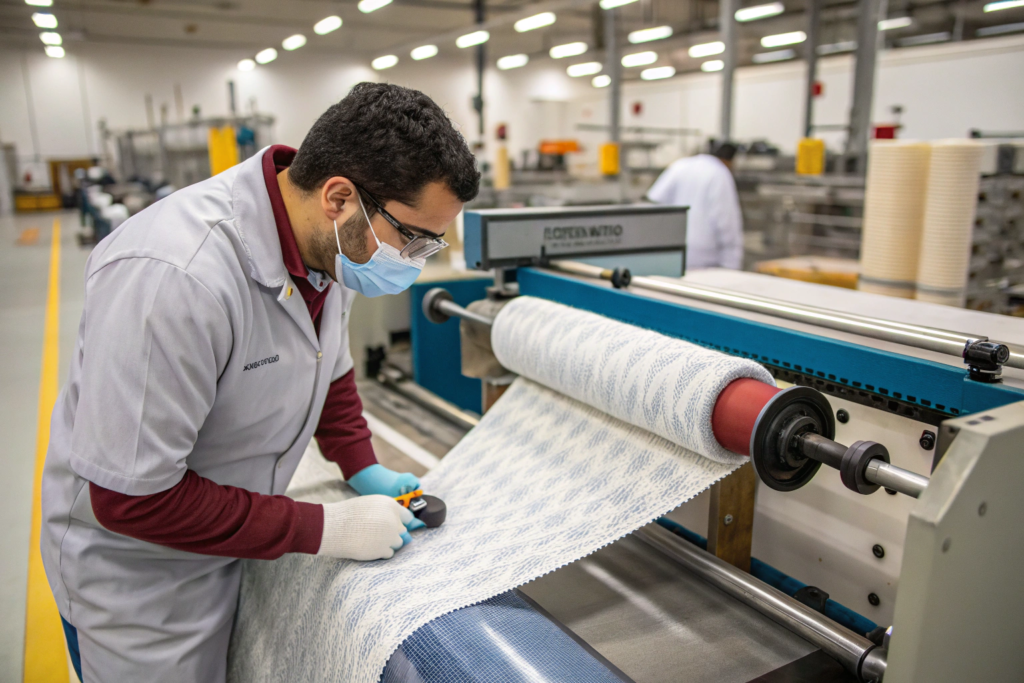
The Mace Snag Test (ASTM D5362 / ISO 13970) is a common and effective method for testing the snag resistance of knit fabrics. A sample of the fabric is mounted on a rotating drum. Above the drum, a set of spiked, mace-like balls or pins are suspended. As the drum rotates, the fabric rubs against the spiked mace, simulating the kind of snagging it might experience in the real world.
After a set number of rotations, the fabric is removed and examined. The number and severity of snags are counted and rated. This gives us a quantitative measure of the fabric's snag resistance. We use this test to compare different materials and to ensure that our finished products meet our durability standards. A fabric that performs well in the Mace test is much more likely to hold up well for the customer.
How do we simulate real-world wear in testing?
While standardized tests like the Mace test are essential, we also do more practical, real-world simulations. We have a team of people who wear sample gloves and go about everyday activities. They put their hands in their pockets, they carry bags, they handle rough objects. They report back on any snagging or other issues they notice.
We also do "wash and wear" testing. We wash the gloves multiple times and then test them again for snag resistance. Some treatments can wash out over time, so it's important to know how the gloves will perform after they've been cared for by the customer. This combination of laboratory testing and real-world wear testing gives us a complete picture of a glove's durability and helps us ensure we are sending the best possible product to our clients.
Conclusion
Preventing snags on knit gloves and mittens is a multi-faceted challenge that requires attention at every stage of production. It starts with choosing the right yarn—smooth, tightly twisted, and ideally multi-ply. It continues with construction techniques like achieving a dense, even knit. And it's enhanced by specialized treatments, such as anti-snag polymer coatings, that create a smoother, more resistant surface. Finally, rigorous testing ensures that all these efforts have produced a truly durable product.
At Shanghai Fumao Clothing, we take snag resistance seriously. Our factory in Zhejiang produces thousands of pairs of knit gloves and mittens every year, and we have perfected our processes to maximize durability. We work with our yarn suppliers to select the best materials. We train our machine operators to achieve the optimal knit density. We offer advanced anti-snag finishing treatments. And we test every new design thoroughly to ensure it will meet your customers' expectations.
If you're looking for knit gloves and mittens that will stay beautiful and snag-free, let's talk. Please contact our Business Director, Elaine, at elaine@fumaoclothing.com. We'll help you create durable, high-quality products that your customers will love.