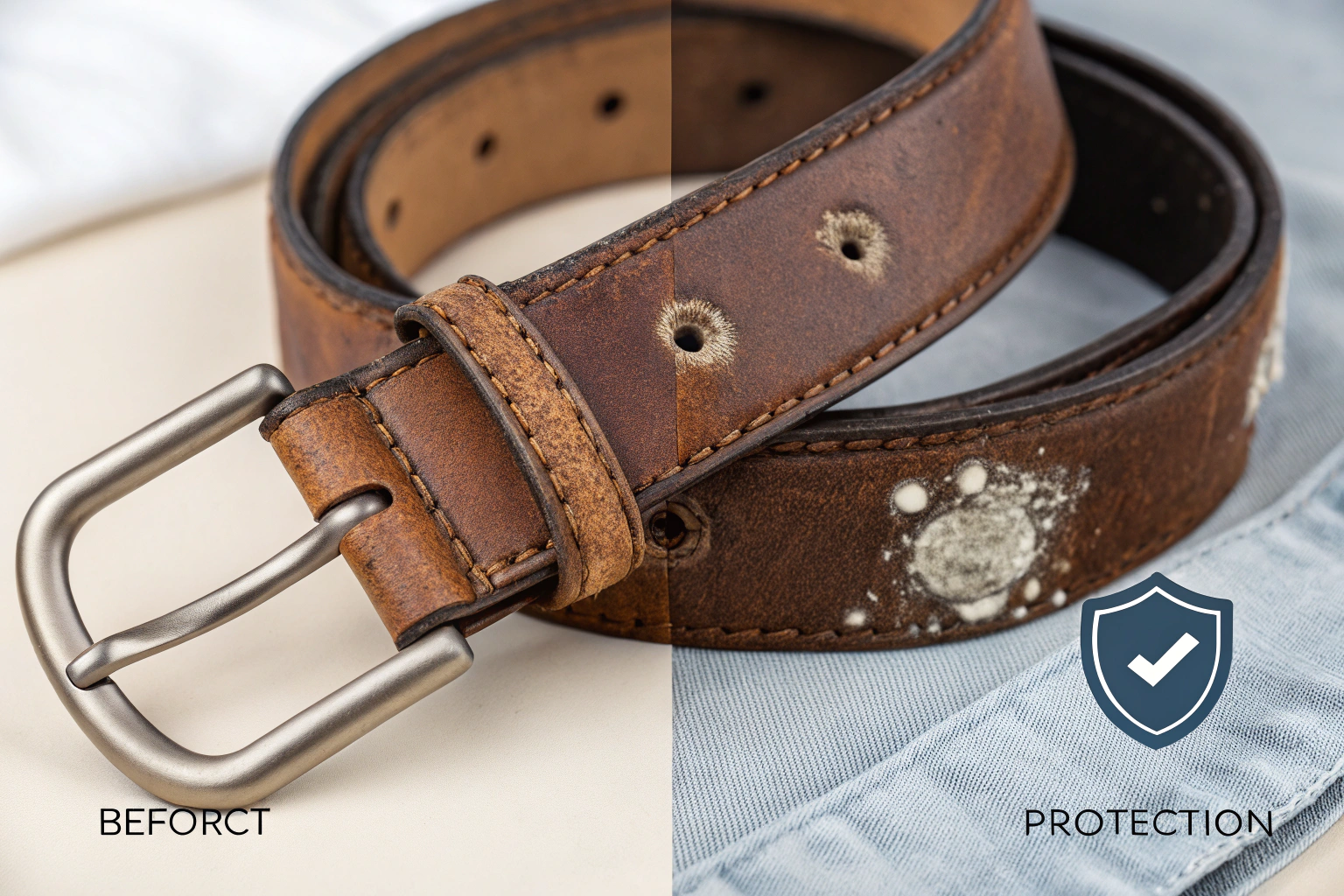
I've been in this business for decades, and I can tell you that one of the biggest enemies of fashion accessories is not wear and tear, but moisture. In humid climates, mold and mildew can destroy a beautiful leather belt, a cherished wool scarf, or a favorite hat in a matter of weeks. It's a devastating problem for both consumers and retailers who store products in warehouses or stores in humid regions.
The problem is real, and it's global. From the southern United States to Southeast Asia to parts of Europe, humidity is a constant threat. But the good news is that there are effective treatments and preventative measures that can be taken, both during manufacturing and by the end-user, to protect accessories from this damaging foe.
At Shanghai Fumao Clothing, we take this issue very seriously. We manufacture products for clients all over the world, including many in humid climates. We have developed rigorous protocols for material selection, anti-fungal treatments, and packaging to ensure our products arrive in perfect condition and stay that way. In this post, I'll share the best anti-mold treatments for accessories stored in humid climates.
Why Are Accessories Vulnerable To Mold And Mildew?
Before we discuss the solutions, it's important to understand the problem. Mold and mildew are types of fungi that thrive in warm, damp, and poorly ventilated environments. They feed on organic materials, which is why natural fibers like leather, cotton, wool, and silk are particularly vulnerable. Synthetic materials are generally more resistant, but they can still harbor mold growth if they become dirty or are stored in extremely humid conditions.
Mold doesn't just ruin the appearance of an accessory; it can also cause unpleasant odors and, in some cases, even health problems for people who are sensitive to it. For more on the science of mold and mildew, resources like the Environmental Protection Agency (EPA) provide excellent information.
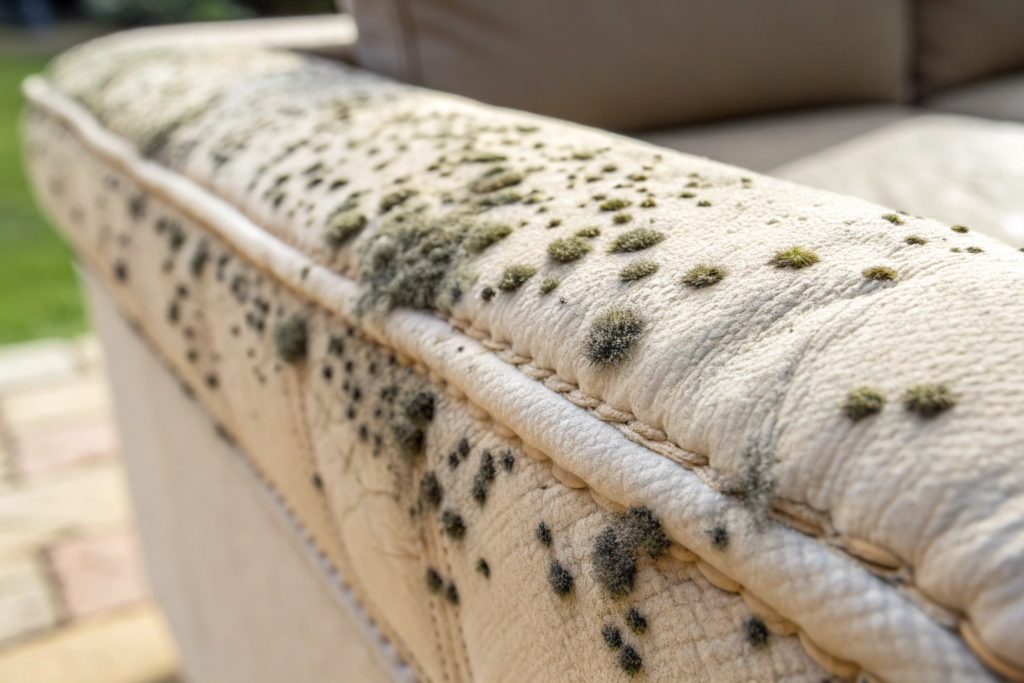
What conditions promote mold growth on accessories?
Mold needs three things to grow:
- Moisture: This is the most critical factor. High humidity (above 60% relative humidity), dampness from rain or sweat, or even condensation from temperature changes can provide the moisture mold needs.
- Organic Food Source: As mentioned, natural materials like leather, cotton, wool, and silk are a food source for mold. Even on synthetics, dirt, dust, and skin oils can provide enough nutrients for mold to grow.
- Warmth: Mold grows best in warm temperatures, typically between 60°F and 80°F (15°C and 27°C).
- Poor Air Circulation: Stagnant air allows moisture to accumulate and creates the perfect environment for mold to thrive. This is why accessories stored in closed closets, boxes, or warehouses are particularly at risk.
Understanding these factors is the first step in prevention.
Which materials are most at risk in humid climates?
- Leather: Leather is a natural, porous material that readily absorbs moisture from the air. This makes it highly susceptible to mold, which can cause staining, a musty odor, and eventually, deterioration of the leather fibers.
- Suede and Nubuck: These materials are even more vulnerable than smooth leather because their napped surface provides more area for moisture and mold spores to cling to.
- Cotton, Linen, and Other Plant-Based Fibers: These natural fibers are also excellent food sources for mold. A damp cotton scarf or hat can quickly become a breeding ground.
- Wool and Other Animal Fibers: Wool is also susceptible, especially if it is not thoroughly cleaned and dried before storage.
- Silk: This delicate protein fiber can also be damaged by mold, which can cause staining and weaken the fibers.
- Paper and Cardboard (Packaging): Even the boxes and tissue paper used to store accessories can harbor mold, which can then spread to the items inside.
A leather belt stored in a humid closet is a prime target for mold.
What Anti-Mold Treatments Can Be Applied During Manufacturing?
The best defense against mold starts at the manufacturing stage. By treating materials with anti-fungal agents and using moisture-resistant finishes, we can significantly reduce the risk of mold growth, even in humid environments. These treatments are an investment in the product's longevity.
At our factory, we offer a range of these treatments and work with our clients to choose the best option for their specific products and target markets. For more on anti-microbial treatments for textiles, resources like AATCC have developed relevant test methods and standards.
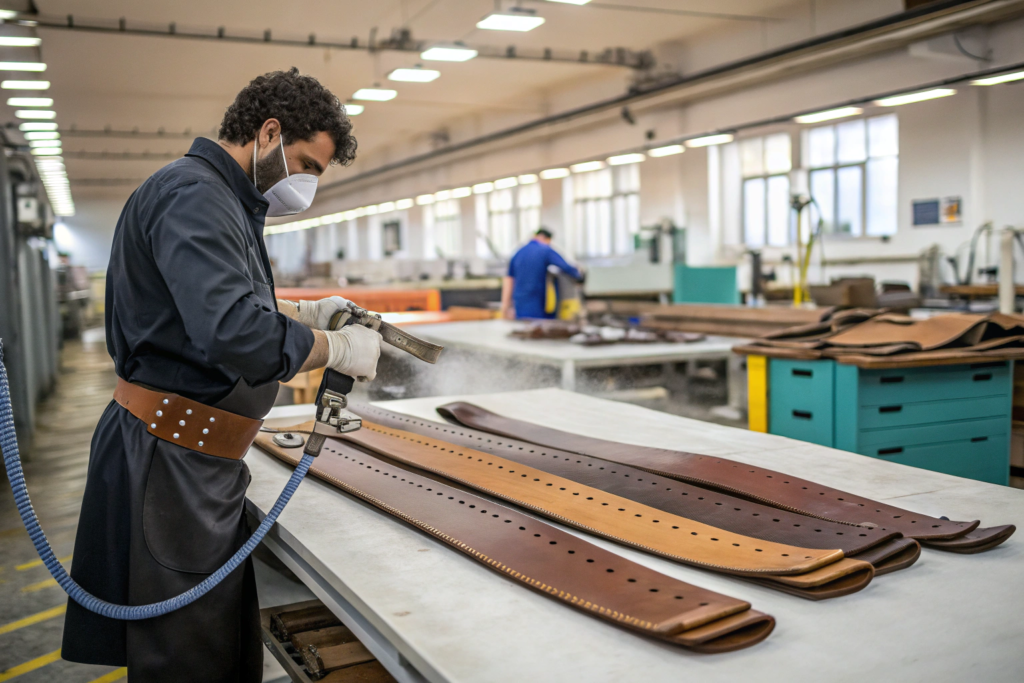
What are the common anti-fungal treatments for leather?
Leather is one of the most vulnerable materials, so treating it is essential. Common approaches include:
- Fungicides in Tanning and Finishing: Fungicides can be added during the tanning process or incorporated into the finishing coats applied to the leather. These chemicals inhibit the growth of mold and mildew on the leather surface. The key is to use a formulation that is effective but also safe and non-toxic for the end user.
- Biocides: These are another class of chemicals that can kill or inhibit the growth of microorganisms, including fungi. They are often used in leather processing.
- Water-Resistant Finishes: By making the leather more water-resistant, you reduce its ability to absorb moisture from the air. This is not a direct anti-fungal treatment, but it is a very effective preventative measure. A good water-resistant finish will cause moisture to bead up and roll off, rather than soaking in.
The combination of a fungicide and a water-resistant finish provides excellent protection for leather goods.
How are fabrics treated for mold resistance?
Fabrics can also be treated with anti-fungal agents.
- Anti-Microbial Finishes: These finishes are applied to the fabric during the final finishing stages. They contain chemicals that inhibit the growth of mold, mildew, and bacteria. They are common on outdoor gear, activewear, and any product that might be exposed to moisture.
- Silver Ion Technology: Some anti-microbial treatments use silver ions, which are known for their ability to inhibit the growth of a wide range of microorganisms. These treatments can be very effective and durable.
- Zinc Pyrithione: This is another common anti-fungal and anti-bacterial agent used in textile finishes.
For products destined for humid climates, specifying an anti-microbial finish can be a wise investment.
What is the role of moisture-resistant packaging?
Even with treated materials, the storage environment is critical. The packaging can play a major role in protecting the product.
- Desiccants: Including small packets of silica gel or other desiccants inside the packaging is a simple and effective way to absorb excess moisture. These are a must for any product being shipped to or stored in a humid climate.
- Vapor Barrier Packaging: For long-term storage or shipping through extremely humid conditions, using packaging that acts as a vapor barrier (like certain types of sealed plastic bags) can protect the product from ambient humidity.
- Breathable Packaging: However, for long-term storage, some breathability can be beneficial to prevent condensation. The key is to store products in a cool, dry place with good air circulation, even inside their packaging.
The right packaging can make a huge difference in preventing mold during transit and storage.
What Storage Practices Prevent Mold Growth?
Even with the best manufacturing treatments, proper storage is essential for long-term protection. Consumers and retailers in humid climates need to adopt good storage practices to keep their accessories safe.
These practices are simple but incredibly effective. They are the first line of defense against mold.
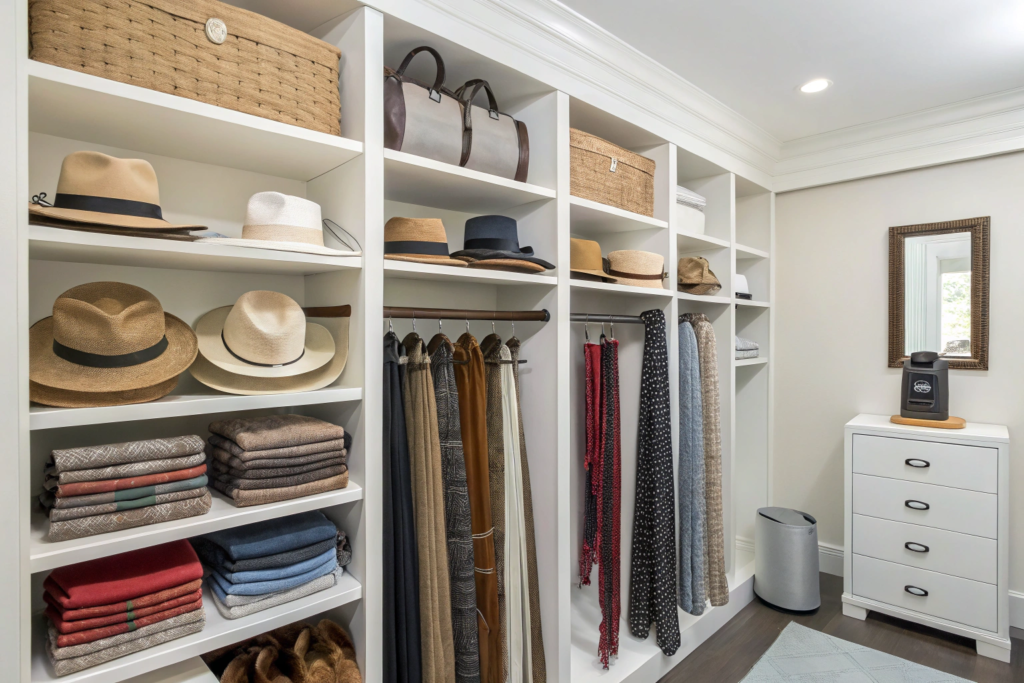
What are the ideal temperature and humidity levels for storage?
The goal is to keep accessories in an environment that is not conducive to mold growth.
- Humidity: The relative humidity should be kept below 50-55%. This is the threshold below which most molds cannot grow. Using a dehumidifier in a closet or storage room is the most effective way to achieve this.
- Temperature: A cool, stable temperature is best. Avoid storing accessories in attics, basements, or garages where temperature and humidity can fluctuate wildly.
- Air Circulation: Good air circulation is essential. Avoid cramming items into overcrowded closets. Leave space between items for air to flow. Using a small fan can also help.
Monitoring the humidity with a simple hygrometer is a good practice.
How should different types of accessories be stored?
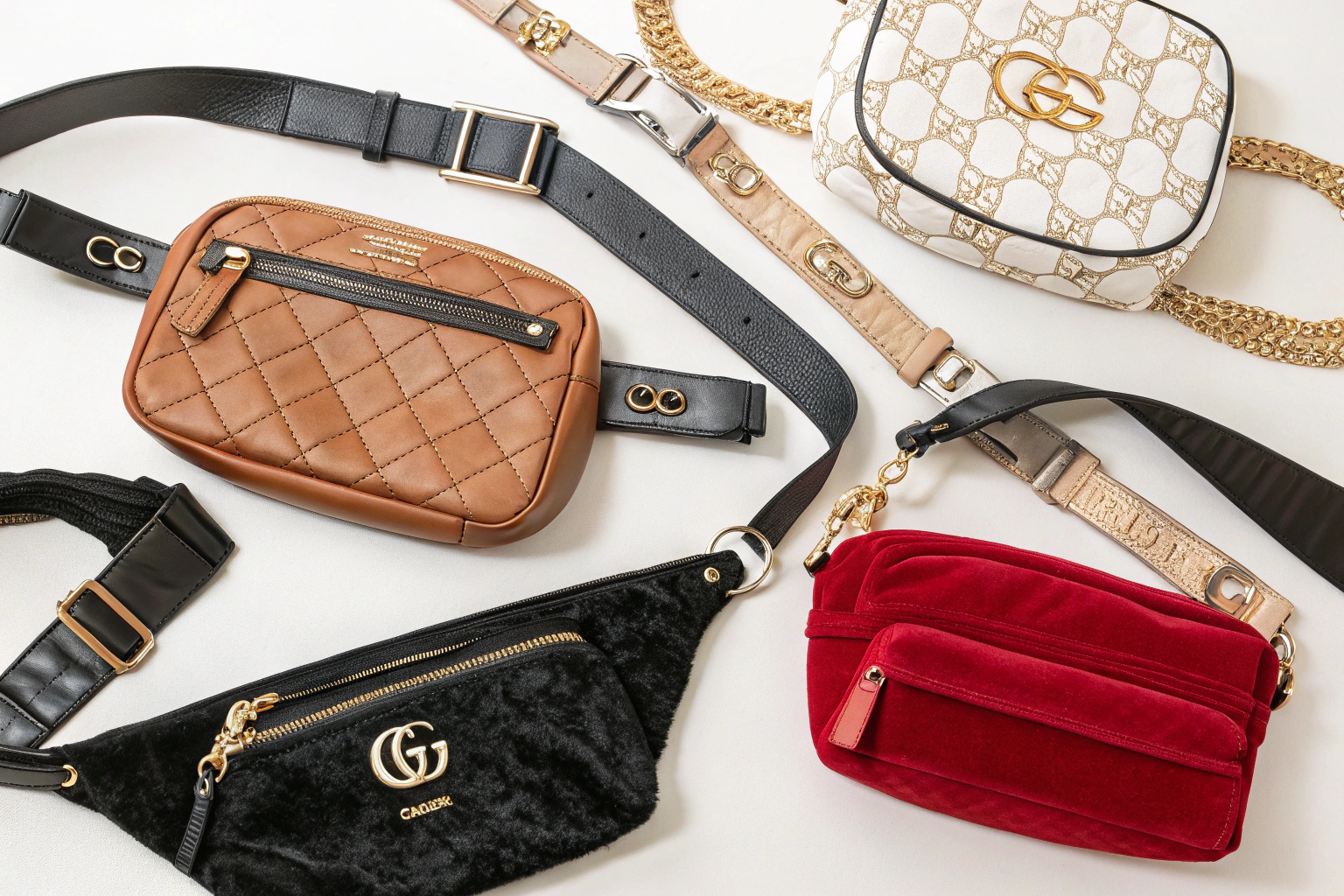
- Leather Goods (Belts, Bags, etc.): Store them in a cool, dry place away from direct sunlight. Stuff bags with acid-free tissue paper to help them retain their shape and absorb moisture. Avoid storing them in plastic bags, which can trap moisture. Use breathable fabric dust bags instead.
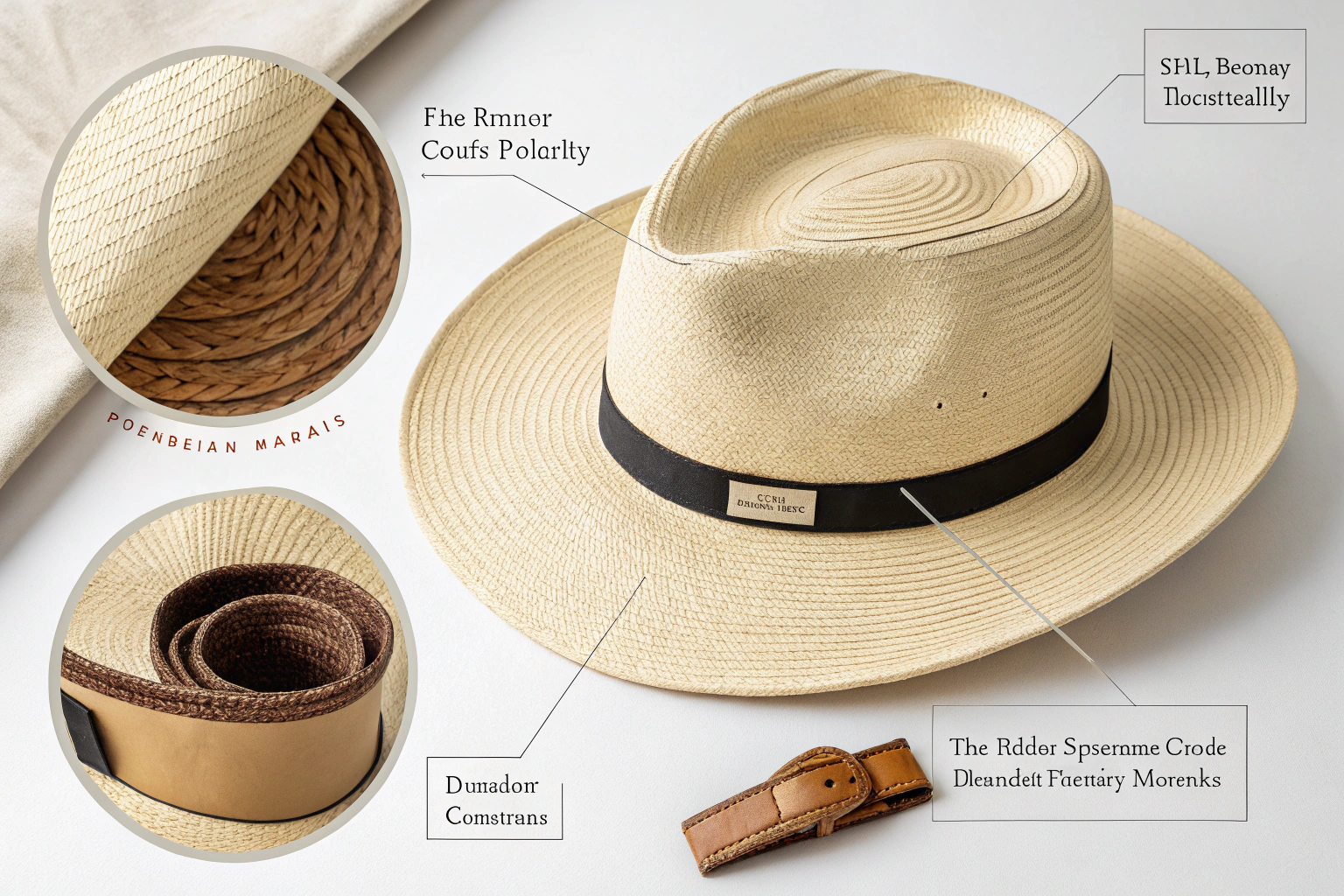
- Hats: Store hats on a shelf or in a hatbox, away from direct sunlight and moisture. Avoid stacking them, as this can damage their shape. Use acid-free tissue paper to help them keep their form.
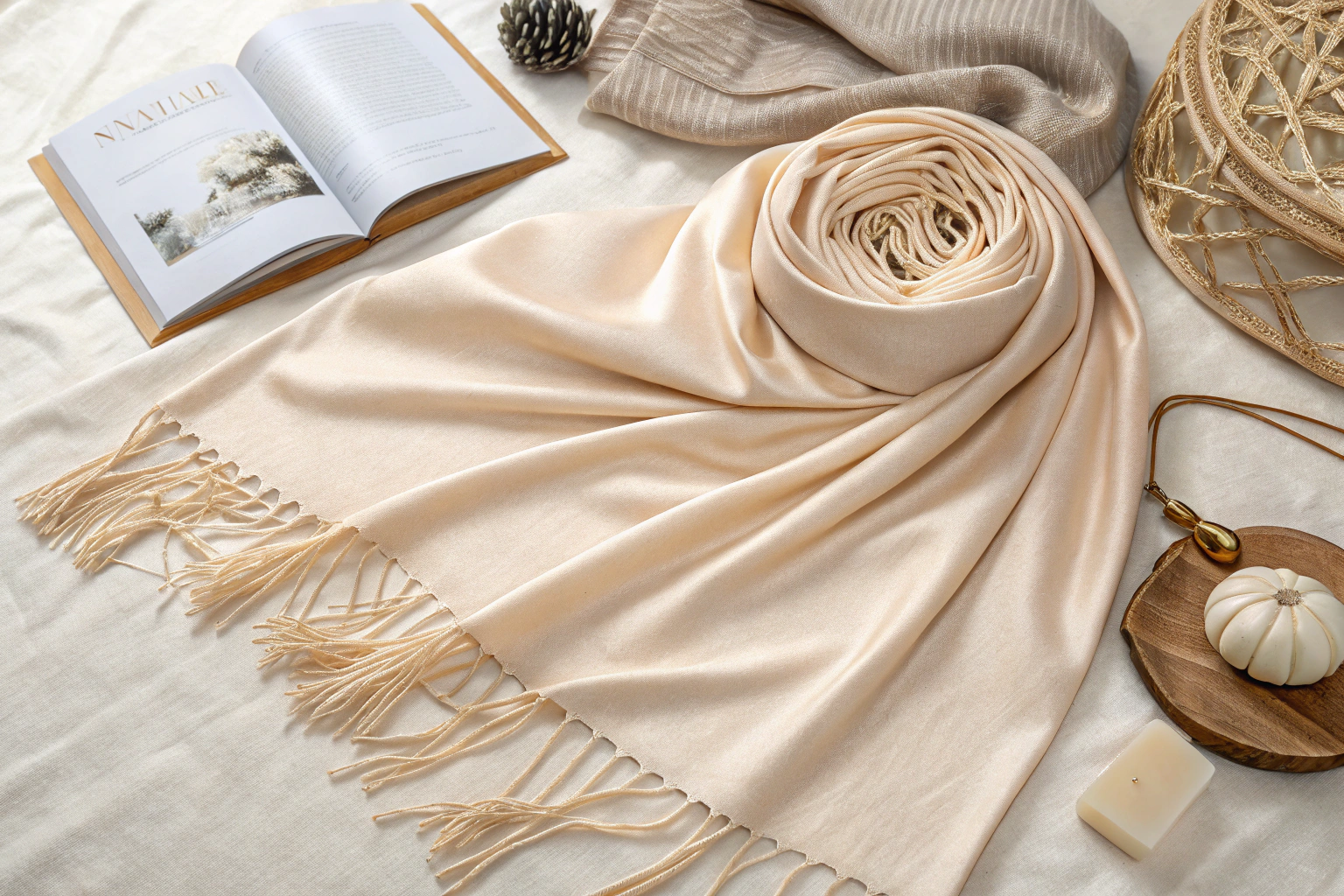
- Scarves: Fold scarves loosely and store them in a drawer or on a shelf. Avoid hanging delicate scarves, as this can stretch them. For long-term storage, use breathable fabric bags.
- General Rule: Always ensure items are completely clean and dry before storing them. Any dirt or moisture will only increase the risk of mold.
Proper storage is a simple but crucial habit.
How Can You Remove Mold If It Appears?
Despite your best efforts, mold can sometimes appear. If it does, it's crucial to act quickly and correctly. Using the wrong method can cause more damage than the mold itself. The key is to remove the mold safely and effectively without damaging the accessory.
At our factory, we have protocols for dealing with mold-damaged items. We always recommend that for valuable or sentimental items, you consult a professional conservator or cleaner.
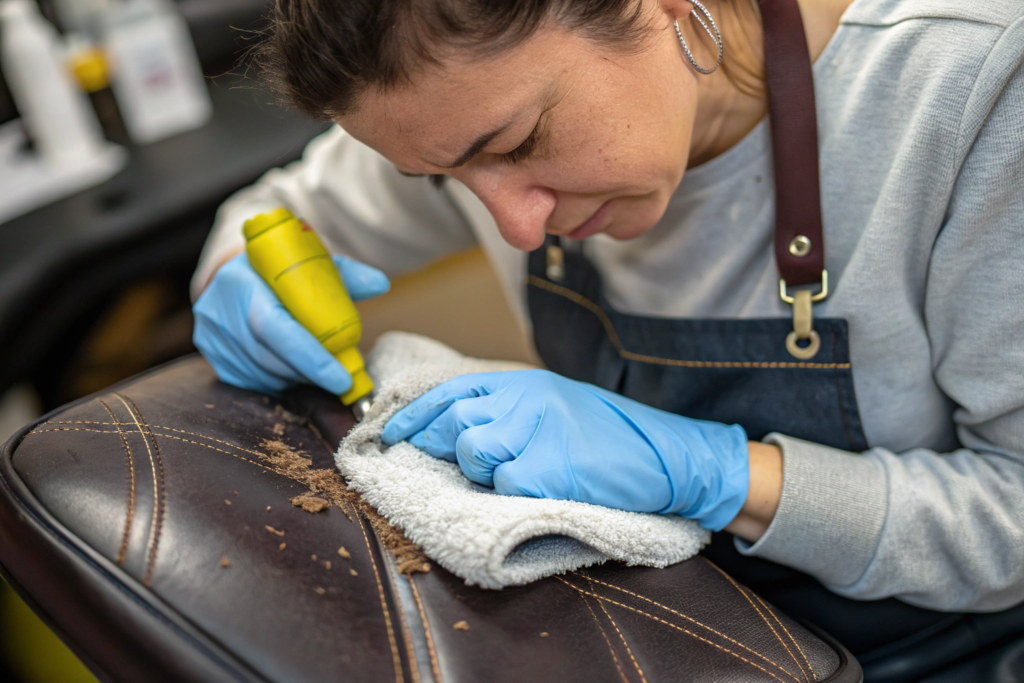
How do you safely remove mold from leather?
Leather is porous and delicate, so care is needed.
- Isolate the Item: Take the moldy item outside or to a well-ventilated area to prevent spores from spreading in your home.
- Brush Off Surface Mold: Gently brush the surface with a soft, dry brush (like a soft toothbrush or a horsehair brush) to remove loose mold spores. Do this outdoors and dispose of the spores carefully.
- Clean with a Mild Solution: Mix a solution of equal parts water and isopropyl alcohol (rubbing alcohol) or use a specialized leather cleaner. Dampen (do not soak) a soft, clean cloth with the solution and gently wipe the affected area.
- Dry Thoroughly: Allow the leather to air dry completely in a well-ventilated area, away from direct heat or sunlight.
- Condition: After the leather is completely dry, apply a high-quality leather conditioner to restore moisture and suppleness. The cleaning process can dry out the leather.
Test any cleaning solution on an inconspicuous area first.
How do you safely remove mold from fabric accessories?
For fabric items like scarves and hats:
- Isolate and Brush: As with leather, take the item outside and gently brush off any loose surface mold with a soft brush.
- For Washable Fabrics: If the care label allows, wash the item in the hottest water safe for the fabric, using a good detergent. You can add a cup of white vinegar to the wash cycle, which has mild anti-fungal properties. Dry the item completely, preferably in the sun, as sunlight is a natural mold killer.
- For Non-Washable Fabrics: For items that are dry-clean only, take them to a professional cleaner immediately. Point out the mold stain to them. You can also try gently dabbing the affected area with a cloth dampened with a solution of water and isopropyl alcohol, but test on an inconspicuous area first and be very careful not to over-wet the fabric.
- Sunlight: Sunlight is a powerful and natural mold killer. If possible, hang the item in direct sunlight for several hours, but be aware that prolonged sun exposure can fade colors.
Acting quickly is the most important thing. The longer mold sits, the harder it is to remove.
Conclusion
Protecting fashion accessories from mold in humid climates is a multi-faceted challenge that requires a proactive approach. It starts with manufacturing: treating materials with anti-fungal agents and water-resistant finishes, and using protective packaging like desiccants. It continues with proper storage: maintaining low humidity, good air circulation, and clean, dry conditions. And it requires knowledge of how to safely remove mold if it does appear, using gentle but effective methods to prevent further damage.
At Shanghai Fumao Clothing, we understand the challenges of humid climates. We work with our clients to select materials and treatments that offer the best protection. We can apply anti-fungal finishes to leather and fabric, and we always recommend including desiccants in packaging for shipments to humid regions. Our goal is to ensure that the beautiful accessories we make arrive in perfect condition and stay that way, no matter where they are stored.
If you're developing accessories for markets with humid climates, let's talk. Please contact our Business Director, Elaine, at elaine@fumaoclothing.com. We'll help you create products that are as resistant to moisture as they are beautiful.