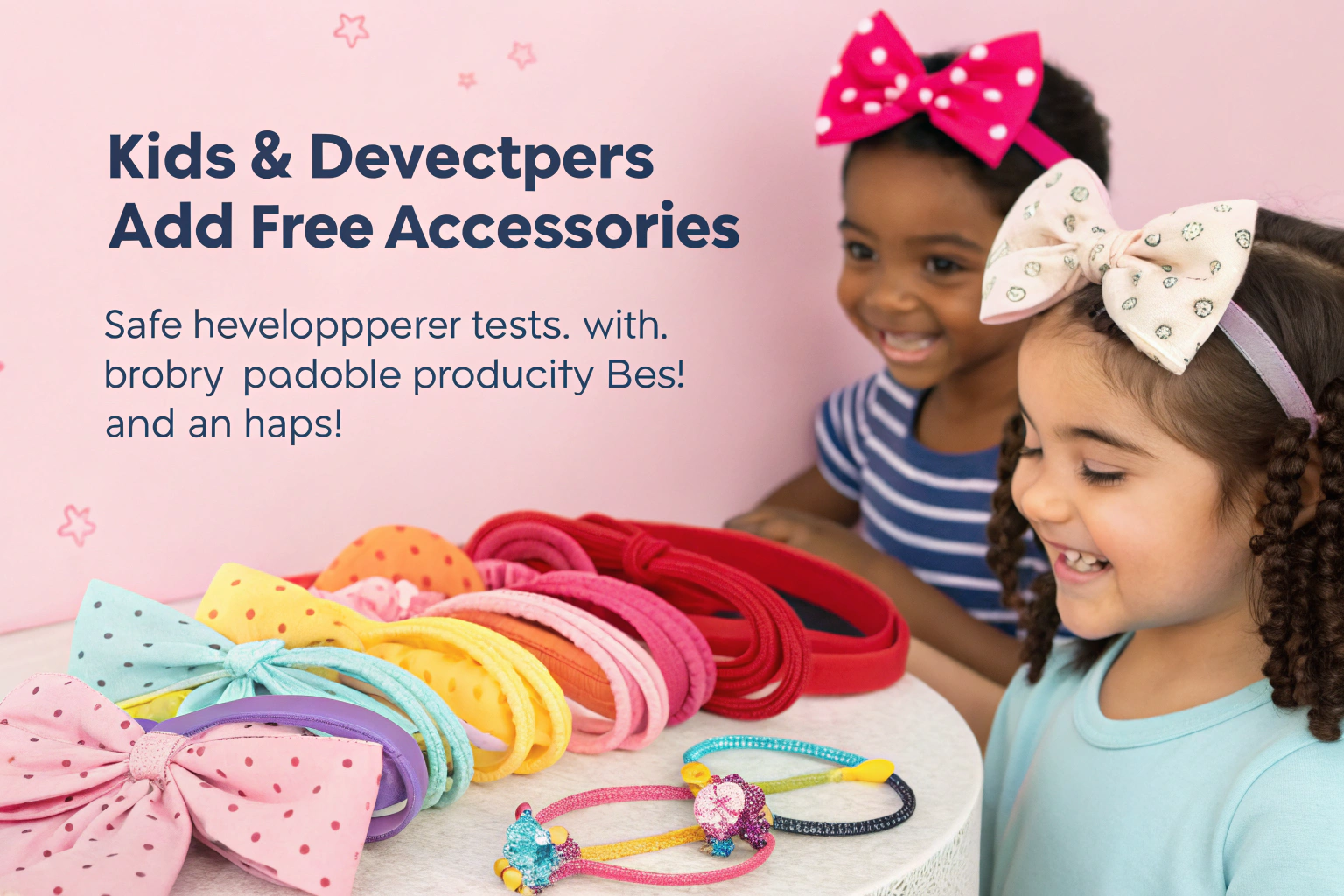
Designing kids' hair accessories that blend safety, appeal, and easy manufacturing takes thoughtful planning of materials, design, and how they’re made. Drawing from our expertise in creating hair accessories for kids, we’ve pinpointed key categories and methods that handle these competing needs well—while making both kids and parents happy.
Safe,cute,and widely made kids' hair accessories come in many forms: silicone snap clips, fabric-covered elastic hair ties, magnetic hair pieces with secure closures, soft fabric headbands, and simple plastic barrettes with safety features. All are made with kid-friendly materials, easy to put on, and have fun designs. These types blend safety rules, what kids like, and easy manufacturing.
Best kids' hair accessories know they have to please three groups: kids who love fun designs, parents who care about safety and easy use, and makers who need efficient production. Let’s look at the accessory types that hit all these marks.
What are the elements to consider when choosing children's hair accessories?
In children's growth process, children's hair accessories are not just decorations, but key elements in shaping a cute image and boosting self-confidence. Appropriate hair accessories can help children stand out in a crowd, add a bright touch to their daily outfits, and subtly influence their mood and self-perception. When children wear beautiful and cute hair accessories, they often display a more lively and confident side, which has a positive impact on their psychological development. However, faced with the ever-increasing variety of children's hair accessories on the market, while parents are pursuing cuteness and fashion, they need to prioritize safety.
After all, children's delicate skin and fragile bodies require careful care. Mass-produced hair accessories may be easily available in the market, but their quality varies greatly. Therefore, we need to carefully select products that are both safe and cute, and meet mass production standards.
In terms of material and comfort?
The quality of materials directly affects the comfort of children wearing hair accessories. High-quality materials provide a better wearing experience, making children more willing to wear them. For example, natural cotton hairbands have excellent breathability; even when worn for a long time, they keep the child's head dry and prevent discomfort from stuffiness and heat. Good elasticity is also an important indicator of comfort in hair accessories. For hair ties and headbands that need a certain degree of tightness to secure the hair, moderate elasticity is crucial. If the elasticity is too tight, it will give the child's head a sense of pressure, affect blood circulation, and may even cause headaches; if the elasticity is too loose, it cannot secure the hair properly and is likely to slip off during the child's activities.
At the same time, the adaptability of hair accessories should not be overlooked. It is necessary to choose the appropriate size of headbands, hats, and other hair accessories according to the child's head circumference to ensure a stable fit without being too tight.
How can design be done to meet children's preferences?
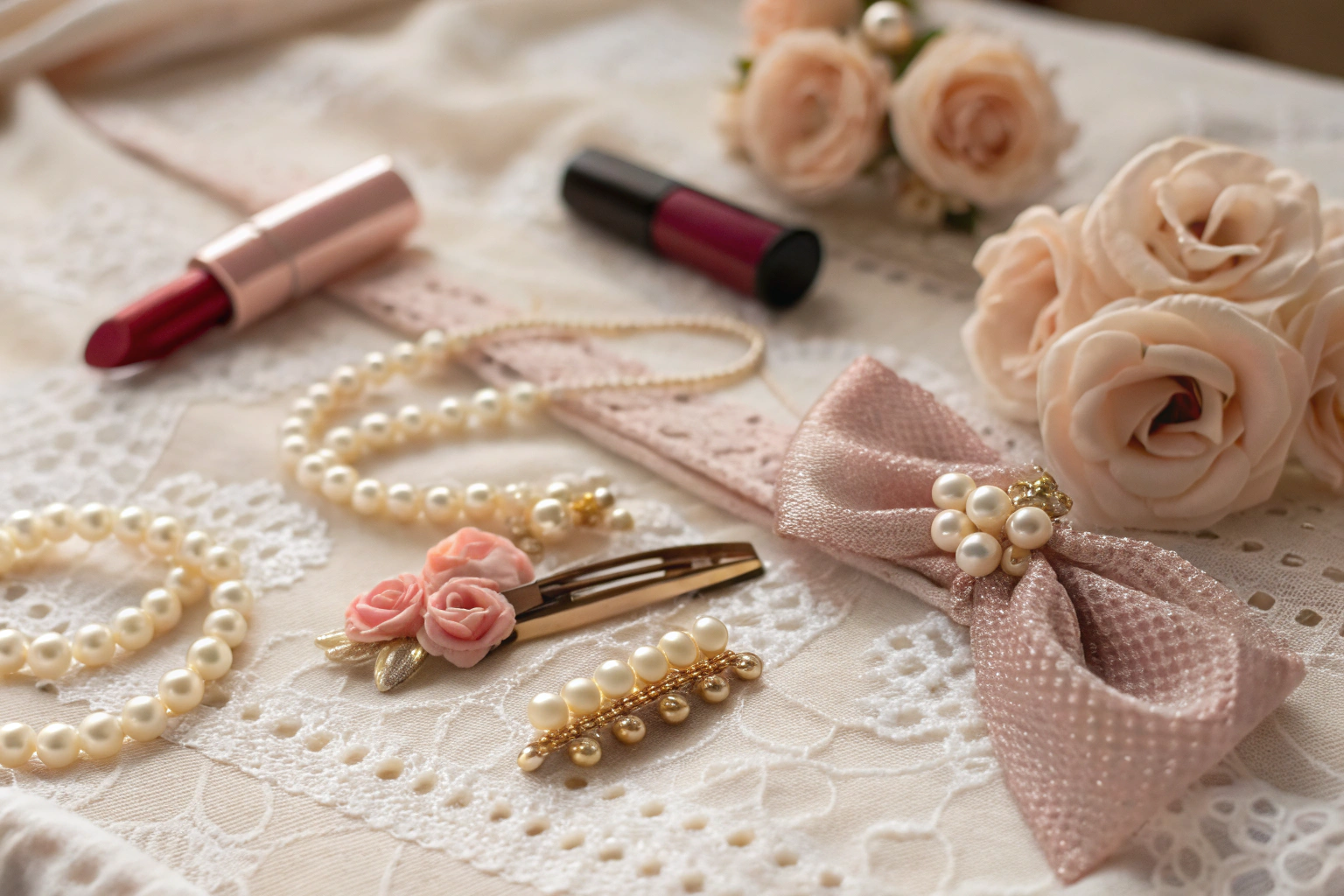
Children's preferences play an important role in choosing hair accessories. Hair accessories with diverse designs and vibrant colors are more likely to catch children's attention and spark their interest. When children wear hair accessories they like, they tend to be more confident and happy. If a child likes a princess style, hair accessories with crown shapes and bow elements would be suitable; if a child loves animals, hair accessories with cute animal patterns might make them love them so much they can't put them down. At the same time, the design of hair accessories should meet the child's hairstyle needs. Children with short hair may be better suited for small hair clips, which are convenient for securing loose strands; children with long hair can choose hair bands or ribbons to tie their hair, which is both refreshing and attractive. In addition, easy-to-wear and easy-to-remove designs can bring convenience to both parents and children. Young children have limited motor skills, and if the hair accessory is too complicated to put on, it may cause them to develop resistance.
Why are fabric-covered elastic hair ties so popular?
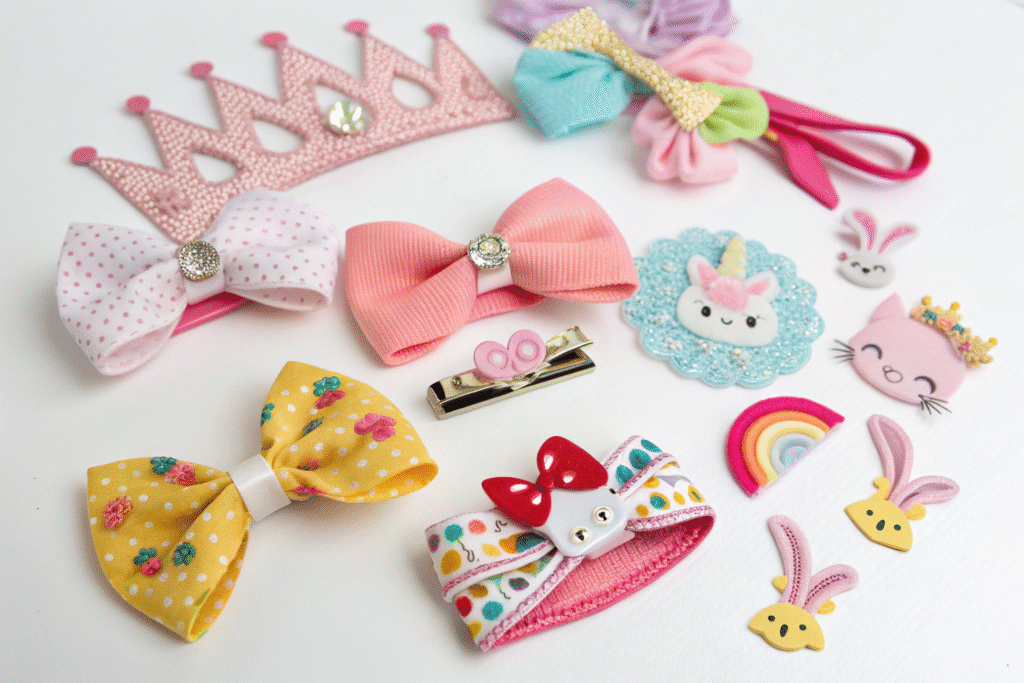
Fabric-covered elastic hair ties are another great option for kids' hair accessories, blending safety, cuteness, and easy manufacturing. Their soft feel, stretchy fit, and ability to be decorated make them a go-to choice in children's hair care.
The versatility of fabric hair ties are super versatile, letting you play around with lots of different looks while still keeping things safe and comfort.
What construction methods ensure safety and durability?
The way hair ties are made has a big impact on how safe and long-lasting they are. Seamless knitting gets rid of joining points that might unravel, which can turn into choking risks. A double-layer fabric cover keeps the elastic core safely in place and adds extra softness. Heat-sealed ends stop the tie from fraying, and they don’t have those hard knots that can feel uncomfortable. Stretch limitation means the elastic holds hair securely without pulling too tight. The safest versions skip metal parts altogether, using fabric-to-fabric connections or silicone sleeves instead of regular metal clasps.
How do decorative approaches maximize child appeal?
Fabric hair ties are great for getting kids excited thanks to their fun looks. Character-themed prints with popular kids' TV or movie characters make them instantly recognizable and loved. Color-changing fabrics that shift hues when heated add a cool surprise factor and let kids interact with them. Textural touches like soft velvet parts, ribbed patterns, or little pom-poms give a nice feel to touch. Seasonal and holiday designs keep things fresh by letting brands update collections regularly. The best designs mix eye-catching visuals that kids love with simple patterns that are easy to mass-produce using methods like rotary printing or jacquard weaving.
What makes children's hair accessories cute and marketable?
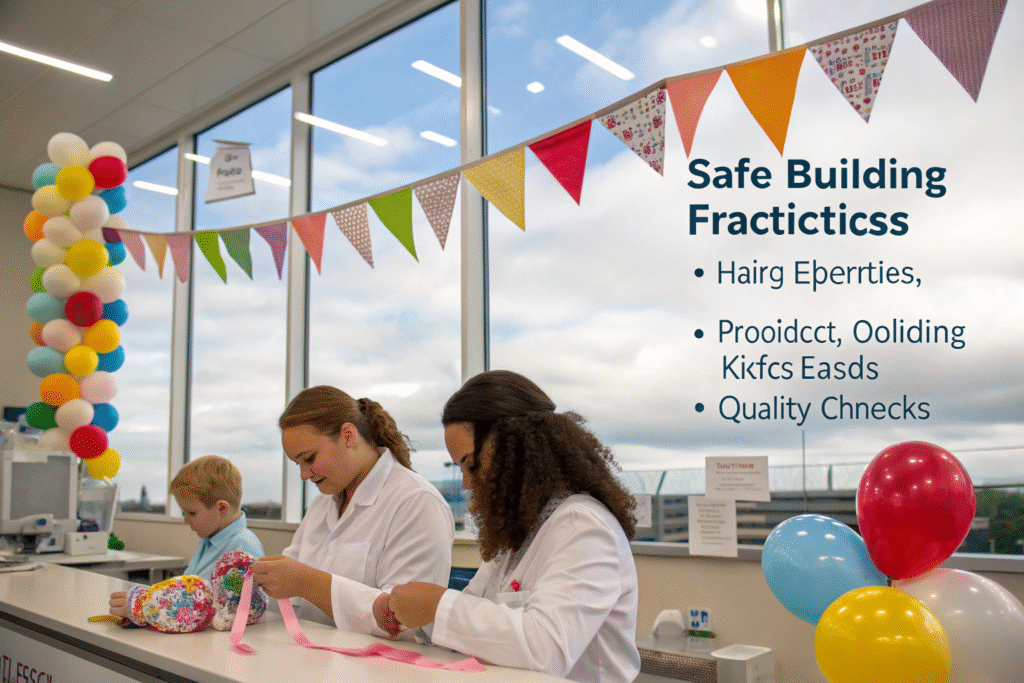
Cute designs align with children’s aesthetic preferences, featuring playful elements such as smiling animals, star-shaped accents, and whimsical patterns, bright colors like soft pastels, vibrant yellows, and cheerful pinks, and age-appropriate shapes that are easy for small hands to grasp and manipulate.
Best-selling styles include cartoon-patterned clips adorned with beloved characters from popular children's shows, floral hairbands with delicate, oversized blossoms in hues of lavender and sunshine yellow, and bow-shaped hair ties with fluffy, textured ribbons in shades of mint green and coral, which are popular for their sweet and playful appearance that appeals to young girls and boys alike, making them perfect accessories for daily wear, playdates, and special occasions.
What characteristics ensure mass-produced accessibility?
Mass-produced accessories use easy-to-manufacture materials such as low-grade plastics, synthetic fabrics, or basic metals, which are cost-effective and readily accessible for large-scale production. These items undergo simplified production processes, often involving automated machinery that streamlines cutting, sewing, or molding, reducing both time and labor costs. As a result, they are widely available through mainstream channels including big-box retailers, online marketplaces, convenience stores, and discount shops, ensuring high visibility and easy access for consumers. Top-selling hair ties and clips from brands like Youjing are priced between $1-$3, featuring sleek, uniform designs in popular colors like black, pink, and silver.
What are the material safety requirement standards?
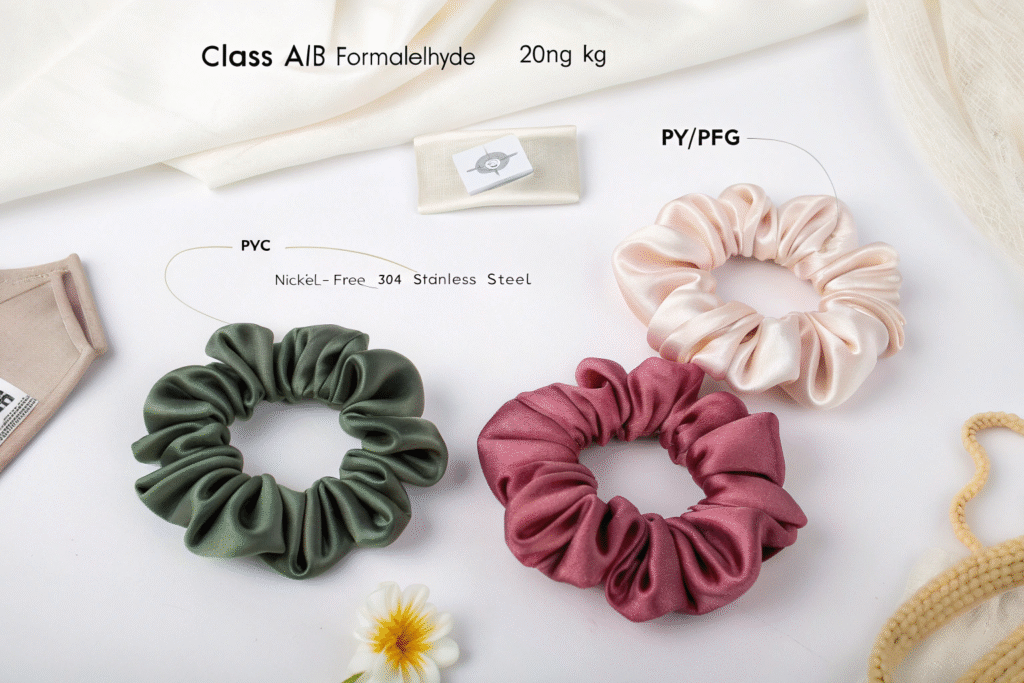
Materials must be non-toxic, hypoallergenic, and free of harmful substances to avoid skin irritation or internal harm.Textile accessories should be Class A/B with formaldehyde ≤20mg/kg; plastic/resin should be food-grade PP/PETG (avoiding PVC); metal should be nickel-free 304 stainless steel . Qualified PVC accessories are labeled environmentally friendly and non-toxic.
Why do soft fabric headbands remain a staple?
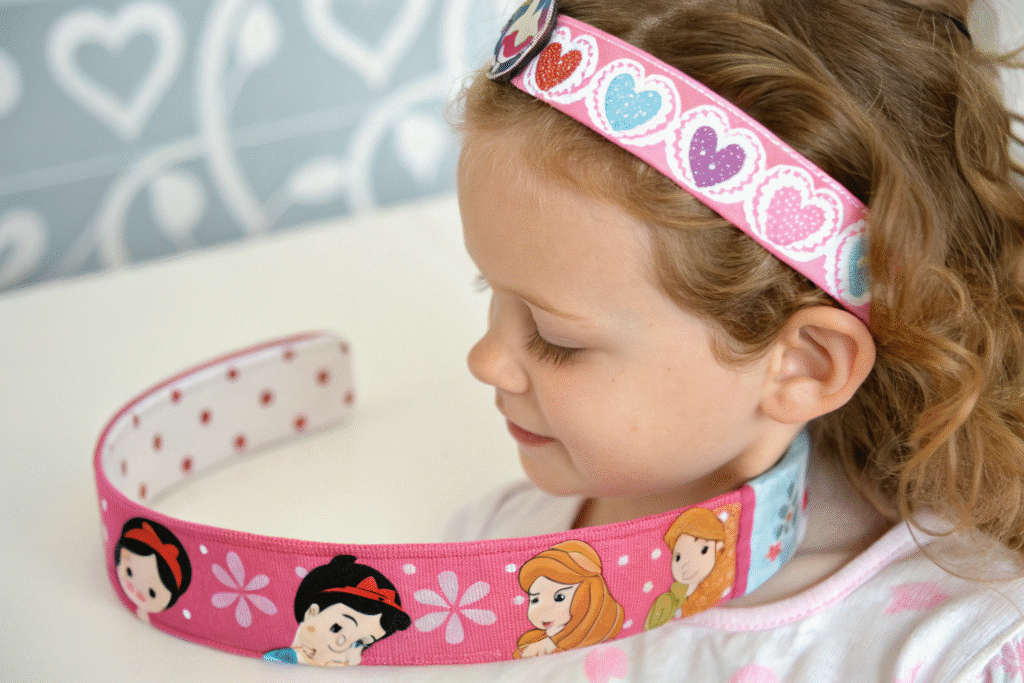
Soft fabric headbands represent one of the most universally practical children's hair accessories, serving both functional hair management and decorative purposes. Their simple construction belies significant design considerations that balance comfort, safety, and appeal.
Well-designed fabric headbands address common parent concerns about comfort and safety while offering styling versatility that grows with children.
What construction approaches maximize comfort and safety?
A headband is made really affects both how safe it is and how comfy it feels. Wide bands that spread out pressure stop the "headband headache" you get from narrow, tight ones. Materials that breathe and wick away sweat keep you comfortable when you’re being active. Having some stretch, but not too much, makes sure the headband stays put without squeezing too hard. Smooth, seam-free insides prevent irritation on sensitive skin or where your hair is thinnest. The best designs use graduated stretching—more give around the ears (where pressure sensitivity is highest) and more stability at the top of the head (where slipping usually happens)..
How do decorative elements balance appeal and practicality?
Headbands have plenty of space for decorations, but they need to look good and work well at the same time. Hidden silicone grip strips under the decorations keep them from slipping without messing up the look. Interchangeable attachments let you change styles without buying whole new headbands. Decorations should be sized right—big enough to stand out, but not so big they weigh down the headband or make it spin. Secure ways to attach decorations ensure they stay on even when kids pull or play with them. The best designs feature recognizable characters or themes kids love, all while keeping the headband comfortable and safe.
Conclusion
Safe,cute,and widely made kids' hair accessories strike a great balance: they have fun designs kids love, safety features parents trust, and easy-to-make production methods that keep them affordable and easy to get. The top types—silicone snap clips, fabric-covered elastics, magnetic accessories, soft fabric headbands, and safer plastic barrettes—all hit this sweet spot by choosing the right materials, refining their designs, and optimizing how they’re made. Knowing these categories helps makers create products that really work for kids while meeting business needs for large-scale production.
If you're developing children's hair accessories and need guidance on balancing safety, appeal, and manufacturability, we invite you to contact our Business Director, Elaine. Our specialized experience in children's product development can help you create accessories that delight while protecting. Reach her at: elaine@fumaoclothing.com.