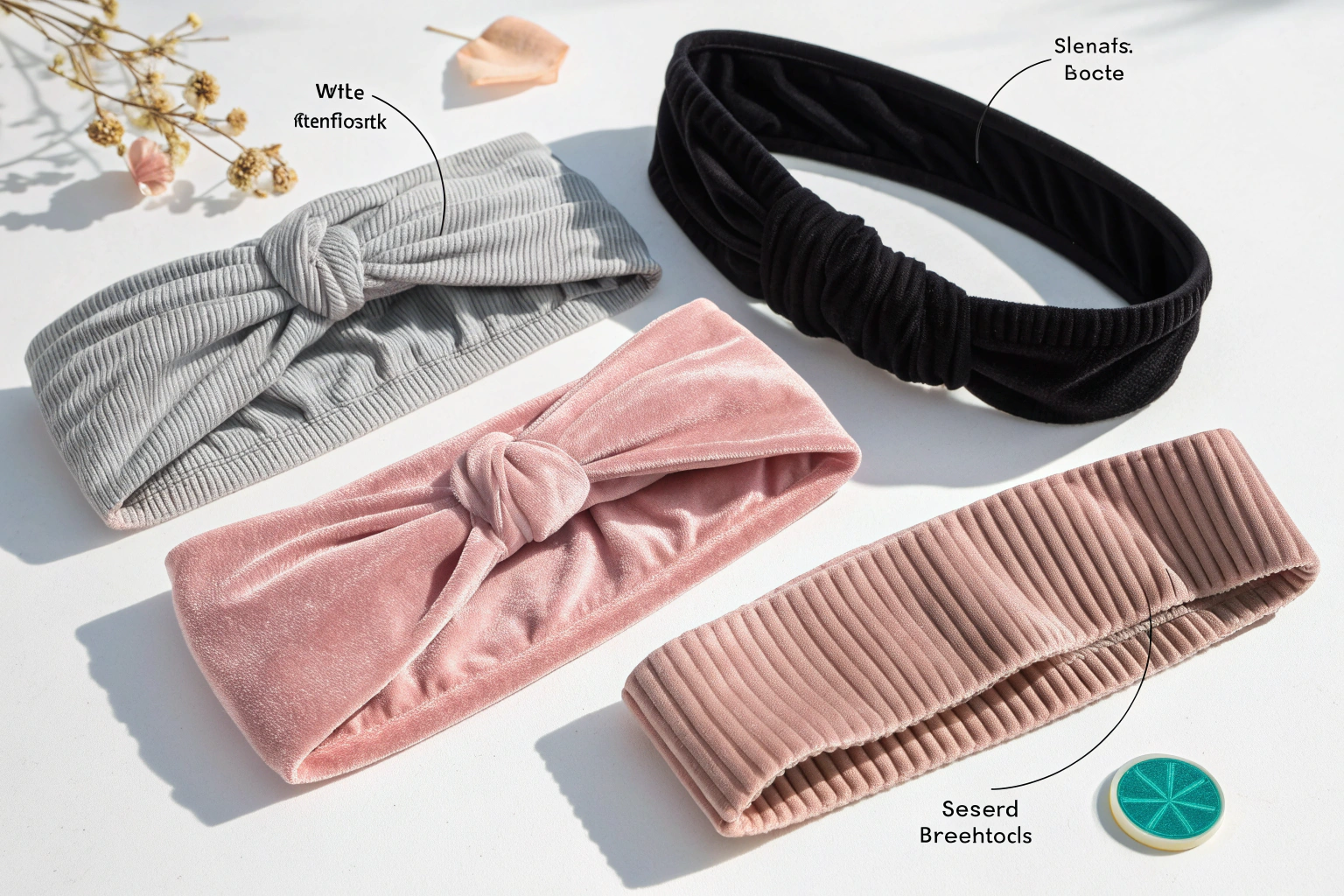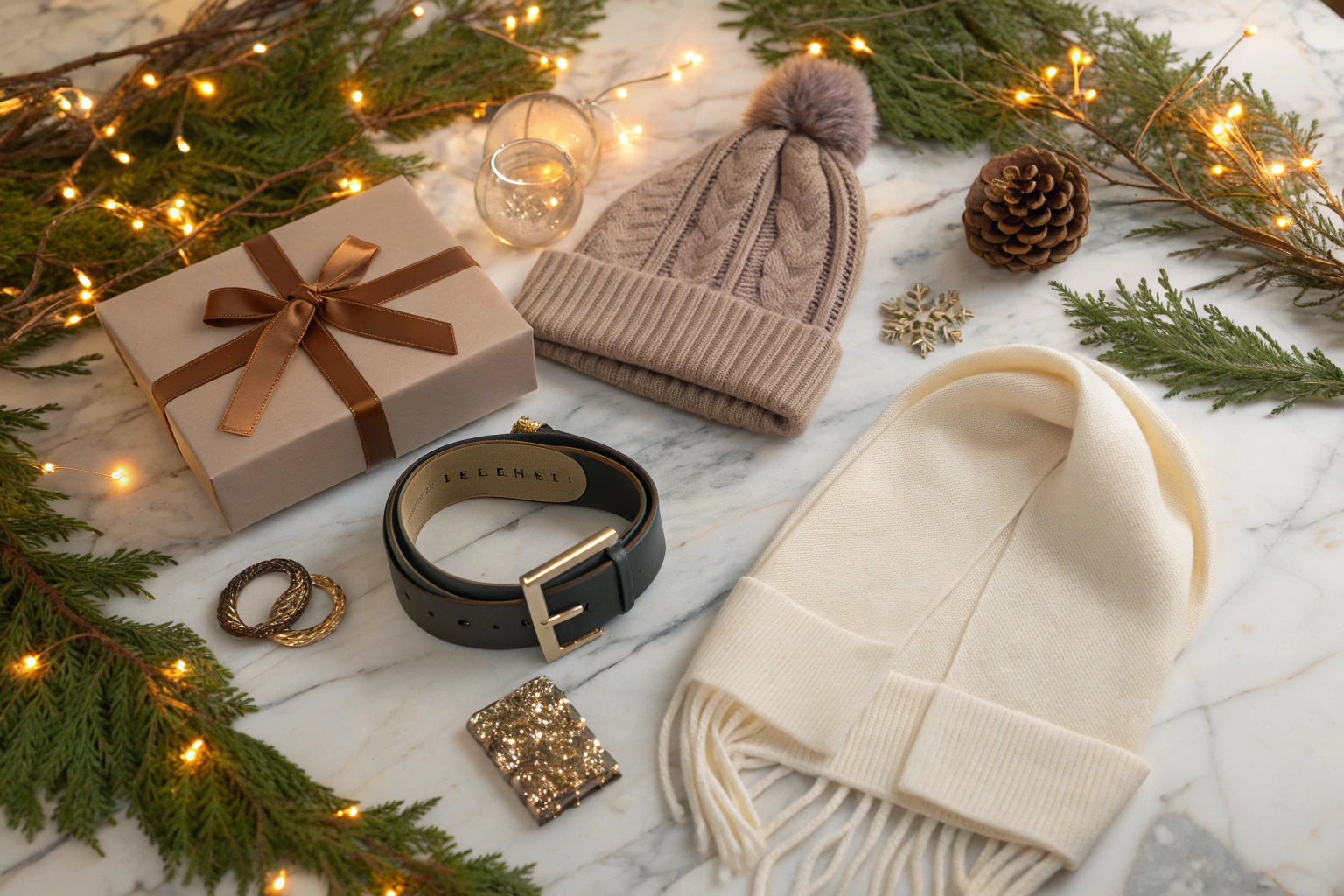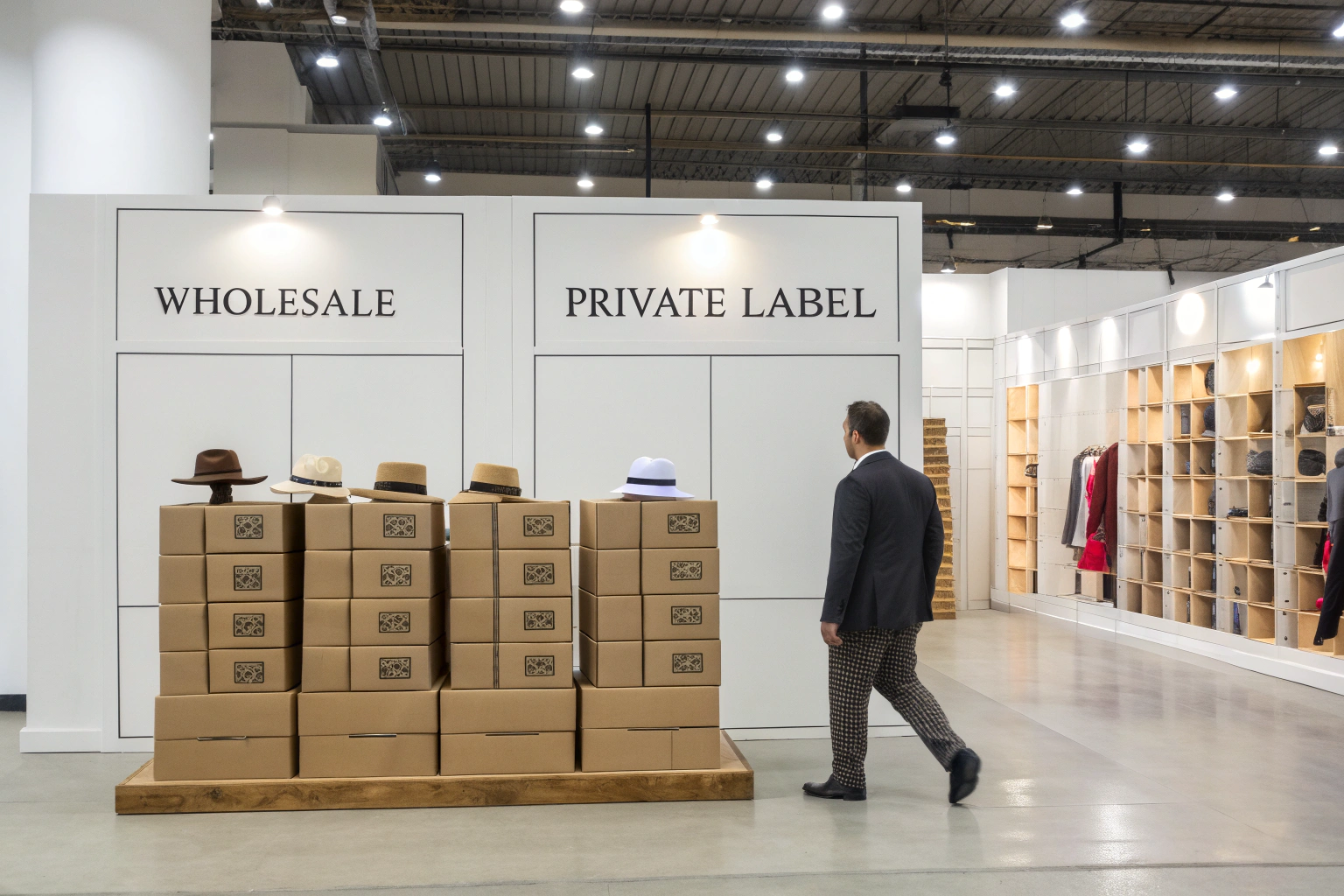
Are you a successful wholesaler of accessories, feeling the squeeze of thin margins and constant competition? Do you dream of building your own brand with unique products that command customer loyalty and higher profits? You're not alone. The jump from wholesale to private label is the most powerful growth move for an accessories business, but the path seems filled with risks—manufacturing complexities, minimum order quantities (MOQs), and design challenges. This guide will walk you through a proven, step-by-step transition.
To transition from wholesale to private label successfully, you must shift your mindset from a reseller to a brand owner. This involves a strategic five-step process: conducting deep market validation for your concept, finding a manufacturer with strong design support, meticulously developing and prototyping your product, planning a phased launch with smart inventory management, and finally, building a brand story that resonates with end consumers. It's a journey of building equity rather than just moving inventory.
Let's break down this transition into four actionable phases. We will explore how to validate your private label idea using your wholesale experience, partner with the right manufacturer for development, navigate the prototyping and production process confidently, and finally, launch and grow your brand. This is how you turn your industry knowledge into a valuable asset.
How to Validate Your Private Label Accessory Idea?
Your first instinct might be to create a variation of your best-selling wholesale item. Stop right there. Private label success starts with validation, not assumption. Your wholesale data is a goldmine of insights—use it to find a gap in the market that your unique brand can fill, rather than creating just another "me-too" product.
Validating your private label accessory idea requires analyzing your wholesale sales data, conducting direct customer research, and evaluating competitor weaknesses. Look for trends in materials, styles, or price points where demand is high but customer satisfaction is low. A validated idea solves a specific problem or fulfills an unmet desire in your target market.

What Wholesale Data Reveals Your Private Label Opportunity?
Go beyond top-selling SKUs. Analyze your return reasons, customer complaints, and product reviews. Are customers consistently asking for a wider hair clip in that style? Do they love a scarf's pattern but complain about the fabric pilling? This direct feedback highlights unmet needs. Also, identify your most profitable customer segments. What do they buy together? Perhaps your boutique clients who buy beanies also frequently search for touchscreen gloves. This uncovers potential for a complementary product line. Furthermore, monitor which items have the most stable demand year-round, indicating a solid foundation for your first private label collection. This data-driven approach minimizes guesswork.
How to Test Your Concept Before Investing in Production?
Before you commit to an MOQ, create a low-fidelity prototype. Use a service like a local seamstress or a 3D printing shop to make a few samples. Then, employ pre-sell strategies. Present the prototype or detailed concept images to your best wholesale customers for feedback. Create a landing page for the product and run a small targeted ad campaign to gauge interest and collect emails. You can even take pre-orders. Another effective method is to use your existing sales channels to test the concept—for example, offering a limited "exclusive preview" of the new branded item to your top retailers. Their response is a powerful leading indicator. This phase is about reducing market risk, and a supportive manufacturer like Shanghai Fumao Clothing can often help guide this process with their market experience.
How to Choose a Manufacturer for Private Label Development?
This is the most critical partnership you will form. Your wholesale supplier might not be right for private label. You now need a development partner, not just a production house. You need a factory that can translate your brand vision into a tangible, high-quality product, guide you on materials, and help you navigate the complexities of custom manufacturing.
Choosing a manufacturer for private label development requires selecting a partner with proven custom design capabilities, low to moderate MOQ flexibility, transparent communication, and a willingness to co-develop. Prioritize factories with in-house design and sampling teams over trading companies. They must understand your transition from wholesale and be prepared to support you through the learning curve.
Why is In-House Design Support a Game-Changer?
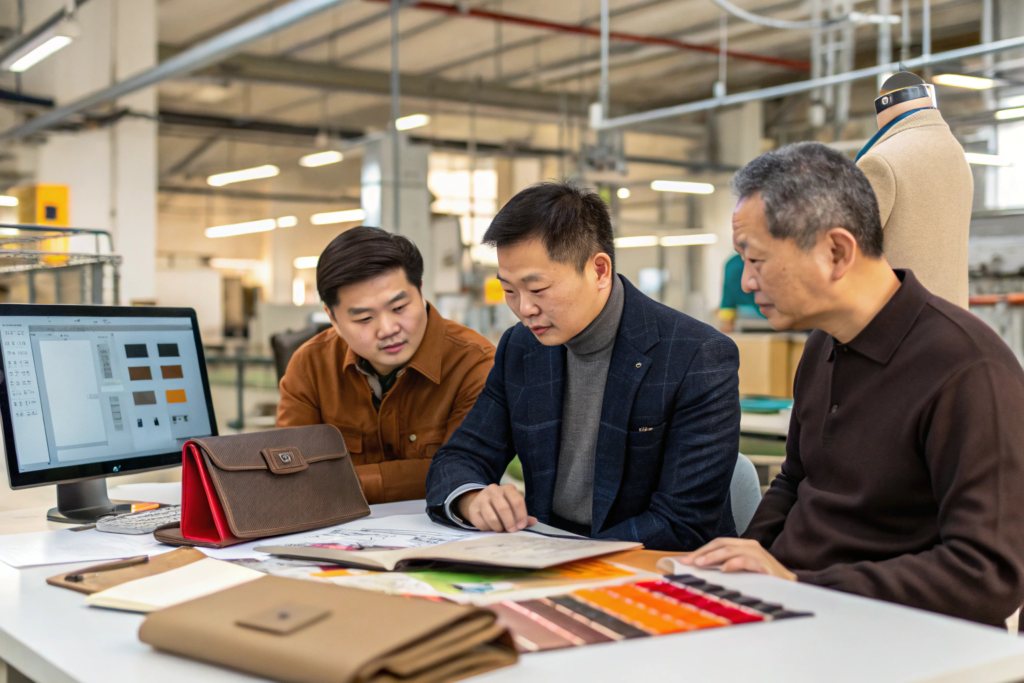
An in-house design team at a factory is your greatest asset. They bridge the gap between your idea and manufacturable reality. You can come to them with a sketch, a description, or even just a mood board, and they can provide technical advice and create professional CAD drawings. They will suggest material alternatives that balance cost, quality, and aesthetics. For instance, if you want a luxurious felt hat, they can advise on wool blend percentages and recommend sustainable material choices. They ensure your design is not only beautiful but also optimized for production, avoiding features that are unnecessarily complex or costly. This collaborative development process, offered by partners like Shanghai Fumao Clothing, drastically reduces development time and prevents costly mistakes before tooling begins.
What MOQ and Payment Terms Are Realistic for Startups?
Be upfront about your startup status. Factories accustomed to giant wholesale orders may not be suitable. Seek manufacturers that offer low MOQ programs for new brands. This allows you to test the market with a smaller, less risky initial run. Be prepared that the per-unit cost will be higher, but view this as the cost of market entry and validation. Regarding payment terms, standard practice for new clients is often 50% deposit with order confirmation and 50% before shipment. As trust and order volume grow, you can negotiate better terms. Always use secure payment methods like T/T or L/C. Avoid factories that demand 100% upfront. A professional factory will provide a detailed pro forma invoice (PI) breaking down all costs—unit price, tooling, sampling, and logistics—ensuring full transparency.
How to Manage the Sampling and Production Process?
This is where your idea becomes real. The sampling phase can feel slow and frustrating, but it's your quality insurance. Rushing it is the number one mistake new private label brands make. A disciplined, step-by-step approach here will save you from disasters in mass production and ensure your final product truly represents your brand's promise.
Managing the sampling and production process involves a clear, multi-stage approval protocol: prototype sample, pre-production sample (PPS), and production sample. Each stage has a specific purpose—confirming design, verifying fit/function with actual materials, and setting the gold standard for mass production. Your approval at each gate is mandatory before proceeding.
What Are the Critical Stages of Sampling?
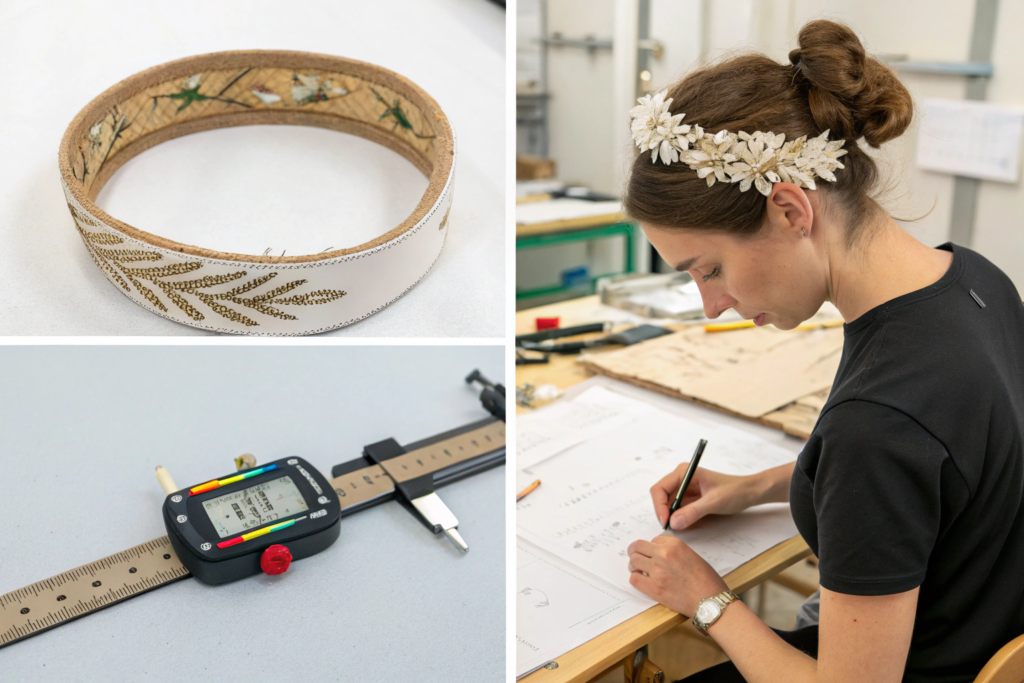
- Prototype Sample: This is the first physical model, often made from substitute materials. Its purpose is to check overall design, size, and basic structure. For a private label backpack, does the shape look right? Are the pocket placements functional?
- Pre-Production Sample (PPS): This is made with the actual materials, trims, and colors you've ordered for production. It is used to test quality, durability, and precise construction. This is when you check the zipper smoothness, the strength of straps, and the exact shade of the dyed fabric. Any revisions must be made now.
- Production Sample (or Gold Seal Sample): Taken from the first batch off the production line, this sample confirms that the factory can replicate the approved PPS at scale. You compare it directly to the PPS. This is your final sign-off before the full order is completed.
A factory with a rigorous quality control system will enforce this sequence and provide detailed checklists for each stage.
How to Ensure Quality Consistency in Your First Production Run?
Your presence during the start of production (SOP) is ideal but not always possible. The next best thing is a detailed Quality Inspection Report. Hire a third-party inspection service or rely on the factory's QC team to conduct in-line and final random inspections based on AQL standards. Provide them with your approved production sample and a written specification sheet. For accessories like jewelry or hair bands, specify the exact measurements, metal plating thickness, color tolerance, and packaging details. Clear communication of your standards is paramount. A reliable partner will welcome this clarity and have a system to implement it, ensuring your first batch of custom products meets your brand's reputation from day one.
How to Launch and Market Your New Private Label Brand?
The products have arrived. Now the real work begins: telling the world why your brand exists. Your marketing must shift from selling features (which you did in wholesale) to selling a story, an identity, and a solution. Your wholesale network can be a launchpad, but building direct-to-consumer (DTC) channels is key to long-term brand equity and healthier margins.
Launching and marketing your new private label brand requires a multi-channel strategy that leverages your existing wholesale relationships for initial distribution while aggressively building direct channels through an e-commerce website and social media. Your core task is to craft a compelling brand story that connects emotionally with your target customer and clearly differentiates you from generic wholesale products.
How to Leverage Your Wholesale Network for Launch?
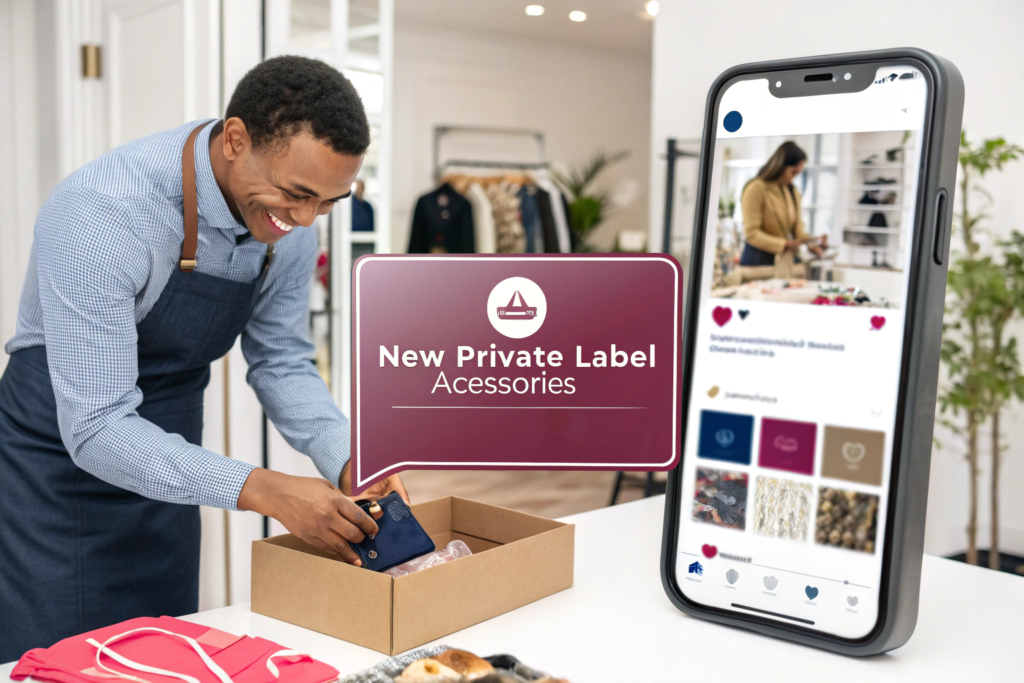
Your existing wholesale customers are your lowest-hanging fruit. They already trust you as a supplier. Introduce your private label line to them as an "exclusive" or "premium" collection. Offer them attractive introductory terms or bundle deals. This provides immediate sales velocity and real-world retail feedback. Encourage them to share product images in their stores. This not only drives sales but also generates authentic marketing content you can repurpose. However, protect your brand: have clear Minimum Advertised Price (MAP) policies to maintain brand value across different retailers.
How to Build a Direct-to-Consumer Brand Story?
Your DTC channel (your own website) is where you control the narrative and capture the most profit. Invest in professional product photography that reflects your brand's aesthetic. Write copy that speaks to the customer's lifestyle and the problem your product solves. For example, don't just sell a wool scarf; sell warmth, craftsmanship, and a sustainable choice. Use content marketing—a blog post on "How to Style Your Private Label Shawl for Fall"—to attract organic search traffic. Utilize social media platforms like Instagram and TikTok to showcase your products in use and build a community. Share the "behind-the-scenes" story of transitioning from wholesale to creating your own brand; this humanizes your business and builds connection. This integrated approach turns first-time buyers into loyal advocates for your brand.
Conclusion
Transitioning from wholesale to private label is a transformative journey that moves your business from competing on price to competing on brand value. It leverages your hard-earned market knowledge into owned intellectual property. By meticulously validating your idea, partnering with a development-oriented manufacturer, mastering the sampling process, and executing a smart launch, you build a business that is more resilient, profitable, and fulfilling. The path requires investment, patience, and a shift in mindset, but the reward is a brand that you control and that can grow with you for years to come.
If you are ready to take this transformative step and develop a private label accessories line with a partner who understands the journey from concept to market, we are here to guide you. Our team at Shanghai Fumao Clothing specializes in turning brand visions into high-quality, market-ready products with supportive MOQs and comprehensive development support. Contact our Business Director, Elaine, to start a conversation about your private label project. Her email is: elaine@fumaoclothing.com. Let's build your brand together.