I have been in the textile and accessory manufacturing business for over twenty years, and I have learned that water resistance is one of the most misunderstood performance claims in the industry. For a buyer like Ron, who supplies hats to outdoor retailers, sports brands, or even just consumers who want a hat that won't get ruined in a light rain, knowing how to test water resistance is essential. A hat that claims to be water-resistant but soaks through in a drizzle creates unhappy customers and returns. Understanding the testing methods helps you specify the right product and verify that your factory delivers on their promises.
Testing the water resistance of fabric hats and caps involves a combination of standardized laboratory tests and practical field tests. The key methods include the spray test (AATCC 22 or ISO 4920), which measures surface wetting resistance; the hydrostatic pressure test (AATCC 127 or ISO 811), which measures resistance to water penetration under pressure; and real-world wear testing under simulated rain conditions. For hats, the construction matters as much as the fabric—seams, stitching, and the interface between the brim and crown are common failure points.
At Shanghai Fumao Clothing, we test every batch of water-resistant hats we produce. Our quality control lab is equipped with standardized testing equipment, and our technicians are trained in international testing protocols. We understand that when a customer buys a water-resistant hat, they expect it to perform. I want to share what we have learned about testing water resistance so you can ensure your products meet customer expectations.
What Are the Standardized Tests for Water Resistance?
Standardized tests provide objective, repeatable measurements of water resistance. These tests are recognized internationally and are often required by retailers and brands. Understanding them helps you communicate your requirements to your factory and verify the results.
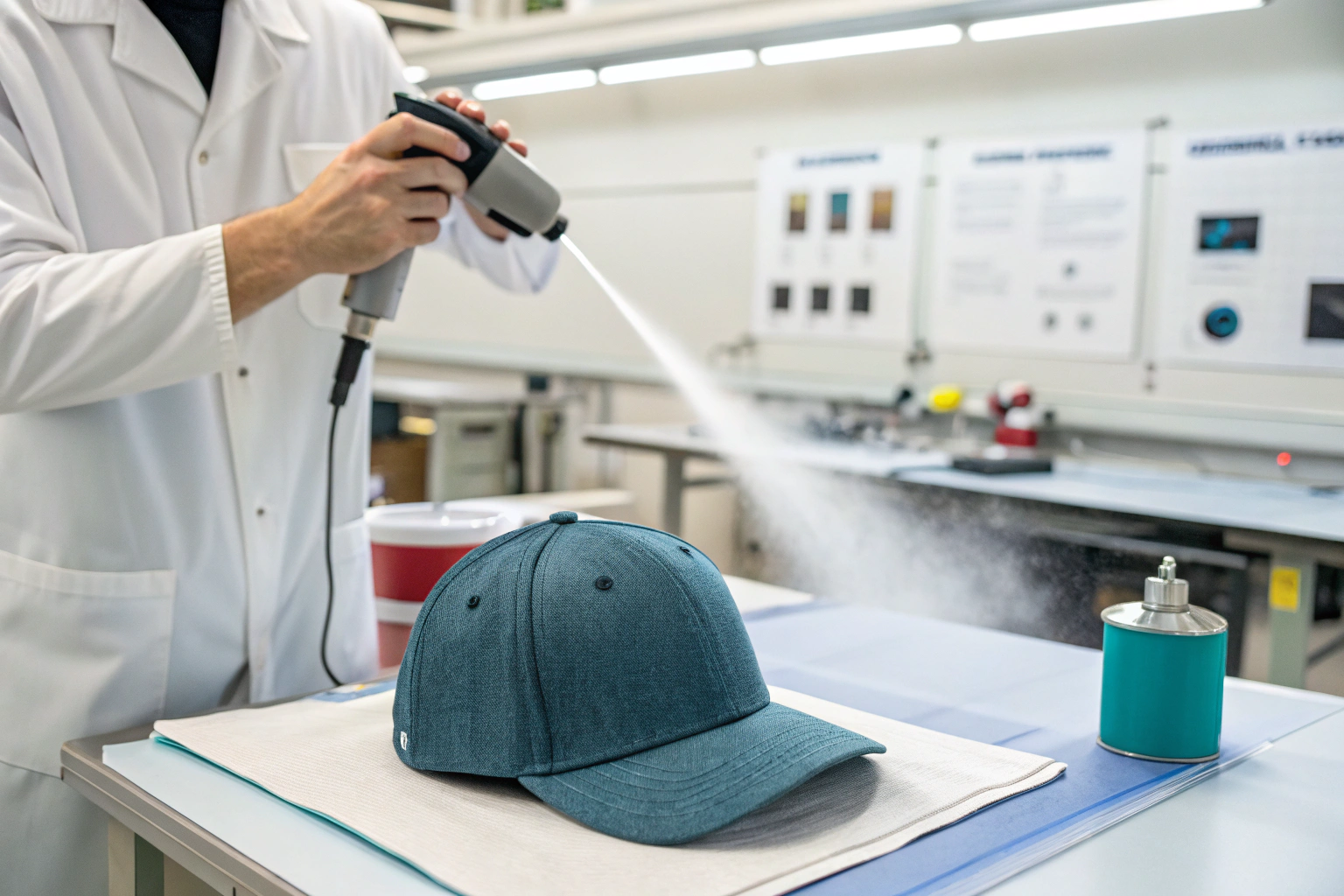
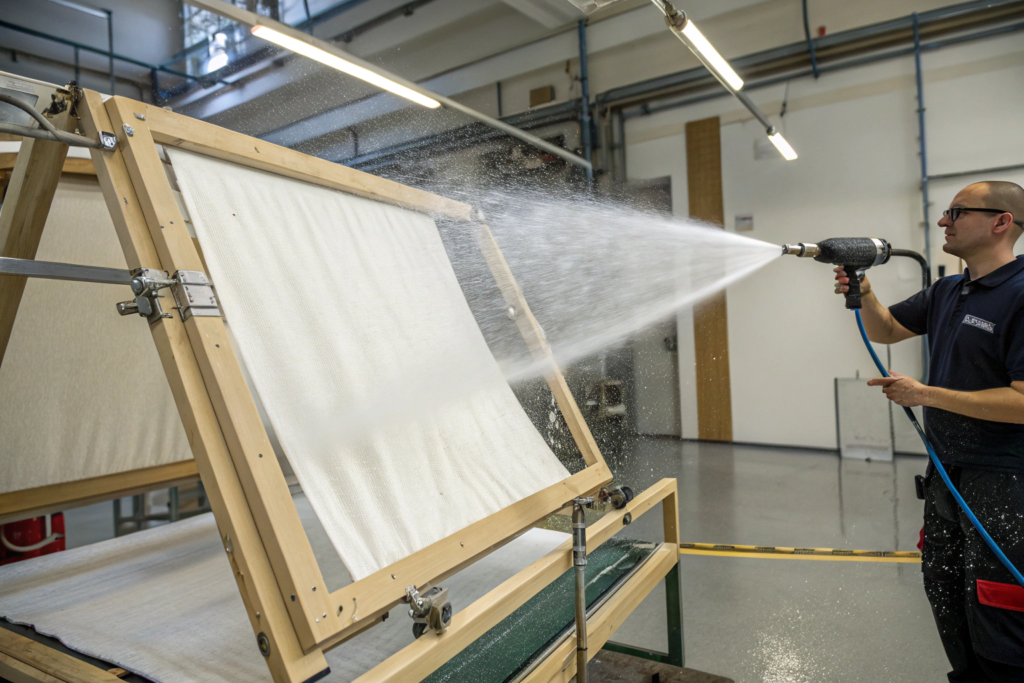
The most common test for water resistance is the spray test, standardized as AATCC 22 (American Association of Textile Chemists and Colorists) or ISO 4920 (International Organization for Standardization). In this test, a fabric sample is mounted on a frame at a 45-degree angle. A spray nozzle delivers 250 milliliters of water onto the sample from a fixed height. The test takes about 30 seconds. After spraying, the fabric is tapped to remove excess water and compared to a set of standard images. The rating ranges from 0 (complete wetting) to 100 (no water adherence or wetting). A rating of 80 or above is generally considered water-resistant.
The hydrostatic pressure test, standardized as AATCC 127 or ISO 811, measures resistance to water penetration under pressure. A fabric sample is clamped over a chamber of water. Pressure is increased until water penetrates through the fabric. The pressure at which water appears is recorded. This test is important for fabrics that will be exposed to rain under pressure, such as from wind-driven rain. For hats, a hydrostatic pressure of 800 to 1,000 millimeters is typical for water-resistant finishes.
How does the AATCC 22 spray test work for hats?
The AATCC 22 spray test is the industry standard for evaluating surface wetting resistance. For hats, it is particularly useful because it simulates rain falling on the head. The test is conducted on fabric samples cut from the hat, typically from the crown or brim. The sample is mounted on a frame at a 45-degree angle, mimicking the angle of a hat on a head. The spray nozzle is positioned 150 millimeters above the sample. It delivers 250 milliliters of water at a controlled rate. After the spray cycle, the technician taps the sample to remove loose water. The wetting pattern is then compared to a set of standard photographs. A rating of 100 means no water adheres to the surface. A rating of 90 means slight random sticking or wetting. A rating of 80 means wetting at the spray points. A rating of 70 means partial wetting of the whole sample. For a hat to be considered water-resistant, we typically aim for a rating of 80 or higher. This means the fabric repels most water, though some droplets may cling to the surface. The AATCC website provides detailed specifications for conducting this test.
What does the hydrostatic pressure test measure?
The hydrostatic pressure test measures the pressure at which water penetrates the fabric. This is a different performance characteristic than surface wetting. A fabric can have excellent surface water repellency (a high spray test rating) but still allow water through under pressure if the coating or finish is not uniform. The test uses a device that clamps the fabric sample over a column of water. Water pressure is increased at a controlled rate, either by raising the water column or by using a pump. The technician observes the sample from above. When water appears on the top surface, the pressure is recorded. For hats, a hydrostatic pressure of 800 millimeters (about 31 inches) of water is considered a good baseline for water resistance. Higher-end performance hats may achieve 1,500 to 2,000 millimeters. This test is particularly important for hats that will be used in heavy rain or for outdoor activities where the hat may be pressed against the head, creating pressure that forces water through the fabric. The ISO website provides access to the full test standards.
How to Test Seams and Construction for Water Resistance?
A fabric can be perfectly water-resistant, but if the seams are not sealed, water will find its way through. For hats, the seams at the crown, the attachment point of the brim, and any vents or eyelets are potential weak points. Testing these construction elements is as important as testing the fabric itself.
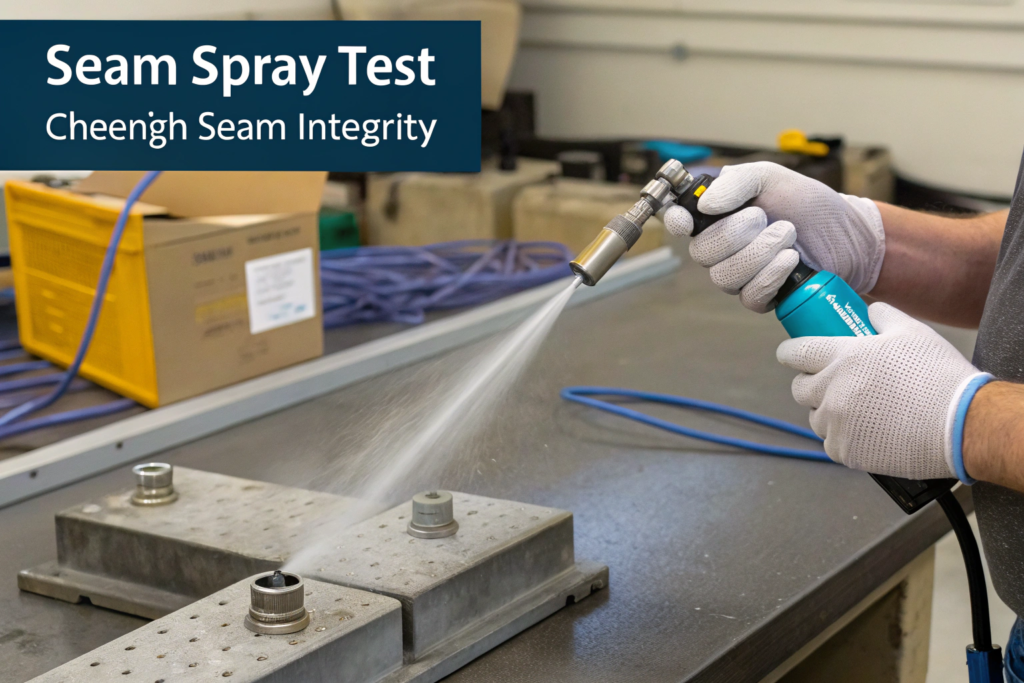
The simplest test for seam integrity is the seam spray test. This is a variation of the standard spray test, but the water is directed specifically at the seam. The technician positions the sample so that the seam is directly under the spray nozzle. After the spray cycle, the seam is examined for water penetration. If water has seeped through the stitching holes, the seam is considered a failure. For higher performance requirements, a hydrostatic pressure test can be conducted on the seam area. This requires a special fixture that isolates the seam for testing.
For hats that require true waterproofing, seam sealing is necessary. This involves applying a waterproof tape or liquid sealant over the stitching. The tape is heat-sealed or sewn over the seam, creating a barrier that prevents water from penetrating the needle holes. Testing seam-sealed areas requires the same methods as fabric testing, but the technician must ensure the seal is intact and fully adhered.
What are the common leak points in fabric hat construction?
Fabric hats have several common leak points that testing must address. The crown seam, where the panels of a six-panel or five-panel cap are joined, is the most obvious. Each stitch creates a hole that water can travel through. If the hat is not seam-sealed, water will penetrate these holes in heavy rain. The attachment point where the brim meets the crown is another critical area. This is often a folded seam that can trap water and allow it to wick into the hat. Vents and eyelets, which are common in baseball caps for breathability, are designed holes that are natural entry points for water. Some water-resistant hats use covered vents or specialized eyelet designs to minimize this. The sweatband attachment is another potential leak point, though less critical because it is on the interior. Finally, any decorative stitching or embroidery creates needle holes that can allow water penetration. For hats that must perform in wet conditions, we recommend minimizing decorative stitching or using seam sealant over the embroidery. We test every hat design for these potential leak points before approving it for production.
How do I test seam sealing effectiveness?
Testing seam sealing effectiveness requires a focused approach. The first step is a visual inspection. The seam seal tape should be fully adhered, with no bubbles, wrinkles, or lifted edges. The tape should cover the entire seam line, with at least 5 to 10 millimeters of overlap on each side of the seam. The second step is a water spray test directed at the seam. The sample is positioned so the seam is directly under the spray. After spraying, the back side of the seam is examined for any moisture. If water appears, the seal has failed. The third step is a hydrostatic pressure test on the seam area. This requires a specialized fixture that isolates a section of seam. The pressure is increased until water penetrates. A properly sealed seam should achieve the same hydrostatic pressure rating as the base fabric. The fourth step is an accelerated aging test. We subject the seam-sealed sample to cycles of heat, cold, and UV exposure to simulate long-term use, then repeat the water tests. If the seal remains intact, we are confident in its durability. For more information on seam sealing technologies, the Textile Testing Institute offers technical resources.
What Are the Different Water-Repellent Finishes for Hats?
Water resistance is typically achieved through finishes applied to the fabric. Understanding the different types of finishes helps you specify the right treatment for your hats and understand their limitations. Not all finishes are created equal, and each has trade-offs in performance, durability, and environmental impact.
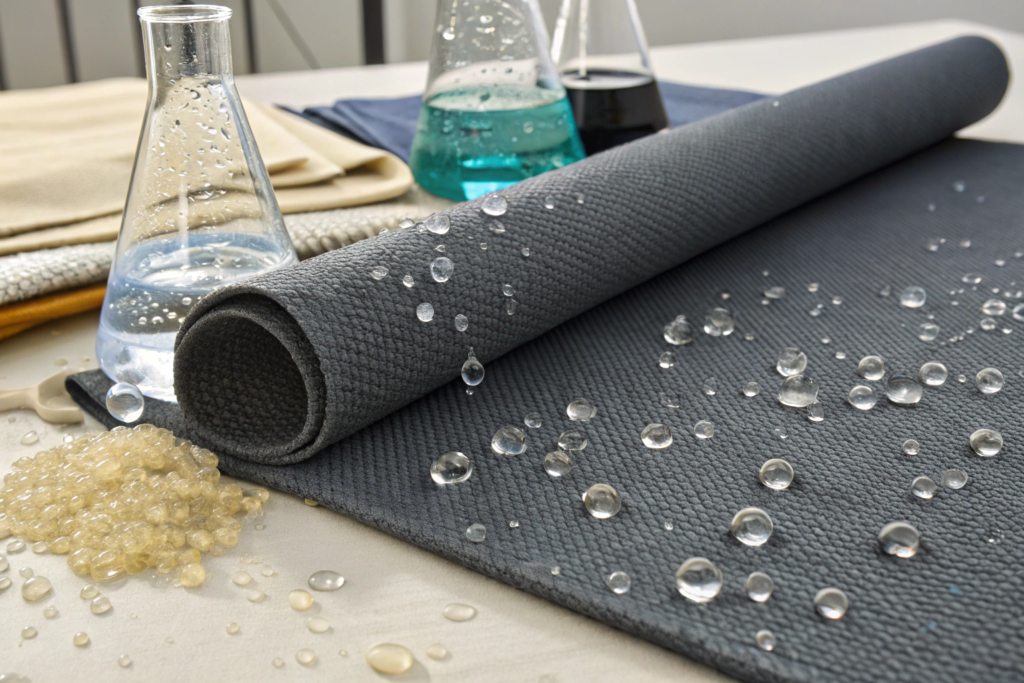
The most common water-repellent finish is DWR (Durable Water Repellent). DWR is a chemical treatment applied to the surface of the fabric. It causes water to bead up and roll off rather than soaking in. Traditional DWR finishes were based on fluorocarbons (PFCs), which are highly effective but have environmental concerns. They do not break down in the environment and have been linked to health issues. In recent years, the industry has shifted toward PFC-free DWR finishes, which are based on waxes, silicones, or other chemistries. These are more environmentally friendly but may not be as durable as PFC-based finishes.
Wax coatings are a traditional approach to water resistance. Canvas hats are often waxed to create a water-resistant barrier. Wax is effective and natural, but it can be heavy and may soften in warm temperatures. It also requires periodic reapplication to maintain effectiveness. Laminated membranes like Gore-Tex or similar technologies provide waterproofness by combining a fabric with a microporous membrane that allows vapor to escape but blocks liquid water. These are the highest level of protection but are also the most expensive and require specialized construction techniques.
What is the difference between water-resistant and waterproof finishes?
The distinction between water-resistant and waterproof is critical for accurate marketing claims and customer expectations. Water-resistant finishes, such as DWR, are designed to repel water from the surface. They will cause water to bead up and roll off under light to moderate rain. However, under sustained rain or pressure, water will eventually penetrate. Water-resistant finishes are measured by the spray test (AATCC 22). A rating of 80 or above is considered water-resistant. Waterproof finishes, such as laminated membranes or heavy wax coatings, are designed to completely block water penetration. A waterproof hat will not allow water through even under sustained rain or pressure. Waterproofness is measured by the hydrostatic pressure test. A fabric that withstands 1,500 millimeters of water pressure or more is generally considered waterproof. For most casual hats, water-resistant is sufficient. For hats intended for outdoor sports, fishing, or work in wet conditions, waterproof may be required. Be careful about marketing claims; if you claim a hat is waterproof, it must pass rigorous testing. The Federal Trade Commission (FTC) provides guidance on advertising claims for textiles.
How do PFC-free DWR finishes compare to traditional treatments?
The shift from traditional PFC-based DWR finishes to PFC-free alternatives is one of the most significant changes in the textile industry in recent years. Traditional PFC finishes, sometimes called C8 or C6 chemistries, are highly effective. They create a very low surface tension that causes water to bead up strongly. They are also durable, lasting through many washes. However, PFCs are persistent in the environment and have been linked to health concerns. Many outdoor brands have committed to eliminating them. PFC-free DWR finishes use alternative chemistries like waxes, silicones, or hydrocarbon-based polymers. They are biodegradable and have a lower environmental impact. The trade-off is performance. PFC-free finishes may not bead water as strongly, and they may require more frequent reapplication to maintain effectiveness. However, the technology is improving rapidly. Many premium outdoor brands now use PFC-free finishes that perform comparably to traditional treatments. For hats that will be used in light rain or for casual wear, PFC-free finishes are an excellent choice. For extreme performance applications, you may still need to consider the trade-offs. The Bluesign certification system provides a way to verify that finishes meet environmental and performance standards.
How to Perform Real-World Wear Testing for Hats?
Laboratory tests provide standardized measurements, but they cannot fully replicate how a hat will perform on a human head in real conditions. Real-world wear testing is essential to validate that your hats meet customer expectations. This testing should be conducted in conditions that mimic the intended use of the hat.
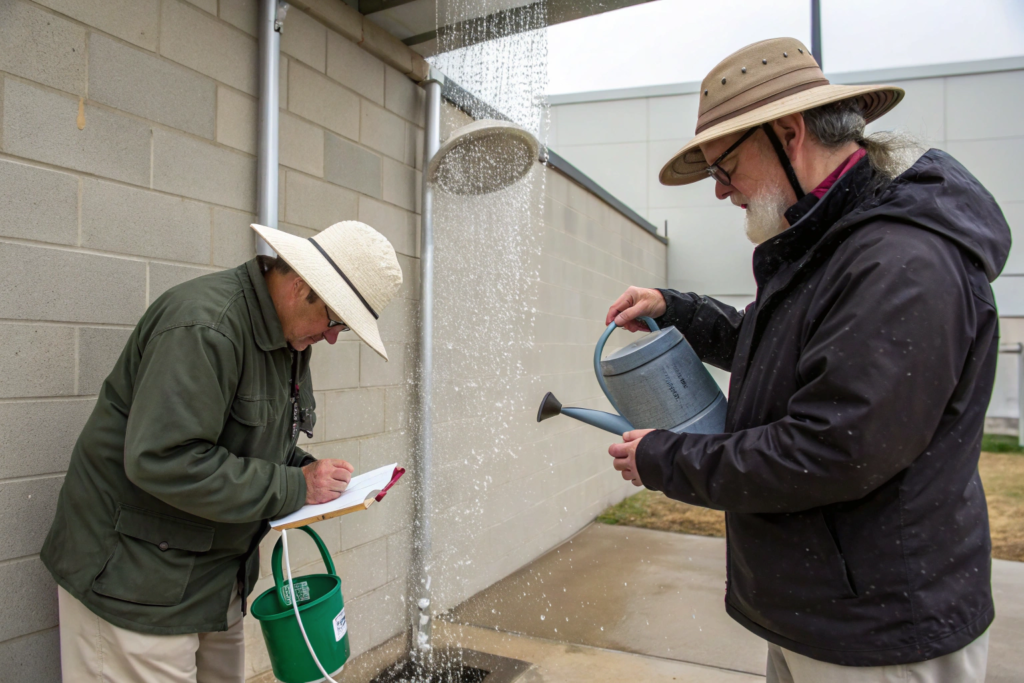
The simplest real-world test is the shower test. Have testers wear the hat under a standard shower head for a set period, typically 5 to 10 minutes. This simulates light to moderate rain. After the test, check for water penetration at the seams, through the fabric, and around the brim. Also check the interior of the hat for moisture. The testers should report on comfort and whether the hat felt heavy or wet. The second test is the watering can test, which is more variable. Use a watering can with a rose head to simulate rain at different intensities. This allows you to test specific areas of the hat.
For more rigorous testing, use a rain simulator. This is a specialized setup that uses multiple spray nozzles to create consistent, controlled rainfall. Testers stand under the simulator for a set time, and the hat is evaluated for water penetration. This is the closest you can get to laboratory-controlled real-world conditions.
How do I simulate different rain intensities for testing?
Simulating different rain intensities requires controlling the volume and pressure of water applied to the hat. Light rain, up to 2.5 millimeters per hour, can be simulated with a fine mist sprayer or a watering can held at height with a gentle flow. For this test, the hat should be worn for 30 to 60 minutes. Check for moisture at the seams and interior after the test. Moderate rain, 2.5 to 10 millimeters per hour, is best simulated with a standard shower head or a rain simulator. The test duration is typically 10 to 15 minutes. Heavy rain, over 10 millimeters per hour, requires high-pressure spray or a rain simulator. This test should be shorter, 5 to 10 minutes, and the hat should be examined immediately for water penetration. For each test, the hat should be on a human tester or a head form. The movement of the head and the tilt of the hat matter; a stationary test may not reveal leak points that appear when the wearer moves. We recommend using multiple testers with different head sizes and shapes to ensure the hat performs well for a range of users.
What should I check during and after wear testing?
During wear testing, the tester should report on several subjective factors. Does the hat feel heavy as water accumulates? Is water running down the brim onto the face? Does the fabric feel damp against the head? After the test, a systematic inspection is necessary. First, remove the hat and examine the exterior. Is water beading up and rolling off, or is the fabric saturated? Second, examine the interior. Look for water stains or dampness at the crown, seams, and sweatband. Pay special attention to the seam lines; if water has penetrated the stitching, there will be a visible line of dampness. Third, press the fabric between the fingers. If water can be squeezed out, the fabric has absorbed water rather than repelled it. Fourth, examine the brim. Is water seeping through the brim material or through the attachment point? Fifth, check the condition of the finish. After the hat dries, does the water-repellent finish need to be refreshed? This real-world data complements laboratory test results and gives you confidence that your hat will perform for your customers. At Shanghai Fumao Clothing, we conduct both laboratory and wear testing on all water-resistant hat orders before shipment.
Conclusion
Testing the water resistance of fabric hats and caps requires a combination of standardized laboratory tests and practical real-world evaluation. The spray test (AATCC 22 or ISO 4920) measures surface water repellency, while the hydrostatic pressure test (AATCC 127 or ISO 811) measures resistance to water penetration under pressure. Seams and construction are critical; even the most water-resistant fabric will fail if the seams are not properly sealed. The choice of water-repellent finish—traditional PFC-based or modern PFC-free—affects both performance and environmental impact. Real-world wear testing under simulated rain conditions provides the final validation that your hats will meet customer expectations.
At Shanghai Fumao Clothing, we have invested in comprehensive testing capabilities. Our quality control lab is equipped with standardized spray test apparatus and hydrostatic pressure testers. Our technicians are trained in international testing protocols. We test every batch of water-resistant hats we produce, from raw materials to finished products. We understand that a water-resistant hat is not just a product; it is a promise to your customer that their head will stay dry. We are committed to helping you keep that promise.
If you are ready to develop water-resistant hats for your brand, let's talk. Please contact our Business Director, Elaine, directly at elaine@fumaoclothing.com to discuss your project and how we can help you deliver products that perform.