You've designed the perfect backpack. The fabric is tough, the straps are ergonomic, and the design is spot-on. But if the zipper fails—the slider jams, the teeth separate, or the pull tab breaks—the entire product becomes useless in your customer's eyes. A faulty zipper is one of the most common and frustrating points of failure, leading to returns, negative reviews, and a tarnished brand reputation. So, how do you ensure the zippers on your backpacks can withstand real-world abuse, from overstuffed commutes to rugged outdoor adventures?
To comprehensively test the durability of a backpack zipper, you must simulate real-life stress through a combination of mechanical cycle testing, environmental exposure tests, and material integrity checks. This goes far beyond a simple open-close test. It involves assessing the zipper's slider functionality, tooth engagement strength, tape attachment, and resistance to elements like water, UV, and abrasion over extended cycles. The goal is to identify failure points before mass production, ensuring the chosen zipper component meets the specific performance grade required for your backpack's intended use.
Think of the zipper as a critical mechanical system, not just a trim. Its durability depends on the synergy between the zipper tape (the fabric strip), the teeth or coil (plastic or metal), the slider, and the stops. Testing must evaluate each component and their interactions under stress. This guide will walk you through the standardized tests and practical checks that quality-focused manufacturers and brands use to guarantee their backpack zippers won't let users down.
What Are the Standard Mechanical Cycle Tests for Zippers?
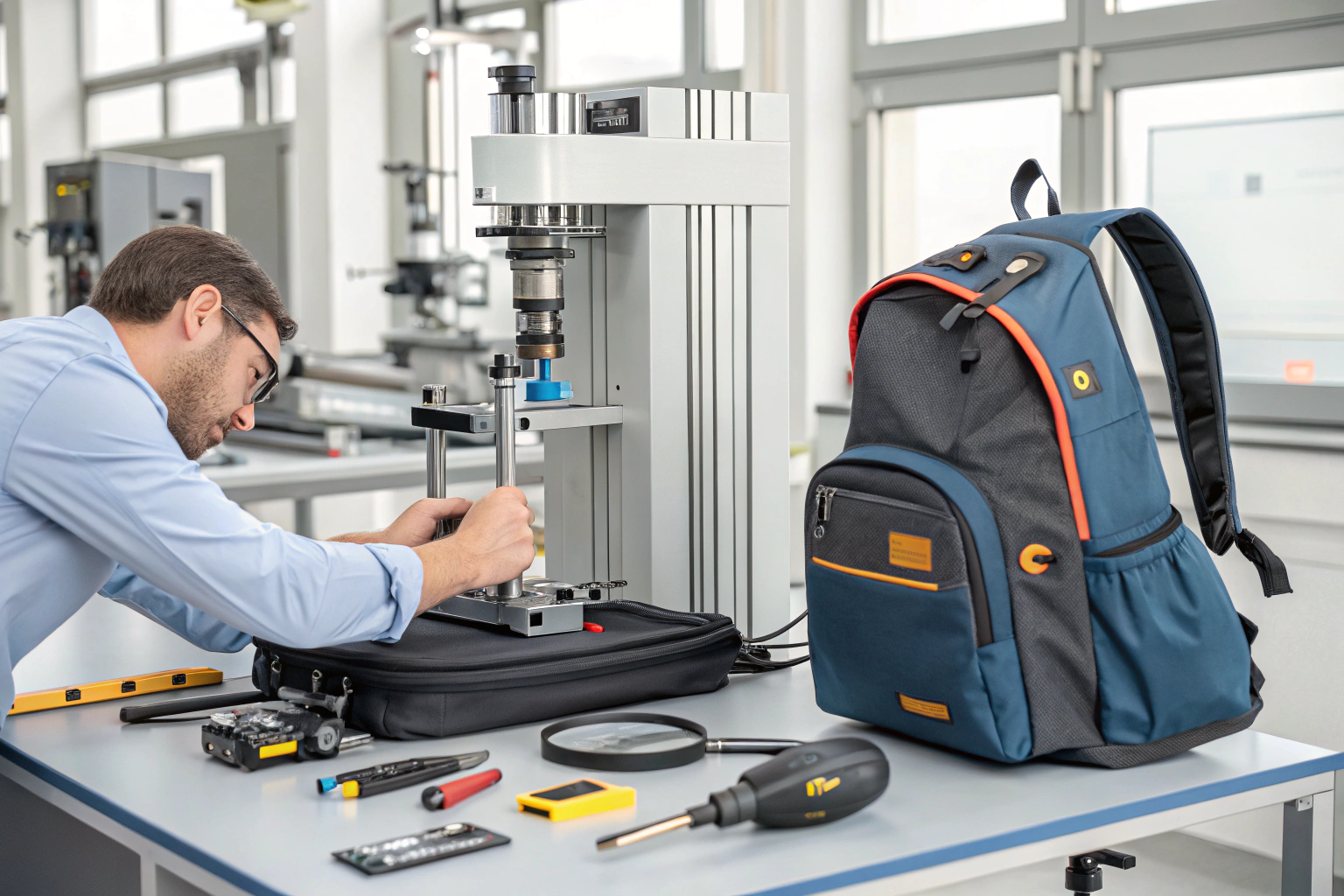
The core of zipper durability testing is simulating years of use in a compressed timeframe. Standardized mechanical cycle tests provide objective, comparable data on how a zipper will perform over its expected lifespan. These tests are performed using specialized machines that automate the opening and closing process under controlled conditions, often with a specified load or resistance.
The most fundamental test is the straight pull cyclic test. The zipper is mounted on a machine that repeatedly opens and closes it at a constant speed. The test standard (such as ASTM D2061 or ISO 5978) specifies the number of cycles—for a heavy-duty backpack, testing might run for 5,000 to 10,000 cycles or more. During this test, inspectors monitor for key failure modes: slider jamming, tooth skipping or separation, wear on the slider's internal elements, and tape fraying at the stress points. A high-quality zipper should complete the cycle count without any functional failure. Another critical test is the crosswise pull test or lateral strength test, which measures the force required to cause the teeth to separate sideways when the zipper is closed. This simulates the stress of an overstuffed bag. A robust #YKK or equivalent zipper for backpacks should withstand significant lateral force without bursting open.
It's essential to test the zipper as it will be used. For backpacks, this often means testing with the fabric panel attached (sewn into the pack's material), not just the zipper tape alone. The seam where the zipper tape is attached to the backpack fabric is a critical failure point. Tests should check for seam slippage or tape tear at the stitch lines after cycling. Furthermore, testing should be done on curved sections (like those on a backpack's front pocket) as well as straight runs, as curvature adds stress. Partnering with a manufacturer like Shanghai Fumao Clothing, which has access to or understands these test protocols, ensures they will specify zippers that have been pre-vetted to meet these rigorous standards for your product category.
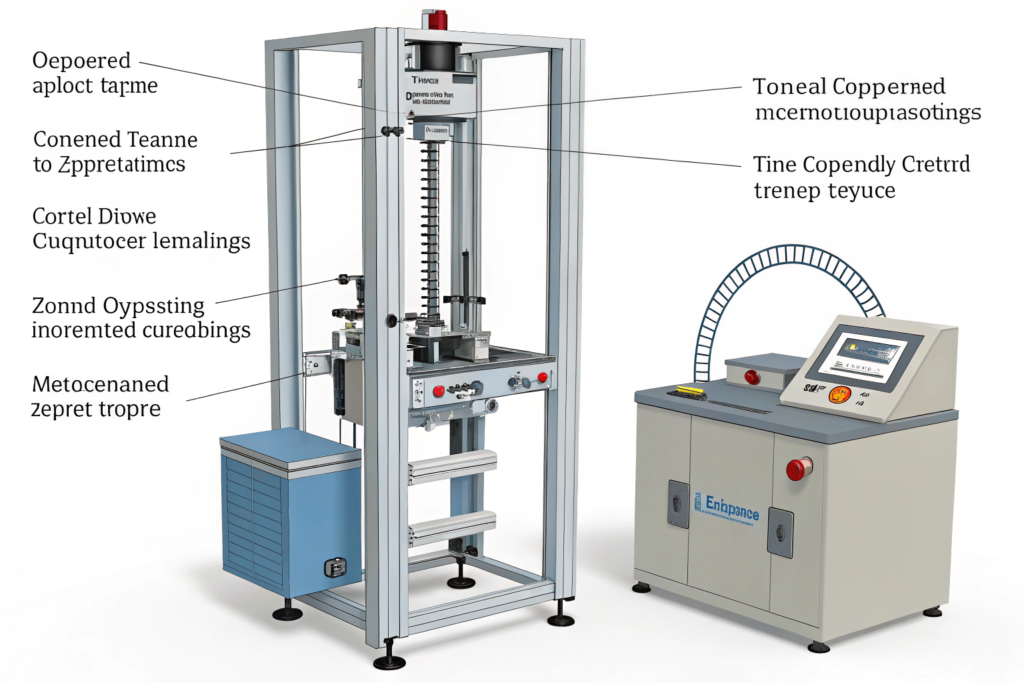
How many open-close cycles indicate a durable zipper?
The required number of cycles depends entirely on the backpack's performance grade. For a basic daypack or school bag, a zipper that reliably passes 2,000 to 3,000 cycles may be sufficient. For a tactical backpack, travel backpack, or hiking backpack intended for heavy use, the benchmark is much higher. Industry standards for heavy-duty bags often require 5,000 to 10,000 cycles without failure. High-end brands may test to even higher standards. It's not just about hitting a number; it's about the condition after testing. After 5,000 cycles, the zipper should still operate smoothly, with no visible deformation of teeth, minimal wear on the slider, and no damage to the tape. When sourcing, ask your manufacturer or zipper supplier for the test report certificates that specify the cycle count and pass/fail criteria the component has met.
What does a lateral pull test simulate?
The lateral pull test (or crosswise strength test) simulates one of the most common real-world zipper failures: the bag splitting open because pressure from the contents forces the teeth apart. In this test, a force gauge pulls the two sides of the closed zipper apart in a direction perpendicular to the teeth. The test measures the force in Newtons (N) or pounds-force (lbf) required to cause the zipper to burst open. For a quality backpack zipper, this value should be high. For example, a standard #5 coil zipper might have a lateral strength of over 80N. This test is crucial for determining if a zipper is suitable for a laptop compartment or main cargo area that will be tightly packed. It directly correlates to the product's durability and the user's trust that their belongings are secure.
How to Test Zipper Resistance to Environmental Stress?
A backpack doesn't live in a controlled environment. It faces rain, snow, dust, UV rays, and extreme temperatures. Environmental stress can degrade zipper materials, causing plastic to become brittle, metal to corrode, or coatings to wear off, leading to premature failure. Therefore, testing must go beyond mechanical cycles to include exposure simulations.
Key environmental tests include water resistance, UV exposure, temperature cycling, and abrasion resistance. For water resistance, tests like spray ratings (e.g., based on ISO 4920) or submersion tests check if the zipper design prevents water ingress. A water-resistant coil zipper with a rain flap or aquaguard slider cover should keep contents dry under light rain. More rigorous testing involves a salt spray test (like ASTM B117) for metal zippers to assess corrosion resistance, critical for coastal or winter road salt exposure. UV exposure testing (using Xenon-arc lamps per ISO 4892) simulates long-term sun exposure to ensure plastic teeth or coil don't fade, become brittle, or lose strength. This is vital for hiking and travel packs.
Abrasion testing is particularly important for areas where the zipper rubs against the body, straps, or other gear. A Martindale abrasion tester or Taber abraser can be used to rub the zipper tape and slider against standard fabric for thousands of cycles, checking for color loss, material wear-through, or damage to the slider's finish. Finally, high-low temperature cycling tests the zipper's performance in extreme climates—ensuring the slider doesn't become impossibly stiff in cold (tested in a cold chamber) or that plastic teeth don't deform in heat. A manufacturer attuned to these details will select zippers with appropriate material specifications (e.g., UV-stabilized polymers, anti-corrosive galvanization) from the start, preventing field failures.
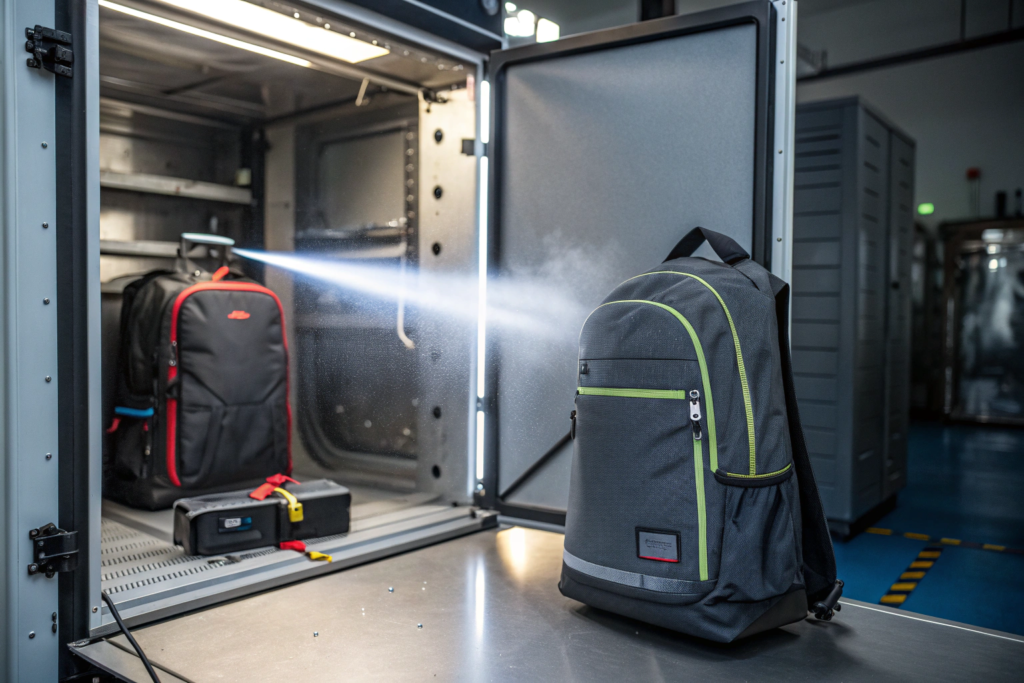
Why is UV exposure testing critical for outdoor backpacks?
UV exposure testing is critical because prolonged sunlight breaks down the molecular structure of many polymers. For a backpack zipper, this can mean the plastic teeth or coil becomes brittle and prone to cracking, the slider's internal spring weakens, and the dye in the tape fades significantly. A zipper that fails after one season of intense sun exposure will render the backpack useless. UV testing accelerates this aging process in a chamber. A zipper rated for outdoor use should show minimal loss of tensile strength and no visible cracking or significant color change after hundreds of hours of accelerated UV exposure. This ensures the product maintains its functionality and appearance for years, which is a key selling point for outdoor brands. Specifying UV-resistant zippers is a non-negotiable for any backpack meant for activities like hiking, cycling, or beach use.
How do you test a zipper's water resistance effectively?
Effective water resistance testing goes beyond a simple splash. A standard method is the spray test, where the closed zipper, sewn into fabric, is placed at a 45-degree angle under a shower head with calibrated water pressure for a set time (e.g., 5 minutes). The fabric behind the zipper is then inspected for moisture. For a waterproof zipper (like those with laminated tape and sealed teeth), a more rigorous hydrostatic pressure test is used, measuring the water pressure (in mm or PSI) the zipper assembly can withstand before leakage. It's also important to test the zipper in a dynamic state—opening and closing it while wet, as this is when water is most likely to be forced through. For general-purpose backpacks, specifying a water-repellent zipper (RP) or water-resistant zipper (R) is often sufficient, but for true waterproof backpacks (e.g., for kayaking), a fully waterproof zipper (e.g., AquaGuard® or Vislon® type) with sealed seams is mandatory.
What On-Hand Quality Checks Can Be Done During Production?
While laboratory tests are essential for component validation, ongoing quality checks on the production line are what ensure consistency in every single backpack that comes off the line. These hands-on inspections catch issues like sewing defects, slider damage, or contamination that could lead to early failure.
The first line of defense is a visual and tactile inspection of every zipper length before it's sewn. Check for: smooth tooth/coil alignment (no gaps or deformities), slider movement (it should glide effortlessly without catching), secure top and bottom stops, and the integrity of the pull tab attachment. Use a zipper slider tester—a simple tool—to verify the slider's locking function (if applicable) works correctly. During sewing, critical checks include: stitch consistency along the zipper tape (no skipped stitches), proper alignment (the zipper is not twisted or puckered in the fabric), and correct end stitching to reinforce the stress points at the top and bottom of the zipper path. The seam allowance should be sufficient to prevent tape pull-out.
Implement a random sampling and pull test on finished backpacks. A QC inspector should randomly select packs and vigorously open and close each zipper 50-100 times by hand, feeling for any hesitation or irregularity. They should also perform a manual lateral pull test on closed compartments to gauge strength. Furthermore, check the operation under load: partially fill the backpack and test the zipper. Does it close smoothly over the bulge? Does the slider strain? These simple, proactive checks can identify a bad batch of zippers or a sewing station that needs adjustment before thousands of defective units are produced. A factory with a strong in-line quality control system, as practiced at Shanghai Fumao Clothing, will have these checkpoints documented and empower line workers to halt production if a defect pattern is found.
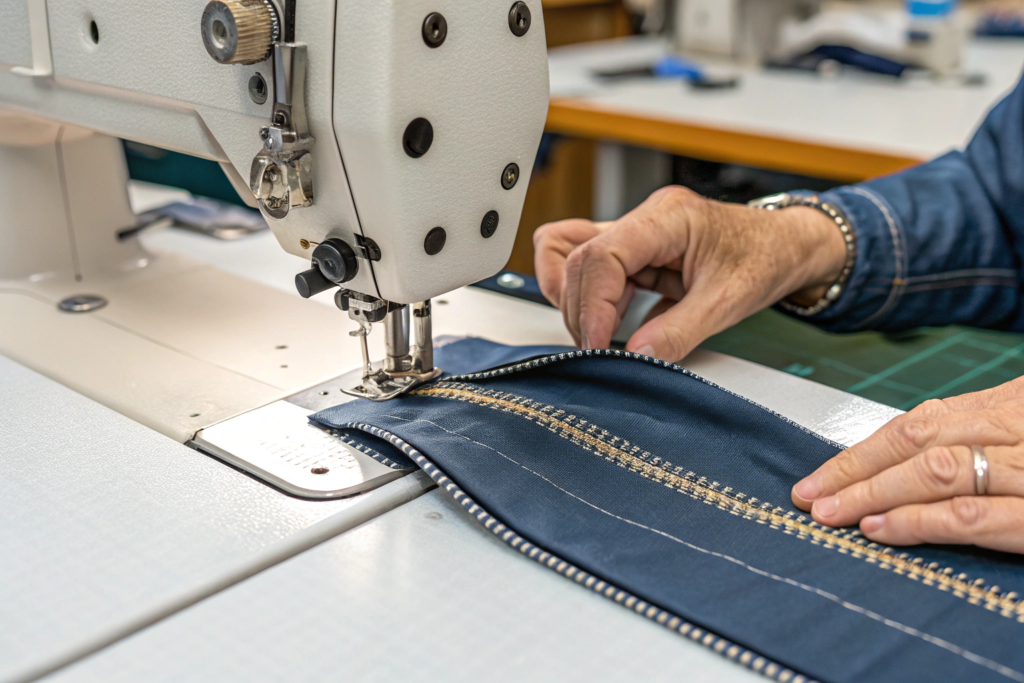
What common sewing defects weaken zipper durability?
Sewing is often the weakest link in zipper attachment. Common defects that drastically reduce durability include: Incorrect Stitch Density: Too few stitches per inch (SPI) reduces holding power; too many can perforate and weaken the zipper tape. Misaligned Stitching: Stitching that misses the reinforced seam allowance area of the zipper tape, sewing too close to the teeth, or causing the tape to pucker. Poor Back-Tacking: Insecure or missing back-tacking at the zipper ends (top and bottom) allows the stitches to unravel under stress. Wrong Thread: Using a thread with inadequate tensile strength or poor UV resistance that breaks down before the zipper itself. Twisted Zipper: Sewing in a zipper that is twisted along its length creates permanent stress points that lead to early failure during use. Training sewing operators on the specific requirements for zipper attachment and having a QC spot-check these points is crucial for longevity.
How to perform a simple functional test on every backpack?
A simple, effective functional test that should be performed on 100% of finished backpacks is the "Zip-Zap" hand cycle test. The inspector takes each backpack and, for every zippered compartment:
- Visual Check: Look for obvious defects (missing pulls, damaged sliders).
- Full Cycle: Smoothly open and close the zipper from end to end 5-10 times by hand.
- Feel for Issues: Pay attention to any roughness, catching, or uneven resistance. The action should be consistently smooth.
- Lock Check: If it's a locking zipper, engage and disengage the lock several times.
- Pull Test: Grasp the two sides of a closed compartment (like the main opening) and gently pull apart laterally to feel for any immediate separation.
This quick test, taking less than a minute per bag, can catch a significant percentage of assembly-related zipper issues. Any backpack that fails this test should be set aside for repair or rejection, preventing defective products from reaching the customer.
How to Specify the Right Zipper for Your Backpack Design?
Ultimately, durability testing validates a choice that must be made at the design stage: selecting the correct zipper specification for the application. An over-engineered zipper adds unnecessary cost and weight; an under-specified one guarantees failure. Your design intent dictates the zipper's required performance grade.
Specification starts with four key attributes: Size (#3, #5, #8, #10), Type (Coil vs. Vislon/Tooth), Material (Metal, Plastic, Nylon Coil), and Features (Self-Repairing, Water-Resistant, Locking). The size number indicates the tooth/coil width in millimeters and correlates to strength—a #5 zipper is common for main compartments, while #10 is for heavy-duty duffels. Coil zippers (nylon) are flexible, lightweight, and resist corrosion, great for curved pockets. Vislon/Tooth zippers (plastic) are very durable and weather-resistant, ideal for outdoor gear. Metal zippers offer classic aesthetics and high tensile strength but can corrode. For features, a self-repairing zipper (where the slider can realign separated coils) is a valuable upgrade for user-friendliness. Always provide your manufacturer with a technical pack that specifies the exact zipper type, supplier (e.g., YKK, SBS), and part number for each application on the bag.
Collaborate closely with your manufacturer's sourcing and development team. They can provide samples of different zipper options for your specific fabric and design. They also have the leverage to source from reputable zipper mills that provide full test compliance documentation. Remember, the zipper is a system. Ensure the selected zipper is compatible with your fabric weight and that your design includes features like zipper garages (to protect the slider), rain flaps, or liner fabric behind the zipper tape to protect contents from abrasion. A holistic design approach, backed by pre-agreed test standards, is the best way to ensure end-to-end durability and customer satisfaction.
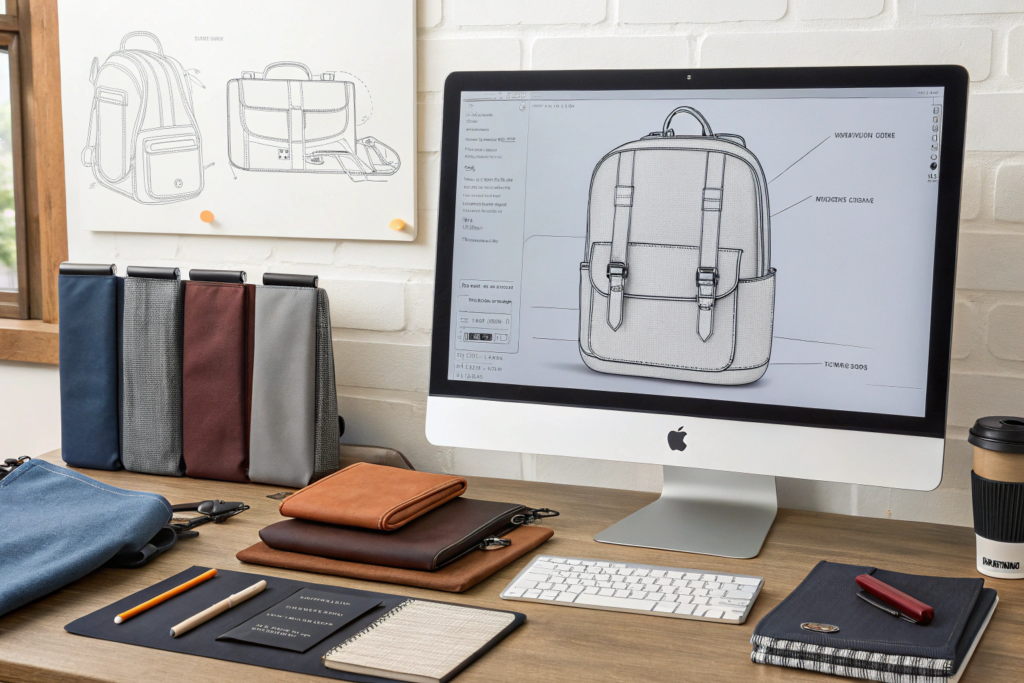
What is the difference between a #5 and a #8 zipper?
The primary difference is size and strength. The number refers to the approximate width of the zipper teeth/coil in millimeters when closed. A #5 zipper has teeth/coil about 5mm wide, while a #8 zipper is about 8mm wide. Consequently, the #8 zipper uses larger, heavier-duty teeth/coil and a stronger slider, giving it a higher lateral strength and tensile strength. It is also heavier. A #5 zipper is standard for main compartments on daypacks and school bags. A #8 zipper is used for large main compartments on travel backpacks, tactical gear, or duffel bags where high stress and security are needed. Choosing the right size is fundamental: using a #5 on a large, overpackable travel backpack is a recipe for failure, while using a #8 on a small fashion backpack is overkill.
When should you specify a self-repairing coil zipper?
Specify a self-repairing coil zipper (sometimes called a reverse pull zipper) for any compartment where user error or stress might cause the coil to separate, and where ease of repair is a key selling point. This is common on main compartment closures of backpacks. If the zipper separates, the user can often realign the coils and run the slider back over the area to re-engage it, without the zipper being permanently broken. This feature enhances product longevity and reduces warranty claims. It is achieved through a specialized slider design. For compartments that are less critical, smaller, or less likely to be overstuffed (like an internal organizer pocket), a standard coil zipper may be sufficient. Always weigh the small additional cost against the significant improvement in user experience and perceived quality.
Conclusion
Testing the durability of a backpack zipper is a multi-layered process that blends standardized laboratory torture tests with vigilant on-the-ground production checks. It begins with selecting the right zipper specification for the design's intended use and continues through validating that specification with cyclic, environmental, and strength tests. The final and ongoing step is ensuring manufacturing consistency through simple but effective functional inspections on every unit.
This rigorous approach transforms the zipper from a potential point of failure into a hallmark of quality. It protects your brand from the high costs of returns and reputation damage, while delivering the reliability that users depend on. In a competitive market, a smooth, durable zipper is a silent but powerful testament to a well-made product.
If you are developing backpacks and seek a manufacturing partner that understands the critical importance of component testing and quality control, we are here to help. At Shanghai Fumao Clothing, our expertise extends to technical bag manufacturing, where we pay meticulous attention to details like zipper specification, in-line testing, and adherence to durability standards. Let's ensure your backpack is built to last. Contact our Business Director, Elaine, to discuss your requirements: elaine@fumaoclothing.com.