Mixing multiple hair accessories can feel intimidating. Many people worry about looking overdone or mismatched. We've seen customers struggle to combine different pieces in ways that feel cohesive and stylish rather than chaotic. The good news is that with a few simple principles, anyone can master this trend.
The secret to successfully styling multiple hair accessories lies in balancing proportions, coordinating colors, and creating visual harmony through strategic placement. When done correctly, layered accessories can transform a simple hairstyle into something special and personalized. This approach works for everything from casual everyday looks to formal events.
After creating hair accessories for fashion brands and retailers worldwide, we've identified the key techniques that make layered styling work. Let's explore how you can confidently combine multiple pieces to create stunning, put-together looks.
What are the fundamental rules for mixing hair accessories?
Understanding a few basic principles can transform how you approach combining hair accessories. These guidelines provide a foundation that works across different styles and occasions, ensuring your layered looks always feel intentional and polished.
The key rules for successful mixing include maintaining a cohesive color story, balancing sizes and proportions, and establishing a clear focal point. These principles help create unity while allowing for creative expression through your accessory combinations.
How do you create color harmony with multiple accessories?
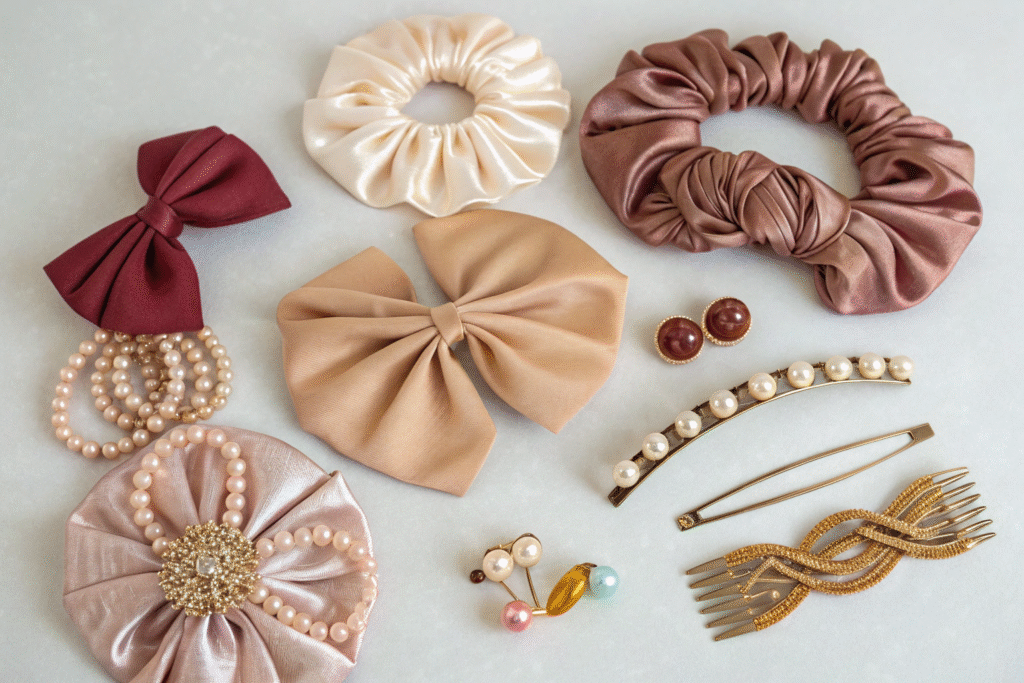
Color coordination doesn't mean everything must match perfectly. Instead, aim for a cohesive color story by selecting accessories that share common tones or exist within the same color family. For example, pair gold hair clips with a beige scrunchie and tortoiseshell headband - all warm-toned pieces that complement each other. Alternatively, create interest by combining accessories in monochromatic shades of the same color, like navy scrunchies with light blue clips. Our design team often recommends choosing one statement piece in a bold color, then selecting supporting accessories in more neutral tones that allow the standout piece to shine without creating visual competition.
Why is proportion balancing crucial when layering accessories?
Size variation prevents your style from looking either too busy or too matchy-matchy. The most successful combinations include pieces of different scales - for instance, a large claw clip paired with small, delicate hair pins. This creates visual interest while maintaining balance. When all accessories are the same size, the look can feel uniform and lack dynamism. Conversely, using multiple large statement pieces often overwhelms the hairstyle. We advise clients to think in terms of anchor pieces (larger items like headbands or big clips) and accent pieces (smaller items like hair pins or mini clips) when building their layered looks.
Which hair accessories complement each other best?
Some accessory combinations naturally work better together based on their functions, materials, and visual weights. Understanding these natural partnerships can help you create stunning looks with less trial and error.
The most successful pairings often combine different types of accessories that serve distinct purposes - for example, functional pieces that hold hair together paired with decorative elements that add visual interest. This approach ensures both practicality and style.
What are some foolproof accessory combinations?
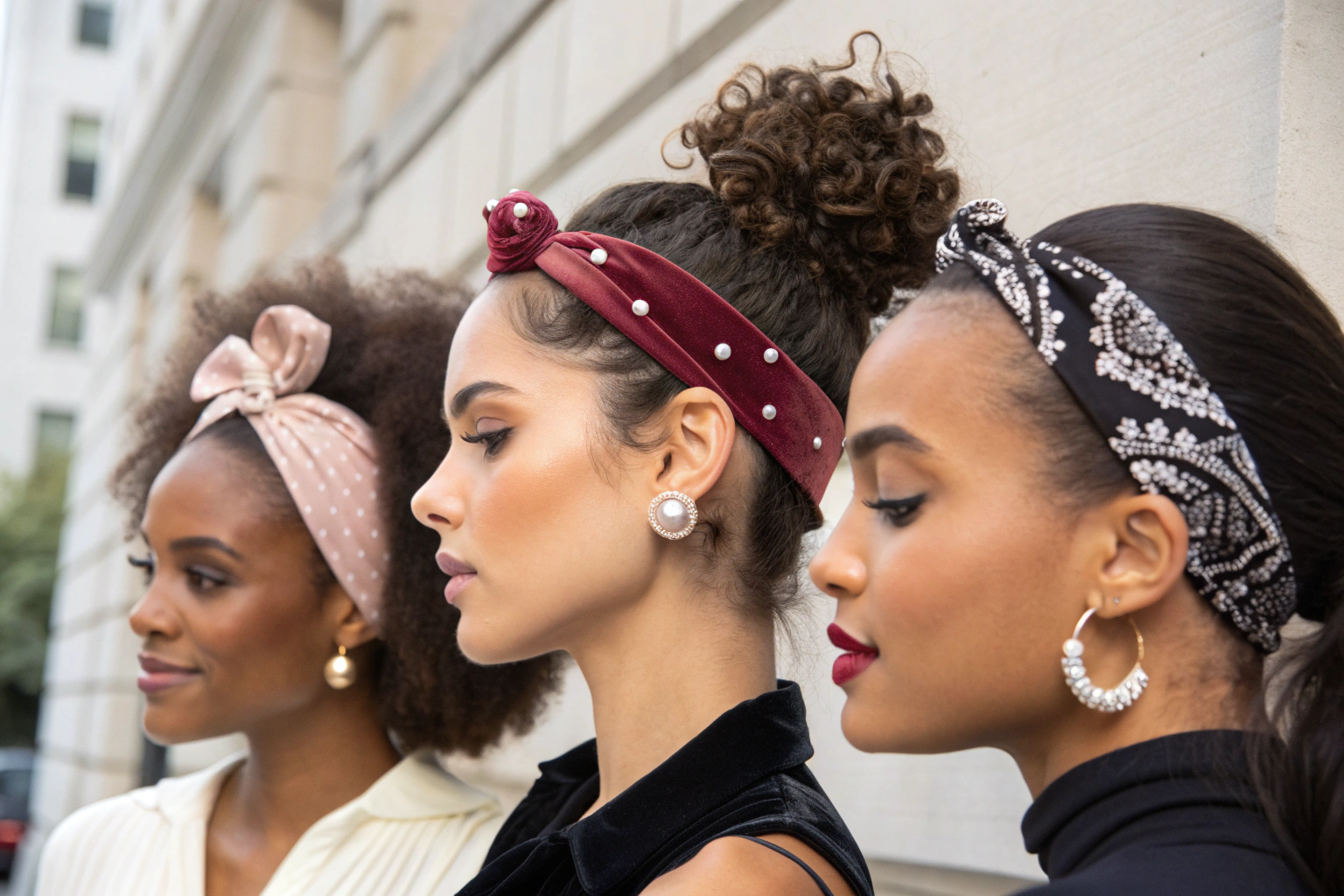
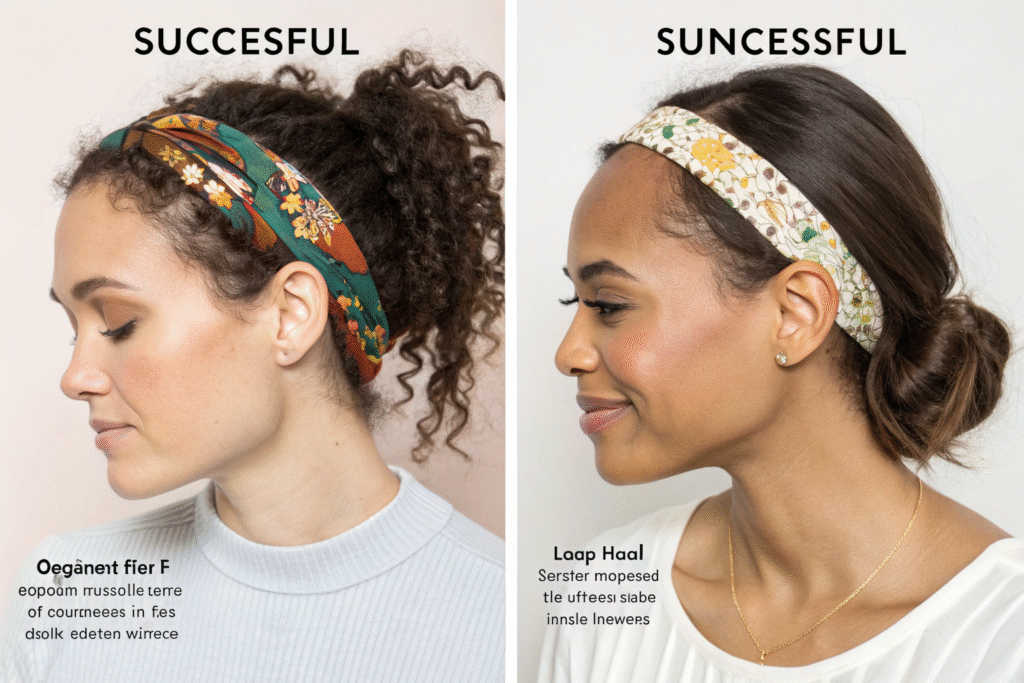
Classic combinations that consistently work well include scrunchies with hair clips, headbands with bobby pins, and bandanas with barrettes. A velvet scrunchie holding a low bun looks beautiful when paired with a few strategically placed pearl hair clips along the crown. A wide fabric headband can be enhanced with small, decorative bobby pins tucked into the sides where the headband meets your hair. These combinations work because they balance functionality with decoration while using accessories made from complementary materials. Many of our retail partners create merchandising displays that showcase these proven pairings, helping customers visualize successful combinations and increasing sales of multiple items.
How do materials and textures affect accessory pairing?
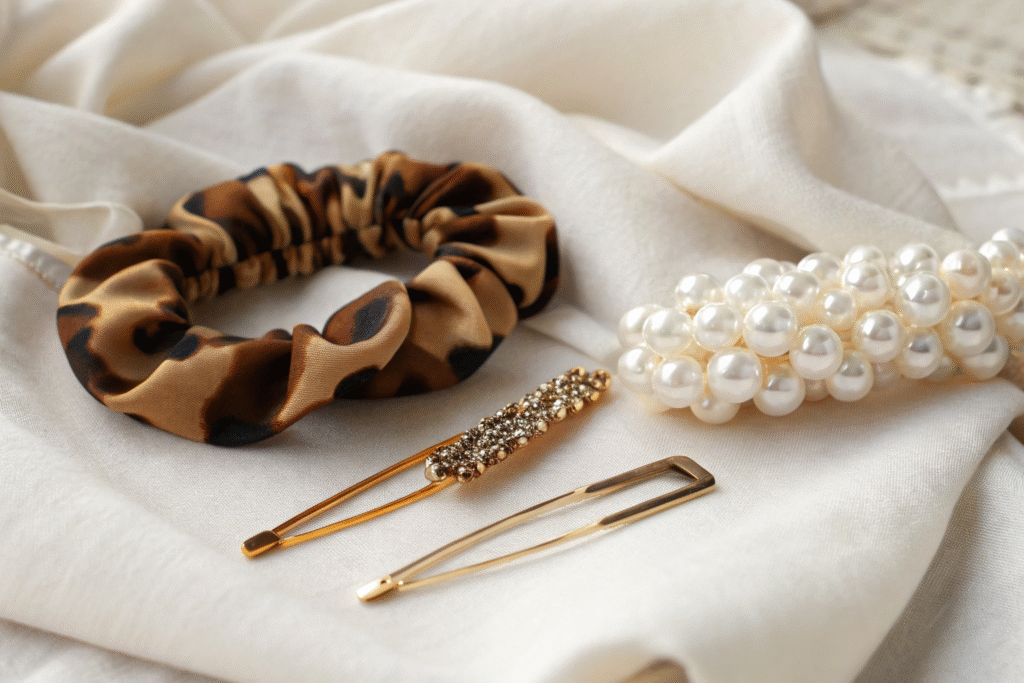
Material mixing adds depth and interest to your hairstyle. The key is to combine textures thoughtfully rather than randomly. Smooth, shiny materials like metallic clips pair beautifully with matte textures like fabric scrunchies or velvet headbands. Natural materials like tortoiseshell or wood accessories complement both shiny and matte finishes well. We recommend choosing accessories with one or two common elements - perhaps similar metal finishes or complementary fabric types - to create cohesion. Our manufacturing expertise with different materials helps us advise clients on which textures work well together for creating coordinated hair accessories collections that encourage multiple purchases.
How do you style multiple accessories for different occasions?
The number and type of accessories you combine should vary based on the occasion and setting. What works for a music festival might not be appropriate for a professional environment, and vice versa.
Successful styling adapts to context through careful consideration of accessory quantity, size, and formality level. This ensures your look feels appropriate while still expressing your personal style.
What works for professional settings?
Office-appropriate styling typically calls for more subtle combinations using smaller, more refined accessories. Think two to three delicate pieces rather than multiple statement items. A simple clip holding back one side of your hair, paired with a few hidden bobby pins for security and perhaps a thin, understated headband creates a polished look without distracting from your professional appearance. Neutral colors and minimal metallic accents tend to work best in conservative environments. Our clients in the corporate fashion accessories market consistently find that sophisticated, minimal combinations outperform dramatic statement pieces for everyday professional wear.
How can you create dramatic evening looks?
Evening styling allows for more creativity and drama through bolder combinations. This is where you can experiment with multiple statement pieces, richer colors, and more elaborate arrangements. A jeweled hair comb paired with sparkling pins and a decorative headchain can create a stunning formal look. The key is to ensure all pieces contribute to a cohesive overall aesthetic rather than competing for attention. We often suggest choosing one focal point - perhaps at the crown or nape of the neck - and building the rest of your accessories around that anchor piece. Many of our luxury retail partners successfully market eveningwear accessory sets specifically designed to be worn together for special occasions.
What common mistakes should you avoid when layering hair accessories?
Even with the best intentions, certain missteps can undermine your layered accessory look. Being aware of these common pitfalls helps you create more successful combinations from the start.
The most frequent mistakes include overloading with too many pieces, ignoring hair type and texture, and creating visual confusion through clashing styles or colors. Avoiding these errors will significantly improve your styling outcomes.
Why does over-accessorizing usually fail?
Visual overload occurs when too many pieces compete for attention, creating a cluttered rather than curated appearance. As a general guideline, three to four well-chosen accessories typically create maximum impact without crossing into excess. Beyond this number, the look can become distracting and lose its sophistication. The exception is when using multiple very small, similar items (like a collection of tiny matching pins) which read as a single decorative element. Our product development team considers this principle when designing collections, ensuring we offer pieces that work well both individually and in combination without overwhelming the wearer.
How does hair type influence accessory selection?
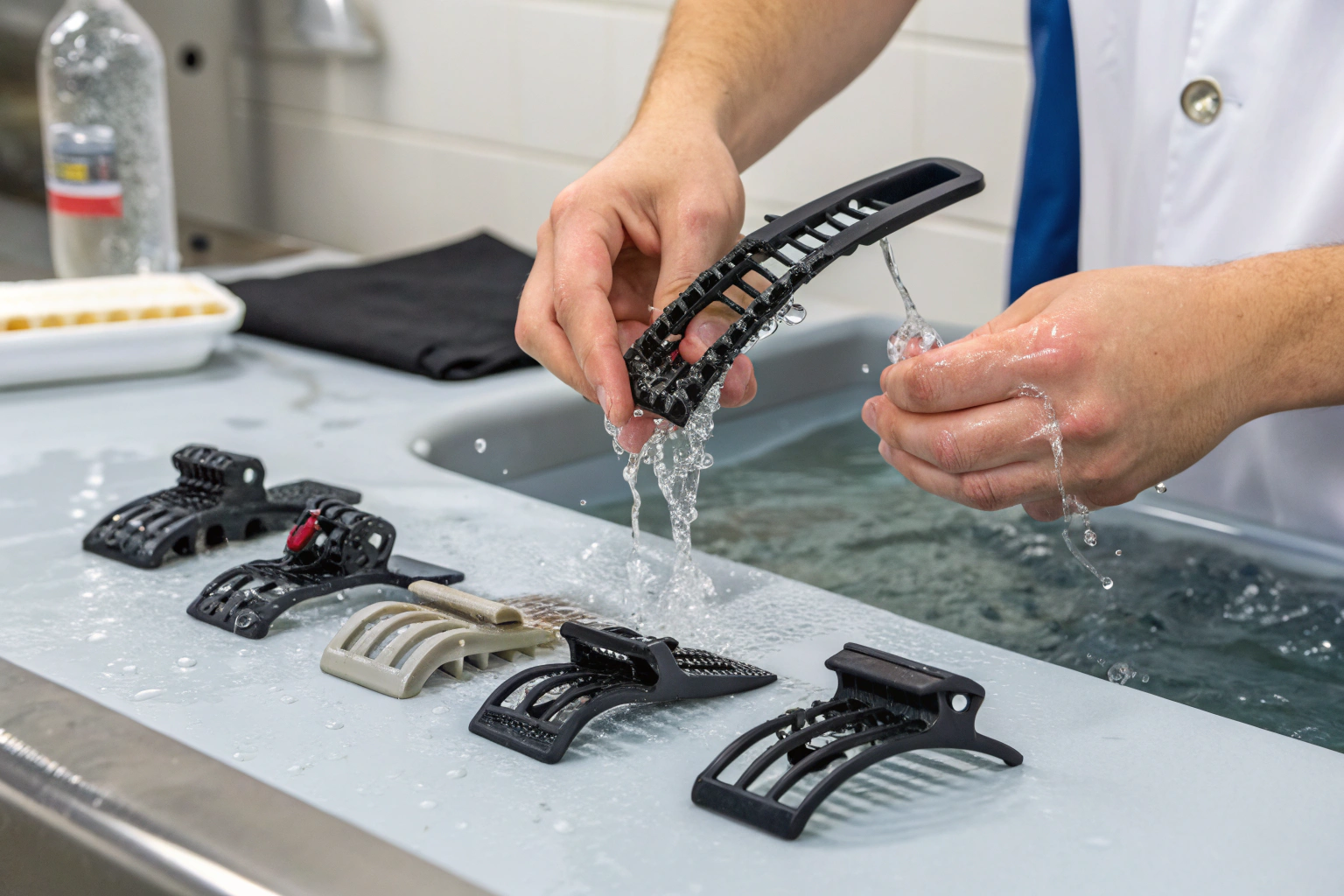
Hair compatibility significantly affects how accessories work together. Fine, straight hair might be overwhelmed by multiple heavy pieces, while thick, curly hair can support more substantial combinations. Understanding your hair's texture and density helps you choose accessories that enhance rather than fight against your natural hair. For example, slippery hair may require grips or textured accessories to stay in place, while coarse hair might need stronger hold pieces. We test our hair clips and accessories on various hair types to ensure they perform well across different textures, providing retailers with products suitable for diverse customer bases.
Conclusion
Styling multiple hair accessories together is an art that becomes simple once you understand the fundamental principles of balance, coordination, and context. By carefully selecting pieces that complement rather than compete with each other, you can create unique, personalized looks that elevate any hairstyle. Remember that the most successful combinations often come from experimenting with what feels authentic to your personal style.
If you're interested in developing coordinated hair accessory collections designed to be mixed and matched, we invite you to contact our Business Director, Elaine. She can help you create product lines that encourage creative styling and multiple purchases. Reach her at: elaine@fumaoclothing.com.