I have been in the fashion accessory manufacturing business for over twenty years, and winter ear warmers are one of those products that never goes out of demand. For a buyer like Ron, who supplies to major retailers, outdoor brands, and online stores, ear warmers are a staple seasonal item. They are practical, affordable, and have a wide appeal. Sourcing them from China can be highly efficient and cost-effective, but it requires understanding the specific materials, construction methods, and quality considerations that make a good ear warmer.
To source winter ear warmers caps from China successfully, you need a manufacturer who understands the key components: the outer fabric (fleece, acrylic knit, or faux fur), the inner lining (often microfleece for comfort), the insulation (for warmth), the headband core (for shape retention), and the closure system (adjustable buckle, Velcro, or elastic). You need to consider sizing, comfort, durability, and safety standards, especially if the product is intended for children.
At Shanghai Fumao Clothing, we have produced millions of winter ear warmers for clients around the world. We know the materials, the construction techniques, and the quality standards that matter. Whether you need classic fleece headbands, knit beanies with ear flaps, or sporty performance styles, we have the expertise to deliver. I want to share what we have learned so you can source winter ear warmers with confidence.
What Types of Winter Ear Warmers Are Available?
Winter ear warmers come in a variety of styles, each with its own appeal and target market. Understanding the options helps you select the right products for your customers. The choice depends on factors like fashion trends, functionality, and price point.
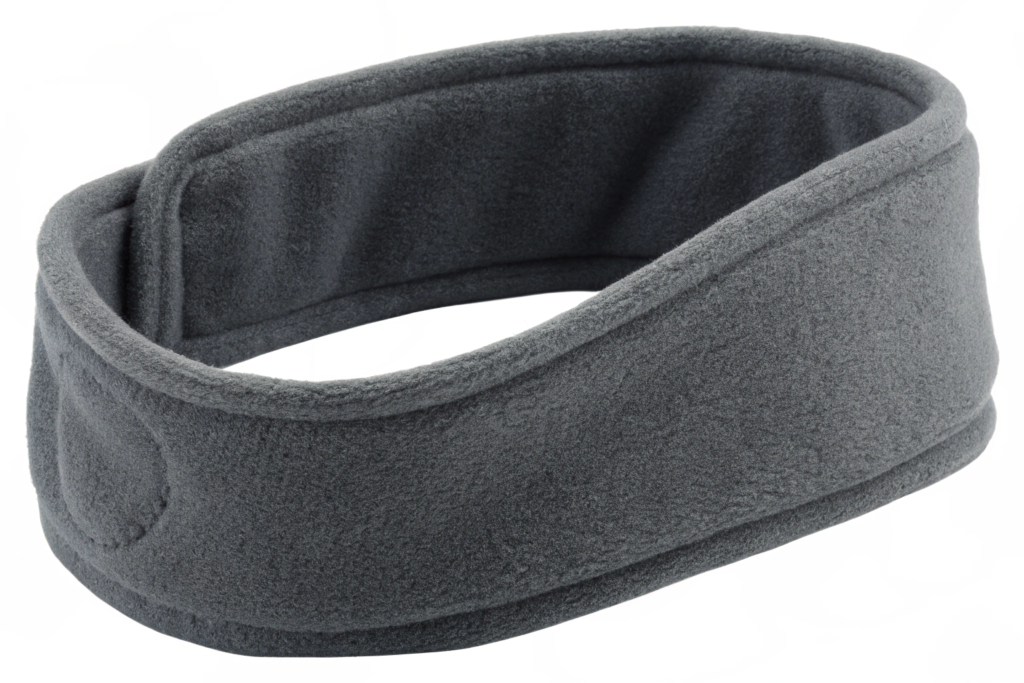
The classic fleece headband is the most popular style. It is a simple band that wraps around the head, covering the ears. It is made from soft fleece fabric, often with a microfleece lining for extra comfort. The band may be a simple tube of fabric, or it may have a flexible plastic or metal insert to help it keep its shape. The closure is typically a hook-and-loop (Velcro) fastener or an adjustable buckle. This style is popular for casual wear, outdoor activities, and promotional products.
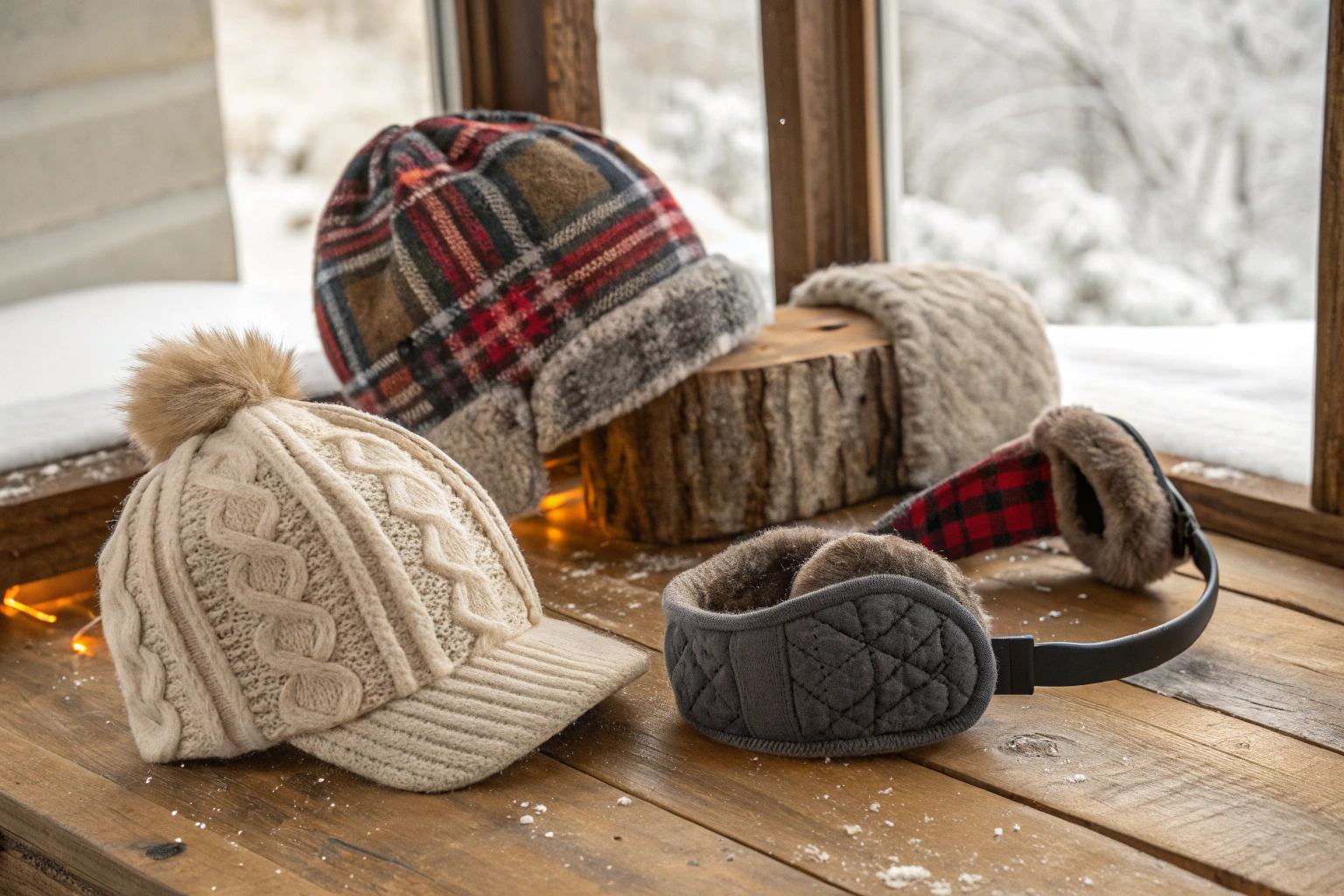
The knit beanie with ear flaps is another classic style. It looks like a traditional beanie or ski hat but has built-in ear flaps that can be worn down for extra warmth or folded up. This style is popular for children and for cold-weather sports. It is typically made from acrylic or wool-blend yarns. The ear flaps may have drawstrings or ties to secure them. The faux fur headband is a fashion-forward option. It has a band of plush faux fur that sits across the top of the head, covering the ears. It is often lined with fleece for warmth. This style is popular for women and for dressier winter occasions. The sporty fleece cap combines the coverage of a cap with ear-warming features. It is a fleece or softshell cap that has ear flaps or a fold-down neck gaiter. This style is popular for outdoor activities like running, skiing, or hiking.
What is the difference between a fleece headband and a knit ear warmer?
The difference between a fleece headband and a knit ear warmer goes beyond appearance. A fleece headband is typically made from polyester fleece fabric. It is a woven or knitted fabric that is cut and sewn into shape. Fleece is soft, lightweight, and quick-drying. It provides good insulation even when wet. Fleece headbands often have a smooth exterior and a plush interior. They are usually adjustable with Velcro or a buckle. They are ideal for active use because they are breathable and moisture-wicking. A knit ear warmer is made from yarn that is knitted into a tube. The knitting creates a stretchy, textured fabric. Knit ear warmers are often made from acrylic, wool, or blends. They have a traditional, cozy look. They are typically not adjustable; instead, they rely on the stretch of the knit to fit different head sizes. They are ideal for casual wear and for a more classic, handmade aesthetic. The choice depends on your target customer. For sporty, performance-oriented customers, fleece is often the better choice. For fashion-conscious customers or those seeking a traditional look, knit is preferred.
What are the most popular materials for winter ear warmers?
The most popular materials for winter ear warmers are chosen for their warmth, comfort, and durability. Fleece, particularly polyester fleece, is the most common. It is lightweight, soft, and insulating. It comes in different weights; heavier fleece is warmer but bulkier. Microfleece is a thinner, softer version often used for linings. Acrylic yarn is the most common material for knit ear warmers. It is affordable, warm, and available in many colors. It is also machine washable, which is important for a product that gets worn outdoors. Wool is a premium option. It is naturally warm, breathable, and moisture-wicking. However, it can be itchy for some people and requires more careful washing. Wool blends combine the benefits of wool with the softness and easy care of acrylic. Faux fur is popular for fashion-forward styles. It is made from synthetic fibers that mimic real fur. It is soft, luxurious, and warm. However, it can be bulkier and may shed if the quality is low. For the lining, microfleece or brushed tricot are common. These materials are soft against the skin and add an extra layer of warmth. At Shanghai Fumao Clothing, we work with all these materials and can help you select the right combination for your price point and performance requirements.
How Do I Ensure Proper Fit and Sizing?
Fit is critical for winter ear warmers. A product that is too tight causes discomfort. A product that is too loose does not stay in place and fails to cover the ears. Proper sizing requires understanding the dimensions of the product and the intended user.
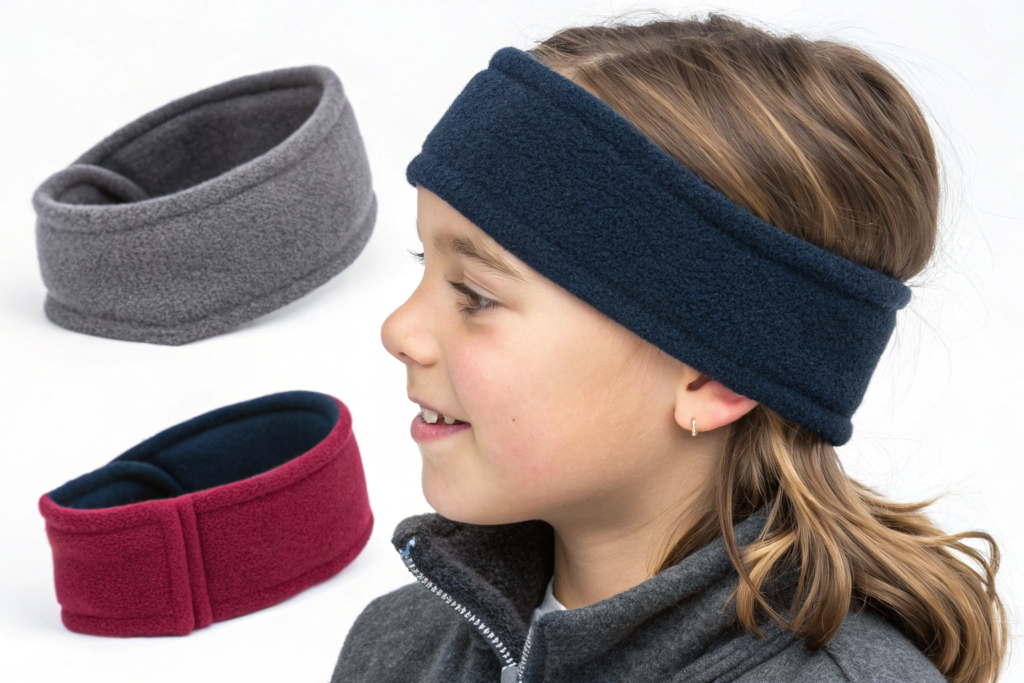
For fleece headbands with adjustable closures, sizing is more flexible. The headband should have a range of adjustment that accommodates most adult head sizes. A typical adult head circumference is 21 to 24 inches (53 to 61 cm). The adjustable strap should have enough length to cover this range. For knit ear warmers without adjustment, you need to offer multiple sizes. Common sizes are Small/Medium (for children and smaller adults) and Large/Extra Large (for larger adults). You may also offer a one-size-fits-most option, but this will not fit everyone comfortably.
For beanies with ear flaps, the fit is determined by the beanie portion. The ear flaps should be long enough to cover the ears when pulled down. The beanie should fit snugly but not tightly. For children's ear warmers, sizing is especially important. Children's head sizes vary significantly by age. You may need to offer sizes for toddlers (ages 2-4), children (ages 5-8), and tweens (ages 9-12). Always include sizing information on your packaging to help customers choose correctly.
How do I determine the right size for my target market?
Determining the right size for your target market requires research. Start with head circumference data for your target demographic. For adults, the average head circumference is about 22.5 inches (57 cm) for women and 23 inches (58.5 cm) for men. However, there is significant variation. A one-size-fits-most adjustable headband should accommodate from 20 to 24 inches (51 to 61 cm). This covers about 90% of adults. For knit ear warmers without adjustment, consider offering two sizes. Small/Medium for head circumferences 20 to 22.5 inches (51 to 57 cm). Large/Extra Large for head circumferences 22.5 to 24.5 inches (57 to 62 cm). For children, use age-based sizing. Toddlers (2-4 years): 18 to 20 inches (46 to 51 cm). Children (5-8 years): 20 to 21.5 inches (51 to 55 cm). Tweens (9-12 years): 21 to 22.5 inches (53 to 57 cm). You can also find sizing charts from industry sources like the Headwear Association or by measuring a sample of your target demographic. When in doubt, err on the side of adjustability. An adjustable headband fits more customers than a fixed-size product. At Shanghai Fumao Clothing, we have extensive sizing data from years of production and can help you select the right sizes for your market.
What are the common fit issues and how to avoid them?
Common fit issues with winter ear warmers can be avoided with careful design and quality control. The first issue is a headband that is too tight. This causes headaches and discomfort. To avoid this, ensure the elastic or adjustable strap is not over-tensioned. For adjustable headbands, test the maximum and minimum fit. The minimum should not be so tight that it leaves marks. For knit ear warmers, test the stretch. The fabric should stretch comfortably to fit a range of head sizes without causing pressure. The second issue is a headband that slips up or down. This happens when the headband is too loose or when the fabric is too slippery. To prevent slipping, use a gripper material on the inside of the headband. Silicone strips or a non-slip fabric can keep the headband in place. For knit ear warmers, the texture of the knit itself provides some grip. The third issue is ear flaps that do not cover the ears properly. This happens when the ear flaps are too short or poorly positioned. To avoid this, design the ear flaps to be generous in length and positioned to align with the ears when the beanie is worn. Test the product on different head shapes. The fourth issue is discomfort from seams or closures. Ensure that all seams are flat and that closures are padded or positioned away from sensitive areas. At Shanghai Fumao Clothing, we test all prototypes on a range of head sizes and shapes to identify and correct fit issues before production.
What Quality Checks Are Essential for Ear Warmers?
Quality checks for winter ear warmers focus on materials, construction, and safety. Because these products are worn against the skin and used in outdoor conditions, they need to be durable, comfortable, and safe. A comprehensive quality control program ensures that every product meets these standards.
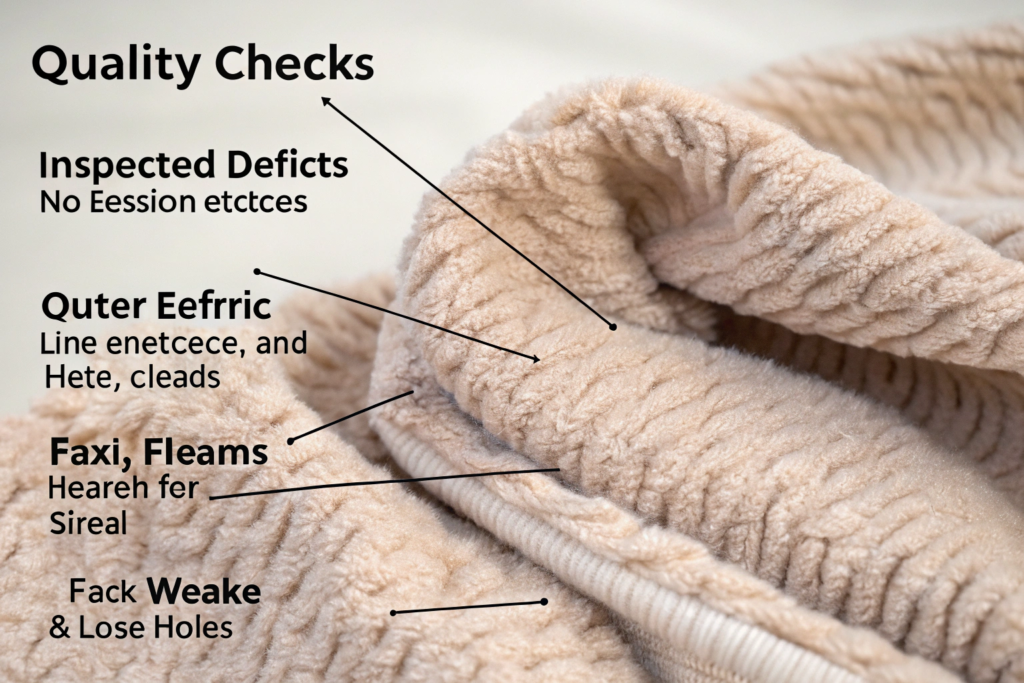
The first quality check is on the materials. The outer fabric should be inspected for defects like holes, stains, or uneven texture. The fleece should have consistent pile height. The knit should have even tension with no dropped stitches. The faux fur should be checked for shedding and uneven color. The lining should be soft with no rough spots. The second quality check is on the construction. For fleece headbands, check the seams. They should be strong and flat. Check the stitching; it should be even with no skipped stitches. For knit ear warmers, check the knitting for any holes or loose threads. Check the ends to ensure they are securely woven in.
The third quality check is on the closure system. For Velcro closures, check that the hook and loop engage fully and hold securely. The Velcro should not snag the fabric when adjusted. For buckles, check that the buckle clicks into place and releases smoothly. For elastic bands, check that the elastic has consistent tension and does not stretch out permanently. The fourth quality check is on safety. Check for any sharp edges on buckles or metal components. For children's ear warmers, test for small parts that could become detached. Ensure that all components are securely attached.
How do I test the durability of fleece and knit materials?
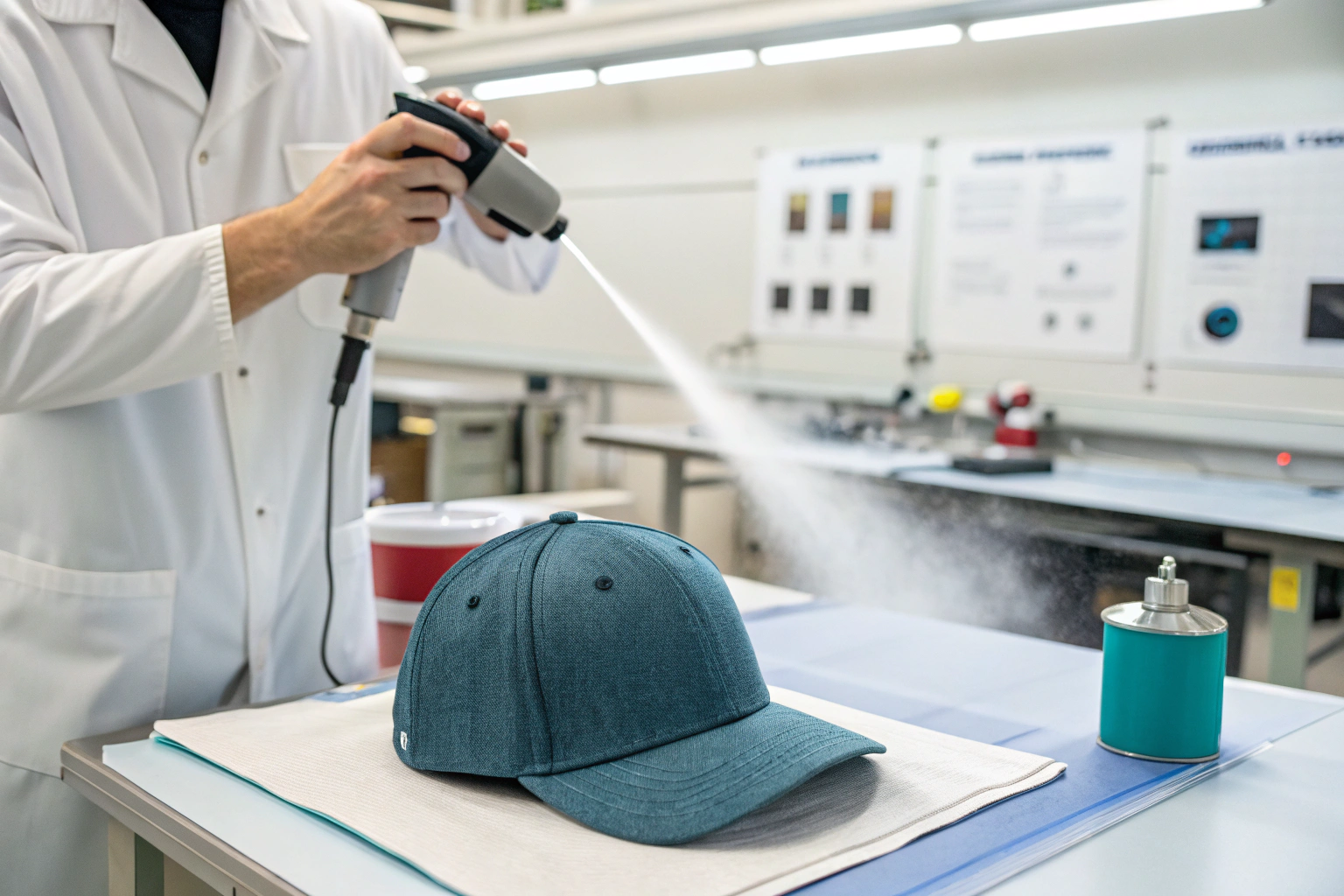
Testing the durability of fleece and knit materials ensures that your ear warmers will withstand normal wear and washing. The first test is the abrasion test. We rub the fabric against a standard abrasive surface to simulate wear. The fabric is rated on how well it resists pilling and fraying. For fleece, pilling is a common issue. A good quality fleece will have minimal pilling after repeated abrasion. The second test is the wash test. We wash the ear warmer multiple times according to the care instructions. After each wash, we check for shrinkage, color fading, and changes in texture. A good quality product will maintain its shape and color after multiple washes. The third test is the stretch recovery test. For knit ear warmers, we stretch the fabric to simulate wear and then release it. We measure how well it returns to its original shape. A good quality knit will have excellent recovery. The fourth test is the seam strength test. We pull on the seams to ensure they can withstand tension. The seam should not rip or come apart. At Shanghai Fumao Clothing, we conduct these tests on all new materials and designs. We provide test reports to clients who request them.
What safety standards apply to winter ear warmers?
Winter ear warmers are generally considered wearing apparel, not toys, but they still need to meet safety standards. For products sold in the US, the main concern is flammability. Wearing apparel must meet the flammability standards under 16 CFR Part 1610. Most fleece, acrylic, and polyester fabrics pass this test. However, some materials with a raised surface, like certain fleeces or faux furs, may require additional testing. For children's ear warmers, the requirements are stricter. If the product is intended for children 12 and under, it must comply with CPSIA. This includes lead content limits, phthalate limits for plastic components, and tracking label requirements. If the product has small parts that could detach and pose a choking hazard, it may be considered a toy and need to meet additional standards. For the European market, the relevant standard is REACH for chemical compliance. The product must not contain substances of very high concern (SVHC) above the limit. For children's products, EN71 toy safety standards may apply. Always check with your factory about the safety standards relevant to your market. At Shanghai Fumao Clothing, we test all our children's products to CPSIA and EN71 standards and provide documentation.
How Do I Customize Ear Warmers with My Branding?
Customization is a key opportunity for ear warmers. They are popular promotional products, corporate gifts, and retail items where branding adds value. Customization can range from simple logo printing to fully custom designs with unique colors and materials.
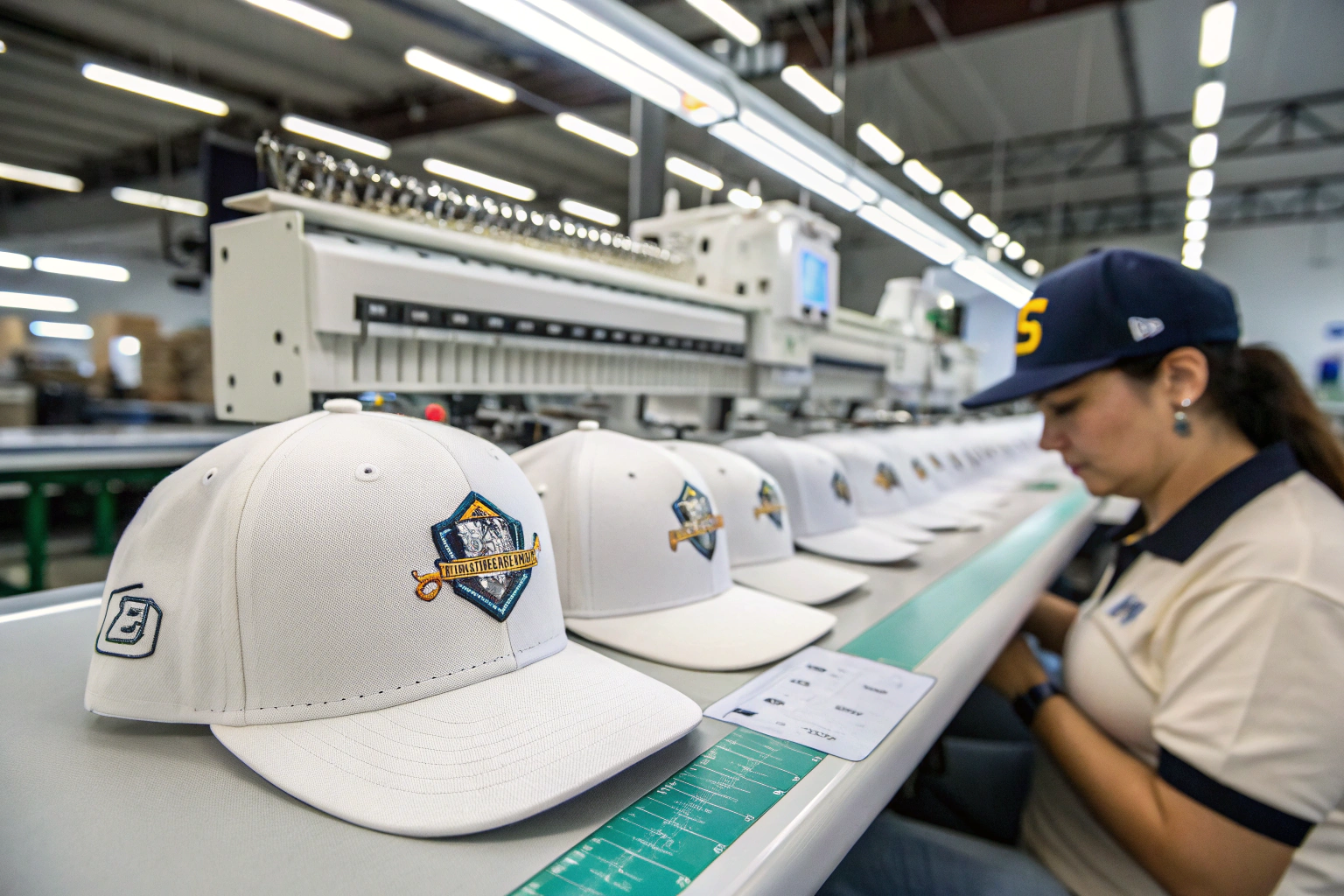
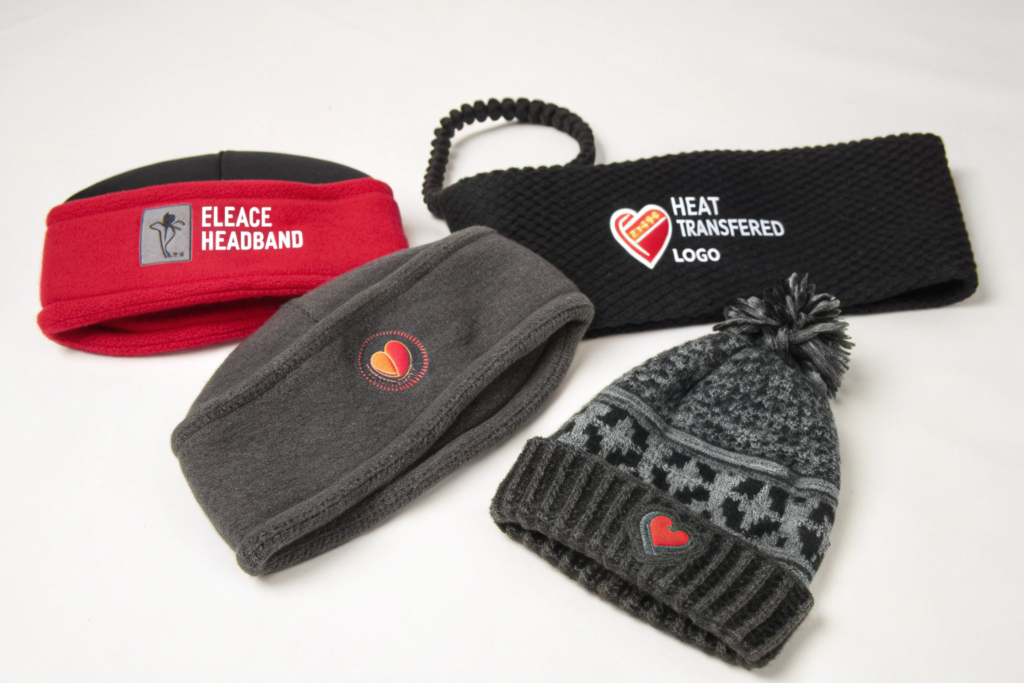
The most common customization is screen printing or heat transfer of a logo onto the ear warmer. For fleece headbands, screen printing works well for simple, bold logos. The ink sits on top of the fabric. For knit ear warmers, heat transfer is often better because it bonds to the textured surface. For a more premium look, consider embroidery. Embroidery works well on fleece headbands and on the cuffs or flaps of knit beanies. It adds texture and a high-quality feel. However, embroidery is more expensive than printing and requires a minimum order quantity to be cost-effective.
For a truly unique product, you can customize the material. Choose a specific fleece color that matches your brand palette. Have your brand's signature plaid or pattern printed on the fleece. For knit ear warmers, you can create a custom color combination using your brand's colors. You can also add custom labels. Woven labels with your brand name can be sewn into the seam. Printed hang tags can be attached to the product. For promotional products, custom packaging with your branding adds an extra touch.
What is the best printing method for fleece ear warmers?
The best printing method for fleece ear warmers depends on the design complexity and the quantity. For simple logos with one or two solid colors, screen printing is the most common and cost-effective method. The ink is applied through a stencil onto the fabric. It creates a durable, opaque print. However, screen printing works best on smooth fleece. On textured or high-pile fleece, the print may be less crisp. For full-color designs or complex gradients, heat transfer is a better option. The design is printed onto a special film and then heat-pressed onto the fabric. The transfer can reproduce photographs and intricate details. The result is a smooth, durable print that bonds to the fabric. For small quantities, digital direct-to-garment (DTG) printing is an option. It works like an inkjet printer for fabric. However, DTG works best on cotton and may not adhere as well to synthetic fleece. At Shanghai Fumao Clothing, we offer both screen printing and heat transfer for fleece ear warmers. We will recommend the method that best suits your design and budget.
How do I ensure the logo stays on after washing?
Ensuring the logo stays on after washing requires using the right printing method and quality materials. For screen printing, the ink must be properly cured. The print is passed through a dryer that heats the ink to the correct temperature, causing it to bond with the fabric. If the curing is insufficient, the ink will crack or peel. For heat transfer, the transfer must be applied at the correct temperature and pressure for the correct duration. If the pressure is too low or the temperature too high, the transfer may not adhere properly. After production, we conduct wash tests. We wash the printed ear warmers multiple times and check the print for any signs of cracking, peeling, or fading. A good quality print should last through many washes without deterioration. For high-wear areas like the back of the head where the headband may be adjusted frequently, consider placing the logo in a lower-wear area. For premium products, consider embroidery. Embroidery is the most durable option; it will last as long as the product itself. At Shanghai Fumao Clothing, we perform wash tests on all custom prints to ensure durability.
Conclusion
Sourcing winter ear warmers from China offers access to a wide range of styles, materials, and customization options at competitive prices. The key to success is understanding the product types—from classic fleece headbands to knit beanies with ear flaps—and selecting the right materials for your target market. Proper fit and sizing are essential for customer satisfaction, and rigorous quality checks on materials, construction, and closures ensure durability and safety. Customization through printing or embroidery adds brand value.
At Shanghai Fumao Clothing, we have extensive experience producing winter ear warmers for clients around the world. We work with fleece, acrylic knit, faux fur, and other materials. We have the quality systems to ensure consistent production, and we offer customization options to bring your brand to life. Whether you need a simple promotional headband or a fully custom collection for retail, we have the expertise to deliver.
If you are ready to source winter ear warmers for your brand, let's talk. Please contact our Business Director, Elaine, directly at elaine@fumaoclothing.com to discuss your project and how we can help you bring warm, stylish products to your customers.